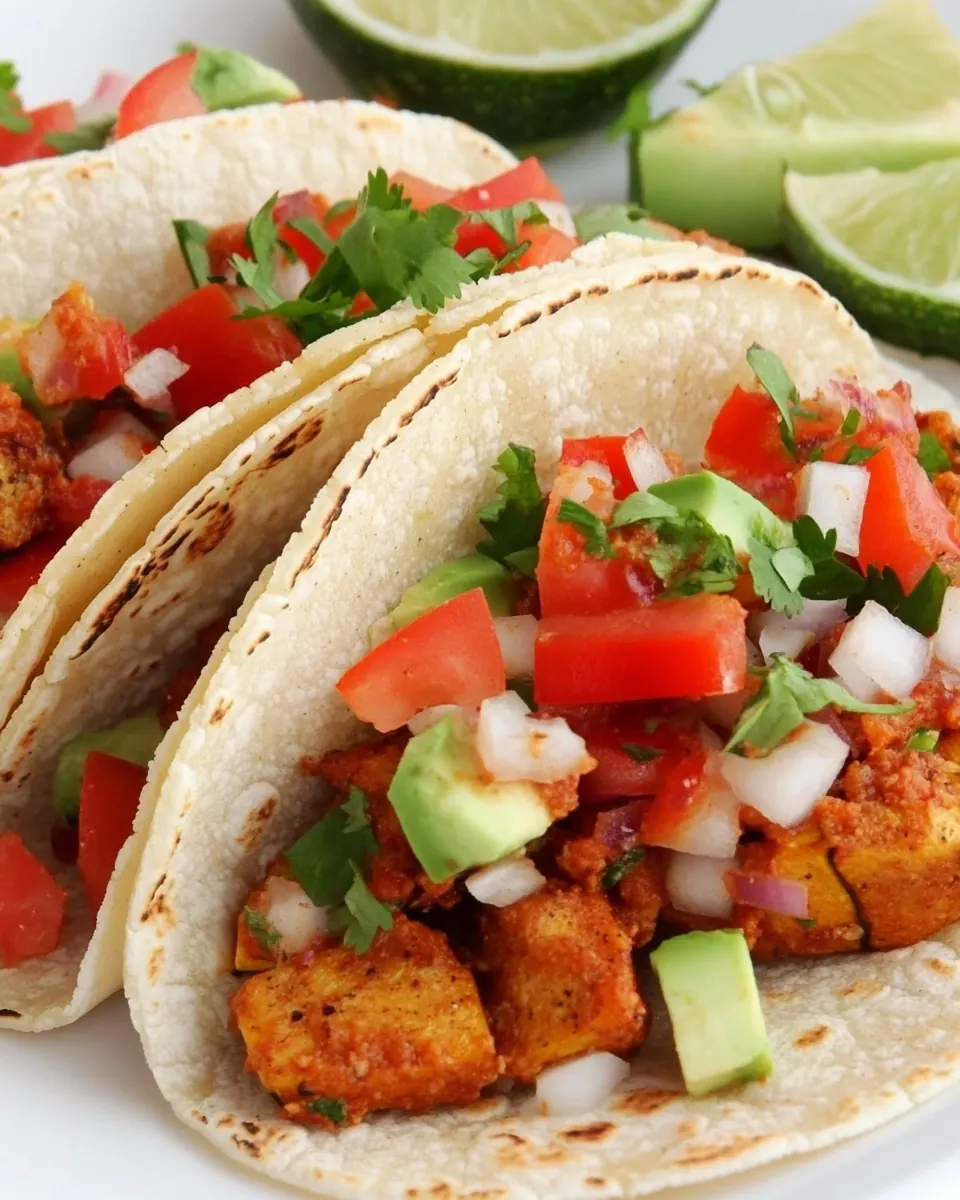
Chipotle Squash Tacos
Chipotle Squash Tacos were the kind of accidental discovery that changed how I think about weeknight meals, a tiny revelation that started with a patch of roasted squash and a jar of chipotle paste. I remember the first evening I threw these together, humming through a busy day and wanting something fast, comforting, and a little smoky. The first bite, warm and slightly crisp, tasted like autumn wrapped in a soft tortilla, and I knew I had stumbled onto something I would make again and again.
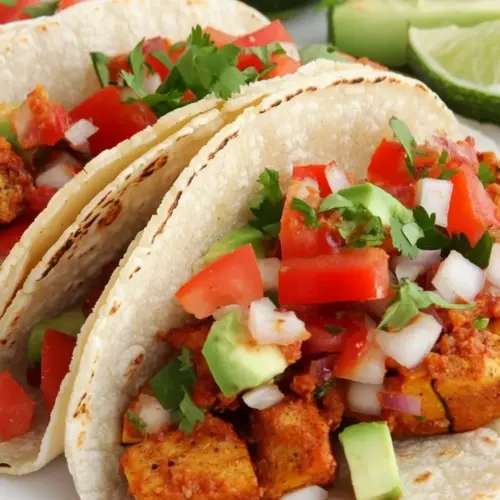
That night I was experimenting with textures more than exact measurements, and the result felt honest and unfussy. The fritters are soft inside and golden at the edges, with the gentle heat of chipotle chile balanced by the sweetness of the butternut or acorn squash. I love how the flour tortillas cradle the fritters, and how a squeeze of lime or a spoonful of salsa brightens every mouthful. Cooking this became my favorite way to celebrate late autumn produce, especially when I want something that is both cozy and playful.
Over time I developed little rituals around this dish, like grating the squash by hand so I could feel the texture, or resting the fritter batter long enough to let the flavors settle. Friends started asking for the recipe after tasting it at casual dinners, and I found myself describing it as a cross between a fritter and a taco, the sort of thing you can plate simply or dress up for company. There is a warmth to it, literal and emotional, that makes it perfect for nights when you want to feed people something memorable without fuss.
Recipe Snapshot
25 mins
15 mins
10 mins
Easy
250 kcal
Mexican
Gluten-Free, Low FODMAP
Dinner
Skillet, Grater, Spatula, Mixing bowl
The Magic of This Chipotle Squash Tacos
1. Flavor that balances sweet and smoky
I fall for this recipe because the butternut or acorn squash brings natural sweetness that plays beautifully against the smoky, slightly spicy kick of the chipotle chile. The contrast keeps every bite interesting, so it never tastes one dimensional. I often tweak the chipotle amount depending on who I am cooking for, and the fritter format lets the spice shine without overwhelming the palate.
2. Texture plays well with toppings
The fritters crisp at the edges while remaining tender inside, which makes the textural combo with a soft flour tortilla extremely satisfying. I like to pile on fresh, cool toppings like diced tomatoes and avocado to add contrast. This play on textures is what turns simple ingredients into a memorable mouthful.
3. Quick and weeknight friendly
From grating the squash to frying the fritters, the process is compact and fast, which is why I reach for this on busy evenings. It is the kind of recipe where active hands on the prep mean you are rewarded quickly at the table, and I appreciate that immediacy when time is tight but I still want a proper homemade dinner.
4. Flexible to dietary preferences
The recipe is naturally adaptable without losing its identity. If someone prefers vegan cheese, swapping to a plant based option keeps the texture and melty pockets of richness intact. I like having options when hosting, and this dish accepts them with grace.
5. Crowd pleaser with simple ingredients
There is something undeniably friendly about handing someone a warm taco loaded with a golden fritter. The ingredient list reads like pantry and market staples, and that accessibility makes it easy to convince friends to try it. I often double the batch because it disappears fast, which tells me it resonates with a lot of different tastes.
Ingredient List for Chipotle Squash Tacos
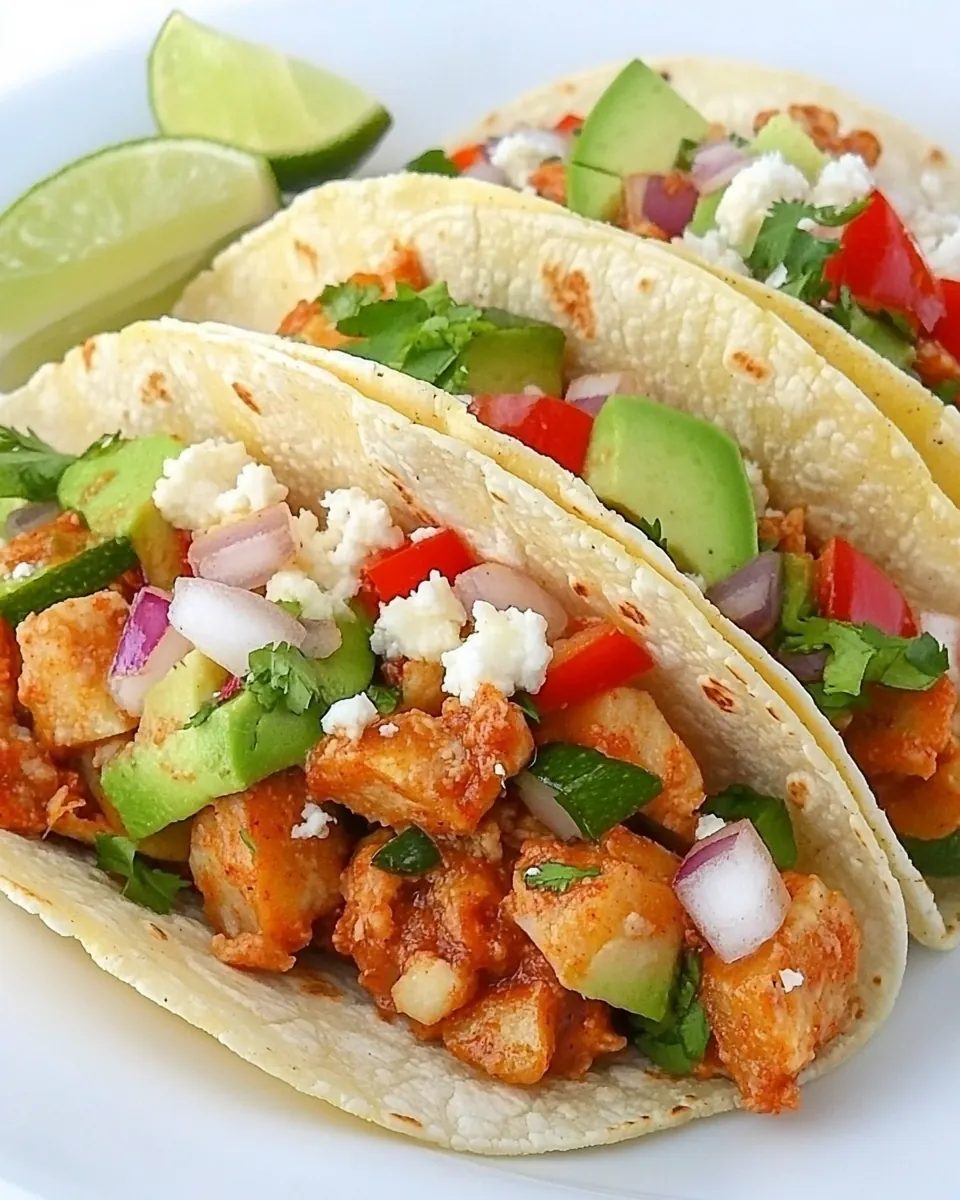
I cook with the philosophy that a short list of well chosen ingredients can deliver layered results. Here the star is the butternut or acorn squash, whose sweetness anchors the mix, while small additions like chipotle chile and jalapeno chili bring smokiness and heat. The dairy element of Cheddar cheese gives richness and helps bind the fritters along with the egg and flour. Each player pulls its weight to create a taco filling that is bright, textured, and satisfying.
- 2 cups grated butternut or acorn squash or pumpkin: Provide grated squash that adds natural sweetness, moisture, and tender texture to the taco filling; use butternut, acorn, or pumpkin interchangeably to match seasonal availability and flavor preferences. Help bind with egg and flour while offering a mellow base that soaks up spices and chipotle heat for balanced layers of taste.
- 1/4 cup grated white onion: Add grated white onion to contribute sharp, savory bite and aromatic depth to the mixture; small grated pieces distribute evenly so pungency complements rather than overpowers. Soften quickly when cooked, releasing sugars that enhance overall flavor and meld with the squash and spices.
- 1 egg: Bind the mixture together by acting as a primary binder and providing structure when fried; beaten egg helps set the patties or fritters so they hold shape while cooking. Contribute a touch of richness and color that improves mouthfeel and helps the flour adhere.
- 1/2 cup Cheddar cheese (vegans: use vegan cheese): Introduce melted, savory Cheddar cheese that brings creaminess, tang, and umami to the taco filling; use vegan cheese as an alternative to maintain texture and flavor for plant-based diets. Help create a cohesive interior with a slightly gooey bite that contrasts the fried exterior.
- 1 jalapeno chili, seeded and diced: Provide diced jalapeno chili to add fresh, bright heat and vegetal flavor; seeding reduces intensity while preserving the pepper's characteristic aroma and spice. Contribute small bursts of heat that complement the smoky chipotle without overwhelming other flavors.
- 1 chipotle chile en adobo sauce, finely chopped: Impart smoky, tangy heat by using finely chopped chipotle chile in adobo, which delivers deep, complex flavor and a touch of acidity. Blend thoroughly into the mixture to distribute smoky spice evenly and enhance the taco's southwestern profile.
- 1 teaspoon dried oregano: Season with dried oregano to contribute herbal, slightly peppery notes that enhance the savory profile; use sparingly to avoid overpowering the other spices. Pair well with chipotle and cheese, adding a Mediterranean-Mexican hybrid herbiness.
- 1/4 teaspoon pepper: Balance seasoning by adding ground pepper, which contributes subtle heat and aromatic bite; use measured amounts to fine-tune spiciness without altering the intended flavor profile. Work alongside salt to round out flavors and enhance the overall taste.
- 1 1/2 teaspoons salt: Provide essential seasoning with salt to enhance and amplify the natural flavors of squash, cheese, and spices; measure carefully to avoid oversalting the relatively bland squash. Help proteins and starches in the mixture bind and taste more pronounced when fried.
- 3/4 cup flour: Thicken and provide structure with flour, which absorbs moisture and helps form a cohesive batter or dough for frying; adjust amount slightly if mixture is too wet or dry. Contribute to a tender interior and help create a golden crust when cooked in oil.
- oil for frying: Facilitate frying by using oil that reaches proper temperature to crisp the exterior and cook the interior evenly; choose a neutral oil with a suitable smoke point for frying. Maintain oil temperature to prevent sogginess and ensure consistent golden-brown texture.
- 8 flour tortillas: Serve as the handheld base with flour tortillas that wrap the filling and provide a soft, pliable vehicle for the tacos; warm slightly to improve flexibility and flavor. Complement fried filling textures and absorb sauces and toppings without tearing.
- Taco toppings: Diced tomatoes, avocados, salsa, crumbled queso con fresco, sour cream, and chopped green onions.: Enhance finished tacos by offering a variety of taco toppings—diced tomatoes, avocados, salsa, crumbled queso con fresco, sour cream, and chopped green onions—to add freshness, creaminess, acidity, and crunch. Allow diners to customize flavor balance and texture contrast for each bite.
Recipe Steps for Chipotle Squash Tacos
I like to keep the cooking flow calm and deliberate, arranging my workspace so that frying feels rhythmic rather than frantic. These steps will guide you through forming and frying fritters that are crisp at the edges, tender within, and perfectly suited to warm flour tortillas. Have your toppings ready because assembly is fast.
- Combine all ingredients. Heat some vegetable oil in a skillet on medium-high. Once the oil is hot enough that a drop of water sizzles when it hits the pan, form small fritters, about an inch in diameter, between your palms. The fritters will be soft and they won’t hold together well in your palms, but they will firm up once they start cooking. Fry on both sides until golden brown, about 2 minutes on each side. Place the chipotle squash fritters in warmed soft taco shells with the taco toppings of your choice. Serve immediately.: The aroma will be a mix of vegetal sweetness from the butternut or acorn squash and the sharp, savory smell of grated white onion . As you mix, notice the batter become cohesive, with flecks of chipotle chile and jalapeno chili distributed throughout. This step matters because even distribution ensures every fritter has balanced flavor. A common mistake is under mixing so the seasoning pockets are uneven, or over mixing which can make the batter gluey. If the mixture looks too loose, pause and add a tablespoon of flour at a time until it holds better.
- Heat some vegetable oil in a skillet on medium high: As the oil warms you will detect a faint shimmer across its surface and a faint toasted scent when it is near frying temperature. Using medium high keeps the oil hot enough to create a golden crust quickly, which traps moisture inside the fritters. If the oil is too cool the fritters will soak it up and become greasy, while oil too hot will burn the exterior before the center cooks. A thermometer reading around 350 to 375 degrees F is ideal, but if you do not have one, test by flicking a drop of water into the pan; a lively sizzle means you are ready.
- Once the oil is hot enough that a drop of water sizzles when it hits the pan: You will hear a sharp sizzle as the batter hits the oil and see the edges begin to set almost immediately. That auditory cue tells you the pan is at the right temperature to form a crisp exterior. This technique prevents excessive oil absorption and yields a pleasant crunch. One pitfall is adding too many fritters at once which lowers the oil temperature rapidly; fry in small batches for consistent results.
- Form small fritters, about an inch in diameter, between your palms: The tactile sensation here is important, the batter should feel moist but not runny, and shaping them by hand gives you a feel for how firm they need to be. They will be delicate, so gentle compacting is enough. Because they are small, they cook quickly and develop more surface browning relative to interior volume. If the batter sticks too much to your hands, wet your palms slightly to ease shaping, but avoid compressing so tightly that they become dense.
- The fritters will be soft and they won’t hold together well in your palms, but they will firm up once they start cooking: As they hit the oil you will notice them become progressively more structured, with edges turning golden and a soft crackle forming. This transformation is why you should not overbind them before frying. A common misstep is trying to make them as firm as a croquette before frying, which results in tough texture; trust the pan to finish the job and let the heat do the firming.
- Fry on both sides until golden brown, about 2 minutes on each side: Listen for a steady sizzle and look for a deepening golden color at the edges as your visual cue. Flip carefully, using a slotted spatula so excess oil drains back into the pan. This quick fry time seals the exterior while keeping the interior tender. If you find the exterior is darkening too fast, lower the heat slightly; rushing at a higher temperature often leads to an undercooked center and overcooked crust.
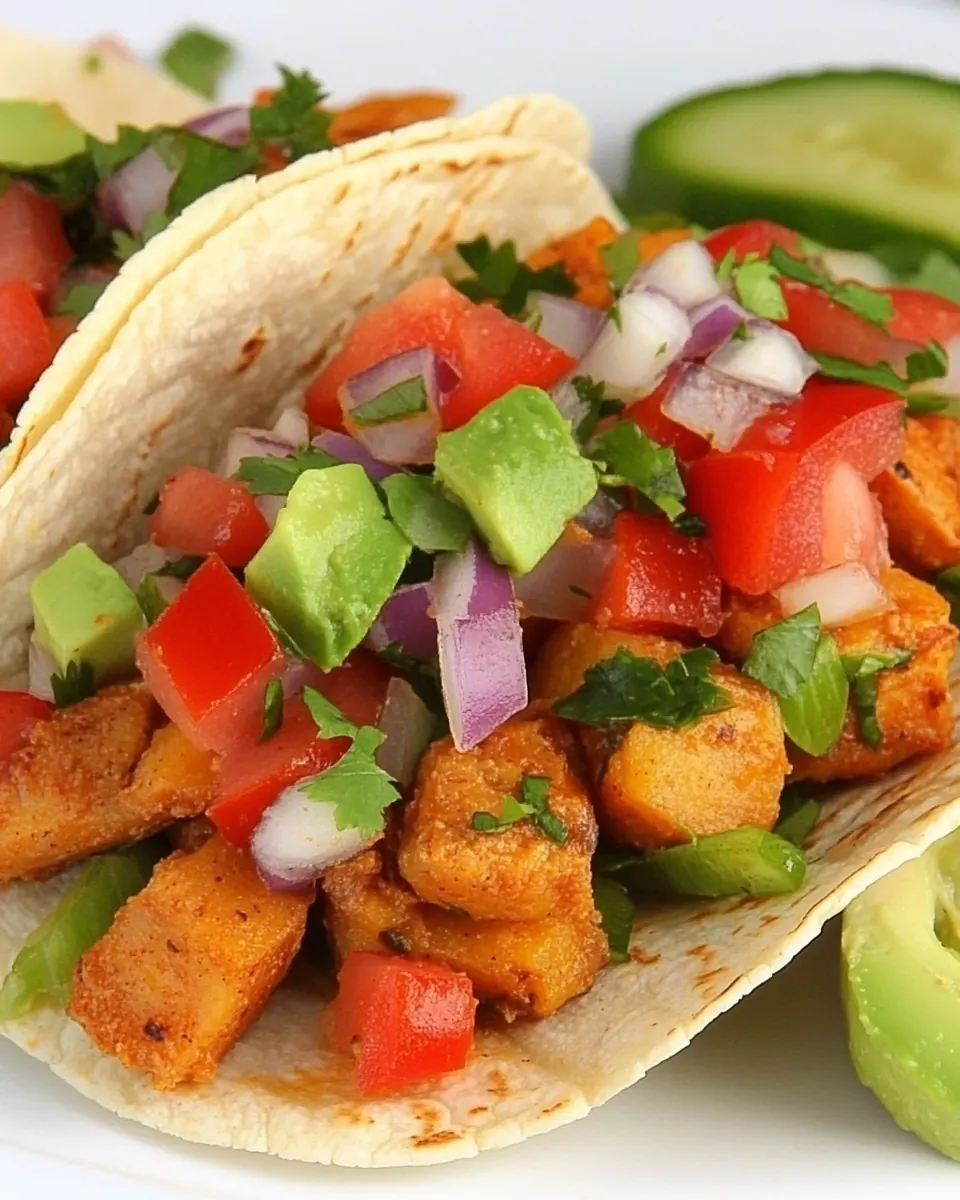
- Place the chipotle squash fritters in warmed soft taco shells with the taco toppings of your choice: As you assemble, the contrast in temperatures is lovely, hot fritters meeting cool, fresh toppings like avocados and diced tomatoes . Warming the flour tortillas makes them more pliable and helps the fritters tuck in neatly. A frequent oversight is assembling on cold tortillas which crack or tear when folded, so spend a few seconds warming them on a dry skillet or in a microwave wrapped in a damp towel.
- Serve immediately: The sound and texture are at their best just after frying, with a crisp edge and a warm, soft inside. Serving straight away preserves that contrast; waiting too long will let steam soften the crust. If you must hold them, place fritters on a wire rack in a low oven to keep them crisp briefly, but know that immediate serving is ideal for peak sensory enjoyment.
Substitutions and Tips
These tips will help you adapt the recipe and troubleshoot common issues while keeping the dish true to its spirit. I offer practical swaps and reminders to make your cooking smoother and the outcome reliably tasty.
- Use roasted squash for added depth: If you have a bit more time, roast chunks of butternut or acorn squash until caramelized, then grate or mash them lightly before incorporating. Roasting concentrates the sweetness and adds a slightly nutty note, which can deepen the overall flavor profile without changing technique.
- Control heat with the chipotle: Because the chipotle chile en adobo sauce carries both smoke and heat, start with a smaller amount and fry a test fritter to calibrate spiciness. This is especially helpful when cooking for guests with varying tolerances.
- Lock in texture by draining excess moisture: Very watery squash batter will produce fragile fritters. After grating, press the squash gently in a clean towel to remove excess water before combining with the other ingredients, which helps the fritters hold their shape when frying.
- Choose the right frying oil: Pick a neutral oil with a high smoke point for clean frying flavor. Oils like vegetable or canola work well and help the fritters brown evenly without imparting extra flavors.
- Warm tortillas for pliability: Heat flour tortillas on a dry skillet or wrapped in a damp towel in the microwave for a few seconds to make them flexible and pleasant to fold around the fritters.
- Make ahead and reheat carefully: You can cook the fritters ahead of time and re-crisp them in a 350 degree F oven on a wire rack for several minutes before serving to restore texture. Avoid microwaving which will soften the crust.
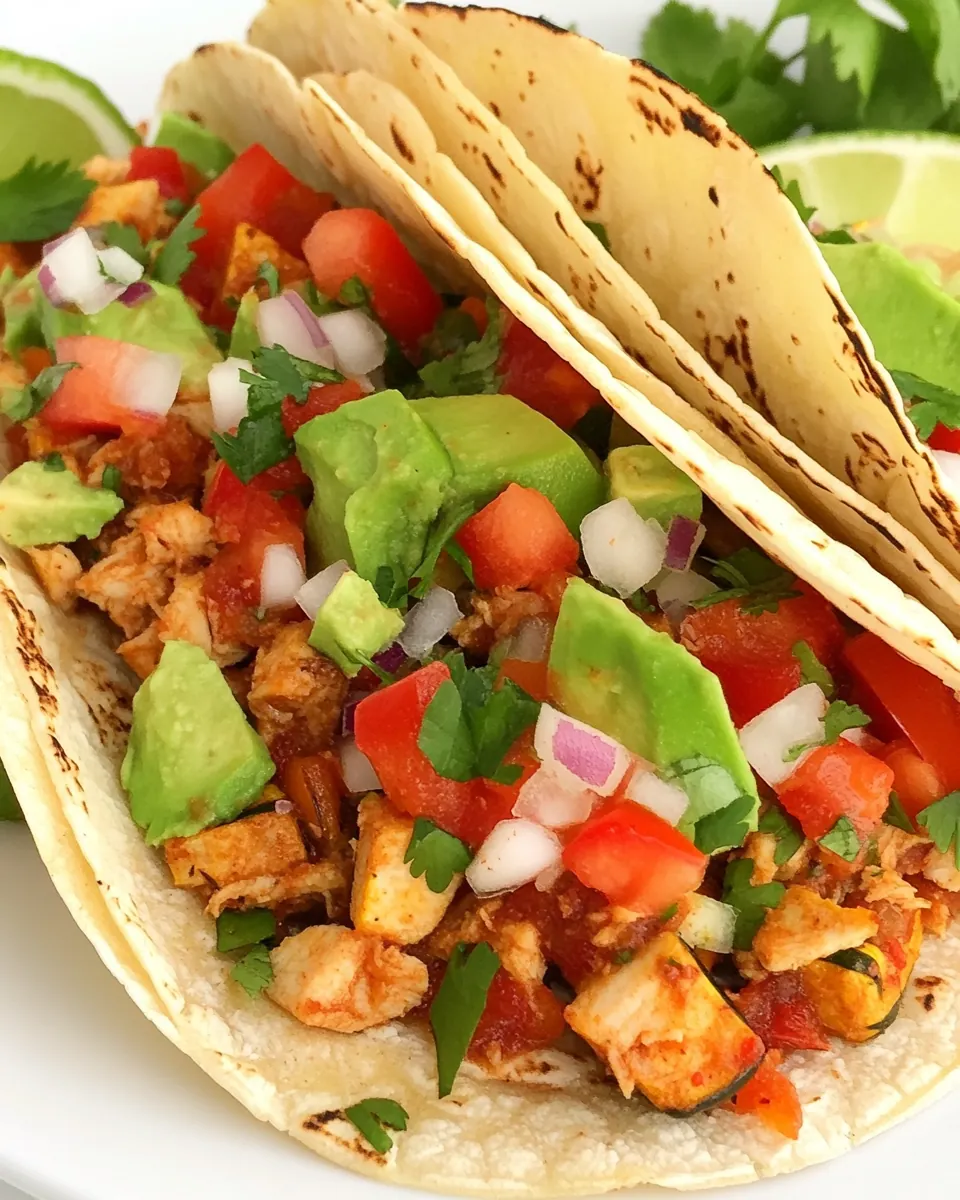
- Customize toppings for balance: Rely on a mix of cool, creamy, and acidic components like avocados, tomatoes, and salsa to balance the warm, smoky fritter. A little tang from sour cream or crumbled queso con fresco lifts each bite.
Perfect Matches for Chipotle Squash Tacos
These serving ideas will help you craft a memorable meal, whether you are hosting friends or preparing a cozy dinner. Think about contrasts in texture and temperature when pairing sides.
- Simple slaw: A crisp cabbage slaw dressed with lime juice and a pinch of salt provides a crunchy, acidic partner to the warm fritters and keeps the plate lively.
- Black beans: Warm, seasoned black beans complement the smoky chipotle notes and add protein rich texture that pairs well with the soft fritters.
- Charred corn: Corn charred on the grill or in a hot skillet adds sweet smokiness and kernels that pop beneath the teeth, echoing the autumnal squash flavors.
- Fresh pico de gallo: Bright diced tomatoes, onions, and cilantro with lime juice refresh the palate and contrast the richer, fried elements.
- Occasions: These tacos shine for casual weeknight dinners, small gatherings, or a relaxed fall weekend lunch. They also make a comforting option during Ramadan if you are serving an evening iftar that highlights warm, nourishing dishes.
- Storage tips: Store fritters in an airtight container in the refrigerator for up to three days. Reheat in a hot oven on a wire rack to keep them crisp. Keep toppings separate to maintain freshness.
- Seasonal pairing: This recipe pairs especially well with fall produce menus, when butternut or acorn squash and ripe avocados are at their best, making it feel timely and comforting.
FAQ
Conclusion
This recipe stands out because it turns simple, seasonal squash into a vibrant, smoky taco filling that is crisp at the edges and tender inside. Give it a try the next time you want an easy, comforting meal that feels a little special, and invite friends or family to pick their favorite toppings so everyone can customize their taco. It is the kind of dish that rewards small adjustments and tastes great whether you make a quick weeknight batch or cook a larger amount for guests.
Chipotle Squash Tacos
Equipment
- Skillet
- Grater
- Spatula
- Mixing Bowl
Ingredients
- 2 cups grated butternut or acorn squash or pumpkin Provide grated squash that adds natural sweetness, moisture, and tender texture to the taco filling; use butternut, acorn, or pumpkin interchangeably to match seasonal availability and flavor preferences. Help bind with egg and flour while offering a mellow base that soaks up spices and chipotle heat for balanced layers of taste.
- 1/4 cup grated white onion Add grated white onion to contribute sharp, savory bite and aromatic depth to the mixture; small grated pieces distribute evenly so pungency complements rather than overpowers. Soften quickly when cooked, releasing sugars that enhance overall flavor and meld with the squash and spices.
- 1 egg Bind the mixture together by acting as a primary binder and providing structure when fried; beaten egg helps set the patties or fritters so they hold shape while cooking. Contribute a touch of richness and color that improves mouthfeel and helps the flour adhere.
- 1/2 cup Cheddar cheese (vegans: use vegan cheese) Introduce melted, savory Cheddar cheese that brings creaminess, tang, and umami to the taco filling; use vegan cheese as an alternative to maintain texture and flavor for plant-based diets. Help create a cohesive interior with a slightly gooey bite that contrasts the fried exterior.
- 1 jalapeno chili, seeded and diced Provide diced jalapeno chili to add fresh, bright heat and vegetal flavor; seeding reduces intensity while preserving the pepper's characteristic aroma and spice. Contribute small bursts of heat that complement the smoky chipotle without overwhelming other flavors.
- 1 chipotle chile en adobo sauce, finely chopped Impart smoky, tangy heat by using finely chopped chipotle chile in adobo, which delivers deep, complex flavor and a touch of acidity. Blend thoroughly into the mixture to distribute smoky spice evenly and enhance the taco's southwestern profile.
- 1 teaspoon dried oregano Season with dried oregano to contribute herbal, slightly peppery notes that enhance the savory profile; use sparingly to avoid overpowering the other spices. Pair well with chipotle and cheese, adding a Mediterranean-Mexican hybrid herbiness.
- 1/4 teaspoon pepper Balance seasoning by adding ground pepper, which contributes subtle heat and aromatic bite; use measured amounts to fine-tune spiciness without altering the intended flavor profile. Work alongside salt to round out flavors and enhance the overall taste.
- 1 1/2 teaspoons salt Provide essential seasoning with salt to enhance and amplify the natural flavors of squash, cheese, and spices; measure carefully to avoid oversalting the relatively bland squash. Help proteins and starches in the mixture bind and taste more pronounced when fried.
- 3/4 cup flour Thicken and provide structure with flour, which absorbs moisture and helps form a cohesive batter or dough for frying; adjust amount slightly if mixture is too wet or dry. Contribute to a tender interior and help create a golden crust when cooked in oil.
- oil for frying Facilitate frying by using oil that reaches proper temperature to crisp the exterior and cook the interior evenly; choose a neutral oil with a suitable smoke point for frying. Maintain oil temperature to prevent sogginess and ensure consistent golden-brown texture.
- 8 flour tortillas Serve as the handheld base with flour tortillas that wrap the filling and provide a soft, pliable vehicle for the tacos; warm slightly to improve flexibility and flavor. Complement fried filling textures and absorb sauces and toppings without tearing.
- Taco toppings: Diced tomatoes, avocados, salsa, crumbled queso con fresco, sour cream, and chopped green onions. Enhance finished tacos by offering a variety of taco toppings—diced tomatoes, avocados, salsa, crumbled queso con fresco, sour cream, and chopped green onions—to add freshness, creaminess, acidity, and crunch. Allow diners to customize flavor balance and texture contrast for each bite.
Instructions
- Combine all ingredients. Heat some vegetable oil in a skillet on medium-high. Once the oil is hot enough that a drop of water sizzles when it hits the pan, form small fritters, about an inch in diameter, between your palms. The fritters will be soft and they won’t hold together well in your palms, but they will firm up once they start cooking. Fry on both sides until golden brown, about 2 minutes on each side. Place the chipotle squash fritters in warmed soft taco shells with the taco toppings of your choice. Serve immediately.: The aroma will be a mix of vegetal sweetness from the butternut or acorn squash and the sharp, savory smell of grated white onion . As you mix, notice the batter become cohesive, with flecks of chipotle chile and jalapeno chili distributed throughout. This step matters because even distribution ensures every fritter has balanced flavor. A common mistake is under mixing so the seasoning pockets are uneven, or over mixing which can make the batter gluey. If the mixture looks too loose, pause and add a tablespoon of flour at a time until it holds better.
- Heat some vegetable oil in a skillet on medium high: As the oil warms you will detect a faint shimmer across its surface and a faint toasted scent when it is near frying temperature. Using medium high keeps the oil hot enough to create a golden crust quickly, which traps moisture inside the fritters. If the oil is too cool the fritters will soak it up and become greasy, while oil too hot will burn the exterior before the center cooks. A thermometer reading around 350 to 375 degrees F is ideal, but if you do not have one, test by flicking a drop of water into the pan; a lively sizzle means you are ready.
- Once the oil is hot enough that a drop of water sizzles when it hits the pan: You will hear a sharp sizzle as the batter hits the oil and see the edges begin to set almost immediately. That auditory cue tells you the pan is at the right temperature to form a crisp exterior. This technique prevents excessive oil absorption and yields a pleasant crunch. One pitfall is adding too many fritters at once which lowers the oil temperature rapidly; fry in small batches for consistent results.
- Form small fritters, about an inch in diameter, between your palms: The tactile sensation here is important, the batter should feel moist but not runny, and shaping them by hand gives you a feel for how firm they need to be. They will be delicate, so gentle compacting is enough. Because they are small, they cook quickly and develop more surface browning relative to interior volume. If the batter sticks too much to your hands, wet your palms slightly to ease shaping, but avoid compressing so tightly that they become dense.
- The fritters will be soft and they won’t hold together well in your palms, but they will firm up once they start cooking: As they hit the oil you will notice them become progressively more structured, with edges turning golden and a soft crackle forming. This transformation is why you should not overbind them before frying. A common misstep is trying to make them as firm as a croquette before frying, which results in tough texture; trust the pan to finish the job and let the heat do the firming.
- Fry on both sides until golden brown, about 2 minutes on each side: Listen for a steady sizzle and look for a deepening golden color at the edges as your visual cue. Flip carefully, using a slotted spatula so excess oil drains back into the pan. This quick fry time seals the exterior while keeping the interior tender. If you find the exterior is darkening too fast, lower the heat slightly; rushing at a higher temperature often leads to an undercooked center and overcooked crust.
- Place the chipotle squash fritters in warmed soft taco shells with the taco toppings of your choice: As you assemble, the contrast in temperatures is lovely, hot fritters meeting cool, fresh toppings like avocados and diced tomatoes . Warming the flour tortillas makes them more pliable and helps the fritters tuck in neatly. A frequent oversight is assembling on cold tortillas which crack or tear when folded, so spend a few seconds warming them on a dry skillet or in a microwave wrapped in a damp towel.
- Serve immediately: The sound and texture are at their best just after frying, with a crisp edge and a warm, soft inside. Serving straight away preserves that contrast; waiting too long will let steam soften the crust. If you must hold them, place fritters on a wire rack in a low oven to keep them crisp briefly, but know that immediate serving is ideal for peak sensory enjoyment.
Notes
- Use roasted squash for added depth: If you have a bit more time, roast chunks of butternut or acorn squash until caramelized, then grate or mash them lightly before incorporating. Roasting concentrates the sweetness and adds a slightly nutty note, which can deepen the overall flavor profile without changing technique.
- Control heat with the chipotle: Because the chipotle chile en adobo sauce carries both smoke and heat, start with a smaller amount and fry a test fritter to calibrate spiciness. This is especially helpful when cooking for guests with varying tolerances.
- Lock in texture by draining excess moisture: Very watery squash batter will produce fragile fritters. After grating, press the squash gently in a clean towel to remove excess water before combining with the other ingredients, which helps the fritters hold their shape when frying.
- Choose the right frying oil: Pick a neutral oil with a high smoke point for clean frying flavor. Oils like vegetable or canola work well and help the fritters brown evenly without imparting extra flavors.
- Warm tortillas for pliability: Heat flour tortillas on a dry skillet or wrapped in a damp towel in the microwave for a few seconds to make them flexible and pleasant to fold around the fritters.
- Make ahead and reheat carefully: You can cook the fritters ahead of time and re-crisp them in a 350 degree F oven on a wire rack for several minutes before serving to restore texture. Avoid microwaving which will soften the crust.
- Customize toppings for balance: Rely on a mix of cool, creamy, and acidic components like avocados, tomatoes, and salsa to balance the warm, smoky fritter. A little tang from sour cream or crumbled queso con fresco lifts each bite.
