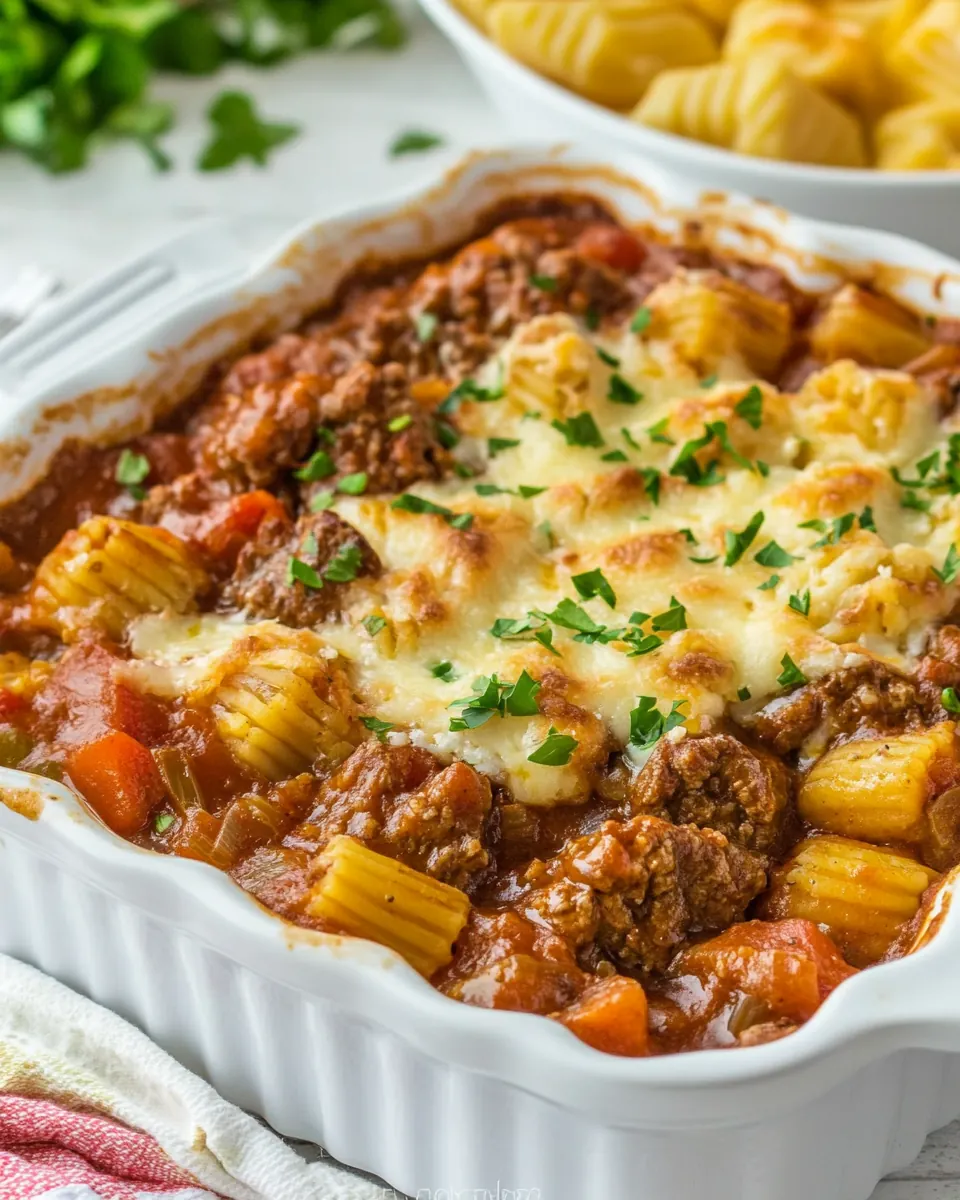
Beef Lombardi Casserole
Beef Lombardi Casserole became one of my go to comfort dinners the first winter I moved into my own place, when I needed a straightforward, cozy dish that filled the kitchen with warm, familiar aromas.
I remember that night clearly, a cold rain tapping the window while I stirred a bubbling pan of simmering tomatoes and ground beef, thinking how a single casserole could feel like a hug. Over the years I adjusted the balance of cheeses, learned the small tricks that coax creaminess from egg noodles and sour cream, and turned it into a recipe I trust for weeknight company and chilly evenings alike.
Every time I bake Beef Lombardi Casserole I notice the same comforting ritual, the way the kitchen hums as cheese melts and the sauce reduces to a thick, savory coating. It is the kind of dish that invites conversation, a big pan passed around at the table, and leftovers that taste even better the next day. I love serving it when friends stop by unannounced, because it is forgiving, simple, and always satisfying.
Recipe Snapshot
60 mins
20 mins
40 mins
Medium
400 kcal
American
Keto, Gluten-Free
Dinner
10 inch Skillet, Meat Masher Tool, 9×13 inch Baking Dish, Mixing Bowls, Rotary Cheese Grater
Why This Beef Lombardi Casserole Shines
Hearty, familiar flavors that hit home
I adore how Beef Lombardi Casserole layers basic, honest ingredients into a deeply comforting plate. The savory ground beef and tomato base give a meaty backbone, while the three cheeses add richness and a playful stretch when you scoop a piece, so every bite feels indulgent without fuss.
Family friendly and crowd pleasing
We often choose this recipe when feeding a group because it scales easily and appeals across ages. Kids tend to love the cheesy top, while adults appreciate the balanced seasoning. I find it perfect for evenings when you want to finish cooking and just relax with people you care about.
Flexible and forgiving technique
I like that the technique does not demand precision. Simmering the sauce until it thickens and combining tender egg noodles with creamy sour cream creates a cohesive texture. If your sauce is a little thin, an extra minute on the stove or a touch more tomato paste tightens it up nicely.
Great make ahead and freezer potential
I will often assemble this casserole ahead of time, cover it, and refrigerate until baking. It holds up well to freezing too, which makes it a lifesaver for busy weeks. Reheating gently so the cheese does not dry out keeps the texture appealing, and these practical options mean you can prepare it on your schedule.
Comfort without complication
There is a simple satisfaction in pulling a bubbling casserole from the oven, the top browned and the sauce scent filling the room. Beef Lombardi Casserole delivers a full meal in one dish, which means less cleanup and more time around the table, sharing stories and laughter.
Recipe Ingredients for Beef Lombardi Casserole
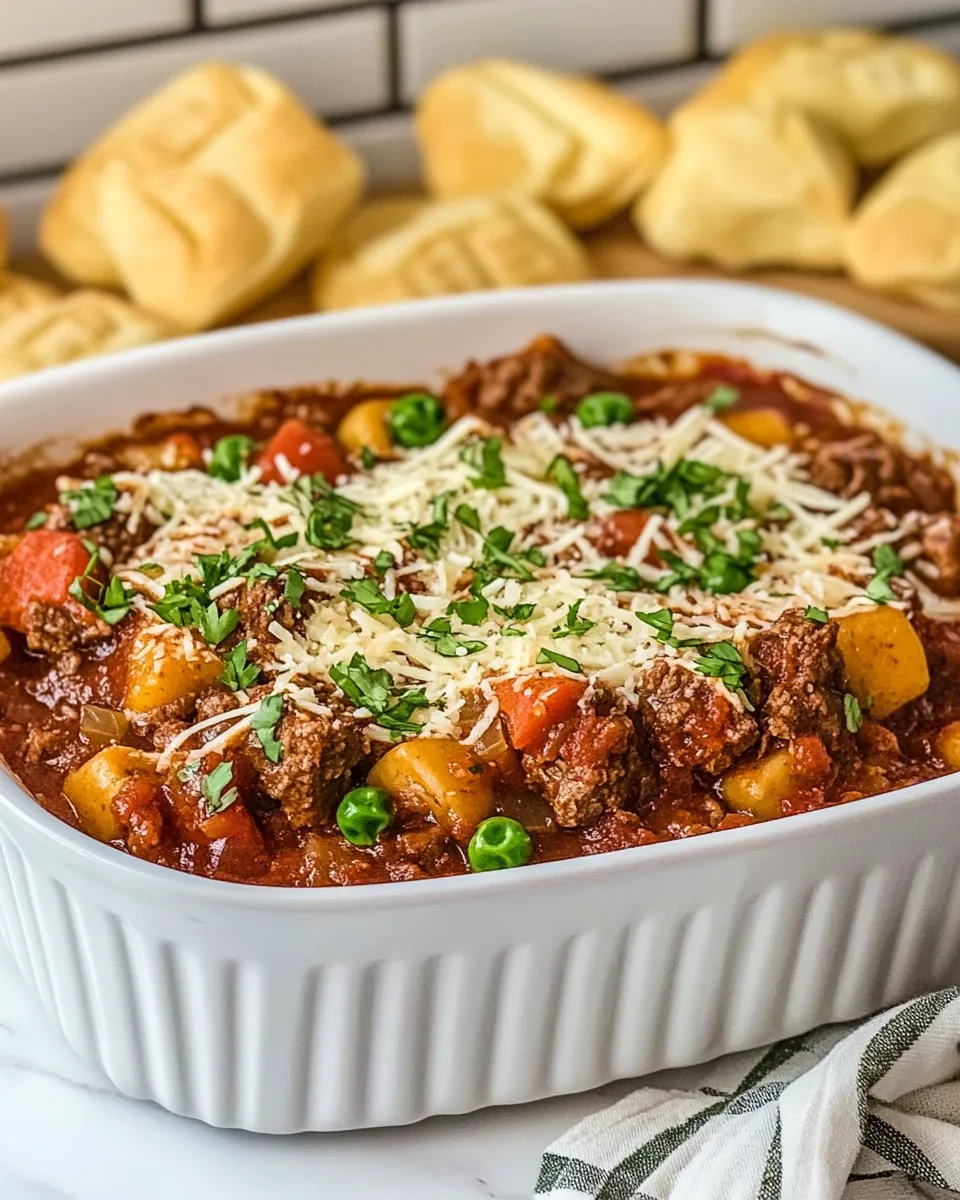
These ingredients work in concert to create a balanced, comforting casserole. The trio of cheeses brings creaminess, flavor, and a golden bubbling crust. The canned tomatoes and tomato paste form a robust sauce that clings to the tender egg noodles, while the seasoning keeps the profile simple and homey. Each component plays a clear role, so together they become more than the sum of their parts.
- 1 lb ground beef: Brown and crumble to develop deep savory flavor that forms the hearty base of the casserole; drain excess fat if desired to prevent greasiness. Combine with tomatoes and seasonings to create a rich meat sauce that binds the dish together and provides protein.
- 1 (14.5-oz) can diced tomatoes: Add bright, slightly acidic tomato pieces that contribute moisture and a chunky texture; stir into the meat to balance richness and create a saucy consistency. Use the liquid to help blend flavors and keep the casserole from drying out during baking.
- 1 (10-oz) can Rotel diced tomatoes and green chilies: Introduce mild heat and tang from diced tomatoes with green chilies to enhance complexity; distribute evenly for pockets of zesty flavor throughout the casserole. Complement the plain diced tomatoes and add a subtle kick without overwhelming other components.
- 1 tsp salt: Season to enhance and amplify overall flavors, helping to bring out the natural taste of beef and tomatoes; use sparingly and adjust to taste. Dissolve into the sauce to ensure consistent seasoning throughout the casserole.
- 1/4 tsp black pepper: Provide a subtle bitter, warming note that contrasts the acidity and richness; add with other dry seasonings to create balanced flavor layers. Use in small quantity to avoid overpowering the dish while highlighting savory elements.
- 1/4 tsp onion powder: Offer a concentrated onion flavor in powdered form to boost savory depth without adding moisture; blend into the sauce so the casserole benefits from aromatic underpinning. Works well when fresh onion is not desired or available.
- 1/4 tsp garlic powder: Deliver a compact garlic punch that melds with other spices and enriches the savory profile; incorporate into the sauce for uniform aroma. Complements fresh or powdered onion and intensifies the overall taste experience.
- 1 (6-oz) can tomato paste: Contribute thick, concentrated tomato flavor to deepen the sauce body and bind ingredients; stir in to create a robust, cohesive filling. Helps control sauce moisture and adds umami richness that enhances cheesy layers.
- 1 (6-oz) package medium egg noodles: Absorb sauce and provide tender, comforting texture as the grain component; cook until al dente before baking so noodles finish perfectly in the casserole. Hold other flavors well and create a satisfying carbohydrate base that balances proteins and cheeses.
- 1 cup sour cream: Add creamy tang that lightens and enriches the casserole filling; fold into the cooked noodle-meat mixture to create a smooth, cohesive interior. Help moisten the dish and contrast salty cheeses with a cool, soft mouthfeel.
- 1 cup shredded cheddar cheese: Deliver sharp, salty, and tangy melt that contributes bold cheesy flavor; sprinkle or mix to create pockets of cheddar goodness throughout. Melted cheddar also adds visual appeal and a satisfying savory bite to the top and interior.
- 1 cup grated Parmesan cheese: Provide nutty, salty, and slightly granular texture that enhances savory complexity; grate over or mix into the casserole for umami richness. Combine with other cheeses to deepen flavor and create a golden, flavorful crust when baked.
- 1 cup shredded mozzarella cheese: Supply gooey, stretchy meltiness that creates the classic stringy cheese pull and a smooth, melty topping; layer on top to achieve appealing browning. Balance with sharper cheeses to create a creamy, cohesive cheese matrix.
Recipe Steps for Beef Lombardi Casserole
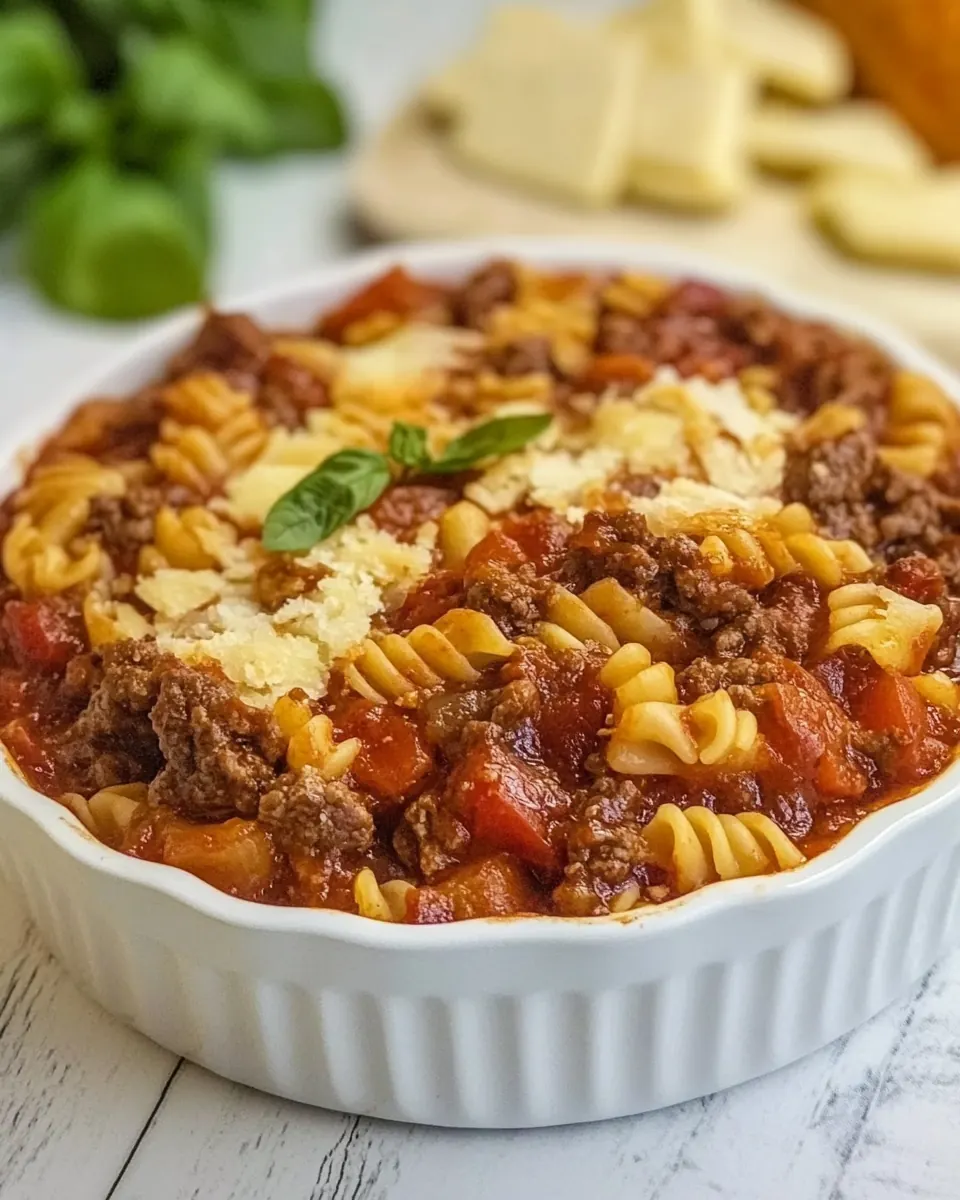
This is a straightforward assembly that moves from stovetop to oven, relying on layered textures and melting cheese to bring it together. I like to prepare my mise en place ahead, so the transition from simmering to baking feels smooth, and I can focus on monitoring visuals and aromas as the casserole finishes in the oven.
- Preheat oven to 350ºF. Lightly spray a 9×13-inch pan with cooking spray. Set aside.: You will notice a warm, anticipatory scent as the oven begins to heat, and getting the pan ready prevents sticking and helps the casserole release when served. Ensuring the oven reaches the full 350ºF before baking gives a consistent bake, creating even browning and a properly set center. A common mistake is sliding the dish into an oven that is not up to temperature, which can cause undercooked interior and uneven cheese melt. If your oven runs cool, use an oven thermometer to verify the temperature.
- Brown ground beef in a large skillet over medium heat. Cook until no longer pink. Drain.: As the ground beef browns you should hear a steady sizzle and smell toasty, meaty aromas; these Maillard flavors are crucial for depth. Browning until the pink disappears and small browned bits form adds complexity to the sauce. After cooking, draining excess fat keeps the casserole from becoming greasy and helps the sauce cling to the noodles. A typical error is overcrowding the skillet, which steams the meat instead of browning, so work in batches if needed.
- Stir in diced tomatoes with juice, diced tomatoes and green chiles with juice, salt, pepper, onion powder, garlic powder and tomato paste.: At this point, you will see the sauce begin to take shape, with the red tomato juices loosening the browned bits and the spices brightening the mix. Stirring incorporates the concentrated tomato paste , which will thicken and deepen the flavor as it heats. This melding step creates the base that will cling to the noodles, and not blending thoroughly can leave pockets of paste or uneven seasoning. If the mixture seems lumpy where paste is concerned, break it up with the back of a spoon while it warms.
- Reduce heat and simmer for 20 minutes.: Simmering allows moisture to evaporate, intensifying the sauce into a thicker, cozier consistency; you will smell the sauce sweetening as the raw tomato edge softens. Gentle bubbling rather than a rolling boil is the right visual cue, and stirring occasionally prevents sticking. This step concentrates flavors and melds the aromatics, so skipping it or rushing it will produce a thin, less flavorful sauce. Monitor the simmer to keep it steady and adjust heat so the sauce does not scorch on the pan bottom.
- Cook egg noodles according to package directions. Drain.: While cooking, the pot should produce a hearty boil and the noodles will swell, becoming plump and tender. Aim for firm tender noodles so they hold shape after baking, and drain promptly to stop cooking. Leaving them in hot water too long makes the final casserole mushy. A quick rinse is optional if you want to halt cooking immediately, but rinsing will remove some surface starch that helps sauce adhere.
- Stir together cooked egg noodles and sour cream.: The mixture will feel creamy and slightly tangy as the sour cream softens the noodle texture and creates a cohesive layer. Tossing ensures the sauce can cling evenly later, and the sour cream contributes a silky mouthfeel. If the noodles are still steaming hot it can thin the cream; let them cool slightly to achieve a stable cream coating and avoid a runny texture. Over mixing can break the noodles, so fold gently.
- Spread noodles in bottom of prepared pan. Top with meat sauce. Sprinkle with cheddar, Parmesan and mozzarella cheeses.: As you layer, notice the visual contrast between the pale, creamy noodle base and the ruby sauce, then the snowy cheese layer that will melt and brown. Pressing the noodles into an even layer helps the casserole bake uniformly, and distributing the cheeses evenly creates a balanced flavor in every bite. A frequent oversight is piling sauce in one area, which yields an uneven bake. Take a moment to level each layer so the result is consistent throughout.
- Cover and bake 35 minutes. Uncover and bake an additional 5 minutes.: During the covered bake the casserole will steam and heat through, and you will smell the cheeses and tomatoes joining. Removing the cover for the final five minutes allows the top to brown and develop light bubbles, producing an appealing texture and aroma. If you skip the uncover step the cheese may not brown and the top will look pale; conversely, leaving it uncovered too long can dry the surface. Watch for bubbling edges and a golden top as your cue to finish baking.
How to Switch It Up
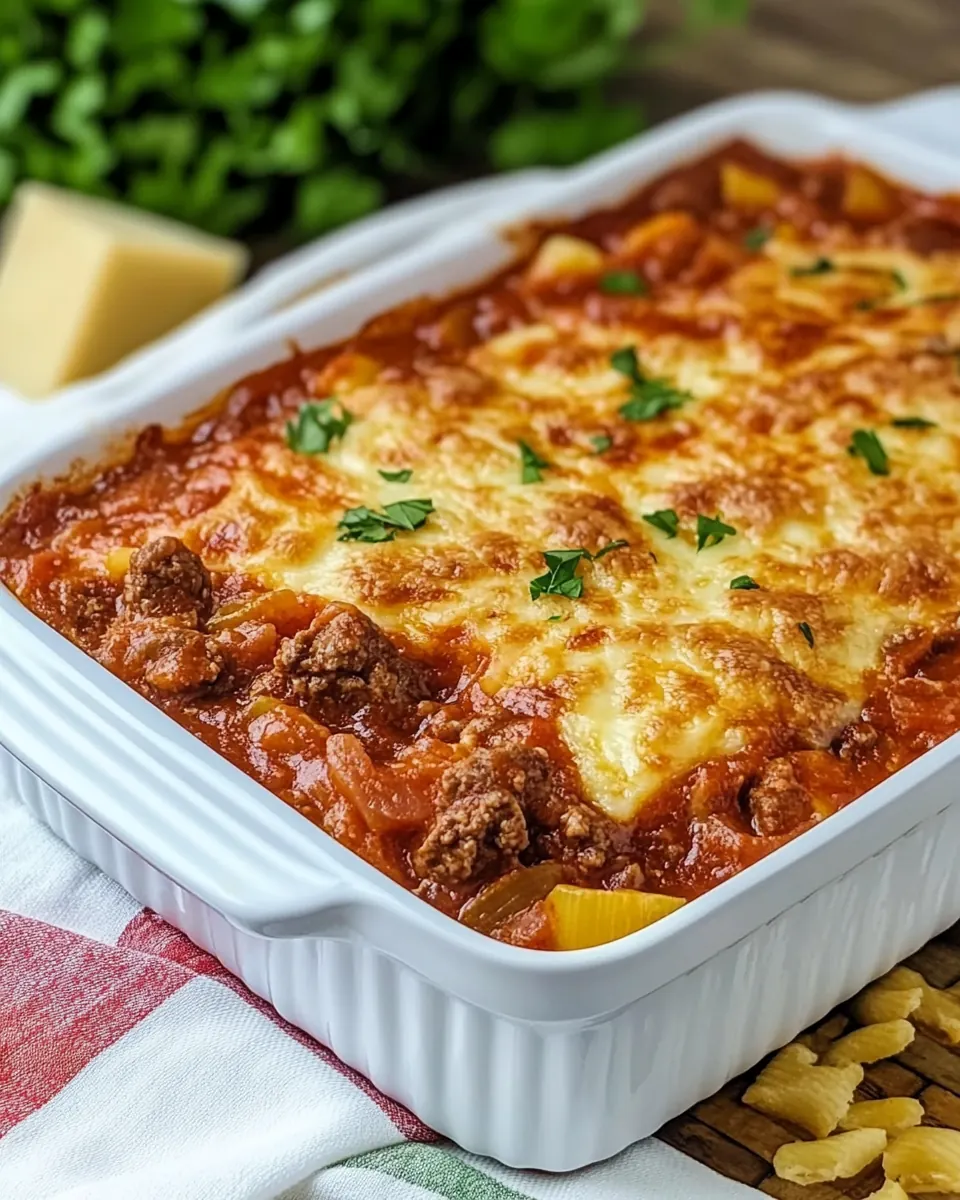
This section offers practical ways to adapt the casserole without changing its soul. Small swaps can adjust heat, texture, and convenience, while preserving the familiar comfort of Beef Lombardi Casserole.
- Protein swap Use ground turkey or sausage in place of ground beef for a lighter or more seasoned profile, adjusting salt to taste.
- Milder heat option Choose a mild can of Rotel or omit it entirely if you want to reduce spiciness and make the dish more child friendly.
- Dairy alternative Substitute plain Greek yogurt for sour cream to add tang and slightly more protein while keeping creaminess.
- Make ahead Assemble the casserole, cover, and refrigerate up to 24 hours before baking; add a few minutes to the bake time if straight from cold.
- Freezer friendly Freeze a fully assembled pan for easy future meals, thaw completely before baking and allow extra time in the oven to reach center temperature.
- Cheese variation Swap any of the three cheeses for similar melting cheeses you prefer, keeping the total cheese weight the same for texture balance.
Perfect Pairings for Beef Lombardi Casserole
This casserole stands well on its own, but pairing it thoughtfully elevates the meal for different occasions. Below are ideas for sides, serving styles, and storage strategies suited to casual dinners or family gatherings.
- Simple green salad A crisp salad with a light vinaigrette offers a bright counterpoint to the rich casserole, cutting through the cheese and meat for balance.
- Garlic bread Warm slices brushed with butter provide a crunchy vehicle for scooping sauce, making the meal feel hearty and approachable.
- Weeknight dinner Serve this as an easy family dinner that reheats well, perfect for evenings when you want comfort without complexity.
- Meal prep and leftovers Store leftovers in airtight containers in the refrigerator for up to four days, reheating gently to maintain texture and prevent the cheese from toughening.
- Freezing for later Freeze portions or a whole assembled pan; thaw fully before baking and add extra bake time if still chilled to ensure even heating.
- Seasonal serving I often make this in the colder months for cozy dinners, but it fits any informal occasion where a warm, filling dish is welcome.
FAQ
Conclusion
Beef Lombardi Casserole stands out because it combines comforting textures, straightforward technique, and reliable flavors that satisfy a crowd. I encourage you to give it a try on a cool evening or when you want an easy, filling dinner that also makes excellent leftovers. It is forgiving, adaptable, and always manages to bring people together around the table.
Beef Lombardi Casserole
Equipment
- 10-inch Skillet
- Meat Masher Tool
- 9x13-inch Baking Dish
- Mixing Bowls
- Rotary Cheese Grater
Ingredients
- 1 lb ground beef Brown and crumble to develop deep savory flavor that forms the hearty base of the casserole; drain excess fat if desired to prevent greasiness. Combine with tomatoes and seasonings to create a rich meat sauce that binds the dish together and provides protein.
- 1 (14.5-oz) can diced tomatoes Add bright, slightly acidic tomato pieces that contribute moisture and a chunky texture; stir into the meat to balance richness and create a saucy consistency. Use the liquid to help blend flavors and keep the casserole from drying out during baking.
- 1 (10-oz) can Rotel diced tomatoes and green chilies Introduce mild heat and tang from diced tomatoes with green chilies to enhance complexity; distribute evenly for pockets of zesty flavor throughout the casserole. Complement the plain diced tomatoes and add a subtle kick without overwhelming other components.
- 1 tsp salt Season to enhance and amplify overall flavors, helping to bring out the natural taste of beef and tomatoes; use sparingly and adjust to taste. Dissolve into the sauce to ensure consistent seasoning throughout the casserole.
- 1/4 tsp black pepper Provide a subtle bitter, warming note that contrasts the acidity and richness; add with other dry seasonings to create balanced flavor layers. Use in small quantity to avoid overpowering the dish while highlighting savory elements.
- 1/4 tsp onion powder Offer a concentrated onion flavor in powdered form to boost savory depth without adding moisture; blend into the sauce so the casserole benefits from aromatic underpinning. Works well when fresh onion is not desired or available.
- 1/4 tsp garlic powder Deliver a compact garlic punch that melds with other spices and enriches the savory profile; incorporate into the sauce for uniform aroma. Complements fresh or powdered onion and intensifies the overall taste experience.
- 1 (6-oz) can tomato paste Contribute thick, concentrated tomato flavor to deepen the sauce body and bind ingredients; stir in to create a robust, cohesive filling. Helps control sauce moisture and adds umami richness that enhances cheesy layers.
- 1 (6-oz) package medium egg noodles Absorb sauce and provide tender, comforting texture as the grain component; cook until al dente before baking so noodles finish perfectly in the casserole. Hold other flavors well and create a satisfying carbohydrate base that balances proteins and cheeses.
- 1 cup sour cream Add creamy tang that lightens and enriches the casserole filling; fold into the cooked noodle-meat mixture to create a smooth, cohesive interior. Help moisten the dish and contrast salty cheeses with a cool, soft mouthfeel.
- 1 cup shredded cheddar cheese Deliver sharp, salty, and tangy melt that contributes bold cheesy flavor; sprinkle or mix to create pockets of cheddar goodness throughout. Melted cheddar also adds visual appeal and a satisfying savory bite to the top and interior.
- 1 cup grated Parmesan cheese Provide nutty, salty, and slightly granular texture that enhances savory complexity; grate over or mix into the casserole for umami richness. Combine with other cheeses to deepen flavor and create a golden, flavorful crust when baked.
- 1 cup shredded mozzarella cheese Supply gooey, stretchy meltiness that creates the classic stringy cheese pull and a smooth, melty topping; layer on top to achieve appealing browning. Balance with sharper cheeses to create a creamy, cohesive cheese matrix.
Instructions
- Preheat oven to 350ºF. Lightly spray a 9×13-inch pan with cooking spray. Set aside.: You will notice a warm, anticipatory scent as the oven begins to heat, and getting the pan ready prevents sticking and helps the casserole release when served. Ensuring the oven reaches the full 350ºF before baking gives a consistent bake, creating even browning and a properly set center. A common mistake is sliding the dish into an oven that is not up to temperature, which can cause undercooked interior and uneven cheese melt. If your oven runs cool, use an oven thermometer to verify the temperature.
- Brown ground beef in a large skillet over medium heat. Cook until no longer pink. Drain.: As the ground beef browns you should hear a steady sizzle and smell toasty, meaty aromas; these Maillard flavors are crucial for depth. Browning until the pink disappears and small browned bits form adds complexity to the sauce. After cooking, draining excess fat keeps the casserole from becoming greasy and helps the sauce cling to the noodles. A typical error is overcrowding the skillet, which steams the meat instead of browning, so work in batches if needed.
- Stir in diced tomatoes with juice, diced tomatoes and green chiles with juice, salt, pepper, onion powder, garlic powder and tomato paste.: At this point, you will see the sauce begin to take shape, with the red tomato juices loosening the browned bits and the spices brightening the mix. Stirring incorporates the concentrated tomato paste , which will thicken and deepen the flavor as it heats. This melding step creates the base that will cling to the noodles, and not blending thoroughly can leave pockets of paste or uneven seasoning. If the mixture seems lumpy where paste is concerned, break it up with the back of a spoon while it warms.
- Reduce heat and simmer for 20 minutes.: Simmering allows moisture to evaporate, intensifying the sauce into a thicker, cozier consistency; you will smell the sauce sweetening as the raw tomato edge softens. Gentle bubbling rather than a rolling boil is the right visual cue, and stirring occasionally prevents sticking. This step concentrates flavors and melds the aromatics, so skipping it or rushing it will produce a thin, less flavorful sauce. Monitor the simmer to keep it steady and adjust heat so the sauce does not scorch on the pan bottom.
- Cook egg noodles according to package directions. Drain.: While cooking, the pot should produce a hearty boil and the noodles will swell, becoming plump and tender. Aim for firm tender noodles so they hold shape after baking, and drain promptly to stop cooking. Leaving them in hot water too long makes the final casserole mushy. A quick rinse is optional if you want to halt cooking immediately, but rinsing will remove some surface starch that helps sauce adhere.
- Stir together cooked egg noodles and sour cream.: The mixture will feel creamy and slightly tangy as the sour cream softens the noodle texture and creates a cohesive layer. Tossing ensures the sauce can cling evenly later, and the sour cream contributes a silky mouthfeel. If the noodles are still steaming hot it can thin the cream; let them cool slightly to achieve a stable cream coating and avoid a runny texture. Over mixing can break the noodles, so fold gently.
- Spread noodles in bottom of prepared pan. Top with meat sauce. Sprinkle with cheddar, Parmesan and mozzarella cheeses.: As you layer, notice the visual contrast between the pale, creamy noodle base and the ruby sauce, then the snowy cheese layer that will melt and brown. Pressing the noodles into an even layer helps the casserole bake uniformly, and distributing the cheeses evenly creates a balanced flavor in every bite. A frequent oversight is piling sauce in one area, which yields an uneven bake. Take a moment to level each layer so the result is consistent throughout.
- Cover and bake 35 minutes. Uncover and bake an additional 5 minutes.: During the covered bake the casserole will steam and heat through, and you will smell the cheeses and tomatoes joining. Removing the cover for the final five minutes allows the top to brown and develop light bubbles, producing an appealing texture and aroma. If you skip the uncover step the cheese may not brown and the top will look pale; conversely, leaving it uncovered too long can dry the surface. Watch for bubbling edges and a golden top as your cue to finish baking.
Notes
- Protein swap Use ground turkey or sausage in place of ground beef for a lighter or more seasoned profile, adjusting salt to taste.
- Milder heat option Choose a mild can of Rotel or omit it entirely if you want to reduce spiciness and make the dish more child friendly.
- Dairy alternative Substitute plain Greek yogurt for sour cream to add tang and slightly more protein while keeping creaminess.
- Make ahead Assemble the casserole, cover, and refrigerate up to 24 hours before baking; add a few minutes to the bake time if straight from cold.
- Freezer friendly Freeze a fully assembled pan for easy future meals, thaw completely before baking and allow extra time in the oven to reach center temperature.
- Cheese variation Swap any of the three cheeses for similar melting cheeses you prefer, keeping the total cheese weight the same for texture balance.