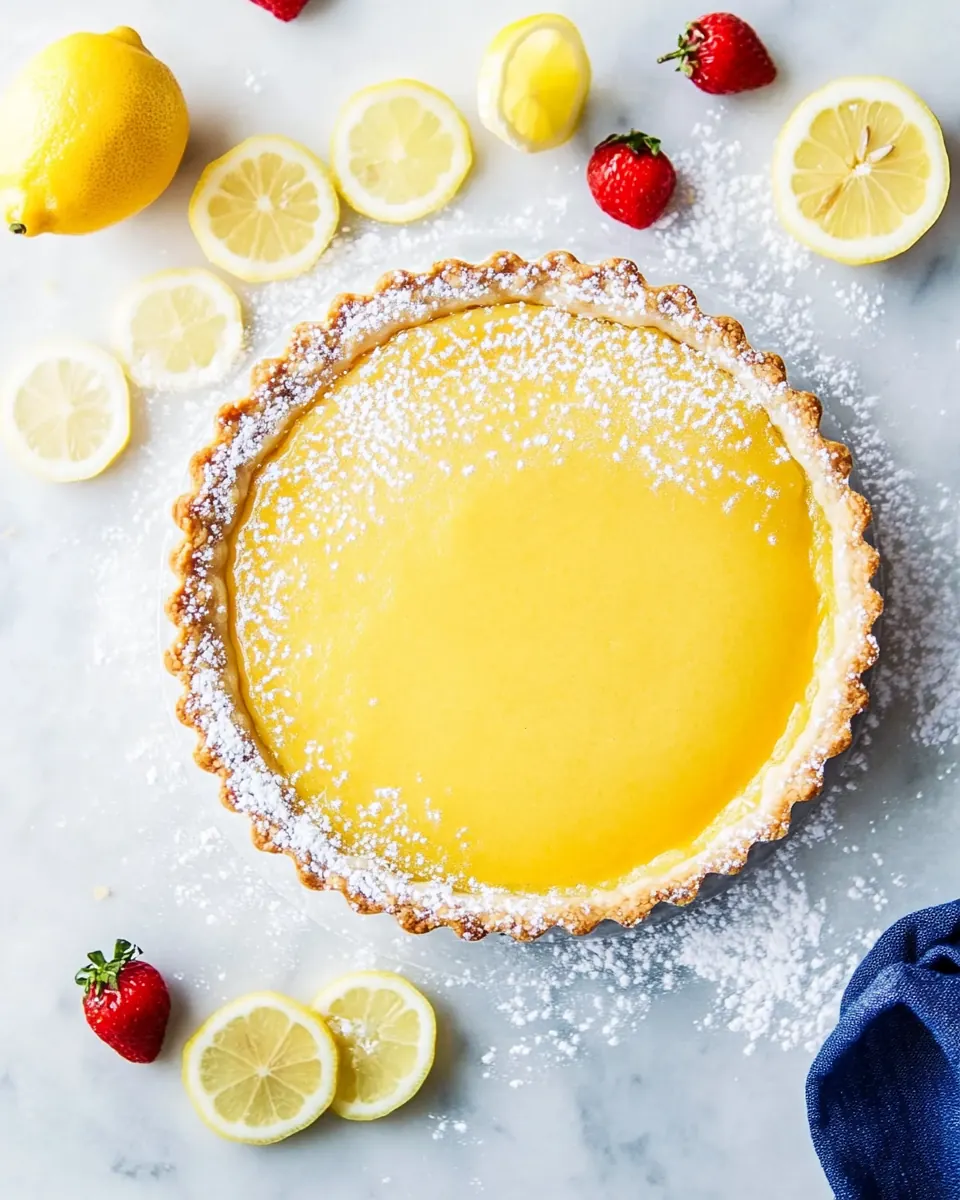
Lemon Tart with a Buttery Shortbread Crust
Lemon Tart with a Buttery Shortbread Crust is one of those desserts I reach for when I want something bright, buttery, and unfussy that still feels special.
On a rainy spring afternoon I found myself craving something that paired sunlit citrus with a tender, cookie like base. I had a jar of homemade lemon curd tucked away, and so I turned to this simple combination. The contrast between a crisp, buttery shortbread crust and the silky, tangy lemon filling always brings back memories of a seaside bakery I used to visit as a kid. That tart smelled of citrus and butter, and every slice felt like a small celebration.
What I love is how approachable the recipe is, you can make the crust in minutes and the lemon component can be made ahead, leaving you time to set the tart and enjoy company. When guests arrive I serve thin wedges and watch people pause, savoring the bright, clean flavor. This recipe has become my go to for spring gatherings and small dinner parties, because it looks elegant but is forgiving to make.
Recipe Snapshot
22 mins
10 mins
12 mins
Easy
250 kcal
American
Gluten-Free, Low FODMAP
Desserts
Food processor, 9 inch tart pan, Spatula, Cooling rack
Why You Need This Lemon Tart with a Buttery Shortbread Crust
Bright Citrus Balance
I adore how lemon cuts through the richness of a shortbread crust, creating a lively balance. The tartness wakes up your palate, while the buttery base cushions the flavor so each bite feels both refreshing and indulgent. I often tell friends this is dessert that never feels too heavy, even after a big meal.
Simple Techniques, Big Results
One reason I keep returning to this recipe is the straightforward technique. A few pulses in a food processor and some gentle pressing into a tart pan produce a flawless crust. You do not need fancy skills, yet the outcome reads like something from a patisserie. That kind of payoff appeals to anyone who wants impact without fuss.
Make Ahead Friendly
I love that you can prepare the lemon curd ahead of time and chill it, then assemble when convenient. This makes entertaining so much calmer, because the major work is done before guests arrive. I will often make the curd the day before and let it develop an even brighter flavor in the refrigerator.
Textural Contrast
The marriage of a crumbly, slightly sandy shortbread and a smooth, silk like curd is what keeps me coming back. The crust provides a firm base so the filling can sit cleanly, while the curd offers a luxurious mouthfeel. That contrast is what makes each forkful so satisfying.
Versatile and Crowd Pleasing
This tart is great for many occasions, from casual tea to a small dinner party. It travels well, slices cleanly, and is easy to scale up. I often get asked for the recipe because people assume it must be difficult, and they are delighted to learn it is not.
Ingredients to Make Lemon Tart with a Buttery Shortbread Crust
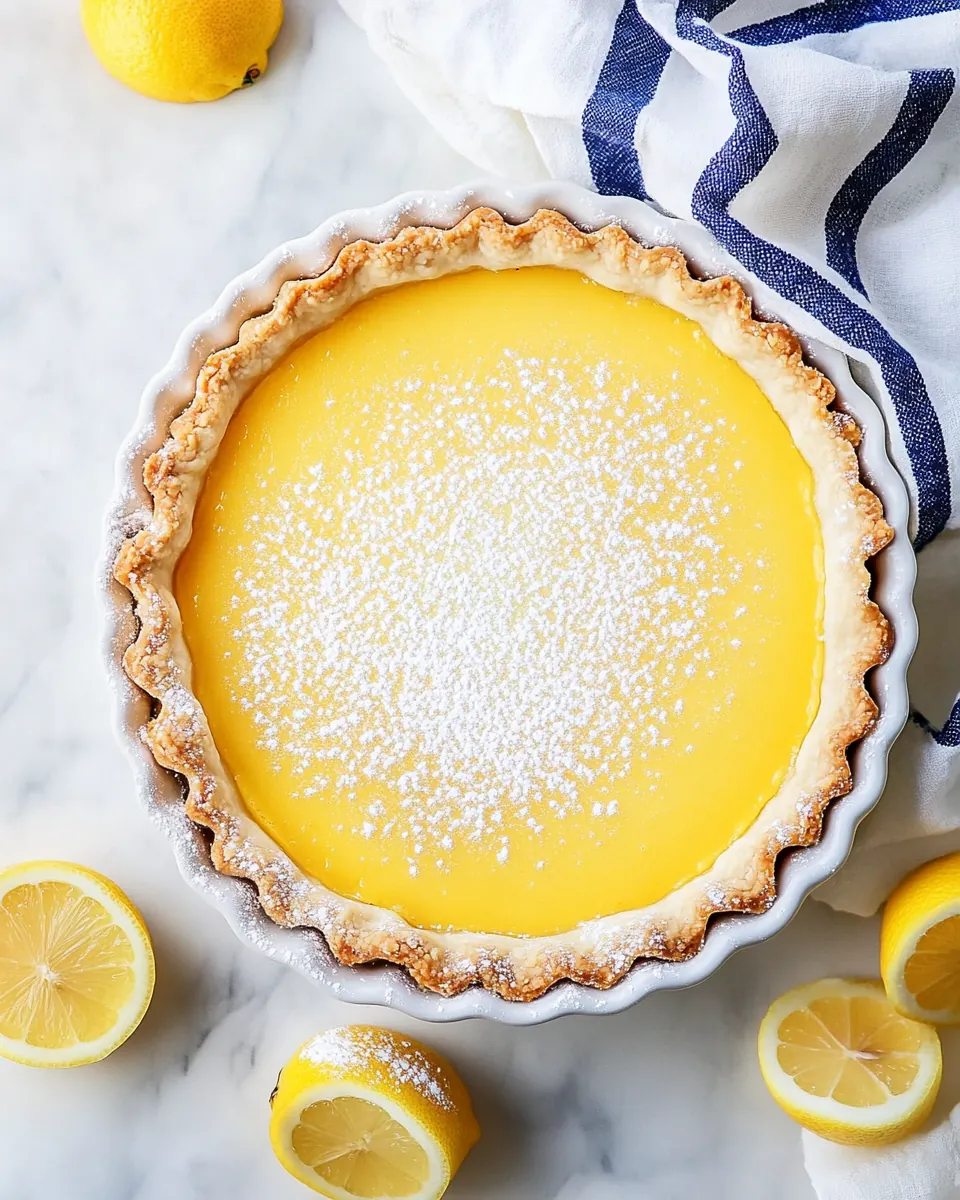
These ingredients are intentionally few and focused, celebrating bright lemon flavor supported by a rich, buttery base. The shortbread style crust provides structure and a tender, sandy texture that contrasts perfectly with the glossy curd. Each listed item plays a clear role: sweetness, structure, fat for tenderness, and the star citrus filling that brings acidity and shine.
- 1/2 cup powdered sugar: Whipped to a light consistency, provides sweetness and helps dissolve into the crust dough for a tender, melt-in-your-mouth texture. Works with butter to create a fine crumb and subtle sweetness that balances the tart filling.
- 1 1/2 cup flour: Sifted or measured precisely, contributes structure and body to the shortbread crust while creating a delicate, crisp bite. Blended with butter and sugar to form a cohesive dough that holds the tart shape during baking.
- 3/4 cup unsalted butter sliced: Chilled and sliced for easy incorporation, supplies rich fat that creates flakiness and a buttery flavor in the shortbread crust. Cut into the flour and sugar to form pea-sized pieces that produce a tender, crumbly texture after baking.
- 1 recipe perfect lemon curd: Prepared separately and spreadable, supplies bright citrus flavor and silky, set filling that contrasts with the buttery crust. Cooked to thicken with eggs and sugar, it adds tangy sweetness that defines the tart's character.
The Method for Lemon Tart with a Buttery Shortbread Crust
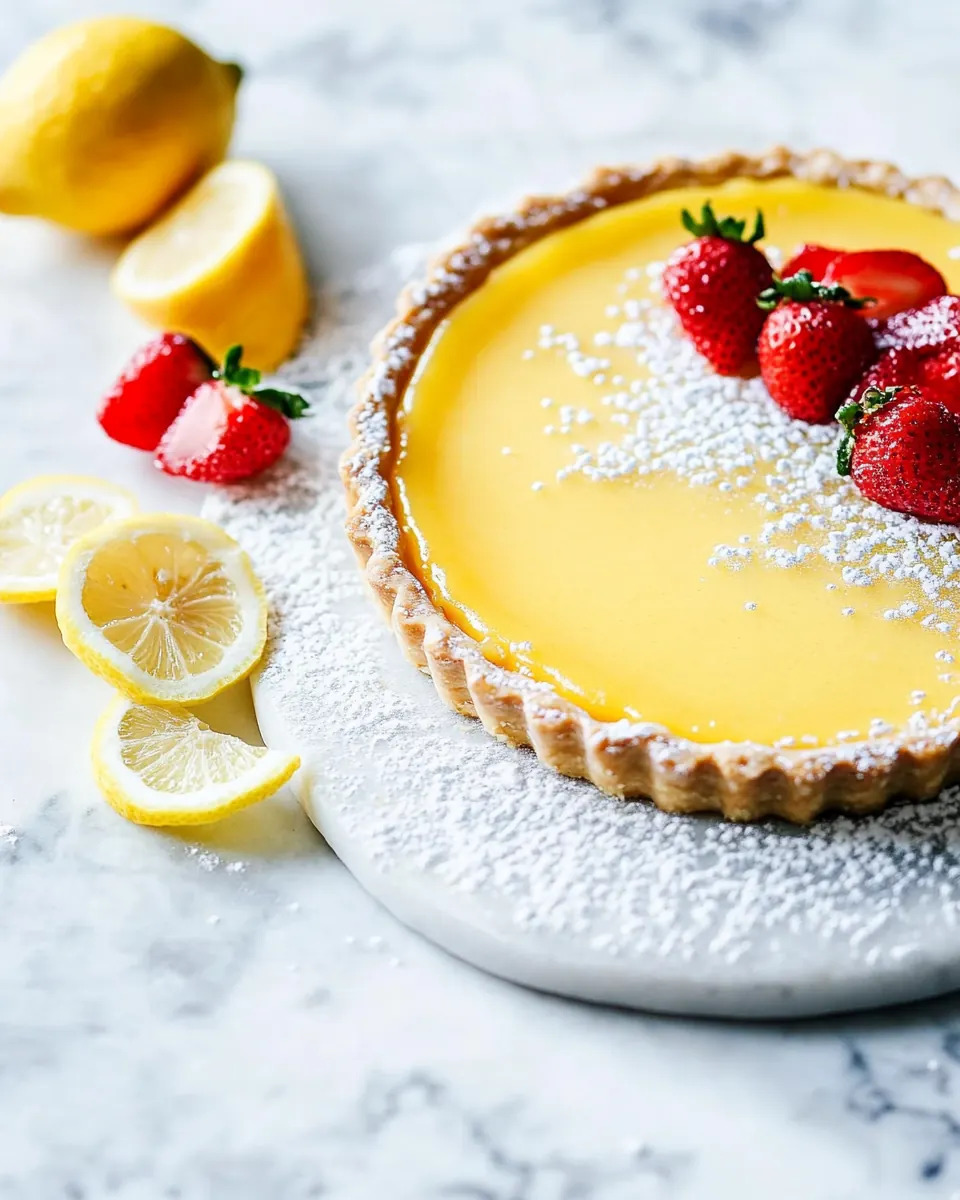
Working through this tart is a pleasure because the steps are direct, and sensory cues will guide you. Start by preparing the crust until it looks sandy, then press it into the tart pan and bake until you see a light golden edge. After the crust cools, add the chilled curd and let time do the rest as it firms in the refrigerator.
- Preheat the oven to 350 degrees Fahrenheit. In a food processor, add the 1/2 cup powdered sugar, 1 1/2 cup flour, and 3/4 cup unsalted butter. Pulse until combined.: You will notice the warm dry air from the oven as it comes to temperature, which primes the space for a perfectly baked crust. Preheating ensures even baking from the moment the tart goes in which prevents underbaked centers or overly browned edges. A common issue is placing the tart in a cold oven, which leads to uneven rise and texture; always wait until the oven reaches the set temperature before baking.
- Press the crust mixture into the bottom of a 9-inch tart pan and poke the bottom of the crust with a fork.: As you pulse, you will hear small clacks as the sliced butter breaks down and the mixture transforms into a sandy mass. This texture matters because those tiny fat pockets create tenderness during baking. If you over process, the mixture can become paste like and yield a tough crust, so stop as soon as the pieces resemble coarse sand.
- Bake for 10-12 minutes or until golden brown. Remove from the oven and cool the crust.: The final texture should look like damp sand that holds together when pressed. The fragrance of butter will be prominent, and the dry ingredients will appear evenly moistened. A common mistake is pulsing too long which warms the butter and changes the texture; aim for short bursts and check frequently.
- Make 1 recipe perfect lemon curd.: Use your fingertips to press the mixture firmly and evenly so the base is compact without being overworked. The fork holes allow steam to escape while baking, preventing bubbles and ensuring an even surface for the curd. If the crust is pressed too thin in places it can brown faster there, so maintain an even thickness across the pan.
- Pour into the bottom of the shortbread crust. Refrigerate for 4 hours or overnight until set.: Watch for the edges to take on a light golden hue and the center to look set rather than wet, you may notice a toasty, buttery aroma filling the kitchen. This color signals the Maillard reaction that develops flavor in the crust. Pulling the tart too soon leaves a raw, sandy center; letting it go too long will darken the edges and make it brittle.
- Remove from the oven and cool the crust.: Cooling firms the structure so it will support the curd, and the aroma will settle into a comforting butter scent. Cooling on a rack allows air to circulate and prevents condensation from softening the bottom. A frequent oversight is filling a warm crust which can cause the curd to sink or soak in, so always ensure the crust is fully cool before adding the filling.
- Make 1 recipe perfect lemon curd.: Preparing the curd involves gently cooking eggs, sugar, and lemon until thickened into a glossy, custard like spread; you will notice the mixture transform from thin to velvety as it heats. Stirring constantly prevents curdling and ensures smooth texture. Overheating can scramble the eggs, so cook gently and remove from heat as soon as it thickens.
- Pour into the bottom of the shortbread crust.: As you pour, the curd will shine and settle into the cooled shell, creating a clean surface that promises a smooth slice. Pour slowly to avoid air pockets, and use a spatula to level if needed. Pouring while the curd is too warm can lead to a soggy base, so ensure the curd is chilled to the touch before filling.
- Refrigerate for 4 hours or overnight until set.: During chilling the curd firms into a sliceable consistency and flavors meld; you may notice the aroma become more concentrated. Overnight chilling yields the best texture and clean slices. A common mistake is trying to slice too soon which results in runny wedges, so be patient and allow full chilling time.
Making Adjustments
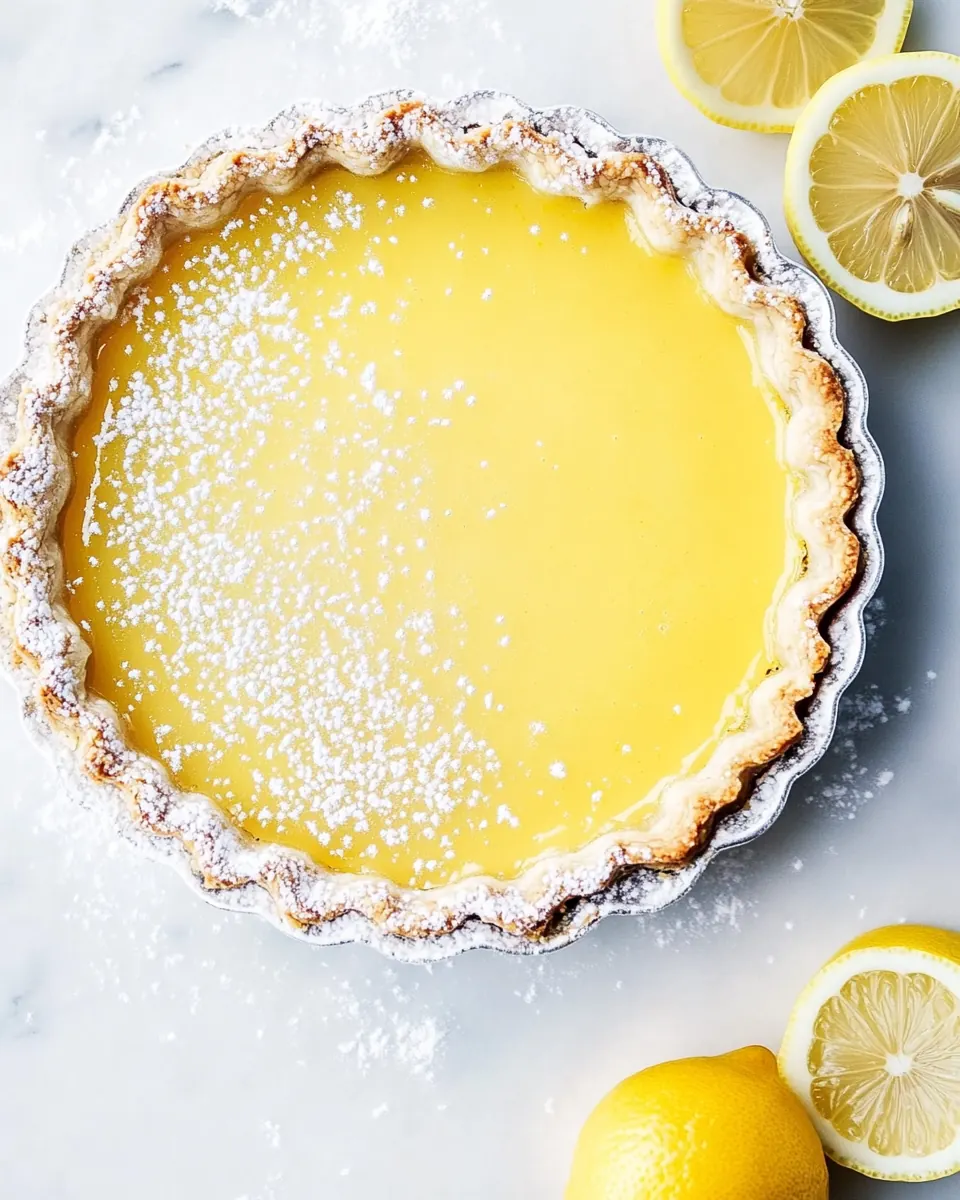
Here are practical adjustments and ideas I use when tailoring the tart to the occasion. Each tip begins with a clear phrase so you can scan quickly and decide which technique suits your plan.
- Adjust tart sweetness: If you prefer a less sweet finish, reduce the powdered sugar in the crust by a tablespoon or two, tasting your curd first to balance overall sweetness.
- Control tartness: To tame acidity in the lemon curd, add a teaspoon of maple syrup or honey while cooking, which softens the sharp edge without muting flavor.
- Make ahead plan: Prepare the curd up to three days in advance and store it chilled, then assemble on the day of serving for stress free entertaining.
- Crust texture tweak: For an even crumblier crust, pulse a touch less so you retain small pea sized pieces of butter that produce a sandy finish.
- Even baking: If your tart browns too quickly around edges, cover the rim with a strip of foil during the final minutes to protect it while the center finishes baking.
How to Serve Lemon Tart with a Buttery Shortbread Crust
Serving this tart is flexible and elegant. Slice thin wedges for a refined dessert plate, or serve slightly larger pieces with coffee for a relaxed gathering. Bring the tart to room temperature for ten to fifteen minutes before serving for peak flavor and texture.
- Classic presentation: Place a thin slice on a dessert plate and dust the top lightly with powdered sugar for a simple, pretty finish.
- With fresh fruit: Garnish each slice with a few thin lemon zest curls or fresh berries for color and a juicy contrast to the smooth curd.
- Occasions: This tart is excellent for spring brunches, afternoon tea, small dinner parties, and special holidays where a bright dessert is welcome.
- Storage: Keep the tart refrigerated and covered; it will stay fresh for up to three days. For longer storage, you can freeze slices wrapped tightly, then thaw in the refrigerator.
- Serving temperature: I recommend serving slightly chilled to showcase the glossy curd while the crust retains a slight snap rather than going limp.
FAQ
Conclusion
This tart stands out for its bright lemon flavor matched with a tender, buttery shortbread crust that creates a refined yet approachable dessert. Try it because it delivers impressive presentation with minimal fuss, and you can make the curd ahead to simplify the process. I hope you enjoy the contrast of textures and the clean citrus lift in every slice. It has become a favorite in my rotation for gatherings and quiet evenings alike.
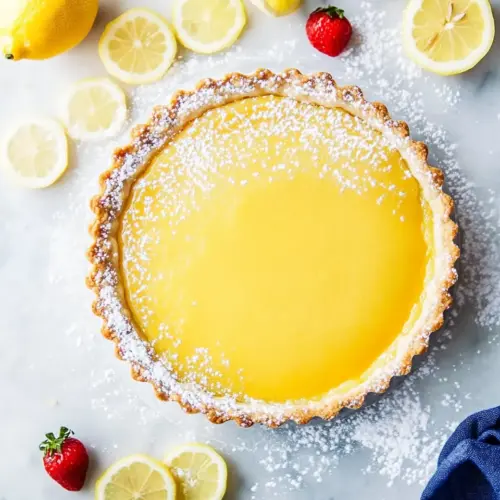
Lemon Tart with a Buttery Shortbread Crust
Equipment
- Food Processor
- 9 inch tart pan
- Spatula
- Cooling rack
Ingredients
- 1/2 cup powdered sugar Whipped to a light consistency, provides sweetness and helps dissolve into the crust dough for a tender, melt-in-your-mouth texture. Works with butter to create a fine crumb and subtle sweetness that balances the tart filling.
- 1 1/2 cup flour Sifted or measured precisely, contributes structure and body to the shortbread crust while creating a delicate, crisp bite. Blended with butter and sugar to form a cohesive dough that holds the tart shape during baking.
- 3/4 cup unsalted butter sliced Chilled and sliced for easy incorporation, supplies rich fat that creates flakiness and a buttery flavor in the shortbread crust. Cut into the flour and sugar to form pea-sized pieces that produce a tender, crumbly texture after baking.
- 1 recipe perfect lemon curd Prepared separately and spreadable, supplies bright citrus flavor and silky, set filling that contrasts with the buttery crust. Cooked to thicken with eggs and sugar, it adds tangy sweetness that defines the tart's character.
Instructions
- Preheat the oven to 350 degrees Fahrenheit. In a food processor, add the 1/2 cup powdered sugar, 1 1/2 cup flour, and 3/4 cup unsalted butter. Pulse until combined.: You will notice the warm dry air from the oven as it comes to temperature, which primes the space for a perfectly baked crust. Preheating ensures even baking from the moment the tart goes in which prevents underbaked centers or overly browned edges. A common issue is placing the tart in a cold oven, which leads to uneven rise and texture; always wait until the oven reaches the set temperature before baking.
- Press the crust mixture into the bottom of a 9-inch tart pan and poke the bottom of the crust with a fork.: As you pulse, you will hear small clacks as the sliced butter breaks down and the mixture transforms into a sandy mass. This texture matters because those tiny fat pockets create tenderness during baking. If you over process, the mixture can become paste like and yield a tough crust, so stop as soon as the pieces resemble coarse sand.
- Bake for 10-12 minutes or until golden brown. Remove from the oven and cool the crust.: The final texture should look like damp sand that holds together when pressed. The fragrance of butter will be prominent, and the dry ingredients will appear evenly moistened. A common mistake is pulsing too long which warms the butter and changes the texture; aim for short bursts and check frequently.
- Make 1 recipe perfect lemon curd.: Use your fingertips to press the mixture firmly and evenly so the base is compact without being overworked. The fork holes allow steam to escape while baking, preventing bubbles and ensuring an even surface for the curd. If the crust is pressed too thin in places it can brown faster there, so maintain an even thickness across the pan.
- Pour into the bottom of the shortbread crust. Refrigerate for 4 hours or overnight until set.: Watch for the edges to take on a light golden hue and the center to look set rather than wet, you may notice a toasty, buttery aroma filling the kitchen. This color signals the Maillard reaction that develops flavor in the crust. Pulling the tart too soon leaves a raw, sandy center; letting it go too long will darken the edges and make it brittle.
- Remove from the oven and cool the crust.: Cooling firms the structure so it will support the curd, and the aroma will settle into a comforting butter scent. Cooling on a rack allows air to circulate and prevents condensation from softening the bottom. A frequent oversight is filling a warm crust which can cause the curd to sink or soak in, so always ensure the crust is fully cool before adding the filling.
- Make 1 recipe perfect lemon curd.: Preparing the curd involves gently cooking eggs, sugar, and lemon until thickened into a glossy, custard like spread; you will notice the mixture transform from thin to velvety as it heats. Stirring constantly prevents curdling and ensures smooth texture. Overheating can scramble the eggs, so cook gently and remove from heat as soon as it thickens.
- Pour into the bottom of the shortbread crust.: As you pour, the curd will shine and settle into the cooled shell, creating a clean surface that promises a smooth slice. Pour slowly to avoid air pockets, and use a spatula to level if needed. Pouring while the curd is too warm can lead to a soggy base, so ensure the curd is chilled to the touch before filling.
- Refrigerate for 4 hours or overnight until set.: During chilling the curd firms into a sliceable consistency and flavors meld; you may notice the aroma become more concentrated. Overnight chilling yields the best texture and clean slices. A common mistake is trying to slice too soon which results in runny wedges, so be patient and allow full chilling time.
Notes
- Adjust tart sweetness: If you prefer a less sweet finish, reduce the powdered sugar in the crust by a tablespoon or two, tasting your curd first to balance overall sweetness.
- Control tartness: To tame acidity in the lemon curd, add a teaspoon of maple syrup or honey while cooking, which softens the sharp edge without muting flavor.
- Make ahead plan: Prepare the curd up to three days in advance and store it chilled, then assemble on the day of serving for stress free entertaining.
- Crust texture tweak: For an even crumblier crust, pulse a touch less so you retain small pea sized pieces of butter that produce a sandy finish.
- Even baking: If your tart browns too quickly around edges, cover the rim with a strip of foil during the final minutes to protect it while the center finishes baking.