
Autumn Minestrone Soup
Autumn Minestrone Soup feels like the bowl I reach for when the air turns crisp and I want something honest and warming on the table. I remember the first time I made this soup during a hectic week, juggling grocery runs and a stubbornly long to do list, and how the kitchen filled with a comforting, earthy aroma that immediately slowed me down. That moment made this recipe a favorite for nights when I want food that soothes and satisfies.
Over the years I’ve nudged the balance of textures and herbs to land where the potatoes melt into silk, the squash keeps a gentle bite, and the kale folds in bright green notes. When I set out a pot of Autumn Minestrone Soup, friends always linger longer, drawn by the steam and the scent of rosemary and thyme. It became my go to for casual dinners, and I love how it travels well to potlucks and holiday tables.
What I enjoy most is the way this soup invites small choices without risking the soul of the dish. You can skip the pasta or stir in beans for extra heft, and either way the result is a bowl that tastes like slow afternoons and easy company. Each spoonful is layered with tender vegetables and a savory, herb kissed broth, and I find it offers both comfort and freshness in equal measure.
Recipe Snapshot
1 hr 5 mins
30 mins
35 mins
Medium
200 kcal
Italian
Vegan, Gluten-Free
Soups
Large pot, Wooden spoon, Knife, Cutting board
The Best Thing About This Autumn Minestrone Soup
Hearty but Light
I love that Autumn Minestrone Soup manages to be filling without feeling heavy. The combination of potatoes, butternut squash, and beans gives you substance, while the vegetable broth keeps the mouthfeel bright and clean. I regularly choose this when I want something satisfying that still leaves room for dessert.
Layered Flavors from Simple Ingredients
What excites me most is how simple aromatics transform the pot. A quick saute of onion and carrot with garlic lays a sweet savory foundation, then fresh rosemary and thyme lift everything with piney and lemony notes. Those small additions create depth that feels gourmet but requires minimal effort.
Flexible and Crowd Friendly
I often adapt the soup to what I have on hand, and it absorbs substitutions with grace. Adding small pasta like ditalini makes it more kid friendly, while leaving it out keeps the bowl lighter. This versatility makes it ideal for feeding a group without stressing about exact ingredient lists.
Seasonal Comfort
Because the recipe showcases fall produce like butternut squash and kale, it pairs perfectly with crisp weather and holiday menus. I find it especially useful around Thanksgiving when you want a warm starter that still nods to vegetables and herbs of the season.
Make Ahead Magic
I appreciate that the flavors deepen if you make the soup a day ahead. The herbs and vegetables meld into a richer broth overnight, and reheating the pot releases a comforting aroma that always impresses guests. It is one of those recipes that rewards planning with better flavor.
Essential Ingredients for Autumn Minestrone Soup
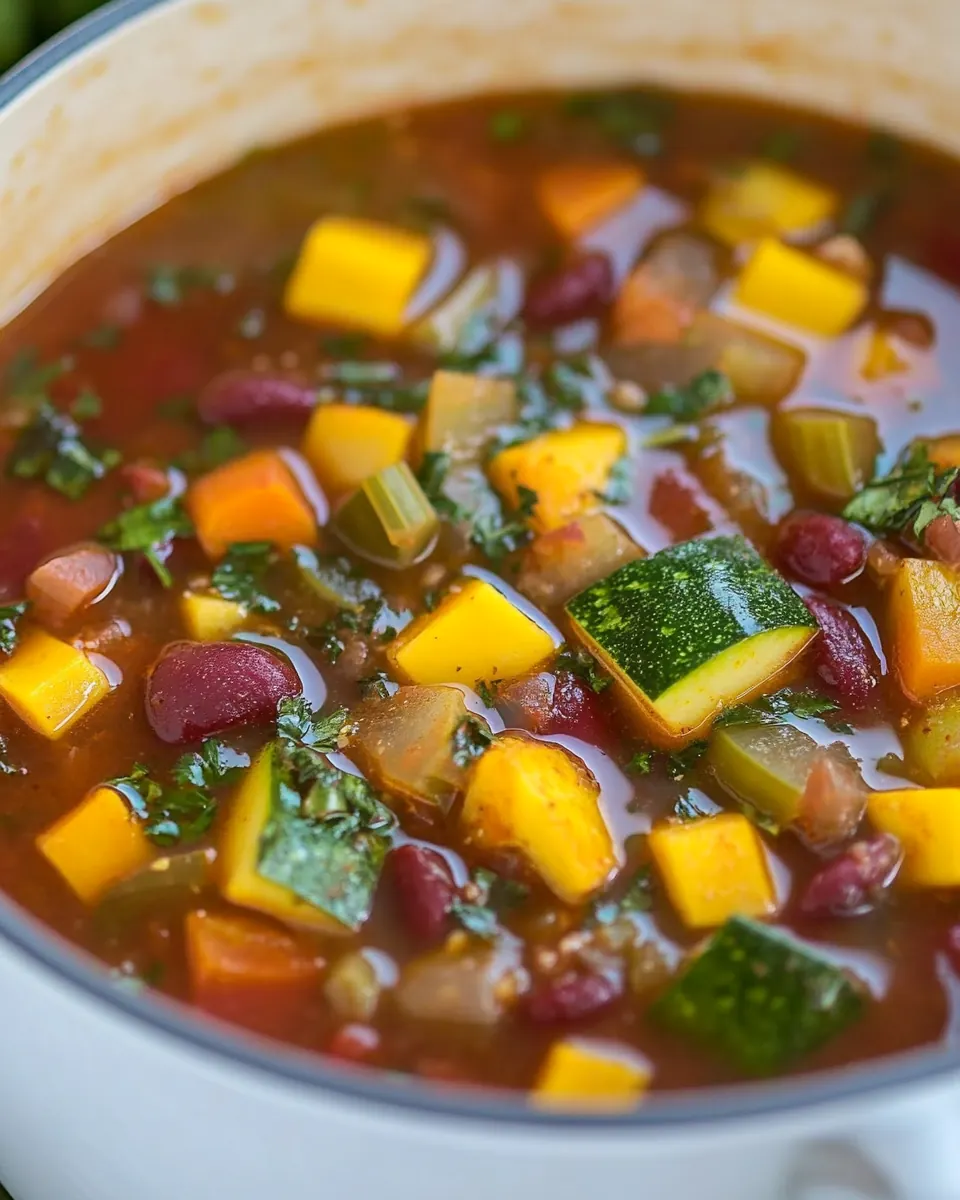
This soup relies on seasonal produce and pantry staples that work in harmony. The philosophy here is simple, I build a savory base with aromatic onion and garlic, support it with starchy potatoes and sweet butternut squash, then round everything out with leafy kale and protein rich kidney beans. These players create a satisfying texture contrast and layered flavor without fuss.
- 2 medium carrots, diced: Peel and dice into uniform pieces to add tender sweetness and body that softens while simmering in the soup.
- 1 medium yellow onion, chopped: Chop into bite-sized pieces to provide a savory aromatics base that caramelizes slightly when sautéed for depth of flavor.
- 1 tbsp olive oil: Measure and heat to coat the pot for sautéing aromatics and vegetables while contributing a fruity, rich backbone.
- 3 cloves garlic, minced: Mince finely to release pungent, garlicky aroma that brightens the broth and enhances overall savory complexity.
- 6 cups low-sodium vegetable broth: Pour into the pot as the primary liquid that builds the soup’s savory foundation and controls final seasoning.
- 2 1/2 cups 3/4-inch diced yukon gold potatoes: Cut into 3/4-inch dice so pieces hold shape and contribute creamy texture and subtle earthiness after simmering.
- 2 1/2 cups 3/4-inch diced butternut squash (I bought it pre-cut): Use pre-cut or similarly diced pieces to add sweet, creamy squash flavor and autumnal color that softens in the broth.
- 1 medium zucchini, ends trimmed, sliced into half moons or quarters: Trim and slice into half moons or quarters to add mild, slightly sweet vegetal flesh that cooks quickly without turning mushy.
- 1 (14.5 oz) can diced tomatoes: Open and add with juices to introduce bright acidity, savory tomato flavor, and body that balances richer ingredients.
- 2 1/2 tsp finely minced fresh rosemary or oregano (or 1 tsp dried): Finely mince fresh herbs or measure dried equivalents to infuse aromatic piney or savory notes that complement other herbs.
- 2 1/2 tsp minced fresh thyme (or 1 tsp dried): Minced fresh leaves or dried substitute add delicate herbaceous flavor and floral undertones that lift the broth.
- 2 bay leaves: Add whole to the simmering broth to impart a subtle, slightly floral bitterness and deepen the soup’s flavor profile.
- Salt and freshly ground black pepper: Season to taste to enhance and balance flavors, using sparingly at first and adjusting after simmering for best results.
- 2/3 cup dry ditalini pasta () (optional): Measure the optional pasta and cook in the soup to provide tender, chewy bites that make the dish more substantial.
- 2 cups packed chopped kale (thick ribs removed): Chop and pack to add hearty, slightly bitter greens that hold texture and contribute color and nutrients to the soup.
- 1 (14.5 oz) can red or white kidney beans, drained and rinsed: Drain and rinse before adding to provide creamy protein-rich bites and a hearty texture while reducing excess sodium.
- Shredded parmesan cheese, for serving () (optional): Grate and sprinkle over individual bowls as an optional finishing touch that adds umami richness and a salty, nutty note.
Making Autumn Minestrone Soup

This recipe is approachable and forgiving, and I like to keep the rhythm steady while I cook. The process moves from a quick saute to a gentle simmer, finishing with leafy greens and beans for texture. Focus on managing heat and timing so each vegetable reaches the right tenderness.
- Heat olive oil in a large pot over medium-high heat. Add onions and carrots and saute 3 minutes then add garlic and saute 1 minute longer.: The pan should shimmer when the oil is ready, and you may notice a faint fruity scent from the olive oil . Warming the oil properly creates a slick surface so the onion and carrot release their flavors without sticking. If the oil smokes, the heat is too high and will give a bitter edge, so lower the flame and let the pan cool briefly before continuing. Use a large heavy bottom pot so heat distributes evenly and you get consistent softening of aromatics.
- Stir in vegetable broth, potatoes, squash, zucchini, tomatoes, rosemary, thyme, bay leaves and season with salt and pepper to taste.: As the vegetables hit the warm oil, listen for a gentle sizzle and watch the edges of the onion become translucent, which signals the release of sugars. The aroma will shift from raw sharpness to a sweet, savory base as the carrot softens. When you add the garlic , the scent becomes more pungent and inviting; garlic cooks quickly so keep it moving for a minute to avoid browning. Burning the garlic is a common misstep that leads to bitterness, so stir constantly during that minute.
- Bring to a boil then stir in pasta if using. Cover, reduce heat to medium low and simmer until veggies are nearly tender, about 15 minutes.: Right after adding the broth, you will see the pot transition from glossy aromatics to a simmering stew of vegetables. The broth lifts the browned bits from the bottom creating extra flavor, and the potatoes and butternut squash begin to soften and release starch, which slightly thickens the liquid. Fresh herbs like rosemary and thyme perfume the pot with woodsy and floral notes; if you only have dried herbs use less. Be cautious with salt at this step because the broth and canned tomatoes already contribute sodium, so season progressively to avoid oversalting.
- Stir in kale and kidney beans and cook until kale is tender, about 5 minutes longer. Remove bay leaves, serve warm with parmesan cheese.: When the surface breaks into rolling bubbles the pot has reached a full boil, which is the right moment to add ditalini if you chose to include it. The vigorous boil helps the pasta cook evenly, and as it softens it will release a bit of starch that makes the broth tastier and more cohesive. Keep an eye on the boil because starchy bubbles can rise quickly and create a messy boil over. A gentle, controlled stir right after adding pasta prevents clumping and helps the pieces separate.
- Recipe source: adapted from My Recipes: Lowering the heat lets the soup develop flavor slowly while the potatoes and butternut squash become tender without falling apart. You should hear a quiet, steady simmer and see gentle movement in the pot. Check with a fork for doneness; the vegetables should give but not be mushy. A common trap is over simmering, which causes delicate vegetables like zucchini to disintegrate, losing textural contrast, so begin checking a few minutes early.
- Stir in kale and kidney beans and cook until kale is tender, about 5 minutes longer: Adding kale at the end preserves its lively color and slightly chewy texture while kidney beans heat through and contribute creaminess. As the kale wilts you will notice the soup brighten visually, and the scent becomes greener. If kale is added too early it will over soften and lose its structure, so timing matters. Also, ensure the canned beans are drained and rinsed, otherwise the excess can make the broth cloudy and saltier.
- Remove bay leaves, serve warm with parmesan cheese: Before plating, fish out the bay leaves to avoid passing leathery fragments to eaters, and taste to adjust seasoning with salt and pepper. Serving with a sprinkle of parmesan cheese brings a savory, umami finish that melts slightly into the warm broth. If you skip the cheese, consider a final crack of fresh pepper and a drizzle of olive oil to finish. Leaving bay leaves in the bowl is an easy oversight; they are not pleasant to chew and should always be discarded.
- Recipe source: adapted from My Recipes : I note sources so I remember inspirations and small technique differences, and you might want to reference original methods for variations. Keeping track helps you experiment confidently while honoring the original flavor structure. A common error is assuming every source uses the same seasoning levels, so always taste and adjust by your preference.
Ways to Customize

This soup is a flexible template that welcomes adjustments. Small swaps let you tune texture, protein, and mouthfeel without losing the heart of the recipe. Below are practical, tested ideas to personalize your bowl.
- Add more protein: Stir in extra canned beans, ensuring you rinse them well, to make the soup heartier without altering flavor dramatically.
- Pasta timing: Cook ditalini separately if you plan to refrigerate leftovers, then add to bowls when serving to prevent it from soaking up broth.
- Herb variations: Use all oregano instead of rosemary for a slightly Mediterranean twist, but reduce dried amounts to avoid overpowering the pot.
- Vegetable swaps: If you do not have zucchini, add chopped bell pepper later in cooking for sweet crunch, watching so it does not over soften.
- Make it creamy: For a silkier finish, puree a cup of the soup in a blender and stir it back in, which thickens the broth naturally from cooked vegetables.
Accompaniments for Autumn Minestrone Soup
This soup pairs beautifully with simple sides and works for many occasions, from casual weeknight dinners to holiday gatherings. Think about texture contrasts and complementary flavors when planning what to serve alongside.
- Crusty bread: A warm loaf or torn slices are ideal for dipping and soak up the savory broth, making each bite more satisfying.
- Green salad: A crisp salad dressed with lemon and olive oil balances the warm, soft textures in the bowl and adds a refreshing counterpoint.
- Cheese board: Serve a small selection of cheeses including shaved parmesan cheese to let guests add more umami to their bowls as desired.
- Occasions: This dish works well for lunch, dinner, and festive menus like Thanksgiving as a starter or light main for guests seeking vegetables.
- Storage: Refrigerate leftovers in an airtight container for up to four days, and reheat gently over low heat, adding a splash of broth if it has thickened.
- Seasonal pairing: Serve during the fall when squash and kale are at their best, accompanied by roasted root vegetables or a simple apple crisp for dessert.
FAQ
Conclusion
Autumn Minestrone Soup stands out because it balances hearty fall vegetables with bright herbs to create a bowl that is both comforting and lively. Give it a try on a crisp evening, or prepare it ahead for simple, satisfying weeknight dinners and holiday starters. I hope this recipe becomes a go to for your seasonal meals, bringing warmth and ease to the table.

Autumn Minestrone Soup
Equipment
- Large Pot
- Wooden Spoon
- Knife
- Cutting Board
Ingredients
- 2 medium carrots, diced Peel and dice into uniform pieces to add tender sweetness and body that softens while simmering in the soup.
- 1 medium yellow onion, chopped Chop into bite-sized pieces to provide a savory aromatics base that caramelizes slightly when sautéed for depth of flavor.
- 1 tbsp olive oil Measure and heat to coat the pot for sautéing aromatics and vegetables while contributing a fruity, rich backbone.
- 3 cloves garlic, minced Mince finely to release pungent, garlicky aroma that brightens the broth and enhances overall savory complexity.
- 6 cups low-sodium vegetable broth Pour into the pot as the primary liquid that builds the soup’s savory foundation and controls final seasoning.
- 2 1/2 cups 3/4-inch diced yukon gold potatoes Cut into 3/4-inch dice so pieces hold shape and contribute creamy texture and subtle earthiness after simmering.
- 2 1/2 cups 3/4-inch diced butternut squash (I bought it pre-cut) Use pre-cut or similarly diced pieces to add sweet, creamy squash flavor and autumnal color that softens in the broth.
- 1 medium zucchini, ends trimmed, sliced into half moons or quarters Trim and slice into half moons or quarters to add mild, slightly sweet vegetal flesh that cooks quickly without turning mushy.
- 1 (14.5 oz) can diced tomatoes Open and add with juices to introduce bright acidity, savory tomato flavor, and body that balances richer ingredients.
- 2 1/2 tsp finely minced fresh rosemary or oregano (or 1 tsp dried) Finely mince fresh herbs or measure dried equivalents to infuse aromatic piney or savory notes that complement other herbs.
- 2 1/2 tsp minced fresh thyme (or 1 tsp dried) Minced fresh leaves or dried substitute add delicate herbaceous flavor and floral undertones that lift the broth.
- 2 bay leaves Add whole to the simmering broth to impart a subtle, slightly floral bitterness and deepen the soup’s flavor profile.
- Salt and freshly ground black pepper Season to taste to enhance and balance flavors, using sparingly at first and adjusting after simmering for best results.
- 2/3 cup dry ditalini pasta (optional) Measure the optional pasta and cook in the soup to provide tender, chewy bites that make the dish more substantial.
- 2 cups packed chopped kale (thick ribs removed) Chop and pack to add hearty, slightly bitter greens that hold texture and contribute color and nutrients to the soup.
- 1 (14.5 oz) can red or white kidney beans, drained and rinsed Drain and rinse before adding to provide creamy protein-rich bites and a hearty texture while reducing excess sodium.
- Shredded parmesan cheese, for serving (optional) Grate and sprinkle over individual bowls as an optional finishing touch that adds umami richness and a salty, nutty note.
Instructions
- Heat olive oil in a large pot over medium-high heat. Add onions and carrots and saute 3 minutes then add garlic and saute 1 minute longer.: The pan should shimmer when the oil is ready, and you may notice a faint fruity scent from the olive oil . Warming the oil properly creates a slick surface so the onion and carrot release their flavors without sticking. If the oil smokes, the heat is too high and will give a bitter edge, so lower the flame and let the pan cool briefly before continuing. Use a large heavy bottom pot so heat distributes evenly and you get consistent softening of aromatics.
- Stir in vegetable broth, potatoes, squash, zucchini, tomatoes, rosemary, thyme, bay leaves and season with salt and pepper to taste.: As the vegetables hit the warm oil, listen for a gentle sizzle and watch the edges of the onion become translucent, which signals the release of sugars. The aroma will shift from raw sharpness to a sweet, savory base as the carrot softens. When you add the garlic , the scent becomes more pungent and inviting; garlic cooks quickly so keep it moving for a minute to avoid browning. Burning the garlic is a common misstep that leads to bitterness, so stir constantly during that minute.
- Bring to a boil then stir in pasta if using. Cover, reduce heat to medium low and simmer until veggies are nearly tender, about 15 minutes.: Right after adding the broth, you will see the pot transition from glossy aromatics to a simmering stew of vegetables. The broth lifts the browned bits from the bottom creating extra flavor, and the potatoes and butternut squash begin to soften and release starch, which slightly thickens the liquid. Fresh herbs like rosemary and thyme perfume the pot with woodsy and floral notes; if you only have dried herbs use less. Be cautious with salt at this step because the broth and canned tomatoes already contribute sodium, so season progressively to avoid oversalting.
- Stir in kale and kidney beans and cook until kale is tender, about 5 minutes longer. Remove bay leaves, serve warm with parmesan cheese.: When the surface breaks into rolling bubbles the pot has reached a full boil, which is the right moment to add ditalini if you chose to include it. The vigorous boil helps the pasta cook evenly, and as it softens it will release a bit of starch that makes the broth tastier and more cohesive. Keep an eye on the boil because starchy bubbles can rise quickly and create a messy boil over. A gentle, controlled stir right after adding pasta prevents clumping and helps the pieces separate.
- Recipe source: adapted from My Recipes: Lowering the heat lets the soup develop flavor slowly while the potatoes and butternut squash become tender without falling apart. You should hear a quiet, steady simmer and see gentle movement in the pot. Check with a fork for doneness; the vegetables should give but not be mushy. A common trap is over simmering, which causes delicate vegetables like zucchini to disintegrate, losing textural contrast, so begin checking a few minutes early.
- Stir in kale and kidney beans and cook until kale is tender, about 5 minutes longer: Adding kale at the end preserves its lively color and slightly chewy texture while kidney beans heat through and contribute creaminess. As the kale wilts you will notice the soup brighten visually, and the scent becomes greener. If kale is added too early it will over soften and lose its structure, so timing matters. Also, ensure the canned beans are drained and rinsed, otherwise the excess can make the broth cloudy and saltier.
- Remove bay leaves, serve warm with parmesan cheese: Before plating, fish out the bay leaves to avoid passing leathery fragments to eaters, and taste to adjust seasoning with salt and pepper. Serving with a sprinkle of parmesan cheese brings a savory, umami finish that melts slightly into the warm broth. If you skip the cheese, consider a final crack of fresh pepper and a drizzle of olive oil to finish. Leaving bay leaves in the bowl is an easy oversight; they are not pleasant to chew and should always be discarded.
- Recipe source: adapted from My Recipes : I note sources so I remember inspirations and small technique differences, and you might want to reference original methods for variations. Keeping track helps you experiment confidently while honoring the original flavor structure. A common error is assuming every source uses the same seasoning levels, so always taste and adjust by your preference.
Notes
- Add more protein: Stir in extra canned beans, ensuring you rinse them well, to make the soup heartier without altering flavor dramatically.
- Pasta timing: Cook ditalini separately if you plan to refrigerate leftovers, then add to bowls when serving to prevent it from soaking up broth.
- Herb variations: Use all oregano instead of rosemary for a slightly Mediterranean twist, but reduce dried amounts to avoid overpowering the pot.
- Vegetable swaps: If you do not have zucchini, add chopped bell pepper later in cooking for sweet crunch, watching so it does not over soften.
- Make it creamy: For a silkier finish, puree a cup of the soup in a blender and stir it back in, which thickens the broth naturally from cooked vegetables.