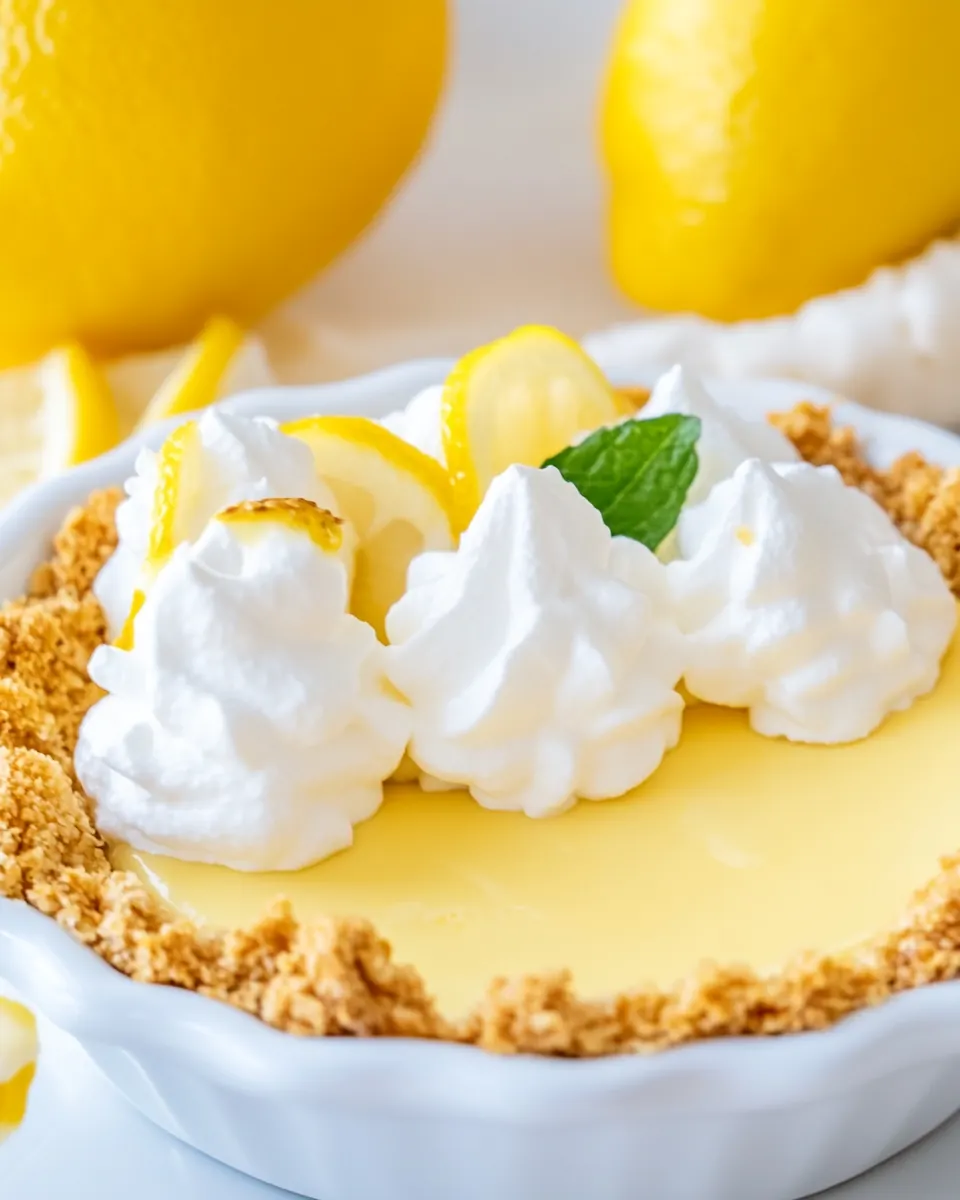
Atlantic Beach Pie
Atlantic Beach Pie has always been my warm weather shortcut to a crowd pleasing dessert, the kind I reach for when guests drop by without warning and I want something that tastes special but feels effortless. I first made it on a sticky summer afternoon, elbows deep in crushed crackers and citrus, while kids ran through sprinkler mist outside. The combination of a salty, buttery crust and a silky, tangy filling felt like sunshine on a plate, and from that day forward it became the recipe I bring when I want to impress without fuss.
That first time I baked it, the house smelled faintly of toasted crackers and bright lemon, and everyone hovered as I sliced into the chilled pie. There was a satisfying crack when the knife met the crust, and the filling held its shape with a glossy sheen that begged for a dollop of whipped cream. I remember thinking how perfectly the simple pantry staples came together, and how this dessert somehow captured both nostalgia and ease.
Over the years I tweaked small things, but the heart of the dish stayed the same, which is why Atlantic Beach Pie remains a favorite for summer gatherings, potlucks, and lazy weekend afternoons. I love how forgiving the recipe is, and how it rewards minimal effort with maximum charm. If you want a dessert that travels well to picnics, keeps in the fridge for days, and still draws compliments every time, this is the one I recommend from my repertoire.
Recipe Snapshot
55 mins
25 mins
30 mins
Medium
320 kcal
American
Gluten-Free, Low FODMAP
Desserts
Oven, Food processor, 9 inch deep dish pie pan, Mixing bowl
What You’ll Enjoy About This Atlantic Beach Pie
Bright, balanced flavor
I adore how Atlantic Beach Pie marries tangy lemon with the sweet silk of condensed milk, resulting in a filling that is both vibrant and creamy. The citrus cuts through the richness, so every bite tastes lively rather than cloying. I often find myself savoring the way the lemon aroma lifts the whole slice.
Simple pantry ingredients
This pie wins because you likely already have everything on hand, from the crackers to the sweetened condensed milk. I appreciate recipes that reduce barriers to baking, and this one fits the bill. No specialty items, no long ingredient lists, just straightforward elements that combine beautifully.
Quick assembly, big payoff
What I love most is how quickly you can assemble the crust and filling, then let the oven and fridge do the rest. The technique is approachable, and the results read as if you labored over it all day. I always recommend making it a day ahead when possible, because chilling overnight deepens the texture and flavor.
Textural contrast
The crunchy, salty base formed from crushed Saltine crackers provides a perfect foil to the silky custard style filling. That contrast is what keeps every forkful interesting, and I often think about how texture can elevate the simplest desserts.
Kid friendly and festive
Families adore this pie because it is playful and easy to serve. I’ve brought it to summer parties where it disappears fast, and people of all ages seem to gravitate toward the creamy lemon profile. It’s a dependable crowd pleaser.
Shopping List for Atlantic Beach Pie
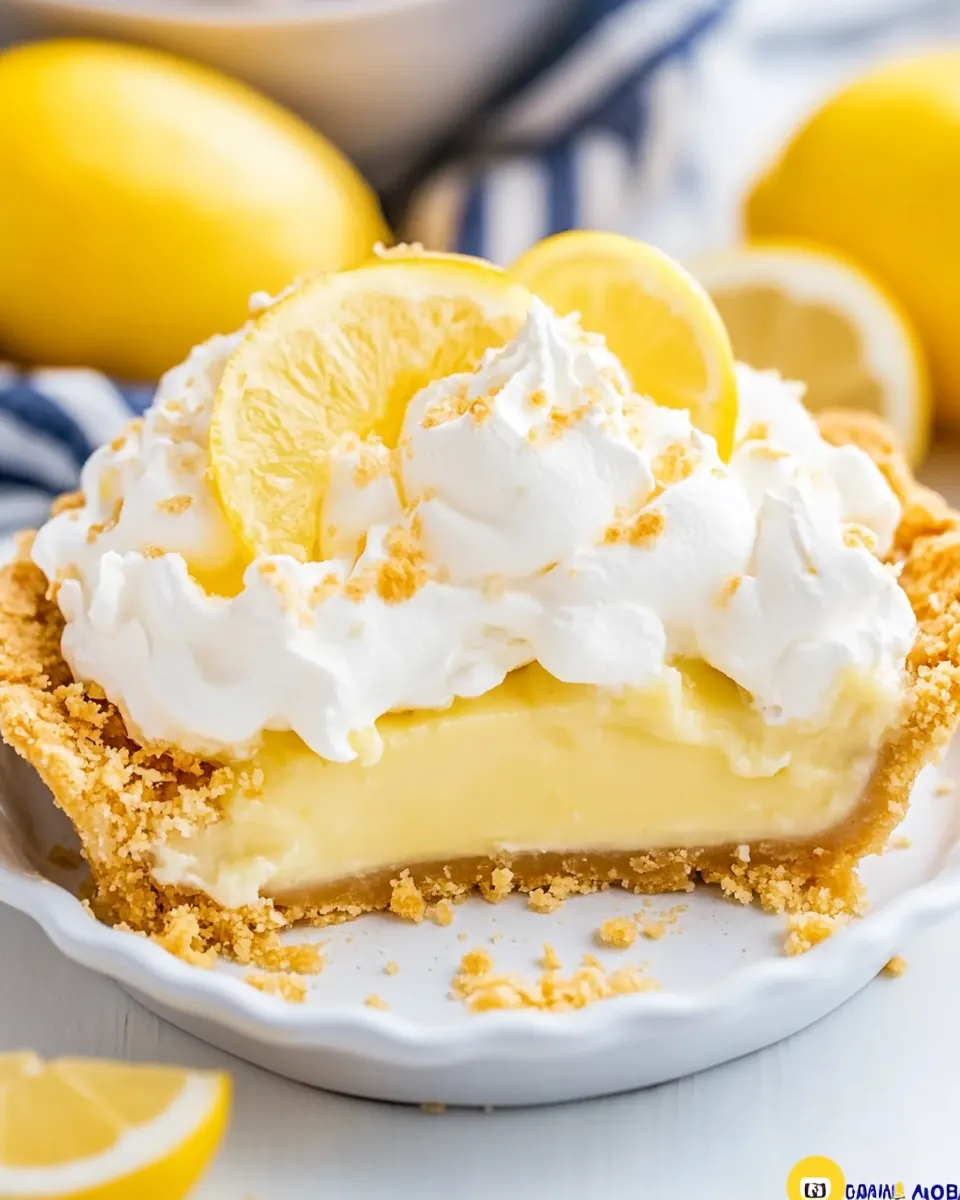
When I plan this pie, I think in terms of a few key players that do the heavy lifting. The crust relies on crunchy Saltine crackers and butter to form a salty, toasty base. The filling is a simple but magical marriage between sweetened condensed milk, egg yolks, and fresh lemon juice, which sets into a custard that is creamy and bright. A final cloud of whipped cream softens the edges and gives the dessert its classic finish.
- 60 Saltine crackers: Crush into fine crumbs to form the pie crust base; provide structure and a neutral, salty balance that contrasts the sweet filling. Press firmly into the pan to ensure an even, compact foundation that holds the pie together when sliced.
- 1/4 cup sugar: Sweeten and balance the tart lemon flavor while aiding slight caramelization in the crust; dissolve into the buttered cracker crumbs for a cohesive texture. Adjust to taste if a brighter or more subdued sweetness is desired for the finished pie.
- 12 tablespoons salted butter, melted: Melt and bind the cracker crumbs with the sugar to create a rich, buttery crust while adding depth and mouthfeel. Use salted butter to contribute a subtle savory contrast that enhances overall flavor complexity.
- 1 (14-ounce) can sweetened condensed milk: Contribute creamy sweetness and a thick, luscious texture to the filling while reducing the need for additional sugar; thicken when combined with the egg yolks and lemon juice. Provide stability and a glossy finish after baking or chilling.
- 4 large egg yolks: Thicken and enrich the citrus filling by cooking with condensed milk, adding silkiness and a custard-like richness. Temper and incorporate carefully to avoid curdling and to ensure a smooth, velvety consistency.
- 1/2 cup fresh lemon juice: Add bright acidity and the predominant citrus flavor that sets the pie’s character; balance sweetness and help the filling set through acid-induced thickening. Fresh juice provides cleaner, more vibrant notes than bottled alternatives.
- 3 drops yellow food coloring (optional): Tint the filling slightly for a visually appealing, sunny hue if desired; use sparingly to avoid altering flavor. Optional addition allows customization of presentation without affecting texture or structure.
- 2 cups Cool Whip or freshly whipped cream: Top with a light, airy layer that cools and complements the dense lemon filling; add either pre-whipped topping for convenience or freshly whipped cream for superior texture. Spread gently to maintain a fluffy finish and add a mild, creamy contrast.
Atlantic Beach Pie Instructions
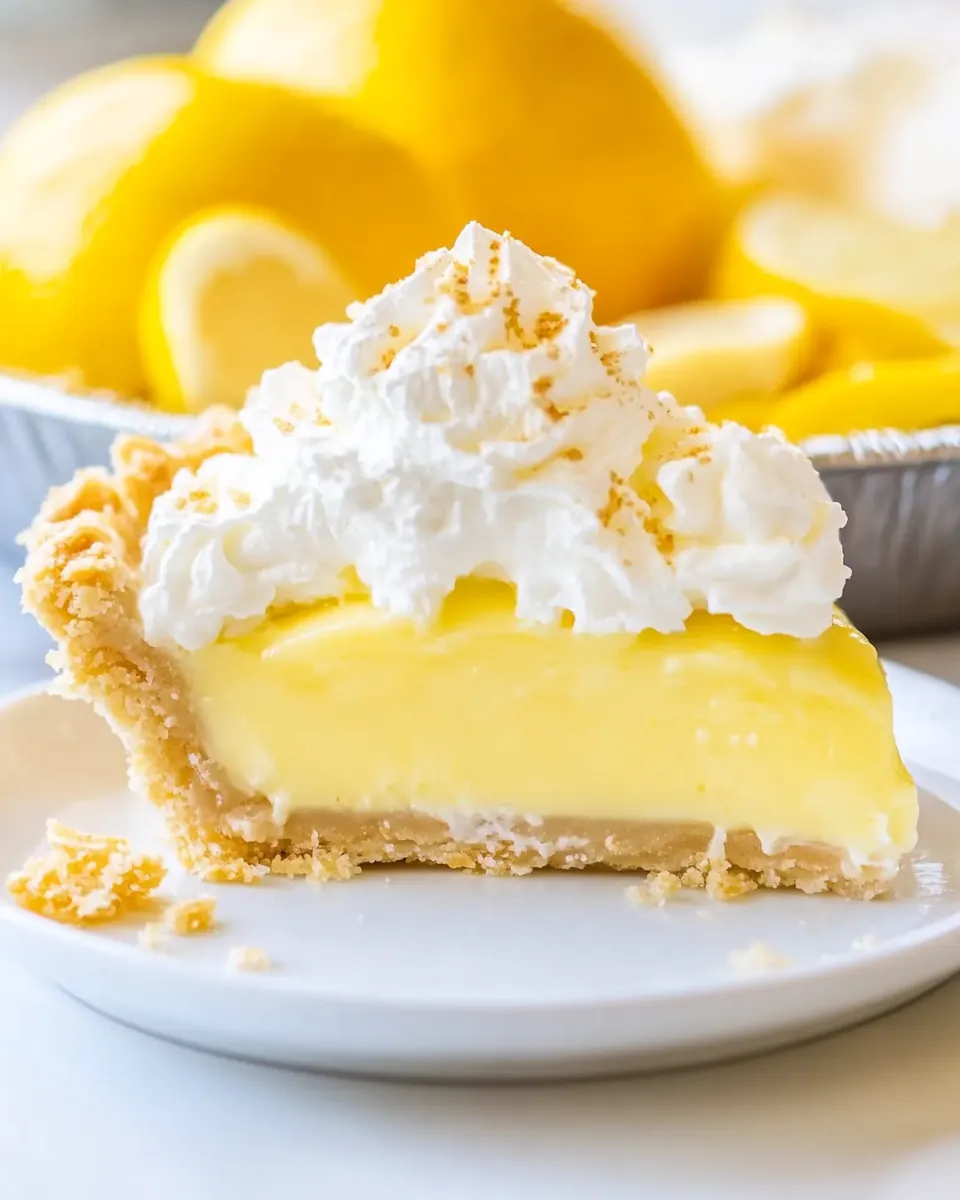
I find that the method for this pie is straightforward enough to follow while you prepare other parts of a meal, yet detailed enough that small techniques matter. Below I expand each direction into a sensory rich, practical step so you can achieve a reliably excellent result. Read through the troubleshooting notes and watch for the visual cues I describe.
- Preheat oven to 350 degrees and lightly spray a deep dish 9-inch pie pan with cooking spray.: A warm oven ensures the crust bakes quickly to a toasted, golden color, releasing a gentle aroma of toasted crackers that signals readiness. As the pan warms, the melted butter in the crust firms slightly when baked, helping the crumbs bind and crisp. If the pan is cold, the crust may take longer to set and could absorb more butter, resulting in a soggy texture. A common mistake is using a shallow pan, which can cause the crust to be too thin and the filling to overflow; stick to a deep dish 9 inch pie pan for the correct proportions.
- Place Saltine crackers in a food processor with sugar and pulse 12-15 times to coarsely grind.: You want a mix of fine crumbs and small, toothsome bits so the crust has body and texture; when pulsed correctly you'll smell a toasty, slightly salty aroma. The coarseness helps the crumbs compact together and prevents the crust from becoming dust like after baking. If processed too long, the crumbs will turn into dust and will not form a satisfying structure, so pulse in short bursts and check often to keep that coarse texture.
- Add melted butter and pulse about 10 more times.: The butter brings sheen and richness to the crumbs, coating them so they bind when pressed into the pan; pulsing distributes the fat evenly without overworking the mixture. You should see the crumbs glisten and clump slightly, which indicates enough fat coverage for pressing. A common pitfall is adding cold butter that re solidifies quickly; ensure the butter is warm but not scalding, so it merges well with the crumbs.
- Press mixture into the bottom and up the sides of the prepared pie pan.: Firm, even pressure creates a compact shell that will hold the filling and offer a pleasant crunch. Use the back of a measuring cup to press the crumbs into place, focusing on uniform thickness across the base and sides to ensure even baking. If you press unevenly, thin spots can burn or thick areas may stay soft, so take time to smooth the surface and check thickness with your fingers.
- Bake until lightly golden, about 15 minutes. Let cool slightly.: During baking the crust will emit a warm, nutty scent and develop a golden hue; this toastiness is crucial for flavor depth and a stable base. Allowing the crust to cool slightly firms the butter and prevents it from becoming too fragile when you add the filling. A common error is under baking, which leaves the crust pale and soft; watch for a light golden edge to indicate readiness, not deep browning.
- In a medium bowl, whisk together condensed milk, egg yolks, and lemon juice. Pour into pie crust.: As the ingredients combine you will notice the mixture thickening and glossing as the lemon juice integrates with the sweetened condensed milk and yolks, creating a silky custard that smells bright and sweet. Pouring slowly ensures the mixture settles evenly into the crust without creating air pockets. One mistake to avoid is adding very hot liquids, which can cook the yolks prematurely; use the ingredients at room temperature for a smooth, uniform filling.
- Bake for 15 minutes or until set. Let cool 1 hour and then refrigerate overnight.: While baking, the filling will puff slightly and the center will appear just set with a slight jiggle at the core, indicating it is done; the edges should look firmer and opaque. Cooling for an hour lets residual heat finish the gentle set, and chilling overnight completes the texture, turning the filling into a firm, sliceable custard. Avoid slicing too soon, as the filling can be soft and may weep; patience here yields clean slices and ideal texture.
- Top with cool whip or whipped cream before serving.: The whipped topping adds a soft, cloud like contrast and a hint of sweetness that rounds the citrus tang. If using freshly whipped cream, whip to soft peaks so it holds shape but remains light; spread or pipe it over the chilled pie for a polished finish. One common oversight is topping the pie too early and then refrigerating, which can lead to watery separation; add the topping just before serving for best texture and appearance.
Customization Ideas
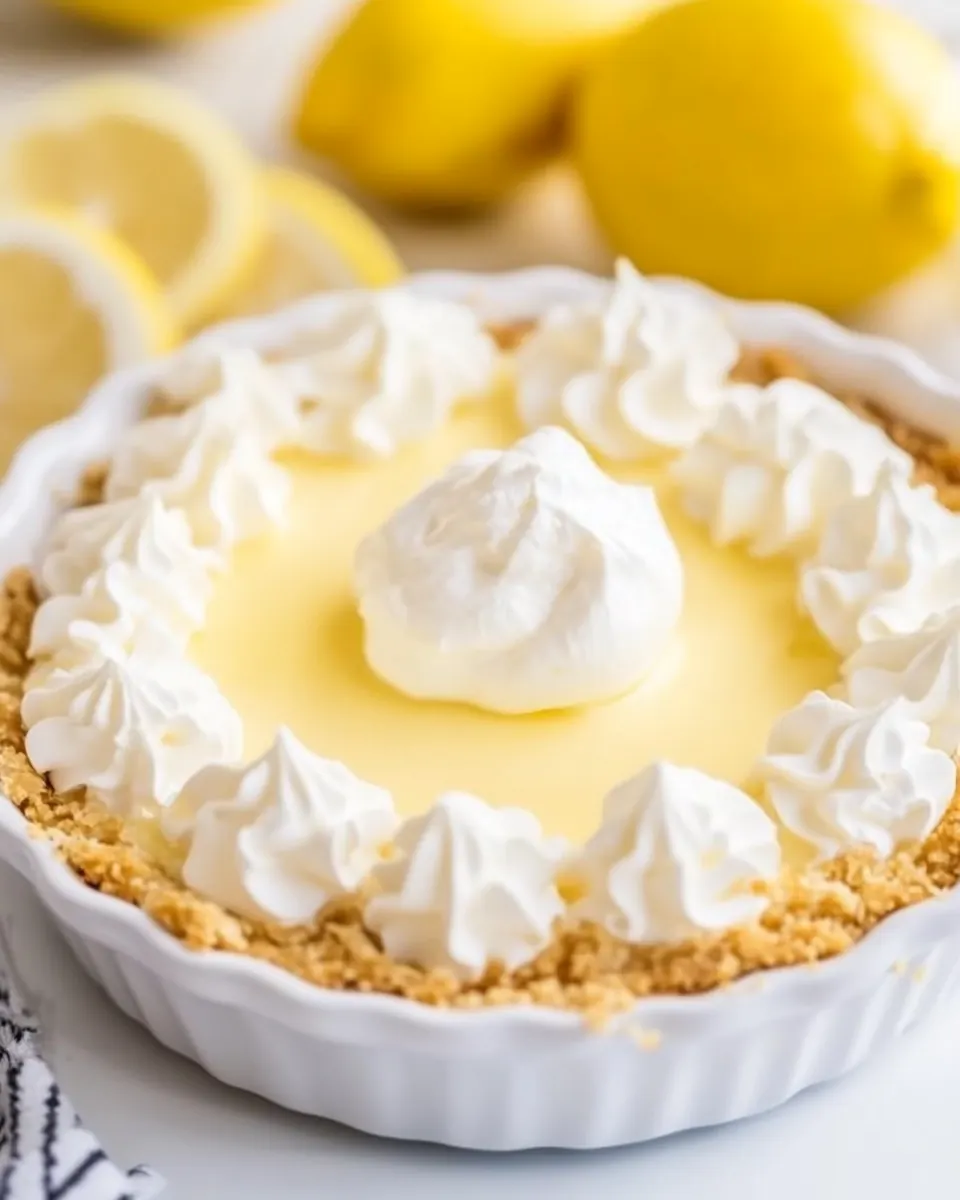
I like to offer a few simple ways to personalize Atlantic Beach Pie while respecting its classic profile. Below are practical variations and small techniques that keep the core flavors intact but let you tailor the dessert to your mood or occasion.
- Crust texture adjustment: Press the cracker crumbs a bit more firmly for a compact, sliceable crust, or leave it slightly looser for a crumbly, scoopable base that feels more rustic.
- Sweetness control: Taste the filling mixture before baking and remember the sweetened condensed milk provides most of the sugar; adjust sparingly to avoid over sweetness.
- Whipped topping options: Use store bought Cool Whip for convenience, or whip heavy cream with a touch of sugar to soft peaks for a fresher, fluffier finish.
- Visual pop: A few drops of yellow food coloring can intensify the filling color if you prefer a brighter presentation, but it is optional because the yolks already color the custard.
- Cracker substitution caution: This pie relies on the unique salt and flavor of Saltine crackers, so if substituting, choose a similarly neutral, slightly salty cracker to preserve balance.
Accompaniments for Atlantic Beach Pie
I usually serve this pie chilled, and it pairs well with light accompaniments that echo its breezy character. Below are serving ideas that suit casual picnics to summer dinner parties, along with storage tips and seasonal notes to help you plan.
- Serve chilled with a dollop of whipped cream: A spoonful of softly whipped cream complements the tangy filling and enhances mouthfeel, making each bite smooth and inviting.
- Pair with fresh berries for contrast: Raspberries or sliced strawberries add a tart, juicy counterpoint and vibrant color, especially in summer gatherings.
- Bring to a picnic or potluck: The pie travels well when fully chilled, and keeps its structure for serving at outdoor meals, making it ideal for casual events.
- For holiday or celebration tables: Present slices on a platter with a light dusting of zest for an elegant look, suitable for brunches or informal celebrations.
- Storage tips: Keep the pie covered in the refrigerator for up to three days, though the texture is best within the first two; freeze is not recommended as the filling can separate when thawed.
- Seasonal pairing: This is a summer star, pairing beautifully with iced tea, lemonade, or light fruit salads for warm weather menus.
FAQ
Conclusion
Atlantic Beach Pie stands out for its simple ingredients and winning combination of salty, buttery crust with a creamy, tangy lemon filling. It’s one of those desserts that looks fancy yet comes together with pantry staples and minimal fuss. I encourage you to make it for your next warm weather gathering or potluck, and to chill it overnight for the cleanest slices and best texture. Serve with a dollop of whipped cream and watch how quickly it disappears, becoming your reliable go to when you want an easy, crowd pleasing dessert.

Atlantic Beach Pie
Equipment
- Oven
- Food Processor
- 9 inch deep dish pie pan
- Mixing Bowl
Ingredients
- 60 Saltine crackers Crush into fine crumbs to form the pie crust base; provide structure and a neutral, salty balance that contrasts the sweet filling. Press firmly into the pan to ensure an even, compact foundation that holds the pie together when sliced.
- 1/4 cup sugar Sweeten and balance the tart lemon flavor while aiding slight caramelization in the crust; dissolve into the buttered cracker crumbs for a cohesive texture. Adjust to taste if a brighter or more subdued sweetness is desired for the finished pie.
- 12 tablespoons salted butter, melted Melt and bind the cracker crumbs with the sugar to create a rich, buttery crust while adding depth and mouthfeel. Use salted butter to contribute a subtle savory contrast that enhances overall flavor complexity.
- 1 (14-ounce) can sweetened condensed milk Contribute creamy sweetness and a thick, luscious texture to the filling while reducing the need for additional sugar; thicken when combined with the egg yolks and lemon juice. Provide stability and a glossy finish after baking or chilling.
- 4 large egg yolks Thicken and enrich the citrus filling by cooking with condensed milk, adding silkiness and a custard-like richness. Temper and incorporate carefully to avoid curdling and to ensure a smooth, velvety consistency.
- 1/2 cup fresh lemon juice Add bright acidity and the predominant citrus flavor that sets the pie’s character; balance sweetness and help the filling set through acid-induced thickening. Fresh juice provides cleaner, more vibrant notes than bottled alternatives.
- 3 drops yellow food coloring, optional Tint the filling slightly for a visually appealing, sunny hue if desired; use sparingly to avoid altering flavor. Optional addition allows customization of presentation without affecting texture or structure.
- 2 cups Cool Whip or freshly whipped cream Top with a light, airy layer that cools and complements the dense lemon filling; add either pre-whipped topping for convenience or freshly whipped cream for superior texture. Spread gently to maintain a fluffy finish and add a mild, creamy contrast.
Instructions
- Preheat oven to 350 degrees and lightly spray a deep dish 9-inch pie pan with cooking spray.: A warm oven ensures the crust bakes quickly to a toasted, golden color, releasing a gentle aroma of toasted crackers that signals readiness. As the pan warms, the melted butter in the crust firms slightly when baked, helping the crumbs bind and crisp. If the pan is cold, the crust may take longer to set and could absorb more butter, resulting in a soggy texture. A common mistake is using a shallow pan, which can cause the crust to be too thin and the filling to overflow; stick to a deep dish 9 inch pie pan for the correct proportions.
- Place Saltine crackers in a food processor with sugar and pulse 12-15 times to coarsely grind.: You want a mix of fine crumbs and small, toothsome bits so the crust has body and texture; when pulsed correctly you'll smell a toasty, slightly salty aroma. The coarseness helps the crumbs compact together and prevents the crust from becoming dust like after baking. If processed too long, the crumbs will turn into dust and will not form a satisfying structure, so pulse in short bursts and check often to keep that coarse texture.
- Add melted butter and pulse about 10 more times.: The butter brings sheen and richness to the crumbs, coating them so they bind when pressed into the pan; pulsing distributes the fat evenly without overworking the mixture. You should see the crumbs glisten and clump slightly, which indicates enough fat coverage for pressing. A common pitfall is adding cold butter that re solidifies quickly; ensure the butter is warm but not scalding, so it merges well with the crumbs.
- Press mixture into the bottom and up the sides of the prepared pie pan.: Firm, even pressure creates a compact shell that will hold the filling and offer a pleasant crunch. Use the back of a measuring cup to press the crumbs into place, focusing on uniform thickness across the base and sides to ensure even baking. If you press unevenly, thin spots can burn or thick areas may stay soft, so take time to smooth the surface and check thickness with your fingers.
- Bake until lightly golden, about 15 minutes. Let cool slightly.: During baking the crust will emit a warm, nutty scent and develop a golden hue; this toastiness is crucial for flavor depth and a stable base. Allowing the crust to cool slightly firms the butter and prevents it from becoming too fragile when you add the filling. A common error is under baking, which leaves the crust pale and soft; watch for a light golden edge to indicate readiness, not deep browning.
- In a medium bowl, whisk together condensed milk, egg yolks, and lemon juice. Pour into pie crust.: As the ingredients combine you will notice the mixture thickening and glossing as the lemon juice integrates with the sweetened condensed milk and yolks, creating a silky custard that smells bright and sweet. Pouring slowly ensures the mixture settles evenly into the crust without creating air pockets. One mistake to avoid is adding very hot liquids, which can cook the yolks prematurely; use the ingredients at room temperature for a smooth, uniform filling.
- Bake for 15 minutes or until set. Let cool 1 hour and then refrigerate overnight.: While baking, the filling will puff slightly and the center will appear just set with a slight jiggle at the core, indicating it is done; the edges should look firmer and opaque. Cooling for an hour lets residual heat finish the gentle set, and chilling overnight completes the texture, turning the filling into a firm, sliceable custard. Avoid slicing too soon, as the filling can be soft and may weep; patience here yields clean slices and ideal texture.
- Top with cool whip or whipped cream before serving.: The whipped topping adds a soft, cloud like contrast and a hint of sweetness that rounds the citrus tang. If using freshly whipped cream, whip to soft peaks so it holds shape but remains light; spread or pipe it over the chilled pie for a polished finish. One common oversight is topping the pie too early and then refrigerating, which can lead to watery separation; add the topping just before serving for best texture and appearance.
Notes
- Crust texture adjustment: Press the cracker crumbs a bit more firmly for a compact, sliceable crust, or leave it slightly looser for a crumbly, scoopable base that feels more rustic.
- Sweetness control: Taste the filling mixture before baking and remember the sweetened condensed milk provides most of the sugar; adjust sparingly to avoid over sweetness.
- Whipped topping options: Use store bought Cool Whip for convenience, or whip heavy cream with a touch of sugar to soft peaks for a fresher, fluffier finish.
- Visual pop: A few drops of yellow food coloring can intensify the filling color if you prefer a brighter presentation, but it is optional because the yolks already color the custard.
- Cracker substitution caution: This pie relies on the unique salt and flavor of Saltine crackers, so if substituting, choose a similarly neutral, slightly salty cracker to preserve balance.