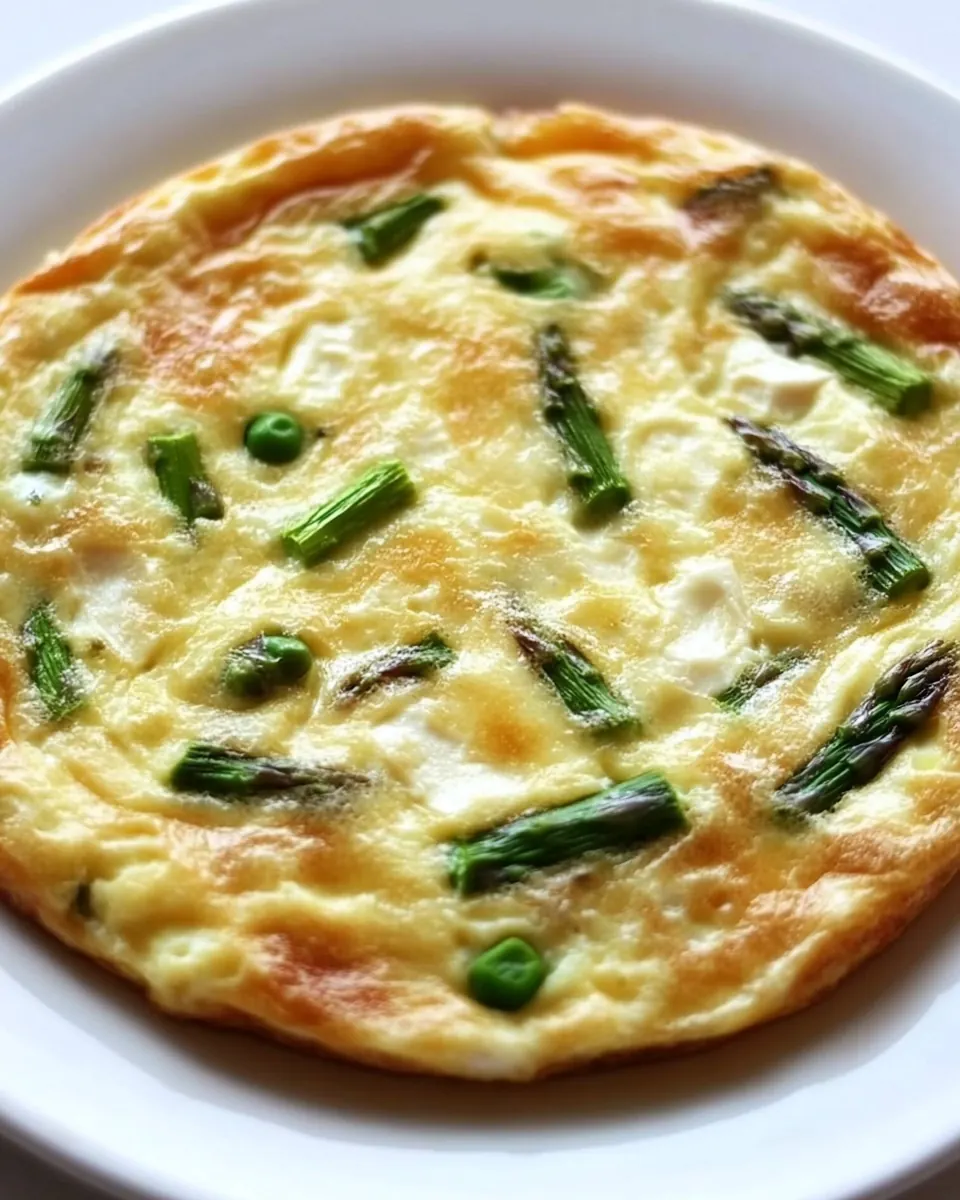
Asparagus Frittata
Asparagus Frittata has been my go to for mornings when I want something simple yet impressive on the table. I remember the first time I made it for a friend who was visiting in spring, and how the bright green asparagus stole the show while the edges of the eggs puffed up golden in the skillet. That contrast of tender stalks and creamy set eggs felt like a small celebration, and it quickly became a dish I reach for whenever I want to feel both comforted and a little fancy.
Over time I learned to treat the process like a small ritual, from trimming the woody ends of the asparagus to the moment I grate the parmesan cheese and watch it melt into the warm surface. There is a calm rhythm to whisking the eggs with heavy cream, sautéing the vegetables, and letting gentle oven heat finish the custard. Guests always comment on how light yet satisfying it is, and that feedback pushed me to refine the technique into something consistently reliable.
Some mornings I pair it with a crisp salad, other times I serve it with crusty bread and call it a casual brunch. I love that it scales well, and that the key flavors remain familiar whether you keep the recipe tiny or feed a crowd. While I’ll never tire of the classic combination of extra sharp cheddar cheese and parmesan cheese, I also enjoy tweaking the texture by adjusting the cream or the sauté time for the asparagus. This dish always feels like a little win, the sort of recipe that turns a regular morning into something worth savoring.
Recipe Snapshot
20 mins
10 mins
10 mins
Easy
300 kcal
American
Keto, Gluten-Free
Breakfast
8 inch oven safe skillet, Whisk, Small bowl, Silicon spatula
The Charm of This Asparagus Frittata
Bright seasonal flavor
I love how Asparagus Frittata captures the freshness of spring with just a few ingredients. The asparagus brings a vegetal snap and a pleasant bite, while the cheeses add savory depth. For me, this contrast is the heart of the dish, it makes each forkful interesting without being complicated.
Speed and simplicity
One big reason I keep this in my rotation is how quickly it comes together. With only a short sauté and a brief bake under high heat, you get a full flavored meal in about twenty minutes. That efficiency is perfect for hectic mornings when I still want something homemade rather than grabbed on the go.
Comforting texture balance
The combination of whipped eggs and a touch of heavy cream creates a custardy interior, while the ring around the pan sets more firmly, offering contrast. The melted extra sharp cheddar cheese pockets add richness, and the grated parmesan cheese on top gives a slightly nutty finish. This texture play keeps it from feeling flat.
Minimal yet flexible ingredients
I appreciate that this recipe uses staple pantry items and one seasonal vegetable, so it never feels like a fuss. You can emphasize the asparagus flavor by sautéing it briefly, or soften it more for a tender bite. That flexibility means I can adapt the technique to whatever mood I am in that day.
Great for sharing and scaling
Finally, Asparagus Frittata scales well from two servings to more without losing its character. I’ve served it for casual lunches and light dinners, and it always receives compliments. It’s one of those dishes that feels homemade and thoughtful, yet effortless to prepare.
What You Need for Asparagus Frittata
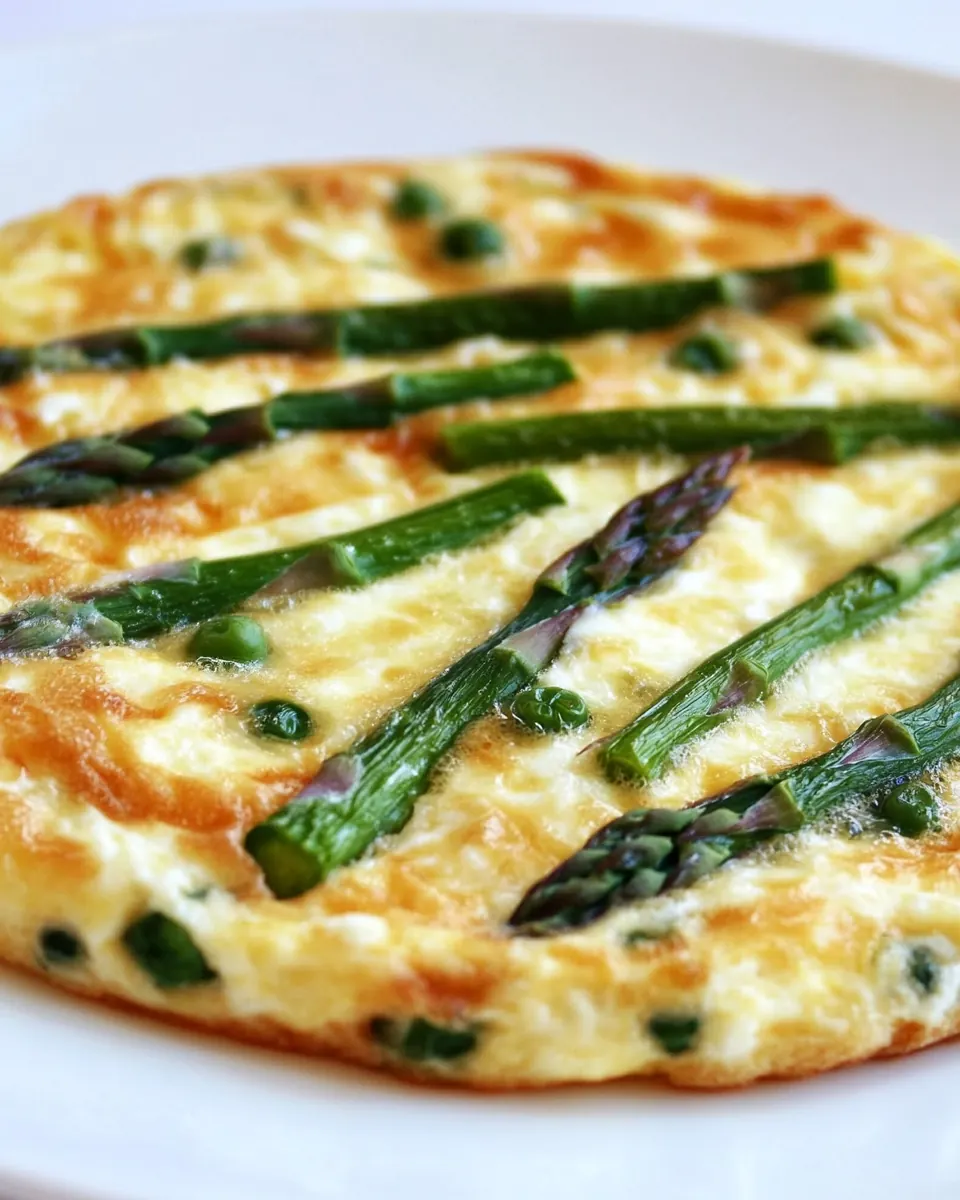
The ingredients here are straightforward and work together to create a creamy yet bright frittata. The eggs form the custard base, the heavy cream adds silkiness, and the two cheeses bring savory, melty contrast. The asparagus provides seasonal freshness and a pleasant texture when sautéed briefly in extra virgin olive oil. Together they strike a balance between richness and brightness.
- 2 tablespoons extra virgin olive oil: Enhance flavor and prevent sticking by coating the skillet with rich olive oil; its fruity aroma complements the asparagus while helping to sauté pieces evenly. Use moderate heat to avoid burning and maintain a silky mouthfeel in the finished frittata.
- 6 ounces asparagus, woody ends trimmed off and cut into 2 inch pieces: Add bright, tender asparagus pieces for a fresh, vegetal texture and slight snap; trimming woody ends ensures only the edible stalk is used. Cut into uniform 2-inch segments so they cook through quickly and distribute evenly in each slice.
- 4 large eggs: Provide structure and a custardy base when beaten and poured over the vegetables; eggs set during baking to create the classic frittata body. Whisk thoroughly to incorporate air for a light, but stable texture.
- 2 tablespoons heavy cream: Contribute richness and creaminess to the egg mixture, making the frittata more tender and silky; heavy cream helps prevent rubbery eggs when baked. Measure precisely to balance creaminess without making the custard overly loose.
- 1/2 teaspoon kosher salt: Season the eggs and vegetables with kosher salt to enhance overall flavors and bring out the natural sweetness of the asparagus and cheeses. Sprinkle evenly and taste if possible before baking to avoid over-salting due to the cheeses.
- 1/4 teaspoon black pepper: Add a subtle heat and depth with freshly ground black pepper, balancing the richness of the eggs and cheeses. Grind into the egg mixture to distribute its aroma and mildly piquant notes throughout the frittata.
- 1/4 cup extra sharp cheddar cheese, shredded: Introduce sharp, tangy flavor and a melty, slightly chewy texture when sprinkled over the eggs; extra sharp cheddar creates a pronounced cheesy punch. Use shredded cheddar so it melts uniformly and contributes a golden top and savory pockets.
- 2 tablespoons parmesan cheese, grated: Provide nutty, savory umami and a granular texture as a finishing cheese; grated parmesan enhances complexity and saltiness without overwhelming. Sprinkle evenly so its crystalline bite contrasts with the creamy custard.
How to Cook Asparagus Frittata
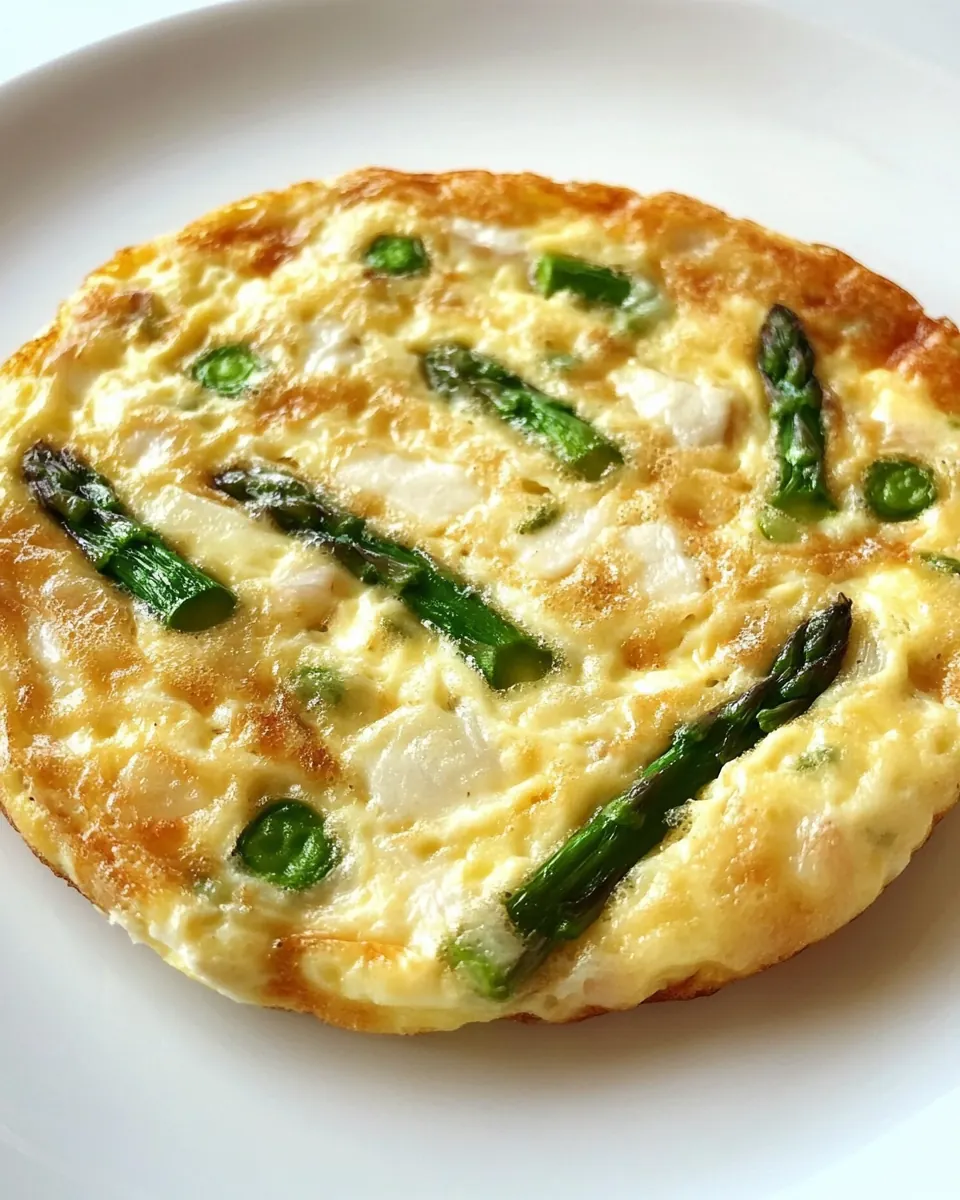
This method is straightforward and trustworthy. I like to keep my movements intentional so the texture comes out perfectly. Read each step fully so you can pay attention to the sensory cues that indicate readiness.
- In an 8-inch oven safe skillet, add olive oil and set over medium heat.: The moment you heat the extra virgin olive oil you will notice a subtle shimmer and a faint fruity aroma when the pan is hot enough, that is your cue to proceed. This step matters because a properly heated oil prevents the asparagus from sticking and encourages even browning, which contributes depth of flavor. A common mistake is rushing this and adding vegetables to a cool pan, which results in soggy, unevenly cooked pieces; wait until the oil moves and glints in the light. If the oil smokes, lower the heat immediately to avoid bitterness.
- Once hot add asparagus and gently sauté until just starting to soften, about 5 minutes.: You should hear a soft sizzle as each piece hits the pan, and the stalks will brighten to a vivid green while their edges gain a light golden tint. This brief sauté keeps the asparagus crisp tender, preserving texture against the creamy eggs . If you cook too long, the stalks will become limp and lose their lively bite, so test one piece for tenderness by piercing it with a fork. Stir gently to ensure even contact with the hot oil, and avoid overcrowding the pan which traps steam.
- In a small bowl whisk together eggs, heavy cream, kosher salt, and black pepper.: As you whisk the eggs with the heavy cream , you will notice the mixture take on a slightly frothy sheen, signaling trapped air that helps create a tender interior. Seasoning now ensures the whole custard is balanced. The reason for whisking vigorously is to break the yolks and incorporate air, preventing a dense result. A frequent error is under whisking, which can produce uneven texture; whisk until the mixture is homogenous and lightly airy, but not frothy to the point of large bubbles.
- Pour beaten eggs over asparagus in the skillet, sprinkle in cheddar cheese, and cook over medium heat until set around the edges but still liquid in the center, about 5 minutes.: As the custard hits the hot pan, you will hear a gentle hiss and see the edges firm quickly, turning opaque while the center remains glossy. Sprinkling the extra sharp cheddar cheese now lets it settle into the custard and form melty pockets that enrich every bite. This technique matters because allowing the edges to set before finishing ensures a stable structure when it goes under high heat. Avoid leaving it on the heat too long until the center is fully set, which will lead to an overcooked, rubbery texture; instead aim for a jiggle in the middle when you nudge the pan.
- Sprinkle parmesan cheese on top and bake in the oven under broiler high setting or a 450 degree preheated oven.: When you add the grated parmesan cheese on top and transfer the skillet to intense heat, the surface quickly develops a golden crust and a nutty aroma. This final burst of heat crisps the top while preserving the creamy interior. Using the broiler speeds this transformation, but watch closely as it can go from perfectly browned to burnt within moments. A typical slip is placing the pan too close to the broiler or leaving it unattended; keep the oven door cracked and the skillet centered to avoid hotspots.
- Once set, about 5 minutes, take out of oven and using a silicon spatula gently slide it out of the pan onto a plate and enjoy.: You will feel a small, satisfying resistance as the edges release, and the top should be lightly browned and fragrant. Let the frittata rest briefly to settle the custard so it slices cleanly. This resting period matters for texture because the residual heat finishes the set without drying it. A common mistake is trying to unmold it while piping hot, which can cause crumbling or tearing; give it a minute to relax, then run a spatula around the edge if needed before sliding onto a plate.
Tips and Variations
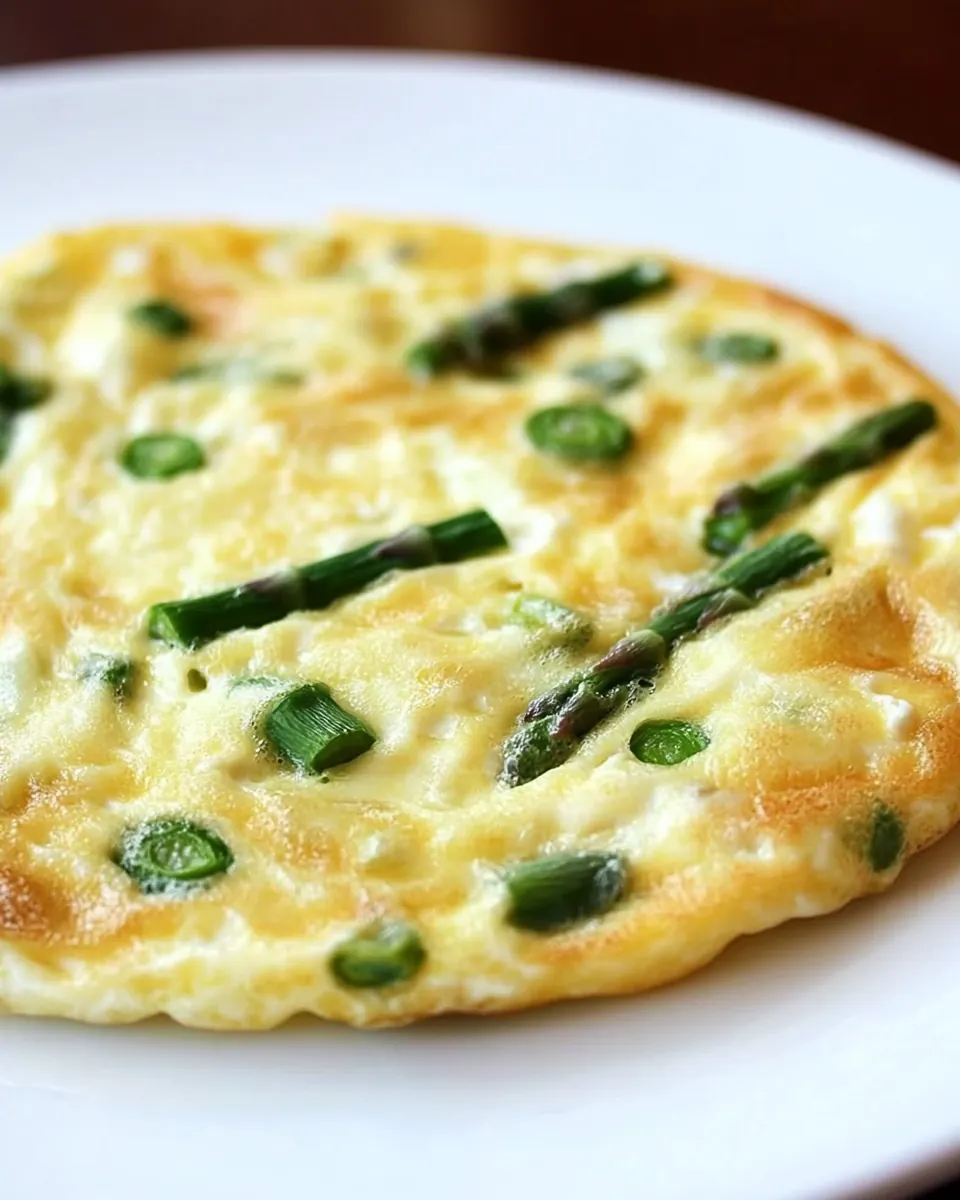
I like to keep tips concise and practical so you can adapt Asparagus Frittata with confidence. Below are useful tweaks and serving ideas that maintain the recipe integrity while offering small variations to suit different meals or preferences.
- Heat management: Control your stovetop temperature so the asparagus sautés without burning, medium heat is ideal to build flavor while preserving texture.
- Cheese handling: Grate the extra sharp cheddar cheese fresh for better melt and flavor, pre shredded cheese often contains anti caking agents that affect texture.
- Cream balance: Two tablespoons of heavy cream keeps the custard silky, but you can reduce slightly if you prefer a firmer set; adjust carefully to avoid dryness.
- Even cutting: Cut the asparagus into uniform 2 inch pieces so they cook evenly during the brief sauté phase, inconsistent sizes lead to mixed textures.
- Rest before serving: Allow the frittata to rest for a minute after baking so the interior finishes setting, this prevents a runny center and helps with clean serving.
Great Combinations for Asparagus Frittata
This frittata pairs wonderfully with simple sides and suits many occasions. Below I outline combinations, storage tips, and how I like to serve it for casual or celebratory meals. These ideas keep the focus on the bright asparagus and creamy custard.
- Light salad pairing: Serve with a crisp green salad dressed simply with lemon and olive oil to contrast the rich custard.
- Crusty bread: Offer slices of warm crusty bread or a baguette to soak up any custardy crumbs for a relaxed brunch or lunch.
- Occasion fits: Ideal for spring brunches or a relaxed dinner, it fits nicely into a weekend menu when you want something low effort but stylish.
- Storage tip: Refrigerate leftovers in an airtight container for up to two days, reheat gently in a low oven to preserve texture rather than microwaving which can dry it out.
- Seasonal serving: Emphasize seasonal produce by serving this during spring when asparagus is at its peak, the vegetable flavor will be more pronounced and tender.
FAQ
Conclusion
This Asparagus Frittata stands out because it pairs bright seasonal asparagus with a silky egg custard and two complementary cheeses for a quick, satisfying meal. It’s a wonderful option when you want something that feels homemade yet uncomplicated, and it comes together in about twenty minutes. Try it the next time you want a breezy brunch or a light dinner; the contrast of textures and the fresh flavor of asparagus make it a comforting, elegant choice that’s easy to prepare and share.
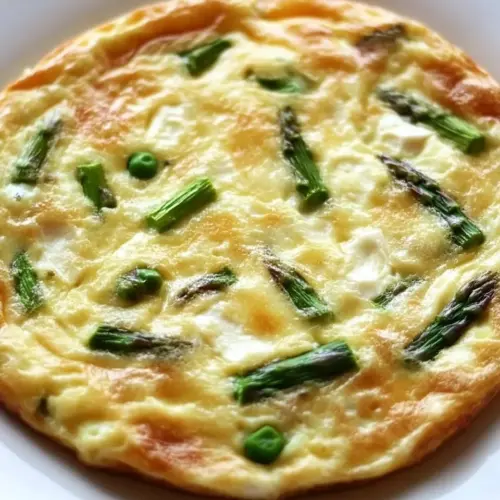
Asparagus Frittata
Equipment
- 8 inch oven safe skillet
- Whisk
- Small Bowl
- Silicon spatula
Ingredients
- 2 tablespoons extra virgin olive oil Enhance flavor and prevent sticking by coating the skillet with rich olive oil; its fruity aroma complements the asparagus while helping to sauté pieces evenly. Use moderate heat to avoid burning and maintain a silky mouthfeel in the finished frittata.
- 6 ounces asparagus, woody ends trimmed off and cut into 2 inch pieces Add bright, tender asparagus pieces for a fresh, vegetal texture and slight snap; trimming woody ends ensures only the edible stalk is used. Cut into uniform 2-inch segments so they cook through quickly and distribute evenly in each slice.
- 4 large eggs Provide structure and a custardy base when beaten and poured over the vegetables; eggs set during baking to create the classic frittata body. Whisk thoroughly to incorporate air for a light, but stable texture.
- 2 tablespoons heavy cream Contribute richness and creaminess to the egg mixture, making the frittata more tender and silky; heavy cream helps prevent rubbery eggs when baked. Measure precisely to balance creaminess without making the custard overly loose.
- 1/2 teaspoon kosher salt Season the eggs and vegetables with kosher salt to enhance overall flavors and bring out the natural sweetness of the asparagus and cheeses. Sprinkle evenly and taste if possible before baking to avoid over-salting due to the cheeses.
- 1/4 teaspoon black pepper Add a subtle heat and depth with freshly ground black pepper, balancing the richness of the eggs and cheeses. Grind into the egg mixture to distribute its aroma and mildly piquant notes throughout the frittata.
- 1/4 cup extra sharp cheddar cheese, shredded Introduce sharp, tangy flavor and a melty, slightly chewy texture when sprinkled over the eggs; extra sharp cheddar creates a pronounced cheesy punch. Use shredded cheddar so it melts uniformly and contributes a golden top and savory pockets.
- 2 tablespoons parmesan cheese, grated Provide nutty, savory umami and a granular texture as a finishing cheese; grated parmesan enhances complexity and saltiness without overwhelming. Sprinkle evenly so its crystalline bite contrasts with the creamy custard.
Instructions
- In an 8-inch oven safe skillet, add olive oil and set over medium heat.: The moment you heat the extra virgin olive oil you will notice a subtle shimmer and a faint fruity aroma when the pan is hot enough, that is your cue to proceed. This step matters because a properly heated oil prevents the asparagus from sticking and encourages even browning, which contributes depth of flavor. A common mistake is rushing this and adding vegetables to a cool pan, which results in soggy, unevenly cooked pieces; wait until the oil moves and glints in the light. If the oil smokes, lower the heat immediately to avoid bitterness.
- Once hot add asparagus and gently sauté until just starting to soften, about 5 minutes.: You should hear a soft sizzle as each piece hits the pan, and the stalks will brighten to a vivid green while their edges gain a light golden tint. This brief sauté keeps the asparagus crisp tender, preserving texture against the creamy eggs . If you cook too long, the stalks will become limp and lose their lively bite, so test one piece for tenderness by piercing it with a fork. Stir gently to ensure even contact with the hot oil, and avoid overcrowding the pan which traps steam.
- In a small bowl whisk together eggs, heavy cream, kosher salt, and black pepper.: As you whisk the eggs with the heavy cream , you will notice the mixture take on a slightly frothy sheen, signaling trapped air that helps create a tender interior. Seasoning now ensures the whole custard is balanced. The reason for whisking vigorously is to break the yolks and incorporate air, preventing a dense result. A frequent error is under whisking, which can produce uneven texture; whisk until the mixture is homogenous and lightly airy, but not frothy to the point of large bubbles.
- Pour beaten eggs over asparagus in the skillet, sprinkle in cheddar cheese, and cook over medium heat until set around the edges but still liquid in the center, about 5 minutes.: As the custard hits the hot pan, you will hear a gentle hiss and see the edges firm quickly, turning opaque while the center remains glossy. Sprinkling the extra sharp cheddar cheese now lets it settle into the custard and form melty pockets that enrich every bite. This technique matters because allowing the edges to set before finishing ensures a stable structure when it goes under high heat. Avoid leaving it on the heat too long until the center is fully set, which will lead to an overcooked, rubbery texture; instead aim for a jiggle in the middle when you nudge the pan.
- Sprinkle parmesan cheese on top and bake in the oven under broiler high setting or a 450 degree preheated oven.: When you add the grated parmesan cheese on top and transfer the skillet to intense heat, the surface quickly develops a golden crust and a nutty aroma. This final burst of heat crisps the top while preserving the creamy interior. Using the broiler speeds this transformation, but watch closely as it can go from perfectly browned to burnt within moments. A typical slip is placing the pan too close to the broiler or leaving it unattended; keep the oven door cracked and the skillet centered to avoid hotspots.
- Once set, about 5 minutes, take out of oven and using a silicon spatula gently slide it out of the pan onto a plate and enjoy.: You will feel a small, satisfying resistance as the edges release, and the top should be lightly browned and fragrant. Let the frittata rest briefly to settle the custard so it slices cleanly. This resting period matters for texture because the residual heat finishes the set without drying it. A common mistake is trying to unmold it while piping hot, which can cause crumbling or tearing; give it a minute to relax, then run a spatula around the edge if needed before sliding onto a plate.
Notes
- Heat management: Control your stovetop temperature so the asparagus sautés without burning, medium heat is ideal to build flavor while preserving texture.
- Cheese handling: Grate the extra sharp cheddar cheese fresh for better melt and flavor, pre shredded cheese often contains anti caking agents that affect texture.
- Cream balance: Two tablespoons of heavy cream keeps the custard silky, but you can reduce slightly if you prefer a firmer set; adjust carefully to avoid dryness.
- Even cutting: Cut the asparagus into uniform 2 inch pieces so they cook evenly during the brief sauté phase, inconsistent sizes lead to mixed textures.
- Rest before serving: Allow the frittata to rest for a minute after baking so the interior finishes setting, this prevents a runny center and helps with clean serving.