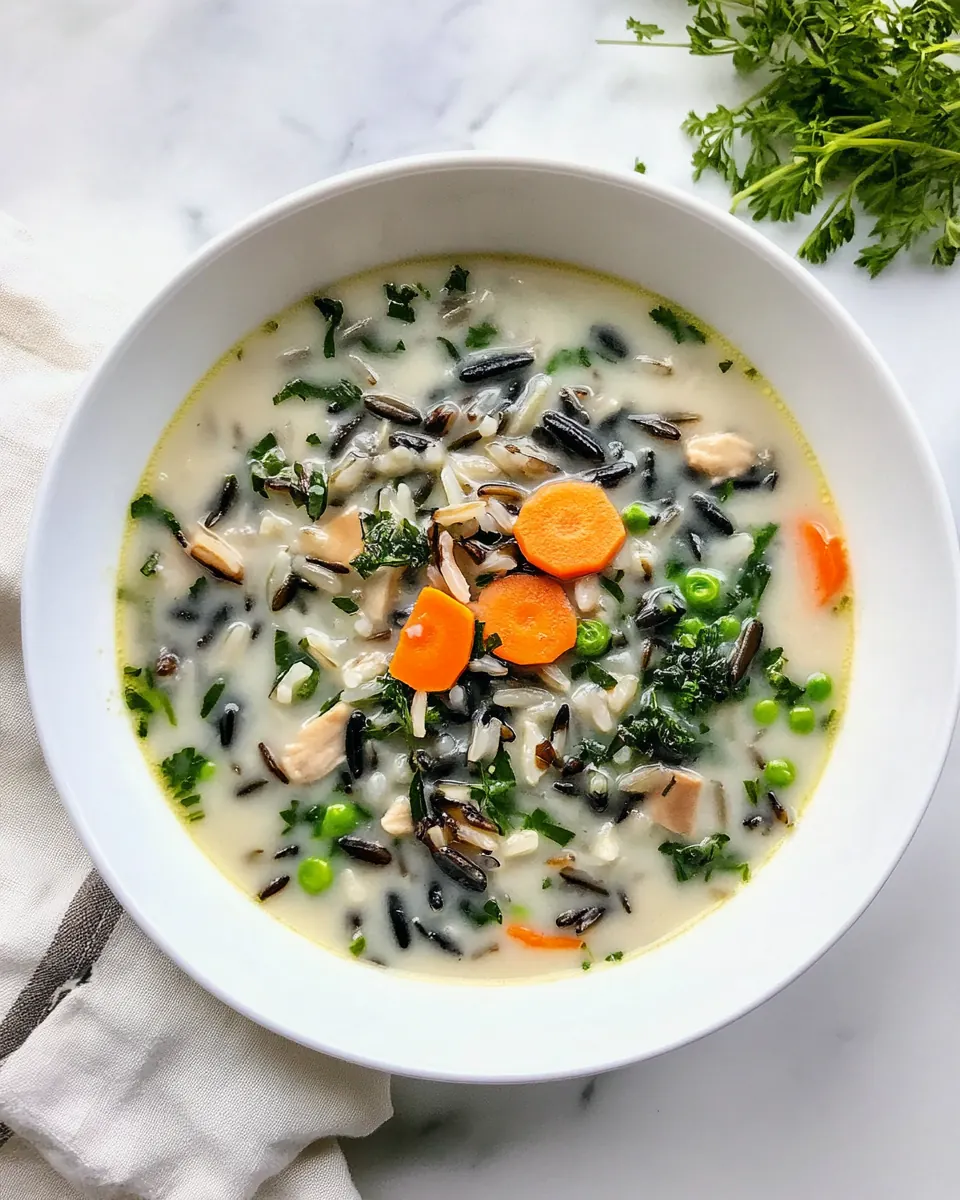
Wild Rice Soup
Wild Rice Soup has been a quiet favorite in my rotation for chilly nights when I want something nourishing, textured, and just a little bit elegant. The first time I made it I remember the kitchen filling with the warm, earthy aroma of mushrooms and rosemary, and how the spoonfuls of tender wild rice and wilted kale felt like a cozy blanket. I kept a jar of miso in the pantry for umami boosts, and this bowl was the moment all those pantry staples came together in a comforting way.
I like to cook this soup slowly enough to hear the gentle simmer and watch the colors shift as the vegetables soften. It’s one of those recipes that invites a little conversation, a glass of water, and a crusty slice of bread if you have it. Over the years I have tweaked it to balance creaminess and brightness, leaning on a simple cashew and almond milk base instead of heavy cream, which makes the texture luxurious without feeling heavy. Each time I make Wild Rice Soup I notice different little joys, like the pop of fresh lemon at the end or the way the kale holds its structure against the silky broth.
Recipe Snapshot
45 mins
10 mins
35 mins
Medium
250 kcal
Vegan
Vegan, Gluten-Free
Soups
Blender, Dutch oven
The Best Thing About This Wild Rice Soup
Hearty and Textured
I love that Wild Rice Soup offers a satisfying combination of textures. The wild rice provides chewy, nutty bites, while the kale and chopped carrot add body and bite. When I serve this, guests often comment on how filling it feels without being heavy, and that balance keeps me coming back to this bowl when I want comfort that still feels wholesome.
Deep Umami Without Dairy
One of my favorite things is how the soup achieves depth without relying on dairy. The blend of soaked cashews, unsweetened almond milk, and white miso paste creates a creamy, savory base that tastes indulgent but remains plant forward. I find this approach makes the recipe more versatile for a variety of diets, and it gives me a lighter finish that keeps the flavors bright.
Weeknight Friendly
Even though the soup tastes like something you might order at a cozy bistro, it is surprisingly forgiving and quick to pull together. With simple steps like sautéing vegetables and simmering the pot, I can have a nourishing dinner on the table in under an hour. That reliability makes it a go to on busy evenings when I want a real meal without fuss.
Flexible and Pantry Friendly
I appreciate how this recipe adapts to what I have on hand. The cashew cream can be made ahead, and the cooked wild rice and cannellini beans stretch the dish and add protein and texture. I’ve often swapped minor things without losing the soul of the bowl, and that ease encourages me to make it more often.
Bright Finish Options
Finishing the soup with lemon juice, a scattering of chopped parsley, or a pinch of red pepper flakes brings the flavors to life. I always keep those tiny brighteners in mind, because they transform the savory base into something lively and memorable. For me, those last-minute touches are what turn a good pot of soup into a favorite one.
What to Buy for Wild Rice Soup
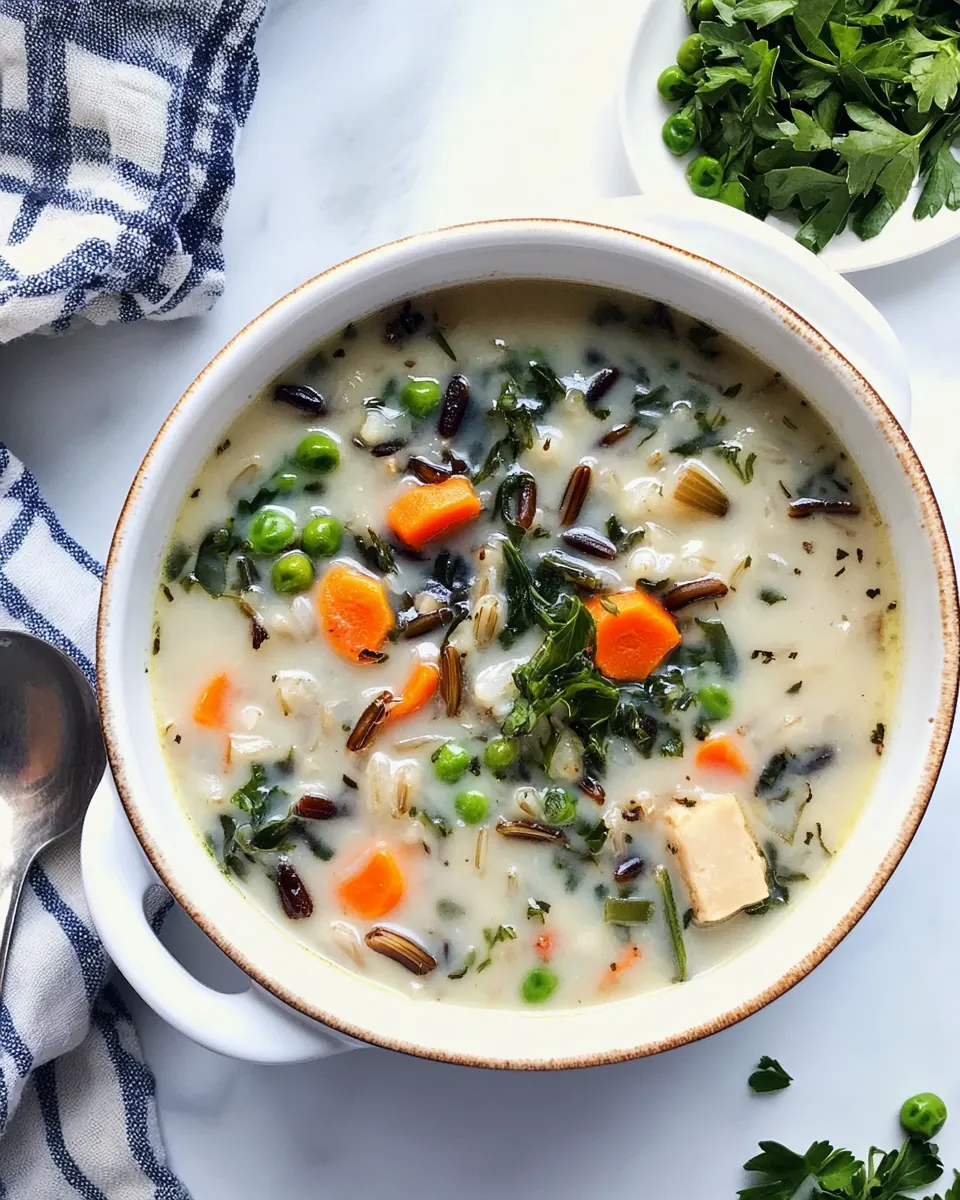
These ingredients work together to build layers of flavor and texture. The key players are the creamy base formed by unsweetened almond milk and cashews, the savory boost from white miso paste and garlic, and the hearty components like wild rice and cannellini beans. Vegetables such as mushrooms, carrot, and kale provide color, body, and vegetal sweetness that balance the umami elements.
- 1 cup unsweetened almond milk: Provide a creamy, dairy-free base that adds subtle nuttiness and body to the soup; helps thin blended components while keeping the soup light and vegan-friendly. Use unsweetened almond milk to balance savory flavors without adding sweetness. Choose unsweetened to avoid altering the intended savory profile.
- 1/3 cup raw cashews: Soak or blend to create a rich, velvety texture that lends natural creaminess and healthy fats to the soup; raw cashews emulsify when pureed for a luxurious mouthfeel. Offer mild, buttery flavor and help thicken the broth when combined with liquid and cooking. Ensure cashews are softened if necessary for smooth blending.
- 1/4 cup cooked cannellini beans, drained and rinsed: Add additional creaminess and protein while reinforcing the bean flavor profile already present in the recipe; cooked cannellini brings a silky texture when blended or stirred whole. Provide subtle earthy notes and help create a hearty, satisfying consistency. Rinse and drain to remove canning liquids and any excess salt.
- 2 tablespoons white miso paste: Contribute deep savory umami and a touch of saltiness that rounds out the broth; white miso melts into the soup for complexity and fermented richness. Balance flavors and give the soup a warm, savory backbone without overpowering delicate herbs. Dissolve miso in a bit of warm liquid before adding to prevent clumping.
- 2 teaspoons Dijon mustard: Introduce a tangy, sharp accent that brightens and balances creamy and savory elements; Dijon mustard also helps emulsify and bind flavors. Add subtle piquancy that complements the miso and lemon while cutting through richness. Use measured amounts to keep spiciness controlled.
- 2 tablespoons extra-virgin olive oil: Provide a smooth, fruity-fat component for sautéing aromatics and mushrooms while adding depth and sheen to the finished soup. Use extra–virgin olive oil for its flavor and to help release herb oils from rosemary and thyme. Heat gently to avoid burning and preserve its nuanced taste.
- 1 bunch scallions, white and light green parts, chopped: Offer a mild, onion-like aromatic that gives bright, sweet, and slightly pungent flavors; scallion whites and light greens build the flavor base. Provide texture and freshness when cooked briefly and a subtle green note when added near the end. Chop uniformly for even cooking.
- 1 celery stalk, chopped: Add a crisp, vegetal base note with subtle bitterness that supports the soup's savory profile; celery contributes aromatic depth and body. Cook until softened to release natural flavors and create a balanced mirepoix with carrot and scallion. Dice consistently for even texture.
- 1 large carrot, chopped: Bring natural sweetness and earthiness to the soup while adding body and color; carrots help form the flavor foundation and thicken slightly when broken down. Cook until tender to meld with other aromatics and create a sweet counterpoint to savory elements. Choose firm carrots and chop evenly.
- 8 ounces cremini mushrooms, sliced: Provide a meaty, umami-rich element that adds depth, texture, and savory complexity when sautéed; cremini mushrooms contribute earthiness and moisture. Brown mushrooms to concentrate flavor and incorporate their juices into the broth for richness. Slice uniformly for consistent cooking.
- 1 teaspoons ea salt: Season the soup lightly to enhance all flavors while preventing over-seasoning elsewhere; controlled salt draws out aromas from vegetables and herbs. Measure carefully, especially because miso and beans already contribute sodium. Adjust incrementally and taste as the soup reduces.
- 4 garlic cloves, minced: Introduce pungent, aromatic intensity that brightens and layers savory notes; minced garlic should be cooked until fragrant to avoid raw sharpness. Provide aromatic foundation that pairs well with rosemary and thyme for a classic flavor profile. Add toward the start of cooking to mellow and sweeten.
- 2 tablespoons minced rosemary: Infuse pronounced piney, citrusy aromas that complement mushrooms and beans while adding herbal complexity; minced rosemary should be cooked briefly to release essential oils. Contribute an earthy, resinous note that stands up to long-simmering soups. Use sparingly to avoid overpowering delicate flavors.
- 1 bunch of thyme, bundled: Release aromatic, woodsy notes and tender leaves when simmered; a bundled bunch of thyme imparts subtle savory depth and pairs well with miso and mustard. Tie or bundle thyme for easy removal if whole sprigs are preferred, or strip leaves for incorporation. Allow thyme to steep during simmering for full flavor extraction.
- 1 1/4 cups cooked cannellini beans, drained and rinsed: Enhance creaminess, protein content, and body while reinforcing the bean characteristics in the soup; cooked cannellini beans provide a satifying, hearty element. Contribute to stew-like texture and help thicken the broth when partially mashed or blended. Rinse and drain to control sodium and improve flavor clarity.
- 1/2 teaspoon freshly ground black pepper, more for serving: Provide warm, piquant background spice that sharpens flavors without dominating; freshly ground black pepper adds subtle heat and aromatic lift. Adjust the amount for personal preference and finish with more at serving for brightness. Grind fresh for the most vibrant flavor.
- 4 cups water: Serve as the primary cooking liquid and solvent for extracting flavors from vegetables, herbs, and beans; water keeps the soup light and allows other ingredients to shine. Control the soup's concentration by simmering or adding more water as needed. Use clean, fresh water for neutral taste.
- 1 cup cooked wild rice: Add chewy, nutty grains that offer texture contrast and hearty substance; cooked wild rice contributes distinctive flavor and visual appeal. Stir in towards the end to avoid over-softening and to preserve individual grain texture. Use pre-cooked rice to control final consistency.
- 1 to 2 tablespoons fresh lemon juice: Brighten and balance the soup with acidic clarity that lifts flavors and cuts richness; fresh lemon juice adds freshness and a clean finish. Add gradually and taste to achieve the desired brightness without sourness. Use fresh lemon for optimal vibrancy.
- 4 cups chopped kale: Contribute robust, slightly bitter green notes and substantial texture that adds color and nutrition; chopped kale wilts into the soup while retaining some chew. Cook until just tender to preserve nutrients and avoid mushiness, stirring to ensure even distribution. Remove tough stems if desired.
- Chopped parsley for garnish (optional): Provide a fresh, herbaceous finishing touch that adds color and a bright leafy note when sprinkled on top; chopped parsley lightens heavy flavors. Use as an optional garnish to enhance presentation and add a mild herb aroma. Add just before serving for maximum freshness.
- Pinches of red pepper flakes (optional): Introduce optional heat and a subtle smoky-spicy lift with small pinches that can be tuned to taste; red pepper flakes offer quick, adjustable spice at the table. Sprinkle sparingly to avoid overpowering delicate flavors and increase gradually for desired warmth. Use as a finishing accent rather than during long simmering.
Making This Wild Rice Soup
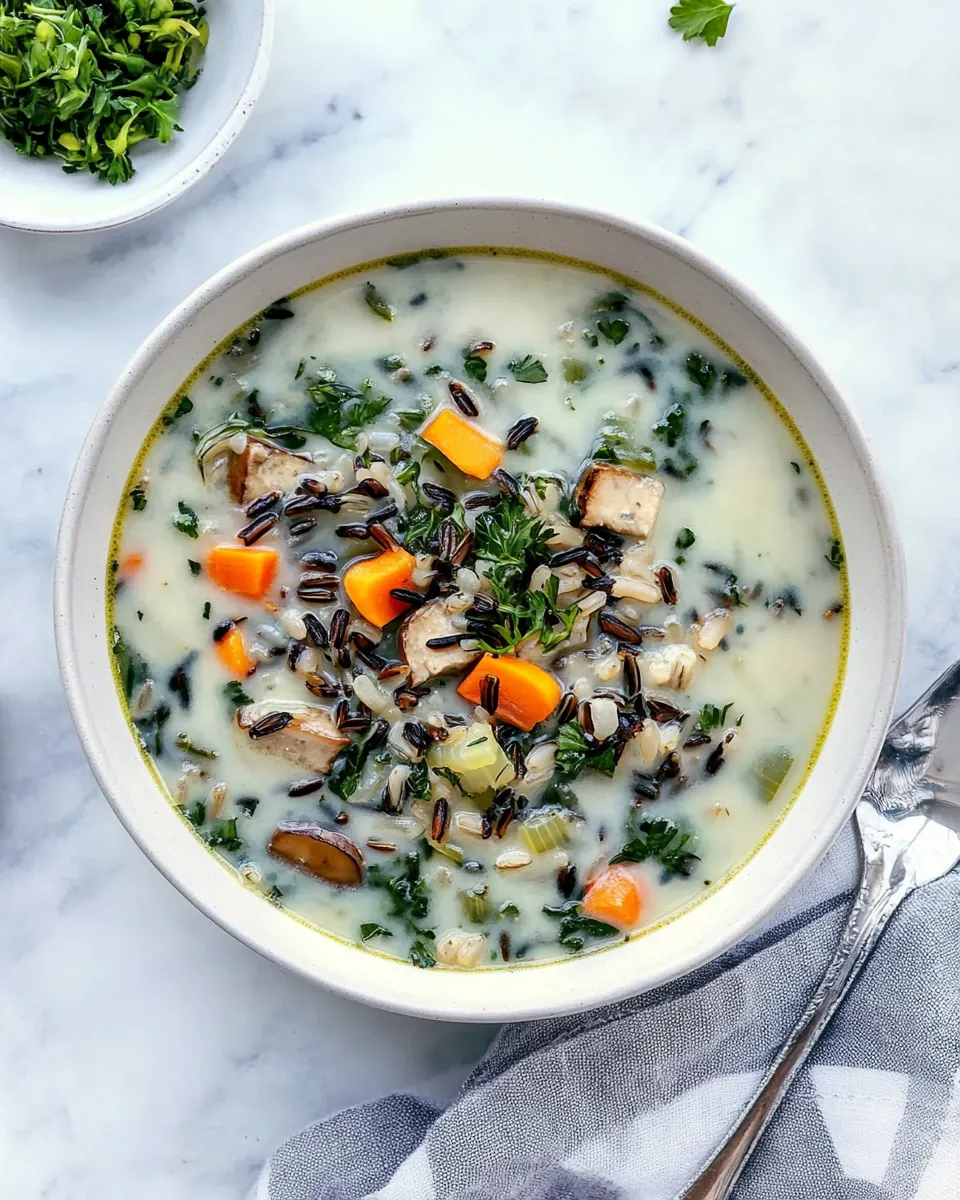
I approach this soup like a slow friendly conversation between flavors, letting each ingredient speak in turn. Begin by preparing the creamy base so it can rest while you build the soup, then sauté the vegetables until they soften and the mushrooms begin to release their juices. Simmering with herbs draws out a fragrant broth, and finishing with lemon and kale brightens and balances the final bowl.
- Make the creamy base: Place the almond milk, cashews, white beans, miso paste, and Dijon mustard in a blender and process until smooth. Set aside.: Place the almond milk, cashews, white beans, miso paste, and Dijon mustard in a blender and process until smooth. Set aside : As the blender hums, inhale the faintly sweet almond and nutty cashew aroma, which signals the start of a silky, luscious foundation. The texture should be velvety and pourable, without visible bean chunks, because the smoothness is what will give the broth its luxurious mouthfeel. If the blend seems too thick, a splash of water will loosen it, ensuring it blends seamlessly into the soup later. A common misstep is under blending, which leaves gritty bits of cashew; scrape the sides and process until truly smooth to avoid any grainy texture in the finished soup.
- Make the soup: Heat the olive oil in a medium-large Dutch oven or large pot over medium heat. Add the scallions, celery, carrot, mushrooms, and salt and stir. Cook, stirring occasionally, until the mushrooms are tender, 8 to 10 minutes.: Heat the olive oil in a medium-large Dutch oven or large pot over medium heat. Add the scallions, celery, carrot, mushrooms, and salt and stir. Cook, stirring occasionally, until the mushrooms are tender, 8 to 10 minutes : At the pan you will notice the oil shimmer and then the vegetables soften, releasing a fragrant steam of onion and mushroom. The mushrooms will give off liquid and then gently brown, offering a rich, savory backbone that the soup needs. Stir occasionally so nothing sticks or burns, and watch for a subtle caramelization on the vegetables, which deepens the flavor. If the pan gets too hot and the vegetables char too quickly, lower the heat; burning will introduce bitter notes that are hard to remedy.
- Add the garlic, rosemary, thyme, cannellini beans, pepper, and water and stir. Cover and simmer for 20 minutes.: Once the garlic hits the pot you will hear a soft sizzle and smell that warm, nutty garlic fragrance, which melds with the rosemary and thyme to perfume the broth. Adding the beans at this point helps them soften and release starches, which thicken the base. Covering the pot traps steam so the flavors steep together and the vegetables become tender without evaporating too much liquid. A frequent error is simmering at too high a temperature, which can over reduce the liquid; keep the heat low to maintain a gentle simmer and check occasionally to ensure even cooking.
- Remove the thyme bundle and stir in the cashew mixture, rice, 1 tablespoon lemon juice, and kale. Simmer over low heat until the kale is wilted, about 5 minutes. Season to taste and serve with more lemon juice, parsley and pinches of red pepper flakes, if desired.: The thyme bundle should be easy to lift out, and doing so prevents stiff stems from remaining in the soup. When you stir in the blended cashew base, notice how it ribbons into the broth, transforming it from clear to silkier and creamier. The wild rice will sink and distribute chewy pockets through the pot, and the kale will begin to darken and soften as it meets the warm liquid. The initial lemon splash brightens the entire pot, cutting through the richness and balancing the umami. Avoid dumping the cashew mixture in too quickly; add it slowly while stirring so it incorporates evenly and doesn’t clump.
- Simmer over low heat until the kale is wilted, about 5 minutes: During these final minutes the soup will settle into its final texture, with the kale softening but not disintegrating, maintaining that pleasant green bite. Listen for a gentle, even simmer and smell the citrus lifting the savory base; those cues tell you the flavors are harmonizing. If the soup thickens too much as it rests, add a splash of water to return it to the desired consistency. A common mistake is overcooking the kale until it becomes mushy and loses its vibrant color, so watch closely and remove from heat as soon as it wilts.
- Season to taste and serve with more lemon juice, parsley and pinches of red pepper flakes, if desired: Tasting is everything here; adjust salt and pepper and consider another squeeze of fresh lemon to make the flavors pop. Garnishing with chopped parsley adds freshness and a pretty contrast to the warm tones of the soup, while a modest pinch of red pepper flakes introduces a welcome hint of heat. Serve immediately so the textures stay distinct and the broth remains silky. One slip I see is plating without tasting, which can leave the soup under seasoned, so always taste and adjust before ladling into bowls.
Variations to Try
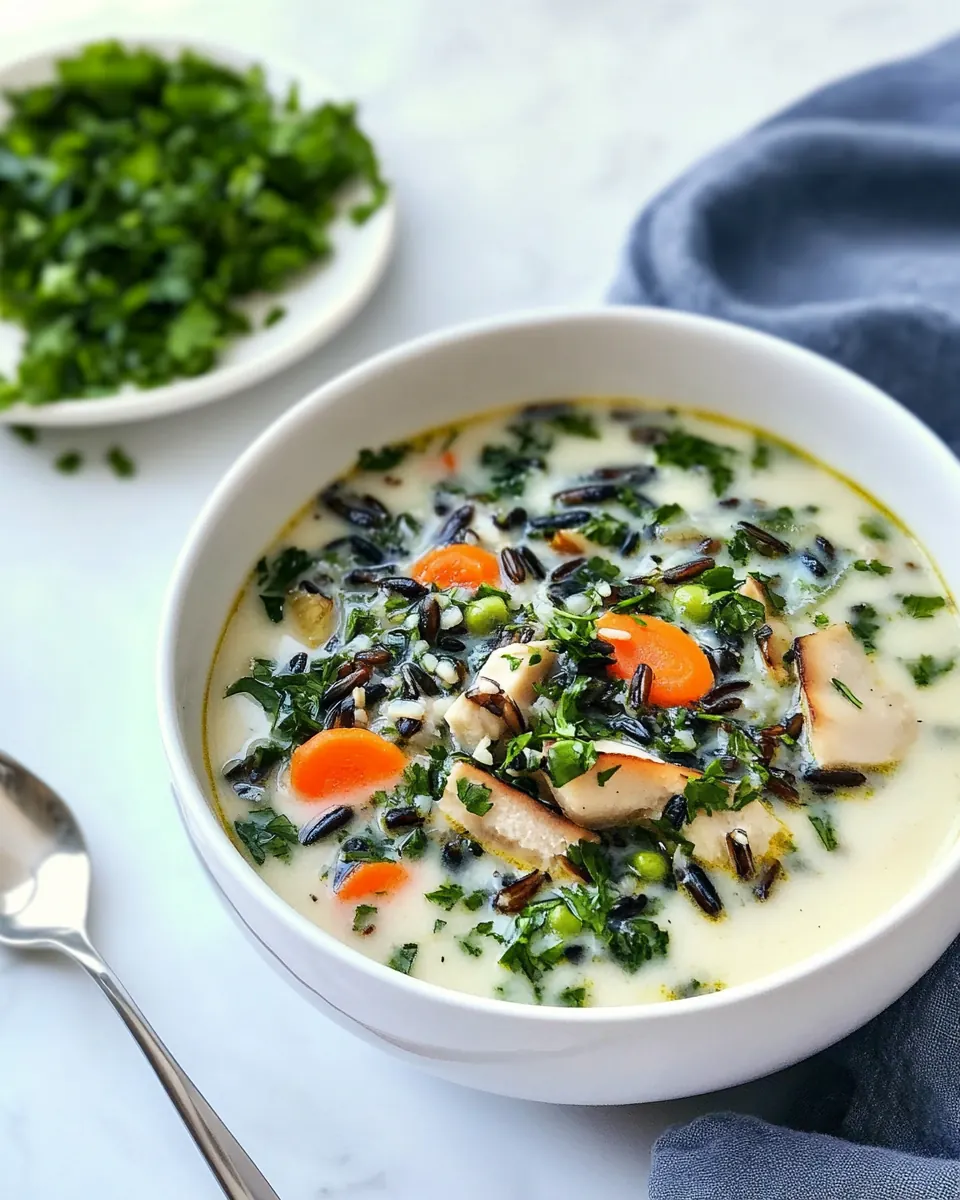
I like to experiment with small tweaks to keep Wild Rice Soup feeling new. Below are several thoughtful variations and ideas to help you customize the pot while keeping the spirit of the recipe intact.
- Swap greens thoughtfully Replace the kale with spinach for a tender finish, adding it at the very end because spinach wilts faster than kale and will provide a softer texture.
- Boost umami Increase the amount of white miso paste by a small increment for a deeper savory profile, but add it near the end to prevent over salty cooking.
- Adjust creaminess If you prefer a lighter broth, reduce the cashews slightly and add an extra cup of water, tasting as you go to keep the balance of flavors.
- Make it heartier Stir in an extra 1/2 cup of cooked wild rice or an additional 1/2 cup of cooked cannellini beans to increase bulk for a more filling meal.
- Brighten at service Offer extra fresh lemon and chopped parsley at the table so guests can customize the acidity and freshness to taste.
Side Dish Ideas for Wild Rice Soup
This soup stands well on its own, but pairing it with complementary sides can elevate a simple dinner into a satisfying spread. Depending on the occasion, I choose sides that offer contrasting textures and flavors, from crisp to refreshing, and think about how to store leftovers for easy reheats.
- Crusty bread A warm, crusty loaf is wonderful for dipping into the creamy broth, soaking up the savory liquid and adding a chewy contrast to the tender wild rice. Consider slices toasted with a drizzle of olive oil.
- Simple green salad A crisp salad with lemon vinaigrette complements the soup’s richness with bright acidity, making the meal feel lighter and more balanced for lunch or dinner.
- Roasted vegetables Seasonal roasted vegetables add caramelized sweetness and a firmer texture that pairs well with the silky soup, ideal for a heartier weekend meal.
- Occasion serving For a cozy winter dinner or a casual holiday side, serve the soup as a starter course, ladling modest portions so guests can enjoy additional dishes. The soup’s comforting nature makes it a natural fit for quiet evenings or family gatherings.
- Storage tips Cool the soup before refrigerating and store in an airtight container for up to four days. Reheat gently over low heat, adding water if it thickens, to restore the original consistency.
- Seasonal pairings In cooler months I serve this with roasted root vegetables and hearty salads; in transitional seasons a light, tangy side salad and a wedge of lemon kept on the table do the trick.
FAQ
Conclusion
This Wild Rice Soup stands out for its comforting textures and deep umami notes balanced by bright lemon and fresh herbs. It’s a cozy, nourishing bowl that manages to feel both indulgent and wholesome at the same time. I encourage you to give it a try on a chilly evening, and to play with the small finishing touches like parsley and red pepper flakes to make it your own. Serve it warm, taste as you go, and enjoy the way pantry staples transform into a memorable, satisfying meal.
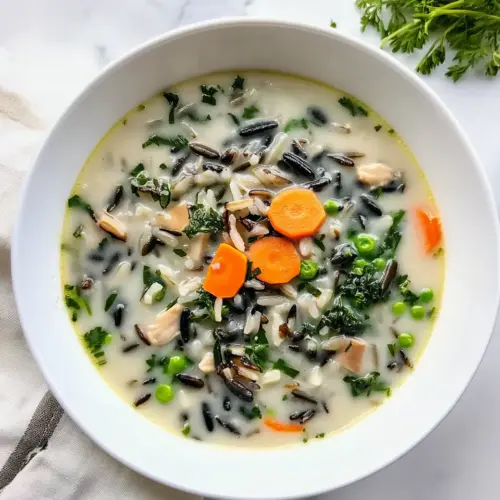
Wild Rice Soup
Equipment
- Blender
- Dutch Oven
Ingredients
- 1 cup unsweetened almond milk Provide a creamy, dairy-free base that adds subtle nuttiness and body to the soup; helps thin blended components while keeping the soup light and vegan-friendly. Use unsweetened almond milk to balance savory flavors without adding sweetness. Choose unsweetened to avoid altering the intended savory profile.
- 1/3 cup raw cashews Soak or blend to create a rich, velvety texture that lends natural creaminess and healthy fats to the soup; raw cashews emulsify when pureed for a luxurious mouthfeel. Offer mild, buttery flavor and help thicken the broth when combined with liquid and cooking. Ensure cashews are softened if necessary for smooth blending.
- 1/4 cup cooked cannellini beans, drained and rinsed Add additional creaminess and protein while reinforcing the bean flavor profile already present in the recipe; cooked cannellini brings a silky texture when blended or stirred whole. Provide subtle earthy notes and help create a hearty, satisfying consistency. Rinse and drain to remove canning liquids and any excess salt.
- 2 tablespoons white miso paste Contribute deep savory umami and a touch of saltiness that rounds out the broth; white miso melts into the soup for complexity and fermented richness. Balance flavors and give the soup a warm, savory backbone without overpowering delicate herbs. Dissolve miso in a bit of warm liquid before adding to prevent clumping.
- 2 teaspoons Dijon mustard Introduce a tangy, sharp accent that brightens and balances creamy and savory elements; Dijon mustard also helps emulsify and bind flavors. Add subtle piquancy that complements the miso and lemon while cutting through richness. Use measured amounts to keep spiciness controlled.
- 2 tablespoons extra-virgin olive oil Provide a smooth, fruity-fat component for sautéing aromatics and mushrooms while adding depth and sheen to the finished soup. Use extra-virgin olive oil for its flavor and to help release herb oils from rosemary and thyme. Heat gently to avoid burning and preserve its nuanced taste.
- 1 bunch scallions, white and light green parts, chopped Offer a mild, onion-like aromatic that gives bright, sweet, and slightly pungent flavors; scallion whites and light greens build the flavor base. Provide texture and freshness when cooked briefly and a subtle green note when added near the end. Chop uniformly for even cooking.
- 1 celery stalk, chopped Add a crisp, vegetal base note with subtle bitterness that supports the soup's savory profile; celery contributes aromatic depth and body. Cook until softened to release natural flavors and create a balanced mirepoix with carrot and scallion. Dice consistently for even texture.
- 1 large carrot, chopped Bring natural sweetness and earthiness to the soup while adding body and color; carrots help form the flavor foundation and thicken slightly when broken down. Cook until tender to meld with other aromatics and create a sweet counterpoint to savory elements. Choose firm carrots and chop evenly.
- 8 ounces cremini mushrooms, sliced Provide a meaty, umami-rich element that adds depth, texture, and savory complexity when sautéed; cremini mushrooms contribute earthiness and moisture. Brown mushrooms to concentrate flavor and incorporate their juices into the broth for richness. Slice uniformly for consistent cooking.
- 1 teaspoons ea salt Season the soup lightly to enhance all flavors while preventing over-seasoning elsewhere; controlled salt draws out aromas from vegetables and herbs. Measure carefully, especially because miso and beans already contribute sodium. Adjust incrementally and taste as the soup reduces.
- 4 garlic cloves, minced Introduce pungent, aromatic intensity that brightens and layers savory notes; minced garlic should be cooked until fragrant to avoid raw sharpness. Provide aromatic foundation that pairs well with rosemary and thyme for a classic flavor profile. Add toward the start of cooking to mellow and sweeten.
- 2 tablespoons minced rosemary Infuse pronounced piney, citrusy aromas that complement mushrooms and beans while adding herbal complexity; minced rosemary should be cooked briefly to release essential oils. Contribute an earthy, resinous note that stands up to long-simmering soups. Use sparingly to avoid overpowering delicate flavors.
- 1 bunch of thyme, bundled Release aromatic, woodsy notes and tender leaves when simmered; a bundled bunch of thyme imparts subtle savory depth and pairs well with miso and mustard. Tie or bundle thyme for easy removal if whole sprigs are preferred, or strip leaves for incorporation. Allow thyme to steep during simmering for full flavor extraction.
- 1 1/4 cups cooked cannellini beans, drained and rinsed Enhance creaminess, protein content, and body while reinforcing the bean characteristics in the soup; cooked cannellini beans provide a satifying, hearty element. Contribute to stew-like texture and help thicken the broth when partially mashed or blended. Rinse and drain to control sodium and improve flavor clarity.
- 1/2 teaspoon freshly ground black pepper, more for serving Provide warm, piquant background spice that sharpens flavors without dominating; freshly ground black pepper adds subtle heat and aromatic lift. Adjust the amount for personal preference and finish with more at serving for brightness. Grind fresh for the most vibrant flavor.
- 4 cups water Serve as the primary cooking liquid and solvent for extracting flavors from vegetables, herbs, and beans; water keeps the soup light and allows other ingredients to shine. Control the soup's concentration by simmering or adding more water as needed. Use clean, fresh water for neutral taste.
- 1 cup cooked wild rice Add chewy, nutty grains that offer texture contrast and hearty substance; cooked wild rice contributes distinctive flavor and visual appeal. Stir in towards the end to avoid over-softening and to preserve individual grain texture. Use pre-cooked rice to control final consistency.
- 1 to 2 tablespoons fresh lemon juice Brighten and balance the soup with acidic clarity that lifts flavors and cuts richness; fresh lemon juice adds freshness and a clean finish. Add gradually and taste to achieve the desired brightness without sourness. Use fresh lemon for optimal vibrancy.
- 4 cups chopped kale Contribute robust, slightly bitter green notes and substantial texture that adds color and nutrition; chopped kale wilts into the soup while retaining some chew. Cook until just tender to preserve nutrients and avoid mushiness, stirring to ensure even distribution. Remove tough stems if desired.
- Chopped parsley for garnish, optional Provide a fresh, herbaceous finishing touch that adds color and a bright leafy note when sprinkled on top; chopped parsley lightens heavy flavors. Use as an optional garnish to enhance presentation and add a mild herb aroma. Add just before serving for maximum freshness.
- Pinches of red pepper flakes, optional Introduce optional heat and a subtle smoky-spicy lift with small pinches that can be tuned to taste; red pepper flakes offer quick, adjustable spice at the table. Sprinkle sparingly to avoid overpowering delicate flavors and increase gradually for desired warmth. Use as a finishing accent rather than during long simmering.
Instructions
- Make the creamy base: Place the almond milk, cashews, white beans, miso paste, and Dijon mustard in a blender and process until smooth. Set aside.: Place the almond milk, cashews, white beans, miso paste, and Dijon mustard in a blender and process until smooth. Set aside : As the blender hums, inhale the faintly sweet almond and nutty cashew aroma, which signals the start of a silky, luscious foundation. The texture should be velvety and pourable, without visible bean chunks, because the smoothness is what will give the broth its luxurious mouthfeel. If the blend seems too thick, a splash of water will loosen it, ensuring it blends seamlessly into the soup later. A common misstep is under blending, which leaves gritty bits of cashew; scrape the sides and process until truly smooth to avoid any grainy texture in the finished soup.
- Make the soup: Heat the olive oil in a medium-large Dutch oven or large pot over medium heat. Add the scallions, celery, carrot, mushrooms, and salt and stir. Cook, stirring occasionally, until the mushrooms are tender, 8 to 10 minutes.: Heat the olive oil in a medium-large Dutch oven or large pot over medium heat. Add the scallions, celery, carrot, mushrooms, and salt and stir. Cook, stirring occasionally, until the mushrooms are tender, 8 to 10 minutes : At the pan you will notice the oil shimmer and then the vegetables soften, releasing a fragrant steam of onion and mushroom. The mushrooms will give off liquid and then gently brown, offering a rich, savory backbone that the soup needs. Stir occasionally so nothing sticks or burns, and watch for a subtle caramelization on the vegetables, which deepens the flavor. If the pan gets too hot and the vegetables char too quickly, lower the heat; burning will introduce bitter notes that are hard to remedy.
- Add the garlic, rosemary, thyme, cannellini beans, pepper, and water and stir. Cover and simmer for 20 minutes.: Once the garlic hits the pot you will hear a soft sizzle and smell that warm, nutty garlic fragrance, which melds with the rosemary and thyme to perfume the broth. Adding the beans at this point helps them soften and release starches, which thicken the base. Covering the pot traps steam so the flavors steep together and the vegetables become tender without evaporating too much liquid. A frequent error is simmering at too high a temperature, which can over reduce the liquid; keep the heat low to maintain a gentle simmer and check occasionally to ensure even cooking.
- Remove the thyme bundle and stir in the cashew mixture, rice, 1 tablespoon lemon juice, and kale. Simmer over low heat until the kale is wilted, about 5 minutes. Season to taste and serve with more lemon juice, parsley and pinches of red pepper flakes, if desired.: The thyme bundle should be easy to lift out, and doing so prevents stiff stems from remaining in the soup. When you stir in the blended cashew base, notice how it ribbons into the broth, transforming it from clear to silkier and creamier. The wild rice will sink and distribute chewy pockets through the pot, and the kale will begin to darken and soften as it meets the warm liquid. The initial lemon splash brightens the entire pot, cutting through the richness and balancing the umami. Avoid dumping the cashew mixture in too quickly; add it slowly while stirring so it incorporates evenly and doesn’t clump.
- Simmer over low heat until the kale is wilted, about 5 minutes: During these final minutes the soup will settle into its final texture, with the kale softening but not disintegrating, maintaining that pleasant green bite. Listen for a gentle, even simmer and smell the citrus lifting the savory base; those cues tell you the flavors are harmonizing. If the soup thickens too much as it rests, add a splash of water to return it to the desired consistency. A common mistake is overcooking the kale until it becomes mushy and loses its vibrant color, so watch closely and remove from heat as soon as it wilts.
- Season to taste and serve with more lemon juice, parsley and pinches of red pepper flakes, if desired: Tasting is everything here; adjust salt and pepper and consider another squeeze of fresh lemon to make the flavors pop. Garnishing with chopped parsley adds freshness and a pretty contrast to the warm tones of the soup, while a modest pinch of red pepper flakes introduces a welcome hint of heat. Serve immediately so the textures stay distinct and the broth remains silky. One slip I see is plating without tasting, which can leave the soup under seasoned, so always taste and adjust before ladling into bowls.
Notes
- Swap greens thoughtfully Replace the kale with spinach for a tender finish, adding it at the very end because spinach wilts faster than kale and will provide a softer texture.
- Boost umami Increase the amount of white miso paste by a small increment for a deeper savory profile, but add it near the end to prevent over salty cooking.
- Adjust creaminess If you prefer a lighter broth, reduce the cashews slightly and add an extra cup of water, tasting as you go to keep the balance of flavors.
- Make it heartier Stir in an extra 1/2 cup of cooked wild rice or an additional 1/2 cup of cooked cannellini beans to increase bulk for a more filling meal.
- Brighten at service Offer extra fresh lemon and chopped parsley at the table so guests can customize the acidity and freshness to taste.