Asparagus Casserole
Asparagus Casserole is one of those dishes I reach for when spring markets overflow with slender, green stalks and I want something warm, comforting, and a touch elegant without much fuss.
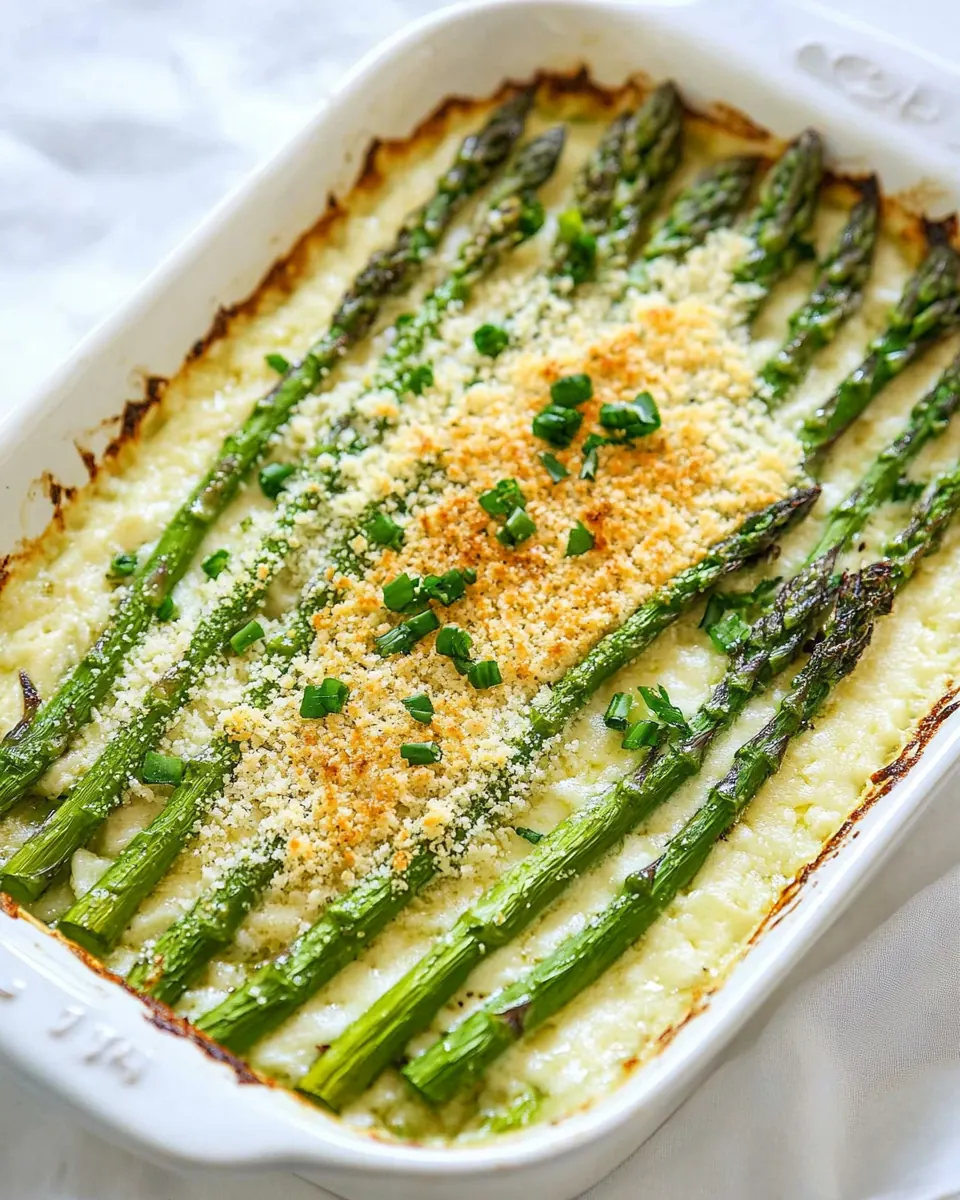
I remember the first time I layered blanched asparagus into a buttered dish, poured a silky sauce over it, and slid it into a hot oven. The house hummed with the scent of browned butter and melting parmesan cheese, and my family gathered around the kitchen counter, curious. We sliced into the bubbly top, and the tender spears inside were bright and perfectly framed by a crisp, golden breadcrumb crust. That contrast of tender and crunchy is exactly why I keep this recipe in heavy rotation.
There is something reassuring about a single dish that dresses up humble asparagus and turns it into a memorable side. I like to prepare it for casual dinners when I want to impress without stress, and sometimes I make it for holiday tables when a lighter green side feels right. Over the years I have learned small tricks that make the sauce silkier, the topping crisper, and the asparagus consistently tender.
Recipe Snapshot
30 mins
7 mins
23 mins
Easy
250 kcal
American
Gluten-Free, Low FODMAP
Side Dishes
Saucepan, Whisk, 9 x 13 casserole dish, Mixing bowl
What Sets This Asparagus Casserole Apart
Simple elegance on the table
I love how Asparagus Casserole looks stunning with very little effort. One tray transforms a handful of pantry staples into a centerpiece that reads special, yet it starts with basic asparagus and a simple sauce. I often bring it to potlucks because it photographs well and finishes with a golden crumb that everyone admires.
Perfect texture contrast
What keeps me coming back is the contrast between the tender green asparagus and the crunchy breadcrumb topping. The breadcrumb and parmesan cheese topping browns and adds toasty notes, while the creamy sauce envelops each spear. That interplay of textures makes every forkful interesting, and I usually get asked for the recipe at gatherings.
Fast to pull together
One reason I rely on this casserole for weeknight meals is how quickly it comes together. With a few minutes to trim asparagus and a short stovetop sauce, you can be in the oven before you know it. I like that it gives me time to prepare other parts of the meal while the oven does the heavy lifting.
Flexible yet reliable
I appreciate how forgiving the method is. The sauce thickens gently on the stovetop, so small timing variations do not wreck the final result. If your spears are thicker or thinner, a few extra minutes in the oven will get them where they should be. I have taught friends to make this and they always come back with a success story.
Seasonal and celebratory
This casserole sings in spring, when asparagus is at its peak. It feels seasonal without being precious, and it pairs beautifully with roasted mains or a bright salad. Whenever I want a side that reads fresh and homey at once, this dish is my go to.
Ingredients You’ll Need for Asparagus Casserole
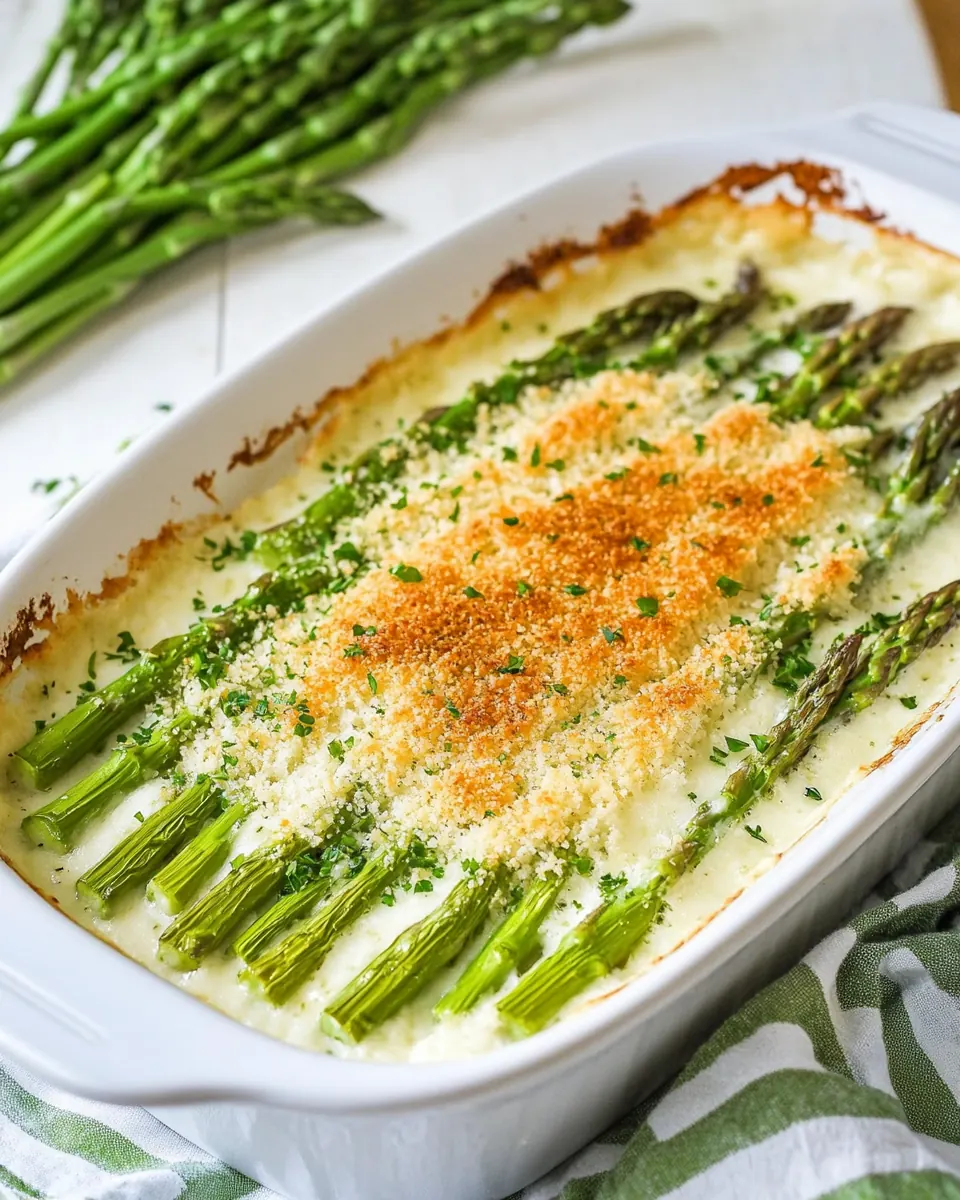
These ingredients are about balance, not complexity. The asparagus provides fresh vegetal brightness, the butter and flour build a roux to thicken the sauce, and the parmesan cheese and breadcrumb topping add savory depth and crunch. Together they create a cohesive dish where each element supports the others.
- 2 lbs asparagus, trimmed: Trimmed and tender, provides the fresh vegetal backbone of the casserole; cooks until just crisp-tender so it retains structure and bright flavor within the creamy sauce. Offers a mild, slightly sweet flavor and pleasing texture contrast to the richer components. Can be blanched before assembling to ensure even doneness and vibrant color.
- 4 tbsp unsalted butter, divided, plus more to grease casserole: Melted and divided, supplies fat for the roux and additional richness for topping; half is used to sauté and develop the sauce while the rest mixes with breadcrumbs to create a golden, buttery crust. Helps carry flavor and create a silky mouthfeel, and a small amount can be used to grease the casserole dish to prevent sticking.
- 2 1/2 tbsp all-purpose flour: Whisked into melted butter to form a roux, acts as the thickening agent that gives body to the béchamel-like sauce; cooks briefly to remove the raw flour taste before adding dairy. Ensures the sauce clings to the asparagus and creates a smooth, velvety texture throughout the casserole.
- 2 cups half and half, (or equal parts milk and heavy cream): Heated gradually into the roux, provides the rich liquid base that forms the creamy sauce; using half and half (or milk and cream) balances richness with a lighter texture. Contributes to the overall creaminess and mouthfeel while carrying seasoning and cheese to bind the dish together.
- 2 tsp garlic salt: Sprinkled into the sauce, adds savory, aromatic seasoning with a hint of garlic and saltiness; helps season both the asparagus and cream to prevent blandness. Enhances depth of flavor without needing to add separate garlic or additional salt.
- 1/4 tsp black pepper: Ground and added to taste, supplies mild heat and subtle earthiness to balance the creaminess and salt; a small amount brightens the overall flavor profile without overpowering delicate asparagus. Works with other seasonings to provide a rounded savory finish.
- 1 cup parmesan cheese, divided: Grated and divided, delivers umami and salty richness that melts into the sauce while some is reserved for topping to create a flavorful, gratin-like finish. Adds sharp, nutty notes and helps thicken and season the sauce when incorporated.
- 1/2 cup Panko bread crumbs: Tossed with melted butter and sprinkled on top, yields a crisp, golden topping that contrasts the creamy interior; panko gives a light, airy crunch when baked. Provides texture and visual appeal while absorbing buttery flavor for an irresistible crust.
Preparation Steps for Asparagus Casserole
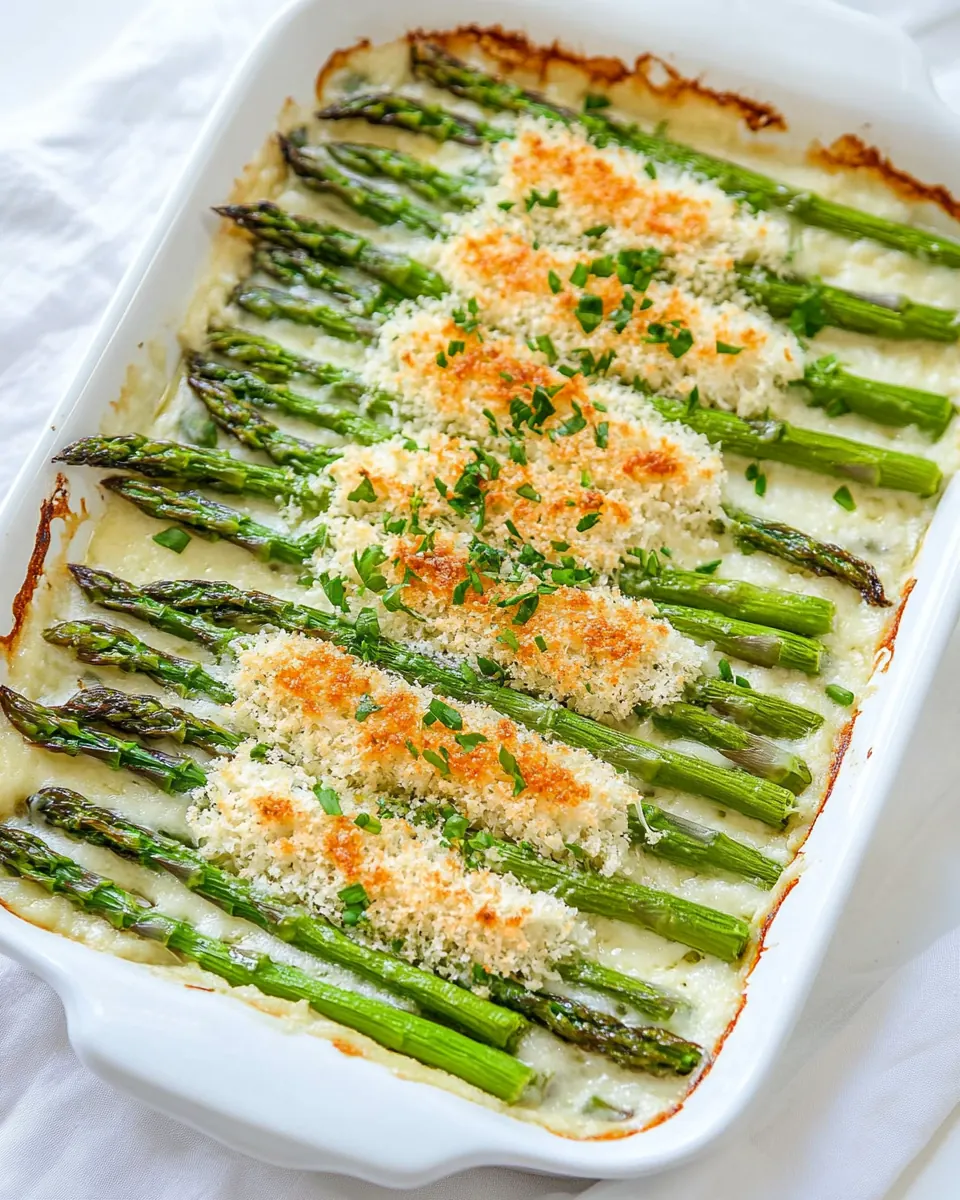
This casserole is straightforward, but I like to guide you through each moment so the outcome is reliably delicious. The stovetop sauce and baking phases reward attention to sensory cues, and a quick broil finishes the topping to a perfect golden crisp.
- Preheat Oven to 400˚F with the rack in the center. Butter a 9 x 13 casserole dish. Arrange trimmed asparagus in prepared casserole dish, packing it down for a fairly flat and even surface.: You should notice the warm oven air and the faint smell of butter as the dish greases, creating a protective layer so the asparagus does not stick while baking. Press the stalks into the dish so they sit in an even layer, which encourages uniform cooking across the casserole. Aim for similar thicknesses to avoid uneven tenderness. A common mistake is leaving the spears overlapping haphazardly, which causes inconsistent doneness; arrange them so each spear has space to heat through, and wipe any excess moisture so the sauce clings properly.
- Place a saucepan over medium heat. Melt in 3 Tbsp butter then add 2 1/2 Tbsp flour and whisk constantly for 3 minutes or until butter just starts to turn golden in color. Whisk in 2 cups half and half, 2 tsp garlic salt and 1/4 tsp black pepper. Whisk until sauce just starts to thicken then remove from heat. Sprinkle in 1/2 cup parmesan and whisk until cheese is melted and incorporated.: At this stage, you will hear a gentle shimmering from the saucepan and smell a subtle nuttiness as the butter and flour cook together. The whisking rhythm matters; it prevents lumps and encourages even thickening. When the roux just begins to tint golden, you know the raw flour taste has cooked away. If you stop whisking, the roux can brown unevenly or clump, so stay attentive and scrape the pan edges regularly to avoid scorching.
- Pour sauce evenly over the asparagus, leaving about 1" space on the long sides of the casserole dish. Bake uncovered at 400˚F for 15-18 minutes (depending on thickness of asparagus), or until asparagus reaches desired tenderness.: As you add the half and half , the mixture will hiss softly then settle into a glossy sauce, thickening as it warms. Keep the heat moderate so the sauce does not boil, which can change the texture. When it coats the back of a spoon and leaves a trail when you run your finger across it, it is ready. A frequent error is overheating, which makes the sauce grainy; remove it from the heat once it thickens and continue whisking off the flame if needed.
- While the casserole is baking, make the topping: in a small mixing bowl, melt 1 Tbsp butter. Mix in 1/2 cup bread crumbs, stirring until evenly moistened, then stir in 1/2 cup remaining parmesan cheese. Halfway through baking, sprinkle the bread crumb topping evenly over the casserole then return it to the oven to finish baking.: Adding the parmesan cheese off the heat allows it to melt gently into the sauce, lending savory complexity and a velvety mouthfeel. You may notice steam rising and the sauce becoming more cohesive and glossy, a sign the cheese has fully integrated. If the cheese fails to melt smoothly, let the pan sit briefly or return to very low heat while whisking. Avoid adding cold cheese that clumps, and grate it finely for the best incorporation.
- When asparagus has reached desired doneness, set oven to broil for 2-3 minutes or until bread crumbs are golden brown. Remove from oven and serve.: When the sauce hits the hot dish, it will sizzle quietly and begin to bubble at the edges as it heats. The steam will carry a savory aroma that fills the kitchen. Look for the tips of the asparagus to turn a brighter green and the sauce to be set around the stalks, not runny. If you notice the sauce boiling aggressively, reduce oven time slightly; overbaking will dry the spears. Checking at the lower end of the time range helps avoid mushy asparagus .
- While the casserole is baking, make the topping: in a small mixing bowl, melt 1 Tbsp butter. Mix in 1/2 cup bread crumbs, stirring until evenly moistened, then stir in 1/2 cup remaining parmesan cheese. Halfway through baking, sprinkle the bread crumb topping evenly over the casserole then return it to the oven to finish baking. : The scent of warm butter and toasting crumbs will begin to fill the kitchen as you combine the topping. Evenly moistening the Panko bread crumbs ensures they toast to a light golden color rather than burning or staying soggy. Distribute the mixture with an even hand so each portion of the dish gets a crunchy cap. A common slip is adding too much topping, which can overpower the tender asparagus ; measure and spread lightly so the balance stays right.
- When asparagus has reached desired doneness, set oven to broil for 2 to 3 minutes or until bread crumbs are golden brown. Remove from oven and serve.: The broil will produce a short, intense heat that toasts the topping to a crisp, golden finish and releases a warm, nutty aroma from the parmesan cheese . Watch closely, as the crumbs can go from golden to burnt very quickly under the broiler. Once you see an even golden color and tiny bubbling at the sauce edges, remove the dish and let it rest briefly so the sauce settles. A common error is walking away during broiling, which risks an overly dark topping, so stay attentive until it hits the perfect shade.
Ways to Customize
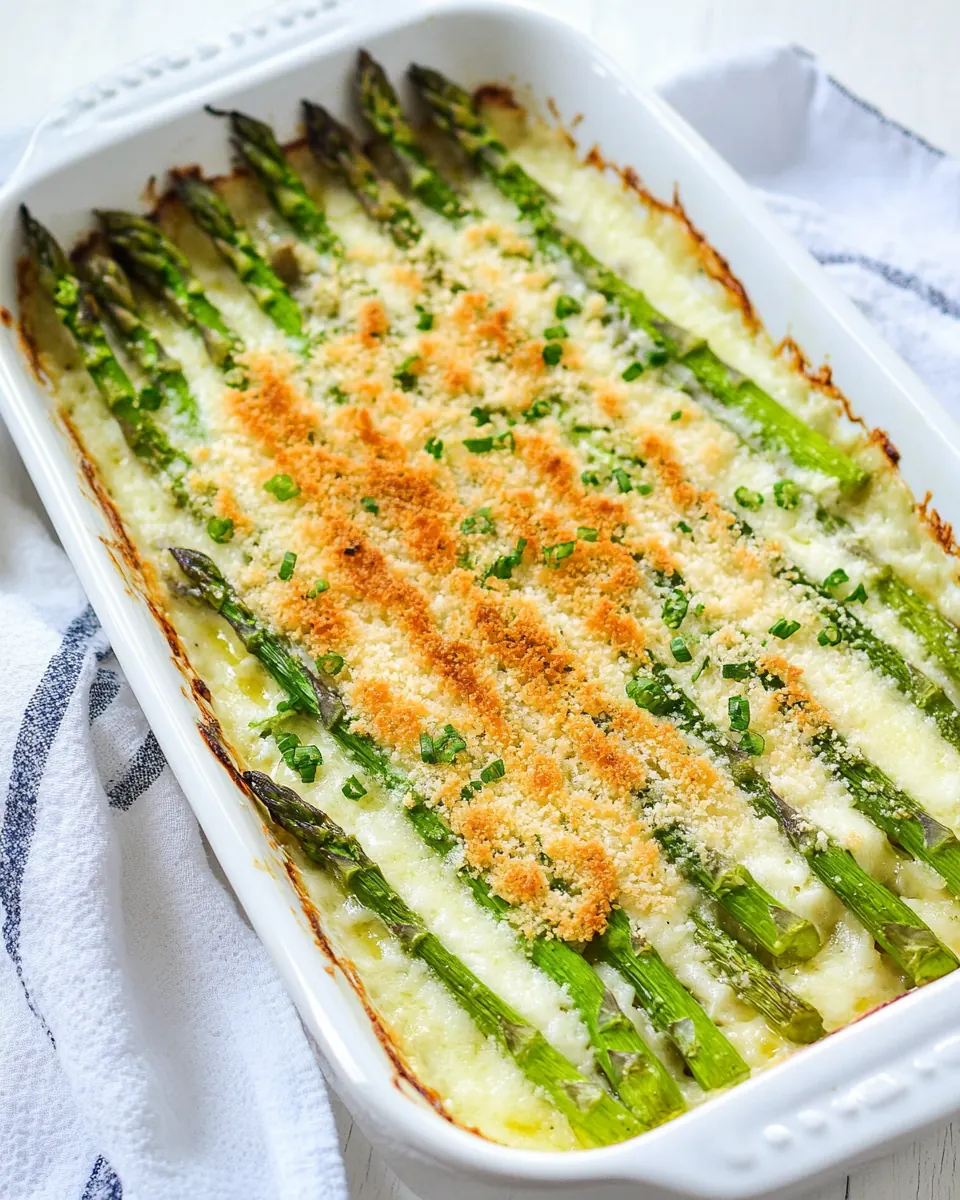
This casserole welcomes small tweaks to match your pantry and the occasion. Keep the base proportions and adjust textures and strengths gently for a recipe that still feels familiar but a bit more personal.
- Boost the crunch by mixing finely toasted Panko bread crumbs with the parmesan for a more pronounced texture contrast across the top.
- Adjust the creaminess by swapping the half and half for equal parts milk and heavy cream if you want a slightly richer sauce without changing the structure.
- Control the seasoning by tasting the sauce before pouring it over the asparagus, remembering that the parmesan cheese will add salt as it melts.
- Even browning is easier if you distribute the crumb topping in a thin, even layer halfway through baking so it finishes uniformly under the broiler.
- Make ahead by assembling up to the breadcrumb step, refrigerating, then baking when ready; allow extra bake time from chilled.
Serving Suggestions
This dish works wonderfully as a refined side or a cozy centerpiece for small gatherings. I like to present it warm from the oven so the topping is crisp and the sauce is gently bubbling.
- Family dinners: Serve the Asparagus Casserole alongside roasted chicken or a simply seasoned fish for a balanced plate that feels homey and a little special.
- Holiday table: Place it among other sides during spring celebrations, its bright green color adds visual freshness to richer mains and makes the meal feel seasonal.
- Potluck friendly: Bring it in a covered dish and finish under a hot oven or broiler at your host’s house so the topping is crisp for serving.
- Storage tips: Refrigerate leftovers in an airtight container for up to three days, and reheat in a 350 degree oven to revive the topping and maintain texture.
- Occasion pairing: Works for casual weeknight meals or more formal dinners where you want an uncomplicated yet polished side.
- Serving style: Spoon generous portions so each plate gets both tender asparagus and a good amount of the golden breadcrumb topping for contrast.
FAQ
Conclusion
This Asparagus Casserole stands out because it turns simple spring asparagus into a creamy, crunchy side that feels both comforting and a little special. The combination of a silky cheese sauce and a crisp breadcrumb topping delivers striking texture and flavor with minimal effort. I encourage you to give it a try the next time you want a reliable crowd pleaser that showcases seasonal produce and requires little fuss. Enjoy the satisfying balance of tender spears and golden crunch, and make it part of your regular rotation for family meals and spring gatherings.
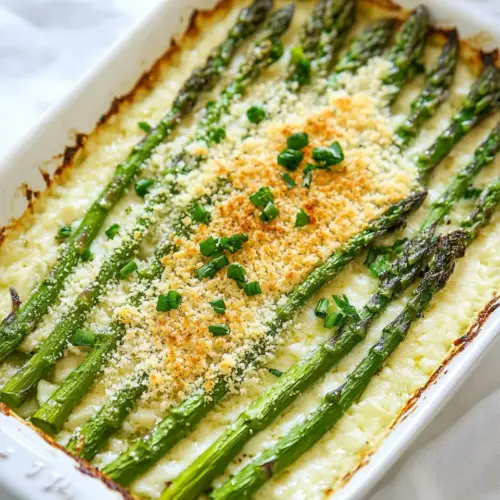
Asparagus Casserole
Equipment
- Saucepan
- Whisk
- 9 x 13 Casserole Dish
- Mixing Bowl
Ingredients
- 2 lbs asparagus, trimmed Trimmed and tender, provides the fresh vegetal backbone of the casserole; cooks until just crisp-tender so it retains structure and bright flavor within the creamy sauce. Offers a mild, slightly sweet flavor and pleasing texture contrast to the richer components. Can be blanched before assembling to ensure even doneness and vibrant color.
- 4 tbsp unsalted butter, divided, plus more to grease casserole Melted and divided, supplies fat for the roux and additional richness for topping; half is used to sauté and develop the sauce while the rest mixes with breadcrumbs to create a golden, buttery crust. Helps carry flavor and create a silky mouthfeel, and a small amount can be used to grease the casserole dish to prevent sticking.
- 2 1/2 tbsp all-purpose flour Whisked into melted butter to form a roux, acts as the thickening agent that gives body to the béchamel-like sauce; cooks briefly to remove the raw flour taste before adding dairy. Ensures the sauce clings to the asparagus and creates a smooth, velvety texture throughout the casserole.
- 2 cups half and half, (or equal parts milk and heavy cream) Heated gradually into the roux, provides the rich liquid base that forms the creamy sauce; using half and half (or milk and cream) balances richness with a lighter texture. Contributes to the overall creaminess and mouthfeel while carrying seasoning and cheese to bind the dish together.
- 2 tsp garlic salt Sprinkled into the sauce, adds savory, aromatic seasoning with a hint of garlic and saltiness; helps season both the asparagus and cream to prevent blandness. Enhances depth of flavor without needing to add separate garlic or additional salt.
- 1/4 tsp black pepper Ground and added to taste, supplies mild heat and subtle earthiness to balance the creaminess and salt; a small amount brightens the overall flavor profile without overpowering delicate asparagus. Works with other seasonings to provide a rounded savory finish.
- 1 cup parmesan cheese, divided Grated and divided, delivers umami and salty richness that melts into the sauce while some is reserved for topping to create a flavorful, gratin-like finish. Adds sharp, nutty notes and helps thicken and season the sauce when incorporated.
- 1/2 cup Panko bread crumbs Tossed with melted butter and sprinkled on top, yields a crisp, golden topping that contrasts the creamy interior; panko gives a light, airy crunch when baked. Provides texture and visual appeal while absorbing buttery flavor for an irresistible crust.
Instructions
- Preheat Oven to 400˚F with the rack in the center. Butter a 9 x 13 casserole dish. Arrange trimmed asparagus in prepared casserole dish, packing it down for a fairly flat and even surface.: You should notice the warm oven air and the faint smell of butter as the dish greases, creating a protective layer so the asparagus does not stick while baking. Press the stalks into the dish so they sit in an even layer, which encourages uniform cooking across the casserole. Aim for similar thicknesses to avoid uneven tenderness. A common mistake is leaving the spears overlapping haphazardly, which causes inconsistent doneness; arrange them so each spear has space to heat through, and wipe any excess moisture so the sauce clings properly.
- Place a saucepan over medium heat. Melt in 3 Tbsp butter then add 2 1/2 Tbsp flour and whisk constantly for 3 minutes or until butter just starts to turn golden in color. Whisk in 2 cups half and half, 2 tsp garlic salt and 1/4 tsp black pepper. Whisk until sauce just starts to thicken then remove from heat. Sprinkle in 1/2 cup parmesan and whisk until cheese is melted and incorporated.: At this stage, you will hear a gentle shimmering from the saucepan and smell a subtle nuttiness as the butter and flour cook together. The whisking rhythm matters; it prevents lumps and encourages even thickening. When the roux just begins to tint golden, you know the raw flour taste has cooked away. If you stop whisking, the roux can brown unevenly or clump, so stay attentive and scrape the pan edges regularly to avoid scorching.
- Pour sauce evenly over the asparagus, leaving about 1" space on the long sides of the casserole dish. Bake uncovered at 400˚F for 15-18 minutes (depending on thickness of asparagus), or until asparagus reaches desired tenderness.: As you add the half and half , the mixture will hiss softly then settle into a glossy sauce, thickening as it warms. Keep the heat moderate so the sauce does not boil, which can change the texture. When it coats the back of a spoon and leaves a trail when you run your finger across it, it is ready. A frequent error is overheating, which makes the sauce grainy; remove it from the heat once it thickens and continue whisking off the flame if needed.
- While the casserole is baking, make the topping: in a small mixing bowl, melt 1 Tbsp butter. Mix in 1/2 cup bread crumbs, stirring until evenly moistened, then stir in 1/2 cup remaining parmesan cheese. Halfway through baking, sprinkle the bread crumb topping evenly over the casserole then return it to the oven to finish baking.: Adding the parmesan cheese off the heat allows it to melt gently into the sauce, lending savory complexity and a velvety mouthfeel. You may notice steam rising and the sauce becoming more cohesive and glossy, a sign the cheese has fully integrated. If the cheese fails to melt smoothly, let the pan sit briefly or return to very low heat while whisking. Avoid adding cold cheese that clumps, and grate it finely for the best incorporation.
- When asparagus has reached desired doneness, set oven to broil for 2-3 minutes or until bread crumbs are golden brown. Remove from oven and serve.: When the sauce hits the hot dish, it will sizzle quietly and begin to bubble at the edges as it heats. The steam will carry a savory aroma that fills the kitchen. Look for the tips of the asparagus to turn a brighter green and the sauce to be set around the stalks, not runny. If you notice the sauce boiling aggressively, reduce oven time slightly; overbaking will dry the spears. Checking at the lower end of the time range helps avoid mushy asparagus .
- While the casserole is baking, make the topping: in a small mixing bowl, melt 1 Tbsp butter. Mix in 1/2 cup bread crumbs, stirring until evenly moistened, then stir in 1/2 cup remaining parmesan cheese. Halfway through baking, sprinkle the bread crumb topping evenly over the casserole then return it to the oven to finish baking. : The scent of warm butter and toasting crumbs will begin to fill the kitchen as you combine the topping. Evenly moistening the Panko bread crumbs ensures they toast to a light golden color rather than burning or staying soggy. Distribute the mixture with an even hand so each portion of the dish gets a crunchy cap. A common slip is adding too much topping, which can overpower the tender asparagus ; measure and spread lightly so the balance stays right.
- When asparagus has reached desired doneness, set oven to broil for 2 to 3 minutes or until bread crumbs are golden brown. Remove from oven and serve.: The broil will produce a short, intense heat that toasts the topping to a crisp, golden finish and releases a warm, nutty aroma from the parmesan cheese . Watch closely, as the crumbs can go from golden to burnt very quickly under the broiler. Once you see an even golden color and tiny bubbling at the sauce edges, remove the dish and let it rest briefly so the sauce settles. A common error is walking away during broiling, which risks an overly dark topping, so stay attentive until it hits the perfect shade.
Notes
- Boost the crunch by mixing finely toasted Panko bread crumbs with the parmesan for a more pronounced texture contrast across the top.
- Adjust the creaminess by swapping the half and half for equal parts milk and heavy cream if you want a slightly richer sauce without changing the structure.
- Control the seasoning by tasting the sauce before pouring it over the asparagus, remembering that the parmesan cheese will add salt as it melts.
- Even browning is easier if you distribute the crumb topping in a thin, even layer halfway through baking so it finishes uniformly under the broiler.
- Make ahead by assembling up to the breadcrumb step, refrigerating, then baking when ready; allow extra bake time from chilled.