
French Spring Soup
French Spring Soup has been one of those recipes that finds its way into my heart every April, when markets brim with tender asparagus and bright green leeks. I first learned it from a neighbor who taught me to listen to a pot while it simmers, and since then I have made small, meaningful changes to honor that original bowl. I still remember carrying home a bundle of asparagus that smelled faintly of earth, and how the first spoonful felt like a quiet celebration of the season.
There are afternoons when I make French Spring Soup for company, and the room changes as the aroma rises: butter, softened onion, then the green perfume of asparagus and spinach. I like how it can be both humble and elegant, something you serve at a casual lunch or a gentle holiday table. Each time I stir the pot I think about balance, about texture and about how a simple handful of rice can bring everything together.
What I love most about this soup is its flexibility. I can lean into green vegetables when they are at their peak, or stretch the leftovers into a comforting dinner the next night. I often tell friends that a great spring soup is about patience while ingredients humbly transform, and about tasting as you go so the salt and cream stay in harmony. When you ladle French Spring Soup into bowls, it feels like sharing a quiet secret, and I hope you find the same contentment I do.
Recipe Snapshot
1 hr 15 mins
25 mins
50 mins
Medium
150 kcal
French
Gluten-Free, Vegan
Soups
Large pot, Wooden spoon, Ladle
Why This French Spring Soup Is a Winner
Bright, seasonal flavors
I adore how French Spring Soup highlights the freshest spring produce. The asparagus and spinach bring a verdant lift, while the leeks and onion add a sweet, aromatic backbone. I find that when ingredients are in season, each spoonful tastes clearer and more vivid, and this soup is a gentle showcase for that brightness.
Comfort without heaviness
This recipe manages to feel comforting and light at the same time. The small amount of butter and the swirl of half and half cream give it silkiness without weighing it down. I often serve it when I want warmth without a heavy stomach, and guests always comment on how satisfying it is without being cloying.
Textural harmony
There is a satisfying contrast between the tender potatoes and the crisp bite of asparagus pieces left slightly firm. The short cooking time for the rice and vegetables keeps things from turning mushy. I like to leave the asparagus in one inch pieces, that way you get a pleasant bite and visual interest in each bowl.
Easy weeknight elegance
I can have this simmering in under an hour, which makes it ideal for a busy evening when I still want to serve something special. The procedure is straightforward, and because the flavors develop while it simmers, it feels like the soup has worked harder than I did. When I bring it to the table, it looks like a recipe that took longer than it did, and that always feels like a small victory.
Flexible and forgiving
This soup is kind to substitutions and adjustments, which is why I reach for it often. Whether you use a richer cream or a lighter half and half, or swap to vegetable broth for a vegetarian version, the core build remains the same. It is also very forgiving on seasoning, so you can adapt it to your taste and still end with a bowl that sings.
Ingredients You’ll Need for French Spring Soup

These ingredients form a classic springtime orchestra where each player supports the others. The aromatics, the starch, and the green vegetables provide balance, while the dairy lends silkiness. The result is a soup that feels layered yet straightforward, built to highlight seasonal brightness without needing complicated techniques.
- 1/4 cup (1/2 stick) unsalted butter: Melted adds a rich, silky base and helps sauté aromatics; provides flavor and mouthfeel while carrying other flavors throughout the soup. Use gently browned butter to deepen the soup’s overall richness without overpowering delicate vegetables.
- 1 pound leeks, chopped: Chopped imparts a mild onion-like sweetness and tender texture that blends into the broth; contributes body and aromatic depth when cooked slowly. Sauté until soft to release its sweet, subtle flavor and integrate with the leeks’ green notes.
- 1 medium onion, chopped: Chopped provides a foundational savory and aromatic backbone that balances sweet vegetables and enriches the broth; adds natural sweetness when softened. Cook until translucent to develop complexity without caramelizing heavily.
- 1 quart (4 cups) water: Added supplies a neutral cooking liquid that dilutes and simmers vegetables while preserving their fresh flavors; helps control saltiness when combined with broth. Use to adjust consistency and to gently poach ingredients for uniform tenderness.
- 1 quart (4 cups) chicken broth: Added contributes savory depth and seasoning to the soup base; enhances umami and complements vegetables for a well-rounded flavor. Choose low-sodium or adjust salt to prevent over-salting and to let fresh ingredients shine.
- 3 large potatoes, peeled and chopped: Peeled and chopped provides hearty texture and starchy body that thickens the broth naturally as it breaks down; lends a comforting, velvety consistency. Simmer until tender to release starches and unify the soup’s mouthfeel.
- 1 1/2 cups sliced mushrooms: Sliced offers an earthy, umami-rich component that deepens flavor complexity and adds bite; absorbs surrounding flavors while contributing subtle meatiness. Sauté or simmer gently to avoid becoming rubbery and to develop its savory character.
- 1 bunch (about 1 1/2 pounds) fresh asparagus, trimmed and cut into 1-inch pieces: Trimmed and cut supplies a bright, tender spring vegetable with a crisp texture and fresh vegetal flavor; adds color and seasonal vibrancy to the soup. Blanch or simmer briefly to preserve its vibrant green color and pleasant snap.
- 2 large carrots, peeled and chopped: Peeled and chopped introduces natural sweetness and firm texture that complements root vegetables and balances the soup; contributes color and nutritional variety. Cook until just tender to maintain texture and avoid turning mushy.
- 1/3 cup uncooked long-grain white rice: Uncooked adds light bulk and gentle thickening as it cooks; provides a subtle grain component that absorbs flavors and softens into the broth. Rinse before adding and simmer until tender so grains are fully cooked and integrated.
- 1 medium garlic clove, minced: Minced imparts a sharp, aromatic punch that brightens and layers flavor when cooked briefly; enhances savory notes without overwhelming delicate vegetables. Sauté briefly in butter to mellow raw bite and release fragrant oils.
- 1 1/2 teaspoons salt: Measured seasons the soup to enhance and balance flavors; helps bring out sweetness in vegetables and round out the broth. Add gradually and taste to reach desired seasoning without masking fresh ingredient nuances.
- 8 ounces fresh spinach: Fresh brings a tender, leafy green element with mild flavor and nutritive value that wilts into the hot soup; adds color and light vegetal contrast. Stir in near the end to preserve texture and vibrant appearance.
- 1 cup half and half cream (can sub heavy cream): Added enriches the broth with creamy mouthfeel and subtle sweetness while smoothing flavors; can be substituted with heavier cream for an even richer result. Stir in off the heat or gently warm to prevent curdling and maintain silkiness.
How to Assemble French Spring Soup
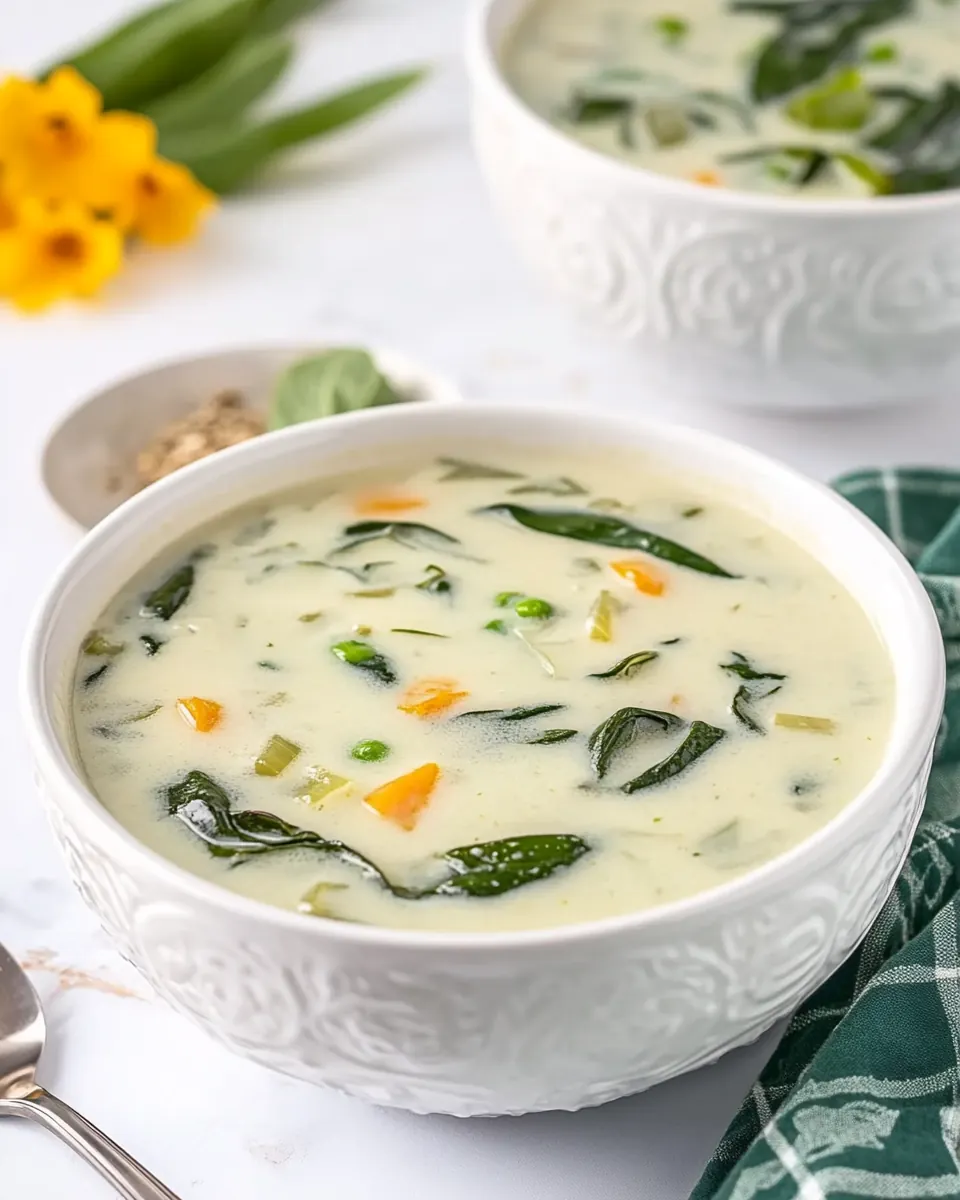
I like to think of this assembly as a steady, attentive process more than a race. The goal is to coax sweetness from the aromatics, extract body from the starch, and preserve the green flavors so they remain bright. Keep your tasting spoon close and trust the pot; small adjustments make big differences.
- Melt the butter in a large pot over medium heat. Stir in the leeks and onion, and cook until tender.: The moment you heat the butter , you should notice a soft, nutty aroma as the milk solids warm, not brown. The sound will be a gentle shush as the butter liquefies across the pan surface. This step creates a glossy coating that helps the leeks and onion sweat rather than brown. The reason this matters is that gentle cooking releases sugars and mellows sharpness, giving a sweeter, rounder base for the soup. A common mistake is turning the heat too high, which causes the butter to brown or burn and introduces bitter notes. Watch for any pop or dark flecks and reduce the heat if needed, scraping the bottom to incorporate browned bits if they form, because even slight fond can add pleasant depth if controlled.
- Pour the water and chicken broth into the pot. Mix in the potatoes, mushrooms, asparagus, carrots, rice and garlic. Season with salt. Bring to a boil. Reduce heat, and simmer 30 minutes, or until the vegetables and rice are tender.: As you add chopped leeks and chopped onion , you will hear a soft sizzle that quickly settles into gentle whispering as moisture releases. Visually, they will turn translucent and appear glossy, losing their raw edge. Cooking them until tender develops sweet, aromatic layers that infuse the whole broth. This technique builds flavor without adding color, preserving the soup's fresh look. The why here is simple: tender aromatics integrate smoothly and avoid biting raw hints. People often rush this step and leave it faintly crunchy; take the extra minutes to soften them fully, stirring occasionally to prevent sticking and to ensure even cooking.
- Stir the spinach and cream into the soup mixture, and continue cooking about 5 minutes before serving.: When you add the water and chicken broth , listen for a fuller simmering sound as volumes increase, and watch the surface for the first signs of motion. The broth introduces savory depth and a base salt level, while the water moderates intensity so the vegetables can shine. This combination helps control final seasoning and keeps the flavor balanced as the potatoes release starch. Stir gently to lift any flavor bits from the pot bottom. A pitfall is adding overly salty broth without checking, which can push the soup out of balance; always taste after simmering and adjust accordingly.
- Mix in the potatoes, mushrooms, asparagus, carrots, rice and garlic: As you drop in the chopped potatoes , sliced mushrooms , cut asparagus , chopped carrots , uncooked long grain white rice , and minced garlic , the pot will sound fuller and the surface will show varied shapes bobbing as they settle. Each ingredient contributes a different element to the texture profile: starch from potatoes , umami from mushrooms , green snap from asparagus , sweetness from carrots , and body from the rice . The garlic blends through quickly and layers flavor without dominating. The technique of adding everything together ensures they finish in harmony. Avoid dumping everything in without stirring, which can cause clumping of the rice or uneven cooking of the vegetables.
- Season with salt: Right after the vegetables join the pot, add the measured 1 1/2 teaspoons of salt . You will notice how the broth brightens almost immediately. Salt brings out sweetness from the cooked leeks and carrots , and helps the potatoes and rice hydrate properly. The reason to salt at this stage is to allow flavors to meld during the simmer so you do not need a late heavy-handed correction. One common mistake is undersalting early and then oversalting later; taste after the simmer and add small adjustments to avoid an overpowering finish.
- Bring to a boil: Increase the heat just until the surface shows steady bubbling and the soup moves with purpose. The boil signals that the pot has reached a point where the rice and potatoes can begin absorbing liquid at a predictable rate. Watch for foam or excessive boil over, and reduce heat slightly if the pot threatens to escape. A rolling boil is not necessary, gentle, even bubbling will do. The why is control; a vigorous boil can break down delicate vegetables and make the broth cloudy, while a too mild simmer slows cooking time considerably.
- Reduce heat, and simmer 30 minutes, or until the vegetables and rice are tender: Lower the flame so the surface barely shivers, and you should hear soft, regular popping sounds as the rice hydrates and the potatoes release starch. Visually, the broth will thicken slightly and the vegetables will show tender edges. This steady simmer encourages even cooking while keeping the green vegetables from turning to mush. The technique matters because it extracts flavors gently and allows the rice to plump without turning gummy. Avoid leaving it uncovered the entire time, which can concentrate liquid excessively; check at twenty minutes for texture and adjust as needed.
- Stir the spinach and cream into the soup mixture: When you add the spinach and the half and half cream , you will see the spinach collapse into soft ribbons and the cream swirl to veil the broth. The aroma will shift to a rounder, richer profile and the mouthfeel will become silkier. Adding these toward the end protects the bright green color and prevents the dairy from separating. The technique helps preserve vibrancy and yields a luscious finish. A common mistake is adding cold cream to a vigorously boiling pot, which can cause slight curdling; warm the cream briefly or temper it by stirring a ladle of hot broth into the cream first.
- Continue cooking about 5 minutes before serving: Allow the soup to settle into a gentle simmer for those final minutes so flavors marry and the spinach finishes wilting. The surface will look cohesive and the scent will be rounded, with no sharpness from raw garlic or onion . This short resting simmer is important because it stabilizes temperature and texture before you serve. Resist the urge to leave it much longer, which can dull fresh flavors and over soften the greens. If you find the soup too thick at this point, add a splash of warm water or broth to adjust consistency.
Tips and Tricks about French Spring Soup

This soup rewards small attentions more than fancy techniques. The tips below expand on timing, texture, and ingredient handling so you get predictable results. Read them before you start, and you will feel confident while the pot does the rest.
- Prep your vegetables uniformly so they cook at the same rate; uneven pieces lead to a mix of underdone and overcooked bites.
- Rinse the rice if you want a clearer broth, because rinsing removes surface starch that can cloud the soup and thicken it excessively.
- Use low sodium chicken broth to control seasoning, and always taste toward the end before adding more salt.
- Trim leeks thoroughly by slicing and rinsing the layers, this prevents any sandy grit from sneaking into the pot.
- Add delicate greens last to preserve their color and texture, spinach wilts quickly and should not simmer for long.
- Warm the cream slightly before adding to minimize shock to the temperature and reduce the chance of curdling in the hot broth.
Accompaniments for French Spring Soup
This soup pairs well with light, textural sides and flexible serving styles. Think of bread that offers crunch against the silky broth, and simple salads that echo the soup’s brightness. Below are ideas and storage tips that match casual lunches, holiday meals, and weeknight dinners.
- Crusty bread such as a baguette or country loaf, for dipping and adding crunch to each spoonful.
- Light green salad dressed with lemon and olive oil, to mirror the soup’s fresh flavors without competing with them.
- Cheese board served simply with mild cheeses, for an elegant accompaniment during a spring lunch gathering.
- Serve in warmed bowls to keep the soup hot longer, especially helpful if guests will be lingering at the table.
- Leftover storage cool completely and refrigerate in an airtight container for up to three days; reheat gently on the stove and thin with broth if it thickens.
- Occasions include casual family lunches, a gentle Easter lunch, or a light starter for a multi course spring dinner.
FAQ
Conclusion
French Spring Soup is special because it celebrates seasonal vegetables with gentle technique and creamy finish. The combination of leeks, asparagus, potatoes, and a touch of half and half cream creates a bowl that is both comforting and bright, perfect for spring lunches or festive holiday tables. I encourage you to give this recipe a try; it rewards small attentions and tastes like a thoughtful, home cooked celebration of the season. Share it with friends or enjoy it quietly, and notice how a simple soup can feel elegant and nourishing at once.

French Spring Soup
Equipment
- Large Pot
- Wooden Spoon
- Ladle
Ingredients
- 1/4 cup (1/2 stick) unsalted butter Melted adds a rich, silky base and helps sauté aromatics; provides flavor and mouthfeel while carrying other flavors throughout the soup. Use gently browned butter to deepen the soup’s overall richness without overpowering delicate vegetables.
- 1 pound leeks, chopped Chopped imparts a mild onion-like sweetness and tender texture that blends into the broth; contributes body and aromatic depth when cooked slowly. Sauté until soft to release its sweet, subtle flavor and integrate with the leeks’ green notes.
- 1 medium onion, chopped Chopped provides a foundational savory and aromatic backbone that balances sweet vegetables and enriches the broth; adds natural sweetness when softened. Cook until translucent to develop complexity without caramelizing heavily.
- 1 quart (4 cups) water Added supplies a neutral cooking liquid that dilutes and simmers vegetables while preserving their fresh flavors; helps control saltiness when combined with broth. Use to adjust consistency and to gently poach ingredients for uniform tenderness.
- 1 quart (4 cups) chicken broth Added contributes savory depth and seasoning to the soup base; enhances umami and complements vegetables for a well-rounded flavor. Choose low-sodium or adjust salt to prevent over-salting and to let fresh ingredients shine.
- 3 large potatoes, peeled and chopped Peeled and chopped provides hearty texture and starchy body that thickens the broth naturally as it breaks down; lends a comforting, velvety consistency. Simmer until tender to release starches and unify the soup’s mouthfeel.
- 1 1/2 cups sliced mushrooms Sliced offers an earthy, umami-rich component that deepens flavor complexity and adds bite; absorbs surrounding flavors while contributing subtle meatiness. Sauté or simmer gently to avoid becoming rubbery and to develop its savory character.
- 1 bunch (about 1 1/2 pounds) fresh asparagus, trimmed and cut into 1-inch pieces Trimmed and cut supplies a bright, tender spring vegetable with a crisp texture and fresh vegetal flavor; adds color and seasonal vibrancy to the soup. Blanch or simmer briefly to preserve its vibrant green color and pleasant snap.
- 2 large carrots, peeled and chopped Peeled and chopped introduces natural sweetness and firm texture that complements root vegetables and balances the soup; contributes color and nutritional variety. Cook until just tender to maintain texture and avoid turning mushy.
- 1/3 cup uncooked long-grain white rice Uncooked adds light bulk and gentle thickening as it cooks; provides a subtle grain component that absorbs flavors and softens into the broth. Rinse before adding and simmer until tender so grains are fully cooked and integrated.
- 1 medium garlic clove, minced Minced imparts a sharp, aromatic punch that brightens and layers flavor when cooked briefly; enhances savory notes without overwhelming delicate vegetables. Sauté briefly in butter to mellow raw bite and release fragrant oils.
- 1 1/2 teaspoons salt Measured seasons the soup to enhance and balance flavors; helps bring out sweetness in vegetables and round out the broth. Add gradually and taste to reach desired seasoning without masking fresh ingredient nuances.
- 8 ounces fresh spinach Fresh brings a tender, leafy green element with mild flavor and nutritive value that wilts into the hot soup; adds color and light vegetal contrast. Stir in near the end to preserve texture and vibrant appearance.
- 1 cup half and half cream (can sub heavy cream) Added enriches the broth with creamy mouthfeel and subtle sweetness while smoothing flavors; can be substituted with heavier cream for an even richer result. Stir in off the heat or gently warm to prevent curdling and maintain silkiness.
Instructions
- Melt the butter in a large pot over medium heat. Stir in the leeks and onion, and cook until tender.: The moment you heat the butter , you should notice a soft, nutty aroma as the milk solids warm, not brown. The sound will be a gentle shush as the butter liquefies across the pan surface. This step creates a glossy coating that helps the leeks and onion sweat rather than brown. The reason this matters is that gentle cooking releases sugars and mellows sharpness, giving a sweeter, rounder base for the soup. A common mistake is turning the heat too high, which causes the butter to brown or burn and introduces bitter notes. Watch for any pop or dark flecks and reduce the heat if needed, scraping the bottom to incorporate browned bits if they form, because even slight fond can add pleasant depth if controlled.
- Pour the water and chicken broth into the pot. Mix in the potatoes, mushrooms, asparagus, carrots, rice and garlic. Season with salt. Bring to a boil. Reduce heat, and simmer 30 minutes, or until the vegetables and rice are tender.: As you add chopped leeks and chopped onion , you will hear a soft sizzle that quickly settles into gentle whispering as moisture releases. Visually, they will turn translucent and appear glossy, losing their raw edge. Cooking them until tender develops sweet, aromatic layers that infuse the whole broth. This technique builds flavor without adding color, preserving the soup's fresh look. The why here is simple: tender aromatics integrate smoothly and avoid biting raw hints. People often rush this step and leave it faintly crunchy; take the extra minutes to soften them fully, stirring occasionally to prevent sticking and to ensure even cooking.
- Stir the spinach and cream into the soup mixture, and continue cooking about 5 minutes before serving.: When you add the water and chicken broth , listen for a fuller simmering sound as volumes increase, and watch the surface for the first signs of motion. The broth introduces savory depth and a base salt level, while the water moderates intensity so the vegetables can shine. This combination helps control final seasoning and keeps the flavor balanced as the potatoes release starch. Stir gently to lift any flavor bits from the pot bottom. A pitfall is adding overly salty broth without checking, which can push the soup out of balance; always taste after simmering and adjust accordingly.
- Mix in the potatoes, mushrooms, asparagus, carrots, rice and garlic: As you drop in the chopped potatoes , sliced mushrooms , cut asparagus , chopped carrots , uncooked long grain white rice , and minced garlic , the pot will sound fuller and the surface will show varied shapes bobbing as they settle. Each ingredient contributes a different element to the texture profile: starch from potatoes , umami from mushrooms , green snap from asparagus , sweetness from carrots , and body from the rice . The garlic blends through quickly and layers flavor without dominating. The technique of adding everything together ensures they finish in harmony. Avoid dumping everything in without stirring, which can cause clumping of the rice or uneven cooking of the vegetables.
- Season with salt: Right after the vegetables join the pot, add the measured 1 1/2 teaspoons of salt . You will notice how the broth brightens almost immediately. Salt brings out sweetness from the cooked leeks and carrots , and helps the potatoes and rice hydrate properly. The reason to salt at this stage is to allow flavors to meld during the simmer so you do not need a late heavy-handed correction. One common mistake is undersalting early and then oversalting later; taste after the simmer and add small adjustments to avoid an overpowering finish.
- Bring to a boil: Increase the heat just until the surface shows steady bubbling and the soup moves with purpose. The boil signals that the pot has reached a point where the rice and potatoes can begin absorbing liquid at a predictable rate. Watch for foam or excessive boil over, and reduce heat slightly if the pot threatens to escape. A rolling boil is not necessary, gentle, even bubbling will do. The why is control; a vigorous boil can break down delicate vegetables and make the broth cloudy, while a too mild simmer slows cooking time considerably.
- Reduce heat, and simmer 30 minutes, or until the vegetables and rice are tender: Lower the flame so the surface barely shivers, and you should hear soft, regular popping sounds as the rice hydrates and the potatoes release starch. Visually, the broth will thicken slightly and the vegetables will show tender edges. This steady simmer encourages even cooking while keeping the green vegetables from turning to mush. The technique matters because it extracts flavors gently and allows the rice to plump without turning gummy. Avoid leaving it uncovered the entire time, which can concentrate liquid excessively; check at twenty minutes for texture and adjust as needed.
- Stir the spinach and cream into the soup mixture: When you add the spinach and the half and half cream , you will see the spinach collapse into soft ribbons and the cream swirl to veil the broth. The aroma will shift to a rounder, richer profile and the mouthfeel will become silkier. Adding these toward the end protects the bright green color and prevents the dairy from separating. The technique helps preserve vibrancy and yields a luscious finish. A common mistake is adding cold cream to a vigorously boiling pot, which can cause slight curdling; warm the cream briefly or temper it by stirring a ladle of hot broth into the cream first.
- Continue cooking about 5 minutes before serving: Allow the soup to settle into a gentle simmer for those final minutes so flavors marry and the spinach finishes wilting. The surface will look cohesive and the scent will be rounded, with no sharpness from raw garlic or onion . This short resting simmer is important because it stabilizes temperature and texture before you serve. Resist the urge to leave it much longer, which can dull fresh flavors and over soften the greens. If you find the soup too thick at this point, add a splash of warm water or broth to adjust consistency.
Notes
- Prep your vegetables uniformly so they cook at the same rate; uneven pieces lead to a mix of underdone and overcooked bites.
- Rinse the rice if you want a clearer broth, because rinsing removes surface starch that can cloud the soup and thicken it excessively.
- Use low sodium chicken broth to control seasoning, and always taste toward the end before adding more salt.
- Trim leeks thoroughly by slicing and rinsing the layers, this prevents any sandy grit from sneaking into the pot.
- Add delicate greens last to preserve their color and texture, spinach wilts quickly and should not simmer for long.
- Warm the cream slightly before adding to minimize shock to the temperature and reduce the chance of curdling in the hot broth.
