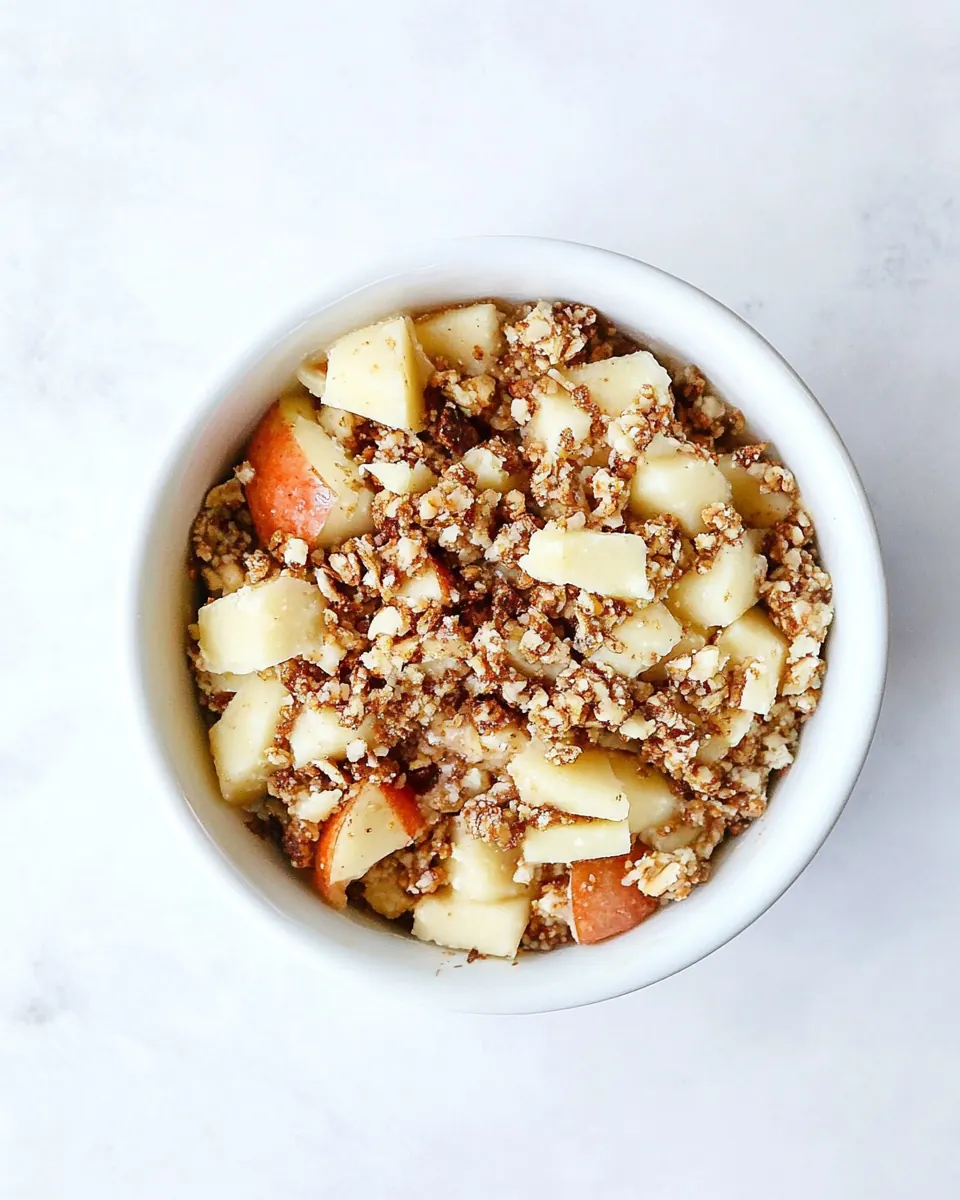
Traditional Charoset
Traditional Charoset has been on my family table every spring for as long as I can remember, a simple bowl that always sparks conversation and brings warmth to our Passover Seder.
I grew up watching my grandmother chop apples at the kitchen island while stories of other Seders floated around the room, and that rhythm became part of the recipe itself. Years later I make that same mixture, and each chop and stir feels like continuing a thread between past and present. The texture is what I love most, a balance of soft fruit and a gentle crunch, with spices that smell like comfort.
When I brought a jar of Traditional Charoset to a friend who had never celebrated Passover, she asked for the recipe on the spot, then called later to tell me how the scent of cinnamon filled her kitchen and reminded her of childhood afternoons. I tell that story not to boast, but to show how this dish travels beyond ritual, becoming a small, joyful centerpiece for connection. I often make a double batch, because it disappears faster than I expect, whether spooned onto matzah, served with roasted vegetables, or simply enjoyed by the spoonful.
Recipe Snapshot
10 mins
10 mins
Easy
150 kcal
American
Gluten-Free, Paleo
Side Dishes
Large bowl, Sharp knife, Cutting board
The Appeal of This Traditional Charoset
It honors tradition and memory
Every spoonful of Traditional Charoset is a nod to family histories, and I feel that when I make it. The recipe is straightforward, yet it holds enough nuance that each household ends up with a distinct version. For me, the simplicity is powerful, because it lets the natural sweetness of the apples and the warm aroma of cinnamon lead the way.
Simple ingredients, layered texture
I often say that texture is the secret language of food, and this recipe speaks clearly. The contrast between soft, diced dates or raisins and chopped walnuts gives a pleasing bite, while the diced apples add freshness. The small number of elements lets each one shine, so every mouthful feels balanced and satisfying.
Flexible and forgiving
One of the reasons I keep returning to Traditional Charoset is how forgiving it is. You can tweak the sweetness with a touch of Honey Maple Syrup or swap in a bit more red wine if you prefer. That flexibility makes it great for last minute adjustments, and I often adapt quantities based on what I have on hand.
Perfect for gatherings
This recipe scales easily, and that makes it ideal for a Seder or a casual gathering. It stores well, and the flavors actually meld when it rests overnight, which is why I sometimes prepare it the day before. The mix of aromatic spices and crunchy nuts means guests keep coming back for more.
Comfort with a bright note
Finally, there is a bright, citrus like lift from the fresh apples that keeps the recipe from feeling heavy. Paired with the warmth of cinnamon and the chew of dried fruit, it feels both comforting and vibrant, a small but meaningful dish that invites conversation and sharing.
What to Gather for Traditional Charoset
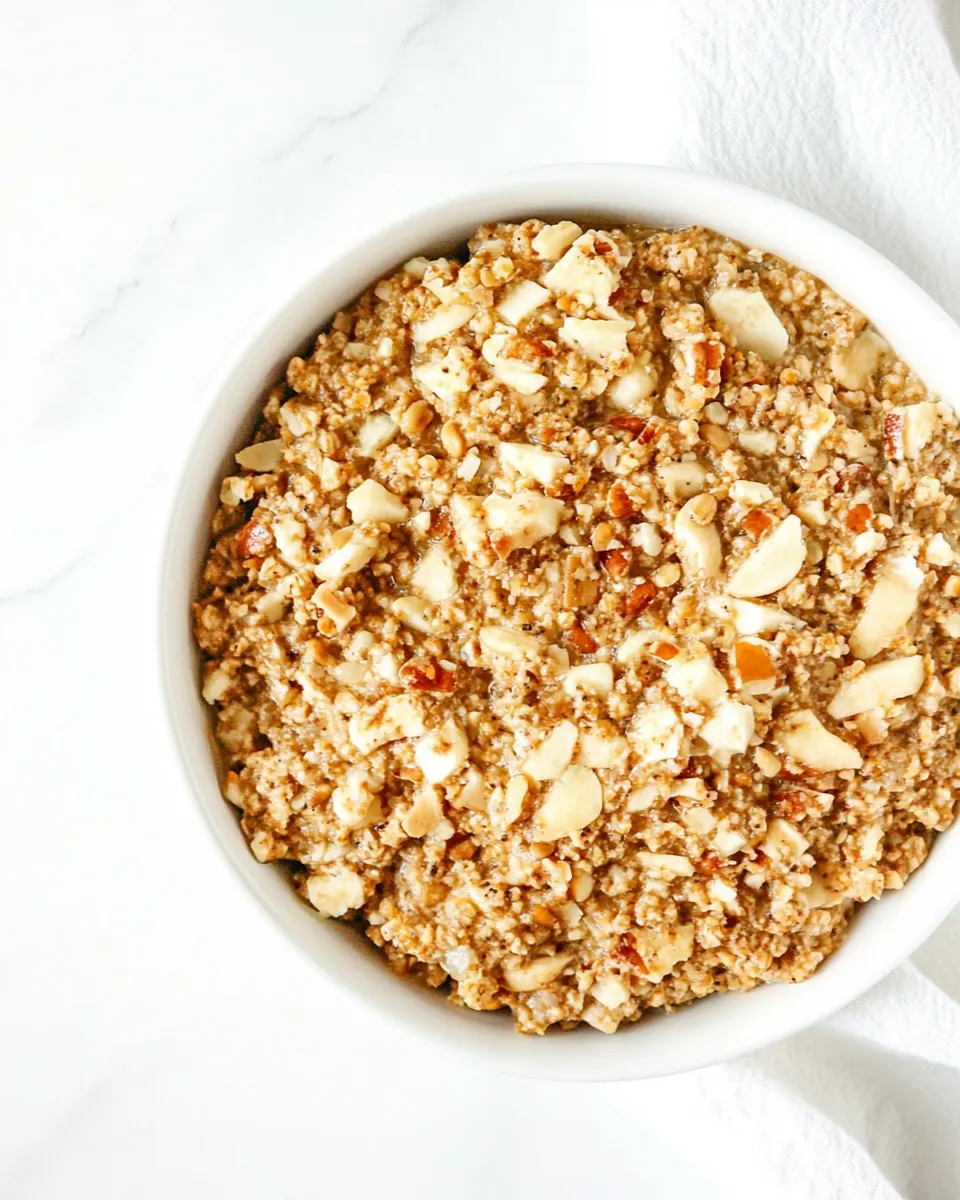
The ingredients for Traditional Charoset are intentionally modest, reflecting a philosophy of honoring simple, quality produce. Here the key players are the crisp apples and the earthy walnuts, which form the backbone. Small additions like cinnamon and dried fruit bring warmth and chew, while a splash of red wine or a drizzle of Honey Maple Syrup helps tie the flavors together. The result is a blend that celebrates texture and subtle sweetness.
- 6 apples finely diced: Provide a crisp, sweet-tart base and juicy texture when finely diced, helping bind other components while offering freshness that balances the richness of nuts and wine.
- 1 tablespoon cinnamon more as desired: Add warm, woody spice that enhances the fruit and nut flavors; sprinkle gradually and adjust to taste to avoid overpowering the mixture.
- 1/3 cup red wine more as desired: Contribute acidity and depth with fruity tannins; pour in gradually to moisten the mixture, meld flavors, and lend a subtle wine aroma appropriate for traditional charoset.
- 1 1/2 cup walnuts finely chopped: Supply crunchy, earthy richness and a classic symbolic texture when finely chopped; incorporate gradually to distribute nutty flavor and provide body to the mixture.
- 1 tablespoon Honey Maple Syrup, or Coconut Sugar () (optional): Introduce gentle sweetness and a hint of caramel complexity when used; stir in sparingly to adjust overall sweetness while keeping traditional flavor balance.
- 1/4 cup Chopped dates or 1/4 cup Raisins (optional): Offer concentrated chewiness and natural sweetness when chopped, providing fruity bursts that contrast with nuts and enhance overall texture in the mixture.
Making Traditional Charoset
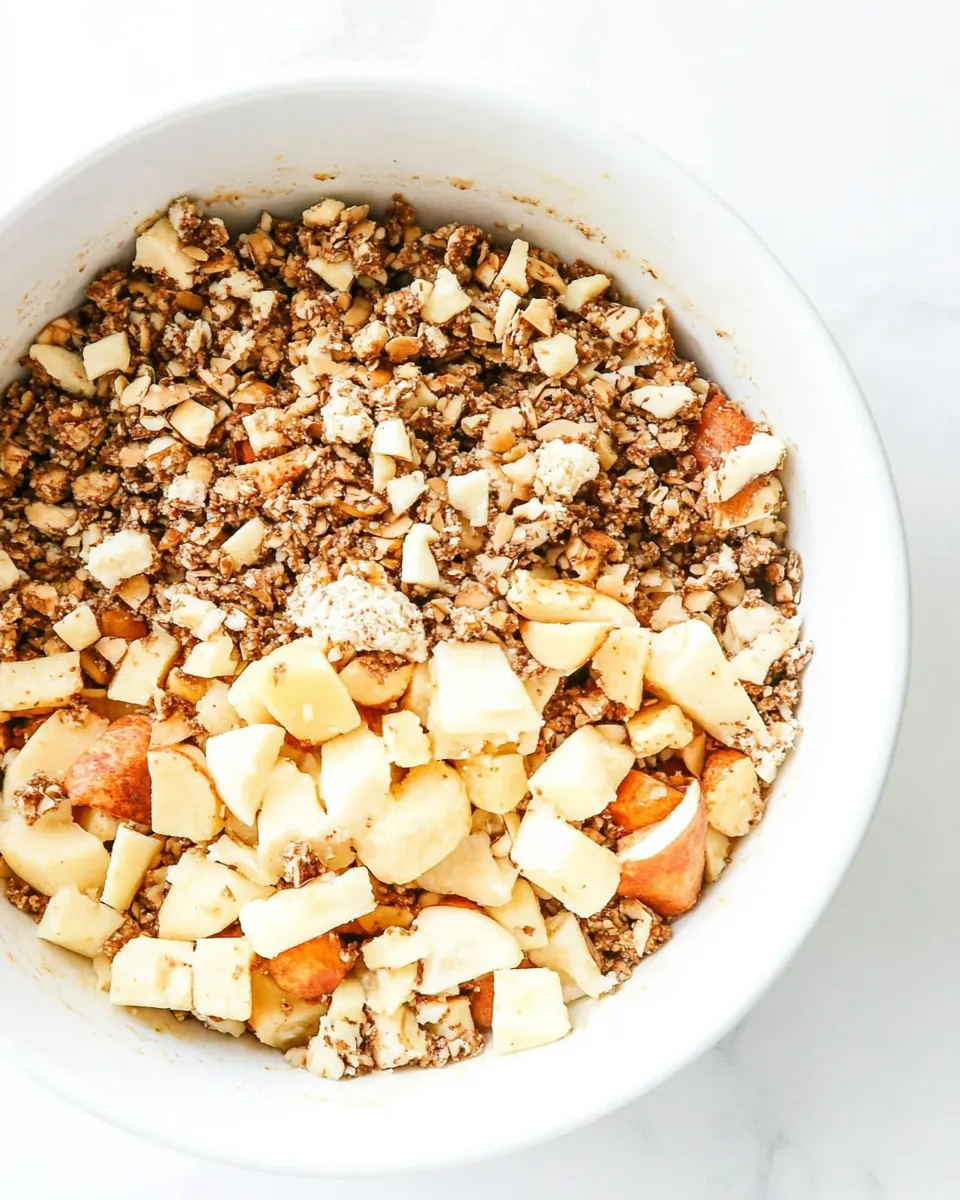
This is a no fuss assembly recipe that centers on balancing texture and flavor. The directions are brief, yet each choice matters for the final mouthfeel, so I walk you through what to listen and look for as you go. Keep your knife skills steady and your palate ready to adjust.
- In large bowl, stir together all ingredients. Store, covered, at room temperature until ready to serve. If making it early, store covered in the refrigerator.: As you stir, notice the mingling aromas of cinnamon and fresh apples , a fragrant top note that tells you the mixture is coming alive. The sound is subtle, a soft shuffle as the diced fruit and chopped walnuts rub together, and you want even distribution so every spoonful has a little of each component. The texture should be cohesive but not wet, so add any optional sweetener or red wine a little at a time until the balance feels right. If your pieces are uneven, some bites will be overwhelmingly nutty or too fruity, so aim for uniform dice sizes. One common mistake at this stage is over stirring, which can bruise the apples and make them watery; stop once everything is evenly coated and combined.
- Store, covered, at room temperature until ready to serve: Leaving the mixture at room temperature allows the flavors to open up, softening the dried fruit slightly and letting the cinnamon perfume the whole bowl. A gentle warmth helps meld the components, producing a more harmonious profile. You should watch for any sign of excessive moisture pooling, which indicates the apples released too much juice; when that happens, drain briefly or add a touch more chopped walnuts to absorb. Avoid leaving it uncovered, because exposure will dry the surface and reduce the fresh appeal.
- If making it early, store covered in the refrigerator: If you prepare the mixture ahead of time, chilling helps the flavors meld and the texture to settle into a pleasantly cohesive state. In the fridge the aroma will be less assertive initially, but as it warms for serving the scents reemerge. Refrigeration also keeps the apples from browning too quickly, extending shelf life. A common pitfall is storing it uncovered, which dries the edges; always use a tight lid or cling film to preserve moisture. When you remove it to serve, let it sit for a few minutes at room temperature so the aromas and flavors regain their full expression.
Recipe Variations about Traditional Charoset
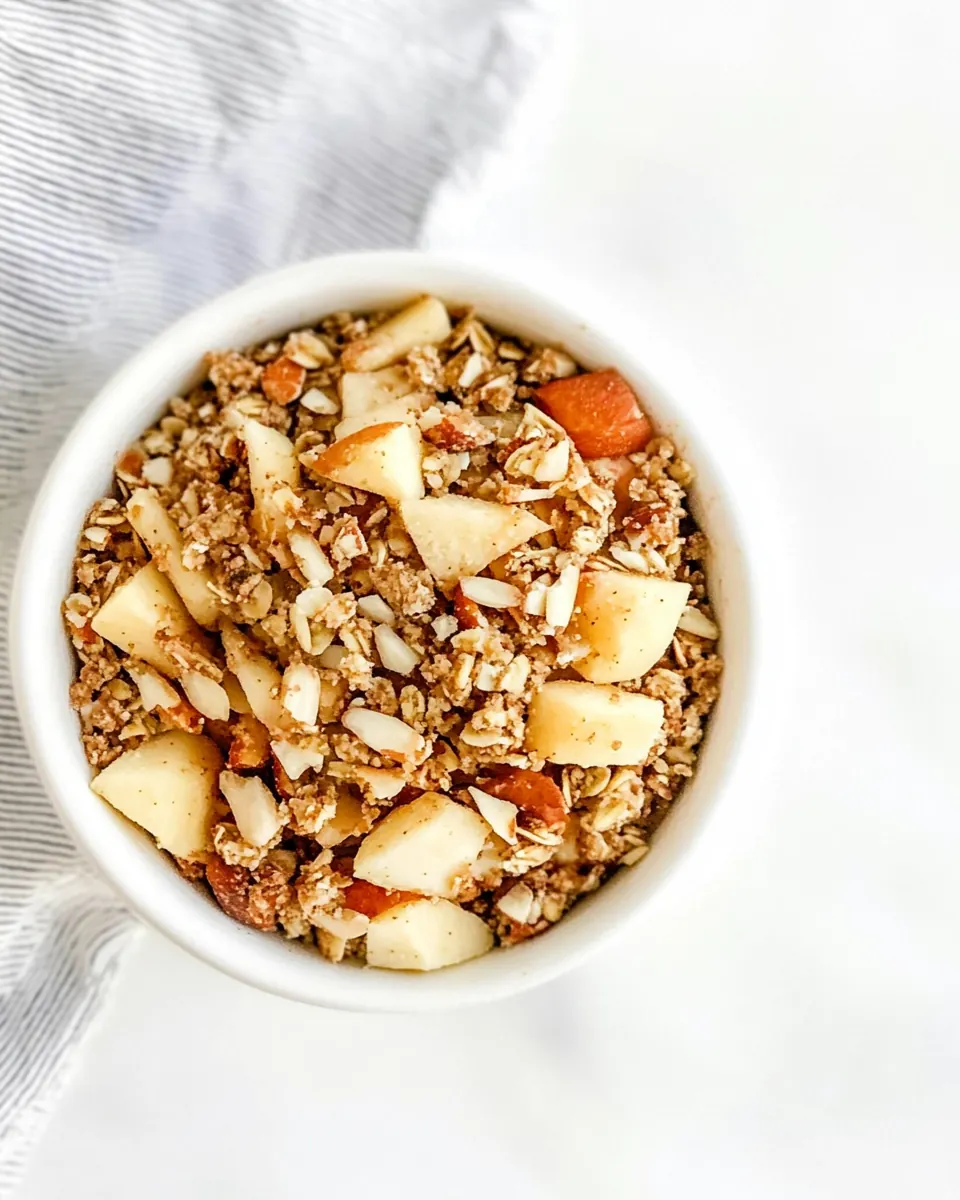
There are many small ways to adapt Traditional Charoset while preserving its spirit. Below are practical ideas that honor the texture driven nature of the recipe, and each tip begins with a clear action phrase to help you try something new with confidence.
- Boost the crunch Add a few extra tablespoons of finely chopped walnuts to increase textural contrast without changing flavor balance.
- Dial up the warmth Stir in a touch more cinnamon or a pinch of nutmeg for a spicier profile, adjusting in small amounts to avoid overpowering the fruit.
- Make it moister Add an additional teaspoon or two of red wine or a small drizzle of Honey Maple Syrup if the mixture feels dry after resting.
- Vary the dried fruit Swap the dates for raisins or a mix of both to change the chew and sweetness pattern.
- Prepare ahead Make the charoset the day before and refrigerate, then bring to room temperature before serving to let the aromas reawaken.
Pairing Suggestions for Traditional Charoset
Traditional Charoset is versatile, and thinking about pairings helps you choose where and how to serve it. Below are ideas for occasions, accompaniments, and storage that highlight the recipe features, all formatted as a list so you can quickly scan and choose what fits your gathering.
- Serve with matzah
- Offer as a condiment
- Snack bowl for gatherings
- Pack for brunch
- Storing tipsapples slightly.
- Occasion ideas
- Seasonal pairingapple note harmonizes with seasonal greens and mild proteins.
FAQ
Conclusion
Traditional Charoset is special because it balances simple, fresh ingredients into a textured, aromatic dish that connects people across meals and memories. Try making it for your next gathering, and you will likely find it elevates the table in small but meaningful ways. The recipe is approachable, forgiving, and full of sensory charm, so give it a go, personalize it gently to taste, and enjoy how it brings conversation and comfort to your meal.
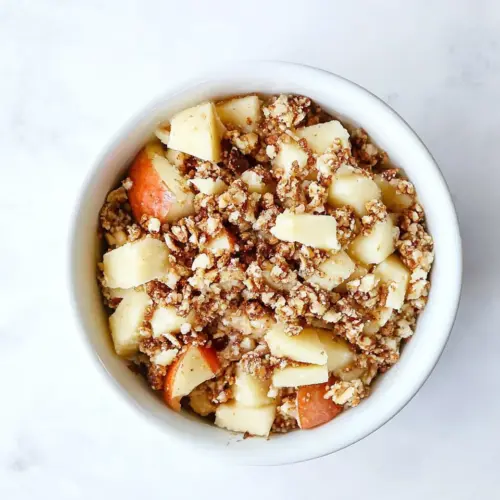
Traditional Charoset
Equipment
- Large Bowl
- Sharp Knife
- Cutting Board
Ingredients
- 6 apples finely diced Provide a crisp, sweet-tart base and juicy texture when finely diced, helping bind other components while offering freshness that balances the richness of nuts and wine.
- 1 tablespoon cinnamon more as desired Add warm, woody spice that enhances the fruit and nut flavors; sprinkle gradually and adjust to taste to avoid overpowering the mixture.
- 1/3 cup red wine more as desired Contribute acidity and depth with fruity tannins; pour in gradually to moisten the mixture, meld flavors, and lend a subtle wine aroma appropriate for traditional charoset.
- 1 -1/2 cup walnuts finely chopped Supply crunchy, earthy richness and a classic symbolic texture when finely chopped; incorporate gradually to distribute nutty flavor and provide body to the mixture.
- 1 tablespoon Honey Maple Syrup, or Coconut Sugar (optional) Introduce gentle sweetness and a hint of caramel complexity when used; stir in sparingly to adjust overall sweetness while keeping traditional flavor balance.
- 1/4 cup Chopped dates or 1/4 cup Raisins optional Offer concentrated chewiness and natural sweetness when chopped, providing fruity bursts that contrast with nuts and enhance overall texture in the mixture.
Instructions
- In large bowl, stir together all ingredients. Store, covered, at room temperature until ready to serve. If making it early, store covered in the refrigerator.: As you stir, notice the mingling aromas of cinnamon and fresh apples , a fragrant top note that tells you the mixture is coming alive. The sound is subtle, a soft shuffle as the diced fruit and chopped walnuts rub together, and you want even distribution so every spoonful has a little of each component. The texture should be cohesive but not wet, so add any optional sweetener or red wine a little at a time until the balance feels right. If your pieces are uneven, some bites will be overwhelmingly nutty or too fruity, so aim for uniform dice sizes. One common mistake at this stage is over stirring, which can bruise the apples and make them watery; stop once everything is evenly coated and combined.
- Store, covered, at room temperature until ready to serve: Leaving the mixture at room temperature allows the flavors to open up, softening the dried fruit slightly and letting the cinnamon perfume the whole bowl. A gentle warmth helps meld the components, producing a more harmonious profile. You should watch for any sign of excessive moisture pooling, which indicates the apples released too much juice; when that happens, drain briefly or add a touch more chopped walnuts to absorb. Avoid leaving it uncovered, because exposure will dry the surface and reduce the fresh appeal.
- If making it early, store covered in the refrigerator: If you prepare the mixture ahead of time, chilling helps the flavors meld and the texture to settle into a pleasantly cohesive state. In the fridge the aroma will be less assertive initially, but as it warms for serving the scents reemerge. Refrigeration also keeps the apples from browning too quickly, extending shelf life. A common pitfall is storing it uncovered, which dries the edges; always use a tight lid or cling film to preserve moisture. When you remove it to serve, let it sit for a few minutes at room temperature so the aromas and flavors regain their full expression.
Notes
- Boost the crunch Add a few extra tablespoons of finely chopped walnuts to increase textural contrast without changing flavor balance.
- Dial up the warmth Stir in a touch more cinnamon or a pinch of nutmeg for a spicier profile, adjusting in small amounts to avoid overpowering the fruit.
- Make it moister Add an additional teaspoon or two of red wine or a small drizzle of Honey Maple Syrup if the mixture feels dry after resting.
- Vary the dried fruit Swap the dates for raisins or a mix of both to change the chew and sweetness pattern.
- Prepare ahead Make the charoset the day before and refrigerate, then bring to room temperature before serving to let the aromas reawaken.