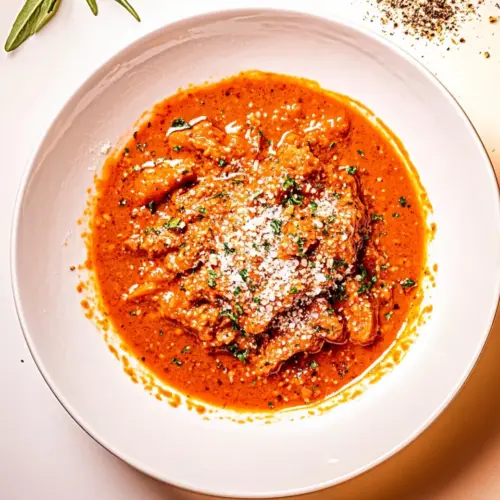
Arrabbiata Sauce
Arrabbiata Sauce delivers bold, spicy tomato flavor with aromatic garlic and a savory walnut miso crumble. This easy weeknight dinner is vibrant, slightly smoky, and perfectly paired with short pasta, making it a quick, pantry friendly meal that still feels special. Try it for fast entertaining or a satisfying solo supper.
Equipment
- Saucepan
- Food Processor
- Pot for boiling pasta
Ingredients
- 2 tablespoons extra virgin olive oil Enhance flavor by gently infusing the sauce with a rich, fruity fat that helps carry aromatics and meld tomato acidity; use at the start of cooking to sauté garlic and allow flavors to bloom.
- 5 minced garlic cloves Provide pungent aromatics by releasing sweet, savory, and slightly spicy oils when minced and lightly sautéed; add early to develop the sauce’s fragrant base while avoiding burning.
- 2 14.5 oz cans tomato sauce Provide the savory, tangy tomato foundation that supplies body, color, and umami; simmer with aromatics and spices to concentrate flavors and create the classic arrabbiata sauce texture.
- 1 -2 teaspoons crushed red pepper flakes, plus more to taste Add concentrated heat and bright chili flavor to build the sauce’s signature spiciness; start with a lower amount and adjust toward the end to reach desired warmth.
- 1 teaspoon dried oregano Contribute an earthy, slightly floral Mediterranean herb note to complement tomatoes and chili; sprinkle in during simmering to infuse the sauce with balanced herbal complexity.
- 1 teaspoon cane sugar, or white sugar Balance acidity and round out flavor by adding a touch of sweetness that prevents the sauce from tasting sharp; dissolve during simmering to harmonize tomatoes and herbs.
- sea salt, to taste Season and enhance all other flavors by providing saline depth and taste balance; add gradually and taste often to avoid over-salting.
- 1 16 oz box penne pasta or other short pasta (rotini, cavatelli, ziti, etc.), boiled according to the package directions in heavily salted water Provide the vehicle for serving by offering a sturdy, sauce-holding pasta shape; cook in heavily salted water until al dente then toss with the sauce to marry flavors.
- 1 cup walnuts, toasted or raw Introduce crunchy, toasty, and slightly bitter notes that add texture and depth when blended or chopped into the sauce; toast for more pronounced nuttiness or use raw for a milder profile.
- 1/4 tbsp nutritional yeast Supply a subtle savory, umami boost with a lightly cheesy, nutty flavor that enriches the sauce when stirred in sparingly; dissolves to complement walnuts if blended.
- 1 tbsp white miso paste Deliver a deep, savory umami and mild sweetness that enhances tomato richness and creates a rounded, savory backbone when whisked into the finished sauce.
Instructions
- Warm the olive oil in a saucepan over medium heat.: When the oil first warms it should shimmer slightly and release a faint, fruity scent, not smoke. I like to place the pan on medium and let it settle, watching for a thin ripple rather than visible clouds of steam. This gentle heat readies the pan to coax the flavors from the garlic . If the oil starts to smoke, the pan is too hot, which can give off a bitter note and ruin the delicate aromas. A common mistake is rushing this step with high heat, which causes the oil to overheat and then the next ingredients to brown too fast; keep the temperature steady so flavors develop slowly.
- Add the minced garlic and a generous pinch of red chili flakes. Sauté, stirring frequently, until the garlic turns slightly golden. Be careful not to burn it!: As you add the minced garlic to the warm oil, you will smell a surge of savory perfume almost immediately. Stirring frequently prevents hot spots and ensures even coloring. Look for the garlic to take on a pale gold hue at the edges, and stop once that appears because the residual heat will continue cooking it. Overcooked garlic shifts from sweet to bitter, which is the most frequent misstep here; if you see dark brown bits, quickly lower the heat and remove the pan from the flame to cool slightly.
- Add the tomato sauce and stir. Next, add the crushed red pepper flakes, dried oregano, and sugar. Stir well.: When the tomato sauce hits the pan it will hiss softly and release steam, and you should immediately stir to combine the infused oil and tomato base. The crushed red pepper flakes will float and slowly release heat, while the dried oregano softens and perfumes the sauce. The teaspoon of sugar helps tame any sharp acidity, rounding the profile. A useful sign you are on track is a uniform glossy sheen across the surface; uneven patches indicate incomplete mixing. Avoid dumping everything in at high heat, which can cause spatter and uneven flavor melding.
- Bring the sauce to a simmer. Place the saucepan lid on the pan slightly ajar and simmer on medium-low for 20 minutes or until a deep red color.: As the sauce reaches a simmer you will see small, steady bubbles form and gently break on the surface. Setting the lid slightly ajar traps modest steam, allowing the sauce to reduce while keeping moisture so it does not dry out. Over the 20 minutes the color will deepen and the sauce will thicken, becoming more concentrated and less watery. The aroma will change from raw tomato to a richer, stewed fragrance. A frequent error is simmering too vigorously which causes rapid evaporation and can scorch the bottom; maintain a gentle simmer for even reduction.
- Season the sauce to taste with salt.: After simmering, the sauce will have developed concentrated flavors, so add sea salt gradually while tasting. The right amount of salt will make the other flavors pop without being overt. Taste on a spoon and adjust, remembering that the pasta will also carry seasoning. Over-salting is easy if you add too much at once; correct this by adding a splash of tomato or a pinch of sugar, but prevention is better, so add salt in small increments.
- Toss the hot pasta with half of the arrabbiata sauce. Add additional sauce as desired to achieve your desired sauce-to-pasta ratio. Garnish the pasta with the walnut parmesan (below) if desired and serve hot.: When you drain the cooked penne pasta leave it vigorously hot so it absorbs sauce easily. Tossing the pasta with half of the sauce allows the noodles to get coated without becoming swampy. The steam and residual heat help the sauce cling in the crevices, and you can add more sauce to achieve your preferred level of sauciness. A common mistake is adding all the sauce at once, which can overwhelm texture; start with less and add as needed for the ideal sauce-to-pasta ratio.
- Place the walnuts, nutritional yeast, and miso paste into a food processor. Pulse until a nutty crumble texture. Sprinkle over the penne arrabbiata to garnish.: As you pulse the walnuts with nutritional yeast and white miso paste , you will see a coarse, crumbly mixture that resembles grated cheese. The aroma becomes richer and nuttier, and the miso gives a savory umami lift. Sprinkle this on the hot pasta immediately so it softens slightly and clings to the noodles, creating a textural contrast to the saucy penne . Avoid over-processing into a paste, which loses the desirable crunch; pulse in short bursts until you reach the right crumble consistency.
Notes
- Storage tip Store leftover sauce and cooked pasta separately in airtight containers. Cool the sauce completely before refrigerating to preserve flavor, and toss noodles with a little oil to prevent sticking.
- Freezing guidance Transfer cooled sauce to freezer safe containers and freeze for up to three months. Thaw overnight in the refrigerator before reheating on the stovetop with a splash of water to restore consistency.
- Reheating method Reheat sauce gently over medium heat, stirring frequently. For frozen noodles, plunge into boiling water for a minute or two to refresh al dente texture rather than relying solely on the microwave.
- Pasta cooking Cook the penne pasta al dente according to package instructions, testing a minute or two before the indicated time, because the noodles will finish absorbing sauce off heat.
- Ingredient quality Use a good canned tomato sauce and a flavorful extra virgin olive oil. These two ingredients are the backbone, and higher quality will yield a noticeably better final dish.