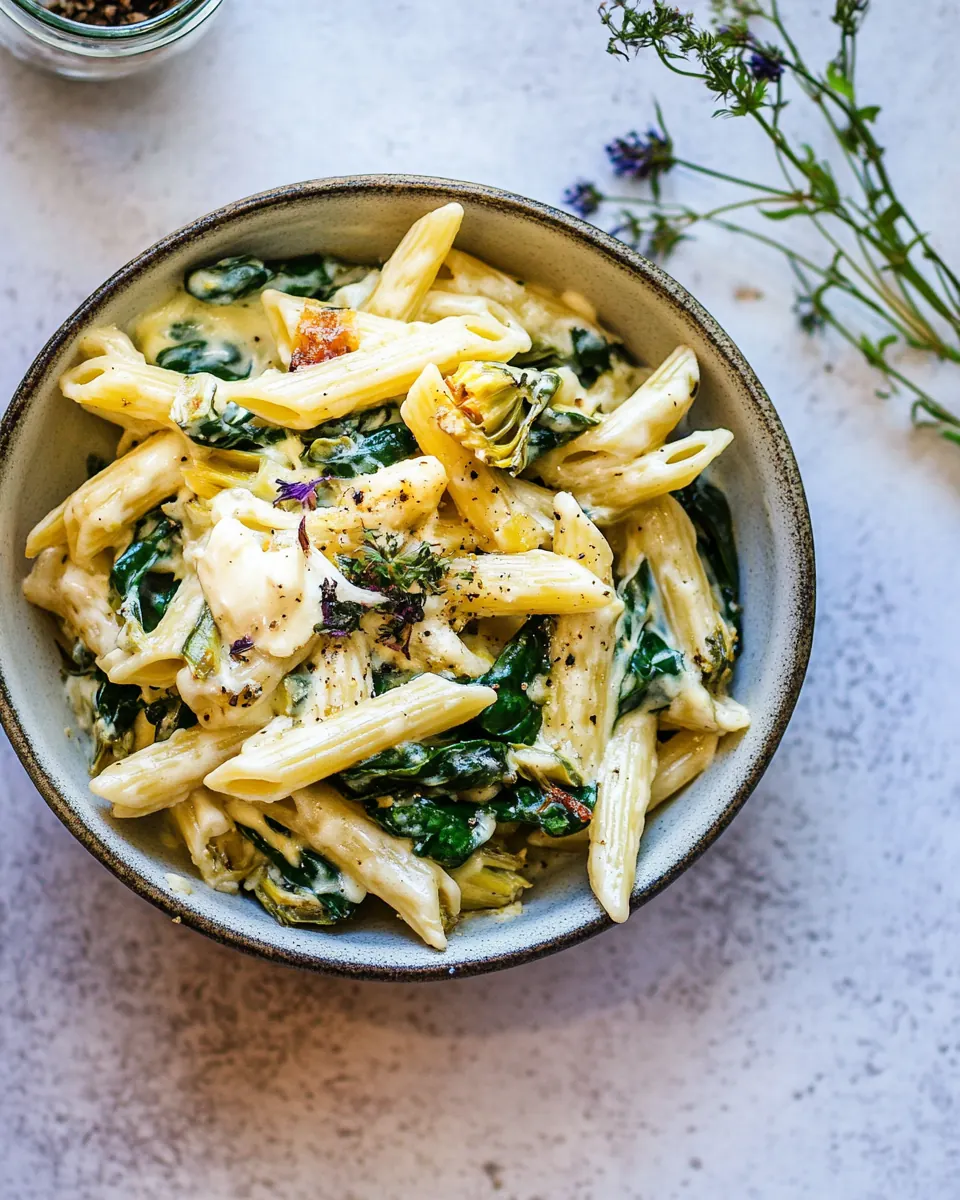
Lemony Spinach and Artichoke Brie Penne Pasta
Lemony Spinach and Artichoke Brie Penne Pasta arrived in my life on a windy spring evening when I needed something bright, comforting, and a little bit indulgent without fuss. I remember standing at my stove with a bowl of steaming penne and a jar of marinated artichoke hearts on the counter, thinking about how to bring together citrus, creamy cheese, and green vegetables into one panful that would feel special yet familiar. The first forkful was a small, satisfying revelation, the kind of bite that made me smile and immediately vow to make it again.
That night I chopped basil by hand while the garlic hissed gently in a shallow pool of olive oil, and the kitchen filled with a warm nutty aroma as pine nuts toasted. The brie melted into a silky blanket around the penne pasta, while the lemon brightened every corner of the dish. I served it to friends who asked for seconds and then begged for the recipe, so I started refining the technique that turned a quick weeknight into something celebratory. Over time I learned tiny tweaks that improved texture and balance, and now this pasta is my go to when I want creamy comfort that still feels fresh.
Recipe Snapshot
30 mins
15 mins
15 mins
Easy
450 kcal
Italian
Gluten-Free, Low FODMAP
Dinner
Large pot, Medium skillet, Colander, Ladle
The Best Thing About This Lemony Spinach and Artichoke Brie Penne Pasta
Bright lemony flavor that lifts the whole dish
I love how the citrus in Lemony Spinach and Artichoke Brie Penne Pasta cuts through richness, making each bite lively rather than heavy. The zest and juice from a single lemon bring sunshine into the sauce, which helps the brie and mascarpone cheese shine without overwhelming the palate. When I crave a dish that feels indulgent but not cloying, this contrast is exactly why I turn to this recipe.
Comforting creaminess with a fresh twist
The combination of brie and mascarpone cheese creates a luxurious, silky sauce that coats the penne pasta beautifully. I appreciate that this creaminess does not rely on heavy cream, so it still feels a bit lighter. Texturally, the soft melted brie and whipped smoothness of mascarpone cheese make every forkful luscious and spoonable, while the chopped fresh basil adds an herbaceous counterpoint.
Artichokes and spinach for layered texture
The marinated artichoke hearts add tangy, slightly chewy bites that contrast with the tender pasta and wilted spinach. I enjoy how those little pockets of flavor pop up, and when the artichokes crisp at the edges in the skillet they deliver a pleasing complexity. The spinach brings color and subtle vegetal notes, folding into the sauce so that you still get a green, nourishing element in each mouthful.
Simple technique, big payoff
I value recipes that reward small, deliberate steps, and this one does just that. Toasting the pine nuts and slowly caramelizing the garlic in olive oil builds a fragrant base, and reserving pasta water lets you dial in sauce consistency to creamy perfection. These modest techniques are accessible to cooks of all levels, which is why I recommend taking your time at each stage to notice aroma and texture changes.
Customizable heat and crunch
I often add sliced jalapeno on top for a lively finish, but it remains optional so you can control the spice. The toasted pine nuts offer a crunchy counterpoint, and they are easy to adjust or omit if needed. I like that the recipe adapts to your mood, whether you want subtle warmth or a bolder finish.
Ingredients Overview for Lemony Spinach and Artichoke Brie Penne Pasta
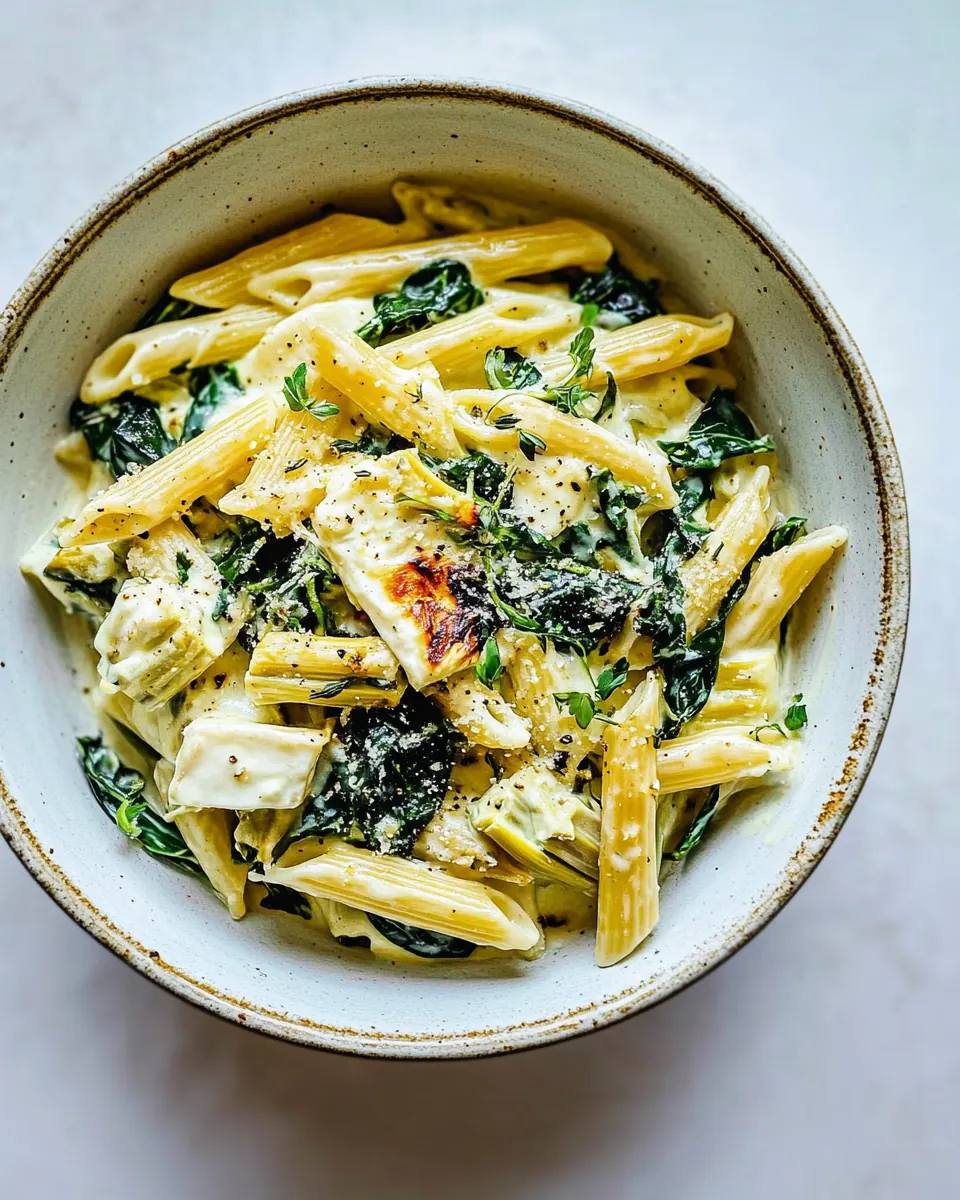
These ingredients work together to create a creamy yet bright pasta that balances richness with fresh, green notes. The key players are the brie and mascarpone cheese which form a silky sauce, the lemon which adds brightness, and the marinated artichoke hearts with their tangy bite. Toasted pine nuts and fresh basil add texture and herbal lift, while the spinach keeps things verdant and light.
- 1/4 cup olive oil: Infuse the dish with a fruity, peppery base and help sauté aromatics; olive oil prevents sticking and carries flavors while creating a silky mouthfeel in the sauce.
- 2 cloves garlic, minced or grated: Mince finely to release pungent, savory notes and build depth; garlic browns quickly in oil and provides an aromatic backbone that complements cheese and lemon.
- 2 tablespoons raw pine nuts: Toast lightly to bring out buttery, resinous flavors and add crunchy texture; pine nuts offer a subtle nuttiness that contrasts creamy cheeses and tender pasta.
- 1 teaspoon crushed red pepper flakes: Add a touch of heat and smoky spice to brighten the sauce; crushed red pepper flakes deliver adjustable warmth that lifts the rich, cheesy components.
- kosher salt and pepper: Season to enhance and balance all flavors while controlling taste intensity; kosher salt and pepper allow for precise seasoning during cooking and at the table.
- 1 (8 ounce) jar marinated artichoke hearts, drained: Drain well and chop if needed to impart tangy, briny artichoke flavor and tender texture; marinated artichoke hearts contribute acidity and Mediterranean complexity.
- 1 pound penne pasta: Cook to al dente to serve as the hearty starch foundation; penne’s ridges and tube shape trap sauce, cheese, and chopped add-ins for balanced bites.
- 2 cups fresh spinach: Wilt quickly to add fresh, leafy green color and mild bitterness; fresh spinach integrates into the sauce, adding nutrients and a light vegetal contrast.
- 1/4 cup mascarpone cheese: Stir in off-heat to enrich sauce with creamy, slightly sweet dairy notes; mascarpone melts smoothly, lending silkiness without overpowering delicate flavors.
- 8 ounces brie, cubed: Cube and gently melt to create a luscious, aromatic cheese base with earthy, creamy richness; brie brings a velvety texture and mild tang when incorporated.
- zest + juice from 1 lemon: Zest then juice to inject bright citrus aroma and acidic lift; lemon zest intensifies fragrance while juice cuts richness and balances the dish.
- 1/4 cup fresh basil, chopped: Chop and fold in to contribute fresh herbal fragrance and a sweet, peppery finish; basil complements lemon and cheese with aromatic green notes.
- 1 jalapeno, sliced () (optional): Slice thinly for optional spicy brightness and fresh heat; jalapeno adds crispness and a lively kick that can be removed or left for more intensity.
Putting Together Lemony Spinach and Artichoke Brie Penne Pasta
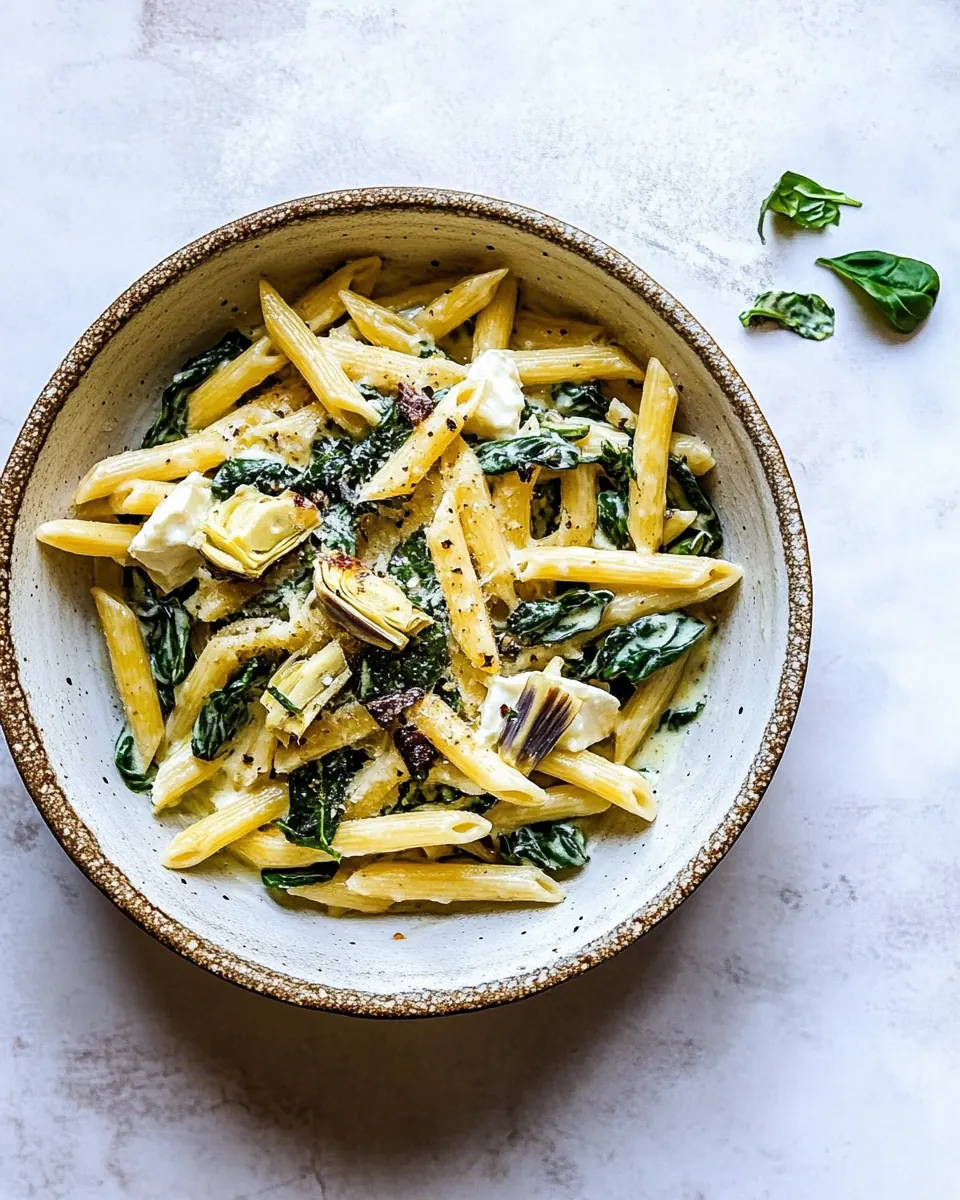
Bringing this pasta together is all about rhythm and attention to sensory cues. Start by building the aromatic base, then manage pasta timing so everything comes together warm and saucy. Below I expand each direction into deliberate, sensory rich steps so you can follow along with confidence.
- Heat the olive oil, garlic, pine nuts, crushed red pepper, and artichokes in a medium skillet over medium low heat. Cook, stirring often until the garlic is caramelized and the artichokes begin to fry and crisp on the edges, about 10 minutes. Meanwhile, bring a large pot of salted water to a boil. Boil the pasta until al dente, reserve 1 cup of the pasta cooking water and then stir in the spinach, cook 30 seconds and then drain. Add the pasta + spinach right back to the hot pot along with the mascarpone, brie, lemon zest + juice, and about 1/4 cup of the reserved pasta cooking water. Toss until creamy and combined. Add the basil and artichokes + oil, stirring to combine. Thin the sauce as desired with more pasta cooking water. Season to taste with salt and pepper. Top with jalapeños. EAT!: As the olive oil warms, inhale the gentle fruity scent rising from the pan, then add the minced garlic so it begins to release sweet, savory perfume. The pine nuts will start to sizzle and toast, turning a delicate golden, and their aroma shifts from bland to rich and nutty, which signals they are nearly done. When you add the marinated artichoke hearts , they will hiss softly and begin to release their tangy marinade essence into the oil, which creates an olive and herb infused base. Cook over medium low heat so the garlic softens without browning too fast, and stir frequently to keep the pine nuts from scorching. Why this matters: a gentle cook extracts flavor without bitterness, and the toasted nuts provide a toasty counterpoint to the creamy sauce. Troubleshooting: if your garlic starts to brown rapidly, lower the heat right away and remove the pan briefly from the burner to cool; burnt garlic will impart a bitter taste that is hard to correct.
- Cook, stirring often until the garlic is caramelized and the artichokes begin to fry and crisp on the edges, about 10 minutes: You will notice the garlic transform from pungent to sweet, the color turning pale golden and the kitchen filling with a rich, almost candy like scent. The edges of the artichoke hearts will darken slightly and develop small crisped patches that add texture. Stirring often encourages even browning and prevents any one piece from sitting against the hot spot and burning. This step builds depth of flavor through gentle caramelization, which marries beautifully with the lemon and cheeses later. Common mistake: letting the heat creep too high will char the garlic, so keep a steady medium low and move the pan if you see fast browning.
- Meanwhile, bring a large pot of salted water to a boil: The water should smell faintly mineral when it is properly salted, which seasons the penne pasta from the inside out. Use a large pot so the penne pasta has room to move and cook evenly, and wait until it reaches a full rolling boil before adding the pasta. Why this is important: well salted water and ample space ensure the pasta cooks to al dente with the best texture, not gluey or uneven. Troubleshooting: if the pot takes a long time to boil, cover it for a few minutes to speed things up, then uncover before adding the pasta to avoid boil over.
- Boil the pasta until al dente, reserve 1 cup of the pasta cooking water and then stir in the spinach, cook 30 seconds and then drain: As the penne pasta cooks, watch for the first sign of tenderness by tasting a piece; it should be firm to the bite but not chalky inside. Before draining, ladle out 1 cup of starchy pasta water, which will be your secret to a glossy, silky sauce. Stir the spinach into the hot pasta in the pot for about 30 seconds, until it collapses and turns a lively deep green, releasing a faint vegetal scent. This brief wilt preserves texture and color. Then drain the pasta and spinach together; timing matters because overcooked greens become mushy and lose their fresh note. Troubleshooting: if you forget to reserve pasta water, your sauce may be too thick; keep a little extra hot water handy instead of draining it all away.
- Add the pasta + spinach right back to the hot pot along with the mascarpone, brie, lemon zest + juice, and about 1/4 cup of the reserved pasta cooking water: The heat from the pot and the small amount of reserved water will coax the mascarpone cheese and cubed brie into a molten, glossy emulsion. You will see the cheeses soften and pool, the sauce becoming creamy and clingy as you stir. The lemon zest disperses aromatic oils, and the juice adds acidity that brightens the dairy. The sound is a gentle, wet stirring rather than vigorous bubbling, and the scent moves from toasty to luxuriously creamy with a citrus lift. This union is what creates the sauce that hugs each piece of penne pasta . Troubleshooting: if the sauce seems grainy or separated, add more hot pasta water slowly and whisk to bring it back together; do not raise the heat too high or the cheese can clump.
- Toss until creamy and combined: As you toss the pasta, notice how the sauce forms a thin, silky coating on each tube, gleaming under the light. The texture should be velvety, not greasy, and the mouthfeel is a smooth union of cheese and starchy water. Tossing rather than stirring aggressively helps maintain the sauce structure and prevents the cheese from clinging in lumps. Why this matters: even coating ensures every bite has a balance of cheese, lemon, and spinach, and the pasta water acts as an emulsifier to maintain creaminess. Troubleshooting: if the sauce sticks to the pan or seems too stiff, a tablespoon of reserved pasta water at a time will loosen it without thinning the flavor.
- Add the basil and artichokes + oil, stirring to combine: Folding in the chopped fresh basil adds an herbal perfume that lifts the entire pan, while returning the crisped artichoke hearts and their flavored oil introduces pockets of tang and texture. Stir gently so the basil wilts just enough to release aroma, and the artichokes distribute evenly throughout the pasta. You may spot shimmering droplets of oil carrying herb and marinade notes; those make the dish feel rounded and savory. Troubleshooting: if basil browns too much, add it off heat to preserve its bright flavor.
- Thin the sauce as desired with more pasta cooking water: If the sauce is thicker than you like, add reserved pasta water in small increments until it reaches a glossy, loose creaminess that still clings to the penne pasta . The starchy water gives body without diluting flavor, and it helps the sauce glide across the pasta. Sensory cue: you will see the sauce become more translucent and velvety as you add liquid. Troubleshooting: adding cold water will lower the temperature and can cause the cheeses to firm up, so use hot reserved water.
- Season to taste with salt and pepper: Taste warmed bites to determine if additional kosher salt or pepper is needed. Salt will amplify the flavors of the artichoke hearts and brie , while pepper gives a gentle bite. Season in small increments, tasting between additions, because the marinated ingredients and cheese already carry salt. Troubleshooting: oversalting is hard to fix; add an acid like a little more lemon juice or a spoonful of unsalted dairy to balance if needed.
- Top with jalapeños: The thin slices of jalapeno add fresh heat and a crisp texture when placed on top just before serving. Their vegetal snap and faint peppery aroma contrast with the creamy sauce, creating a lively finish. If you prefer less heat, remove seeds and membranes, or leave the jalapeno off entirely. Troubleshooting: if the jalapeno overwhelms, serve with a cooling spoonful of extra mascarpone cheese on the side to mellow the spice.
- EAT: Sit down while the pasta is hot so you can enjoy the full sensory experience, from the steam carrying lemon and basil aromas to the contrast of creamy sauce and crisped artichokes. Take note of balance and texture, and savor how the bright lemon keeps the dish feeling lively. Troubleshooting: if leftovers seem dry the next day, gently reheat with a splash of hot water and a small knob of mascarpone cheese to restore creaminess.
Recipe Tips about Lemony Spinach and Artichoke Brie Penne Pasta
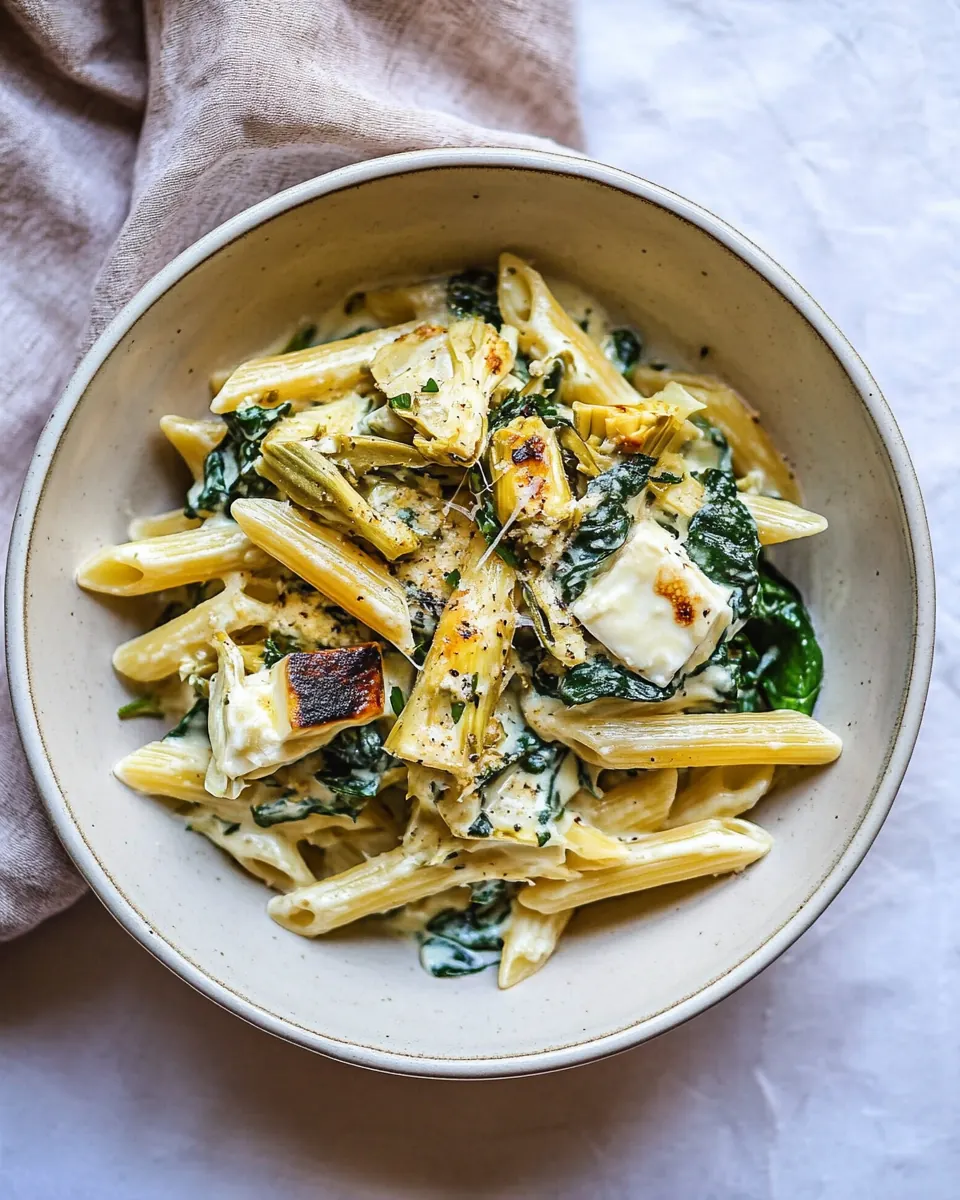
This recipe benefits from small timing and temperature choices, which can elevate the final plate. Below are practical tips that I use every time I cook this pasta, each expanded into detailed guidance to help you get consistent results.
- Control the heat when cooking garlic Use medium low heat so the garlic softens and becomes sweet rather than bitter, stirring frequently and lowering the heat if it browns too quickly to avoid an acrid flavor.
- Use starchy pasta water to finish the sauce Reserve at least 1 cup of hot pasta water and add it gradually to form a glossy emulsion with the brie and mascarpone cheese, which keeps the sauce creamy without becoming greasy or separated.
- Toast pine nuts separately if you prefer control If your skillet is crowded while cooking the artichokes, toast the pine nuts in a small dry pan first to avoid uneven browning and ensure a crisp nutty finish.
- Adjust lemon to taste Add the zest for aroma early in the final mixing, then add juice sparingly and taste so the acidity complements rather than overpowers the creamy base.
- Finish with fresh basil off heat Fold in the chopped fresh basil at the end or just off heat to preserve its bright fragrance and prevent it from turning dark and flavorless.
What to Pair With Lemony Spinach and Artichoke Brie Penne Pasta
This pasta is versatile, fitting into many occasions from a cozy weeknight to a relaxed spring dinner with friends. Pairings should complement the creamy lemon profile without overshadowing it. Below are serving suggestions, storage tips, and ideas for occasions presented in a list format for easy reading.
- Light green salad with vinaigrette A simple salad of mixed greens dressed in a tangy vinaigrette cleanses the palate and adds a crisp contrast to the creamy penne pasta. Serve the salad first to provide a refreshing prelude to the rich main.
- Crusty bread for scooping A warm loaf of crusty bread is perfect for mopping up any remaining sauce, offering a satisfying texture contrast and making the meal feel abundant and convivial.
- Serve for spring dinners or casual gatherings The fresh lemon and basil make this ideal for springtime meals, family dinners, or when friends drop by for a relaxed supper that still feels special.
- Make ahead and reheat gently Store leftovers in an airtight container refrigerated for up to two days. Reheat on low with a splash of hot water and a small spoonful of mascarpone cheese to restore creaminess and avoid drying out.
- Pair with simple roasted vegetables Lightly roasted seasonal vegetables such as asparagus or cherry tomatoes add color and a touch of caramelized sweetness that complements the tangy artichoke hearts.
- Portion for guests For a dinner party, serve this pasta family style in a large warmed bowl, and place sliced jalapeno and extra chopped basil on the side for guests to customize their plates.
- Occasion versatility This dish works for weeknight dinners, weekend lunches, and spring gatherings where you want something quick to prepare yet flavorful enough to impress.
FAQ
Conclusion
This recipe shines because it balances creamy melted cheese with bright lemon and fresh greens, creating a plate that feels indulgent and lively at the same time. Give it a try on a weeknight when you want comfort without heaviness, or bring it to a casual dinner to impress without stress. I hope you enjoy the mix of textures and flavors as much as I do, and that it becomes one of your reliable springtime favorites.
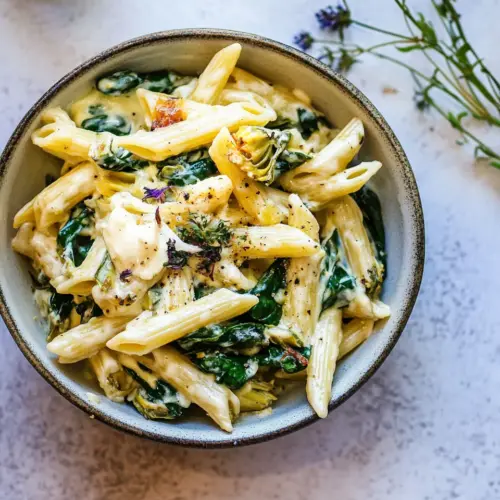
Lemony Spinach and Artichoke Brie Penne Pasta
Equipment
- Large Pot
- Medium skillet
- Colander
- Ladle
Ingredients
- 1/4 cup olive oil Infuse the dish with a fruity, peppery base and help sauté aromatics; olive oil prevents sticking and carries flavors while creating a silky mouthfeel in the sauce.
- 2 cloves garlic, minced or grated Mince finely to release pungent, savory notes and build depth; garlic browns quickly in oil and provides an aromatic backbone that complements cheese and lemon.
- 2 tablespoons raw pine nuts Toast lightly to bring out buttery, resinous flavors and add crunchy texture; pine nuts offer a subtle nuttiness that contrasts creamy cheeses and tender pasta.
- 1 teaspoon crushed red pepper flakes Add a touch of heat and smoky spice to brighten the sauce; crushed red pepper flakes deliver adjustable warmth that lifts the rich, cheesy components.
- kosher salt and pepper Season to enhance and balance all flavors while controlling taste intensity; kosher salt and pepper allow for precise seasoning during cooking and at the table.
- 1 (8 ounce) jar marinated artichoke hearts, drained Drain well and chop if needed to impart tangy, briny artichoke flavor and tender texture; marinated artichoke hearts contribute acidity and Mediterranean complexity.
- 1 pound penne pasta Cook to al dente to serve as the hearty starch foundation; penne’s ridges and tube shape trap sauce, cheese, and chopped add-ins for balanced bites.
- 2 cups fresh spinach Wilt quickly to add fresh, leafy green color and mild bitterness; fresh spinach integrates into the sauce, adding nutrients and a light vegetal contrast.
- 1/4 cup mascarpone cheese Stir in off-heat to enrich sauce with creamy, slightly sweet dairy notes; mascarpone melts smoothly, lending silkiness without overpowering delicate flavors.
- 8 ounces brie, cubed Cube and gently melt to create a luscious, aromatic cheese base with earthy, creamy richness; brie brings a velvety texture and mild tang when incorporated.
- zest + juice from 1 lemon Zest then juice to inject bright citrus aroma and acidic lift; lemon zest intensifies fragrance while juice cuts richness and balances the dish.
- 1/4 cup fresh basil, chopped Chop and fold in to contribute fresh herbal fragrance and a sweet, peppery finish; basil complements lemon and cheese with aromatic green notes.
- 1 jalapeno, sliced (optional) Slice thinly for optional spicy brightness and fresh heat; jalapeno adds crispness and a lively kick that can be removed or left for more intensity.
Instructions
- Heat the olive oil, garlic, pine nuts, crushed red pepper, and artichokes in a medium skillet over medium low heat. Cook, stirring often until the garlic is caramelized and the artichokes begin to fry and crisp on the edges, about 10 minutes. Meanwhile, bring a large pot of salted water to a boil. Boil the pasta until al dente, reserve 1 cup of the pasta cooking water and then stir in the spinach, cook 30 seconds and then drain. Add the pasta + spinach right back to the hot pot along with the mascarpone, brie, lemon zest + juice, and about 1/4 cup of the reserved pasta cooking water. Toss until creamy and combined. Add the basil and artichokes + oil, stirring to combine. Thin the sauce as desired with more pasta cooking water. Season to taste with salt and pepper. Top with jalapeños. EAT!: As the olive oil warms, inhale the gentle fruity scent rising from the pan, then add the minced garlic so it begins to release sweet, savory perfume. The pine nuts will start to sizzle and toast, turning a delicate golden, and their aroma shifts from bland to rich and nutty, which signals they are nearly done. When you add the marinated artichoke hearts , they will hiss softly and begin to release their tangy marinade essence into the oil, which creates an olive and herb infused base. Cook over medium low heat so the garlic softens without browning too fast, and stir frequently to keep the pine nuts from scorching. Why this matters: a gentle cook extracts flavor without bitterness, and the toasted nuts provide a toasty counterpoint to the creamy sauce. Troubleshooting: if your garlic starts to brown rapidly, lower the heat right away and remove the pan briefly from the burner to cool; burnt garlic will impart a bitter taste that is hard to correct.
- Cook, stirring often until the garlic is caramelized and the artichokes begin to fry and crisp on the edges, about 10 minutes: You will notice the garlic transform from pungent to sweet, the color turning pale golden and the kitchen filling with a rich, almost candy like scent. The edges of the artichoke hearts will darken slightly and develop small crisped patches that add texture. Stirring often encourages even browning and prevents any one piece from sitting against the hot spot and burning. This step builds depth of flavor through gentle caramelization, which marries beautifully with the lemon and cheeses later. Common mistake: letting the heat creep too high will char the garlic, so keep a steady medium low and move the pan if you see fast browning.
- Meanwhile, bring a large pot of salted water to a boil: The water should smell faintly mineral when it is properly salted, which seasons the penne pasta from the inside out. Use a large pot so the penne pasta has room to move and cook evenly, and wait until it reaches a full rolling boil before adding the pasta. Why this is important: well salted water and ample space ensure the pasta cooks to al dente with the best texture, not gluey or uneven. Troubleshooting: if the pot takes a long time to boil, cover it for a few minutes to speed things up, then uncover before adding the pasta to avoid boil over.
- Boil the pasta until al dente, reserve 1 cup of the pasta cooking water and then stir in the spinach, cook 30 seconds and then drain: As the penne pasta cooks, watch for the first sign of tenderness by tasting a piece; it should be firm to the bite but not chalky inside. Before draining, ladle out 1 cup of starchy pasta water, which will be your secret to a glossy, silky sauce. Stir the spinach into the hot pasta in the pot for about 30 seconds, until it collapses and turns a lively deep green, releasing a faint vegetal scent. This brief wilt preserves texture and color. Then drain the pasta and spinach together; timing matters because overcooked greens become mushy and lose their fresh note. Troubleshooting: if you forget to reserve pasta water, your sauce may be too thick; keep a little extra hot water handy instead of draining it all away.
- Add the pasta + spinach right back to the hot pot along with the mascarpone, brie, lemon zest + juice, and about 1/4 cup of the reserved pasta cooking water: The heat from the pot and the small amount of reserved water will coax the mascarpone cheese and cubed brie into a molten, glossy emulsion. You will see the cheeses soften and pool, the sauce becoming creamy and clingy as you stir. The lemon zest disperses aromatic oils, and the juice adds acidity that brightens the dairy. The sound is a gentle, wet stirring rather than vigorous bubbling, and the scent moves from toasty to luxuriously creamy with a citrus lift. This union is what creates the sauce that hugs each piece of penne pasta . Troubleshooting: if the sauce seems grainy or separated, add more hot pasta water slowly and whisk to bring it back together; do not raise the heat too high or the cheese can clump.
- Toss until creamy and combined: As you toss the pasta, notice how the sauce forms a thin, silky coating on each tube, gleaming under the light. The texture should be velvety, not greasy, and the mouthfeel is a smooth union of cheese and starchy water. Tossing rather than stirring aggressively helps maintain the sauce structure and prevents the cheese from clinging in lumps. Why this matters: even coating ensures every bite has a balance of cheese, lemon, and spinach, and the pasta water acts as an emulsifier to maintain creaminess. Troubleshooting: if the sauce sticks to the pan or seems too stiff, a tablespoon of reserved pasta water at a time will loosen it without thinning the flavor.
- Add the basil and artichokes + oil, stirring to combine: Folding in the chopped fresh basil adds an herbal perfume that lifts the entire pan, while returning the crisped artichoke hearts and their flavored oil introduces pockets of tang and texture. Stir gently so the basil wilts just enough to release aroma, and the artichokes distribute evenly throughout the pasta. You may spot shimmering droplets of oil carrying herb and marinade notes; those make the dish feel rounded and savory. Troubleshooting: if basil browns too much, add it off heat to preserve its bright flavor.
- Thin the sauce as desired with more pasta cooking water: If the sauce is thicker than you like, add reserved pasta water in small increments until it reaches a glossy, loose creaminess that still clings to the penne pasta . The starchy water gives body without diluting flavor, and it helps the sauce glide across the pasta. Sensory cue: you will see the sauce become more translucent and velvety as you add liquid. Troubleshooting: adding cold water will lower the temperature and can cause the cheeses to firm up, so use hot reserved water.
- Season to taste with salt and pepper: Taste warmed bites to determine if additional kosher salt or pepper is needed. Salt will amplify the flavors of the artichoke hearts and brie , while pepper gives a gentle bite. Season in small increments, tasting between additions, because the marinated ingredients and cheese already carry salt. Troubleshooting: oversalting is hard to fix; add an acid like a little more lemon juice or a spoonful of unsalted dairy to balance if needed.
- Top with jalapeños: The thin slices of jalapeno add fresh heat and a crisp texture when placed on top just before serving. Their vegetal snap and faint peppery aroma contrast with the creamy sauce, creating a lively finish. If you prefer less heat, remove seeds and membranes, or leave the jalapeno off entirely. Troubleshooting: if the jalapeno overwhelms, serve with a cooling spoonful of extra mascarpone cheese on the side to mellow the spice.
- EAT: Sit down while the pasta is hot so you can enjoy the full sensory experience, from the steam carrying lemon and basil aromas to the contrast of creamy sauce and crisped artichokes. Take note of balance and texture, and savor how the bright lemon keeps the dish feeling lively. Troubleshooting: if leftovers seem dry the next day, gently reheat with a splash of hot water and a small knob of mascarpone cheese to restore creaminess.
Notes
- Control the heat when cooking garlic Use medium low heat so the garlic softens and becomes sweet rather than bitter, stirring frequently and lowering the heat if it browns too quickly to avoid an acrid flavor.
- Use starchy pasta water to finish the sauce Reserve at least 1 cup of hot pasta water and add it gradually to form a glossy emulsion with the brie and mascarpone cheese, which keeps the sauce creamy without becoming greasy or separated.
- Toast pine nuts separately if you prefer control If your skillet is crowded while cooking the artichokes, toast the pine nuts in a small dry pan first to avoid uneven browning and ensure a crisp nutty finish.
- Adjust lemon to taste Add the zest for aroma early in the final mixing, then add juice sparingly and taste so the acidity complements rather than overpowers the creamy base.
- Finish with fresh basil off heat Fold in the chopped fresh basil at the end or just off heat to preserve its bright fragrance and prevent it from turning dark and flavorless.