Apple Pie Deep Dish Skillet Cookie
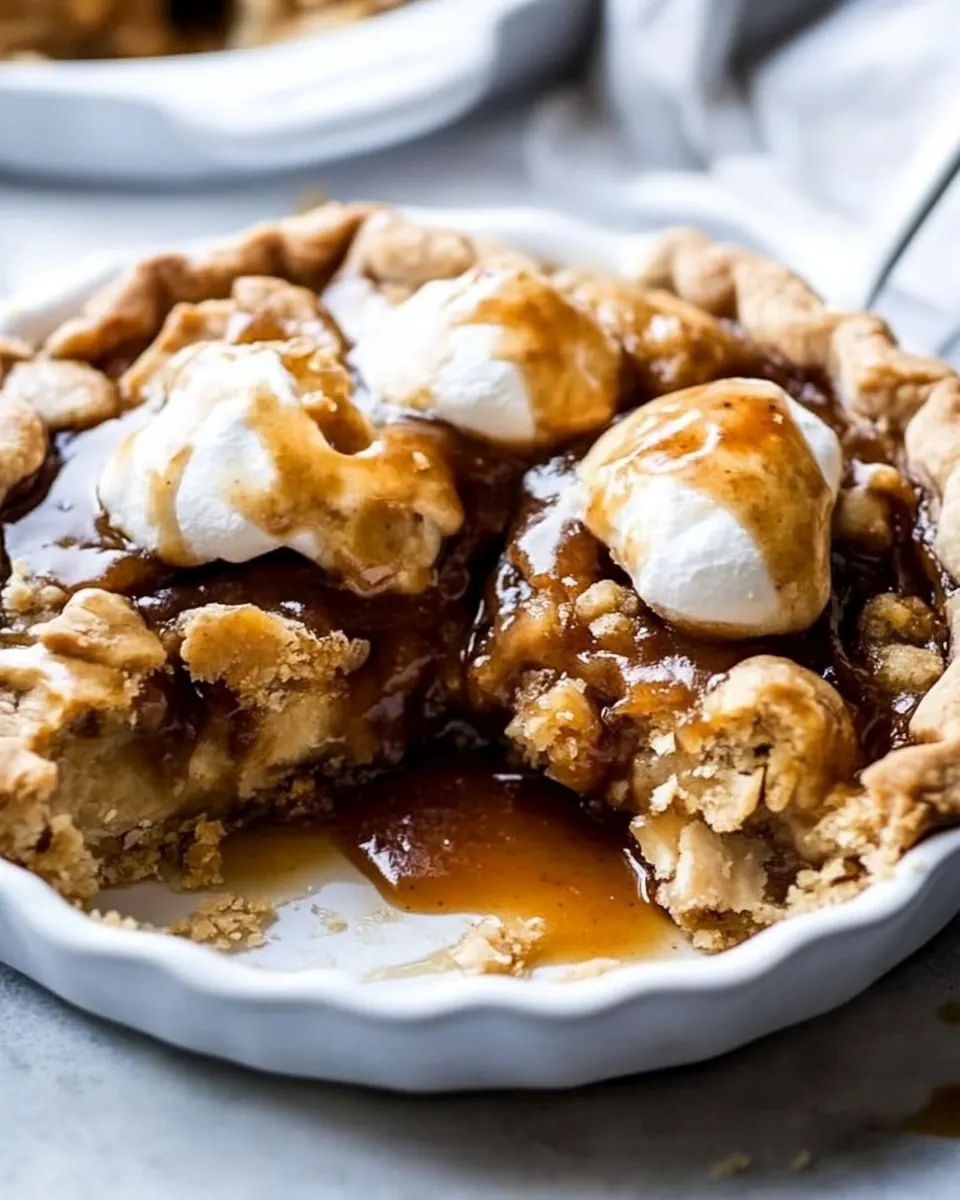
Apple Pie Deep Dish Skillet Cookie is one of those recipes I turn to when the air cools and the kitchen needs to smell like comfort. The first time I made this, I was chasing a memory of warm bakery windows from my childhood, and the skillet version brought that nostalgia back in a single, glorious pan. I still remember lifting the lid and seeing the bubbling carameled apples meet a tender, golden cookie, and how everyone gathered without being asked.
Over the years I’ve adjusted small things in this recipe to balance texture and flavor, and this version lands squarely on the cozy side of the scale. It celebrates both the crispness of apples and the buttery, slightly chewy texture of a cookie baked in a deep dish. I enjoy talking through the little choices with guests while it bakes, because the aroma does much of the convincing myself.
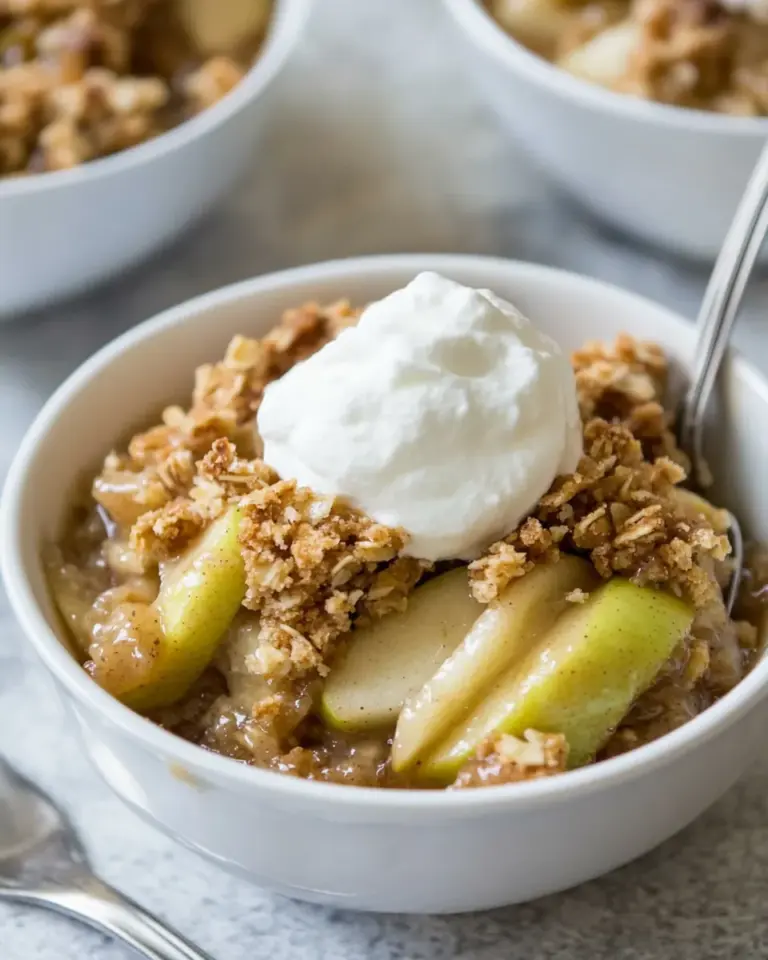
When I serve Apple Pie Deep Dish Skillet Cookie, I like to slice it into generous wedges that feel like a hug on a plate. Each slice carries the warmth of cinnamon and caramel, the soft give of baked apples, and that satisfying edge where the cookie caramelizes against the skillet. Making it has become my go to for casual gatherings and quiet weekends alike, and every time I bake it I learn a tiny thing that nudges the texture closer to perfect.
Recipe Snapshot
1 hr 5 mins
25 mins
40 mins
Medium
300 kcal
American
Gluten-Free, Paleo
Desserts
9-inch skillet, small saucepan, oven, mixing bowls, wooden spoon
Why This Apple Pie Deep Dish Skillet Cookie Works
Comfort in a Pan
I love that Apple Pie Deep Dish Skillet Cookie gives you full dessert comfort without fuss. The single pan approach means fewer dishes and maximum impact, and the result tastes like a pie and a cookie had a very happy meeting. I often tell friends this is the dessert that feels homemade even when you`re pressed for time.
Balanced Textures
The contrast between tender, caramelized apples and the slightly chewy cookie topping is why I keep coming back to this recipe. The apples soften and release juices that mingle with brown sugar, and the cookie browns around the edges while staying fudgy inside. That interplay of textures is what makes every bite interesting.
Layered Flavors
There is real depth here from simple ingredients. The combination of granulated and brown sugar adds caramel notes, while a touch of vanilla and warm cinnamon brightens the filling. I find that these small flavor layers add up to a dessert that tastes much more complex than the ingredient list implies.
Friendly for Gatherings
This dish scales emotionally for company. It slices into sixteen satisfying pieces, and because it can be baked ahead and served at room temperature, it`ll take the pressure off hosting. I`ve learned to time the baking so I can greet guests, and then bring out a warm, fragrant skillet that always gets compliments.
Easy to Customize
Whether you want a touch more caramel or a firmer apple bite, this recipe adapts well. I`ve swapped apple varieties and adjusted the cinnamon sugar topping depending on the season, and each change keeps the core appeal intact. That flexibility makes it a recipe I recommend to anyone who likes to put a personal stamp on desserts.
What to Buy for Apple Pie Deep Dish Skillet Cookie
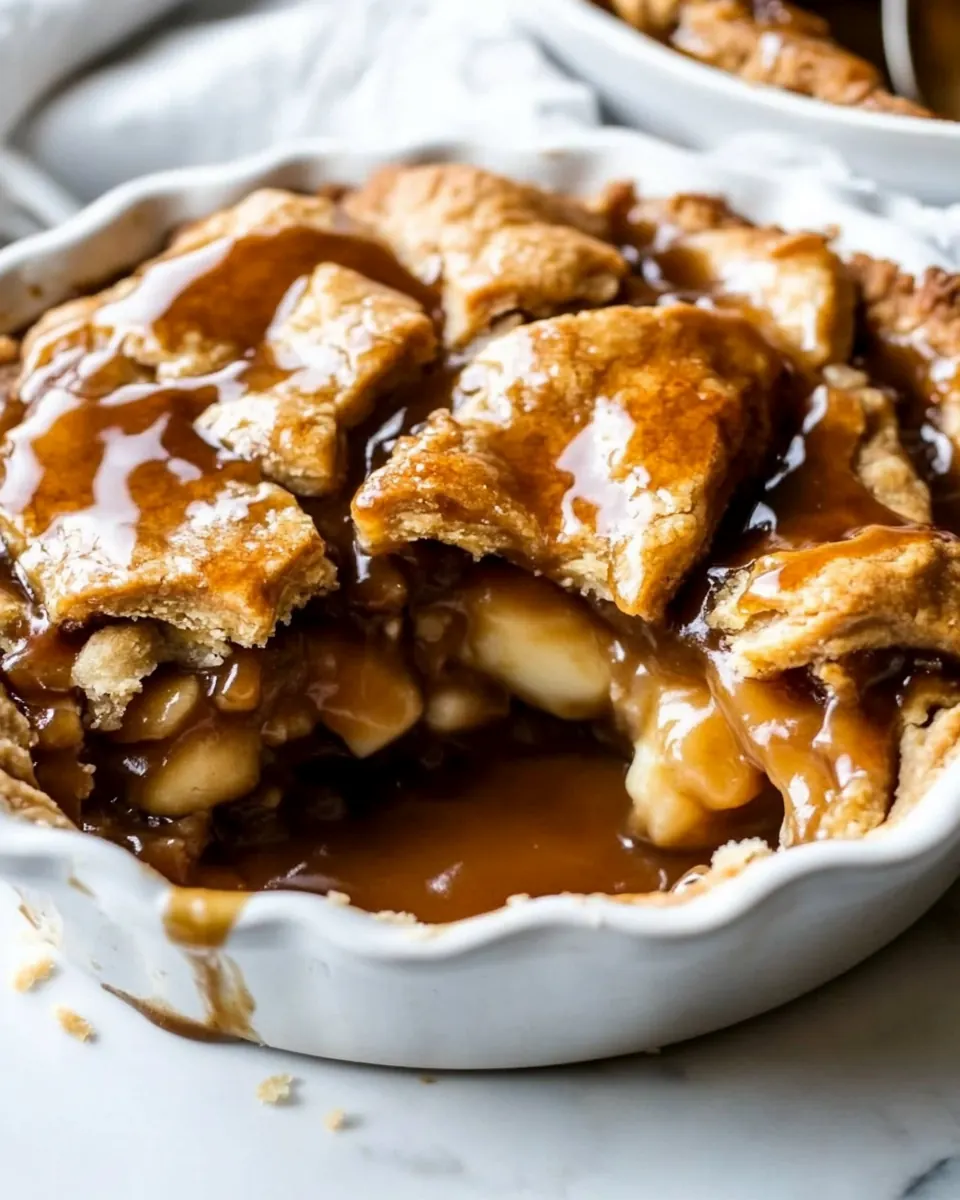
For this recipe I focus on a small set of ingredients that work together to create layered sweetness, buttery richness, and warm spice. The key players are the apples, which bring a fresh, juicy base, and the buttery cookie dough that bakes into a tender, slightly chewy crust. Sugars and vanilla build caramel notes, while cinnamon and a pinch of salt sharpen the flavors so each bite is balanced and never cloying.
- 2 medium red apples cored and finely diced: Cored and finely diced to provide tender, baked apple pieces that distribute evenly through the skillet cookie, adding moisture and natural sweetness. Enhances texture with small fruit bursts and pairs with spices for warm flavor. Use firm red apples to maintain shape during baking.
- 1 tablespoon butter option to use reduced fat or your spread of choice: Melted or stirred in to sauté diced apples briefly, softening them and adding a rich buttery flavor that complements the fruit. Can be substituted with reduced-fat spreads to cut calories while still providing mouthfeel. Helps carry cinnamon and sugar into the apple pieces.
- 1/2 teaspoon ground cinnamon: Sprinkled into the cooked apples to infuse warm, aromatic spice that enhances apple flavor and balances sweetness. Works in small quantities to avoid overpowering the dessert. Blends smoothly with brown sugar and butter.
- 1 teaspoon vanilla extract: Added to the apple mixture to boost depth of flavor with vanilla's sweet, floral notes that complement cinnamon and brown sugar. Enhances overall aroma and rounds out the fruitiness. Use pure vanilla extract for best results.
- 1 tablespoon brown sugar: Sprinkled over the apples as a quick sweetener while sautéing, helping to caramelize the fruit slightly and intensify the filling. Adds molasses notes and pairs well with butter and cinnamon. Balances tartness from the apples.
- 1/2 cup butter softened at room temperature: Softened at room temperature to cream with sugars and create a rich, tender cookie dough base that yields a soft, buttery crumb. Provides fat for moisture, structure, and flavor throughout the skillet cookie. Ensure fully softened for easy mixing.
- 1 cup brown sugar: Creamed with butter to dissolve into the dough and provide sweetness, moisture, and chewiness in the finished cookie. Supplies bulk sweetening and contributes to caramelized edges during baking. Brown sugar adds deeper, molasses-like notes.
- 1 tablespoon vanilla extract: Folded into the dough to impart warm, sweet vanilla flavor and enhance overall aroma of the baked cookie. Helps unify flavors and complements the apple filling. Use the same extract measured earlier to maintain consistency.
- 1 large egg: Beaten into the creamed butter and sugar to add structure, moisture, and richness, helping bind the dough and support leavening. Contributes to tenderness and helps the cookie set while baking. Use at room temperature for even incorporation.
- 1 cup flour: Measured and combined with leavening agents to form the dry structure of the cookie, providing bulk and a tender crumb when mixed with fats and eggs. Gluten development should be controlled to avoid toughness. Spoon and level for accurate measurement.
- 1/4 teaspoon baking powder: Added to the dry ingredients to provide a gentle lift and lightness in the cookie, helping it rise slightly and avoid a dense texture. Works subtly in small amounts when combined with egg and creamed butter. Ensure even distribution in the flour.
- 1/4 teaspoon of salt: Mixed into the dry ingredients to season and balance sweetness while enhancing other flavors; it also strengthens gluten slightly when combined with liquid. A small amount prevents the cookie from tasting flat. Use measured salt for consistent results.
- 1 tablespoon cinnamon sugar: Sprinkled over the assembled apple layer to add a crunchy, sweet-spiced topping that caramelizes during baking and enhances the dessert's presentation. Provides immediate cinnamon–sugar flavor punch and a contrasting texture. Use evenly for balance.
- 1 medium Apple cored and finely sliced: Cored and finely sliced to create larger apple slices for layering on top of the dough, adding visual appeal and tender fruit texture after baking. Contributes to a pronounced apple presence and can be arranged decoratively. Choose firm apples to hold shape.
- 2 tablespoons light/reduced fat butter: Added in small portions to brush or dot on apples to add buttery richness while keeping calories lower if using light butter, which helps with browning and flavor. Melts into the fruit creating a glossy finish and helps sugar caramelize. Use sparingly for best balance.
- 2 tablespoons brown sugar: Sprinkled over the sliced apples to sweeten and encourage caramelization, enhancing the fruit's flavor and producing a syrupy glaze as it melts. Complements cinnamon sugar and butter on the top layer. Distribute evenly for consistent sweetness.
- 1 pinch salt: Used sparingly to enhance overall flavor by bringing out sweetness and balancing the brown sugar and butter, while preventing the dessert from tasting flat. A tiny pinch helps round flavors without noticeable salinity. Add cautiously to avoid over-salting.
How to Cook Apple Pie Deep Dish Skillet Cookie
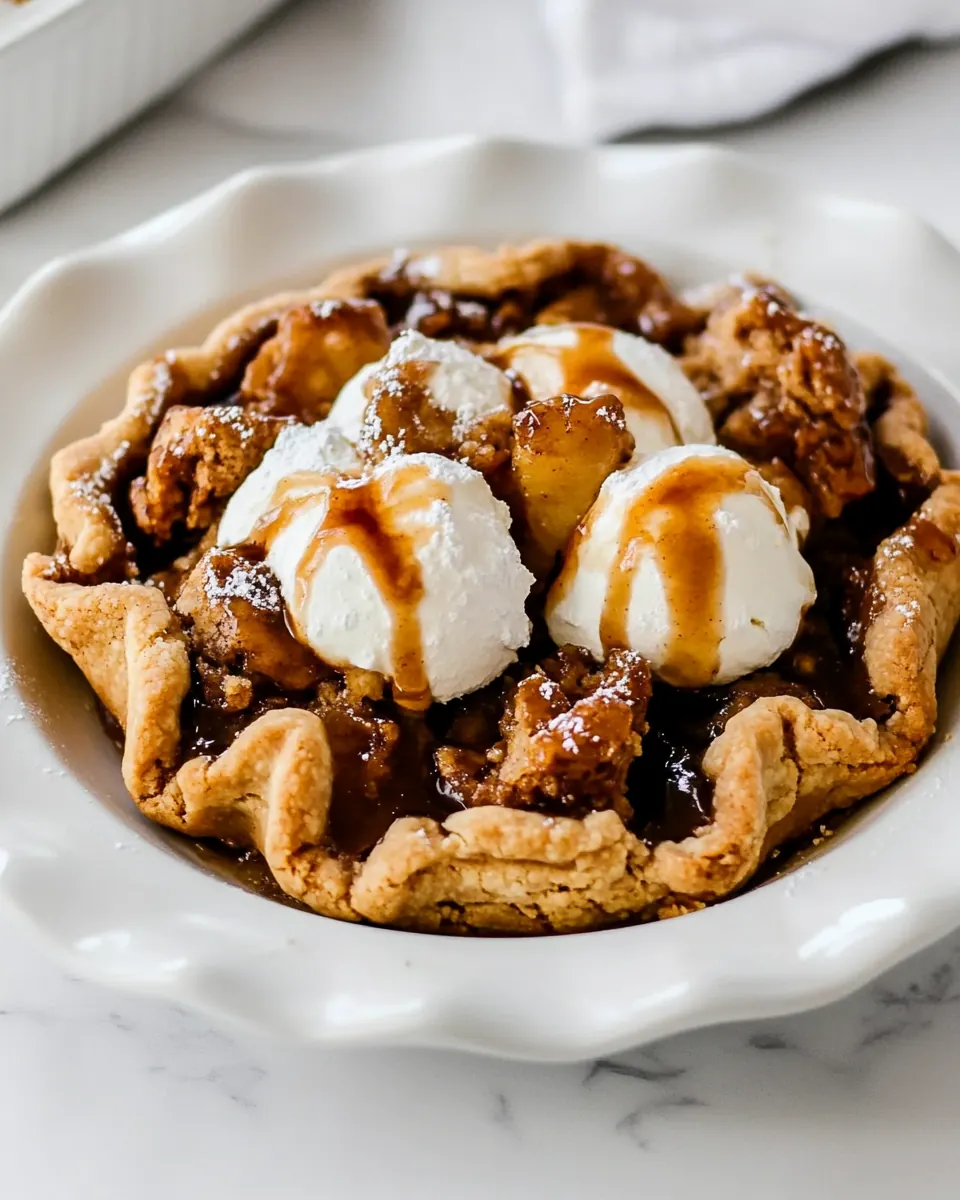
This recipe is approachable and rewarding, and the steps below guide you from warming the filling through to cutting neat slices. I like to be near the oven so I can catch the visual cues as the cookie moves from soft to set, and I often test a few corners for doneness to avoid over baking.
- Preheat oven 176 c | 350 f. Lightly grease a 9-inch skillet (or round pie dish) with butter/oil; wipe over excess with paper towel and set aside.: The air should warm evenly before the pan goes in, creating a predictable bake and a nicely browned edge. You will notice the oven smell change from neutral to warm and slightly sweet as it reaches temperature, which helps the cookie rise and set correctly. Greasing the skillet ensures the cookie releases easily later, and wiping excess prevents an oily bottom. A common mistake is skipping the wipe step, which can pool butter and cause uneven browning around the base.
- Combine all Apple Pie Filling ingredients in a small saucepan. Bring to a boil; reduce heat and gently simmer while occasionally stirring, until apples have softened (about 10 minutes) and caramel has thickened.: As the filling simmers, you`ll see the apples soften and the sugars melt into a glossy caramel that clings to the fruit. Listen for a soft bubbling and smell the cinnamon lift as it cooks, which signals that flavors are melding. Stirring occasionally prevents the sugar from sticking and burning, and simmering gently preserves apple texture without turning them to mush. Avoid vigorous boiling, which can evaporate too much liquid and make the filling overly sticky rather than saucy.
- In the meantime, prepare cookie by combining the butter, sugar and vanilla into a large bowl, and whisk until light and creamy. Add the egg and whisk again until smooth.: Creaming until light introduces air that makes the cookie tender. You`ll notice the mixture lighten in color and become smoother, with a faint, sweet aroma of vanilla . The texture should be free of grainy sugar pockets; if it still feels granular, whisk a bit longer. Over mixing with high speed can make the dough too soft, so aim for a gentle, fluffy texture rather than an overly aerated batter.
- In another bowl, mix together the flour, baking powder and salt. Using a wooden spoon, stir flour into the batter and slowly mix until just combined (do not over beat). Spoon 2/3 the cookie dough into the pan.: Incorporating the egg binds the batter and adds moisture. The batter will look more cohesive and slightly glossy after mixing the egg in. If the batter splits or looks curdled, a brief, gentle whisk usually brings it back together; do not panic and add more liquid. A frequent error is adding a cold egg to very soft butter, which can cause separation, so use room temperature ingredients for a smooth mix.
- Pour the Apple Pie Filling over the cookie dough 1-inch from the edges. Spoon remaining cookie dough batter over the top of the apple mixture and sprinkle with cinnamon sugar (optional): Dry ingredients should be evenly distributed so the rise and seasoning are uniform. You may notice a dry, powdery aroma with a faint mineral note from the salt . Sifting is optional, but whisking thoroughly eliminates clumps and ensures the baking powder is dispersed. Not mixing the dry ingredients well can create pockets of baking agent that affect texture, so take the extra moment to combine them evenly.
- Bake for 35-40 minutes until a toothpick inserted into the centre comes out slightly dirty. The cookie will be moist and fudgy when taken out, but will set and firm as it cools. Don't over bake or it will become dry.: Folding flour gently preserves the batter`s tenderness. You`ll feel the batter thicken and see streaks disappear as the flour incorporates. A slightly sticky texture is normal, and it will bake into a moist center rather than a dense block. Over beating develops gluten and makes the cookie tough, so stop when the flour is mostly combined and a few tiny streaks remain, they will disappear during resting and baking.
- Once cooled, cut into 16 slices. Serve with Salted Caramel Apple Topping.: The dough will spread into a rustic base, and pressing it lightly with the back of the spoon helps form an even layer. You want a slightly thicker rim so the edges can brown and crisp, creating contrast with the soft center. If the dough is too cold and stiff, it may be hard to spread, but a few seconds at room temperature softens it just enough. A common slip is to press so hard you compress air pockets that would have contributed to tenderness in the finished cookie.
- Combine all ingredients into the same saucepan you used for the Apple Pie Filling. Bring to a boil; reduce heat and gently simmer until apple slices have softened and caramel has thickened.: Leaving space near the rim allows the cookie to bake up and brown, framing the filling. As you pour, you`ll see the glossy caramel and softened apples settle into the dough pocket, and the contrast is visually satisfying. This placement prevents the filling from leaking over the sides and burning. Overfilling or pushing the filling to the edges can cause the caramel to bubble over and scorch, so keep that one inch clear.
- Spoon remaining cookie dough batter over the top of the apple mixture and sprinkle with cinnamon sugar (optional): Dabbing and dropping the remaining dough in patches creates a patchwork top that will bake into slightly crisp islands with tender valleys between. The cinnamon sugar melts and forms sweet, crunchy spots on the surface. Aim for even coverage rather than smearing the dough thin, which would reduce the pleasing contrast between top and bottom. A common error is flattening the top too much and losing the texture contrast.
- Bake for 35 to 40 minutes until a toothpick inserted into the centre comes out slightly dirty: While baking, the kitchen will fill with buttery, spiced aromas and the edges will turn a deep golden brown. The center should jiggle slightly and feel soft but not liquid; the toothpick test showing moist crumbs indicates the perfect fudgy interior. The cookie continues to set as it cools, so pulling it a touch early preserves tenderness. Over baking results in dryness, so resist baking until completely clean on the toothpick.
- Once cooled, cut into 16 slices. Serve with Salted Caramel Apple Topping: After resting, the dessert firms and slices neatly, revealing layers of caramelized filling and cookie. I love serving each wedge warm or at room temperature, and the topping adds a glossy, sweet finish. A misstep is slicing while too warm, which can cause sloppy wedges, so wait until the skillet is warm to the touch for cleaner portions.
- Combine all ingredients into the same saucepan you used for the Apple Pie Filling. Bring to a boil; reduce heat and gently simmer until apple slices have softened and caramel has thickened: Making the topping in the same pan layers flavor and simplifies cleanup. You will see the apple slices soften quickly and the mixture bubble into a thick, shiny sauce that clings to the fruit. Stirring keeps the caramel from sticking and ensures even cooking. If you let it boil too hard, the sauce can reduce too far and become gluey, so keep it gentle and watch the consistency closely.
How to Switch It Up
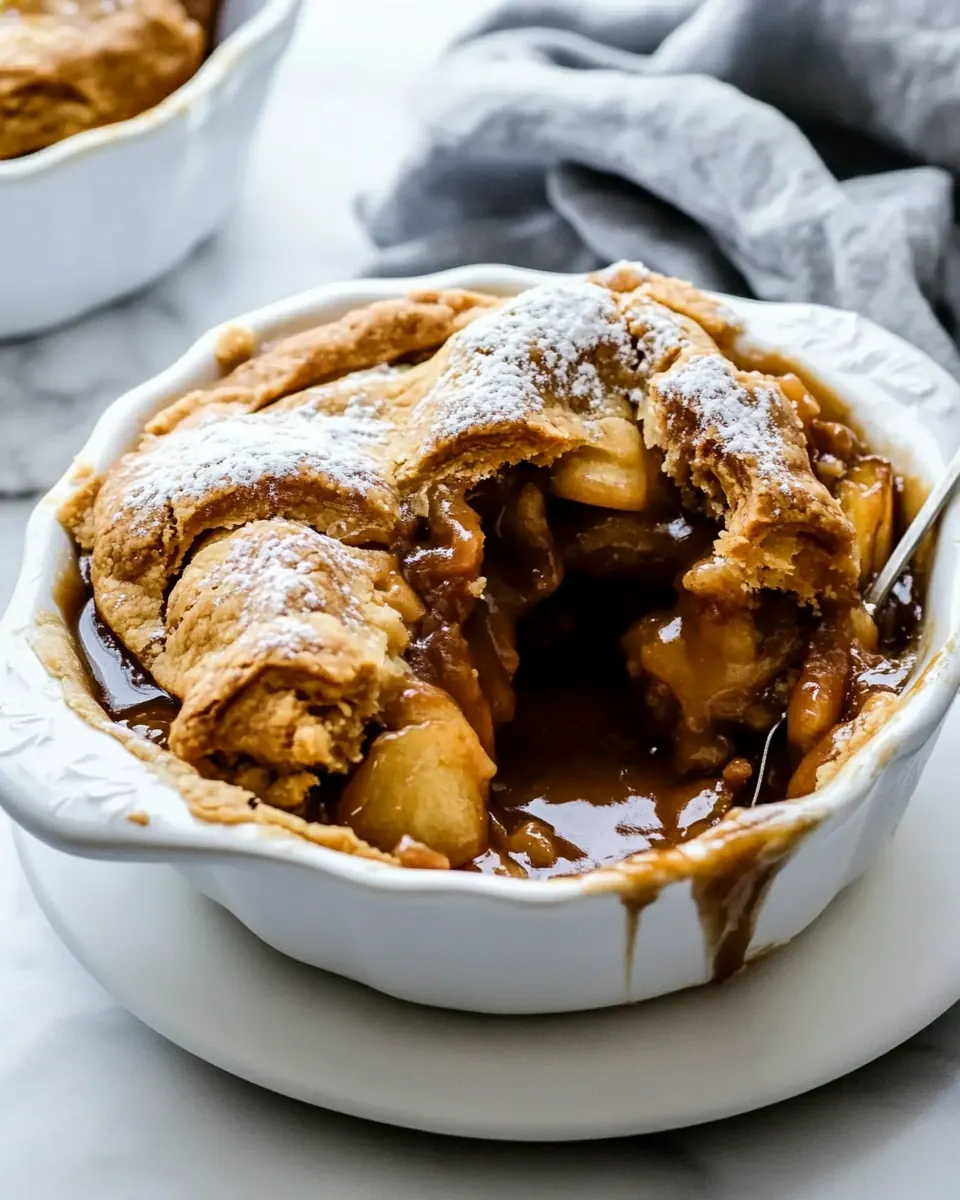
You can tweak texture, flavor, and presentation easily without changing the core method. Below are several practical ways to switch things up while keeping the spirit of Apple Pie Deep Dish Skillet Cookie intact.
- Use a different apple variety: Swap in Granny Smith for more tang and structure, or Gala for extra sweetness, adjusting simmer time slightly so slices reach the right tenderness.
- Adjust the sugar balance: Reduce the dough brown sugar slightly if you prefer a less sweet dessert, keeping in mind the filling also contains sugar that caramelizes.
- Try a crisp topping: Sprinkle a modest amount of extra cinnamon sugar right before baking for a crunchy top, watching carefully so it does not burn.
- Make the topping earlier: Prepare the Salted Caramel Apple Topping ahead and reheat gently, which speeds serving and lets flavors meld overnight.
- Swap spreads for butter: Use a light or reduced fat spread where the recipe suggests lighter butter, which slightly changes mouthfeel but keeps the dessert approachable.
Pairing Suggestions for Apple Pie Deep Dish Skillet Cookie
This dessert pairs well with warm beverages and simple accompaniments that echo its flavors. I like to think through texture contrasts and temperature when planning a serving, aiming for balance so the skillet remains the star.
- Serve warm with a soft scoop: A scoop of plain or lightly sweetened ice cream complements the warm, spiced interior and adds a cool creamy contrast.
- Offer a drizzle: A thin ribbon of salted caramel over each slice reinforces the dessert`s caramel notes and gives a glossy finish.
- Good for gatherings: This skillet cookie suits casual dinners and holiday tables alike, especially during fall and Thanksgiving, where its aroma and sharing format shine.
- Storage tips: Store cooled slices in an airtight container at room temperature for up to two days, or refrigerate up to five days; rewarm gently before serving to restore softness.
- Seasonal pairing: Lean into autumn by serving alongside warm spiced beverages or after a comforting family meal when guests expect familiar flavors.
FAQ
Conclusion
This recipe is special because it merges the best of apple pie and cookie into one shareable skillet that is both comforting and deceptively simple. Give it a try when you want a dessert that impresses with minimal fuss, and enjoy the warm scents and cozy texture that come out of your oven. I hope this becomes a go to for your gatherings and quiet weekends alike, a recipe that delivers warmth, nostalgia, and plenty of slices to share.
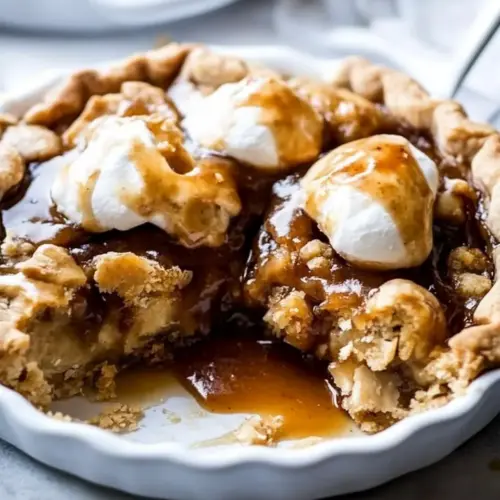
Apple Pie Deep Dish Skillet Cookie
Equipment
- 9-inch skillet
- Small Saucepan
- Oven
- Mixing Bowls
- Wooden Spoon
Ingredients
- 2 medium red apples cored and finely diced Cored and finely diced to provide tender, baked apple pieces that distribute evenly through the skillet cookie, adding moisture and natural sweetness. Enhances texture with small fruit bursts and pairs with spices for warm flavor. Use firm red apples to maintain shape during baking.
- 1 tablespoon butter option to use reduced fat or your spread of choice Melted or stirred in to sauté diced apples briefly, softening them and adding a rich buttery flavor that complements the fruit. Can be substituted with reduced-fat spreads to cut calories while still providing mouthfeel. Helps carry cinnamon and sugar into the apple pieces.
- 1/2 teaspoon ground cinnamon Sprinkled into the cooked apples to infuse warm, aromatic spice that enhances apple flavor and balances sweetness. Works in small quantities to avoid overpowering the dessert. Blends smoothly with brown sugar and butter.
- 1 teaspoon vanilla extract Added to the apple mixture to boost depth of flavor with vanilla's sweet, floral notes that complement cinnamon and brown sugar. Enhances overall aroma and rounds out the fruitiness. Use pure vanilla extract for best results.
- 1 tablespoon brown sugar Sprinkled over the apples as a quick sweetener while sautéing, helping to caramelize the fruit slightly and intensify the filling. Adds molasses notes and pairs well with butter and cinnamon. Balances tartness from the apples.
- 1/2 cup butter softened at room temperature Softened at room temperature to cream with sugars and create a rich, tender cookie dough base that yields a soft, buttery crumb. Provides fat for moisture, structure, and flavor throughout the skillet cookie. Ensure fully softened for easy mixing.
- 1 cup brown sugar Creamed with butter to dissolve into the dough and provide sweetness, moisture, and chewiness in the finished cookie. Supplies bulk sweetening and contributes to caramelized edges during baking. Brown sugar adds deeper, molasses-like notes.
- 1 tablespoon vanilla extract Folded into the dough to impart warm, sweet vanilla flavor and enhance overall aroma of the baked cookie. Helps unify flavors and complements the apple filling. Use the same extract measured earlier to maintain consistency.
- 1 large egg Beaten into the creamed butter and sugar to add structure, moisture, and richness, helping bind the dough and support leavening. Contributes to tenderness and helps the cookie set while baking. Use at room temperature for even incorporation.
- 1 cup flour Measured and combined with leavening agents to form the dry structure of the cookie, providing bulk and a tender crumb when mixed with fats and eggs. Gluten development should be controlled to avoid toughness. Spoon and level for accurate measurement.
- 1/4 teaspoon baking powder Added to the dry ingredients to provide a gentle lift and lightness in the cookie, helping it rise slightly and avoid a dense texture. Works subtly in small amounts when combined with egg and creamed butter. Ensure even distribution in the flour.
- 1/4 teaspoon of salt Mixed into the dry ingredients to season and balance sweetness while enhancing other flavors; it also strengthens gluten slightly when combined with liquid. A small amount prevents the cookie from tasting flat. Use measured salt for consistent results.
- 1 tablespoon cinnamon sugar Sprinkled over the assembled apple layer to add a crunchy, sweet-spiced topping that caramelizes during baking and enhances the dessert's presentation. Provides immediate cinnamon-sugar flavor punch and a contrasting texture. Use evenly for balance.
- 1 medium Apple cored and finely sliced Cored and finely sliced to create larger apple slices for layering on top of the dough, adding visual appeal and tender fruit texture after baking. Contributes to a pronounced apple presence and can be arranged decoratively. Choose firm apples to hold shape.
- 2 tablespoons light/reduced fat butter Added in small portions to brush or dot on apples to add buttery richness while keeping calories lower if using light butter, which helps with browning and flavor. Melts into the fruit creating a glossy finish and helps sugar caramelize. Use sparingly for best balance.
- 2 tablespoons brown sugar Sprinkled over the sliced apples to sweeten and encourage caramelization, enhancing the fruit's flavor and producing a syrupy glaze as it melts. Complements cinnamon sugar and butter on the top layer. Distribute evenly for consistent sweetness.
- 1 pinch salt Used sparingly to enhance overall flavor by bringing out sweetness and balancing the brown sugar and butter, while preventing the dessert from tasting flat. A tiny pinch helps round flavors without noticeable salinity. Add cautiously to avoid over-salting.
Instructions
- Preheat oven 176 c | 350 f. Lightly grease a 9-inch skillet (or round pie dish) with butter/oil; wipe over excess with paper towel and set aside.: The air should warm evenly before the pan goes in, creating a predictable bake and a nicely browned edge. You will notice the oven smell change from neutral to warm and slightly sweet as it reaches temperature, which helps the cookie rise and set correctly. Greasing the skillet ensures the cookie releases easily later, and wiping excess prevents an oily bottom. A common mistake is skipping the wipe step, which can pool butter and cause uneven browning around the base.
- Combine all Apple Pie Filling ingredients in a small saucepan. Bring to a boil; reduce heat and gently simmer while occasionally stirring, until apples have softened (about 10 minutes) and caramel has thickened.: As the filling simmers, you`ll see the apples soften and the sugars melt into a glossy caramel that clings to the fruit. Listen for a soft bubbling and smell the cinnamon lift as it cooks, which signals that flavors are melding. Stirring occasionally prevents the sugar from sticking and burning, and simmering gently preserves apple texture without turning them to mush. Avoid vigorous boiling, which can evaporate too much liquid and make the filling overly sticky rather than saucy.
- In the meantime, prepare cookie by combining the butter, sugar and vanilla into a large bowl, and whisk until light and creamy. Add the egg and whisk again until smooth.: Creaming until light introduces air that makes the cookie tender. You`ll notice the mixture lighten in color and become smoother, with a faint, sweet aroma of vanilla . The texture should be free of grainy sugar pockets; if it still feels granular, whisk a bit longer. Over mixing with high speed can make the dough too soft, so aim for a gentle, fluffy texture rather than an overly aerated batter.
- In another bowl, mix together the flour, baking powder and salt. Using a wooden spoon, stir flour into the batter and slowly mix until just combined (do not over beat). Spoon 2/3 the cookie dough into the pan.: Incorporating the egg binds the batter and adds moisture. The batter will look more cohesive and slightly glossy after mixing the egg in. If the batter splits or looks curdled, a brief, gentle whisk usually brings it back together; do not panic and add more liquid. A frequent error is adding a cold egg to very soft butter, which can cause separation, so use room temperature ingredients for a smooth mix.
- Pour the Apple Pie Filling over the cookie dough 1-inch from the edges. Spoon remaining cookie dough batter over the top of the apple mixture and sprinkle with cinnamon sugar (optional): Dry ingredients should be evenly distributed so the rise and seasoning are uniform. You may notice a dry, powdery aroma with a faint mineral note from the salt . Sifting is optional, but whisking thoroughly eliminates clumps and ensures the baking powder is dispersed. Not mixing the dry ingredients well can create pockets of baking agent that affect texture, so take the extra moment to combine them evenly.
- Bake for 35-40 minutes until a toothpick inserted into the centre comes out slightly dirty. The cookie will be moist and fudgy when taken out, but will set and firm as it cools. Don't over bake or it will become dry.: Folding flour gently preserves the batter`s tenderness. You`ll feel the batter thicken and see streaks disappear as the flour incorporates. A slightly sticky texture is normal, and it will bake into a moist center rather than a dense block. Over beating develops gluten and makes the cookie tough, so stop when the flour is mostly combined and a few tiny streaks remain, they will disappear during resting and baking.
- Once cooled, cut into 16 slices. Serve with Salted Caramel Apple Topping.: The dough will spread into a rustic base, and pressing it lightly with the back of the spoon helps form an even layer. You want a slightly thicker rim so the edges can brown and crisp, creating contrast with the soft center. If the dough is too cold and stiff, it may be hard to spread, but a few seconds at room temperature softens it just enough. A common slip is to press so hard you compress air pockets that would have contributed to tenderness in the finished cookie.
- Combine all ingredients into the same saucepan you used for the Apple Pie Filling. Bring to a boil; reduce heat and gently simmer until apple slices have softened and caramel has thickened.: Leaving space near the rim allows the cookie to bake up and brown, framing the filling. As you pour, you`ll see the glossy caramel and softened apples settle into the dough pocket, and the contrast is visually satisfying. This placement prevents the filling from leaking over the sides and burning. Overfilling or pushing the filling to the edges can cause the caramel to bubble over and scorch, so keep that one inch clear.
- Spoon remaining cookie dough batter over the top of the apple mixture and sprinkle with cinnamon sugar (optional): Dabbing and dropping the remaining dough in patches creates a patchwork top that will bake into slightly crisp islands with tender valleys between. The cinnamon sugar melts and forms sweet, crunchy spots on the surface. Aim for even coverage rather than smearing the dough thin, which would reduce the pleasing contrast between top and bottom. A common error is flattening the top too much and losing the texture contrast.
- Bake for 35 to 40 minutes until a toothpick inserted into the centre comes out slightly dirty: While baking, the kitchen will fill with buttery, spiced aromas and the edges will turn a deep golden brown. The center should jiggle slightly and feel soft but not liquid; the toothpick test showing moist crumbs indicates the perfect fudgy interior. The cookie continues to set as it cools, so pulling it a touch early preserves tenderness. Over baking results in dryness, so resist baking until completely clean on the toothpick.
- Once cooled, cut into 16 slices. Serve with Salted Caramel Apple Topping: After resting, the dessert firms and slices neatly, revealing layers of caramelized filling and cookie. I love serving each wedge warm or at room temperature, and the topping adds a glossy, sweet finish. A misstep is slicing while too warm, which can cause sloppy wedges, so wait until the skillet is warm to the touch for cleaner portions.
- Combine all ingredients into the same saucepan you used for the Apple Pie Filling. Bring to a boil; reduce heat and gently simmer until apple slices have softened and caramel has thickened: Making the topping in the same pan layers flavor and simplifies cleanup. You will see the apple slices soften quickly and the mixture bubble into a thick, shiny sauce that clings to the fruit. Stirring keeps the caramel from sticking and ensures even cooking. If you let it boil too hard, the sauce can reduce too far and become gluey, so keep it gentle and watch the consistency closely.
Notes
- Use a different apple variety: Swap in Granny Smith for more tang and structure, or Gala for extra sweetness, adjusting simmer time slightly so slices reach the right tenderness.
- Adjust the sugar balance: Reduce the dough brown sugar slightly if you prefer a less sweet dessert, keeping in mind the filling also contains sugar that caramelizes.
- Try a crisp topping: Sprinkle a modest amount of extra cinnamon sugar right before baking for a crunchy top, watching carefully so it does not burn.
- Make the topping earlier: Prepare the Salted Caramel Apple Topping ahead and reheat gently, which speeds serving and lets flavors meld overnight.
- Swap spreads for butter: Use a light or reduced fat spread where the recipe suggests lighter butter, which slightly changes mouthfeel but keeps the dessert approachable.