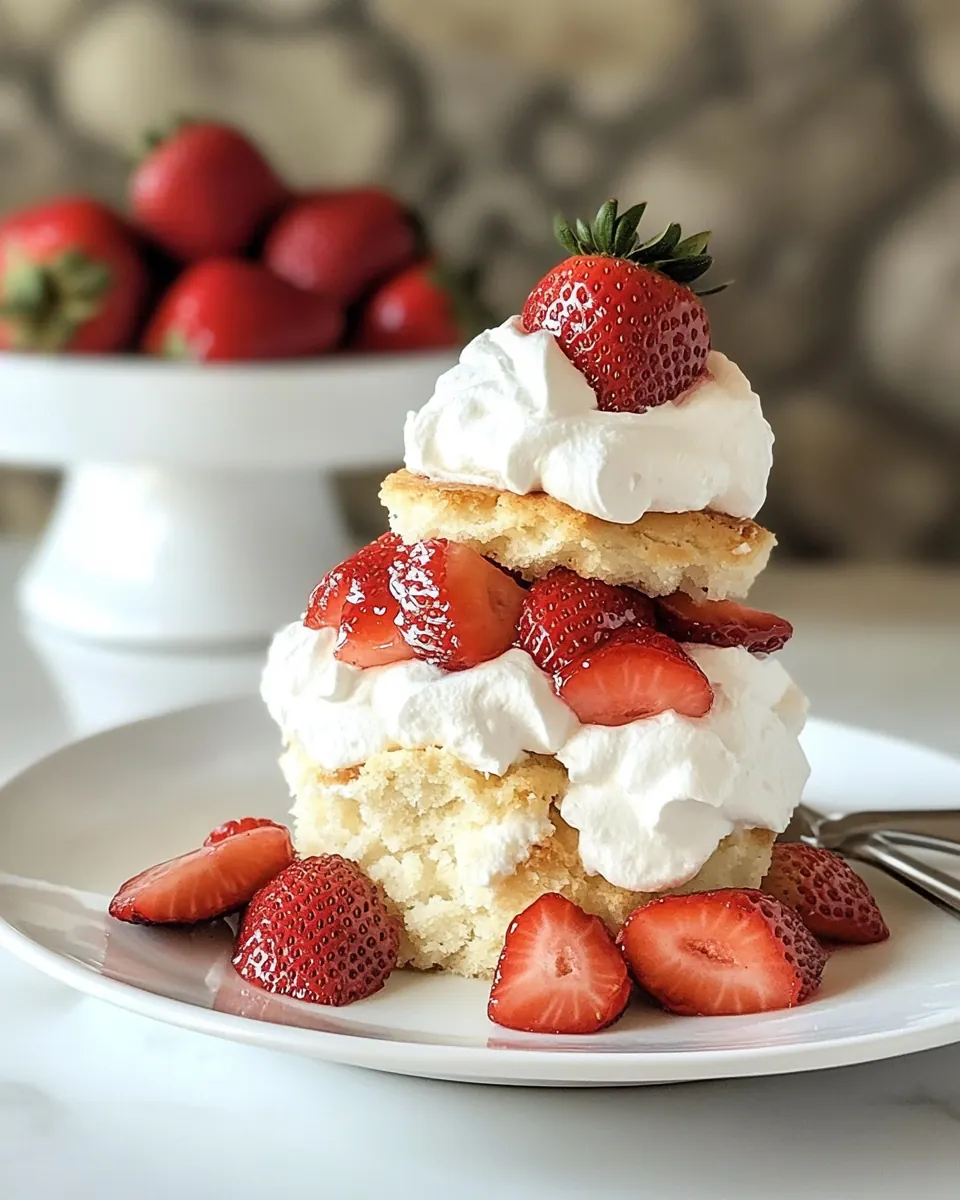
Classic Strawberry Shortcake
Classic Strawberry Shortcake has always been the dessert I reach for when spring crowds the kitchen with bright fruit and warm afternoons. The first time I made it for a neighborhood potluck, the scent of roasted strawberries mingled with warm biscuit steam and everyone drifted toward the dessert table as if guided by a secret. I still remember the hush that fell when the first plate was passed around, each fork poised ready for that sweet first bite.
There is something inherently comforting about the rhythm of this recipe. I find myself grating frozen butter and feeling the coarse bits fall into the flour like little promises of flaky layers to come. While the berries macerate, their juices bloom into a glossy, ruby sauce that smells, to me, like spring distilled. Making Classic Strawberry Shortcake feels equal parts technical and emotional, because precision in the biscuit makes room for abandon with the fruit and cream.
Recipe Snapshot
34 mins
20 mins
14 mins
Medium
250 kcal
American
Vegan, Gluten-Free
Desserts
Oven, Box grater, Mixing bowl, Biscuit cutter, Whisk
The Best Thing About This Classic Strawberry Shortcake
Bright seasonal flavor
I love how fresh strawberries turn simple sugar and time into something exuberant. The fruit carries the essence of spring, and when left to sit, it releases a fragrant syrup that lifts every bite.
Textural contrast
The combination of a tender, slightly crisp biscuit and pillowy whipped cream creates a beautiful contrast with the juicy strawberries. Each component plays a clear role, so the dessert never feels muddled.
Simple technique, big payoff
I appreciate that the most impressive moments come from straightforward steps like grating frozen butter and gently kneading dough. These small techniques yield flaky layers that taste like effort, not fuss.
Flexible and social
Whether I am serving a small family gathering or a larger crowd, Classic Strawberry Shortcake scales well. The biscuits can be made ahead or warmed, and the berries sit happily for a short while, making assembly stress free.
Memory maker
For me this recipe is as much about ritual as it is about taste. It invites conversation, nostalgia, and a few sticky fingers, which is exactly the sort of dessert I want on repeat.
What Goes Into Classic Strawberry Shortcake
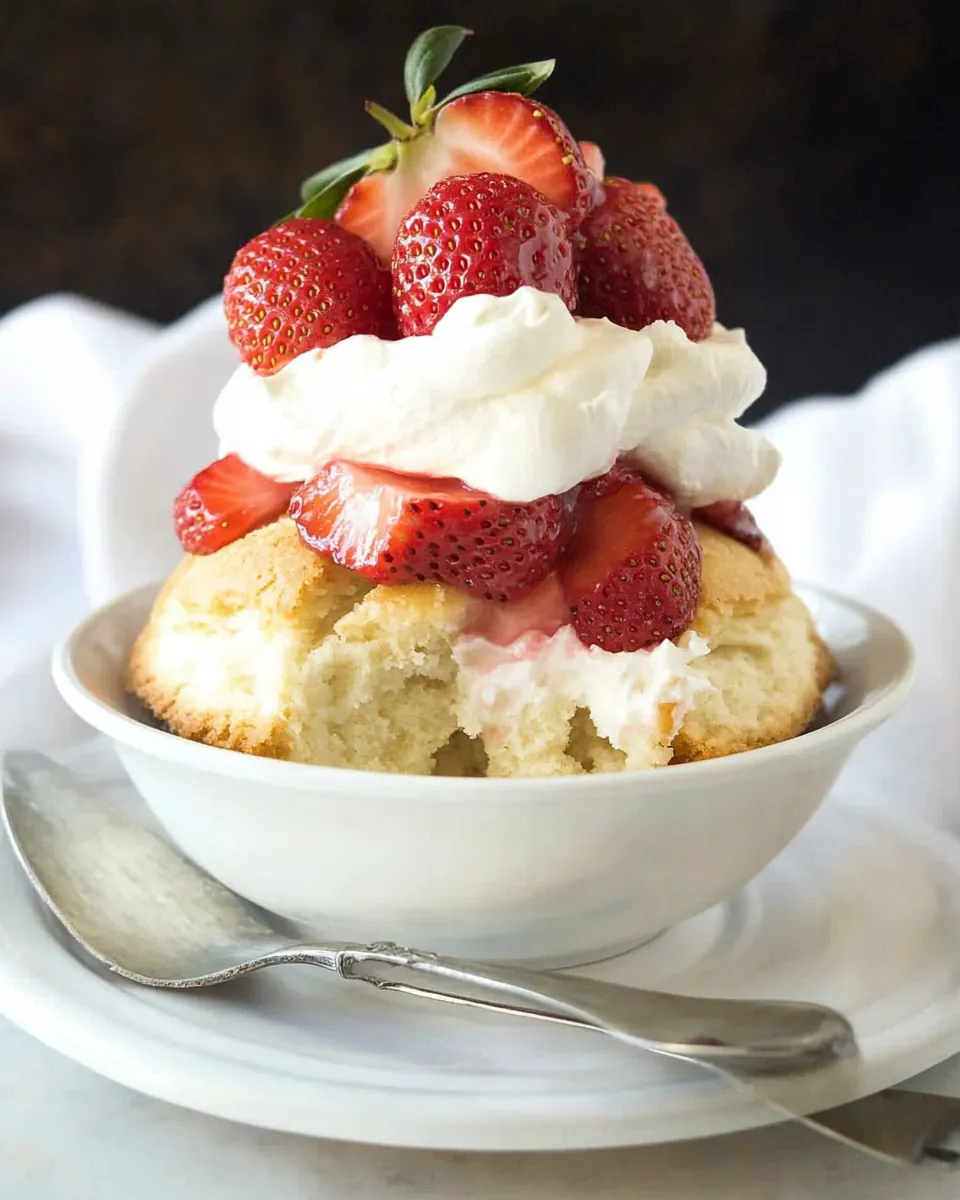
These ingredients form a tight, harmonious team. The fruit provides brightness and moisture, the biscuits deliver structure and flake, and the whipped cream adds silk. Each item is intentional, and when balanced correctly the result is more than the sum of its parts. I focus on high quality strawberries and very cold butter to ensure the best texture and flavor.
- 3 4 cups fresh strawberries, sliced: Provide bright, juicy sweetness and vibrant color to the shortcake, adding natural flavor and a slightly tart contrast to the cream and biscuit; slice to release juices that can be macerated with sugar to create a syrupy topping; contribute texture and freshness that balances the rich components of the dessert.
- 1/4 cup plus 2 tablespoons sugar: Add controlled sweetness and help macerate the fruit when combined with strawberries, drawing out juices to enhance flavor and create a glossy sauce; measure precisely to avoid over-sweetening while allowing the natural berry character to shine; offer versatility by adjusting quantity to taste or recipe preference.
Step by Step Instructions for Classic Strawberry Shortcake
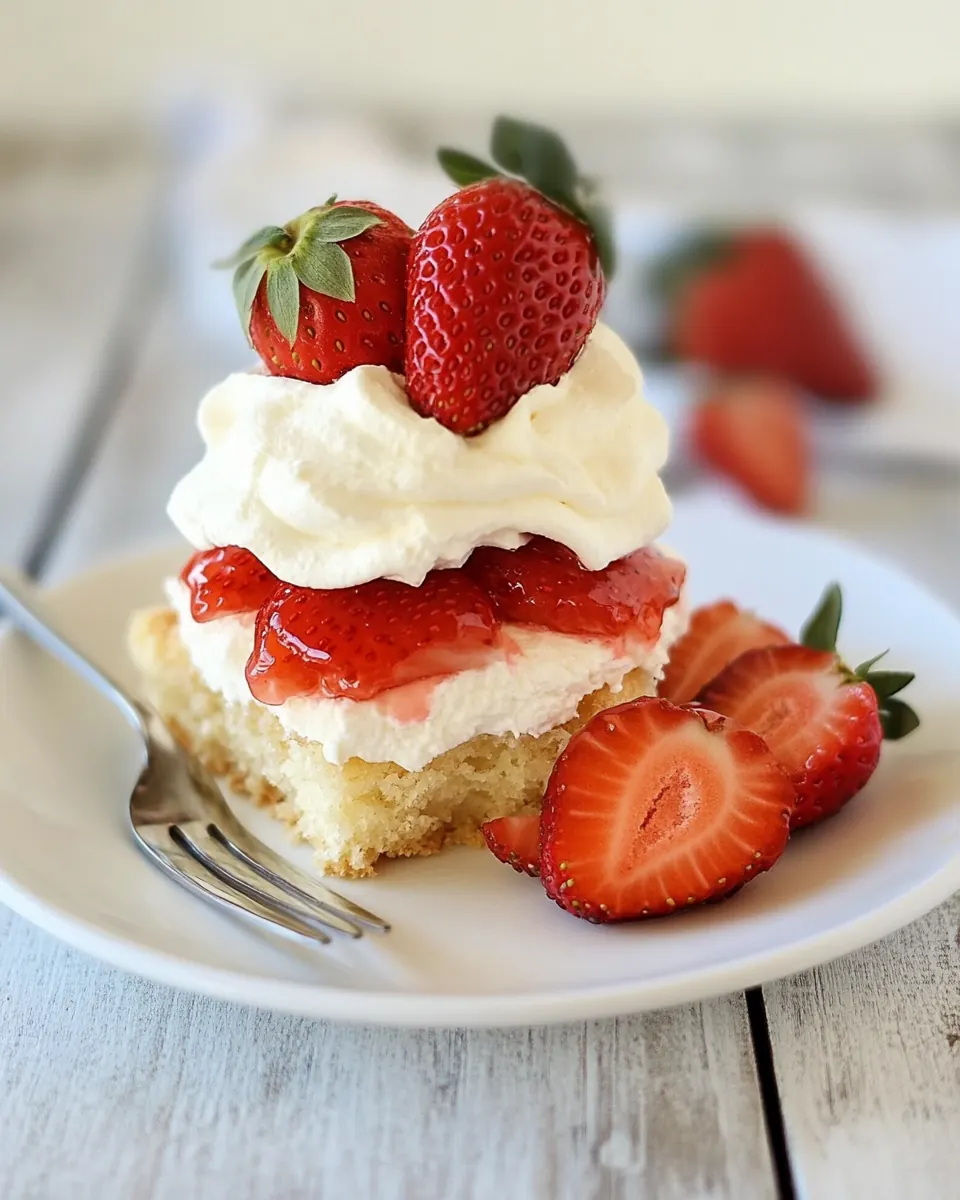
I like to walk through these steps with a calm rhythm, starting the strawberries early so they can build flavor while I work the biscuit dough. Pay attention to tactile cues, such as how the dough feels and how the berries look when properly macerated. Having everything at hand keeps assembly smooth and joyful.
- Mix crushed and sliced berries with sugar. Let it sit while preparing biscuits.: The aroma here is immediate as the sugar pulls glossy juices from the strawberries , creating a fragrant, ruby liquid that sings of spring. I usually use a fork to lightly crush a portion of the fruit, releasing more juice without pulverizing everything, which preserves texture. You should see the syrup thicken slightly and bubbles of juice along the edges; that visual cue means the sugar is doing its job. Why this matters, the syrup soaks into the biscuit and seasons every layer, offering an even, juicy bite. A common mistake is rushing this step, which leaves the berries dry and prevents that lovely saucy finish.
- Preheat oven to 425º.: Heat translates to texture here, so get your oven to a steady 425 degrees, which yields a crisp exterior while keeping interiors tender. I preheat early because a hot oven ensures the butter layers steam quickly, creating flakiness. You might notice a faint, warm smell as the oven comes up to temperature, which is reassuring. If the oven is cooler than advertised, biscuits will spread and become dense, so use an oven thermometer if you suspect your dial is off.
- Whisk together flour, salt, baking powder, and sugar in a medium bowl.: As you whisk, the dry mixture should look evenly pale and aerated, with no clumps. This even distribution is crucial so the leavening reacts uniformly during baking. The flour will have a slightly powdery scent and a light texture. A frequent error is skipping the whisk, which can leave pockets of baking powder that create uneven rising.
- Using the largest holes on a box grater, grate frozen butter into dry ingredients.: The sound of butter grating is almost therapeutic, a soft, metallic rasp. Those coarse bits look like snowflakes in the flour and are essential for creating flaky layers. The butter must be frozen so it stays separate from the flour until baking; if it softens, it will smear and yield a dense biscuit. If your kitchen is warm, work quickly or chill the bowl between steps.
- Toss butter with flour, then using your hands, rub the butter into the dry ingredients till the mixture looks like cornmeal.: Your hands will feel the cool, crumbly texture as you palm the butter into the flour. The mixture should resemble coarse cornmeal with visible butter flecks, which melt into pockets during baking. This is why texture matters, because those pockets steam and lift the layers. Don’t overwork it, or the butter will incorporate too thoroughly and you will lose flakiness.
- Beat egg slightly and add to the half and half. Pour into the flour mixture.: The beaten egg blended with half and half adds richness and helps bind the dough. When poured, the mixture should glisten and create pockets that are tacky but not wet. The egg also helps with color, giving a golden top. If your liquid is too warm, it can start softening the butter prematurely, so keep ingredients cold.
- Toss together till most of the flour is incorporated. Lightly flour the counter or work surface and gently knead the biscuit dough till it comes together.: The dough will feel shaggy at first, then gradually smooth into a soft ball. Gentle kneading brings together the mixture without developing gluten, which keeps the biscuits tender. You want to press and fold rather than aggressively knead; overworking will create a tough texture. Watch for a slightly tacky surface that holds shape without sticking excessively.
- Pat into a 3/4-inch thick rectangle and cut rounds with a 2 3/4-inch biscuit cutter.: As you pat the dough, you will see distinct layers and small butter pockets; those are great signs. Cut straight down rather than twisting the cutter to keep the edges defined, which helps the biscuits rise evenly. The height of the dough matters because thicker rounds yield taller, flakier biscuits. A common slip is rolling too thin, producing flat, heavy results.
- Gently gather leftover dough and fold and roll to a 3/4-inch thickness and cut out another biscuit or two.: The remaining dough often makes the best biscuits because it is worked slightly more, creating layered flakiness. Fold it gently to maintain pockets of butter and roll just enough to form another round. Keep the pieces cool, because warmed dough loses structure. If you find the scraps are sticking, chill them briefly to firm up the butter.
- Place biscuits on a baking dish, brush with beaten egg white, and sprinkle with coarse sugar. Bake for about 12-14 minutes. Cool for about 10 minutes before serving.: The brush of egg white gives a glossy finish while coarse sugar adds a pleasing crunch. In the oven you will see the tops puff and color to a warm golden hue, and a faint, buttery aroma fills the kitchen. Baking time is where lift transforms into texture, and pulling them too early leaves underdone centers. After baking, the cooling period lets the interiors set so they slice cleanly without crumbling.
- Whip cream with sugar and vanilla.: As you whip the cream , it will shift from liquid to soft peaks, growing silkier and holding shape. The sound is quiet, and the texture should feel dense yet airy. The sugar and vanilla balance the cream, making it lush without cloying. Overwhipping turns it grainy and butter like, so stop when it holds gentle peaks.
- To serve, cut the biscuits in half, top the bottom half with berries and juices, followed by a big dollop of whipped cream and the top of the biscuit.: The assembly is where all the elements converge, offering a sweet, citrus scented syrup soaking into tender biscuit layers with a cloud of cream. The first bite should be a contrast of warm, flaky biscuit, bright strawberries , and cool cream. A typical mistake is assembling too early, which can make the biscuit soggy; assemble just before serving for the best texture.
Making Adjustments
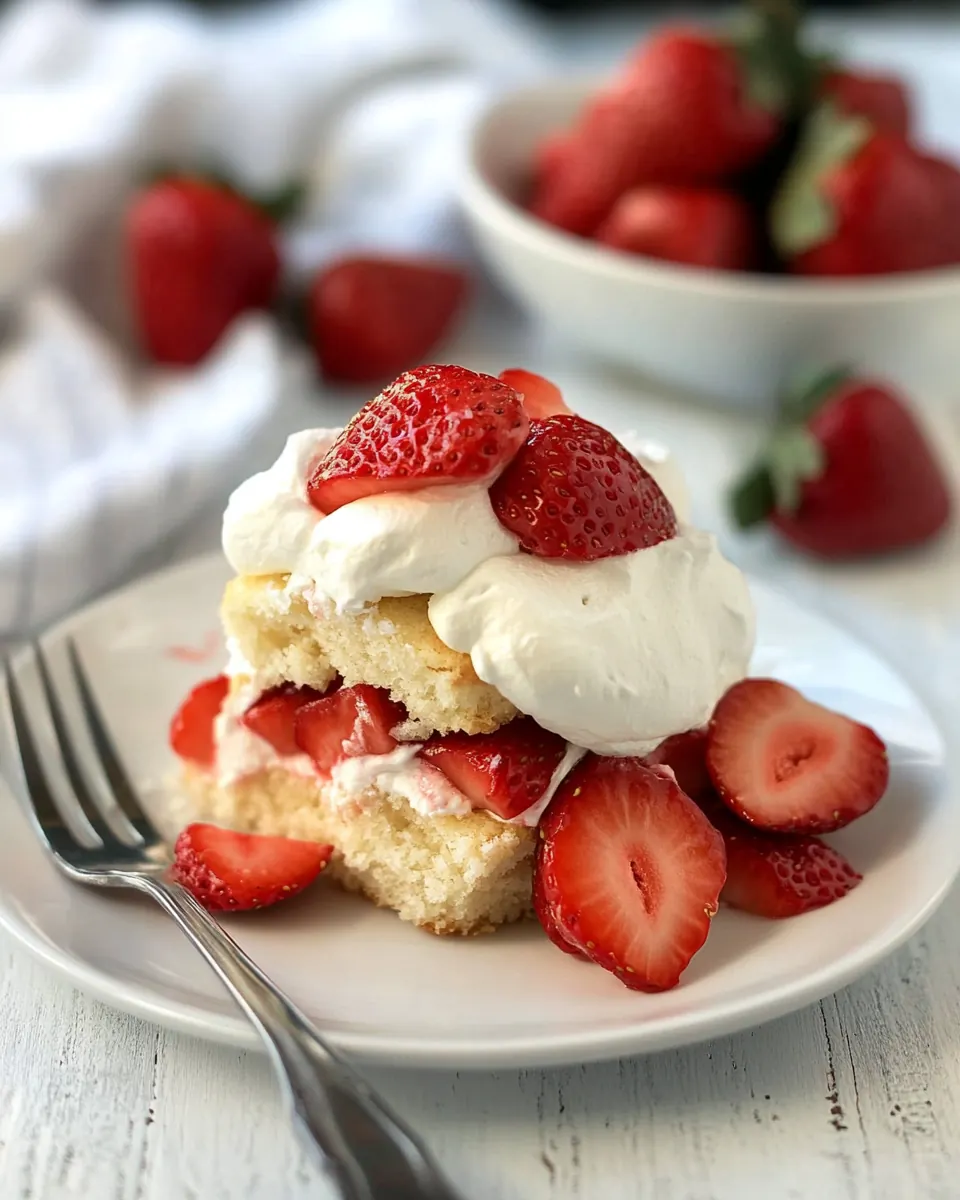
Once you know the core method, small adjustments can tailor the recipe to your taste or schedule. Below I share practical, tested tips that keep the essence of Classic Strawberry Shortcake intact while allowing for variation. Use these suggestions as guidelines, and trust your senses first.
- Use very cold butter to maximize flakiness, freezing it if your kitchen is warm and grating directly into the dry mix.
- Adjust sugar on berries if your fruit is exceptionally sweet, reduce the added sugar slightly to preserve brightness.
- Chill the dough briefly if it feels too sticky, a 10 minute rest in the fridge firms the butter and makes cutting easier.
- Whip cream to soft peaks for a lighter mouthfeel, stopping just as peaks form to avoid grainy texture.
- Use a sharp biscuit cutter and press straight down to achieve tall, even biscuits rather than twisting the cutter.
Serving This Classic Strawberry Shortcake
This dessert is a celebration on the plate, and serving it thoughtfully makes the experience even more memorable. Below I outline options for presentation, occasions that suit it, and storage tips so leftovers remain enjoyable. Each bullet focuses on a practical approach you can use immediately.
- Individual servings, split biscuits and assemble with a spoonful of berries and a dollop of cream for elegant portions at dinner parties.
- Family style, layer biscuits, berries, and cream in a shallow trifle dish for communal sharing at casual gatherings.
- Occasions, perfect for spring celebrations like garden lunches, Mother’s Day, or anytime you want a light dessert with seasonal fruit.
- Storage, keep unassembled biscuits in an airtight container at room temperature for one day, refrigerate whipped cream separately for up to 24 hours.
- Serving temperature, serve biscuits slightly warm for the best contrast with chilled whipped cream and room temperature berries.
- Portioning, plan on one to two biscuits per person depending on appetite and whether other desserts are served.
FAQ
Conclusion
Classic Strawberry Shortcake stands out for its balance of flaky biscuits, juicy macerated strawberries, and silky whipped cream. It is unmistakably rewarding to make because simple techniques deliver a dessert that tastes like a celebration. I encourage you to try it on a weekend or for a special lunch, and to savor the ritual of grating cold butter, letting strawberries sweeten, and layering each bite. It brings people together, invites conversation, and rewards patience with a bright, comforting finish.
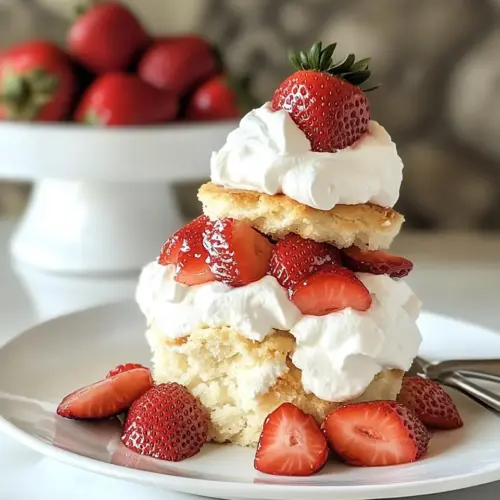
Classic Strawberry Shortcake
Equipment
- Oven
- Box grater
- Mixing Bowl
- Biscuit cutter
- Whisk
Ingredients
- 3 -4 cups fresh strawberries, sliced Provide bright, juicy sweetness and vibrant color to the shortcake, adding natural flavor and a slightly tart contrast to the cream and biscuit; slice to release juices that can be macerated with sugar to create a syrupy topping; contribute texture and freshness that balances the rich components of the dessert.
- 1/4 cup plus 2 tablespoons sugar Add controlled sweetness and help macerate the fruit when combined with strawberries, drawing out juices to enhance flavor and create a glossy sauce; measure precisely to avoid over-sweetening while allowing the natural berry character to shine; offer versatility by adjusting quantity to taste or recipe preference.
Instructions
- Mix crushed and sliced berries with sugar. Let it sit while preparing biscuits.: The aroma here is immediate as the sugar pulls glossy juices from the strawberries , creating a fragrant, ruby liquid that sings of spring. I usually use a fork to lightly crush a portion of the fruit, releasing more juice without pulverizing everything, which preserves texture. You should see the syrup thicken slightly and bubbles of juice along the edges; that visual cue means the sugar is doing its job. Why this matters, the syrup soaks into the biscuit and seasons every layer, offering an even, juicy bite. A common mistake is rushing this step, which leaves the berries dry and prevents that lovely saucy finish.
- Preheat oven to 425º.: Heat translates to texture here, so get your oven to a steady 425 degrees, which yields a crisp exterior while keeping interiors tender. I preheat early because a hot oven ensures the butter layers steam quickly, creating flakiness. You might notice a faint, warm smell as the oven comes up to temperature, which is reassuring. If the oven is cooler than advertised, biscuits will spread and become dense, so use an oven thermometer if you suspect your dial is off.
- Whisk together flour, salt, baking powder, and sugar in a medium bowl.: As you whisk, the dry mixture should look evenly pale and aerated, with no clumps. This even distribution is crucial so the leavening reacts uniformly during baking. The flour will have a slightly powdery scent and a light texture. A frequent error is skipping the whisk, which can leave pockets of baking powder that create uneven rising.
- Using the largest holes on a box grater, grate frozen butter into dry ingredients.: The sound of butter grating is almost therapeutic, a soft, metallic rasp. Those coarse bits look like snowflakes in the flour and are essential for creating flaky layers. The butter must be frozen so it stays separate from the flour until baking; if it softens, it will smear and yield a dense biscuit. If your kitchen is warm, work quickly or chill the bowl between steps.
- Toss butter with flour, then using your hands, rub the butter into the dry ingredients till the mixture looks like cornmeal.: Your hands will feel the cool, crumbly texture as you palm the butter into the flour. The mixture should resemble coarse cornmeal with visible butter flecks, which melt into pockets during baking. This is why texture matters, because those pockets steam and lift the layers. Don’t overwork it, or the butter will incorporate too thoroughly and you will lose flakiness.
- Beat egg slightly and add to the half and half. Pour into the flour mixture.: The beaten egg blended with half and half adds richness and helps bind the dough. When poured, the mixture should glisten and create pockets that are tacky but not wet. The egg also helps with color, giving a golden top. If your liquid is too warm, it can start softening the butter prematurely, so keep ingredients cold.
- Toss together till most of the flour is incorporated. Lightly flour the counter or work surface and gently knead the biscuit dough till it comes together.: The dough will feel shaggy at first, then gradually smooth into a soft ball. Gentle kneading brings together the mixture without developing gluten, which keeps the biscuits tender. You want to press and fold rather than aggressively knead; overworking will create a tough texture. Watch for a slightly tacky surface that holds shape without sticking excessively.
- Pat into a 3/4-inch thick rectangle and cut rounds with a 2 3/4-inch biscuit cutter.: As you pat the dough, you will see distinct layers and small butter pockets; those are great signs. Cut straight down rather than twisting the cutter to keep the edges defined, which helps the biscuits rise evenly. The height of the dough matters because thicker rounds yield taller, flakier biscuits. A common slip is rolling too thin, producing flat, heavy results.
- Gently gather leftover dough and fold and roll to a 3/4-inch thickness and cut out another biscuit or two.: The remaining dough often makes the best biscuits because it is worked slightly more, creating layered flakiness. Fold it gently to maintain pockets of butter and roll just enough to form another round. Keep the pieces cool, because warmed dough loses structure. If you find the scraps are sticking, chill them briefly to firm up the butter.
- Place biscuits on a baking dish, brush with beaten egg white, and sprinkle with coarse sugar. Bake for about 12-14 minutes. Cool for about 10 minutes before serving.: The brush of egg white gives a glossy finish while coarse sugar adds a pleasing crunch. In the oven you will see the tops puff and color to a warm golden hue, and a faint, buttery aroma fills the kitchen. Baking time is where lift transforms into texture, and pulling them too early leaves underdone centers. After baking, the cooling period lets the interiors set so they slice cleanly without crumbling.
- Whip cream with sugar and vanilla.: As you whip the cream , it will shift from liquid to soft peaks, growing silkier and holding shape. The sound is quiet, and the texture should feel dense yet airy. The sugar and vanilla balance the cream, making it lush without cloying. Overwhipping turns it grainy and butter like, so stop when it holds gentle peaks.
- To serve, cut the biscuits in half, top the bottom half with berries and juices, followed by a big dollop of whipped cream and the top of the biscuit.: The assembly is where all the elements converge, offering a sweet, citrus scented syrup soaking into tender biscuit layers with a cloud of cream. The first bite should be a contrast of warm, flaky biscuit, bright strawberries , and cool cream. A typical mistake is assembling too early, which can make the biscuit soggy; assemble just before serving for the best texture.
Notes
- Use very cold butter to maximize flakiness, freezing it if your kitchen is warm and grating directly into the dry mix.
- Adjust sugar on berries if your fruit is exceptionally sweet, reduce the added sugar slightly to preserve brightness.
- Chill the dough briefly if it feels too sticky, a 10 minute rest in the fridge firms the butter and makes cutting easier.
- Whip cream to soft peaks for a lighter mouthfeel, stopping just as peaks form to avoid grainy texture.
- Use a sharp biscuit cutter and press straight down to achieve tall, even biscuits rather than twisting the cutter.
