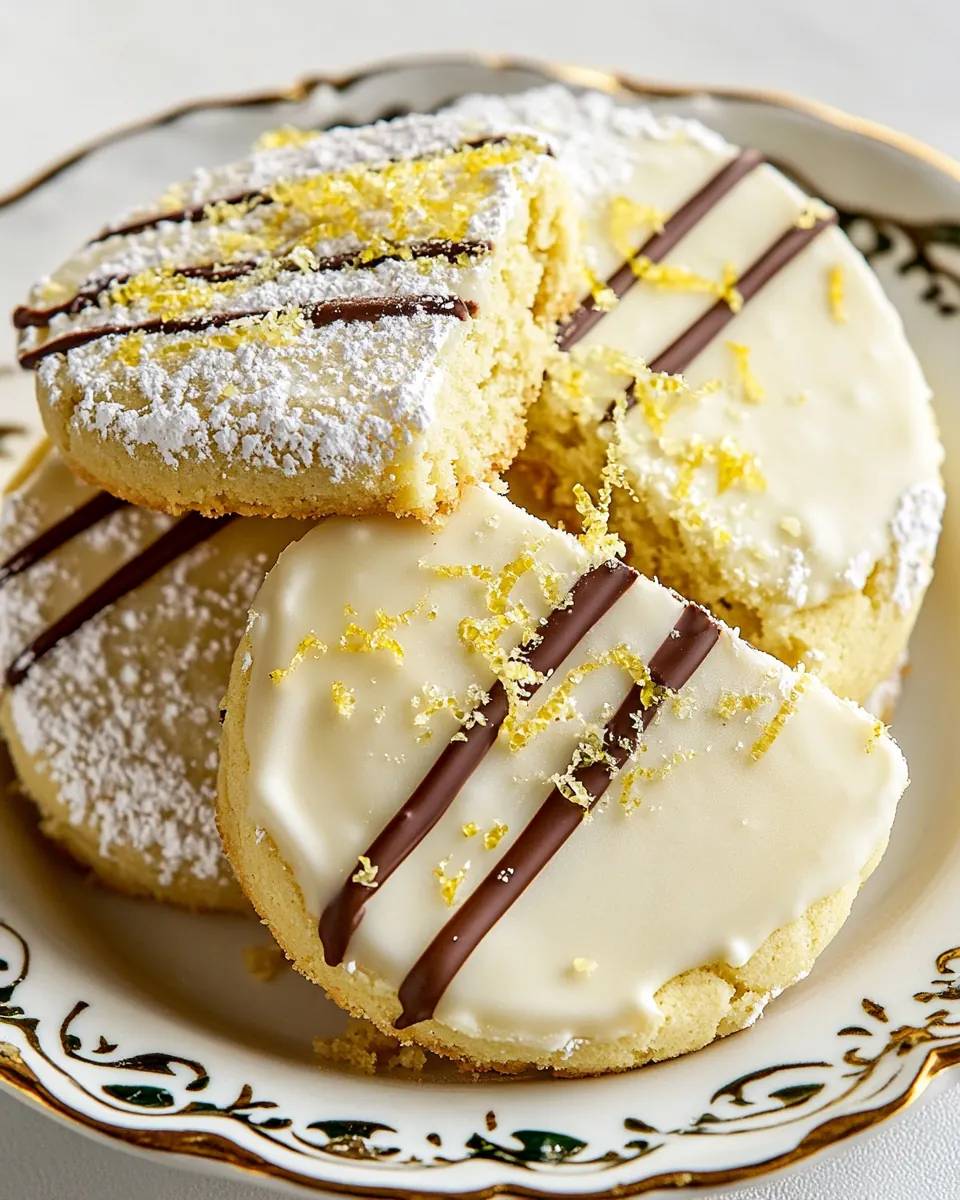
White Chocolate Dipped Lemon Shortbread
White Chocolate Dipped Lemon Shortbread has been my go to when I want a cookie that feels refined but is utterly achievable on a busy afternoon. I first made these on a rainy spring afternoon when friends popped by unexpectedly, and the bright lemon notes cut through the sluggish weather, while the white chocolate added a playful sweetness that everyone adored.
That batch taught me something simple about baking, patience, and the power of small textures. The crumb is buttery yet tender, the lemon zest gives a quick, lively perfume, and the white chocolate coating adds a creamy contrast and a little theatrical flair. Over the years I have tweaked little things, learning how the dough behaves, how the slices should look, and when to sprinkle the chopped pistachios so they stay vibrant and crunchy.
I love that White Chocolate Dipped Lemon Shortbread feels special enough for a celebration, yet humble enough for a weekday treat. When I bring them to a gathering people often ask how long they take, and I always smile because the technique is what makes them shine. With a few thoughtful steps you get even slices, crisp edges, and that perfect pale golden bottom that signals they are done. I still remember the sound of the cookies cooling on the rack, the delicate snap when I dipped one into melted vanilla candy melts, and the green pistachio flecks that made the cookie look like a tiny work of art.
Recipe Snapshot
60 mins
30 mins
30 mins
Medium
150 kcal
American
Gluten-Free, Vegan
Desserts
Electric stand mixer, Mixing bowl, Sharp knife, Baking sheet, Parchment paper, Wire rack, Microwave safe bowl
Why This White Chocolate Dipped Lemon Shortbread Is So Good
Bright Lemon Flavor That Feels Fresh
I value bold citrus in cookies, and these deliver. The amount of lemon zest and fresh lemon juice brings a lively aroma when you grate the peel and combine it with the softened butter. I often pause to inhale the bowl because that initial scent is a sure sign the cookie will sing.
Buttery, Tender Texture
The base of this recipe is classic shortbread style, relying on a high ratio of butter to flour to create a tender, melt in your mouth crumb. I find the sandy stage before it comes together is normal, and pressing the dough into a log gives even slices and consistent bake results.
Creamy White Chocolate Contrast
Dipping half of each cookie in melted white chocolate or vanilla candy melts adds a smooth, sweet layer that balances the tart lemon. The contrast in texture and temperature, from cool cookie to creamy coating, is a small flourish that elevates the experience.
Visual Appeal and Simple Garnish
Sprinkling chopped pistachios before the coating sets brings color, crunch, and a nutty note that plays nicely with the citrus. I love serving these on a platter where the green flecks catch the eye, and guests always comment before tasting.
Reliable Technique, Big Reward
This recipe is forgiving if you follow a few key steps, like chilling the dough and slicing consistently. I appreciate recipes that reward attention to small details, and this one does just that. From timing the chill to watching for pale golden bottoms, each stage contributes to an impressive final cookie.
Recipe Ingredients for White Chocolate Dipped Lemon Shortbread
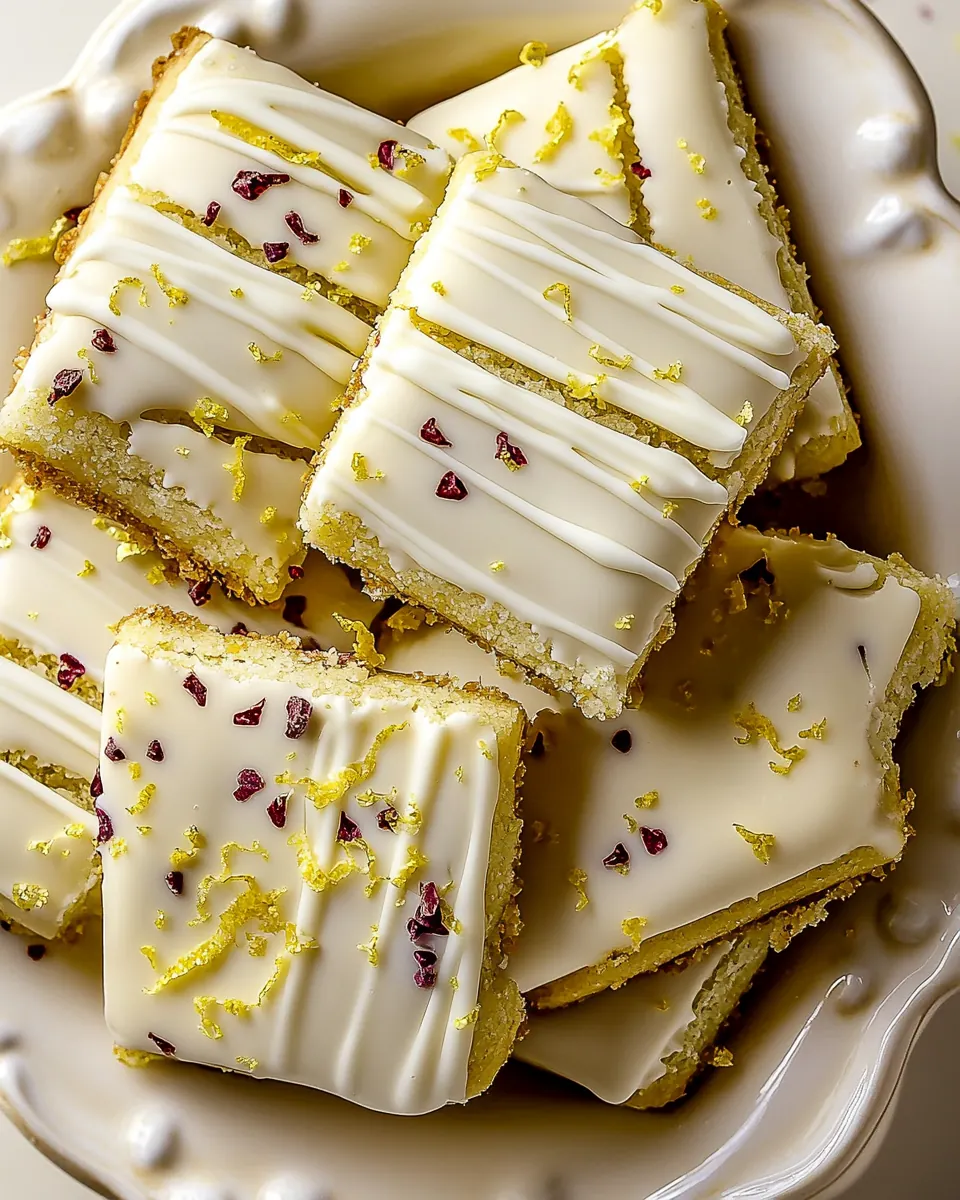
These ingredients are intentionally simple, chosen to highlight the core players: butter, sugar, lemon, and flour. Each element has a clear role. The butter provides richness and tenderness, sugar adds sweetness and structure, lemon zest and lemon juice offer bright aromatic lift, and flour creates the crumb. The finishing touches, such as melted white chocolate and chopped pistachios, introduce creaminess and crunch without complicating the dough.
- 1 cup (226 g) unsalted butter, softened: Soften to spread easily and incorporate air, providing a rich, tender crumb and buttery flavor to the shortbread dough.
- 3/4 cup (150 g) granulated sugar: Sweeten the dough and help tenderize the texture while also aiding in browning for a subtly crisp edge.
- 2 1/2 tbsp (15 g) lemon zest (from about 4 medium lemons): Brighten the cookie with intense citrus oils and aroma, contributing vibrant lemon flavor that balances the butteriness.
- 1/4 tsp salt: Enhance and balance sweetness by lifting flavors and sharpening the lemon notes, while contributing a subtle savory contrast.
- 2 tsp fresh lemon juice: Add fresh acidity to round out the citrus profile and activate the zest’s brightness, helping create a lively, tangy finish.
- 1 tsp vanilla extract: Impart warm, aromatic depth that complements lemon and butter, rounding out flavors for a more complex shortbread.
- 2 cups (284 g) all-purpose flour (scoop and level to measure): Provide structure and bulk by forming the dough matrix, yielding tender crumbs when combined with butter and minimal mixing.
- 12 oz . vanilla candy melts or chopped white chocolate: Melt into a smooth coating for dipping, adding creamy sweetness and a firmed, glossy finish that contrasts the crumbly shortbread.
- 1/3 cup (50 g) unsalted pistachios, chopped () (optional): Offer optional crunchy texture, nutty flavor, and a pop of color when chopped and sprinkled or pressed into the chocolate coating.
Cooking Method for White Chocolate Dipped Lemon Shortbread
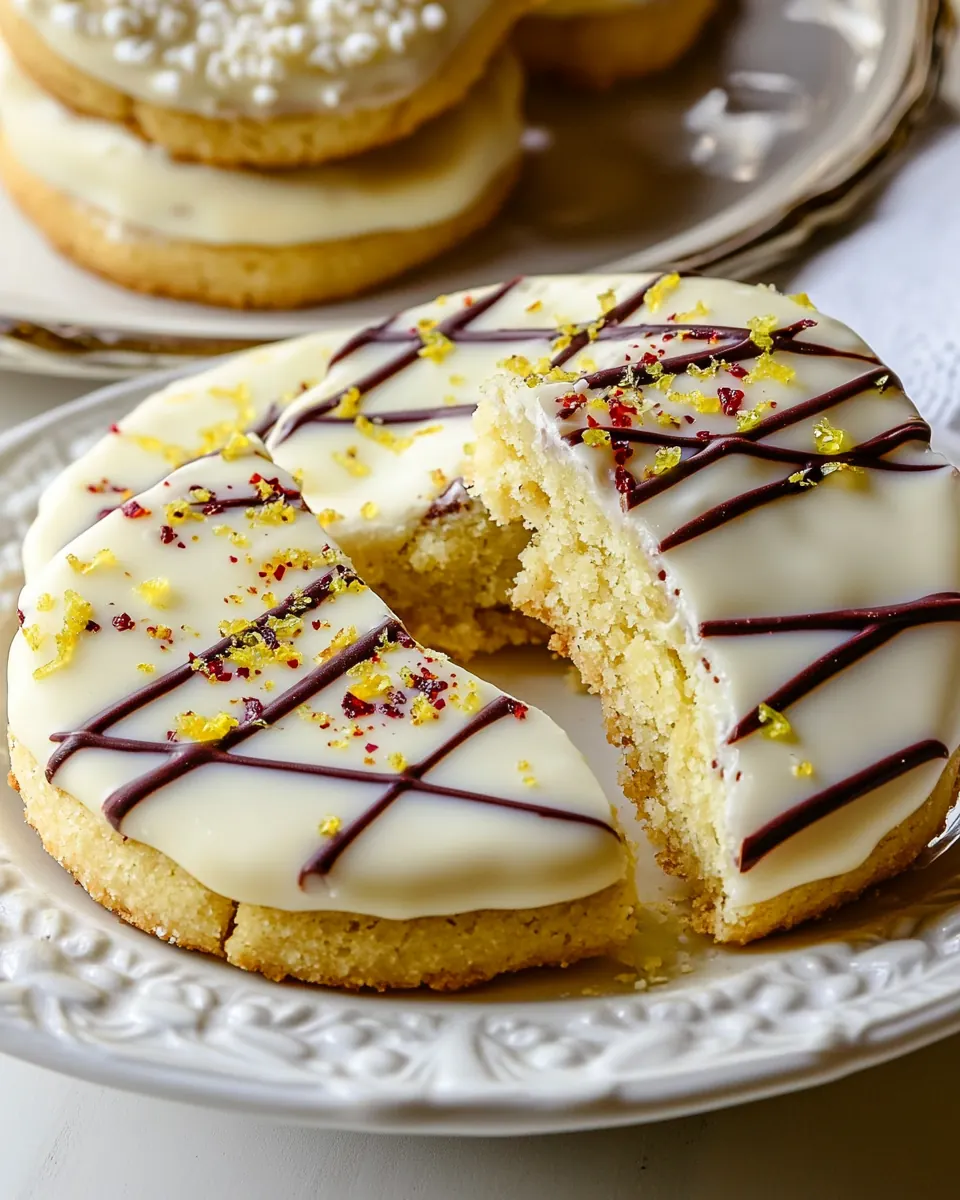
These directions guide you through a gentle, deliberate process that prioritizes texture and flavor. Work with patience when creaming and chilling, and watch the cookies for pale golden cues rather than relying on strict timing alone. The following steps explain sensory signals, the reasons behind techniques, and common pitfalls to avoid.
- In the bowl of an electric stand mixer cream together butter, sugar, lemon zest and salt.: The bowl will smell intensely citrusy and buttery as the butter and lemon zest release their aromas, and the mixture will lighten in color and texture, indicating air incorporation. You should hear a soft, rhythmic hum from the mixer rather than a laboring motor. This aeration helps the cookie achieve a tender crumb, because trapped air creates lift during baking. A frequent mistake is under creaming, which leaves the dough dense, or over creaming, which can make the mixture too soft. If the mixture seems greasy, refrigerate briefly before continuing.
- Mix in lemon juice and vanilla extract.: As you add the lemon juice the mixture will emit a bright, sharp scent that complements the earlier zest. The liquid brings the dough together slightly and helps distribute flavor evenly. You may notice the texture loosen a touch; that is normal. Avoid adding too much liquid at once, because an overly wet dough will spread excessively when baked. If separation occurs, chill the bowl for a few minutes and stir gently to recombine.
- Add flour and mix until well combined (it will seem sandy at first but keep mixing and it will come together well).: When the flour is incorporated the mixture first looks crumbly and sandy, then gradually coalesces into a cohesive mass. You will see small clumps form, and the sound changes from a dry rustle to a softer thud. This stage matters because gentle mixing prevents gluten overdevelopment, which keeps the cookies tender. A common error is over mixing, which yields tough bites, so stop as soon as the dough holds together.
- Scoop dough out and compress dough with your hands (so there aren't any holes in the middle).: The dough will feel cool, pliable, and slightly tacky. Pressing and compressing eliminates air pockets that could cause uneven slices or cracking during baking. Your hands should not be warm enough to melt the fats, and if they are, pop the dough back into the fridge briefly. Skipping this step often results in cookies that crumble or bake with hollow centers.
- Shape into a 10-inch log on a lightly floured surface.: Rolling the dough into a uniform log ensures even slices and consistent baking. You will notice the dough smoothing and taking a cylindrical shape; a smooth surface indicates even density. If the log develops cracks, use gentle pressure and a little flour to mend them, or chill and reshape. An uneven log produces cookies of varying thickness, which then bake unevenly.
- Wrap in parchment or plastic wrap and chill 2 hours or until firm.: Chilling firms the butter , which helps maintain shape and prevent excessive spread. The refrigerator will take the edge off the dough, and the flavors will harmonize during this rest. Patience here yields cleaner slices and better texture. A common mistake is under chilling, which leads to misshapen cookies; if pressed for time, chill until firm rather than rushing to bake.
- Preheat oven to 350 degrees during last 15 minutes of chilling.: Preheating ensures the oven is at consistent temperature when the cookies go in so they bake evenly. You should hear the oven click on and eventually settle into a steady whisper as the thermostat cycles. Putting cold dough into a not fully preheated oven can alter spread and texture, so time this step so the oven is ready as the dough finishes chilling.
- Remove dough from refrigerator and slice log into 1/3-inch thick slices. Transfer 12 slices to ungreased 18 by 13-inch baking sheet and bake until bottoms are lightly golden and cookies are set, about 13 – 16 minutes.: The slices will show a clean edge if the log is firm, and you may hear a faint clean sound as the knife passes through. Use a sharp knife and a steady motion to avoid compressing the dough. If the log softens while slicing, pop it back into the fridge for a few minutes. Uneven slices bake inconsistently, so aim for uniform thickness.
- Keep remaining dough chilled. Repeat process with remaining dough, adding slices to a clean, cool baking sheet.: As they bake you will notice the edges firming and a subtle pale golden hue appearing on the bottoms. The kitchen fills with a citrus butter aroma and the tops remain pale, which is normal for shortbread. Check the bottoms by lifting slightly with a spatula; underbaked cookies will feel too soft. Overbaking will dry them out, so remove when they are just set with lightly golden bottoms.
- Let cookies cool on baking sheet 10 minutes then transfer to a wire rack to cool completely.: Rotating batches helps maintain consistent results because a cool sheet and properly chilled dough produce the same bake characteristics each time. If the sheet is warm, it can accelerate spread. A typical mishap is crowding the sheet, which prevents airflow and leads to uneven baking, so leave enough room between cookies.
- Once cool melt vanilla candy melts or white chocolate in a microwave safe bowl in 30 second increments, stirring well between intervals until melted and smooth.: During this resting period the cookies firm and finish setting. You will notice a gentle shift from slightly soft to a crisp, tender texture. Transferring too soon causes breakage, while leaving them too long on the hot sheet can overcook the bottoms. Aim for the ten minute window to balance structural change and final texture.
- Dip half of each cookie in candy melts, shake off excess, then transfer to a sheet of parchment paper. Sprinkle with chopped pistachios before it starts to set.: As you heat the white chocolate , take note of its glossy transformation as it melts; stirring helps distribute heat and prevents scorching. The aroma becomes sweet and creamy. Overheating is the biggest danger, which can make the coating grainy; remove before fully liquid and stir until smooth to finish melting.
- Let set then store in an airtight container at room temperature.: The moment the cookie meets the warm coating you will feel a smooth layer form; the contrast between the cool cookie and the warm chocolate is delightful. Shake off excess to avoid a thick, clumpy coating, and press the pistachios lightly so they adhere. A typical misstep is waiting until the coating firms too much; sprinkling too late will prevent the nuts from sticking.
- Let set then store in an airtight container at room temperature: As the coating hardens you will notice a faint sheen dulling to a matte finish, and the pistachios will firm in place. Storing at room temperature in a sealed container keeps the texture balanced, while refrigeration can sometimes cause the coating to bloom. Avoid stacking while still tacky, which will mar the finish.
Helpful Hints
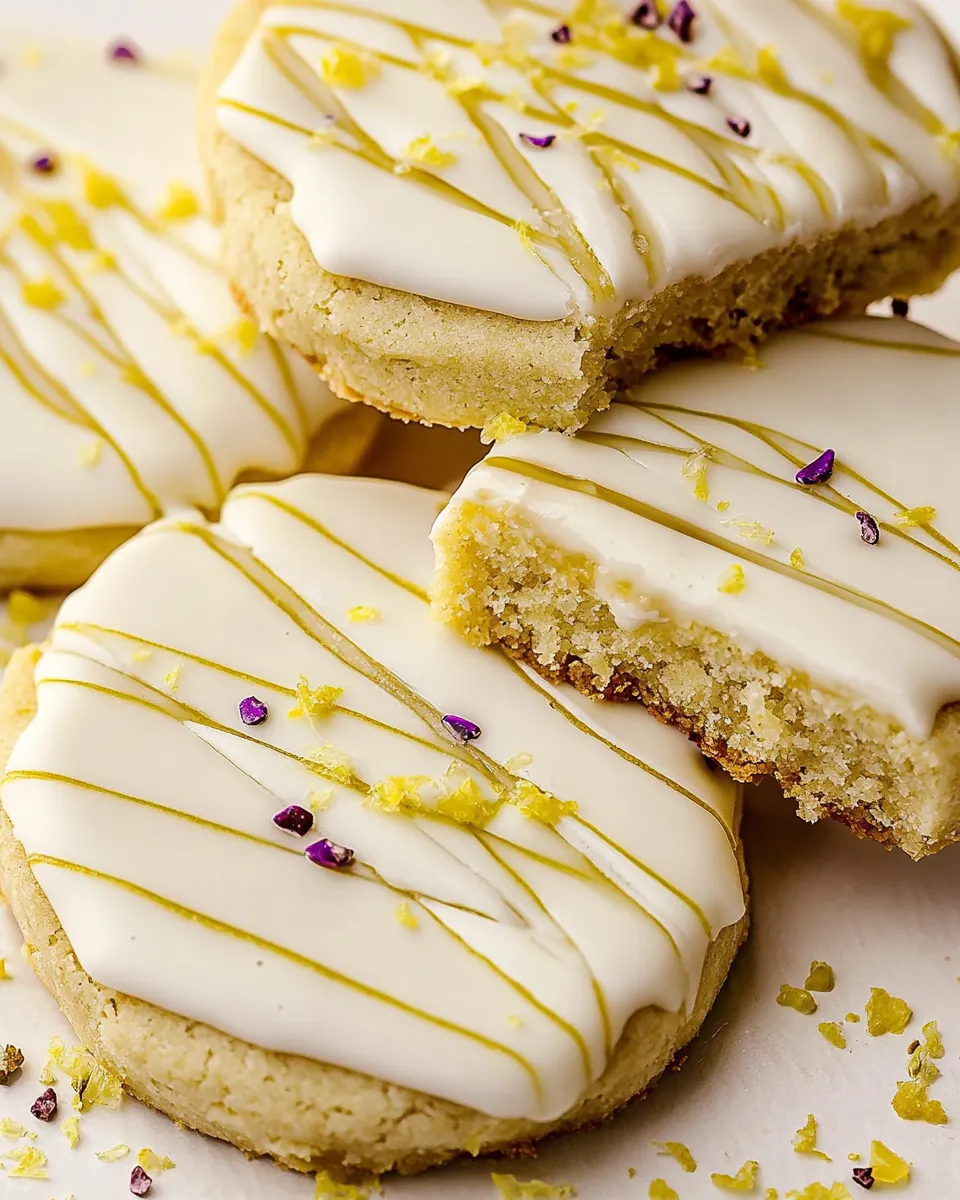
These hints collect practical observations I use each time I bake White Chocolate Dipped Lemon Shortbread. They focus on technique, timing, and small choices that consistently improve the results. Read through and pick a few that fit your workflow.
- Soften your butter properly, not by melting, but by leaving it at room temperature until it yields to gentle pressure. This ensures it creams smoothly with the sugar and traps air for a tender texture.
- Zest before juicing to avoid losing fragrant zest oils with the juice, and grate only the colored surface to prevent bitterness from the pith.
- Keep a chilled baking sheet for subsequent batches. A cool sheet and cold dough help maintain shape and prevent excess spread.
- Use a sharp knife for slicing and clean it between cuts if the dough becomes sticky. Wiping the blade keeps slices neat and consistent.
- Stir white chocolate by hand between microwave bursts to evenly distribute heat and preserve a glossy, smooth melt without seizing.
- Test one cookie first from each batch to confirm timing and color before removing the entire sheet from the oven.
- Sprinkle toppings immediately after dipping so they set into the coating rather than sitting on top and falling off later.
Perfect Matches for White Chocolate Dipped Lemon Shortbread
These serving suggestions highlight complimentary flavors, occasions, and storage methods that help you present these cookies with confidence. Think about temperature contrasts and color coordination when plating.
- Tea or Coffee Service: Serve alongside a mild tea or light-roasted coffee for afternoon gatherings, using the citrus notes to cleanse the palate between sips.
- Spring or Mother’s Day Brunch: The bright lemon profile and elegant pistachio garnish make these ideal for spring celebrations and brunch spreads.
- Gift Box: Arrange on parchment in a tin or box for a charming homemade gift, adding tissue so the coated side stays pristine.
- Party Platter: Combine with other small sweets on a dessert board, using color contrast to make the pale cookies stand out amid bolder treats.
- Storage: Keep in an airtight container at room temperature for several days, or freeze uncoated slices for up to one month and coat after thawing for best texture.
- Occasion Pairings: These suit baby showers, bridal showers, Easter, or casual afternoon visits where a refined but simple treat is appreciated.
FAQ
Conclusion
White Chocolate Dipped Lemon Shortbread stands out for its bright lemon character, buttery tender crumb, and elegant white chocolate finish. This recipe is both approachable and impressive, rewarding a little patience with clean slices and harmonious flavors that appeal to many. Try it the next time you want a small baked good that feels special, and savor the contrast between the citrus scented cookie and the creamy coating. I hope these become one of your favorite treats to bake and share with friends.

White Chocolate Dipped Lemon Shortbread
Equipment
- Electric Stand Mixer
- Mixing Bowl
- Sharp Knife
- Baking Sheet
- Parchment Paper
- Wire Rack
- Microwave-safe Bowl
Ingredients
- 1 cup (226 g) unsalted butter, softened Soften to spread easily and incorporate air, providing a rich, tender crumb and buttery flavor to the shortbread dough.
- 3/4 cup (150 g) granulated sugar Sweeten the dough and help tenderize the texture while also aiding in browning for a subtly crisp edge.
- 2 1/2 tbsp (15 g) lemon zest (from about 4 medium lemons) Brighten the cookie with intense citrus oils and aroma, contributing vibrant lemon flavor that balances the butteriness.
- 1/4 tsp salt Enhance and balance sweetness by lifting flavors and sharpening the lemon notes, while contributing a subtle savory contrast.
- 2 tsp fresh lemon juice Add fresh acidity to round out the citrus profile and activate the zest’s brightness, helping create a lively, tangy finish.
- 1 tsp vanilla extract Impart warm, aromatic depth that complements lemon and butter, rounding out flavors for a more complex shortbread.
- 2 cups (284 g) all-purpose flour (scoop and level to measure) Provide structure and bulk by forming the dough matrix, yielding tender crumbs when combined with butter and minimal mixing.
- 12 oz . vanilla candy melts or chopped white chocolate Melt into a smooth coating for dipping, adding creamy sweetness and a firmed, glossy finish that contrasts the crumbly shortbread.
- 1/3 cup (50 g) unsalted pistachios, chopped (optional) Offer optional crunchy texture, nutty flavor, and a pop of color when chopped and sprinkled or pressed into the chocolate coating.
Instructions
- In the bowl of an electric stand mixer cream together butter, sugar, lemon zest and salt.: The bowl will smell intensely citrusy and buttery as the butter and lemon zest release their aromas, and the mixture will lighten in color and texture, indicating air incorporation. You should hear a soft, rhythmic hum from the mixer rather than a laboring motor. This aeration helps the cookie achieve a tender crumb, because trapped air creates lift during baking. A frequent mistake is under creaming, which leaves the dough dense, or over creaming, which can make the mixture too soft. If the mixture seems greasy, refrigerate briefly before continuing.
- Mix in lemon juice and vanilla extract.: As you add the lemon juice the mixture will emit a bright, sharp scent that complements the earlier zest. The liquid brings the dough together slightly and helps distribute flavor evenly. You may notice the texture loosen a touch; that is normal. Avoid adding too much liquid at once, because an overly wet dough will spread excessively when baked. If separation occurs, chill the bowl for a few minutes and stir gently to recombine.
- Add flour and mix until well combined (it will seem sandy at first but keep mixing and it will come together well).: When the flour is incorporated the mixture first looks crumbly and sandy, then gradually coalesces into a cohesive mass. You will see small clumps form, and the sound changes from a dry rustle to a softer thud. This stage matters because gentle mixing prevents gluten overdevelopment, which keeps the cookies tender. A common error is over mixing, which yields tough bites, so stop as soon as the dough holds together.
- Scoop dough out and compress dough with your hands (so there aren't any holes in the middle).: The dough will feel cool, pliable, and slightly tacky. Pressing and compressing eliminates air pockets that could cause uneven slices or cracking during baking. Your hands should not be warm enough to melt the fats, and if they are, pop the dough back into the fridge briefly. Skipping this step often results in cookies that crumble or bake with hollow centers.
- Shape into a 10-inch log on a lightly floured surface.: Rolling the dough into a uniform log ensures even slices and consistent baking. You will notice the dough smoothing and taking a cylindrical shape; a smooth surface indicates even density. If the log develops cracks, use gentle pressure and a little flour to mend them, or chill and reshape. An uneven log produces cookies of varying thickness, which then bake unevenly.
- Wrap in parchment or plastic wrap and chill 2 hours or until firm.: Chilling firms the butter , which helps maintain shape and prevent excessive spread. The refrigerator will take the edge off the dough, and the flavors will harmonize during this rest. Patience here yields cleaner slices and better texture. A common mistake is under chilling, which leads to misshapen cookies; if pressed for time, chill until firm rather than rushing to bake.
- Preheat oven to 350 degrees during last 15 minutes of chilling.: Preheating ensures the oven is at consistent temperature when the cookies go in so they bake evenly. You should hear the oven click on and eventually settle into a steady whisper as the thermostat cycles. Putting cold dough into a not fully preheated oven can alter spread and texture, so time this step so the oven is ready as the dough finishes chilling.
- Remove dough from refrigerator and slice log into 1/3-inch thick slices. Transfer 12 slices to ungreased 18 by 13-inch baking sheet and bake until bottoms are lightly golden and cookies are set, about 13 - 16 minutes.: The slices will show a clean edge if the log is firm, and you may hear a faint clean sound as the knife passes through. Use a sharp knife and a steady motion to avoid compressing the dough. If the log softens while slicing, pop it back into the fridge for a few minutes. Uneven slices bake inconsistently, so aim for uniform thickness.
- Keep remaining dough chilled. Repeat process with remaining dough, adding slices to a clean, cool baking sheet.: As they bake you will notice the edges firming and a subtle pale golden hue appearing on the bottoms. The kitchen fills with a citrus butter aroma and the tops remain pale, which is normal for shortbread. Check the bottoms by lifting slightly with a spatula; underbaked cookies will feel too soft. Overbaking will dry them out, so remove when they are just set with lightly golden bottoms.
- Let cookies cool on baking sheet 10 minutes then transfer to a wire rack to cool completely.: Rotating batches helps maintain consistent results because a cool sheet and properly chilled dough produce the same bake characteristics each time. If the sheet is warm, it can accelerate spread. A typical mishap is crowding the sheet, which prevents airflow and leads to uneven baking, so leave enough room between cookies.
- Once cool melt vanilla candy melts or white chocolate in a microwave safe bowl in 30 second increments, stirring well between intervals until melted and smooth.: During this resting period the cookies firm and finish setting. You will notice a gentle shift from slightly soft to a crisp, tender texture. Transferring too soon causes breakage, while leaving them too long on the hot sheet can overcook the bottoms. Aim for the ten minute window to balance structural change and final texture.
- Dip half of each cookie in candy melts, shake off excess, then transfer to a sheet of parchment paper. Sprinkle with chopped pistachios before it starts to set.: As you heat the white chocolate , take note of its glossy transformation as it melts; stirring helps distribute heat and prevents scorching. The aroma becomes sweet and creamy. Overheating is the biggest danger, which can make the coating grainy; remove before fully liquid and stir until smooth to finish melting.
- Let set then store in an airtight container at room temperature.: The moment the cookie meets the warm coating you will feel a smooth layer form; the contrast between the cool cookie and the warm chocolate is delightful. Shake off excess to avoid a thick, clumpy coating, and press the pistachios lightly so they adhere. A typical misstep is waiting until the coating firms too much; sprinkling too late will prevent the nuts from sticking.
- Let set then store in an airtight container at room temperature: As the coating hardens you will notice a faint sheen dulling to a matte finish, and the pistachios will firm in place. Storing at room temperature in a sealed container keeps the texture balanced, while refrigeration can sometimes cause the coating to bloom. Avoid stacking while still tacky, which will mar the finish.
Notes
- Soften your butter properly, not by melting, but by leaving it at room temperature until it yields to gentle pressure. This ensures it creams smoothly with the sugar and traps air for a tender texture.
- Zest before juicing to avoid losing fragrant zest oils with the juice, and grate only the colored surface to prevent bitterness from the pith.
- Keep a chilled baking sheet for subsequent batches. A cool sheet and cold dough help maintain shape and prevent excess spread.
- Use a sharp knife for slicing and clean it between cuts if the dough becomes sticky. Wiping the blade keeps slices neat and consistent.
- Stir white chocolate by hand between microwave bursts to evenly distribute heat and preserve a glossy, smooth melt without seizing.
- Test one cookie first from each batch to confirm timing and color before removing the entire sheet from the oven.
- Sprinkle toppings immediately after dipping so they set into the coating rather than sitting on top and falling off later.