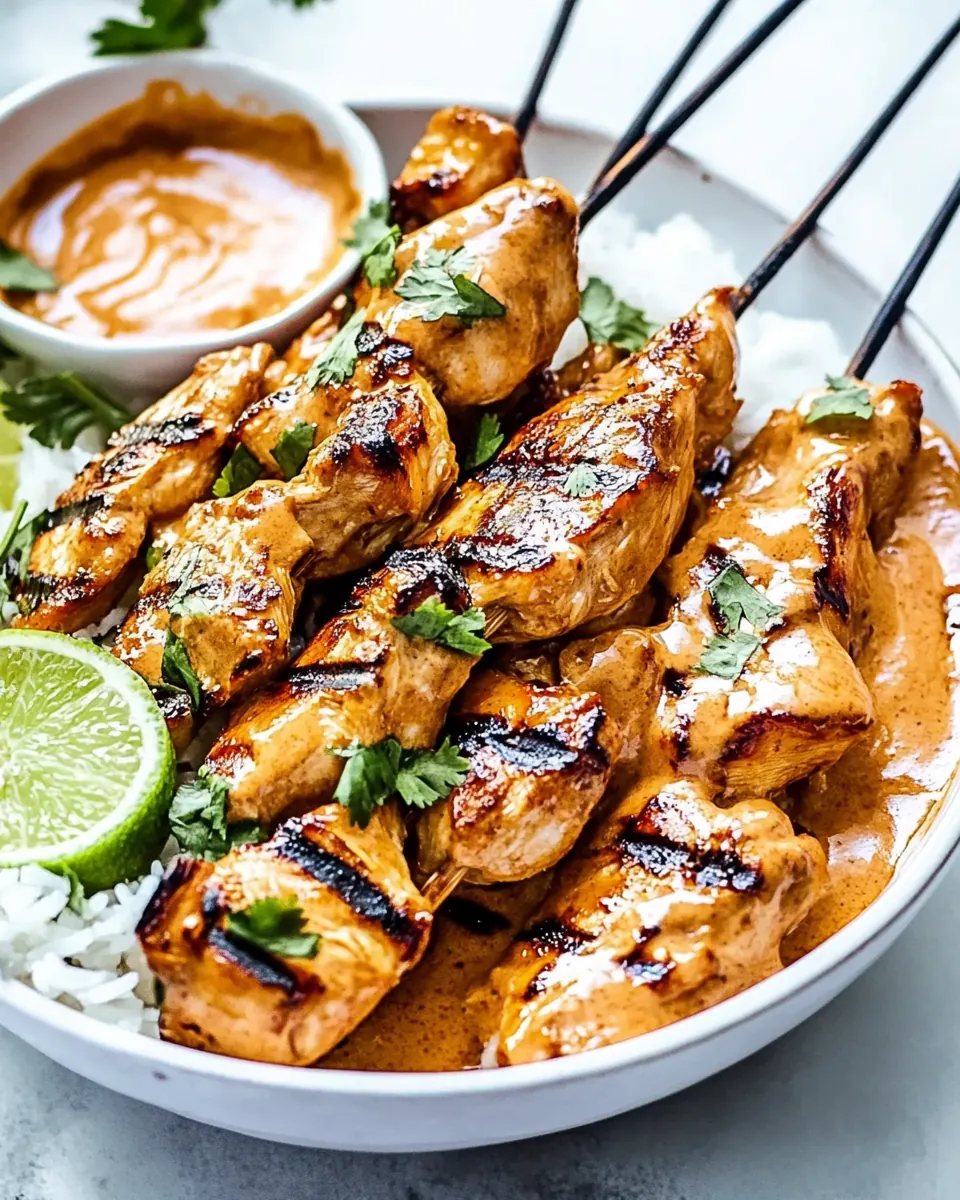
Thai Chicken Satay
Thai Chicken Satay is one of those recipes I reach for when friends drop by and I want bold flavors with minimal fuss. The first time I served Thai Chicken Satay it was at a backyard evening where the air felt sticky and the grill smoke mingled with lime and coconut aromas, and everyone kept coming back for more. I love how the simple act of skewering chicken transforms ordinary tenders into something playful and finger friendly, and that lively peanut sauce ties everything together in a way that feels both familiar and exciting.
Over the years I have adjusted the balance of sweet, salty, and tangy until it felt just right for my palate, and now this version lives in my regular rotation. I often prep the marinade in the morning and let the chicken sit slowly in the fridge, so by evening the meat is infused with coconut and lime. When guests arrive, threading the tenders on soaked skewers becomes a kind of communal ritual, something to laugh about while the grill warms up. The aroma that rises as the chicken hits the grates is irresistible, and the crunchy char against tender meat creates contrast I crave.
Recipe Snapshot
2 hr 10 mins
120 mins
10 mins
Hard
330 kcal
Thai
Gluten-Free, Low FODMAP
Dinner
Wooden Skewers soaked in water
Why You Need This Thai Chicken Satay
Bold, balanced flavors
I love this recipe because the flavor profile is immediate and layered. The combination of creamy peanut, tangy lime, and a touch of sweetness creates a sauce that is both comforting and exciting, and I find that every bite offers a little new note to enjoy.
Weeknight friendly prep
Marinating does the heavy lifting here, which means you can do most work ahead of time. I often prepare the sauce and marinade in the morning, then relax for the rest of the day knowing dinner will come together quickly.
Great for gatherings
Skewers transform the dish into a hands on appetizer or main, and the visual appeal is undeniable. I like serving a platter of steaming skewers so people can graze, and it always sparks conversation around the grill.
Texture contrast
The exterior char from the grill and the tender interior make each bite enjoyable. That contrast is what keeps me coming back to this recipe, because texture matters as much as flavor in my kitchen.
Flexible and forgiving
You can tweak the sauce thickness and spice level with small adjustments, and the recipe still holds up. I appreciate recipes that forgive imperfect timing or slightly different ingredient brands, and this one consistently performs.
What’s In This Thai Chicken Satay
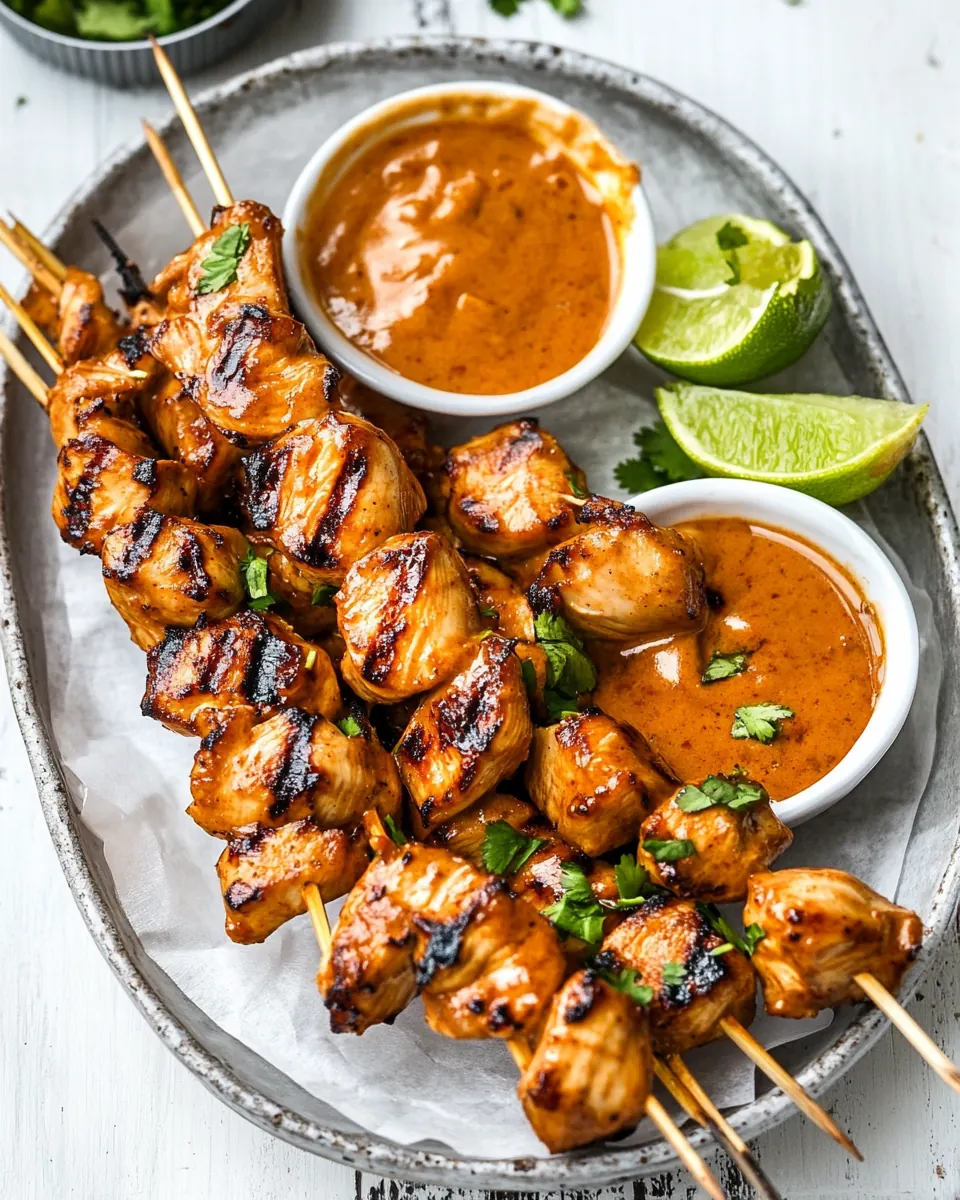
These ingredients are deliberately straightforward so they work together without fuss. The key players are the chicken for meaty substance, coconut milk to add silkiness, and peanut butter for that classic nutty backbone. Small items like lime and soy sauce are the flavor bridges that pull sweet and savory into balance.
- 2 pounds Chicken Tenderloin: Provide lean protein and tender texture for the skewers; marinate well to absorb flavors and cook quickly on a grill or broiler for satay.
- 1/2 cup peanut butter, creamy: Add rich, nutty creaminess to the sauce; combine with liquids and sugar to create a smooth, cohesive peanut satay glaze that balances savory notes.
- 3/4 cup Coconut Milk: Contribute a silky, tropical richness to the peanut sauce; thin the mixture and add a subtle coconut aroma that complements the spices.
- 1/2 cup Brown Sugar: Supply sweetness and depth to the sauce; dissolve into warm liquids to balance salty and tangy components and help caramelize during cooking.
- 1/4 cups soy Sauce: Introduce salty umami to the marinade and sauce; use to season and enhance other flavors while adjusting quantity to taste.
- 1 Lime, zest and juice of: Offer bright citrus aroma and acidity to both marinade and sauce; zest adds concentrated lime oils while juice brightens overall flavor balance.
- 1/4 tsp salt: Enhance overall seasoning by lifting flavors and balancing sweetness; use sparingly to avoid over-salting while ensuring depth.
- Cilantro for a garnish (optional): Provide a fresh, herbaceous finish and visual contrast when sprinkled over finished satay; add just before serving for best aroma.
- 1/2 cup Peanut Butter, chunky or creamy will work: Bring additional peanut texture and body to the sauce; chunky or creamy variants create either rustic bits or smooth consistency while maintaining nutty flavor.
- 3 tbsp Hoisin sauce: Add sweet-savory complexity and slight thickness to the sauce; stir in to deepen flavor and provide a mild hoisin richness.
- 1 tsp Sriracha: Introduce a controlled spicy kick and subtle chili flavor to the sauce; adjust amount to reach desired heat level without overpowering other ingredients.
- 1 tbsp lime juice: Contribute clean citrus acidity to balance richness; squeeze in to brighten the sauce and tie together savory, sweet, and spicy elements.
- 2 3 tbsp water: Adjust sauce consistency for dipping and glazing; add small amounts until desired pourable texture is achieved while maintaining flavor concentration.
Putting Together Thai Chicken Satay
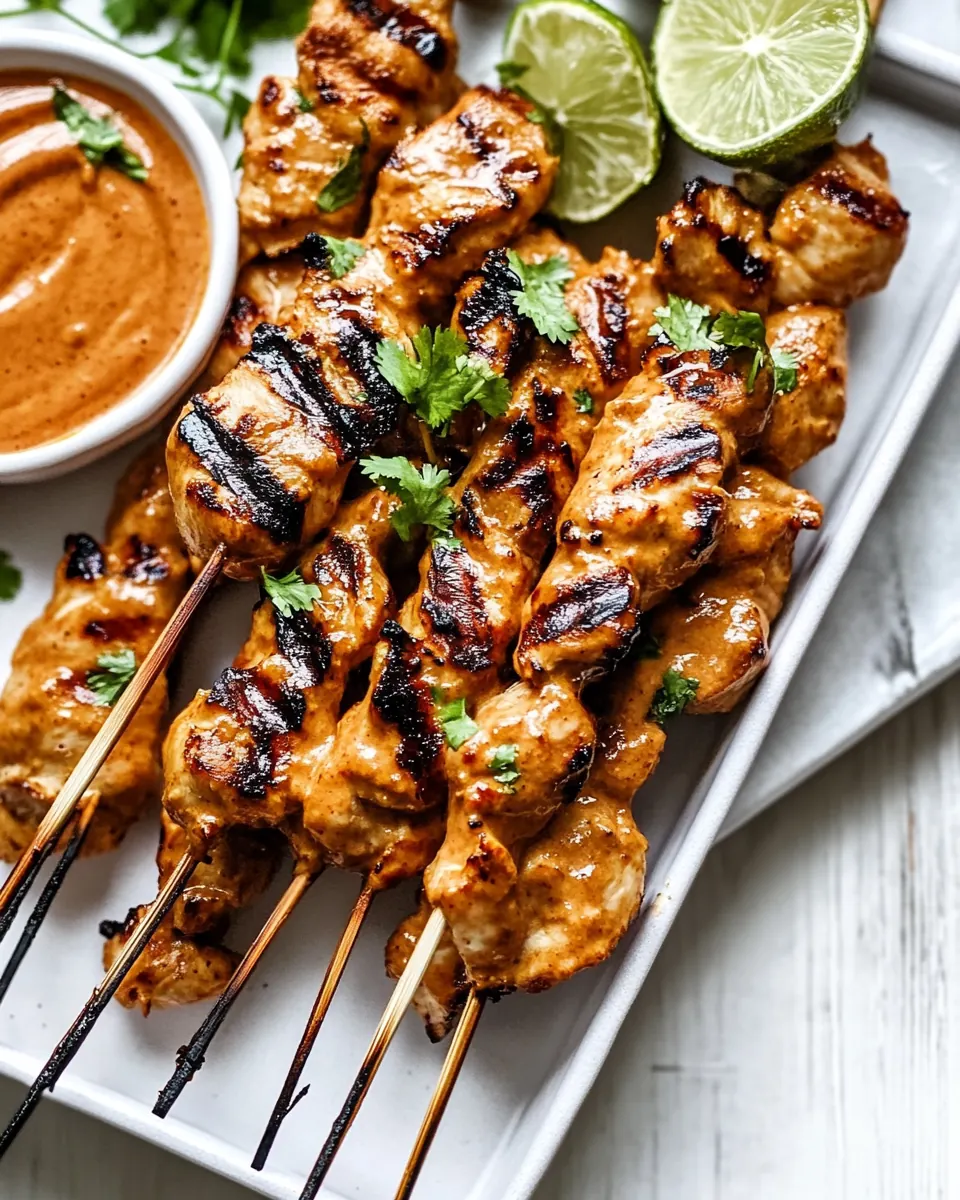
I like to think of the assembly as a rhythm of small, deliberate moves that build toward a memorable meal. The steps are straightforward, but the sensory cues and little adjustments make the difference between good and exceptional skewers.
- Place chicken tenders in a zip close bag.: The scent of fresh chicken is mild and slightly sweet; when I slide the tenders into a plastic bag I press out extra air so the marinade can coat every surface. This method helps the marinade contact the meat evenly, avoiding dry spots. A common mistake is using too many pieces in one bag, which prevents proper coverage, so leave a little room for circulation.
- In a medium bowl combine the creamy peanut butter, coconut milk, brown sugar, soy sauce, lime juice, lime zest and salt. Stir till smooth, then pour over the chicken in the zip close bag. Seal it up and let marinade in the fridge for 2-4 hours.: The mixture should smell of coconut and lime with a warm peanut aroma; stirring until smooth prevents pockets of dry sugar or separated oils. When you pour the marinade over the chicken , press gently to ensure all pieces are coated. Marinating for the recommended time lets acids and fats penetrate, tenderizing and flavoring the meat. Avoid marinating too long, as the texture can become mushy.
- Once done marinating, soak wooden skewers in water for 10 minutes to prevent burning on the grill. Thread chicken onto the wooden skewers.: As you thread pieces the chicken will glisten with marinade and feel slightly tacky; soaked skewers resist burning and help keep the pieces intact. Space the tenders so they cook evenly and there is heat circulation around each piece. A frequent error is overcrowding skewers, which leads to uneven cooking and longer grill times.
- Heat grill to medium. Grill for 3-4 minutes on each side or until internal temp reaches 165 degrees F.: When the grill reaches medium heat you should hear a steady sizzle as the chicken makes contact, and the aroma of coconut and peanut will intensify. Watch for golden char marks and slightly caramelized edges, that indicates the sugars are doing their work. Use a meat thermometer to check for 165 degrees F internal temperature to ensure safety without overcooking. Avoid raising the heat too high, which will char the exterior while leaving the center underdone.
- Place the peanut butter in a small dish and heat in microwave for 10-15 seconds to soften.: Warmed peanut butter releases oils and becomes glossy, making it much easier to whisk into a smooth sauce. The scent should become nuttier and more pronounced. If it overheats it can separate or scorch, so short bursts are safer. If you skip this step you may end up with a lumpy sauce that does not emulsify well.
- Add the hoisin sauce, sriracha, lime juice and 1 tbsp of water. Stir until combined, add more water to thin sauce as needed.: The sauce should smell bright and slightly smoky from the hoisin, with a hint of heat from the sriracha. Start with small amounts of water to reach a dipping consistency where the sauce coats but does not drown the chicken . Taste as you go, adjusting lime for brightness or sriracha for heat. A common issue is making the sauce too thick, which makes it hard to dip, or too thin, which reduces flavor concentration.
- Garnish chicken with chopped cilantro and serve hot with the peanut dipping sauce.: The final plate should steam gently, with glossy sauce pooled nearby and flecks of green from cilantro offering contrast. Fresh garnish adds an herbaceous lift against the nutty sauce and smoky chicken . Serve promptly to maintain contrast between warm meat and the creamy dip. Letting skewers sit too long will cool them down and the texture will lose that fresh grilled bite.
Recipe Variations about Thai Chicken Satay
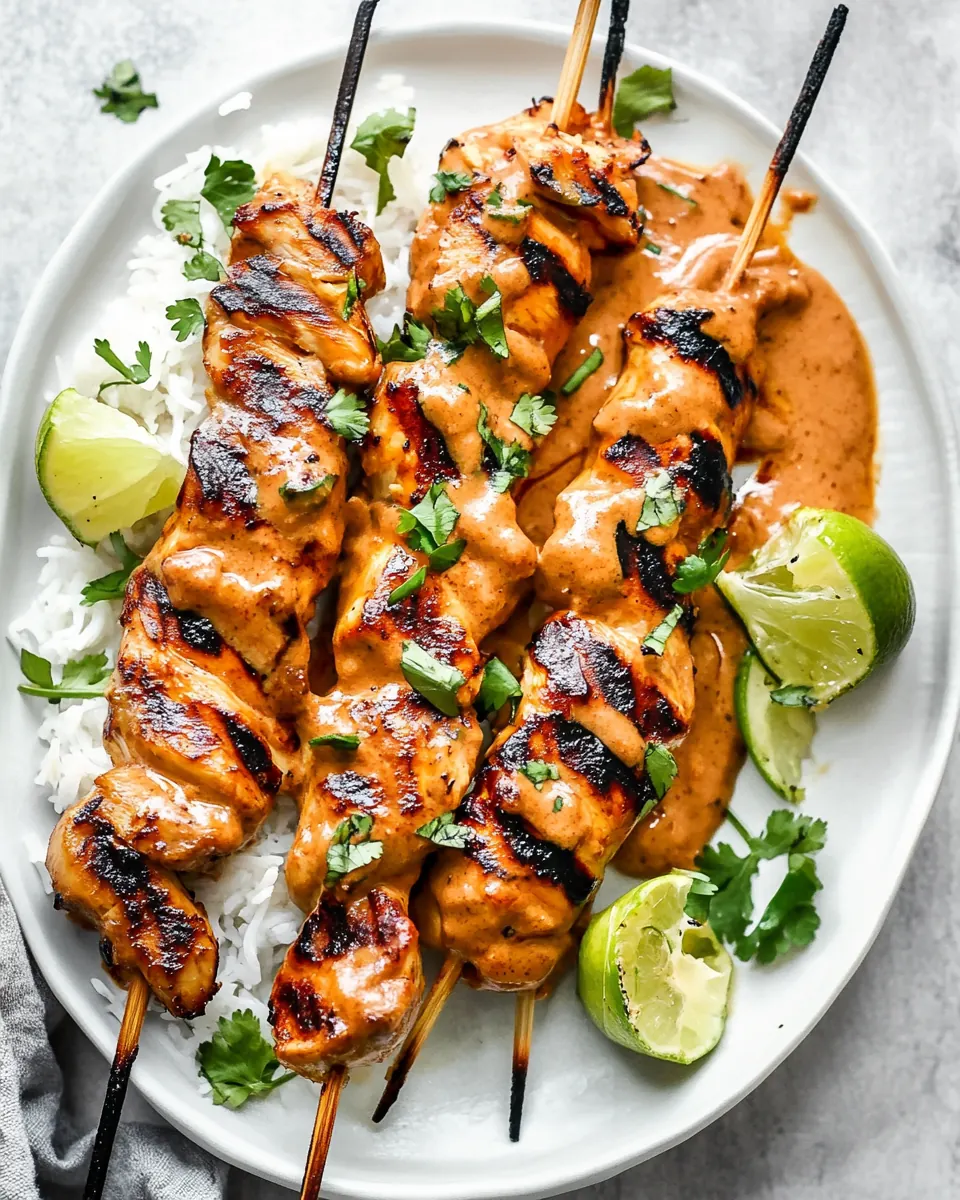
I like to experiment with small swaps that keep the spirit of the recipe intact while offering new textures or intensities. Below are ways I adapt the dish for different moods, crowds, and pantry situations.
- Adjust the heat: Increase or decrease the amount of Sriracha to suit your guests; a little goes a long way and you can always add more at the table.
- Peanut texture: Use chunky peanut butter in the dipping sauce for a pleasantly rustic mouthfeel, or creamy for a smooth, clingy sauce.
- Marinade timing: If short on time, marinate for at least 30 minutes, but for best flavor give it 2 to 4 hours as suggested in the recipe.
- Make ahead: Prepare the sauce a day ahead and store it chilled, then warm it briefly before serving to refresh the flavors.
- Skewer presentation: For a polished look, thread two small pieces of chicken per skewer and stagger them on the platter for easy grabbing at parties.
What to Pair With Thai Chicken Satay
This dish is versatile for many occasions, and simple pairings make it shine. I often think in terms of texture and temperature, pairing crunchy or fresh elements with the warm skewers. Below are detailed serving ideas and storage suggestions that work for casual gatherings or a relaxed dinner.
- Steamed jasmine rice: Plain, fluffy rice is a classic companion that soaks up extra sauce and keeps the meal balanced.
- Light cucumber salad: A quick salad with thinly sliced cucumber, a splash of lime and a pinch of salt provides cool contrast to the warm, nutty skewers.
- Fresh herbs platter: A small plate of cilantro and lime wedges lets guests add brightness to each bite, ideal for outdoor gatherings.
- Accommodating occasions: Serve this for lunch, dinner, or as part of a Ramadan iftar spread, the dish adapts well across times because of its shareable nature.
- Leftover storage: Refrigerate cooled skewers in an airtight container for up to three days; reheat gently to preserve juiciness and rewarm the sauce separately.
- Seasonal pairing: In summer I serve it with crisp slaws or grilled vegetables; the sweetness of the season complements the coconut and brown sugar notes.
FAQ
Conclusion
What makes this recipe special is the way simple pantry ingredients transform into a harmonious plate of grilled, nutty goodness with a bright citrus lift. I encourage you to give it a try for your next casual gathering or a relaxed weeknight meal, because it rewards a little advance prep with consistently bold results. The balance of creamy peanut, aromatic coconut, and fresh lime creates layers of flavor that are approachable and crowd pleasing, making this a recipe I turn to again and again. Enjoy the process of marinating, skewering, and grilling, and don’t be surprised if it becomes a requested favorite.
Thai Chicken Satay
Equipment
- Wooden Skewers soaked in water
Ingredients
- 2 pounds Chicken Tenderloin Provide lean protein and tender texture for the skewers; marinate well to absorb flavors and cook quickly on a grill or broiler for satay.
- 1/2 cup peanut butter, creamy Add rich, nutty creaminess to the sauce; combine with liquids and sugar to create a smooth, cohesive peanut satay glaze that balances savory notes.
- 3/4 cup Coconut Milk Contribute a silky, tropical richness to the peanut sauce; thin the mixture and add a subtle coconut aroma that complements the spices.
- 1/2 cup Brown Sugar Supply sweetness and depth to the sauce; dissolve into warm liquids to balance salty and tangy components and help caramelize during cooking.
- 1/4 cups soy Sauce Introduce salty umami to the marinade and sauce; use to season and enhance other flavors while adjusting quantity to taste.
- 1 Lime, zest and juice of Offer bright citrus aroma and acidity to both marinade and sauce; zest adds concentrated lime oils while juice brightens overall flavor balance.
- 1/4 tsp salt Enhance overall seasoning by lifting flavors and balancing sweetness; use sparingly to avoid over-salting while ensuring depth.
- Cilantro for a garnish, optional Provide a fresh, herbaceous finish and visual contrast when sprinkled over finished satay; add just before serving for best aroma.
- 1/2 cup Peanut Butter, chunky or creamy will work Bring additional peanut texture and body to the sauce; chunky or creamy variants create either rustic bits or smooth consistency while maintaining nutty flavor.
- 3 tbsp Hoisin sauce Add sweet-savory complexity and slight thickness to the sauce; stir in to deepen flavor and provide a mild hoisin richness.
- 1 tsp Sriracha Introduce a controlled spicy kick and subtle chili flavor to the sauce; adjust amount to reach desired heat level without overpowering other ingredients.
- 1 tbsp lime juice Contribute clean citrus acidity to balance richness; squeeze in to brighten the sauce and tie together savory, sweet, and spicy elements.
- 2 -3 tbsp water Adjust sauce consistency for dipping and glazing; add small amounts until desired pourable texture is achieved while maintaining flavor concentration.
Instructions
- Place chicken tenders in a zip close bag.: The scent of fresh chicken is mild and slightly sweet; when I slide the tenders into a plastic bag I press out extra air so the marinade can coat every surface. This method helps the marinade contact the meat evenly, avoiding dry spots. A common mistake is using too many pieces in one bag, which prevents proper coverage, so leave a little room for circulation.
- In a medium bowl combine the creamy peanut butter, coconut milk, brown sugar, soy sauce, lime juice, lime zest and salt. Stir till smooth, then pour over the chicken in the zip close bag. Seal it up and let marinade in the fridge for 2-4 hours.: The mixture should smell of coconut and lime with a warm peanut aroma; stirring until smooth prevents pockets of dry sugar or separated oils. When you pour the marinade over the chicken , press gently to ensure all pieces are coated. Marinating for the recommended time lets acids and fats penetrate, tenderizing and flavoring the meat. Avoid marinating too long, as the texture can become mushy.
- Once done marinating, soak wooden skewers in water for 10 minutes to prevent burning on the grill. Thread chicken onto the wooden skewers.: As you thread pieces the chicken will glisten with marinade and feel slightly tacky; soaked skewers resist burning and help keep the pieces intact. Space the tenders so they cook evenly and there is heat circulation around each piece. A frequent error is overcrowding skewers, which leads to uneven cooking and longer grill times.
- Heat grill to medium. Grill for 3-4 minutes on each side or until internal temp reaches 165 degrees F.: When the grill reaches medium heat you should hear a steady sizzle as the chicken makes contact, and the aroma of coconut and peanut will intensify. Watch for golden char marks and slightly caramelized edges, that indicates the sugars are doing their work. Use a meat thermometer to check for 165 degrees F internal temperature to ensure safety without overcooking. Avoid raising the heat too high, which will char the exterior while leaving the center underdone.
- Place the peanut butter in a small dish and heat in microwave for 10-15 seconds to soften.: Warmed peanut butter releases oils and becomes glossy, making it much easier to whisk into a smooth sauce. The scent should become nuttier and more pronounced. If it overheats it can separate or scorch, so short bursts are safer. If you skip this step you may end up with a lumpy sauce that does not emulsify well.
- Add the hoisin sauce, sriracha, lime juice and 1 tbsp of water. Stir until combined, add more water to thin sauce as needed.: The sauce should smell bright and slightly smoky from the hoisin, with a hint of heat from the sriracha. Start with small amounts of water to reach a dipping consistency where the sauce coats but does not drown the chicken . Taste as you go, adjusting lime for brightness or sriracha for heat. A common issue is making the sauce too thick, which makes it hard to dip, or too thin, which reduces flavor concentration.
- Garnish chicken with chopped cilantro and serve hot with the peanut dipping sauce.: The final plate should steam gently, with glossy sauce pooled nearby and flecks of green from cilantro offering contrast. Fresh garnish adds an herbaceous lift against the nutty sauce and smoky chicken . Serve promptly to maintain contrast between warm meat and the creamy dip. Letting skewers sit too long will cool them down and the texture will lose that fresh grilled bite.
Notes
- Adjust the heat: Increase or decrease the amount of Sriracha to suit your guests; a little goes a long way and you can always add more at the table.
- Peanut texture: Use chunky peanut butter in the dipping sauce for a pleasantly rustic mouthfeel, or creamy for a smooth, clingy sauce.
- Marinade timing: If short on time, marinate for at least 30 minutes, but for best flavor give it 2 to 4 hours as suggested in the recipe.
- Make ahead: Prepare the sauce a day ahead and store it chilled, then warm it briefly before serving to refresh the flavors.
- Skewer presentation: For a polished look, thread two small pieces of chicken per skewer and stagger them on the platter for easy grabbing at parties.