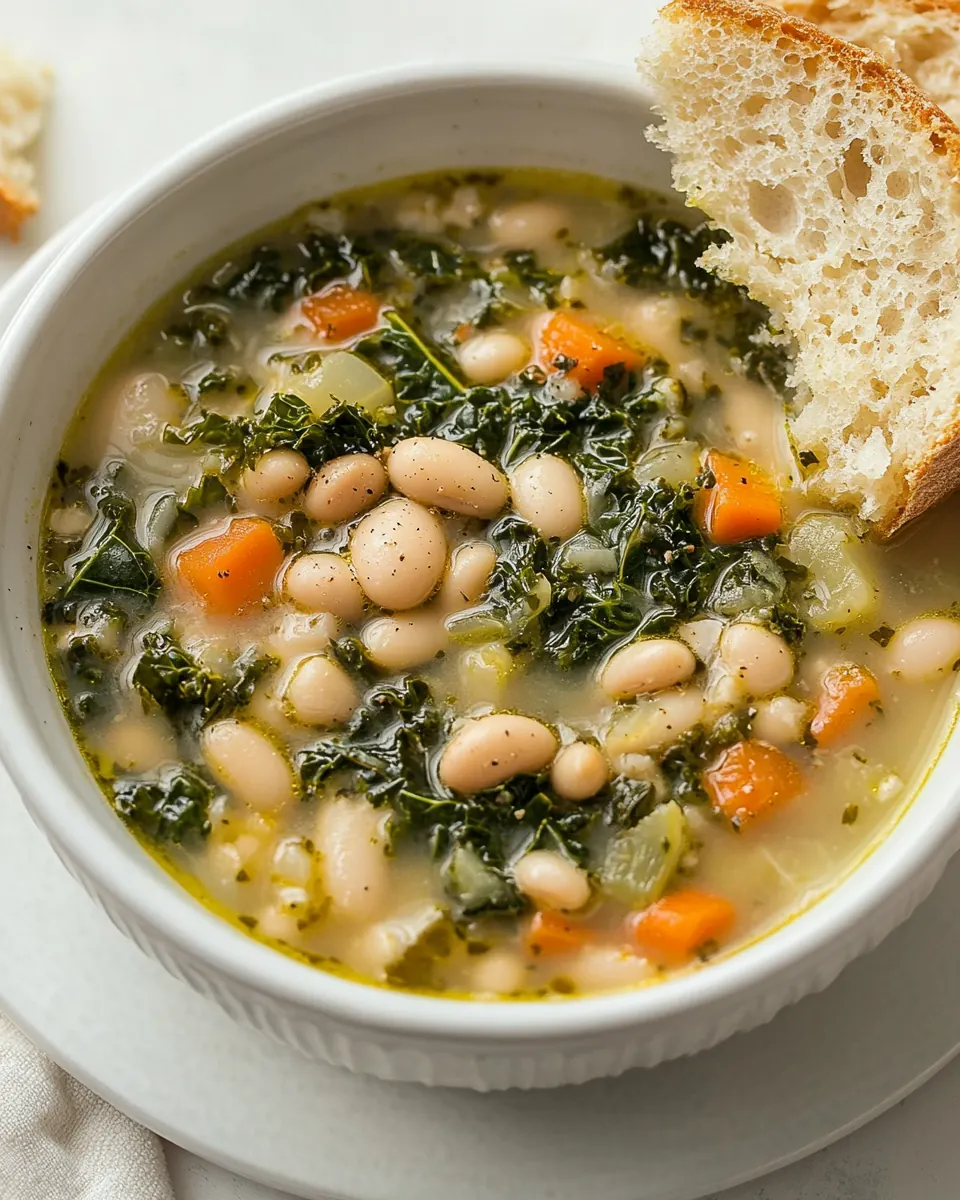
White Bean and Kale Soup
White Bean and Kale Soup is the kind of bowl I reach for when the sky is low and I want something honest, warming, and full of texture. The first time I made it I was coming home from a long day and had a ragged bunch of kale and a few cans of great northern beans in the pantry. I loved how quickly a handful of humble ingredients transformed into a soup that felt like a hug, and I kept coming back to the method because it balances creaminess with bright, herbaceous notes.
Over the years I tweaked the rhythm of steps and the final seasoning. I learned that pureeing just one can of great northern beans with a little broth yields a naturally silky body without any dairy, and that a parmesan rind simmered in the pot gives a depth that tastes like it took longer to make than it did. I also found that finishing with a drizzle of extra olive oil and a splash of fresh lemon juice lifts every bite. When friends ask for a simple, weeknight-friendly soup that still feels special, I hand them this recipe.
There is something very comforting about stirring a pot while aromas of softened onion, carrot, and celery rise, and then watching the soup go from translucent broth to a sturdy, spoonable stew once the kale is folded in. It stores beautifully, and the flavors often deepen the next day, which makes it ideal for meal prep or feeding a small crowd. I often make extra to have on hand for cool evenings when a quick reheated bowl and some crusty bread feel like the perfect dinner.
Recipe Snapshot
35 mins
10 mins
25 mins
Easy
220 kcal
American
Vegan, Gluten-Free
Soups
Large pot, Food processor
Why This White Bean and Kale Soup Is So Good
Comforting and approachable
I love that White Bean and Kale Soup feels like a homey classic but is refreshingly approachable for cooks of all skill levels. The textures are layered so every spoonful has creamy, tender, and slightly chewy elements, and that makes it both satisfying and soothing. When life is busy, this is the recipe I turn to because it is forgiving and yet impressive enough to serve guests.
Flavor depth without fuss
Simmering a parmesan rind in the broth is a tiny step that pays off big. It gives the stock savory umami that tastes complex, without the need for long braising or an arsenal of spices. I value techniques that amplify natural ingredients rather than mask them, and this trick does exactly that, bringing a rounded savory backbone to the soup.
Nutritious and satisfying
Between the protein rich great northern beans and the mineral dense kale, this soup delivers on nutrition while still feeling indulgent. I appreciate meals that keep me full on fewer calories, and this one fits that bill because the beans add creaminess and staying power while the greens add brightness and body.
Quick enough for weeknights
What makes this recipe a keeper is the speed. From chopping to table is pleasantly short, and you get a hearty weeknight dinner without a complicated timeline. I often prep the vegetables while the beans are draining so the pot goes together quickly, and that efficient rhythm is why I make it so often.
Flexible and leftover friendly
This soup travels well into the next day, and the flavors often improve after a rest. That makes it perfect for batch cooking, and I like that you can adjust the final seasoning to make it brighter with lemon or silkier with an extra drizzle of olive oil. It’s flexible and reliable, which is why it earns a regular spot in my rotation.
What You’ll Need for White Bean and Kale Soup
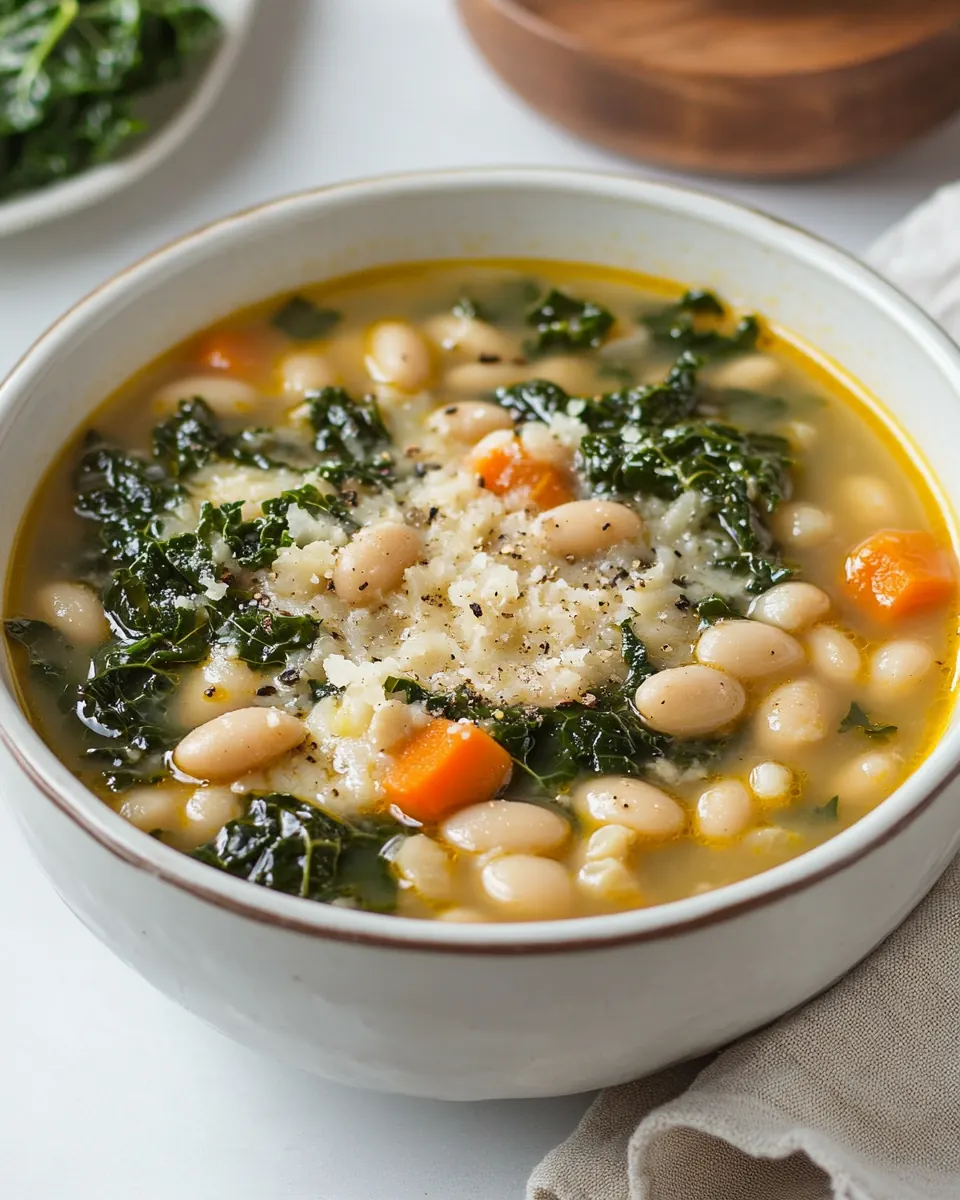
The philosophy behind these ingredients is simple: pantry staples elevated by a few fresh touches. The beans provide creamy body and protein, the vegetables form an aromatic base, and the parmesan rind plus herbs deepen the flavor. Together they create a balanced bowl that is both nourishing and deeply flavorful.
- 3 (14.5 oz) cans great northern beans, divided, drained and rinsed: Provide creamy body and fiber when partially blended; drain and rinse to control sodium and texture. Reserve some whole for garnish and textural contrast in the finished soup.
- 4 tbsp extra virgin olive oil, divided: Enhance flavor and mouthfeel while sautéing aromatics; divide to cook vegetables and finish with a drizzle for richness. Use extra virgin quality for bright, fruity notes that balance the soup.
- 1 cup chopped yellow onion (1 small): Add a sweet, savory base when finely chopped and sautéed until translucent; contributes liquid release and depth of flavor. Use the indicated amount for balanced aromatic foundation without overpowering other vegetables.
- 1 cup chopped carrots (2 medium): Contribute natural sweetness and slight earthiness when diced and softened; helps build the soup’s layered flavor and texture. Cook until tender to meld with onions and celery for a cohesive mirepoix.
- 1 cup chopped celery (2 ribs): Provide subtle vegetal flavor and aromatic base when chopped and sautéed; supports texture and moisture in the soup. Maintain even chop size to ensure uniform cooking with carrots and onion.
- 1 tbsp minced garlic (3 cloves): Deliver pungent, savory lift when minced and added early or late depending on desired intensity; blooming garlic in oil deepens flavor. Mince finely to distribute the aroma and avoid overpowering the broth.
- 4 1/2 cups low-sodium chicken broth or vegetable broth, divided: Create the cooking liquid and control salt level; use low-sodium to allow seasoning adjustments and to layer flavors. Divide some for initial simmering and reserve remainder to adjust consistency later.
- 1 parmesan rind (about 6-inches): Impart deep, umami-rich savory character when simmered in the broth; adds complexity and a subtle cheesy backbone. Keep the rind intact while cooking and remove before serving.
- 1 tbsp chopped fresh rosemary: Introduce aromatic piney notes when finely chopped and added to the soup; rosemary complements beans and broth with herbal depth. Use sparingly to avoid overwhelming the delicate flavors.
- Salt and black pepper, to taste: Season to taste to enhance all flavors and balance the broth; add gradually while tasting near the end of cooking. Use freshly ground pepper for brighter heat and grind as needed.
- 4 oz . curly kale, chopped (4 packed cups): Provide hearty green texture and a mild bitter note when chopped and wilted into the hot soup; contributes vitamins and color. Add toward the end to preserve some texture and vibrant color.
- 1/4 cup chopped fresh parsley: Brighten flavor and add fresh herbal finish when chopped and stirred in at the end; parsley lifts the soup and adds visual contrast. Use flat-leaf parsley for a clean, fresh herbaceous note.
- 1 to 2 Tbsp fresh lemon juice, to taste: Add bright acidity and freshness when squeezed in to finish; lemon juice balances the richness and enhances flavors. Adjust between one and two tablespoons to personal taste for brightness.
- 1/2 cup grated parmesan, or to taste (for serving): Provide a salty, nutty finishing garnish when grated over servings; parmesan adds savory umami and richness. Offer as optional to allow diners to control saltiness and cheesiness.
Step by Step Instructions for White Bean and Kale Soup
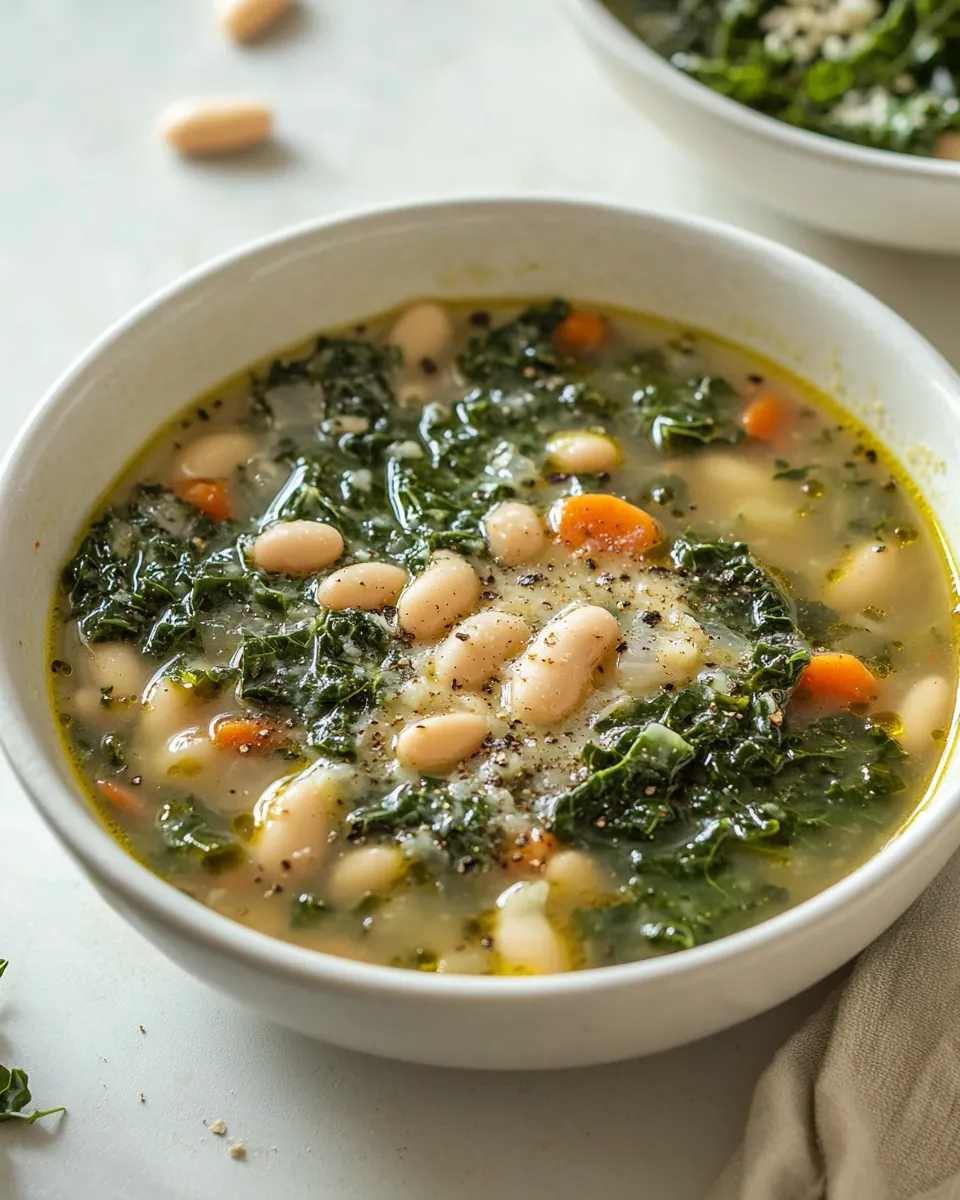
These steps turn pantry cans and simple produce into a soulful soup. Read through once to get the flow, then follow each step slowly so you can enjoy the aromas as they build. The method is forgiving, and tasting as you go will help you make it your own.
- Add one can of rinsed beans to a food processor along with 1/2 cup broth. Process until smooth, set aside.: The first sensory cue you notice is the beans turning silky and light as they whirl, creating a creamy puree that will thicken the broth without cream. The gentle hum of the processor gives way to a velvet texture, and you should see a pale, smooth mixture free of large lumps. This technique matters because it lends body while keeping the soup dairy free, and it helps the finished bowl feel rich without heaviness. A common mistake is overfilling the food processor, which can result in uneven pureeing; if that happens pulse in batches and scrape down the sides so everything processes evenly.
- Heat 1 Tbsp olive oil in a large pot over medium heat. Add onion, carrots and celery and saute 5 minutes. Add garlic and saute 1 minute longer.: As the olive oil warms you will smell a green, fruity note, then the onion releases sweet aromas as it softens and the carrot adds gentle sweetness while the celery gives a savory backbone. The pan should shimmer but not smoke, and you want a softening sound from the vegetables rather than frantic sizzling. Adding the garlic at the end prevents it from burning and turning bitter. This step builds the aromatic foundation; rushing it can leave raw vegetal flavors, so avoid cranking the heat too high and stirring constantly to ensure even softening.
- Pour in remaining 4 cups broth, add parmesan rind and rosemary and season with salt and pepper to taste. Bring mixture to a simmer over medium-high heat. Once simmering reduce heat to medium-low. Cover and simmer 10 minutes.: When the broth hits the pot you will hear a gentle increase in sound as it warms, and thin steam will rise as the stock comes alive with the parmesan rind and rosemary . The parmesan rind slowly releases savory, nutty compounds that deepen the liquid, while the rosemary infuses a faint piney scent. Bringing the pot to a simmer and then lowering the heat lets flavors marry without aggressive boiling that can flatten delicate aromatics. A key thing to avoid is a rolling boil which can make the vegetables disintegrate; keep a controlled simmer so the ingredients meld slowly and cleanly.
- Add remaining 2 cans of beans (drained and rinsed), and bean puree mixture then continue to simmer 5 minutes, covered. Add kale and continue to simmer, covered, until softened about 5 minutes longer.: Once the whole beans and the bean puree join the pot the texture will shift from clear broth to a more substantial, slightly opaque soup. You will notice a soft plop as the beans settle in and the aroma deepens into a hearty, beany richness. Covering the pot traps steam and allows the beans to heat through evenly, while the puree helps create a velvety mouthfeel. When you add the kale , watch it go from firm and dark to tender and vibrantly green, which signals it is done. Avoid overcooking the kale; it should be wilted but still retain some texture, not mushy.
- Remove parmesan rind. Stir in parsley, remaining 3 Tbsp olive oil and the lemon juice.: When you lift out the parmesan rind you will notice the broth smells fuller and rounder. Stirring in chopped parsley adds a fresh herbal brightness, while the extra olive oil gives a glossy sheen and the lemon juice delivers a crisp, acidic pop that balances the savory base. The contrast of warm, rich broth with fresh, citrusy lift is what makes each spoonful sing. A common error is adding too much lemon at once; add a little, taste, and adjust so the acidity brightens without overtaking the soup.
- Garnish each serving with grated parmesan.: The final sensory detail is the nutty salt of freshly grated parmesan melting slightly into the hot surface, creating tiny ribbons of savory richness. The aroma at the table becomes more immediate and irresistible. This finishing touch enhances mouthfeel and invites the eater to personalize their bowl. Be careful not to dump the cheese in too early because it can clump; add it just before serving so it melds smoothly into the warm soup.
Recipe Notes about White Bean and Kale Soup
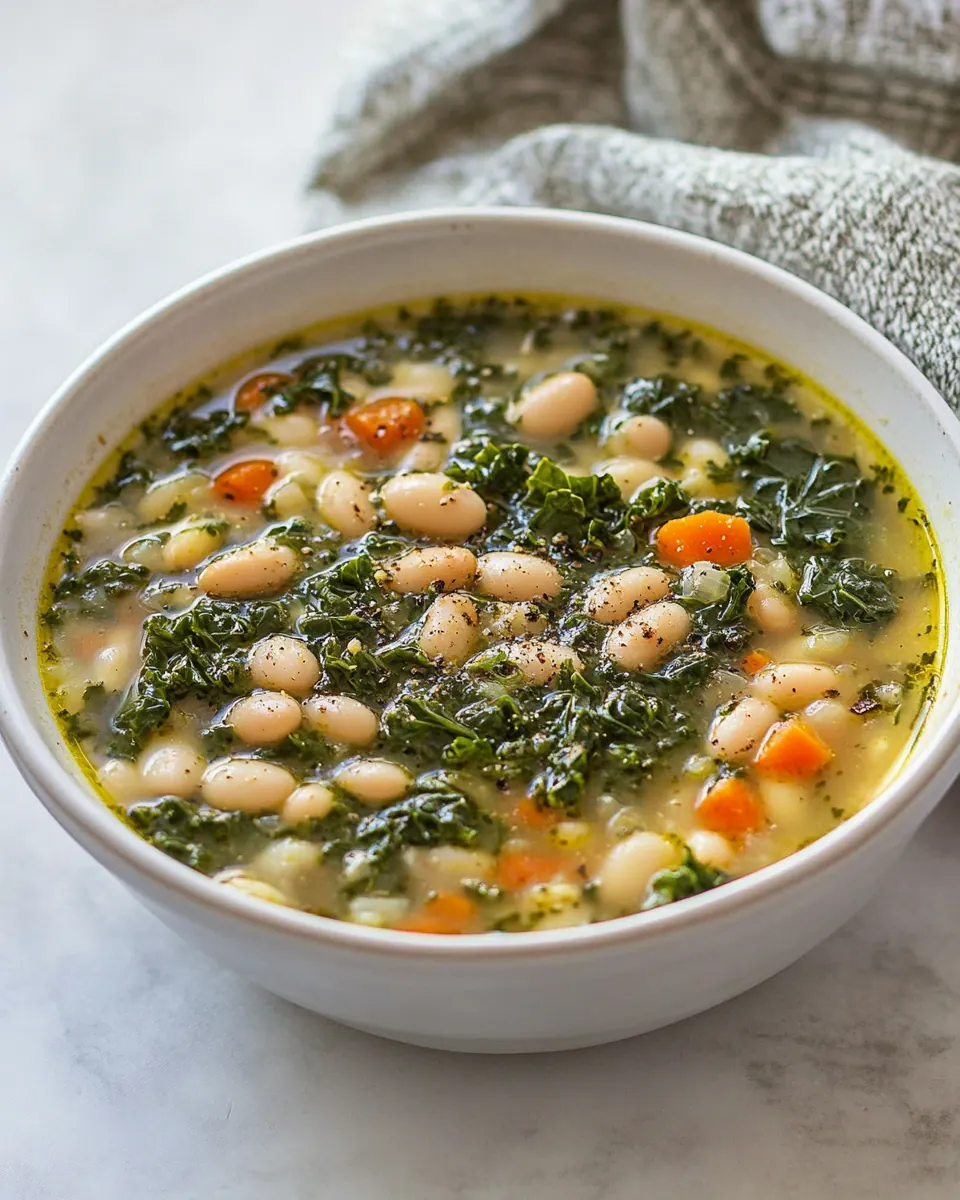
I like to collect practical notes that make this recipe easier and more reliable. Below are focused tips to help you get consistent results whether you are making a first test batch or a weekly staple.
- Prep vegetables uniformly, chop the onion, carrot, and celery into similar sizes so they cook evenly. This prevents tiny bits from burning while larger pieces remain underdone and ensures a balanced texture in every spoonful.
- Reserve broth for blending, keep a little broth aside to thin the bean puree as needed. If the puree seems too stiff, adding liquid keeps it smooth and helps it integrate seamlessly into the soup.
- Mind the garlic, add the minced garlic after the other vegetables have softened to avoid bitterness. Burnt garlic will introduce harsh flavors, so brief sautéing is all you need to unlock its aroma.
- Use low sodium broth, starting with a low sodium base gives you full control over final seasoning and prevents the soup from becoming too salty once the parmesan and grated cheese are added.
- Finish with acid and oil, a small splash of fresh lemon juice and a drizzle of extra olive oil at the end brightens and rounds the flavors in a way that heating alone cannot achieve.
Serve This White Bean and Kale Soup With
This soup pairs beautifully with simple accompaniments that let it shine. Whether you are serving it for a casual weeknight or a more thoughtful lunch, these serving ideas help you present a balanced plate.
- Crusty bread for dipping, a warm, hearty loaf adds textural contrast and soaks up the savory broth perfectly, making the meal feel complete without fuss.
- Simple green salad to lighten the meal, a crisp salad with a lemon vinaigrette complements the soup’s richness and adds a refreshing counterpoint for lunch or dinner.
- Meal prep bowls for a make ahead option, store the soup in airtight containers and reheat gently with a splash of broth; it makes a reliable lunch or quick dinner during busy weeks.
- Comfort occasions like cozy winter nights or casual family dinners, this soup shines when you want something nourishing and heartwarming without a lot of ceremony.
- Seasonal pairing in winter the warm, savory nature of the soup feels especially apt, and adding an extra squeeze of lemon juice can brighten it in milder months if desired.
FAQ
Conclusion
This White Bean and Kale Soup stands out because it turns simple pantry staples into a richly flavored, comforting bowl that is both nutritious and approachable. I encourage you to give it a try on a cool evening when you want something satisfying but not fussy; the steps are straightforward and the result is reliably delicious. Make a batch, taste as you go, and enjoy how a small flourish of lemon and olive oil at the end transforms the soup into something quietly memorable.
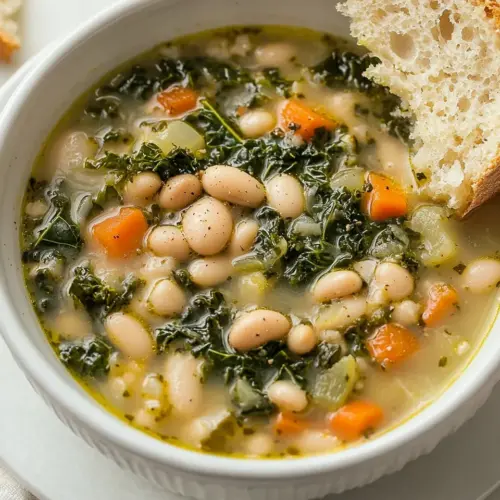
White Bean and Kale Soup
Equipment
- Large Pot
- Food Processor
Ingredients
- 3 (14.5 oz) cans great northern beans, divided, drained and rinsed Provide creamy body and fiber when partially blended; drain and rinse to control sodium and texture. Reserve some whole for garnish and textural contrast in the finished soup.
- 4 tbsp extra virgin olive oil, divided Enhance flavor and mouthfeel while sautéing aromatics; divide to cook vegetables and finish with a drizzle for richness. Use extra virgin quality for bright, fruity notes that balance the soup.
- 1 cup chopped yellow onion (1 small) Add a sweet, savory base when finely chopped and sautéed until translucent; contributes liquid release and depth of flavor. Use the indicated amount for balanced aromatic foundation without overpowering other vegetables.
- 1 cup chopped carrots (2 medium) Contribute natural sweetness and slight earthiness when diced and softened; helps build the soup’s layered flavor and texture. Cook until tender to meld with onions and celery for a cohesive mirepoix.
- 1 cup chopped celery (2 ribs) Provide subtle vegetal flavor and aromatic base when chopped and sautéed; supports texture and moisture in the soup. Maintain even chop size to ensure uniform cooking with carrots and onion.
- 1 tbsp minced garlic (3 cloves) Deliver pungent, savory lift when minced and added early or late depending on desired intensity; blooming garlic in oil deepens flavor. Mince finely to distribute the aroma and avoid overpowering the broth.
- 4 1/2 cups low-sodium chicken broth or vegetable broth, divided Create the cooking liquid and control salt level; use low-sodium to allow seasoning adjustments and to layer flavors. Divide some for initial simmering and reserve remainder to adjust consistency later.
- 1 parmesan rind (about 6-inches) Impart deep, umami-rich savory character when simmered in the broth; adds complexity and a subtle cheesy backbone. Keep the rind intact while cooking and remove before serving.
- 1 tbsp chopped fresh rosemary Introduce aromatic piney notes when finely chopped and added to the soup; rosemary complements beans and broth with herbal depth. Use sparingly to avoid overwhelming the delicate flavors.
- Salt and black pepper, to taste Season to taste to enhance all flavors and balance the broth; add gradually while tasting near the end of cooking. Use freshly ground pepper for brighter heat and grind as needed.
- 4 oz . curly kale, chopped (4 packed cups) Provide hearty green texture and a mild bitter note when chopped and wilted into the hot soup; contributes vitamins and color. Add toward the end to preserve some texture and vibrant color.
- 1/4 cup chopped fresh parsley Brighten flavor and add fresh herbal finish when chopped and stirred in at the end; parsley lifts the soup and adds visual contrast. Use flat-leaf parsley for a clean, fresh herbaceous note.
- 1 to 2 Tbsp fresh lemon juice, to taste Add bright acidity and freshness when squeezed in to finish; lemon juice balances the richness and enhances flavors. Adjust between one and two tablespoons to personal taste for brightness.
- 1/2 cup grated parmesan, or to taste (for serving) Provide a salty, nutty finishing garnish when grated over servings; parmesan adds savory umami and richness. Offer as optional to allow diners to control saltiness and cheesiness.
Instructions
- Add one can of rinsed beans to a food processor along with 1/2 cup broth. Process until smooth, set aside.: The first sensory cue you notice is the beans turning silky and light as they whirl, creating a creamy puree that will thicken the broth without cream. The gentle hum of the processor gives way to a velvet texture, and you should see a pale, smooth mixture free of large lumps. This technique matters because it lends body while keeping the soup dairy free, and it helps the finished bowl feel rich without heaviness. A common mistake is overfilling the food processor, which can result in uneven pureeing; if that happens pulse in batches and scrape down the sides so everything processes evenly.
- Heat 1 Tbsp olive oil in a large pot over medium heat. Add onion, carrots and celery and saute 5 minutes. Add garlic and saute 1 minute longer.: As the olive oil warms you will smell a green, fruity note, then the onion releases sweet aromas as it softens and the carrot adds gentle sweetness while the celery gives a savory backbone. The pan should shimmer but not smoke, and you want a softening sound from the vegetables rather than frantic sizzling. Adding the garlic at the end prevents it from burning and turning bitter. This step builds the aromatic foundation; rushing it can leave raw vegetal flavors, so avoid cranking the heat too high and stirring constantly to ensure even softening.
- Pour in remaining 4 cups broth, add parmesan rind and rosemary and season with salt and pepper to taste. Bring mixture to a simmer over medium-high heat. Once simmering reduce heat to medium-low. Cover and simmer 10 minutes.: When the broth hits the pot you will hear a gentle increase in sound as it warms, and thin steam will rise as the stock comes alive with the parmesan rind and rosemary . The parmesan rind slowly releases savory, nutty compounds that deepen the liquid, while the rosemary infuses a faint piney scent. Bringing the pot to a simmer and then lowering the heat lets flavors marry without aggressive boiling that can flatten delicate aromatics. A key thing to avoid is a rolling boil which can make the vegetables disintegrate; keep a controlled simmer so the ingredients meld slowly and cleanly.
- Add remaining 2 cans of beans (drained and rinsed), and bean puree mixture then continue to simmer 5 minutes, covered. Add kale and continue to simmer, covered, until softened about 5 minutes longer.: Once the whole beans and the bean puree join the pot the texture will shift from clear broth to a more substantial, slightly opaque soup. You will notice a soft plop as the beans settle in and the aroma deepens into a hearty, beany richness. Covering the pot traps steam and allows the beans to heat through evenly, while the puree helps create a velvety mouthfeel. When you add the kale , watch it go from firm and dark to tender and vibrantly green, which signals it is done. Avoid overcooking the kale; it should be wilted but still retain some texture, not mushy.
- Remove parmesan rind. Stir in parsley, remaining 3 Tbsp olive oil and the lemon juice.: When you lift out the parmesan rind you will notice the broth smells fuller and rounder. Stirring in chopped parsley adds a fresh herbal brightness, while the extra olive oil gives a glossy sheen and the lemon juice delivers a crisp, acidic pop that balances the savory base. The contrast of warm, rich broth with fresh, citrusy lift is what makes each spoonful sing. A common error is adding too much lemon at once; add a little, taste, and adjust so the acidity brightens without overtaking the soup.
- Garnish each serving with grated parmesan.: The final sensory detail is the nutty salt of freshly grated parmesan melting slightly into the hot surface, creating tiny ribbons of savory richness. The aroma at the table becomes more immediate and irresistible. This finishing touch enhances mouthfeel and invites the eater to personalize their bowl. Be careful not to dump the cheese in too early because it can clump; add it just before serving so it melds smoothly into the warm soup.
Notes
- Prep vegetables uniformly, chop the onion, carrot, and celery into similar sizes so they cook evenly. This prevents tiny bits from burning while larger pieces remain underdone and ensures a balanced texture in every spoonful.
- Reserve broth for blending, keep a little broth aside to thin the bean puree as needed. If the puree seems too stiff, adding liquid keeps it smooth and helps it integrate seamlessly into the soup.
- Mind the garlic, add the minced garlic after the other vegetables have softened to avoid bitterness. Burnt garlic will introduce harsh flavors, so brief sautéing is all you need to unlock its aroma.
- Use low sodium broth, starting with a low sodium base gives you full control over final seasoning and prevents the soup from becoming too salty once the parmesan and grated cheese are added.
- Finish with acid and oil, a small splash of fresh lemon juice and a drizzle of extra olive oil at the end brightens and rounds the flavors in a way that heating alone cannot achieve.
