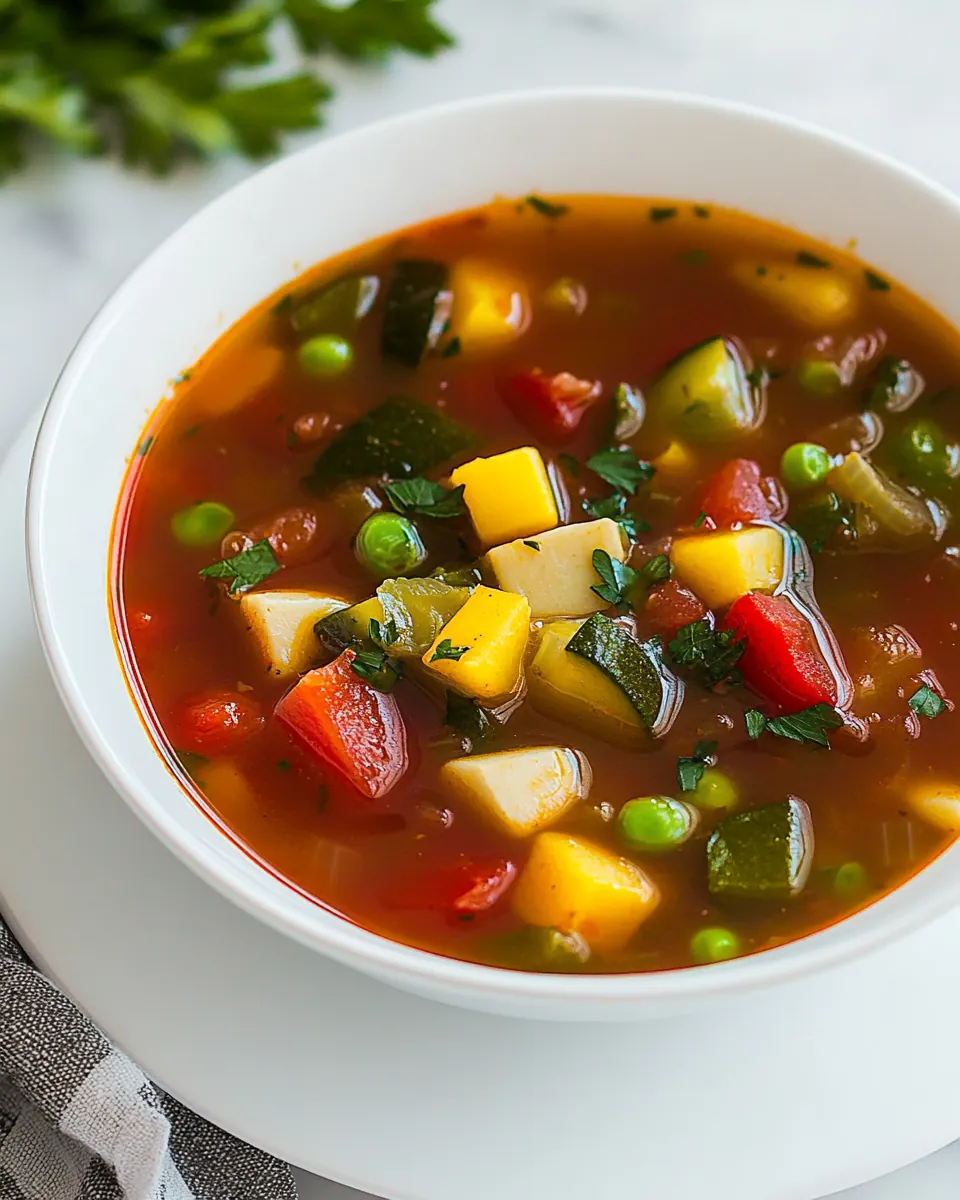
Vegetable Soup
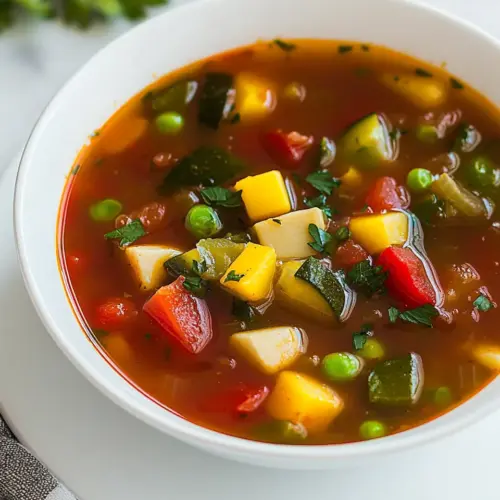
Vegetable Soup is the bowl I reach for whenever the weather turns raw and I need something honest, warm, and quietly restorative. The first time I made this soup I was juggling a busy week and a stash of vegetables that needed saving, and the result felt like a small act of rescue. I still remember the way the kitchen filled with an herby, savory steam as the pot came to life, and how the house slowed down while I stirred, tasted, and nudged the flavors into balance.
Over the years I have turned this simple idea into a reliable ritual, the kind of recipe I make without measuring obsessively, because its structure gives me permission to improvise. Yet there is a magic to the basic framework that I never stray from, the comforting backbone that keeps the soup grounded: a good stock, early sautéed aromatics, tender potatoes, and the bright pop of frozen peas and corn at the end. Each spoonful reads like a small celebration of texture, from silky broth to soft potatoes and the shy crunch of green beans.
Recipe Snapshot
55 mins
15 mins
40 mins
Medium
150 kcal
American
Gluten-Free, Vegan
Soups
Large pot, Wooden spoon
What Sets This Vegetable Soup Apart
Hearty and comforting
I keep coming back to this recipe because Vegetable Soup fills you up without weighing you down, a dependable meal on nights when I want comfort and clarity at the same time. The broth carries a rounded mouthfeel from the potatoes and tomatoes, while the mix of vegetables makes every bite pleasantly varied. I often serve it when friends drop by unexpectedly, because it stretches easily and still tastes handcrafted.
Simple pantry cooking
This soup shines because it relies on staple items, many of which I usually have on hand: olive oil, aromatic vegetables, canned tomatoes, and broth. That means I can toss it together in a pinch, and it rewards modest effort with layered flavor. I love how flexible it feels, yet the result never feels vague. Instead, it tastes intentionally put together, like a warm, familiar note in my house.
Balanced textures
One of the reasons I adore this bowl is the way textures play against each other. The potatoes add heft and creaminess, the green beans keep a bit of bite, and the frozen peas and corn bring sweetness and snap when added at the end. I find that this balance is what keeps each spoonful interesting, and the method ensures vegetables do not get lost in the broth.
Friendly to feeding crowds
I often double this recipe for gatherings because it scales effortlessly. It’s forgiving, so small timing differences do not break the dish, and it keeps well for lunches the next day. I like that it serves both as a starter or a simple main, and everybody seems to find comfort in a steaming bowl on chilly evenings.
Room for personalization
Finally, Vegetable Soup invites little touches that reflect individual taste. I experiment with herb amounts and sometimes finish bowls with a drizzle of good oil or a sprinkle of fresh parsley. Those small choices make the soup feel like mine each time I serve it.
What You’ll Need for Vegetable Soup
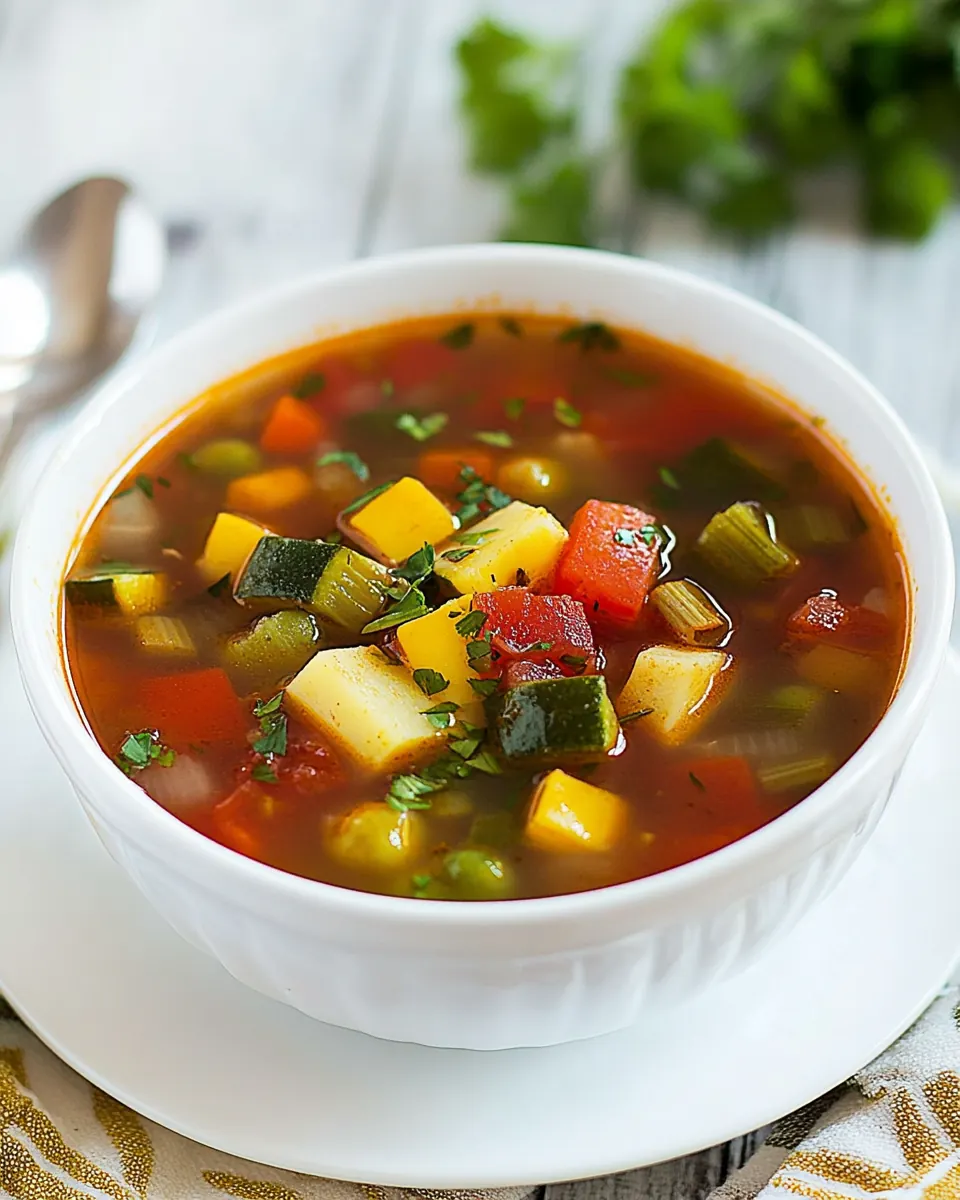
These ingredients are deliberately straightforward, chosen to build deep flavor through simple layering. The aromatics form the fragrant base, the canned tomatoes and broth provide savory body, and the potatoes and mixed vegetables contribute texture and heartiness. Together they create a bowl that is comforting, adaptable, and satisfying without requiring specialty items.
- 2 tbsp olive oil: Sauté gently in a large pot to develop a fragrant base and to help distribute fat-soluble flavors throughout the soup; use at the start of cooking to lightly coat vegetables and prevent sticking.
- 1 1/2 cups chopped yellow onion (1 medium): Sweat slowly until translucent to release natural sweetness and provide aromatic depth; chop finely to ensure even texture and melding with other vegetables.
- 2 cups peeled and chopped carrots (about 5): Simmer until tender to contribute natural sweetness, body, and color; peel and dice uniformly so carrots cook evenly and add pleasant bite.
- 1 1/4 cups chopped celery (about 3): Cook until softened to add aromatic backbone and subtle savory flavor; slice or dice consistently to match the cook time of other mirepoix components.
- 4 cloves garlic, minced: Sauté briefly to bloom pungent, savory notes and enhance overall aroma; mince finely so garlic distributes evenly without leaving large raw pieces.
- 4 (14.5 oz) cans low-sodium chicken broth or vegetable broth: Pour in as the primary liquid to build soup body, add savory umami, and control sodium level; choose low-sodium versions to better manage seasoning later.
- 2 (14.5 oz) cans diced tomatoes (undrained): Add along with the broth to introduce bright acidity, tomato flavor, and textured bits; include juices from the cans for added liquid and tomato essence.
- 3 cups peeled and 1/2-inch thick diced potatoes (from about 3 medium): Simmer until fork-tender to add hearty texture and starch that slightly thickens the broth; cut into uniform 1/2-inch cubes for even cooking.
- 1/3 cup chopped fresh parsley: Stir in near the end of cooking to contribute fresh herbal brightness and a hint of green color; chop finely so parsley distributes flavor evenly.
- 2 bay leaves: Tuck into the pot during simmering to infuse subtle herbal depth and a mild bitterness that balances sweetness; remove before serving for a smooth mouthfeel.
- 1/2 tsp dried thyme, or 1 Tbsp fresh thyme leaves: Sprinkle in dried or add fresh leaves to impart warm, slightly floral notes and complexity; adjust amount based on freshness and personal preference.
- Salt and freshly ground black pepper: Season to taste during and after cooking to enhance and balance flavors; use freshly ground pepper for sharper bite and add salt incrementally to avoid over-salting.
- 1 1/2 cups chopped frozen or fresh green beans: Add with other vegetables to provide crisp-tender texture and vegetal freshness; chop to similar size as other veg so beans cook evenly whether fresh or frozen.
- 1 1/4 cups frozen or fresh corn: Fold in to provide bursts of natural sweetness and bright color; add frozen corn directly or simmer fresh until heated through to preserve texture.
- 1 cup frozen or fresh peas: Stir in near the end to add sweet, tender pops of flavor and vibrant green color; use frozen peas without thawing or add fresh peas briefly to avoid mushiness.
Instructions for Vegetable Soup
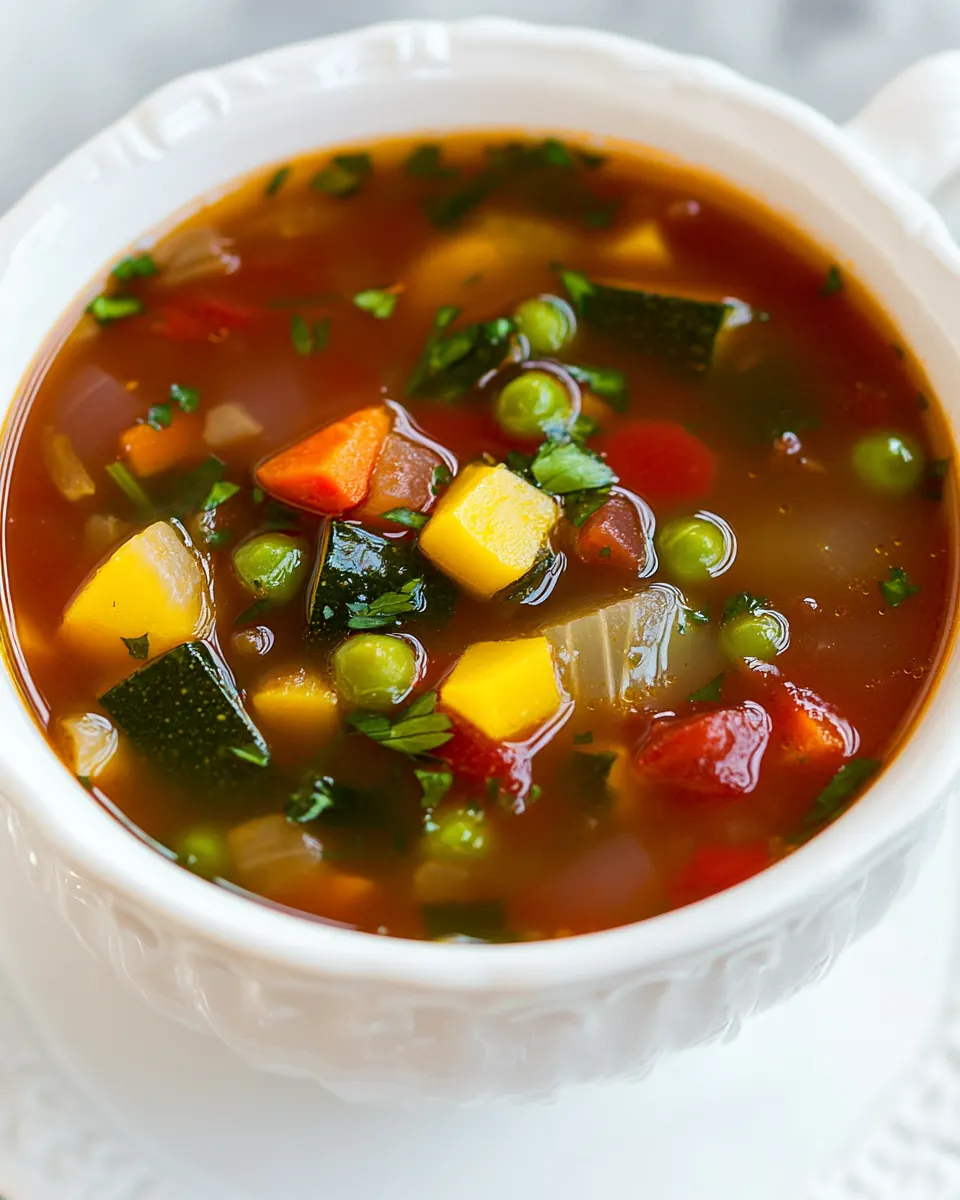
This method is straightforward and forgiving, but attention to sensory cues makes a big difference. I like to work steadily, tasting as I go, and treating the pot like a conversation partner that tells you when it needs time or seasoning. Below, I expand each direction into a full, detailed step to guide you through smells, sights, and common pitfalls.
- Heat olive oil in a large pot over medium-high heat.: The moment the oil shimmers and spreads easily across the pan, you will notice a faint fruity scent if the oil is fresh. This shimmering is the visual cue that the pan is hot enough to jumpstart browning, which creates flavor. Listen for a barely audible ripple as you tilt the pot, and if you see wisps of smoke, the heat is too high. A common mistake here is rushing the heat, which can make oil smoke and become bitter. If that happens, wipe the pot and start again on medium heat. Heating properly matters because oil temperature determines how aromatics sear, and good fond will build on the bottom to deepen the broth.
- Add onions, carrots, and celery and sauté 4 minutes then add garlic and sauté 30 seconds longer.: As these vegetables hit the hot oil, they will start to sizzle softly and release a sweet, savory perfume that thickens the kitchen air. Watch the onion turn from opaque to translucent and the edges of the carrots to soften slightly; they should not brown heavily in this short window. Add the minced garlic toward the end so it becomes fragrant but does not burn, which would introduce bitterness. The key sensory signs are a gentle caramel scent and a softened texture, not deep browning. Stir frequently to prevent sticking, and if the vegetables begin to brown too quickly, lower the heat. Proper sautéing builds the soup's flavor base and prevents raw vegetable notes in the final broth.
- Add in broth, tomatoes, potatoes, parsley, bay leaves, thyme and season with salt and pepper to taste.: When you pour in the broth and canned tomatoes , the pan will hiss and steam as the liquid hits the hot aromatics, carrying their flavors into the pot. Stir to combine so the tomatoes break up and distribute evenly, and add the diced potatoes so they start absorbing the flavored liquid. Drop in the chopped parsley , bay leaves , and thyme to infuse the broth with herbal complexity. Season lightly with salt and black pepper now, remembering you can adjust later. A common error is over-salting at this point; taste after the soup has simmered because flavors concentrate. This step matters because it sets the aromatic and savory profile that will evolve during simmering.
- Bring to a boil, then add green beans.: Bringing the pot to a brisk boil will create a rolling movement and audible bubbling that signals even heat distribution. Once the liquid is actively boiling, add the chopped green beans so they begin cooking without becoming overdone later. You will see the pot steam vigorously and smell the tomato and herb aromas intensify. If you miss the boiling point and move on too soon, the beans may cook unevenly. The boil helps jump-start the cooking of starchy potatoes and allows the beans to start softening while retaining some color.
- Reduce heat to medium-low, cover and simmer until potatoes are almost fully tender, about 20 – 30 minutes.: Lowering to a steady simmer softens flavors while allowing starches to release gradually, which gives the broth body and silkiness. You should see gentle, steady bubbles, not a violent boil, and the aroma will mellow into a warm, savory depth. Test a cube of potato by piercing with a fork; it should be tender but not falling apart. A typical mistake is simmering too aggressively, which can break up the potatoes and cloud the broth. Maintaining a gentle simmer ensures even cooking and a pleasing mouthfeel.
- Add corn and peas and cook 5 minutes longer. Serve warm.: Add the corn and peas toward the end so they heat through, retain their bright color, and keep a little texture. The cooking time will be short, and you will notice the mixture become slightly sweeter as the vegetables warm and their aromas merge with the broth. If you add them too early they will lose color and become mushy. After five minutes, taste and adjust seasoning, remove the bay leaves , and serve warm. The brief cooking at the end preserves the fresh notes and contrast that make each spoonful lively.
- Serve warm.: A steaming bowl will release the full bouquet of herbs and vegetables, and the first spoonful should present balanced warmth, a touch of acidity from the tomatoes , and gentle starchiness from the potatoes . Garnish with extra parsley if desired. The main mistake to avoid here is serving either too hot, which can mute flavors, or too cool, which flattens them. Aim for a comforting temperature that carries aroma and taste without scalding.
Customization Ideas
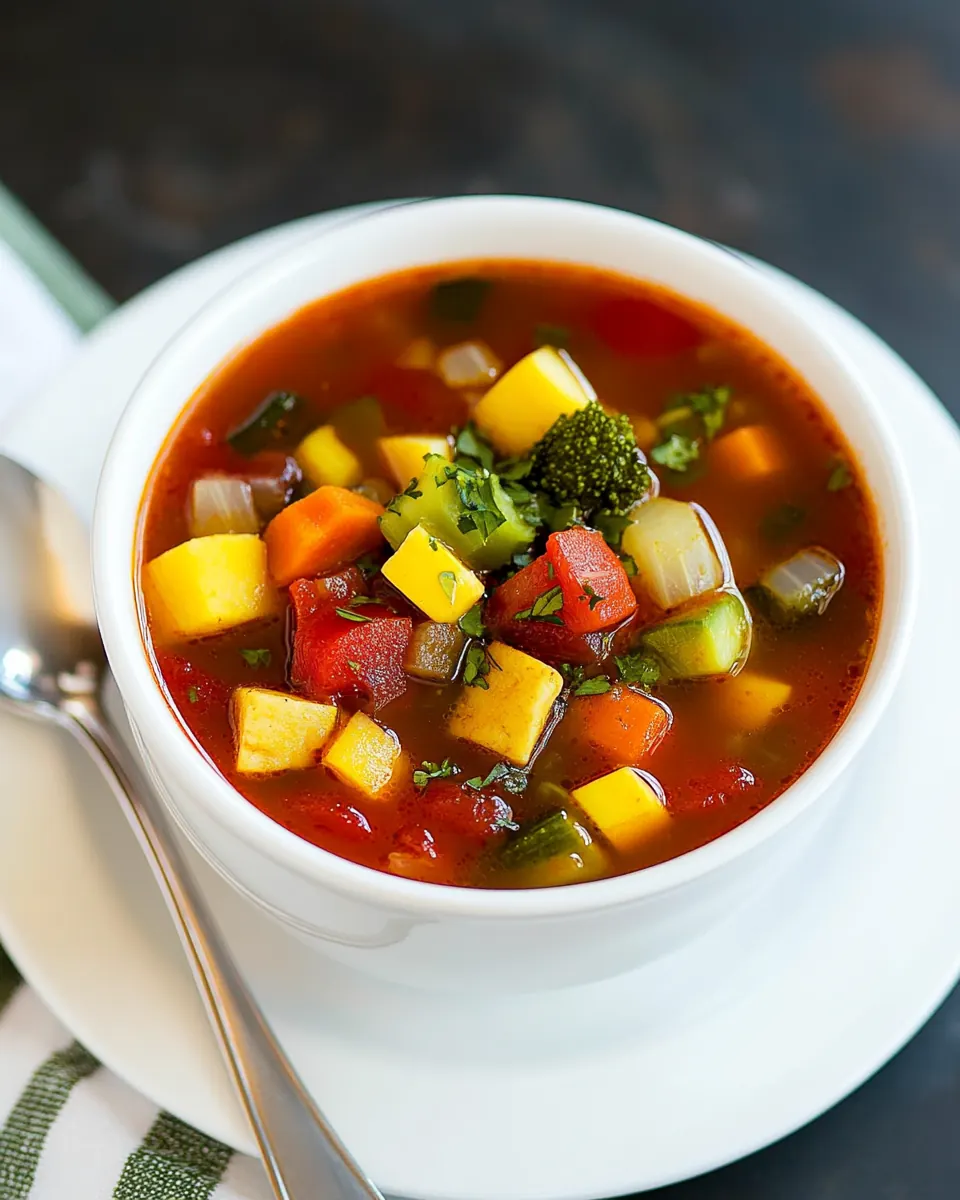
I like to offer ways to make the soup your own while staying true to its comforting spirit. Below are suggestions that respect the ingredient list and expand flavor or texture without changing the recipe’s intent.
- Boost the herbs: Increase the amount of dried thyme or add dried basil and oregano for a more Mediterranean herbal profile, but do this gradually so the herbs do not overpower the vegetables.
- Make it heartier: Add an extra cup of diced potatoes to thicken the soup naturally as they break down slightly, giving a creamier mouthfeel without adding dairy.
- Finish with fresh parsley: Stir in the chopped parsley at the end for brightness and a fresh herbal lift that contrasts the cooked vegetables.
- Use homemade stock: Swap store-bought broth with homemade chicken or vegetable stock for deeper savory notes, and remember to reduce added salt when using a rich homemade base.
- Add a corn cob: If using fresh corn, simmer a scraped corn cob in the pot during step three for extra sweetness and body, removing it before serving.
What Goes Well With This Vegetable Soup
This soup is versatile and pairs beautifully with simple sides. Think in terms of texture contrasts and seasonal occasions, and choose accompaniments that echo the soup’s warmth and simplicity.
- Crusty bread: A warm loaf or slices make a wonderful partner for soaking up the broth and add a toasty texture to each bite.
- Simple salad: A crisp green salad with a light vinaigrette offers a refreshing counterpoint to the warm, soft textures of the soup.
- Cheese finish: If you like, finish individual bowls with grated parmesan for a savory boost that melts slightly into the hot broth, though do this sparingly.
- Occasions: Ideal for weeknight dinners, cozy winter lunches, or light meals during a slower weekend, the soup fits many moments when you want a nourishing bowl.
- Storage: Store leftovers in an airtight container in the refrigerator for up to four days, and reheat gently on the stove to preserve texture. For longer storage, freeze in portions and thaw overnight in the fridge before reheating.
- Seasonal pairing: This recipe is particularly comforting in winter, when root vegetables are at their best and a warm bowl is most welcome.
FAQ
Conclusion
This Vegetable Soup stands out for its comforting balance of flavors, approachable technique, and flexibility to adapt to what you have on hand. I encourage you to try it on a chilly evening when you want a nourishing bowl that feels both restorative and effortless. Making it becomes a small ritual of layering flavors, tasting as you go, and enjoying the simple pleasure of a warm, homemade meal shared with family or kept for satisfying leftovers.
Vegetable Soup
Equipment
- Large Pot
- Wooden Spoon
Ingredients
- 2 tbsp olive oil Sauté gently in a large pot to develop a fragrant base and to help distribute fat-soluble flavors throughout the soup; use at the start of cooking to lightly coat vegetables and prevent sticking.
- 1 1/2 cups chopped yellow onion (1 medium) Sweat slowly until translucent to release natural sweetness and provide aromatic depth; chop finely to ensure even texture and melding with other vegetables.
- 2 cups peeled and chopped carrots (about 5) Simmer until tender to contribute natural sweetness, body, and color; peel and dice uniformly so carrots cook evenly and add pleasant bite.
- 1 1/4 cups chopped celery (about 3) Cook until softened to add aromatic backbone and subtle savory flavor; slice or dice consistently to match the cook time of other mirepoix components.
- 4 cloves garlic, minced Sauté briefly to bloom pungent, savory notes and enhance overall aroma; mince finely so garlic distributes evenly without leaving large raw pieces.
- 4 (14.5 oz) cans low-sodium chicken broth or vegetable broth Pour in as the primary liquid to build soup body, add savory umami, and control sodium level; choose low-sodium versions to better manage seasoning later.
- 2 (14.5 oz) cans diced tomatoes (undrained) Add along with the broth to introduce bright acidity, tomato flavor, and textured bits; include juices from the cans for added liquid and tomato essence.
- 3 cups peeled and 1/2-inch thick diced potatoes (from about 3 medium) Simmer until fork-tender to add hearty texture and starch that slightly thickens the broth; cut into uniform 1/2-inch cubes for even cooking.
- 1/3 cup chopped fresh parsley Stir in near the end of cooking to contribute fresh herbal brightness and a hint of green color; chop finely so parsley distributes flavor evenly.
- 2 bay leaves Tuck into the pot during simmering to infuse subtle herbal depth and a mild bitterness that balances sweetness; remove before serving for a smooth mouthfeel.
- 1/2 tsp dried thyme, or 1 Tbsp fresh thyme leaves Sprinkle in dried or add fresh leaves to impart warm, slightly floral notes and complexity; adjust amount based on freshness and personal preference.
- Salt and freshly ground black pepper Season to taste during and after cooking to enhance and balance flavors; use freshly ground pepper for sharper bite and add salt incrementally to avoid over-salting.
- 1 1/2 cups chopped frozen or fresh green beans Add with other vegetables to provide crisp-tender texture and vegetal freshness; chop to similar size as other veg so beans cook evenly whether fresh or frozen.
- 1 1/4 cups frozen or fresh corn Fold in to provide bursts of natural sweetness and bright color; add frozen corn directly or simmer fresh until heated through to preserve texture.
- 1 cup frozen or fresh peas Stir in near the end to add sweet, tender pops of flavor and vibrant green color; use frozen peas without thawing or add fresh peas briefly to avoid mushiness.
Instructions
- Heat olive oil in a large pot over medium-high heat.: The moment the oil shimmers and spreads easily across the pan, you will notice a faint fruity scent if the oil is fresh. This shimmering is the visual cue that the pan is hot enough to jumpstart browning, which creates flavor. Listen for a barely audible ripple as you tilt the pot, and if you see wisps of smoke, the heat is too high. A common mistake here is rushing the heat, which can make oil smoke and become bitter. If that happens, wipe the pot and start again on medium heat. Heating properly matters because oil temperature determines how aromatics sear, and good fond will build on the bottom to deepen the broth.
- Add onions, carrots, and celery and sauté 4 minutes then add garlic and sauté 30 seconds longer.: As these vegetables hit the hot oil, they will start to sizzle softly and release a sweet, savory perfume that thickens the kitchen air. Watch the onion turn from opaque to translucent and the edges of the carrots to soften slightly; they should not brown heavily in this short window. Add the minced garlic toward the end so it becomes fragrant but does not burn, which would introduce bitterness. The key sensory signs are a gentle caramel scent and a softened texture, not deep browning. Stir frequently to prevent sticking, and if the vegetables begin to brown too quickly, lower the heat. Proper sautéing builds the soup's flavor base and prevents raw vegetable notes in the final broth.
- Add in broth, tomatoes, potatoes, parsley, bay leaves, thyme and season with salt and pepper to taste.: When you pour in the broth and canned tomatoes , the pan will hiss and steam as the liquid hits the hot aromatics, carrying their flavors into the pot. Stir to combine so the tomatoes break up and distribute evenly, and add the diced potatoes so they start absorbing the flavored liquid. Drop in the chopped parsley , bay leaves , and thyme to infuse the broth with herbal complexity. Season lightly with salt and black pepper now, remembering you can adjust later. A common error is over-salting at this point; taste after the soup has simmered because flavors concentrate. This step matters because it sets the aromatic and savory profile that will evolve during simmering.
- Bring to a boil, then add green beans.: Bringing the pot to a brisk boil will create a rolling movement and audible bubbling that signals even heat distribution. Once the liquid is actively boiling, add the chopped green beans so they begin cooking without becoming overdone later. You will see the pot steam vigorously and smell the tomato and herb aromas intensify. If you miss the boiling point and move on too soon, the beans may cook unevenly. The boil helps jump-start the cooking of starchy potatoes and allows the beans to start softening while retaining some color.
- Reduce heat to medium-low, cover and simmer until potatoes are almost fully tender, about 20 - 30 minutes.: Lowering to a steady simmer softens flavors while allowing starches to release gradually, which gives the broth body and silkiness. You should see gentle, steady bubbles, not a violent boil, and the aroma will mellow into a warm, savory depth. Test a cube of potato by piercing with a fork; it should be tender but not falling apart. A typical mistake is simmering too aggressively, which can break up the potatoes and cloud the broth. Maintaining a gentle simmer ensures even cooking and a pleasing mouthfeel.
- Add corn and peas and cook 5 minutes longer. Serve warm.: Add the corn and peas toward the end so they heat through, retain their bright color, and keep a little texture. The cooking time will be short, and you will notice the mixture become slightly sweeter as the vegetables warm and their aromas merge with the broth. If you add them too early they will lose color and become mushy. After five minutes, taste and adjust seasoning, remove the bay leaves , and serve warm. The brief cooking at the end preserves the fresh notes and contrast that make each spoonful lively.
- Serve warm.: A steaming bowl will release the full bouquet of herbs and vegetables, and the first spoonful should present balanced warmth, a touch of acidity from the tomatoes , and gentle starchiness from the potatoes . Garnish with extra parsley if desired. The main mistake to avoid here is serving either too hot, which can mute flavors, or too cool, which flattens them. Aim for a comforting temperature that carries aroma and taste without scalding.
Notes
- Boost the herbs: Increase the amount of dried thyme or add dried basil and oregano for a more Mediterranean herbal profile, but do this gradually so the herbs do not overpower the vegetables.
- Make it heartier: Add an extra cup of diced potatoes to thicken the soup naturally as they break down slightly, giving a creamier mouthfeel without adding dairy.
- Finish with fresh parsley: Stir in the chopped parsley at the end for brightness and a fresh herbal lift that contrasts the cooked vegetables.
- Use homemade stock: Swap store-bought broth with homemade chicken or vegetable stock for deeper savory notes, and remember to reduce added salt when using a rich homemade base.
- Add a corn cob: If using fresh corn, simmer a scraped corn cob in the pot during step three for extra sweetness and body, removing it before serving.
