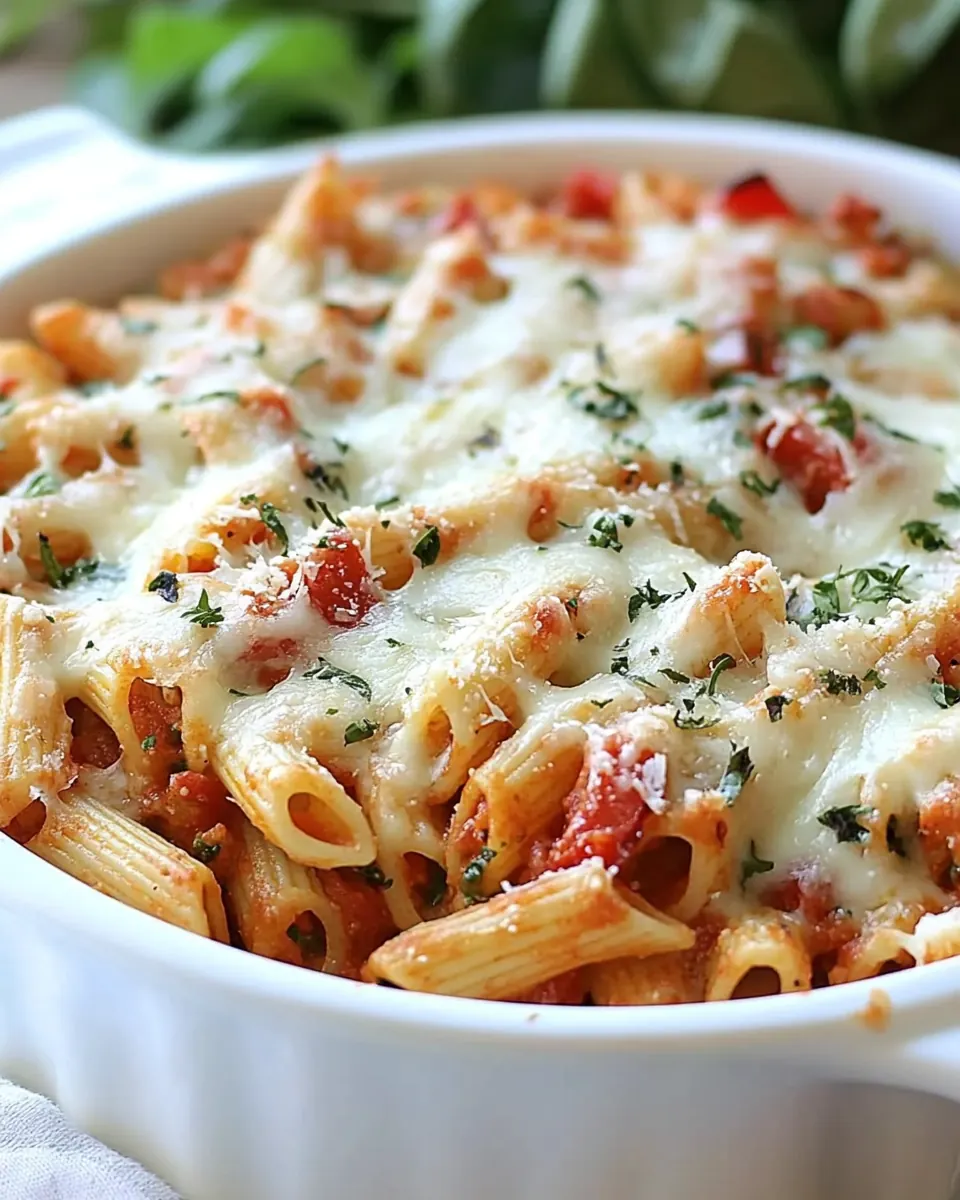
Cheesy Baked Penne with Roasted Veggies
Cheesy Baked Penne with Roasted Veggies is one of those dishes I turn to when I want something comforting yet bright, a little rustic and unexpectedly elegant at the same time.
I remember the first time I put this together on a blustery spring evening, coming home with a bag of market vegetables and a stubborn craving for something cheesy. I roasted the vegetables until their edges caramelized and the kitchen smelled like warm balsamic and garlic, then folded them into al dente pasta and a sunny ricotta layer. The bubbling top that came out of the oven had the kind of golden, stringy mozzarella that makes everyone gather round the table without being asked.
Over the years I have tweaked the balance between the vegetables and the cheeses so each forkful has contrast, a little char, and a cool, herby ricotta bite. I like how the roasted fennel and asparagus add an unexpected brightness while the Pecorino Romano gives a tangy, savory backbone. When friends come over I always get asked for the recipe, because it feels special while still being easy enough for a weeknight.
There is something wonderfully communal about serving a deep baking dish straight from the oven, letting people help themselves to gooey cheese and tender veggies. I often prepare this when I want a make ahead option that heats well, and it always rewards a little patience with crisped edges and bubbling sauce. Try it once, and you may find yourself scribbling notes, planning a version with another seasonal vegetable, or offering to bring it to potlucks.
Recipe Snapshot
55 mins
10 mins
45 mins
Medium
450 kcal
Italian
Gluten-Free, Paleo
Dinner
Large baking sheet, Large pot, 13 x 9-inch baking dish, Medium bowl
What Makes This Cheesy Baked Penne with Roasted Veggies Special
Comforting, yet fresh
I love how Cheesy Baked Penne with Roasted Veggies hits the comfort note without feeling heavy. The combination of penne and melted mozzarella gives that familiar, cozy feel, while the roasted zucchini, fennel, and asparagus add clean vegetable flavors that keep the dish lively. Every forkful balances warm, creamy cheese with bright, slightly charred veggie pieces, which keeps it from feeling one dimensional.
Great for feeding a group
When I serve this, it’s always a crowd pleaser. Because it bakes in a large dish, you can scale it up for guests and it remains forgiving to timing. The layers allow you to prep ahead, refrigerate, and bake when needed, which makes hosting simpler. I find that the dish holds its texture well, so you get tender pasta and intact roasted vegetable pieces even after reheating.
Layered textures and flavors
The ricotta layer creates a creamy contrast to the bubbling top of mozzarella and the sharp bite of Pecorino Romano. Roasting the vegetables until they have a bit of browning adds sweet notes and savory concentration. I intentionally undercook the pasta slightly before baking so the final texture is perfectly tender, not mushy.
Flexible and seasonal
I like that you can swap vegetables based on the market. In spring I keep the asparagus and fennel, while in summer I might add cherry tomatoes or eggplant. This recipe is a canvas, but it already sings as written, which is why it’s become a kitchen staple for me on nights I want simplicity with a little flourish.
Simple pantry friendly ingredients
Most of the time the ingredients are items I keep on hand: a jar of good marinara sauce, dry penne, and basic cheeses. That makes it an ideal last minute dinner that still feels intentional. The baking step melds everything together into a satisfying, cozy casserole that tastes like you spent hours on it, even when you did not.
Ingredients for Cheesy Baked Penne with Roasted Veggies
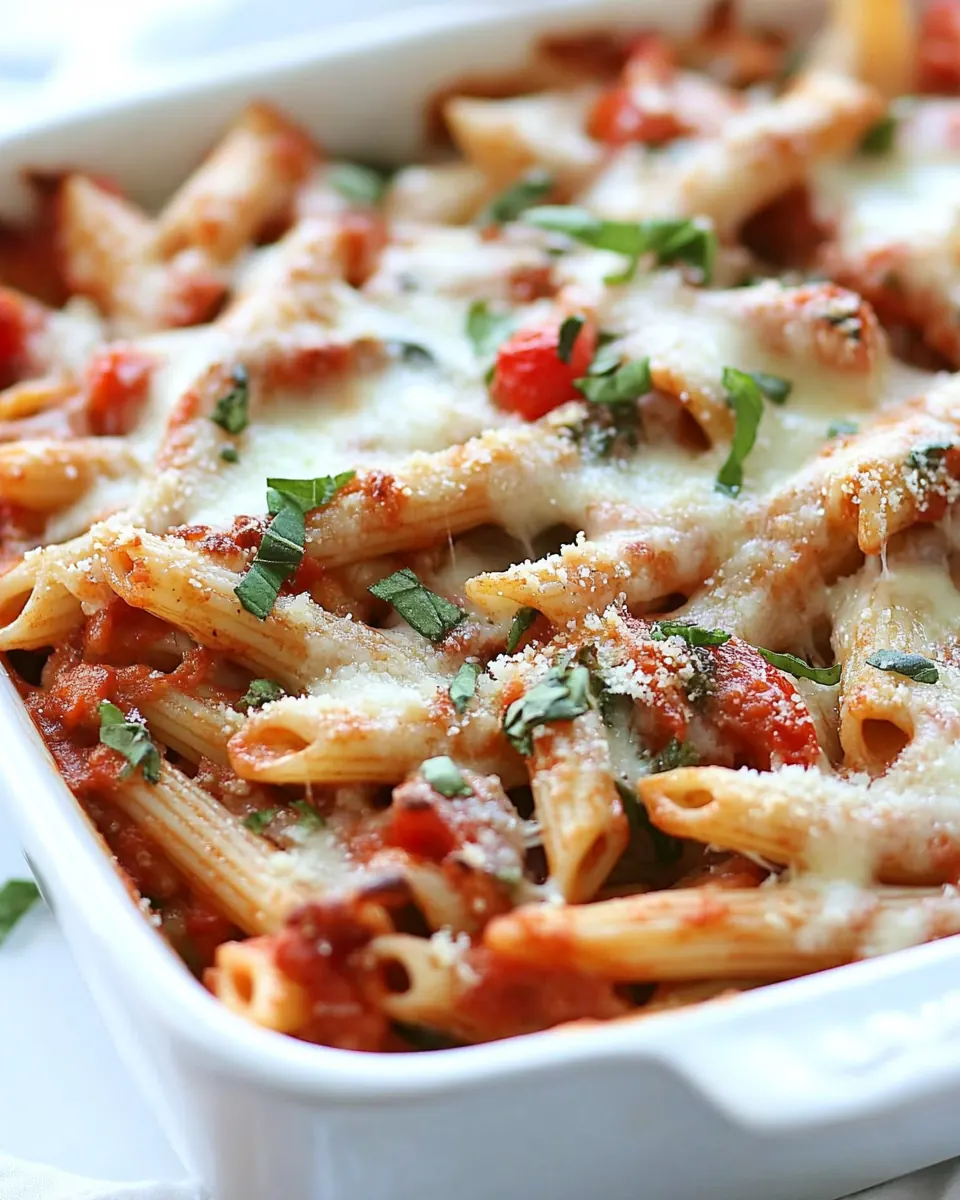
These ingredients are chosen to create a balance of texture and brightness. The roasted vegetables bring caramelized, savory notes, while the cheeses lend creaminess and saltiness. The penne holds sauce in its tubes, and the ricotta layer anchors the filling, creating harmony between each bite.
- olive oil spray: Lightly coat baking sheet and vegetables to prevent sticking and promote even roasting, contributing minimal flavor while reducing added fat for a healthier dish.
- 1 red bell pepper, cored and cut into 1-inch pieces: Provide sweet, crunchy texture and vibrant color that caramelizes when roasted, adding brightness and a subtle smoky-sweet note to the penne bake.
- 1 medium, 8-ounce zucchini, quartered lengthwise and cut into 1-inch cubes: Contribute a mild, slightly sweet and tender bite with high moisture that roasts to golden edges, balancing firmer vegetables in the casserole.
- 1 medium, 8 oz fennel bulb, ends removed and cut into 1-inch pieces: Add a mild licorice-like aroma and firm texture that softens and sweetens when roasted, creating a layered savory profile among the vegetables.
- 1 cup asparagus, cut into 1-inch pieces: Offer fresh, grassy notes and a pleasant snap when roasted briefly, contributing seasonal green color and a contrasting texture to the dish.
- 1/2 medium red onion, peeled and sliced into 1-inch pieces: Give a sweet-sharp depth and soft, slightly caramelized layers when roasted, enhancing savory complexity without overpowering the other vegetables.
- 6 cloves garlic, peeled and slightly smashed: Impart pungent, aromatic flavor that mellows and sweetens when roasted, infusing the vegetables and sauce with savory undertones throughout the bake.
- 1 tbsp balsamic vinegar: Introduce a tangy-sweet acidity that brightens roasted vegetables and balances the richness of cheeses and sauce, helping meld flavors together.
- 1 tbsp extra-virgin olive oil: Provide fruity, peppery richness that enhances roasted vegetables and sauce, adding mouthfeel and a subtle savory fruitiness to the casserole.
- 1/2 teaspoon kosher salt: Season the vegetables and pasta with balanced salinity to enhance natural flavors, ensuring overall seasoning is even throughout the dish.
- freshly ground black pepper: Add warm, slightly bitter spice to taste, grounding the herbs and enhancing savory components without overwhelming delicate vegetables.
- 1/2 tsp dried oregano: Contribute earthy, slightly floral Mediterranean flavor that complements tomato sauce and cheeses, helping unify the Italian-inspired profile.
- 1/2 tsp dried basil: Offer sweet, aromatic herb notes that pair with oregano and tomatoes, supporting a classic Italian herb blend in the bake.
- 12 oz Delallo Gluten-Free Penne: Serve as the starchy base that holds sauce and cheese, providing hearty substance and a tender bite after boiling and baking.
- 8 oz part-skim ricotta: Bring creamy richness and mild tang, creating a smooth, comforting layer that contrasts with roasted vegetables and helps bind the filling.
- 1/4 cup chopped fresh parsley: Add fresh, herbaceous brightness and subtle peppery notes when mixed into cheeses or sprinkled on top, lifting the overall flavor.
- 1/2 cup grated Pecorino Romano: Provide salty, umami-rich sharpness when mixed into the pasta and sprinkled on top, enhancing savory depth and cutting through creaminess.
- 8 oz part-skim mozzarella, shredded: Melt to create gooey, stretchy texture and mild milky taste that blankets the penne, delivering classic baked pasta creaminess.
- 125.25 oz jar marinara sauce (we love Delallo Pomodoro): Supply the tomato base with robust, herby, and slightly sweet sauce that saturates the pasta and vegetables, anchoring the dish with familiar Italian flavor.
How to Prepare Cheesy Baked Penne with Roasted Veggies
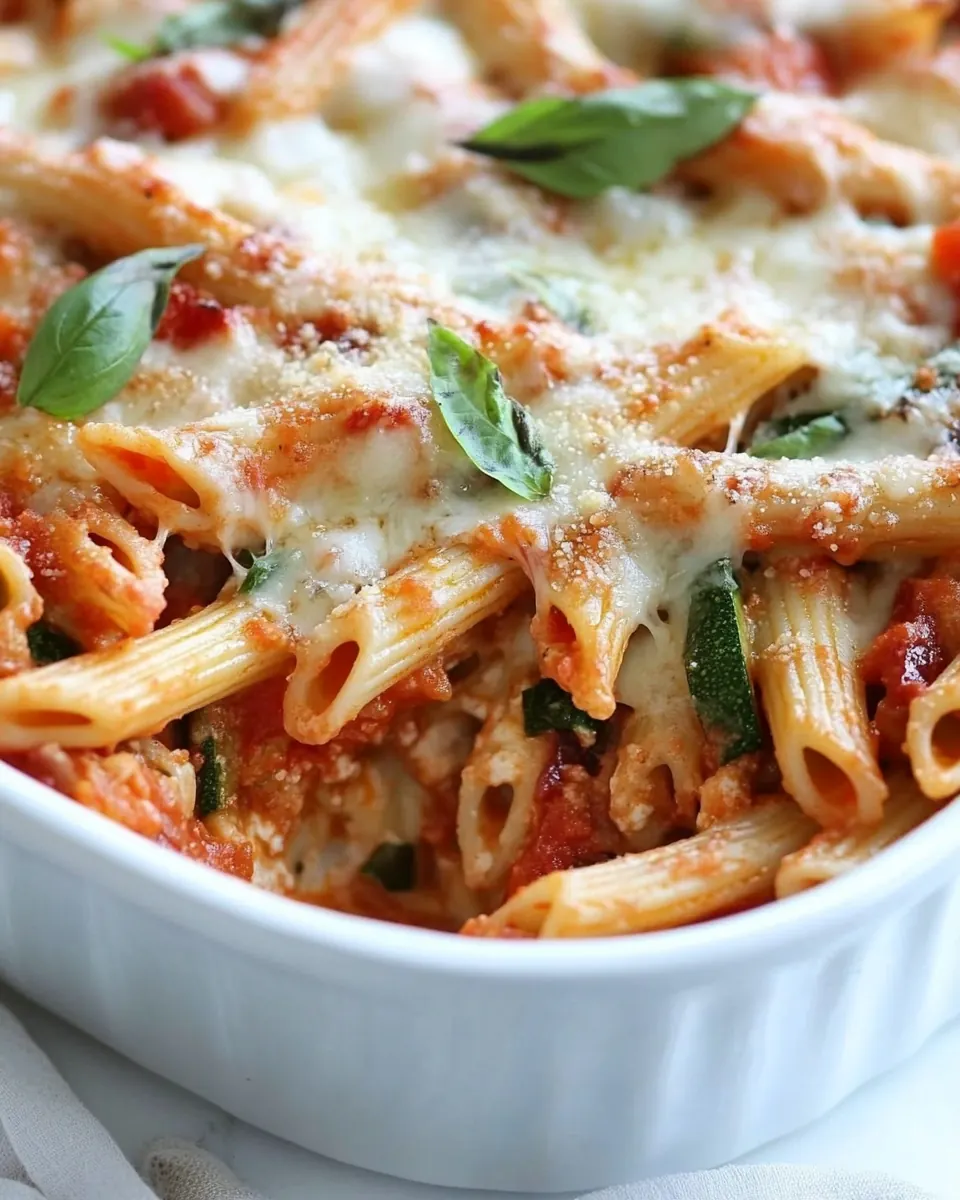
These directions are written to guide you confidently through roasting, layering, and baking. Take your time reading the sensory cues so you can catch the right moment to move from one step to the next. Small adjustments in oven time or stirring can make a big difference.
- Preheat the oven to 450 degrees F.: The oven should feel like a hot blast when you open the door, delivering dry heat that encourages browning and caramelization. Preheating to a high temperature enables the vegetables to sear at the edges quickly, locking in flavor. You may notice the air in the oven shimmer slightly when it reaches temperature. A common mistake is not waiting for the oven to fully preheat, which can result in steamier, less caramelized vegetables; be patient and allow the oven to reach the full temperature before roasting.
- Spray a large baking sheet with oil, toss the peppers, zucchini, fennel, asparagus, red onion and garlic with balsamic, olive oil, 1/2 teaspoon salt, black pepper, and dried herbs. Roast until tender on the lower rack of the oven, about 15 to 20 minutes stirring halfway, until slightly browned tender.: When the vegetables hit the hot sheet they should sizzle softly, and after about 10 minutes you will hear gentle pops or feel faint steam as moisture escapes. The edges should develop golden to mahogany patches, signaling caramelization. The aroma will shift from raw vegetal to warm and slightly sweet, with roasted garlic notes rounding everything out. Stirring halfway encourages even color, so use a spatula to turn pieces to expose new surfaces to heat. Avoid overcrowding the pan, which can trap steam and prevent browning; if veggies are crowded, they will steam rather than roast, yielding limp results.
- Meanwhile, bring a large pot of salted water to a boil and cook the pasta according to package directions for al dente, (undercooking slightly as it will continue cooking in the oven), drain.: The pot should sing as it boils and the water should have rolling movement, not a sleepy simmer. Add salt until the water tastes like the sea, which seasons the penne internally. Cooking to just under al dente gives the pasta a slight resistance so it will finish cooking in the oven without going mushy. After draining, the pasta should feel firm but yielding, with a toothsome center. A typical misstep is overcooking the pasta, resulting in a softer texture after baking; check a piece a minute or two before the shortest time on the package.
- In a medium bowl, combine the ricotta, parsley, 6 tablespoons of the Pecorino Romano cheese and half of the mozzarella cheese.: As you mix, the ricotta should feel cool and slightly grainy, contrasted by the saltier Pecorino Romano that adds tangy granularity. The chopped parsley brings flecks of green and fresh herbal brightness, cutting through the dairy richness. Mixing creates a creamy, cohesive layer that will sit between the pasta and vegetables and prevent the casserole from becoming dry. A common pitfall is under seasoning this layer; taste and adjust with a pinch of salt if needed before assembling.
- Spray a deep 13 x 9-inch baking dish with olive oil spray.: This creates a nonstick surface and encourages the bottom edges to crisp slightly during baking. The dish should be deep enough to hold layers without spilling when you transfer to the oven. A warm dish straight from the fridge can cause uneven heating, so use a room temperature dish for predictable baking. Skipping the spray increases the chance of the casserole sticking, making serving messy and reducing the nice browned edges.
- Put half of the cooked roasted vegetables into the prepared baking dish, then half of the pasta and top with 1 cup of the sauce. Spoon the ricotta mixture on top of the sauce in an even layer. Cover with the remaining pasta, then vegetables, then the remaining sauce. Finish with the remaining mozzarella and 2 tbsp Pecorino Romano cheese.: You will feel a pleasing weight as you layer, and the colors will alternate between reddish sauce and the warm tones of roasted vegetables. Spoon the ricotta gently so it spreads into an even cushion without clumping, creating contrast between cool creamy pockets and bubbling sauce. The layered structure traps steam and melds flavors while the top cheeses brown and crisp. Avoid piling ingredients haphazardly, which can cause uneven baking; take a moment to press layers lightly for an even surface so the casserole heats consistently.
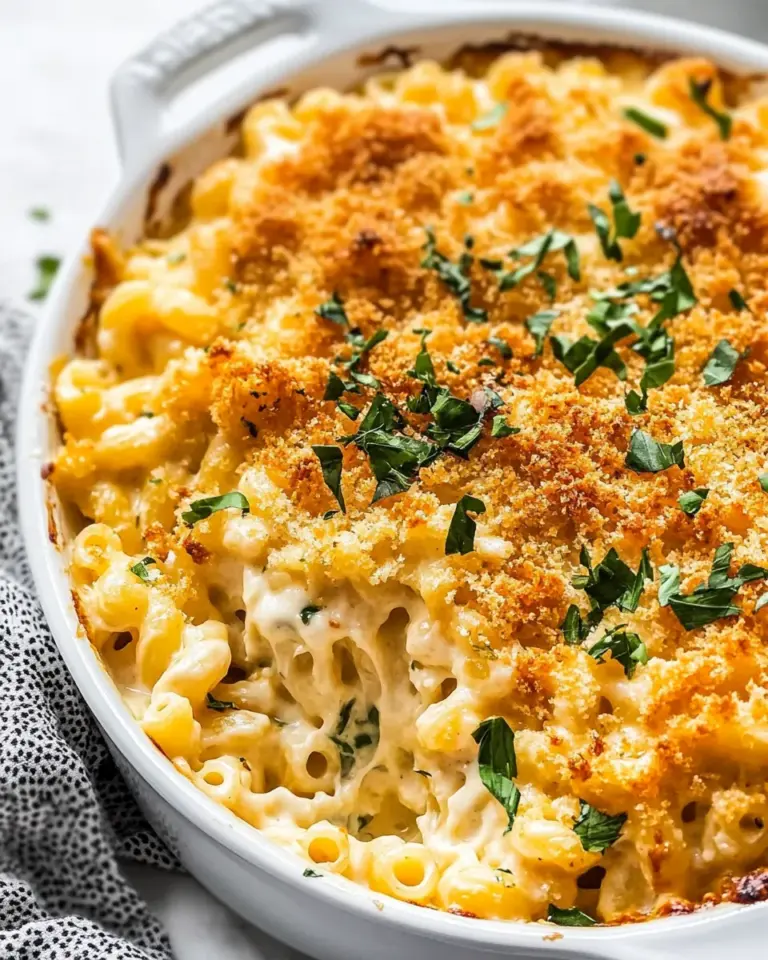
- Cover with foil and bake in the center of the oven for 25 minutes, or until the mozzarella is melted.: As it bakes, you will hear subtle bubbling from the sauce and smell a vivid mix of tomato, roasted garlic, and melted mozzarella . The foil traps moisture, ensuring the interior becomes hot and cohesive, while the final few minutes after removing foil allow the top to brown. A golden, bubbling top and gentle jiggle in the center are the visual cues that it is done. Removing foil too early can dry the surface, while leaving it on too long can prevent the cheese from browning; time it carefully and check after 20 to 30 minutes.
Customization Ideas
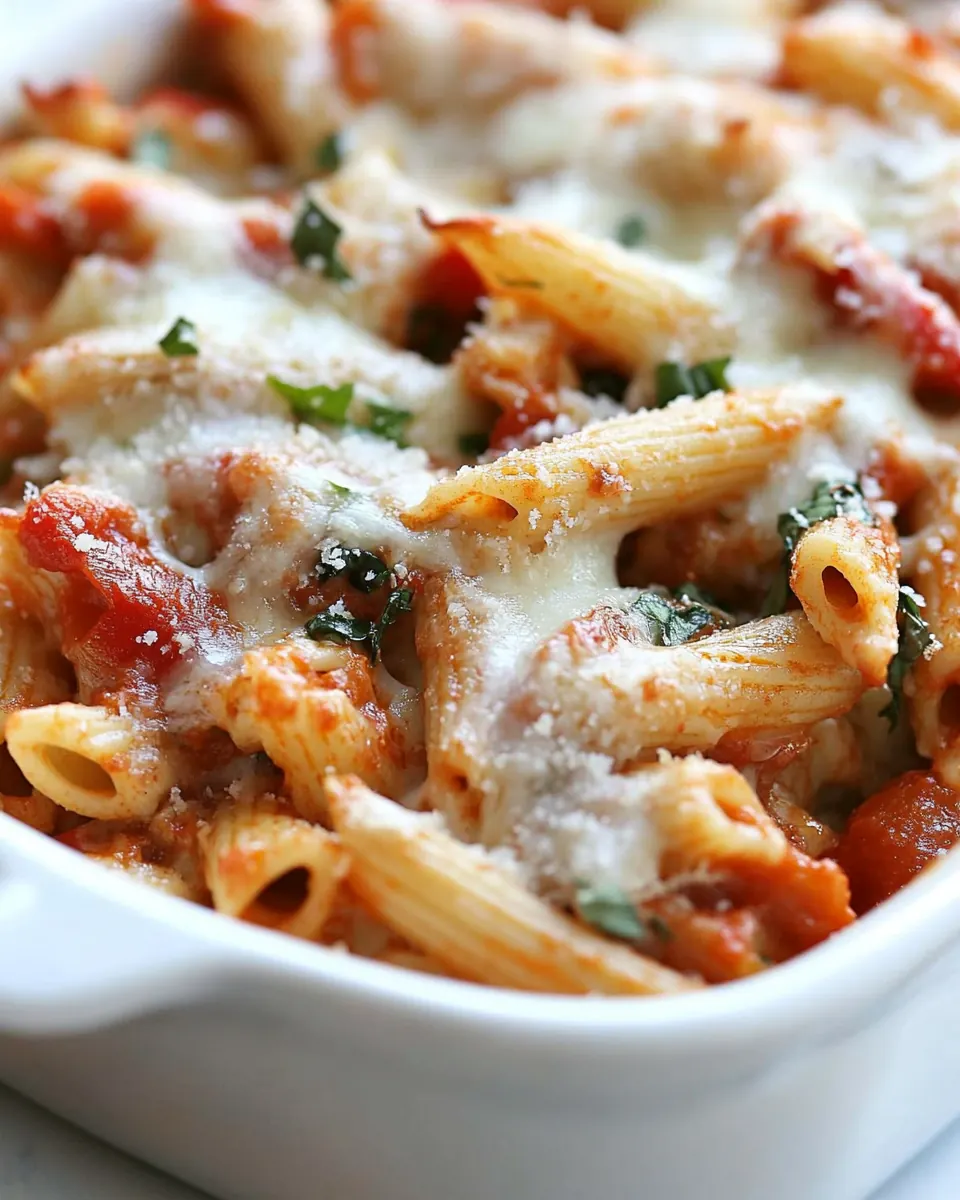
This recipe adapts beautifully to personal preferences and seasonal produce. Below are practical ideas to make it your own while preserving the core balance between roasted vegetables and creamy cheeses.
- Swap vegetables: Try swapping or adding seasonal vegetables like roasted eggplant or cherry tomatoes to vary texture and flavor while keeping the basic roast and bake method intact.
- Cheese adjustments: Increase or decrease the amount of Pecorino Romano for a tangier bake or use more mozzarella for extra gooeyness, remembering that salt levels will change.
- Make it gluten free: Use the Delallo Gluten Free penne listed in the ingredients to keep the dish suitable for gluten intolerances without sacrificing structure.
- Herb variations: Add fresh basil or thyme to the ricotta mixture for a brighter herbal lift, adding them just before assembling to preserve freshness.
- Advance prep: Roast the vegetables and cook the pasta a day ahead, then assemble and refrigerate; bake from cold adding a few extra minutes to the baking time for even heating.
- Texture boost: For extra crunch, sprinkle seasoned breadcrumbs over the top during the last 10 minutes of baking, broiling briefly to golden the crumbs but watching closely to avoid burning.
Serving Suggestions
This casserole is versatile for weeknights or gatherings. Think about pairing textures and temperatures when plating, and choose sides that complement the tangy Pecorino Romano and creamy ricotta.
- Family dinner: Serve hot from the oven with a simple green salad dressed in lemon and olive oil to cut through the richness, ideal for an easy weeknight family meal.
- Casual gathering: Place the baked dish on the table and let guests help themselves, accompanied by crusty bread to mop up any extra sauce and a bowl of mixed olives as a starter.
- Spring occasions: Because asparagus and fennel are in the recipe, it’s particularly nice for spring luncheons or seasonal meals where fresh produce is celebrated.
- Make ahead and reheat: Assemble the day before and refrigerate; bake covered until hot, then uncover for the last few minutes to achieve a golden top. Leftovers reheat well in the oven or in portions in a skillet.
- Portioning for guests: Use a 13 x 9 inch dish for about eight servings, allowing you to plan sides and desserts accordingly for a complete meal.
- Storage tips: Cool the casserole completely before covering and refrigerate for up to four days, or freeze portions in airtight containers for up to three months. Reheat gently to preserve texture.
FAQ
Conclusion
This recipe shines because it marries roasted seasonal vegetables with creamy ricotta and bubbling melted cheeses to create a satisfying, shareable casserole. It’s approachable enough for a weeknight and special enough for a gathering, offering layers of flavor and texture in every forkful. I encourage you to give it a try, and don’t be afraid to make it your own with the vegetable or cheese swaps that suit your taste. Once you see how the caramelized vegetables and tangy Pecorino Romano lift the dish, I think it will become a regular in your rotation too.
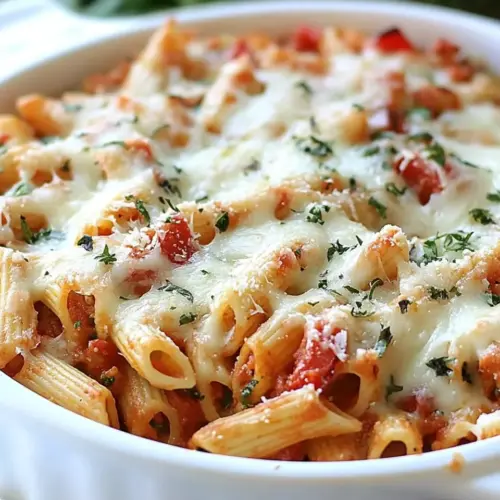
Cheesy Baked Penne with Roasted Veggies
Equipment
- Large Baking Sheet
- Large Pot
- 13 x 9-inch baking dish
- Medium Bowl
Ingredients
- olive oil spray Lightly coat baking sheet and vegetables to prevent sticking and promote even roasting, contributing minimal flavor while reducing added fat for a healthier dish.
- 1 red bell pepper, cored and cut into 1-inch pieces Provide sweet, crunchy texture and vibrant color that caramelizes when roasted, adding brightness and a subtle smoky-sweet note to the penne bake.
- 1 medium, 8-ounce zucchini, quartered lengthwise and cut into 1-inch cubes Contribute a mild, slightly sweet and tender bite with high moisture that roasts to golden edges, balancing firmer vegetables in the casserole.
- 1 medium, 8 oz fennel bulb, ends removed and cut into 1-inch pieces Add a mild licorice-like aroma and firm texture that softens and sweetens when roasted, creating a layered savory profile among the vegetables.
- 1 cup asparagus, cut into 1-inch pieces Offer fresh, grassy notes and a pleasant snap when roasted briefly, contributing seasonal green color and a contrasting texture to the dish.
- 1/2 medium red onion, peeled and sliced into 1-inch pieces Give a sweet-sharp depth and soft, slightly caramelized layers when roasted, enhancing savory complexity without overpowering the other vegetables.
- 6 cloves garlic, peeled and slightly smashed Impart pungent, aromatic flavor that mellows and sweetens when roasted, infusing the vegetables and sauce with savory undertones throughout the bake.
- 1 tbsp balsamic vinegar Introduce a tangy-sweet acidity that brightens roasted vegetables and balances the richness of cheeses and sauce, helping meld flavors together.
- 1 tbsp extra-virgin olive oil Provide fruity, peppery richness that enhances roasted vegetables and sauce, adding mouthfeel and a subtle savory fruitiness to the casserole.
- 1/2 teaspoon kosher salt Season the vegetables and pasta with balanced salinity to enhance natural flavors, ensuring overall seasoning is even throughout the dish.
- freshly ground black pepper Add warm, slightly bitter spice to taste, grounding the herbs and enhancing savory components without overwhelming delicate vegetables.
- 1/2 tsp dried oregano Contribute earthy, slightly floral Mediterranean flavor that complements tomato sauce and cheeses, helping unify the Italian-inspired profile.
- 1/2 tsp dried basil Offer sweet, aromatic herb notes that pair with oregano and tomatoes, supporting a classic Italian herb blend in the bake.
- 12 oz Delallo Gluten-Free Penne Serve as the starchy base that holds sauce and cheese, providing hearty substance and a tender bite after boiling and baking.
- 8 oz part-skim ricotta Bring creamy richness and mild tang, creating a smooth, comforting layer that contrasts with roasted vegetables and helps bind the filling.
- 1/4 cup chopped fresh parsley Add fresh, herbaceous brightness and subtle peppery notes when mixed into cheeses or sprinkled on top, lifting the overall flavor.
- 1/2 cup grated Pecorino Romano Provide salty, umami-rich sharpness when mixed into the pasta and sprinkled on top, enhancing savory depth and cutting through creaminess.
- 8 oz part-skim mozzarella, shredded Melt to create gooey, stretchy texture and mild milky taste that blankets the penne, delivering classic baked pasta creaminess.
- 125.25 oz jar marinara sauce (we love Delallo Pomodoro) Supply the tomato base with robust, herby, and slightly sweet sauce that saturates the pasta and vegetables, anchoring the dish with familiar Italian flavor.
Instructions
- Preheat the oven to 450 degrees F.: The oven should feel like a hot blast when you open the door, delivering dry heat that encourages browning and caramelization. Preheating to a high temperature enables the vegetables to sear at the edges quickly, locking in flavor. You may notice the air in the oven shimmer slightly when it reaches temperature. A common mistake is not waiting for the oven to fully preheat, which can result in steamier, less caramelized vegetables; be patient and allow the oven to reach the full temperature before roasting.
- Spray a large baking sheet with oil, toss the peppers, zucchini, fennel, asparagus, red onion and garlic with balsamic, olive oil, 1/2 teaspoon salt, black pepper, and dried herbs. Roast until tender on the lower rack of the oven, about 15 to 20 minutes stirring halfway, until slightly browned tender.: When the vegetables hit the hot sheet they should sizzle softly, and after about 10 minutes you will hear gentle pops or feel faint steam as moisture escapes. The edges should develop golden to mahogany patches, signaling caramelization. The aroma will shift from raw vegetal to warm and slightly sweet, with roasted garlic notes rounding everything out. Stirring halfway encourages even color, so use a spatula to turn pieces to expose new surfaces to heat. Avoid overcrowding the pan, which can trap steam and prevent browning; if veggies are crowded, they will steam rather than roast, yielding limp results.
- Meanwhile, bring a large pot of salted water to a boil and cook the pasta according to package directions for al dente, (undercooking slightly as it will continue cooking in the oven), drain.: The pot should sing as it boils and the water should have rolling movement, not a sleepy simmer. Add salt until the water tastes like the sea, which seasons the penne internally. Cooking to just under al dente gives the pasta a slight resistance so it will finish cooking in the oven without going mushy. After draining, the pasta should feel firm but yielding, with a toothsome center. A typical misstep is overcooking the pasta, resulting in a softer texture after baking; check a piece a minute or two before the shortest time on the package.
- In a medium bowl, combine the ricotta, parsley, 6 tablespoons of the Pecorino Romano cheese and half of the mozzarella cheese.: As you mix, the ricotta should feel cool and slightly grainy, contrasted by the saltier Pecorino Romano that adds tangy granularity. The chopped parsley brings flecks of green and fresh herbal brightness, cutting through the dairy richness. Mixing creates a creamy, cohesive layer that will sit between the pasta and vegetables and prevent the casserole from becoming dry. A common pitfall is under seasoning this layer; taste and adjust with a pinch of salt if needed before assembling.
- Spray a deep 13 x 9-inch baking dish with olive oil spray.: This creates a nonstick surface and encourages the bottom edges to crisp slightly during baking. The dish should be deep enough to hold layers without spilling when you transfer to the oven. A warm dish straight from the fridge can cause uneven heating, so use a room temperature dish for predictable baking. Skipping the spray increases the chance of the casserole sticking, making serving messy and reducing the nice browned edges.
- Put half of the cooked roasted vegetables into the prepared baking dish, then half of the pasta and top with 1 cup of the sauce. Spoon the ricotta mixture on top of the sauce in an even layer. Cover with the remaining pasta, then vegetables, then the remaining sauce. Finish with the remaining mozzarella and 2 tbsp Pecorino Romano cheese.: You will feel a pleasing weight as you layer, and the colors will alternate between reddish sauce and the warm tones of roasted vegetables. Spoon the ricotta gently so it spreads into an even cushion without clumping, creating contrast between cool creamy pockets and bubbling sauce. The layered structure traps steam and melds flavors while the top cheeses brown and crisp. Avoid piling ingredients haphazardly, which can cause uneven baking; take a moment to press layers lightly for an even surface so the casserole heats consistently.
- Cover with foil and bake in the center of the oven for 25 minutes, or until the mozzarella is melted.: As it bakes, you will hear subtle bubbling from the sauce and smell a vivid mix of tomato, roasted garlic, and melted mozzarella . The foil traps moisture, ensuring the interior becomes hot and cohesive, while the final few minutes after removing foil allow the top to brown. A golden, bubbling top and gentle jiggle in the center are the visual cues that it is done. Removing foil too early can dry the surface, while leaving it on too long can prevent the cheese from browning; time it carefully and check after 20 to 30 minutes.
Notes
- Swap vegetables: Try swapping or adding seasonal vegetables like roasted eggplant or cherry tomatoes to vary texture and flavor while keeping the basic roast and bake method intact.
- Cheese adjustments: Increase or decrease the amount of Pecorino Romano for a tangier bake or use more mozzarella for extra gooeyness, remembering that salt levels will change.
- Make it gluten free: Use the Delallo Gluten Free penne listed in the ingredients to keep the dish suitable for gluten intolerances without sacrificing structure.
- Herb variations: Add fresh basil or thyme to the ricotta mixture for a brighter herbal lift, adding them just before assembling to preserve freshness.
- Advance prep: Roast the vegetables and cook the pasta a day ahead, then assemble and refrigerate; bake from cold adding a few extra minutes to the baking time for even heating.
- Texture boost: For extra crunch, sprinkle seasoned breadcrumbs over the top during the last 10 minutes of baking, broiling briefly to golden the crumbs but watching closely to avoid burning.