Strawberry Curd
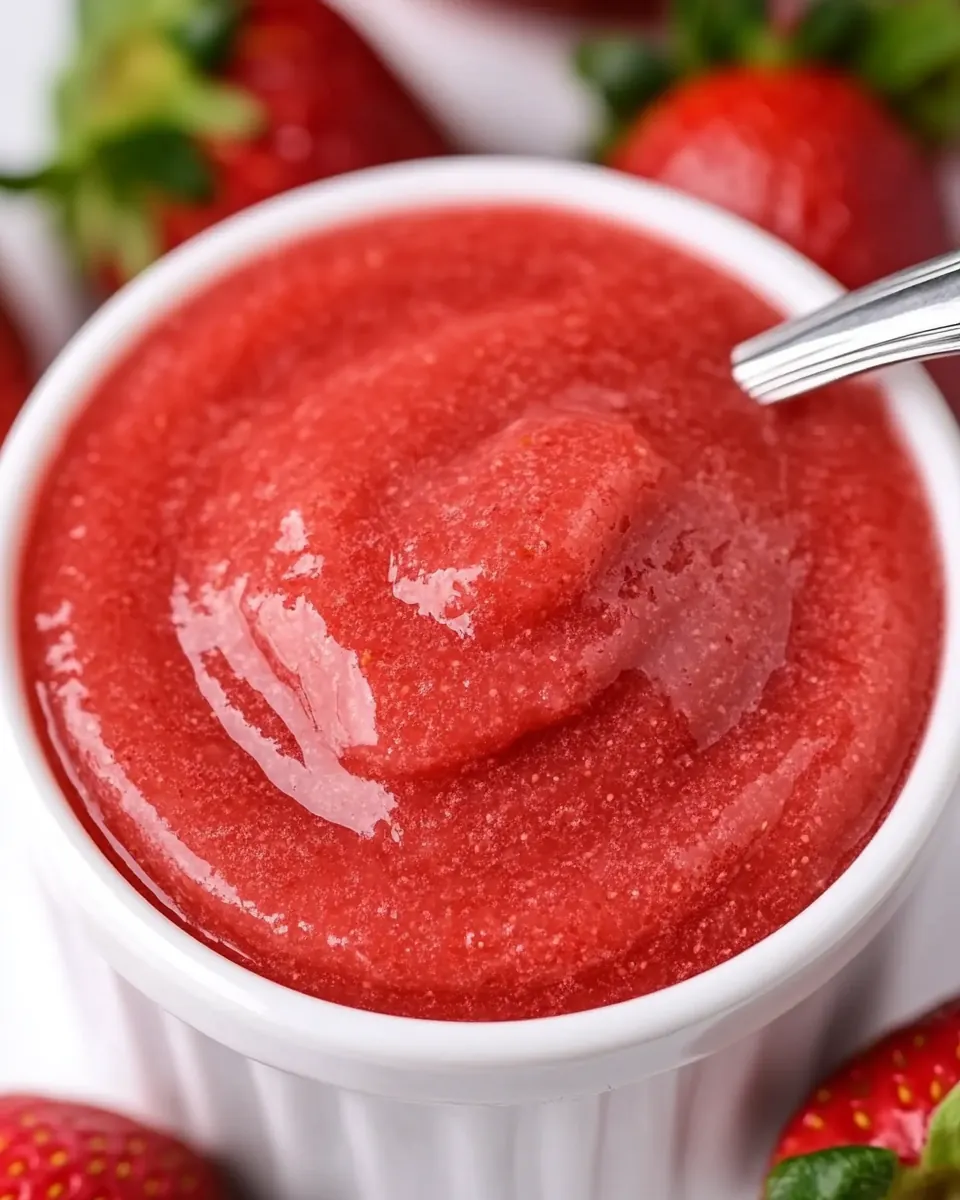
Strawberry Curd is the kind of thing I reach for when a bowl of bright red berries looks back at me from the farmers market and I want to turn them into something almost luxurious.
One sunny spring afternoon I came home with a crate of ripe strawberries, their stems still smelling faintly of soil. I started by rinsing and chopping them, and before I knew it my kitchen smelled like summer memories. As the fruit cooked down, the air filled with a sweet, slightly tart perfume that reminded me of jammy mornings at my grandmother’s house. I couldn’t resist sneaking a spoonful of the warm purée; the sugars had concentrated into a glossy, fragrant syrup that begged to be lifted into something silky.
The moment I whisked the eggs and yolks into the cooled strawberry purée, the texture began to shift from syrup to something rich and custardy. The butter folded in at the end smoothed out the curd into a velvety spread, and I thought about all the ways I could use it, from spooning it onto toast to folding it into whipped cream for a celebration dessert. Every jar felt like a captured season, and each bite was a reminder that small techniques make home preserves feel special and refined.
Recipe Snapshot
25 mins
5 mins
20 mins
Medium
150 kcal
American
Gluten-Free, Low FODMAP
Desserts
Food processor, Medium saucepan, Fine mesh sieve, Whisk, Spatula
What Makes This Strawberry Curd Special
Bright fruit flavor that feels fresh
I love that Strawberry Curd showcases pure strawberry taste, intensified by a touch of lemon juice and balanced with just the right amount of granulated sugar. When you use ripe berries, the flavor is clean and vivid, which is why I prefer using fruit at peak ripeness. The result is a curd that bursts with fruit notes on the tongue, not an overly sweet spread that masks the berry.
Silky, custard like texture
The combination of whole eggs and extra egg yolks gives this curd a luxurious mouthfeel. Because I temper the eggs into the cooled purée before gentle cooking, the curd thickens smoothly rather than scrambling, and the small pieces of butter melted in at the end create a glossy finish. This texture makes it versatile, whether you spoon it onto pastries or swirl it into yogurt.
Fast and satisfying
One reason I keep this recipe in my back pocket is how quickly it comes together. From purée to jar, it needs only a short stove time and a little patience while it cools. If you’re someone who likes quick projects that deliver big flavor, this is a reliable choice. It also stores well in the fridge, so a single session can yield spreads for breakfasts and desserts all week.
Flexible technique for different textures
I appreciate that you can adapt the method to your tools and preferences. If you like a chunkier curd, you can skip full puréeing or pulse briefly with an immersion blender; if you prefer something velvety, pressing through a sieve refines the texture. I often tweak the finishing sugar level based on the strawberries I get, tasting after the initial reduction to make small adjustments.
Beautiful color and gift potential
There is something about the jewel tone of Strawberry Curd that makes it an excellent homemade gift. The color reflects the fruit quality, so deep, red berries yield a stunning jar. I enjoy giving jars to friends because it feels personal and homemade, and it always gets devoured quickly.
Essential Ingredients for Strawberry Curd
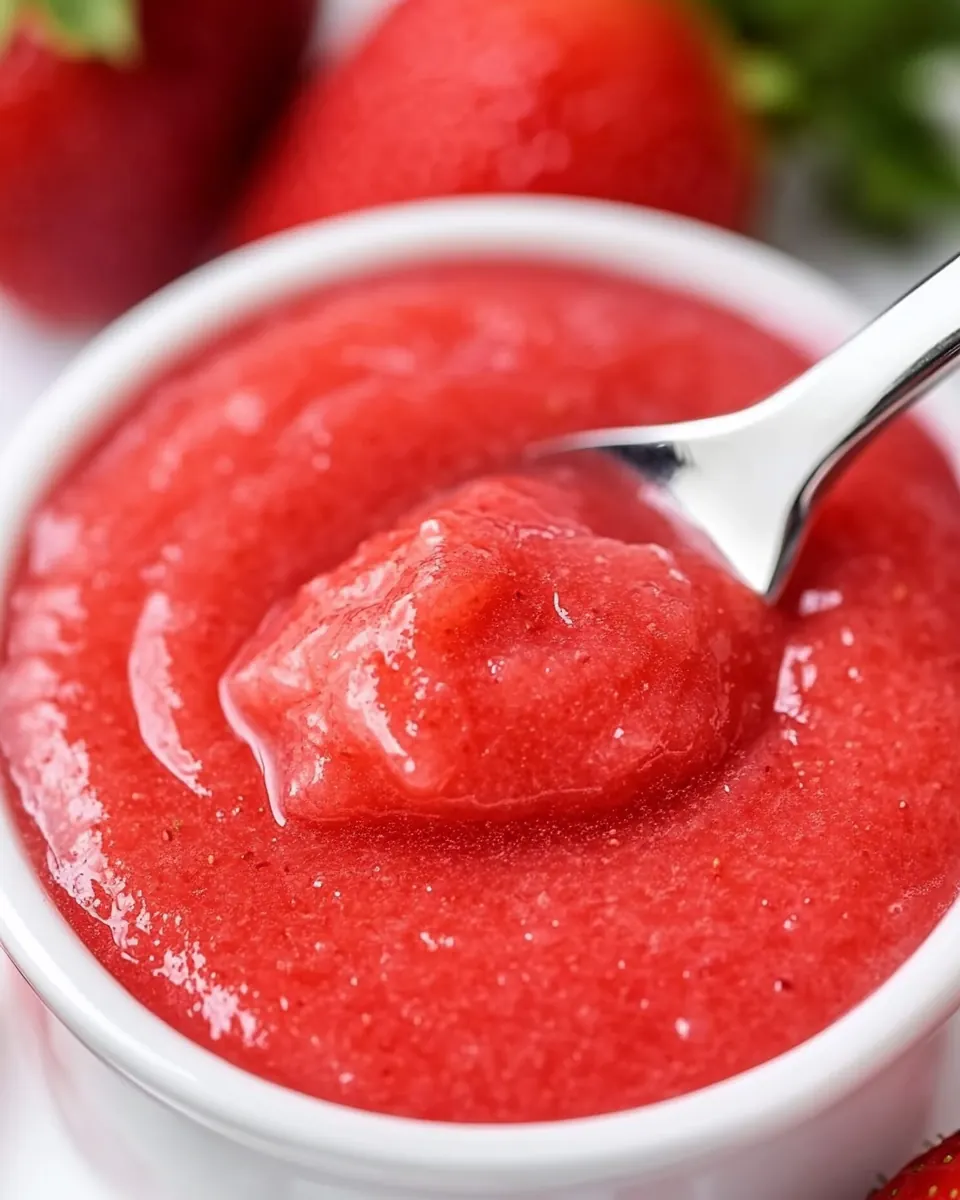
These few ingredients work in concert to create a curd that is both intensely fruity and luxuriously smooth. The strawberries provide the primary flavor and color, the granulated sugar balances acidity and concentrates sweetness, the lemon juice brightens and stabilizes the flavor, the eggs and egg yolks set the custard like base, and the salted butter enriches and lends a glossy finish. Each item plays a precise role in texture, stability, and taste.
- 1 pounds strawberries (fresh): Brighten and sweeten the curd by providing fresh strawberry flavor and natural acidity; hull and mash or purée for a smooth texture. Use ripe berries to maximize aroma and color, and gently cook them with sugar to release juices without overcooking.
- 1/2 cup granulated sugar: Sweeten and balance the tartness by dissolving into the fruit mixture; adjust to taste while cooking to prevent graininess. Granulated sugar also helps preserve the curd and contributes to its glossy finish once chilled.
- 1 tablespoon lemon juice: Acidify and enhance brightness by adding a clean lemon tang that balances sweetness and stabilizes the curd. Lemon juice also aids in setting the curd by interacting with the eggs, so add it sparingly to preserve strawberry character.
- 2 large eggs: Emulsify and thicken the curd while contributing body and richness; whole eggs provide structure when gently cooked with the warmed fruit and sugar. Whisk thoroughly to combine yolks and whites, temper with hot fruit to avoid curdling, and cook until the mixture coats the back of a spoon.
- 3 large egg yolks: Concentrate richness and help the curd set with added fat and lecithin from yolks; use fresh yolks for a silkier, more stable texture. Combine with whole eggs and temper carefully, as the yolks are key for a smooth, velvet curd when cooked low and slow.
- 1/2 cups salted butter (cut into 1-tbsp pieces): Enrich and create a glossy, spreadable finish by adding salted butter in pieces and incorporating off-heat for a silky emulsion. Use small pieces to melt evenly, whisking until fully incorporated to stabilize the texture and add a subtle savory balance.
How to Cook Strawberry Curd
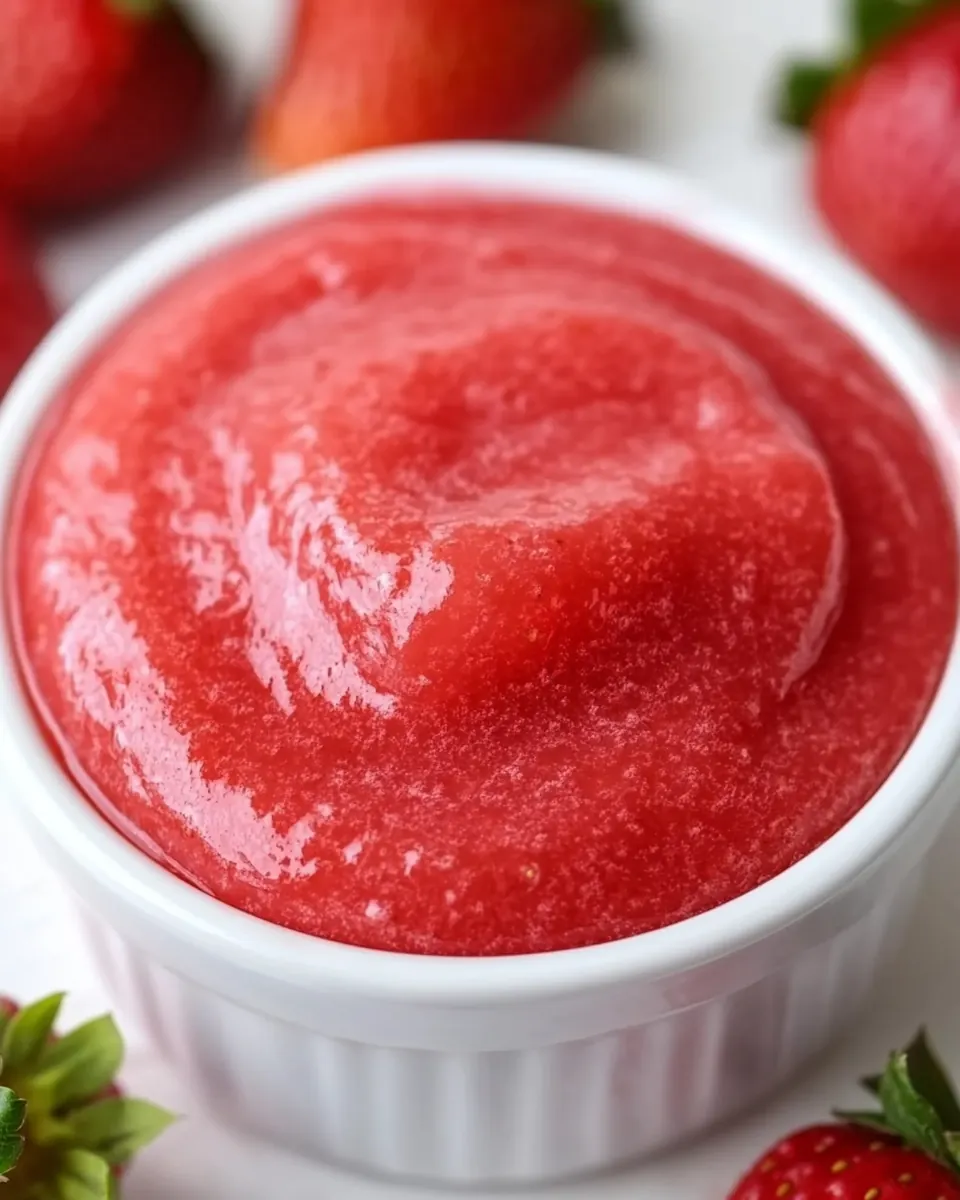
This method moves from puréeing to gentle heat to finishing with butter, and I like to keep the rhythm steady and attentive. Take your time to control temperatures, whisk consistently, and watch for visual cues so the curd reaches that silky, thickened state without overcooking.
- Rinse, de-stem, and roughly chop strawberries. Place the chopped strawberries in a food processor or blender and purée.: The first sense you notice is the fresh, green strawberry aroma as you rinse and trim the strawberries , and chopping releases juices that make puréeing easier; be sure to remove any bruised bits to avoid off flavors. Why this matters, the quality of the fruit at this stage determines color and sweetness for the entire curd. Troubleshooting tip, avoid soaking the berries for long periods, as they can lose flavor and become waterlogged which dilutes the purée.
- Transfer the puréed strawberries to a medium saucepan and add sugar and lemon juice.: As you pulse, you will see the strawberries break down into a vibrant red purée with a slightly coarse texture that smooths with more blending; the sound is a brief buzzing that stops once everything is uniform. The purpose of puréeing is to create an even base so the curd cooks consistently, and it also shortens the cook time. Common mistake, overprocessing can heat the fruit slightly and dull its fresh aroma, so work in short bursts if needed.
- Cook over medium heat, whisking regularly, and simmer for about 10 minutes until reduced by half.: Once combined, the sugar begins dissolving into the purée and the lemon juice lifts the fruit notes, creating a glossy mixture that smells both sweet and tangy; you can see the liquid become more cohesive. This stage helps balance flavors and prepares the mixture for reduction. Watch out for adding eggs too soon, as heat from a still hot purée can scramble them.
- Use a spatula to press the strawberry mixture through a sieve into a clean bowl or saucepan and cool to room temperature.: During reduction you will hear a gentle simmer and see the volume shrink while the aroma concentrates into a deeper, jam like scent; tiny bubbles should form steadily without violent boiling. Reducing concentrates sugars and intensifies flavor, which is essential for a curd that is bold rather than watery. Mistake to avoid, cranking the heat to speed things up can burn the fruit and create bitter notes, so keep the temperature steady.
- When the strawberry mixture is cool, add it to a clean saucepan. I used the same saucepan but washed it while the strawberry mixture cools.: Pressing through a sieve yields a velvet smooth purée, removing seeds and any fibrous bits; you will notice a clean, silky texture in the strained liquid. Cooling is important because it prevents the eggs from cooking immediately on contact, which would lead to grainy curd. A frequent error is skipping the sieve, which leaves seeds and can create a less refined mouthfeel.
- Add the eggs and egg yolks to the mixture, whisking to combine.: Putting the cooled purée into a clean pan avoids any leftover scorched bits from the previous reduction, and the visual cue is a calm, glossy liquid ready for thickening. The clean pan helps you control heat evenly during the delicate cooking of the curd. Avoid adding eggs while the purée is warm, which risks curdling and ruining the texture.
- Cook over medium-low to medium heat for 6 to 8 minutes, whisking constantly until the curd thickens.: As you whisk, the mixture becomes uniformly pale and slightly thicker in appearance, and you may notice tiny bubbles from the whisking action; this even distribution is essential for gentle coagulation. Thorough mixing ensures the proteins are evenly dispersed so the curd sets smoothly. A common pitfall, adding eggs without adequate whisking can leave streaks of cooked egg later in the process.
- Remove from heat and whisk in the pieces of butter.: During this phase you will hear a soft, steady simmer and see the custard deepen in color and cling slightly to the whisk, forming ribbons when lifted; the smell becomes richer and more concentrated. Constant whisking prevents hot spots that could scramble the eggs, and the gentle heat coagulates proteins into a silky matrix. Troubleshooting, if you stop whisking the curd may stick to the pan and cook unevenly, so keep a steady motion.
- Transfer the hot strawberry curd to sterile canning jars or a heat-proof bowl. Press plastic wrap onto the surface of the curd to prevent it from forming a skin while cooling.: Off the heat, the butter melts into the hot curd and transforms it into a glossy, velvety spread; you will notice the foam subside as the fat emulsifies the mixture. The butter enriches mouthfeel and stabilizes the texture, giving that luxurious finish. Avoid adding cold butter in one piece which can create lumps; small pieces incorporated gradually yield a smooth blend.
- Cool curd to room temperature and then chill for at least an hour or two before using. The plastic wrap can be removed once the curd has cooled.: Pouring the curd into jars while hot traps the scent and makes it easier to press plastic wrap directly onto the surface, which prevents a skin from forming; the visual is a glass filled with vivid, jewel toned curd. Sterile containers help extend shelf life and keep flavors bright. Common mistake, using warm but not sterile jars can lead to shorter storage life and potential spoilage.
- Press plastic wrap onto the surface of the curd to prevent it from forming a skin while cooling: The surface will appear glassy and uniform when wrapped properly, and this prevents an unsightly film that can alter texture; the curd cools evenly underneath. This step maintains pristine appearance and preserves the silky mouthfeel. A simple error is leaving air pockets under the wrap which still allow skin to form, so press gently to remove air.
- Cool curd to room temperature and then chill for at least an hour or two before using: As the curd cools in the fridge, it firms slightly and the flavors settle into a harmonious balance; you will notice the texture becomes more spreadable and less liquid. Chilling also improves sliceability for desserts and helps flavors meld. Mistake to avoid, using the curd hot can lead to runny results and a less polished presentation, so be patient and allow proper cooling time.
Change It Up
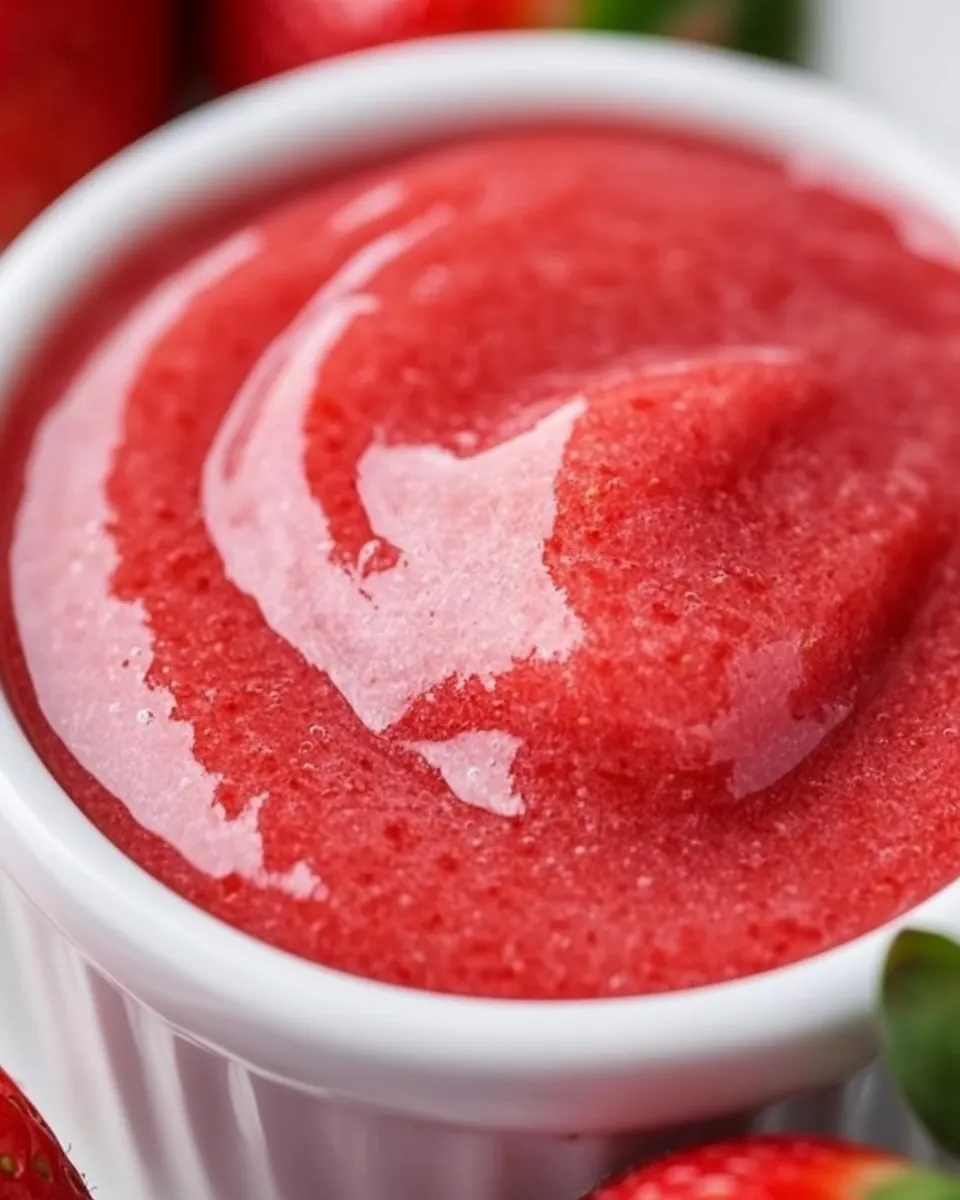
I like to think of small adjustments as ways to personalize the curd to your pantry and taste. These tips expand on the notes provided and show how to tweak texture, color, and sweetness while keeping the method simple.
- Choose berry quality first, opt for fragrant, fully ripe strawberries to maximize natural sweetness and color, and if your berries are less ripe, taste the purée after reduction and add more granulated sugar in small increments to balance acidity.
- Adjust texture with sieving or blending, if you prefer a rustic curd leave some pulp and skip the sieve, but for a refined finish press the purée through a fine mesh until silky and seed free, which also helps the curd set more uniformly.
- Control the heat precisely, maintain medium low to medium heat during thickening so the eggs coagulate gently, and if you notice tiny curdled bits, immediately remove from heat and whisk vigorously to smooth the mixture.
- Finish with butter for gloss, add the salted butter pieces off the heat so they melt slowly and emulsify into a shiny, velvety curd, stirring until no streaks of fat remain visible.
- Store properly, transfer to sterile jars and press plastic wrap onto the surface to avoid skin, then refrigerate; properly stored, the curd keeps for up to a week and makes a lovely homemade gift.
Side Dish Ideas for Strawberry Curd
Strawberry Curd is incredibly versatile and elevates breakfasts, desserts, and snacks with little effort. Think of it as a bright, spreadable component that adds fruit intensity and creamy texture to many dishes. Below are pairing ideas, serving occasions, and storage thoughts to help you get the most from each jar.
- Spread on toast or scones, slather warm toast or freshly baked scones with a generous layer of curd, pairing the creamy fruit with a cup of tea for a relaxed brunch or a cozy morning.
- Fill pastries and tarts, use the curd as a filling for tart shells, hand pies, or Danish pastries to introduce a concentrated strawberry note that contrasts with flaky pastry for special occasions.
- Swirl into whipped cream or yogurt, fold a spoonful into softly whipped cream or a bowl of plain yogurt for a fruity, silky topping that brightens desserts or breakfast bowls.
- Serve with pancakes or waffles, spoon warm or chilled curd over pancakes or waffles instead of syrup for brunch gatherings, adding fresh berries and a dusting of powdered sugar if you like.
- Gift jars for celebrations, sterilize small canning jars and fill with curd to give as thoughtful hostess or holiday gifts, noting that the color and aroma make them feel indulgent and personal.
- Storage tips, refrigerate in sealed jars and press plastic wrap onto the surface before sealing to prevent skin; use within a week for best flavor, and for longer storage consider freezing small portions in ice cube trays for single use.
- Seasonal pairing, lean into spring and early summer when strawberries are brightest, pairing the curd with light cheeses or fresh fruit plates for outdoor gatherings or festive meals.
FAQ
Conclusion
Strawberry Curd shines because it turns a handful of ripe berries into a silky, intensely flavored spread that feels both simple and indulgent. Give it a try the next time you find excellent strawberries; the process is straightforward and the payoff is jars of vibrant flavor that lift breakfasts and desserts alike. I hope you enjoy the bright, creamy result and find as many ways to use it as I do.
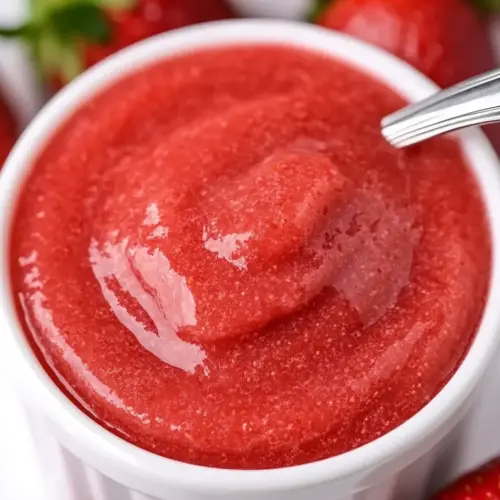
Strawberry Curd
Equipment
- Food Processor
- Medium Saucepan
- Fine mesh sieve
- Whisk
- Spatula
Ingredients
- 1 pounds strawberries (fresh) Brighten and sweeten the curd by providing fresh strawberry flavor and natural acidity; hull and mash or purée for a smooth texture. Use ripe berries to maximize aroma and color, and gently cook them with sugar to release juices without overcooking.
- 1/2 cup granulated sugar Sweeten and balance the tartness by dissolving into the fruit mixture; adjust to taste while cooking to prevent graininess. Granulated sugar also helps preserve the curd and contributes to its glossy finish once chilled.
- 1 tablespoon lemon juice Acidify and enhance brightness by adding a clean lemon tang that balances sweetness and stabilizes the curd. Lemon juice also aids in setting the curd by interacting with the eggs, so add it sparingly to preserve strawberry character.
- 2 large eggs Emulsify and thicken the curd while contributing body and richness; whole eggs provide structure when gently cooked with the warmed fruit and sugar. Whisk thoroughly to combine yolks and whites, temper with hot fruit to avoid curdling, and cook until the mixture coats the back of a spoon.
- 3 large egg yolks Concentrate richness and help the curd set with added fat and lecithin from yolks; use fresh yolks for a silkier, more stable texture. Combine with whole eggs and temper carefully, as the yolks are key for a smooth, velvet curd when cooked low and slow.
- 1/2 cups salted butter (cut into 1-tbsp pieces) Enrich and create a glossy, spreadable finish by adding salted butter in pieces and incorporating off-heat for a silky emulsion. Use small pieces to melt evenly, whisking until fully incorporated to stabilize the texture and add a subtle savory balance.
Instructions
- Rinse, de-stem, and roughly chop strawberries. Place the chopped strawberries in a food processor or blender and purée.: The first sense you notice is the fresh, green strawberry aroma as you rinse and trim the strawberries , and chopping releases juices that make puréeing easier; be sure to remove any bruised bits to avoid off flavors. Why this matters, the quality of the fruit at this stage determines color and sweetness for the entire curd. Troubleshooting tip, avoid soaking the berries for long periods, as they can lose flavor and become waterlogged which dilutes the purée.
- Transfer the puréed strawberries to a medium saucepan and add sugar and lemon juice.: As you pulse, you will see the strawberries break down into a vibrant red purée with a slightly coarse texture that smooths with more blending; the sound is a brief buzzing that stops once everything is uniform. The purpose of puréeing is to create an even base so the curd cooks consistently, and it also shortens the cook time. Common mistake, overprocessing can heat the fruit slightly and dull its fresh aroma, so work in short bursts if needed.
- Cook over medium heat, whisking regularly, and simmer for about 10 minutes until reduced by half.: Once combined, the sugar begins dissolving into the purée and the lemon juice lifts the fruit notes, creating a glossy mixture that smells both sweet and tangy; you can see the liquid become more cohesive. This stage helps balance flavors and prepares the mixture for reduction. Watch out for adding eggs too soon, as heat from a still hot purée can scramble them.
- Use a spatula to press the strawberry mixture through a sieve into a clean bowl or saucepan and cool to room temperature.: During reduction you will hear a gentle simmer and see the volume shrink while the aroma concentrates into a deeper, jam like scent; tiny bubbles should form steadily without violent boiling. Reducing concentrates sugars and intensifies flavor, which is essential for a curd that is bold rather than watery. Mistake to avoid, cranking the heat to speed things up can burn the fruit and create bitter notes, so keep the temperature steady.
- When the strawberry mixture is cool, add it to a clean saucepan. I used the same saucepan but washed it while the strawberry mixture cools.: Pressing through a sieve yields a velvet smooth purée, removing seeds and any fibrous bits; you will notice a clean, silky texture in the strained liquid. Cooling is important because it prevents the eggs from cooking immediately on contact, which would lead to grainy curd. A frequent error is skipping the sieve, which leaves seeds and can create a less refined mouthfeel.
- Add the eggs and egg yolks to the mixture, whisking to combine.: Putting the cooled purée into a clean pan avoids any leftover scorched bits from the previous reduction, and the visual cue is a calm, glossy liquid ready for thickening. The clean pan helps you control heat evenly during the delicate cooking of the curd. Avoid adding eggs while the purée is warm, which risks curdling and ruining the texture.
- Cook over medium-low to medium heat for 6 to 8 minutes, whisking constantly until the curd thickens.: As you whisk, the mixture becomes uniformly pale and slightly thicker in appearance, and you may notice tiny bubbles from the whisking action; this even distribution is essential for gentle coagulation. Thorough mixing ensures the proteins are evenly dispersed so the curd sets smoothly. A common pitfall, adding eggs without adequate whisking can leave streaks of cooked egg later in the process.
- Remove from heat and whisk in the pieces of butter.: During this phase you will hear a soft, steady simmer and see the custard deepen in color and cling slightly to the whisk, forming ribbons when lifted; the smell becomes richer and more concentrated. Constant whisking prevents hot spots that could scramble the eggs, and the gentle heat coagulates proteins into a silky matrix. Troubleshooting, if you stop whisking the curd may stick to the pan and cook unevenly, so keep a steady motion.
- Transfer the hot strawberry curd to sterile canning jars or a heat-proof bowl. Press plastic wrap onto the surface of the curd to prevent it from forming a skin while cooling.: Off the heat, the butter melts into the hot curd and transforms it into a glossy, velvety spread; you will notice the foam subside as the fat emulsifies the mixture. The butter enriches mouthfeel and stabilizes the texture, giving that luxurious finish. Avoid adding cold butter in one piece which can create lumps; small pieces incorporated gradually yield a smooth blend.
- Cool curd to room temperature and then chill for at least an hour or two before using. The plastic wrap can be removed once the curd has cooled.: Pouring the curd into jars while hot traps the scent and makes it easier to press plastic wrap directly onto the surface, which prevents a skin from forming; the visual is a glass filled with vivid, jewel toned curd. Sterile containers help extend shelf life and keep flavors bright. Common mistake, using warm but not sterile jars can lead to shorter storage life and potential spoilage.
- Press plastic wrap onto the surface of the curd to prevent it from forming a skin while cooling: The surface will appear glassy and uniform when wrapped properly, and this prevents an unsightly film that can alter texture; the curd cools evenly underneath. This step maintains pristine appearance and preserves the silky mouthfeel. A simple error is leaving air pockets under the wrap which still allow skin to form, so press gently to remove air.
- Cool curd to room temperature and then chill for at least an hour or two before using: As the curd cools in the fridge, it firms slightly and the flavors settle into a harmonious balance; you will notice the texture becomes more spreadable and less liquid. Chilling also improves sliceability for desserts and helps flavors meld. Mistake to avoid, using the curd hot can lead to runny results and a less polished presentation, so be patient and allow proper cooling time.
Notes
- Choose berry quality first, opt for fragrant, fully ripe strawberries to maximize natural sweetness and color, and if your berries are less ripe, taste the purée after reduction and add more granulated sugar in small increments to balance acidity.
- Adjust texture with sieving or blending, if you prefer a rustic curd leave some pulp and skip the sieve, but for a refined finish press the purée through a fine mesh until silky and seed free, which also helps the curd set more uniformly.
- Control the heat precisely, maintain medium low to medium heat during thickening so the eggs coagulate gently, and if you notice tiny curdled bits, immediately remove from heat and whisk vigorously to smooth the mixture.
- Finish with butter for gloss, add the salted butter pieces off the heat so they melt slowly and emulsify into a shiny, velvety curd, stirring until no streaks of fat remain visible.
- Store properly, transfer to sterile jars and press plastic wrap onto the surface to avoid skin, then refrigerate; properly stored, the curd keeps for up to a week and makes a lovely homemade gift.