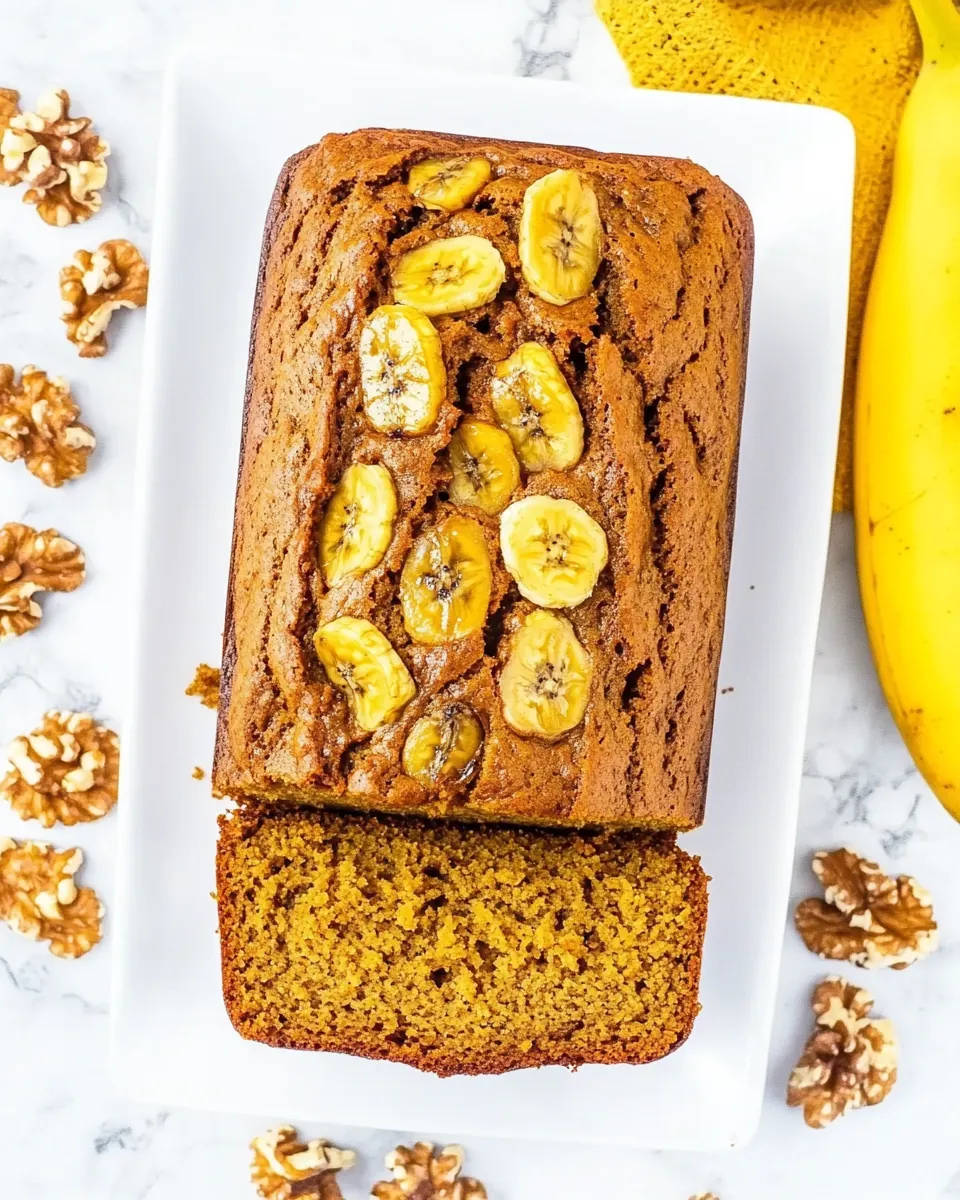
Pumpkin Banana Bread
Pumpkin Banana Bread has been my cozy go to on blustery mornings when I want something that feels like a warm hug in bread form. The first time I combined mashed banana with canned pumpkin puree I was skeptical, yet the loaf that came out of my oven smelled like fall and tasted like nostalgia, a texture that managed to be tender and sturdy at once. I still remember slicing into that first loaf and seeing the tender crumb studded with chopped pecans, every bite balanced between sweet and warmly spiced.
Over the years I have tweaked the sugar balance and fat to land on a version that browns beautifully without drying out, and that sticky caramel drizzle at the end became nonnegotiable in my kitchen. Friends began requesting it for potlucks, and now it is the recipe I bake when I need something comforting but not fussy. Each time I stir the batter I think about how the flour and spices come together to support the fruits, rather than overpower them.
I like to make a loaf when I have overripe banana on the counter and a can of pumpkin puree calling my name. It is forgiving, which means I can focus on the moment rather than precise measurements, and that quality makes it perfect for weekday baking and holiday morning breakfasts alike. Sharing slices with friends while the house still smells like cinnamon feels like a small celebration. Try it when you want something simple, heartfelt, and reliably delicious.
Recipe Snapshot
1 hr 35 mins
10 mins
85 mins
Medium
250 kcal
American
Gluten-Free, Low FODMAP
Desserts
Loaf pan, Oven, Mixing bowls, Saucepan, Sifter
What Makes This Pumpkin Banana Bread Special
Comforting flavor combination
I fell for Pumpkin Banana Bread because the blend of pumpkin and banana creates a multilayered sweetness that feels both homey and interesting. The banana brings soft, fruity depth, while the pumpkin puree adds silky moisture and a mellow earthiness. Together they make a loaf that is never one note, and that keeps people coming back for seconds.
Textural harmony
I love how this loaf balances crumb and density. With the right mix of wet to dry ingredients the bread is tender without collapsing, and the chopped pecans add a welcome contrast. When I bite in I hear a faint crunch and taste a moist, almost custardy interior, which is exactly what I aim for when I bake quick breads.
Very forgiving technique
This recipe is a relaxed companion in the kitchen. I can’t tell you how many times I’ve adjusted stirring speed or added a splash more milk and still ended up with a great loaf. That forgiving nature makes Pumpkin Banana Bread perfect for bakers of any skill level, and I always feel encouraged to experiment confidently.
Versatile for occasions
I bring this loaf to casual brunches and holiday gatherings alike. It’s familiar enough for Thanksgiving and cozy enough for a midweek treat. The lightly spiced character lets it pair well with coffee, tea, or a scoop of breakfast yogurt, so I often slice it thin for a crowd or keep it thick for a comforting solo snack.
Rewarding finishing touch
The warm caramel like drizzle transforms the loaf from nice to memorable. That glossy finish adds sweetness and a hint of chew that contrasts the bread’s tender crumb. I always notice that the drizzle is the detail that earns the most compliments, and it is worth the little extra time.
Pumpkin Banana Bread Shopping List
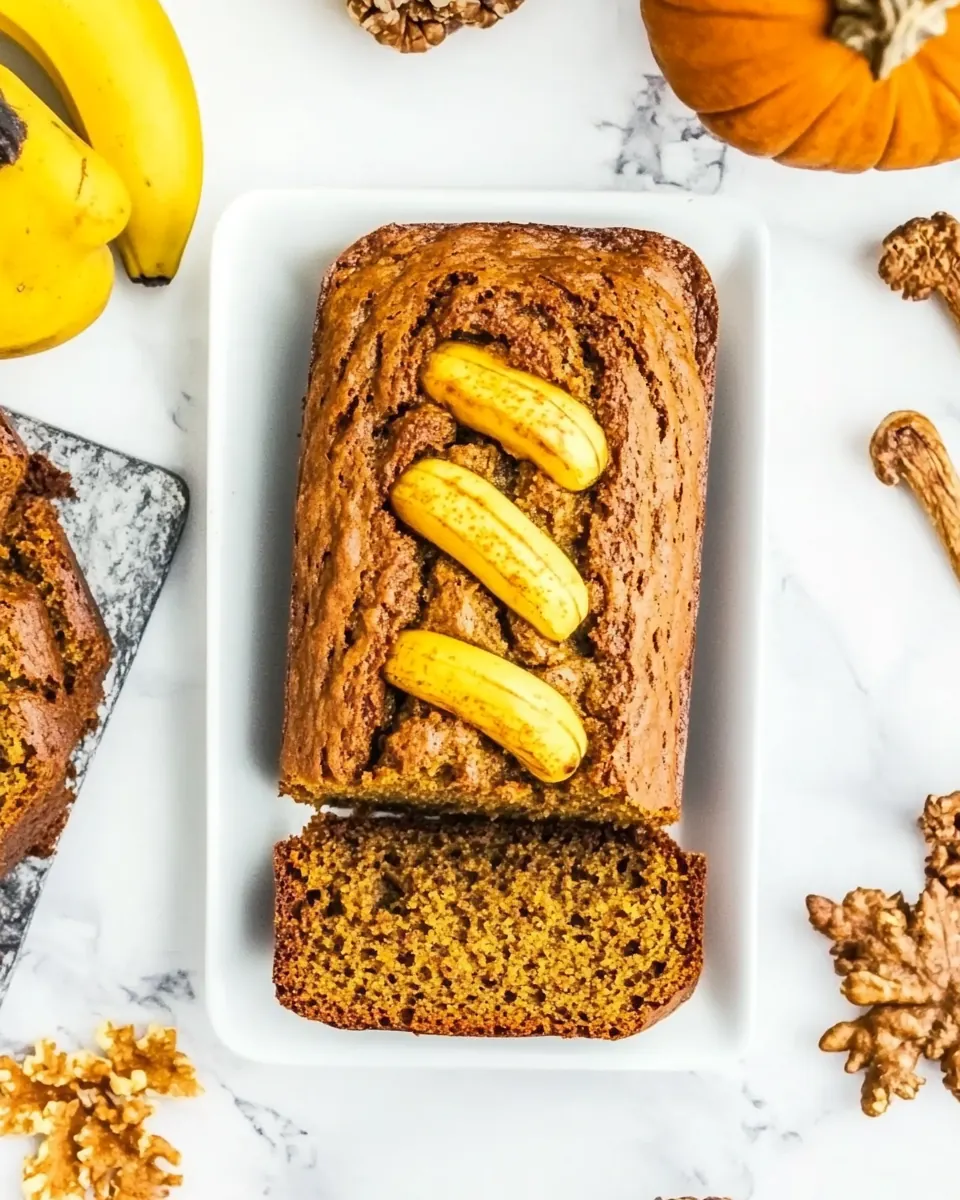
These ingredients are chosen for balance and comfort. I focus on wet components that bring moisture, like pumpkin puree and mashed banana, and pantry players such as flour and spices that build structure and flavor. The sugars and condensed milk contribute sweetness and a tender crumb, while the chopped pecans give crunch and a toasty note.
- 1 cup dark brown sugar: Sweeten and deepen flavor with rich molasses notes that help retain moisture and create a caramelized crust during baking.
- 1/2 cup sugar: Add bulk sweetness and assist in caramelization while balancing the overall sweetness level and texture of the loaf.
- 1/2 cup canola oil: Provide tenderizing fat that contributes to a moist crumb and helps distribute flavors evenly throughout the batter.
- 2 eggs (room temperature): Bind ingredients and incorporate air when beaten, promoting structure and a light, cohesive crumb in the bread.
- 1 cup canned pumpkin puree: Contribute dense moisture, earthy pumpkin flavor, and natural pectin that helps create a tender, custardy texture.
- 1 cup banana mashed: Introduce natural sweetness, moisture, and banana flavor while contributing to the batter’s soft, tender crumb.
- 1 3/4 cup flour: Form the structural backbone by supplying gluten and starches that thicken the batter and hold gas produced by leaveners.
- 1 teaspoon baking soda: React with acidic ingredients to release carbon dioxide, aiding rise and producing a lighter, airy texture in the loaf.
- 1/2 teaspoon baking powder: Provide additional leavening power for balanced rise and a slightly lighter texture when combined with baking soda.
- 1/2 teaspoon salt: Enhance overall flavor by balancing sweetness and strengthening gluten structure slightly, which aids texture and taste.
- 1 teaspoon cinnamon: Add warm, aromatic spice flavor with notes of sweetness that complement pumpkin and banana while enhancing aroma.
- 2 teaspoon pumpkin pie spice: Deliver a warm, multi-spice blend that intensifies autumnal flavors and pairs seamlessly with pumpkin and cinnamon.
- 1/4 cup whole milk: Thin the batter slightly and add tenderness while enriching mouthfeel and helping create a softer crumb.
- 1/2 cup pecans diced (or walnuts): Offer crunchy texture and a toasty, nutty flavor contrast that complements the soft, moist bread interior.
- 7 ounces sweetened condensed milk: Introduce rich, sweet, and creamy condensed milk that adds moisture, intense sweetness, and a fudgy richness.
- 1/2 cup firmly packed brown sugar: Provide concentrated sweetness and additional moisture with deep molasses notes that amplify caramelized flavor.
- 1 tablespoon butter: Add a small amount of fat to enrich flavour, help meld ingredients together, and create a slightly silkier crumb.
- 1/4 teaspoon vanilla extract: Contribute floral warmth and enhance other flavors, rounding out sweetness while adding a subtle aromatic finish.
The Method for Pumpkin Banana Bread
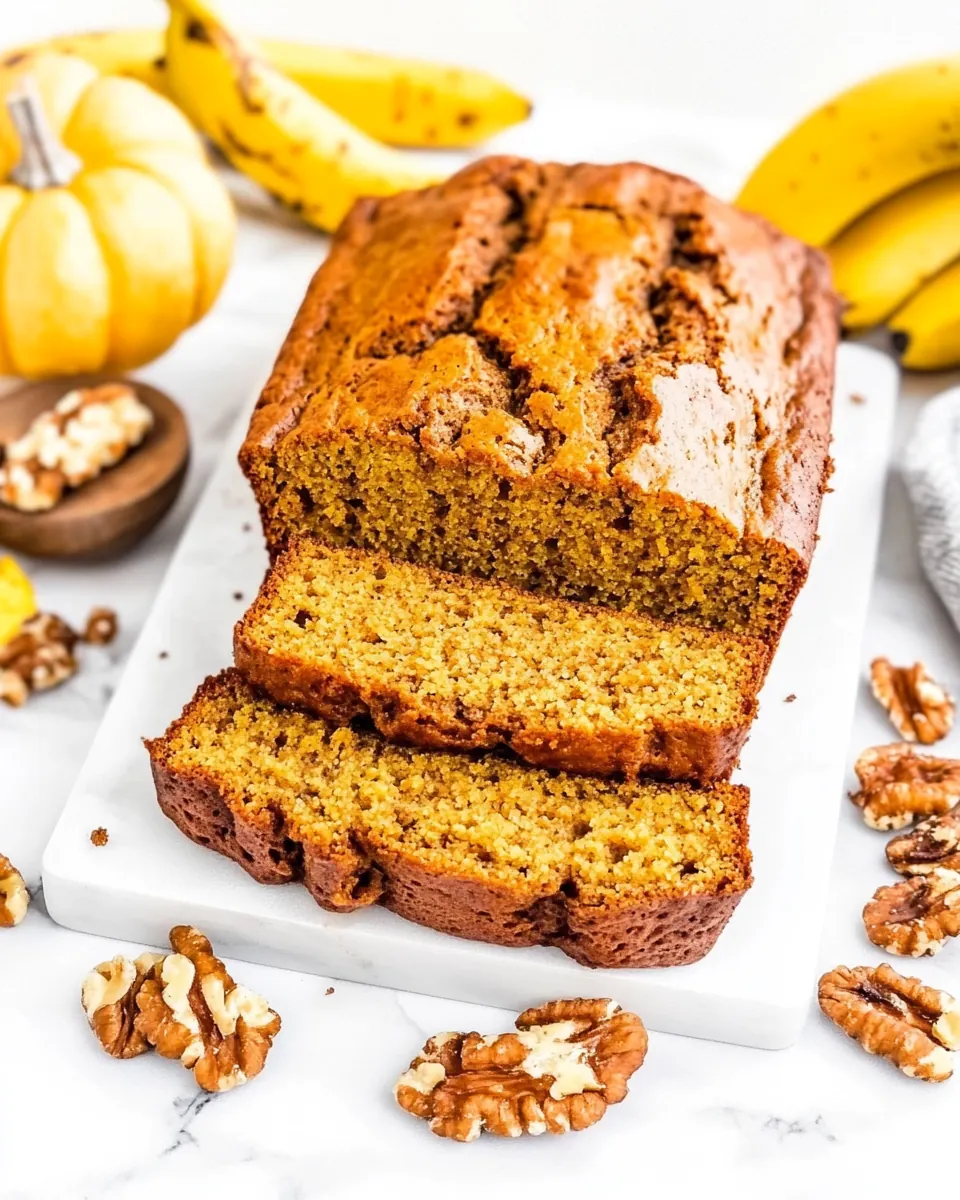
I like to walk into this baking session with all ingredients measured and bowls ready, because quick breads move fast once the wet and dry components meet. The method is straightforward, yet there are moments where attention to texture and timing really shapes the final loaf. Keep an eye on visual cues and trust your senses as you go.
- Preheat oven to 350°F. Spray a loaf pan with baking spray.: The warm blast of an oven at 350°F signals the start, and you should notice the kitchen begin to smell faintly warm, which helps the batter respond predictably when it goes in. I always place the rack in the center so heat circulates evenly, and I spray the loaf pan to prevent sticking, taking care to coat corners thoroughly. Why this matters, the immediate heat gives the bread initial oven spring, which helps the crumb set correctly. A common mistake is preheating to an incorrect temperature or not preheating at all, which can cause uneven rise and a gummy center.
- Combine the brown sugar, sugar, oil, and eggs into a bowl. Stir to mix.: As you mix, listen for a quiet, smooth thickening sound and watch the sugars dissolve into the oil until the mixture looks glossy and homogenous. The sugars begin to incorporate air, and the oil keeps the batter tender, so aim for a cohesive, syrupy texture. If you see unmixed pockets of oil or streaks of uncooked egg, continue stirring gently until uniform. Avoid overbeating here, which can develop too much structure and make the loaf tough.
- Mix bananas, pumpkin puree, and whole milk. Add to the sugar/egg mixture.: When you stir the mashed banana and pumpkin puree with milk you should notice a thicker, creamy batter forming before it hits the bowl with the sugar and eggs. The aroma of both fruits will become pronounced, warm and inviting. Adding this mixture to the sugars helps distribute moisture evenly, creating pockets of density that give the final loaf its tender texture. A mistake to avoid is adding very cold milk or pumpkin, which can cause the fats to seize and the batter to look curdled.
- Sift the flour, salt, baking soda, baking powder, cinnamon, and pumpkin pie spices together. Add pecans or walnuts.: Sifting combines the dry ingredients and aerates the flour , giving the loaf lift and a fine crumb. You will see a fragrant cloud of spices, and the sifted mix should be light and uniform. Folding in the chopped pecans at this stage prevents them from sinking to the bottom during baking by coating them lightly with flour. If you skip sifting, you risk pockets of leavening or spice that create uneven texture.
- Slowly add 1/3 of the dry ingredients to the wet ingredients at a time, mix as you add.: By incorporating the dry mix in thirds you can maintain a tender crumb and avoid overworking the batter. Each addition should be folded gently until you see no streaks of flour, the batter will thicken slightly and change from glossy to a more structured, spoonable texture. This technique keeps the loaf from becoming dense, and it ensures the leaveners are evenly distributed. Rushing this step or mixing vigorously will produce a tight, chewy loaf instead of a soft one.
- Pour into the prepared glass loaf pan.: When you transfer the batter into the pan you should see it settle with a slightly domed top and a batter surface that looks thick and glossy. Tapping the pan lightly on the counter releases any large air bubbles. Using a glass pan can change baking time slightly, so expect a gentler rise and a more even crust. Overfilling the pan is a common pitfall that leads to overflow and misshapen loaves, so leave room for rise.
- Bake at 350°F for 85 minutes or until a toothpick inserted in the middle comes out clean.: As the loaf bakes you will notice the aroma intensify and the top turn to a golden brown. The sound is mostly quiet, but you may hear subtle settling as the crumb sets. The toothpick test is the reliable cue, and the center should feel springy but not wet. Removing too early yields a gummy interior, while overbaking dries the crumb, so check at the tail end of the time and protect the crust if it browns too quickly with foil.
- Remove from oven and allow to cool completely.: Cooling is a crucial stage, the residual heat finishes the bake and the crumb sets as steam escapes. The loaf will emit a warm, sweet scent while cooling, and slicing too soon can lead to a gooey center and crumb that tears. I let mine cool in the pan for a short while, then transfer to a rack to cool fully. Cutting early is a frequent error that ruins texture.
- In a saucepan, combine milk and brown sugar.: As the milk and packed brown sugar meet in the pan you will see the sugar begin to dissolve and the mixture will take on a syrupy sheen. This step creates the base for a rich, caramel like drizzle. Stirring constantly ensures even dissolving and prevents any sugar crystals from remaining. Leaving the mixture unattended can cause scorching and a burnt taste.
- Bring it to a boil over medium-high heat, stirring constantly.: When the mixture reaches a boil you will notice vigorous bubbling and a deepening color as the sugar concentrates. Constant stirring prevents sticking and helps achieve a smooth consistency. This active stage concentrates flavors, creating the glossy finish you want. Neglecting to stir here commonly leads to burned bits that ruin the flavor of the drizzle.
- Reduce heat, simmer about 8 minutes, still stirring.: Simmering mellows the intensity while thickening the syrup into a luscious glaze, and you will see it coat the back of a spoon. The aroma becomes deeply caramelized, and the texture should be thick but pourable. Over simmering will cause it to harden too much upon cooling, while undercooking leaves it thin and runny.
- Remove from heat then add vanilla and butter.: Off the heat the addition of vanilla and butter enriches the syrup and smooths any graininess, producing a glossy, velvety finish. Stir until fully incorporated and the butter is melted through. Adding vanilla while too hot can dissipate its aroma, so off heat is best. Failure to incorporate the butter can leave oil slicks on the surface.
- Let it cool for about 5 minutes before drizzling over the pumpkin banana bread.: Letting the glaze cool slightly ensures it will cling to the loaf rather than soaking in immediately, creating that attractive shiny finish. As you pour, the sauce will glide and set in ribbon like trails. If it is too hot it will run straight off the loaf, and if it is too cool it will be too thick to drizzle smoothly, so watch the consistency closely.
Expert Tips about Pumpkin Banana Bread
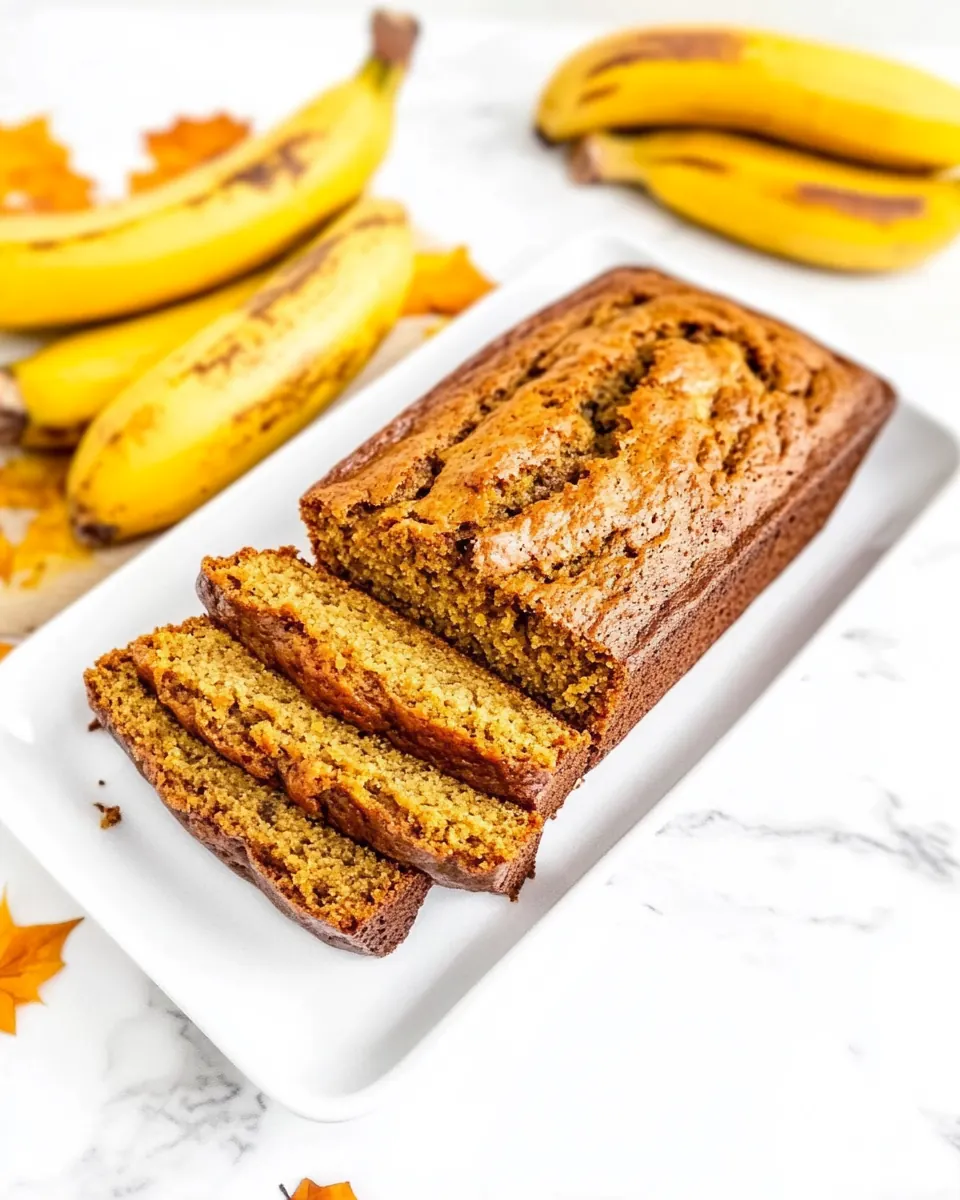
This loaf responds beautifully to small, thoughtful adjustments. Below are practical tips I use every time I make Pumpkin Banana Bread, each one intended to help you get consistent, delicious results.
- Room temperature eggs blend more evenly into the batter, preventing a curdled appearance and promoting a uniform crumb.
- Don’t overmix once you combine wet and dry ingredients, gentle folding preserves tenderness and avoids a chewy texture.
- Check your leaveners if your loaf doesn’t rise, expired baking soda or powder is often the culprit and leads to a dense center.
- Adjust bake time for glass pans many glass pans bake slightly faster on the outside, so monitor for browning and use foil if needed.
- Pack brown sugar firmly when measuring for the drizzle to achieve the right sweetness and consistency in the topping.
What to Pair With Pumpkin Banana Bread
This loaf is versatile and welcomes a range of accompaniments for breakfast, snack time, or holiday mornings. Below are serving suggestions and pairing ideas that highlight the bread’s warm, spiced profile and comforting texture.
- Morning coffee or tea Serve slices warm with a bold coffee or a lightly spiced tea for a classic breakfast pairing that amplifies the spices in the loaf.
- Yogurt and fruit A scoop of plain or lightly sweetened yogurt with fresh berries brightens the richness and adds refreshing acidity.
- Spread options Try a soft butter or a neutral nut butter to add creaminess without overpowering the pumpkin and banana flavors.
- Holiday brunch Bring the loaf to a Thanksgiving or fall brunch table, where it pairs well with egg dishes and warm fruit compotes.
- Storage tips Store wrapped at room temperature for up to two days, or refrigerate up to a week. For longer storage, slice and freeze with parchment between slices for easy defrosting.
- Occasion serving Serve thin slices for a crowd friendly snack, or thick slices for a cozy solo breakfast with a steaming mug of something warm.
FAQ
Conclusion
This Pumpkin Banana Bread shines because it balances moist, tender crumb with warm spices and a rich, glossy drizzle that elevates every slice. If you enjoy comforting baking that feels both simple and special, this loaf is an excellent choice to make for yourself or to share. Give it a try on a slow morning or for a holiday spread, and you may find it becomes a staple in your rotation the way it did in mine. I hope it brings a little extra warmth to your kitchen and offers tasty reminders of cozy, shared moments.
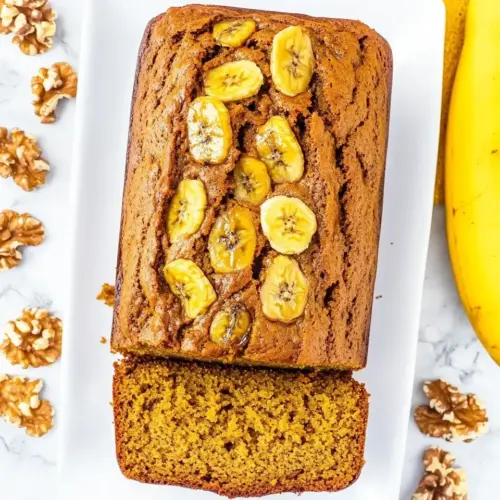
Pumpkin Banana Bread
Equipment
- Loaf Pan
- Oven
- Mixing Bowls
- Saucepan
- Sifter
Ingredients
- 1 cup dark brown sugar Sweeten and deepen flavor with rich molasses notes that help retain moisture and create a caramelized crust during baking.
- 1/2 cup sugar Add bulk sweetness and assist in caramelization while balancing the overall sweetness level and texture of the loaf.
- 1/2 cup canola oil Provide tenderizing fat that contributes to a moist crumb and helps distribute flavors evenly throughout the batter.
- 2 eggs (room temperature) Bind ingredients and incorporate air when beaten, promoting structure and a light, cohesive crumb in the bread.
- 1 cup canned pumpkin puree Contribute dense moisture, earthy pumpkin flavor, and natural pectin that helps create a tender, custardy texture.
- 1 cup banana mashed Introduce natural sweetness, moisture, and banana flavor while contributing to the batter’s soft, tender crumb.
- 1 3/4 cup flour Form the structural backbone by supplying gluten and starches that thicken the batter and hold gas produced by leaveners.
- 1 teaspoon baking soda React with acidic ingredients to release carbon dioxide, aiding rise and producing a lighter, airy texture in the loaf.
- 1/2 teaspoon baking powder Provide additional leavening power for balanced rise and a slightly lighter texture when combined with baking soda.
- 1/2 teaspoon salt Enhance overall flavor by balancing sweetness and strengthening gluten structure slightly, which aids texture and taste.
- 1 teaspoon cinnamon Add warm, aromatic spice flavor with notes of sweetness that complement pumpkin and banana while enhancing aroma.
- 2 teaspoon pumpkin pie spice Deliver a warm, multi-spice blend that intensifies autumnal flavors and pairs seamlessly with pumpkin and cinnamon.
- 1/4 cup whole milk Thin the batter slightly and add tenderness while enriching mouthfeel and helping create a softer crumb.
- 1/2 cup pecans diced (or walnuts) Offer crunchy texture and a toasty, nutty flavor contrast that complements the soft, moist bread interior.
- 7 ounces sweetened condensed milk Introduce rich, sweet, and creamy condensed milk that adds moisture, intense sweetness, and a fudgy richness.
- 1/2 cup firmly packed brown sugar Provide concentrated sweetness and additional moisture with deep molasses notes that amplify caramelized flavor.
- 1 tablespoon butter Add a small amount of fat to enrich flavour, help meld ingredients together, and create a slightly silkier crumb.
- 1/4 teaspoon vanilla extract Contribute floral warmth and enhance other flavors, rounding out sweetness while adding a subtle aromatic finish.
Instructions
- Preheat oven to 350°F. Spray a loaf pan with baking spray.: The warm blast of an oven at 350°F signals the start, and you should notice the kitchen begin to smell faintly warm, which helps the batter respond predictably when it goes in. I always place the rack in the center so heat circulates evenly, and I spray the loaf pan to prevent sticking, taking care to coat corners thoroughly. Why this matters, the immediate heat gives the bread initial oven spring, which helps the crumb set correctly. A common mistake is preheating to an incorrect temperature or not preheating at all, which can cause uneven rise and a gummy center.
- Combine the brown sugar, sugar, oil, and eggs into a bowl. Stir to mix.: As you mix, listen for a quiet, smooth thickening sound and watch the sugars dissolve into the oil until the mixture looks glossy and homogenous. The sugars begin to incorporate air, and the oil keeps the batter tender, so aim for a cohesive, syrupy texture. If you see unmixed pockets of oil or streaks of uncooked egg, continue stirring gently until uniform. Avoid overbeating here, which can develop too much structure and make the loaf tough.
- Mix bananas, pumpkin puree, and whole milk. Add to the sugar/egg mixture.: When you stir the mashed banana and pumpkin puree with milk you should notice a thicker, creamy batter forming before it hits the bowl with the sugar and eggs. The aroma of both fruits will become pronounced, warm and inviting. Adding this mixture to the sugars helps distribute moisture evenly, creating pockets of density that give the final loaf its tender texture. A mistake to avoid is adding very cold milk or pumpkin, which can cause the fats to seize and the batter to look curdled.
- Sift the flour, salt, baking soda, baking powder, cinnamon, and pumpkin pie spices together. Add pecans or walnuts.: Sifting combines the dry ingredients and aerates the flour , giving the loaf lift and a fine crumb. You will see a fragrant cloud of spices, and the sifted mix should be light and uniform. Folding in the chopped pecans at this stage prevents them from sinking to the bottom during baking by coating them lightly with flour. If you skip sifting, you risk pockets of leavening or spice that create uneven texture.
- Slowly add 1/3 of the dry ingredients to the wet ingredients at a time, mix as you add.: By incorporating the dry mix in thirds you can maintain a tender crumb and avoid overworking the batter. Each addition should be folded gently until you see no streaks of flour, the batter will thicken slightly and change from glossy to a more structured, spoonable texture. This technique keeps the loaf from becoming dense, and it ensures the leaveners are evenly distributed. Rushing this step or mixing vigorously will produce a tight, chewy loaf instead of a soft one.
- Pour into the prepared glass loaf pan.: When you transfer the batter into the pan you should see it settle with a slightly domed top and a batter surface that looks thick and glossy. Tapping the pan lightly on the counter releases any large air bubbles. Using a glass pan can change baking time slightly, so expect a gentler rise and a more even crust. Overfilling the pan is a common pitfall that leads to overflow and misshapen loaves, so leave room for rise.
- Bake at 350°F for 85 minutes or until a toothpick inserted in the middle comes out clean.: As the loaf bakes you will notice the aroma intensify and the top turn to a golden brown. The sound is mostly quiet, but you may hear subtle settling as the crumb sets. The toothpick test is the reliable cue, and the center should feel springy but not wet. Removing too early yields a gummy interior, while overbaking dries the crumb, so check at the tail end of the time and protect the crust if it browns too quickly with foil.
- Remove from oven and allow to cool completely.: Cooling is a crucial stage, the residual heat finishes the bake and the crumb sets as steam escapes. The loaf will emit a warm, sweet scent while cooling, and slicing too soon can lead to a gooey center and crumb that tears. I let mine cool in the pan for a short while, then transfer to a rack to cool fully. Cutting early is a frequent error that ruins texture.
- In a saucepan, combine milk and brown sugar.: As the milk and packed brown sugar meet in the pan you will see the sugar begin to dissolve and the mixture will take on a syrupy sheen. This step creates the base for a rich, caramel like drizzle. Stirring constantly ensures even dissolving and prevents any sugar crystals from remaining. Leaving the mixture unattended can cause scorching and a burnt taste.
- Bring it to a boil over medium-high heat, stirring constantly.: When the mixture reaches a boil you will notice vigorous bubbling and a deepening color as the sugar concentrates. Constant stirring prevents sticking and helps achieve a smooth consistency. This active stage concentrates flavors, creating the glossy finish you want. Neglecting to stir here commonly leads to burned bits that ruin the flavor of the drizzle.
- Reduce heat, simmer about 8 minutes, still stirring.: Simmering mellows the intensity while thickening the syrup into a luscious glaze, and you will see it coat the back of a spoon. The aroma becomes deeply caramelized, and the texture should be thick but pourable. Over simmering will cause it to harden too much upon cooling, while undercooking leaves it thin and runny.
- Remove from heat then add vanilla and butter.: Off the heat the addition of vanilla and butter enriches the syrup and smooths any graininess, producing a glossy, velvety finish. Stir until fully incorporated and the butter is melted through. Adding vanilla while too hot can dissipate its aroma, so off heat is best. Failure to incorporate the butter can leave oil slicks on the surface.
- Let it cool for about 5 minutes before drizzling over the pumpkin banana bread.: Letting the glaze cool slightly ensures it will cling to the loaf rather than soaking in immediately, creating that attractive shiny finish. As you pour, the sauce will glide and set in ribbon like trails. If it is too hot it will run straight off the loaf, and if it is too cool it will be too thick to drizzle smoothly, so watch the consistency closely.
Notes
- Room temperature eggs blend more evenly into the batter, preventing a curdled appearance and promoting a uniform crumb.
- Don’t overmix once you combine wet and dry ingredients, gentle folding preserves tenderness and avoids a chewy texture.
- Check your leaveners if your loaf doesn’t rise, expired baking soda or powder is often the culprit and leads to a dense center.
- Adjust bake time for glass pans many glass pans bake slightly faster on the outside, so monitor for browning and use foil if needed.
- Pack brown sugar firmly when measuring for the drizzle to achieve the right sweetness and consistency in the topping.
