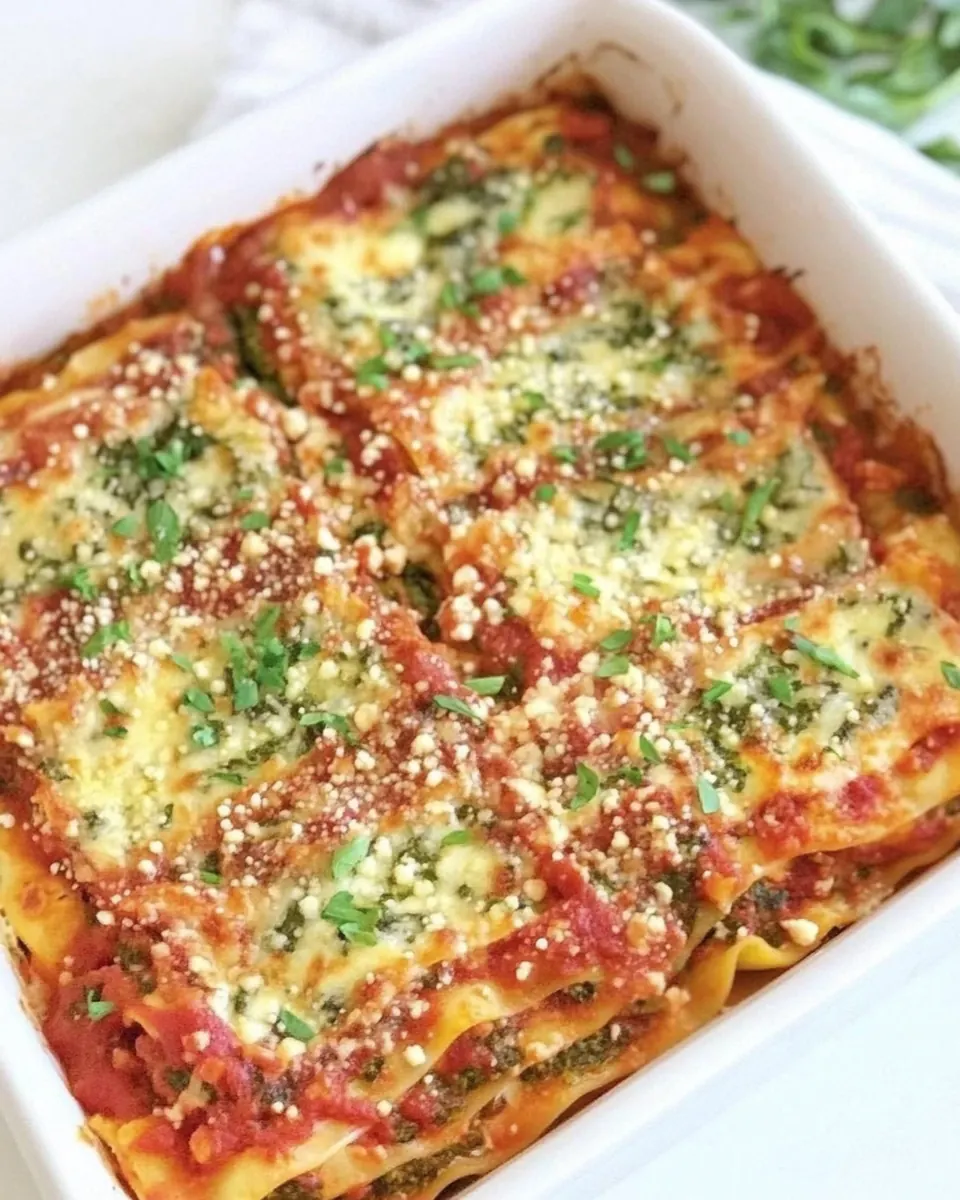
Spinach Lasagna
Spinach Lasagna has been my comforting go to on chilly weeknights, the kind of dish that fills the house with a warm, tangy aroma and makes everyone linger at the table. I remember the first time I layered the tender, squeezed spinach with creamy cheese and bright tomato sauce, how the bubbling edges signaled that everything had come together just right. That evening I learned that simple ingredients can feel indulgent when they are treated with care and time.
On one particularly busy week I adapted my method to be faster without sacrificing depth of flavor, and that version has stuck with me. I love how the soft spinach contrasts with the sturdy lasagna noodles, and how the shredded mozzarella cheese forms those irresistible golden patches on top. Each forkful is layered, textured, and satisfying, which is why I often make a pan to share with friends who need a comforting meal.
Recipe Snapshot
1 hr 20 mins
40 mins
40 mins
Medium
300 kcal
Italian
Keto, Gluten-Free
Dinner
Saucepan, 9 x 13 baking pan, Oven, Mixing bowl
The Magic of This Spinach Lasagna
Comforting, yet light
I always reach for Spinach Lasagna when I want something substantial that does not feel heavy. The combination of tender spinach and creamy cottage cheese gives you richness without the dense feel of meat heavy bakes, so it works well when you crave comfort but want something balanced.
Weeknight friendly with make ahead options
I’ve prepped the filling hours before and kept it refrigerated until ready to assemble, which makes the final assembly calm and efficient. Because the sauce simmers briefly, it does not need long hands on time, and the layered format means leftovers reheat beautifully.
Vegetable forward, crowd pleasing
When I serve this to a crowd, people often assume it took much longer to make. The mushrooms, onion, and green pepper add savory depth so every bite feels complex. It slices cleanly and is easy to portion, which makes feeding a group simple and satisfying.
Balances textures and flavors
The contrast between saucy, slightly sweet tomatoes and the nutty bite of Parmesan cheese gives the dish lift. The tiny pinch of nutmeg in the filling adds a warm undertone that ties the dairy and greens together, creating a unified flavor profile that keeps people coming back for seconds.
Adaptable to your pantry
I appreciate that Spinach Lasagna allows for small swaps without losing its soul. If you only have a different type of noodle or a slightly different canned tomato, the structure of the dish still works. That flexibility is why I often keep it in my rotation for both regular dinners and casual gatherings.
Key Ingredients for Spinach Lasagna
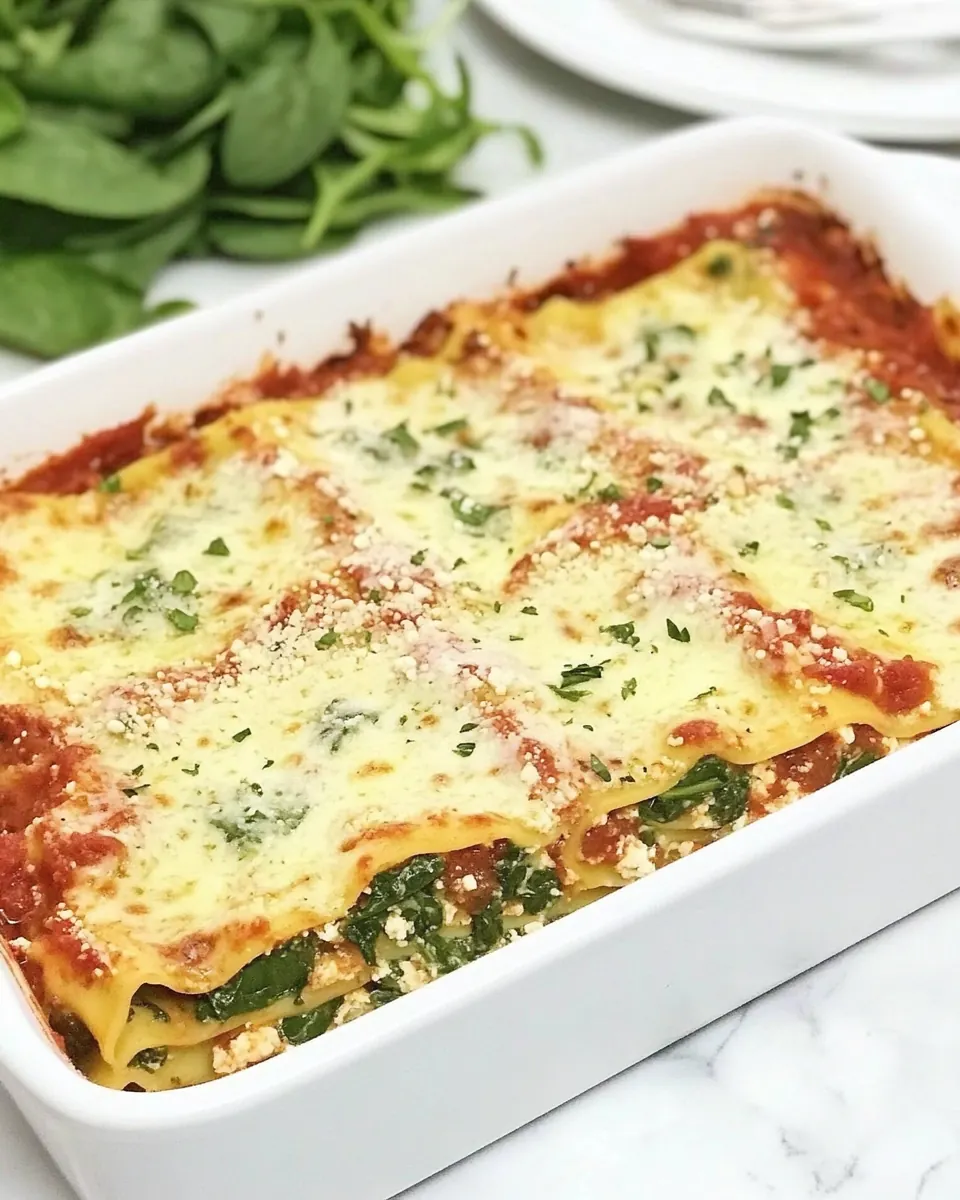
These ingredients are the backbone of the recipe, each playing a clear role in texture and flavor. The tomatoes and sauce build a bright, slightly sweet base, while the cheeses and egg bind the filling into creamy layers. The vegetables bring savory complexity and a fresh lift that prevents the casserole from feeling one note. Together they create a lasagna that is layered, balanced, and comforting.
- 1 package (10 oz) spinach, frozen: Frozen and thawed, provides a concentrated leafy green base that becomes tender when cooked; drains well to avoid excess moisture in the lasagna layers. Adds iron and a mild, slightly sweet flavor that complements the cheeses and tomato components.
- 8 ounce lasagna noodles, dry: Dried and boiled until al dente, forms the structural layers that hold the filling and sauce together; choose noodles that fit your baking dish for even layering. Provides a neutral, comforting starch that soaks up flavors from the sauce and cheeses.
- 1 medium onion: Sautéed until translucent, contributes a savory aromatic backbone and subtle sweetness to the vegetable filling; finely chopped to distribute flavor evenly. Enhances umami and pairs well with garlic and bell pepper in the sautéed mixture.
- 1 medium bell pepper, green: Chopped and softened, offers a fresh, slightly bitter crunch that balances the richness of cheeses and tomatoes when cooked down. Green bell pepper adds color and a bright vegetal note to the overall filling.
- 2 cloves garlic: Minced and briefly cooked, lends pungent aroma and depth to the sautéed vegetables while building savory complexity. Small amounts provide a noticeable boost to flavor without overpowering delicate spinach and cheeses.
- 2 cup chopped mushrooms, portabella: Chopped and browned, supplies an earthy, meaty texture that increases the filling’s substance and mouthfeel; releases moisture that should be cooked off to concentrate flavor. Portabella mushrooms contribute deep, savory notes that mimic heartier meat textures.
- 14 1/2 ounce diced tomatoes, canned: Canned and drained or undrained depending on recipe moisture, delivers bright tomato chunks and acidity to the sauce layer; distributes evenly for bursts of tomato in each bite. Offers convenience and consistent tomato flavor year-round.
- 1/2 teaspoon basil, dried: Dried and sprinkled into the sauce, infuses sweet, herbal warmth and classic Italian aroma; stir in early to rehydrate and release its essential oils. Balances the acidity of tomatoes and complements other Mediterranean herbs.
- 1 cup tomato sauce: Used as a smooth binder and sauce component, brings cohesive tomato flavor that spreads easily between layers and keeps the lasagna moist. Enhances sauciness and ensures each slice has silky tomato coverage.
- 1/2 teaspoon sugar: Added sparingly to the sauce, tempers tomato acidity and rounds out flavor with a touch of sweetness; dissolve fully for even distribution. Helps balance bright tomatoes and brings a more mellow overall taste.
- 1/4 teaspoon black pepper, ground: Ground and freshly measured, seasons the filling and sauce with subtle heat and background complexity; adjust quantity to taste for mild pepperiness. Integrates with herbs and other spices without dominating delicate ingredients.
- 2 cup cottage cheese: Creamy and slightly tangy, stirred with egg and seasonings to create a rich, smooth cheese layer that contrasts with the tomato sauce. Provides moisture and body while offering a mild dairy flavor that melts well into the lasagna.
- 2 ounce Parmesan cheese, shredded: Finely shredded and mixed into cheese layers, imparts salty, nutty umami that enhances overall savoriness; a small amount goes a long way. Adds depth and a characteristic Parmesan sharpness to the dish.
- 1 large egg: Beaten and combined with cottage cheese, acts as a binding agent that helps the cheese layer set and slice cleanly after baking. Contributes richness and a slightly custardy texture when baked into the lasagna.
- 1/4 teaspoon nutmeg: Grated and blended into the cheese mixture, introduces warm, aromatic undertones that elevate the creamy filling and pair well with nutmeg. Used in small quantity to add subtle complexity rather than overt spice.
- 2 ounce mozzarella cheese: Shredded and layered on top or mixed into fillings, provides a gooey, melty finish that browns nicely under heat for a classic lasagna topping. Adds mild milky flavor and pleasing stretch when melted.
How to Cook Spinach Lasagna
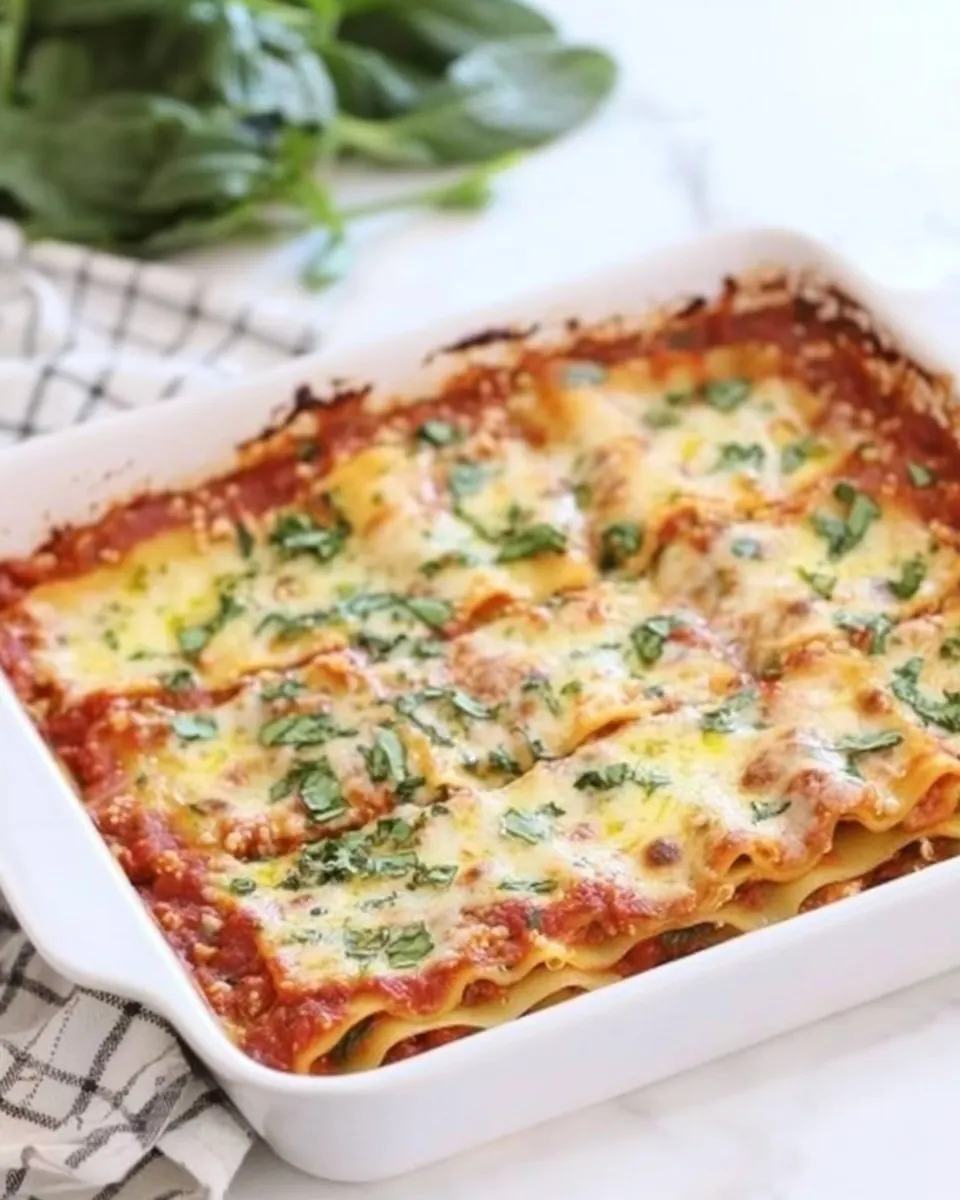
These directions guide you through every stage so the final pan is layered, saucy, and perfectly set. Take your time to observe visual and aromatic cues, and use the troubleshooting tips if something looks off. The process rewards attention to texture and temperature for the best result.
- Cook spinach and lasagna noodles separately, according to the package directions. Drain and set aside. Place spinach on a clean kitchen towel and wring out excess moisture over the sink. Set aside.: As the spinach and lasagna noodles cook, pay attention to the steam and color change, the spinach will darken and the noodles should still have some bite. After draining, you'll notice the spinach releases a lot of water, which you must remove to prevent a watery bake, hence the towel wringing until the leaves feel only slightly damp. The noodles should not be overcooked, you want them firm enough that they do not fall apart during layering. A common mistake is skipping the wringing step, which leads to a soggy lasagna; take a moment to press firmly but gently to squeeze out the moisture and check the noodles for a slight resistance in the center.
- For the sauce, chop the onion and green pepper; mince the garlic.: When you chop the onion and green pepper , watch for the sharp scent of freshly cut onion that clears as they soften, and the garlic aroma that becomes fragrant when minced. Uniform pieces help the vegetables cook evenly so you get a cohesive texture in the sauce. If pieces are uneven, some bits will cook faster and others remain firm, creating an inconsistent bite. Avoid chopping too coarsely or too finely, aim for consistent small dice so every spoonful has a balanced mix of vegetables.
- Spray a large saucepan with nonstick cooking spray; heat over medium heat. Add onion, green pepper, mushrooms and garlic. Cook for about 5 minutes or until vegetables are tender.: As the vegetables hit the warm pan, you should hear a gentle sizzle and see them sweat, releasing their fragrant juices; the mushrooms will shrink and deepen in color, while the onion becomes translucent and slightly sweet. Stir so nothing sticks, and watch for browning which adds flavor but can quickly turn to burning if the heat is too high. If you detect a bitter smell, the heat is too hot; lower it and stir more frequently. Properly cooked vegetables create a savory foundation for the sauce, so patience here makes a big difference.
- Stir undrained tomatoes, basil, tomato sauce, sugar and black pepper into the vegetables. Bring to a boil; reduce heat. Simmer, uncovered, for 5 minutes or until slightly thickened.: Adding the undrained tomatoes gives liquid and acidity that will reduce into a cohesive sauce; you will see small bubbles as it comes to a boil, then a calmer simmer. The aromas will shift from vegetal to warm tomato sweetness, and the sauce should begin to thicken and cling to a spoon. Simmering concentrates flavor, so resist the urge to rush this step with higher heat. A watery sauce means the simmer was too short, while a scorched bottom means the heat was too high, so stir occasionally and maintain a gentle simmer for best depth.
- Preheat oven to 375 degrees F.: You will feel the kitchen heat up slightly as the oven comes to temperature and you may hear the hum of the preheat cycle. This temperature is ideal to allow the lasagna to bubble through without drying out the top too quickly. Make sure the oven rack is centered for even heat, and if your oven runs hot or cold, adjust slightly and use an oven thermometer for accuracy. A common mistake is putting the dish in before the oven is fully preheated, which leads to longer bake times and uneven cooking.
- For the filling, stir together spinach, cottage cheese, Parmesan cheese, egg and nutmeg in a medium bowl.: When you combine the drained spinach with the creamy cottage cheese , shredded Parmesan cheese , egg , and a pinch of nutmeg , notice the glossy, slightly lumpy texture that becomes a cohesive, scoopable mixture. The egg helps bind the dairy so slices hold shape, while the nutmeg adds an undercurrent of warmth. Mix gently to avoid breaking down the cottage curds too much; overmixing can make the filling pasty. Ensure the spinach is well distributed so each portion has even color and flavor.
- Spoon 1 cup of the sauce mixture into a 9 x 13 pan. Place lasagna 3 noodles into dish, covering sauce.: The initial layer of sauce prevents the noodles from sticking to the pan and ensures the first layer is moist. Spread the cup of sauce evenly and watch the sheen it creates on the pan before you lay in the first three lasagna noodles . Lay them so they slightly overlap if needed to cover the base. If you skip the sauce base, the bottom noodles can stick, making it hard to serve neat slices, so always keep that saucy cushion.
- Spread 1/4 cup spinach mixture onto each noodle. Lay 3 noodles over spinach mixture, spread 1 cup of sauce on top.: Spoon a measured 1/4 cup of the filling onto each noodle to create consistent layers that will set evenly. The filling should be spread to the edges without piling too high, which ensures even cooking and prevents overflow. After you place the next set of noodles, add another cup of sauce so the structure remains moist and cohesive. Avoid uneven distribution which causes dry pockets or overly saucy sections that do not set properly.
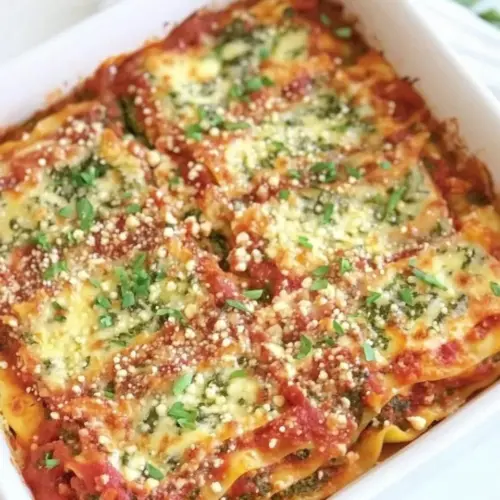
- Continue to layer, ending with a layer of sauce. Sprinkle with grated mozzarella cheese.: Build the lasagna in the same rhythm until the pan is filled, finishing with sauce so the top does not dry out. The final sprinkle of shredded mozzarella cheese will become golden and bubbly, creating that classic lasagna finish. Watch the cheese distribution to avoid sparse or overly concentrated spots which lead to inconsistent browning.
- Cover with foil. Bake for 40-45 minutes or until bubbly. Remove foil and bake an additional 5 minutes.: During the covered bake the dish will steam and the flavors will marry, evidenced by gentle bubbling at the edges and a fragrant, saucy steam rising when you peek. Removing the foil for the final five minutes encourages the mozzarella cheese to brown and form a slight crust while the interior finishes setting. Avoid opening the oven frequently, which drops temperature and increases bake time; check the center for bubbling and a firm set to know it is done.
Ways to Customize
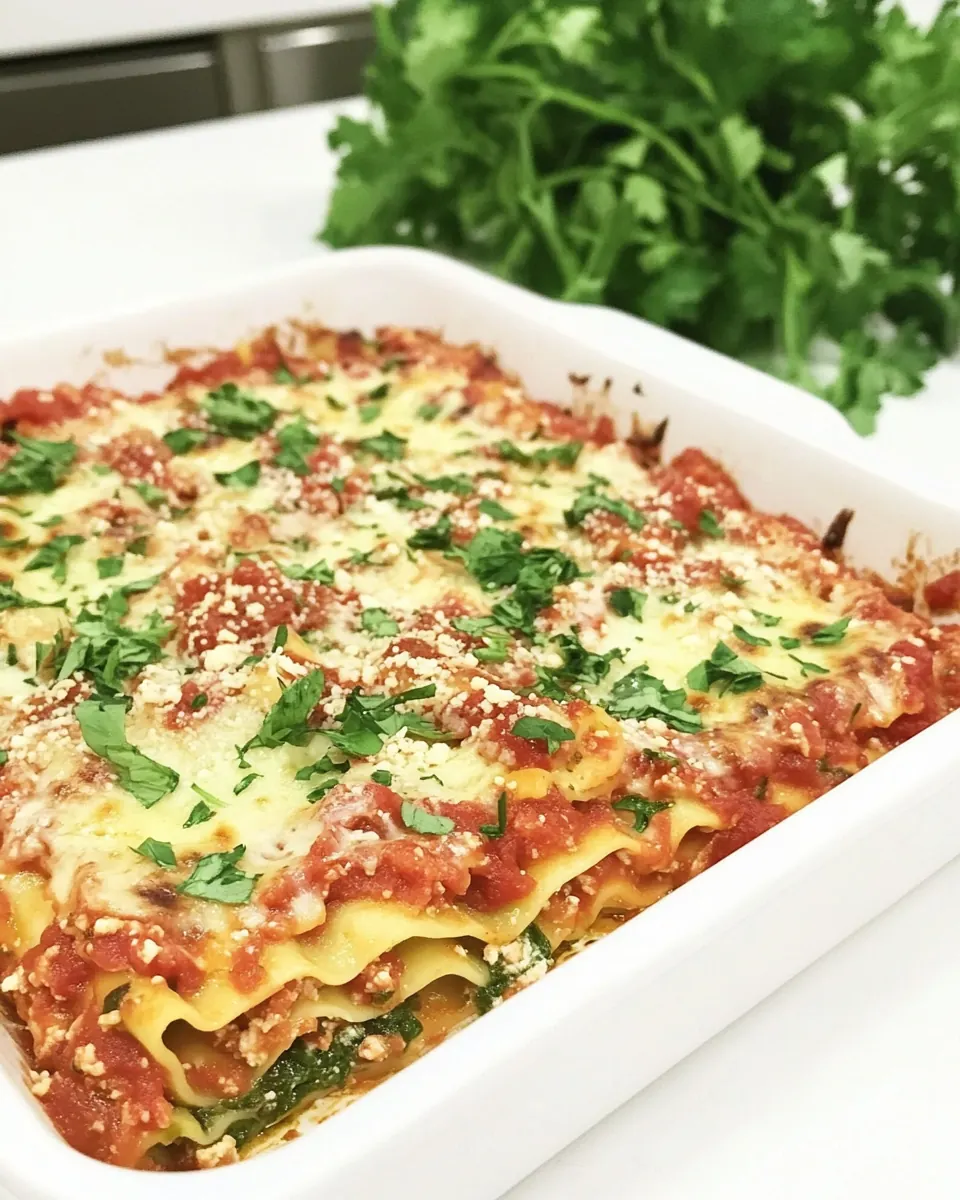
This dish is flexible, and small adjustments let you adapt it to what you have on hand or prefer in texture. Below are practical ways I have customized this lasagna over time to suit different tastes and occasions, each written as a clear tip you can follow.
- Swap noodle types Use no boil noodles if you want to skip the pre cooking step, just ensure they are covered with sauce to hydrate fully during baking.
- Make it extra cheesy Layer additional shredded mozzarella cheese between layers for a stretchier, richer top, but watch for excess oil as high cheese volume can release more fat.
- Boost umami Sauté the mushrooms until deeply browned to concentrate savory flavor, which enhances the overall sauce without adding meat.
- Mildly sweeten the sauce Adjust the sugar by a pinch if your canned tomatoes taste very acidic; taste as you go to avoid over sweetening.
- Prepare in advance Assemble the lasagna a day ahead and refrigerate; bring it to room temperature before baking and add a few extra minutes to the bake time if cold.
How to Enjoy Spinach Lasagna
This lasagna is hearty enough for dinner yet gentle enough for a midday gathering. Think about pairing, timing, and presentation to make the meal feel complete and intentional.
- Serve warm with a simple green salad A crisp salad with a bright vinaigrette complements the creamy layers and refreshes the palate between bites.
- Family dinners and casual gatherings Slice into even portions and serve directly from the baking dish for a relaxed, communal meal that encourages seconds.
- Storage and reheating Keep leftovers covered in the refrigerator for up to four days, and reheat individual portions in the oven or microwave until heated through.
- Make ahead for events Assemble the lasagna the night before to save time on the day of your event, then bake when guests arrive for a warm, freshly finished dish.
- Seasonal pairings Serve during cooler months for a warming main, or include it in a holiday buffet where its hearty profile balances lighter sides.
FAQ
Conclusion
Spinach Lasagna stands out for its creamy filling, layered textures, and tomato forward sauce that feels indulgent without being heavy. Give it a try the next time you want a family friendly meal that can be partially prepped in advance and still tastes fresh and comforting after baking. I hope this recipe becomes one you return to for cozy dinners and effortless entertaining, a reliable dish that brings warmth to the table.
Spinach Lasagna
Equipment
- Saucepan
- 9 x 13 baking pan
- Oven
- Mixing Bowl
Ingredients
- 1 package (10 oz) spinach, frozen Frozen and thawed, provides a concentrated leafy green base that becomes tender when cooked; drains well to avoid excess moisture in the lasagna layers. Adds iron and a mild, slightly sweet flavor that complements the cheeses and tomato components.
- 8 ounce lasagna noodles, dry Dried and boiled until al dente, forms the structural layers that hold the filling and sauce together; choose noodles that fit your baking dish for even layering. Provides a neutral, comforting starch that soaks up flavors from the sauce and cheeses.
- 1 medium onion Sautéed until translucent, contributes a savory aromatic backbone and subtle sweetness to the vegetable filling; finely chopped to distribute flavor evenly. Enhances umami and pairs well with garlic and bell pepper in the sautéed mixture.
- 1 medium bell pepper, green Chopped and softened, offers a fresh, slightly bitter crunch that balances the richness of cheeses and tomatoes when cooked down. Green bell pepper adds color and a bright vegetal note to the overall filling.
- 2 cloves garlic Minced and briefly cooked, lends pungent aroma and depth to the sautéed vegetables while building savory complexity. Small amounts provide a noticeable boost to flavor without overpowering delicate spinach and cheeses.
- 2 cup chopped mushrooms, portabella Chopped and browned, supplies an earthy, meaty texture that increases the filling’s substance and mouthfeel; releases moisture that should be cooked off to concentrate flavor. Portabella mushrooms contribute deep, savory notes that mimic heartier meat textures.
- 14 1/2 ounce diced tomatoes, canned Canned and drained or undrained depending on recipe moisture, delivers bright tomato chunks and acidity to the sauce layer; distributes evenly for bursts of tomato in each bite. Offers convenience and consistent tomato flavor year-round.
- 1/2 teaspoon basil, dried Dried and sprinkled into the sauce, infuses sweet, herbal warmth and classic Italian aroma; stir in early to rehydrate and release its essential oils. Balances the acidity of tomatoes and complements other Mediterranean herbs.
- 1 cup tomato sauce Used as a smooth binder and sauce component, brings cohesive tomato flavor that spreads easily between layers and keeps the lasagna moist. Enhances sauciness and ensures each slice has silky tomato coverage.
- 1/2 teaspoon sugar Added sparingly to the sauce, tempers tomato acidity and rounds out flavor with a touch of sweetness; dissolve fully for even distribution. Helps balance bright tomatoes and brings a more mellow overall taste.
- 1/4 teaspoon black pepper, ground Ground and freshly measured, seasons the filling and sauce with subtle heat and background complexity; adjust quantity to taste for mild pepperiness. Integrates with herbs and other spices without dominating delicate ingredients.
- 2 cup cottage cheese Creamy and slightly tangy, stirred with egg and seasonings to create a rich, smooth cheese layer that contrasts with the tomato sauce. Provides moisture and body while offering a mild dairy flavor that melts well into the lasagna.
- 2 ounce Parmesan cheese, shredded Finely shredded and mixed into cheese layers, imparts salty, nutty umami that enhances overall savoriness; a small amount goes a long way. Adds depth and a characteristic Parmesan sharpness to the dish.
- 1 large egg Beaten and combined with cottage cheese, acts as a binding agent that helps the cheese layer set and slice cleanly after baking. Contributes richness and a slightly custardy texture when baked into the lasagna.
- 1/4 teaspoon nutmeg Grated and blended into the cheese mixture, introduces warm, aromatic undertones that elevate the creamy filling and pair well with nutmeg. Used in small quantity to add subtle complexity rather than overt spice.
- 2 ounce mozzarella cheese Shredded and layered on top or mixed into fillings, provides a gooey, melty finish that browns nicely under heat for a classic lasagna topping. Adds mild milky flavor and pleasing stretch when melted.
Instructions
- Cook spinach and lasagna noodles separately, according to the package directions. Drain and set aside. Place spinach on a clean kitchen towel and wring out excess moisture over the sink. Set aside.: As the spinach and lasagna noodles cook, pay attention to the steam and color change, the spinach will darken and the noodles should still have some bite. After draining, you'll notice the spinach releases a lot of water, which you must remove to prevent a watery bake, hence the towel wringing until the leaves feel only slightly damp. The noodles should not be overcooked, you want them firm enough that they do not fall apart during layering. A common mistake is skipping the wringing step, which leads to a soggy lasagna; take a moment to press firmly but gently to squeeze out the moisture and check the noodles for a slight resistance in the center.
- For the sauce, chop the onion and green pepper; mince the garlic.: When you chop the onion and green pepper , watch for the sharp scent of freshly cut onion that clears as they soften, and the garlic aroma that becomes fragrant when minced. Uniform pieces help the vegetables cook evenly so you get a cohesive texture in the sauce. If pieces are uneven, some bits will cook faster and others remain firm, creating an inconsistent bite. Avoid chopping too coarsely or too finely, aim for consistent small dice so every spoonful has a balanced mix of vegetables.
- Spray a large saucepan with nonstick cooking spray; heat over medium heat. Add onion, green pepper, mushrooms and garlic. Cook for about 5 minutes or until vegetables are tender.: As the vegetables hit the warm pan, you should hear a gentle sizzle and see them sweat, releasing their fragrant juices; the mushrooms will shrink and deepen in color, while the onion becomes translucent and slightly sweet. Stir so nothing sticks, and watch for browning which adds flavor but can quickly turn to burning if the heat is too high. If you detect a bitter smell, the heat is too hot; lower it and stir more frequently. Properly cooked vegetables create a savory foundation for the sauce, so patience here makes a big difference.
- Stir undrained tomatoes, basil, tomato sauce, sugar and black pepper into the vegetables. Bring to a boil; reduce heat. Simmer, uncovered, for 5 minutes or until slightly thickened.: Adding the undrained tomatoes gives liquid and acidity that will reduce into a cohesive sauce; you will see small bubbles as it comes to a boil, then a calmer simmer. The aromas will shift from vegetal to warm tomato sweetness, and the sauce should begin to thicken and cling to a spoon. Simmering concentrates flavor, so resist the urge to rush this step with higher heat. A watery sauce means the simmer was too short, while a scorched bottom means the heat was too high, so stir occasionally and maintain a gentle simmer for best depth.
- Preheat oven to 375 degrees F.: You will feel the kitchen heat up slightly as the oven comes to temperature and you may hear the hum of the preheat cycle. This temperature is ideal to allow the lasagna to bubble through without drying out the top too quickly. Make sure the oven rack is centered for even heat, and if your oven runs hot or cold, adjust slightly and use an oven thermometer for accuracy. A common mistake is putting the dish in before the oven is fully preheated, which leads to longer bake times and uneven cooking.
- For the filling, stir together spinach, cottage cheese, Parmesan cheese, egg and nutmeg in a medium bowl.: When you combine the drained spinach with the creamy cottage cheese , shredded Parmesan cheese , egg , and a pinch of nutmeg , notice the glossy, slightly lumpy texture that becomes a cohesive, scoopable mixture. The egg helps bind the dairy so slices hold shape, while the nutmeg adds an undercurrent of warmth. Mix gently to avoid breaking down the cottage curds too much; overmixing can make the filling pasty. Ensure the spinach is well distributed so each portion has even color and flavor.
- Spoon 1 cup of the sauce mixture into a 9 x 13 pan. Place lasagna 3 noodles into dish, covering sauce.: The initial layer of sauce prevents the noodles from sticking to the pan and ensures the first layer is moist. Spread the cup of sauce evenly and watch the sheen it creates on the pan before you lay in the first three lasagna noodles . Lay them so they slightly overlap if needed to cover the base. If you skip the sauce base, the bottom noodles can stick, making it hard to serve neat slices, so always keep that saucy cushion.
- Spread 1/4 cup spinach mixture onto each noodle. Lay 3 noodles over spinach mixture, spread 1 cup of sauce on top.: Spoon a measured 1/4 cup of the filling onto each noodle to create consistent layers that will set evenly. The filling should be spread to the edges without piling too high, which ensures even cooking and prevents overflow. After you place the next set of noodles, add another cup of sauce so the structure remains moist and cohesive. Avoid uneven distribution which causes dry pockets or overly saucy sections that do not set properly.
- Continue to layer, ending with a layer of sauce. Sprinkle with grated mozzarella cheese.: Build the lasagna in the same rhythm until the pan is filled, finishing with sauce so the top does not dry out. The final sprinkle of shredded mozzarella cheese will become golden and bubbly, creating that classic lasagna finish. Watch the cheese distribution to avoid sparse or overly concentrated spots which lead to inconsistent browning.
- Cover with foil. Bake for 40-45 minutes or until bubbly. Remove foil and bake an additional 5 minutes.: During the covered bake the dish will steam and the flavors will marry, evidenced by gentle bubbling at the edges and a fragrant, saucy steam rising when you peek. Removing the foil for the final five minutes encourages the mozzarella cheese to brown and form a slight crust while the interior finishes setting. Avoid opening the oven frequently, which drops temperature and increases bake time; check the center for bubbling and a firm set to know it is done.
Notes
- Swap noodle types Use no boil noodles if you want to skip the pre cooking step, just ensure they are covered with sauce to hydrate fully during baking.
- Make it extra cheesy Layer additional shredded mozzarella cheese between layers for a stretchier, richer top, but watch for excess oil as high cheese volume can release more fat.
- Boost umami Sauté the mushrooms until deeply browned to concentrate savory flavor, which enhances the overall sauce without adding meat.
- Mildly sweeten the sauce Adjust the sugar by a pinch if your canned tomatoes taste very acidic; taste as you go to avoid over sweetening.
- Prepare in advance Assemble the lasagna a day ahead and refrigerate; bring it to room temperature before baking and add a few extra minutes to the bake time if cold.