Lemon Feta Dip with Garlic Tomato Vinaigrette
Lemon Feta Dip with Garlic Tomato Vinaigrette began as a sunlit experiment on my tiny apartment balcony the summer I could not stop buying cherry tomatoes at the farmer’s market.
I remember juggling a basket of bright cherry tomatoes, a block of creamy feta cheese, and a lemon that smelled like sunshine, trying to create a dip that felt fresh enough for a picnic yet bold enough for a simple weeknight gathering. The first time I drizzled warm garlic infused oil and blistered tomatoes over crumbled feta, the combination sang in a way I did not expect. It was salty, tangy, and a little spicy, made better by herbs I tore with my fingers while humming to an old playlist.
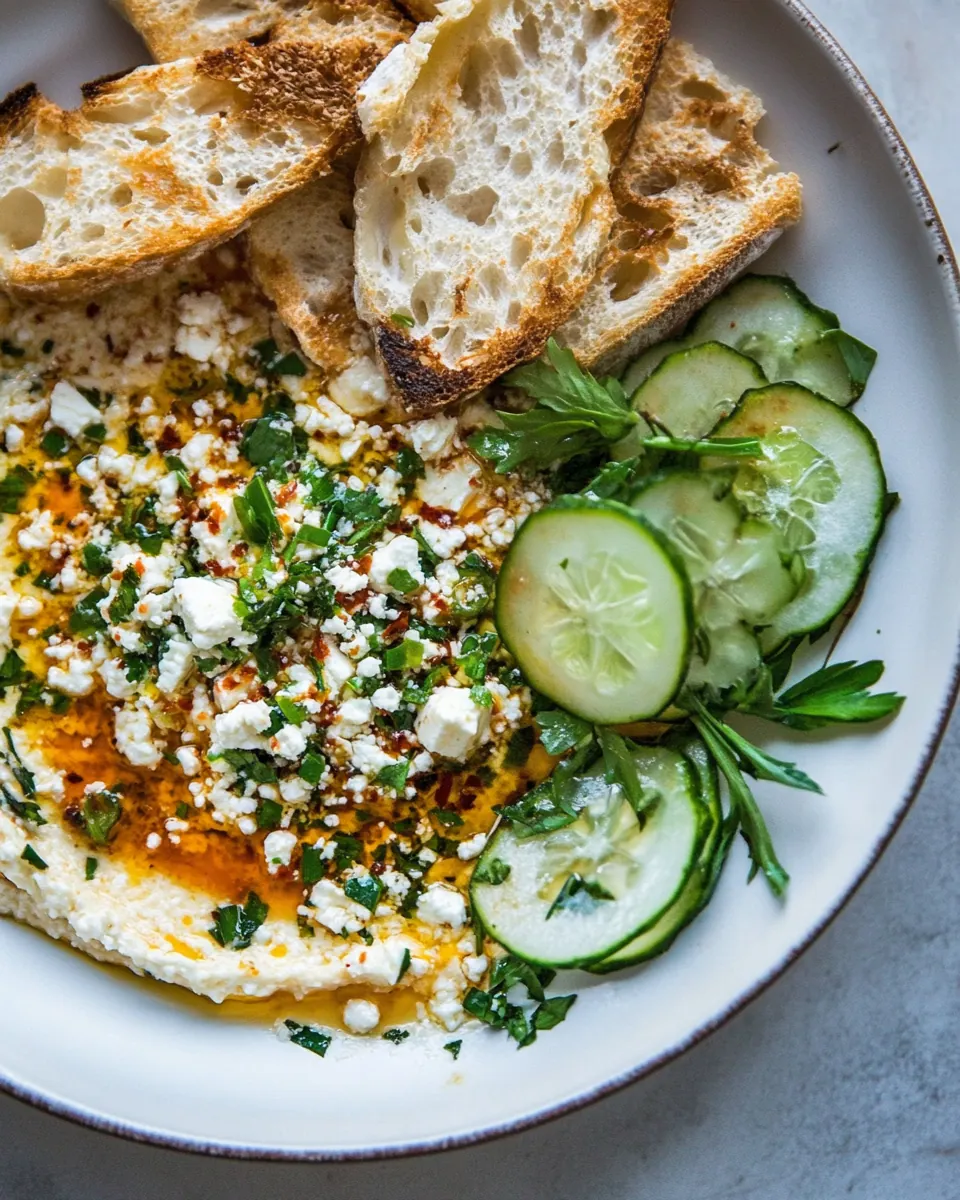
Since then, this recipe has become my go to when friends swing by unannounced, because it comes together with very little fuss and feels special. I like to assemble it in a shallow bowl so the molten olive oil pools around the feta cheese, and everyone can scoop a little of everything in one bite. Sometimes I serve it with warm pita, and other times with thick slices of toast when I want a crunchier counterpoint to the creamy feta.
Recipe Snapshot
20 mins
5 mins
15 mins
Easy
200 kcal
Mediterranean
Gluten-Free, Keto
Appetizers
Skillet, Serving bowl
What Sets This Lemon Feta Dip with Garlic Tomato Vinaigrette Apart
Bright, balanced flavors
I love how the bright zing of the lemon rind lifts the rich creaminess of the feta cheese. The contrast between the silky oil and the salty curds creates a layered flavor profile that keeps you coming back for more.
Textural delight
There is real pleasure in the mix of textures here. The soft, crumbly feta meets popping, slightly blistered cherry tomatoes, a little chew from the arugula, and the crunch of toast or pita. Each bite is varied and interesting.
Simple but impressive
I appreciate recipes that are effortless yet look like you labored for them. This dish requires just a skillet and a bowl, but it always reads as intentionally put together. Guests think you spent more time than you actually did.
Versatile for occasions
We take this to summer picnics, casual dinners, and I even bring it to potlucks. It plays well as an appetizer or a shareable side dish, and it scales easily without losing its charm.
Herbs and spice that matter
The fresh dill and chives add a delicate herbaceous lift, while the crushed red pepper flakes provide a whisper of heat. Those small touches make this recipe feel curated rather than thrown together.
What to Buy for Lemon Feta Dip with Garlic Tomato Vinaigrette
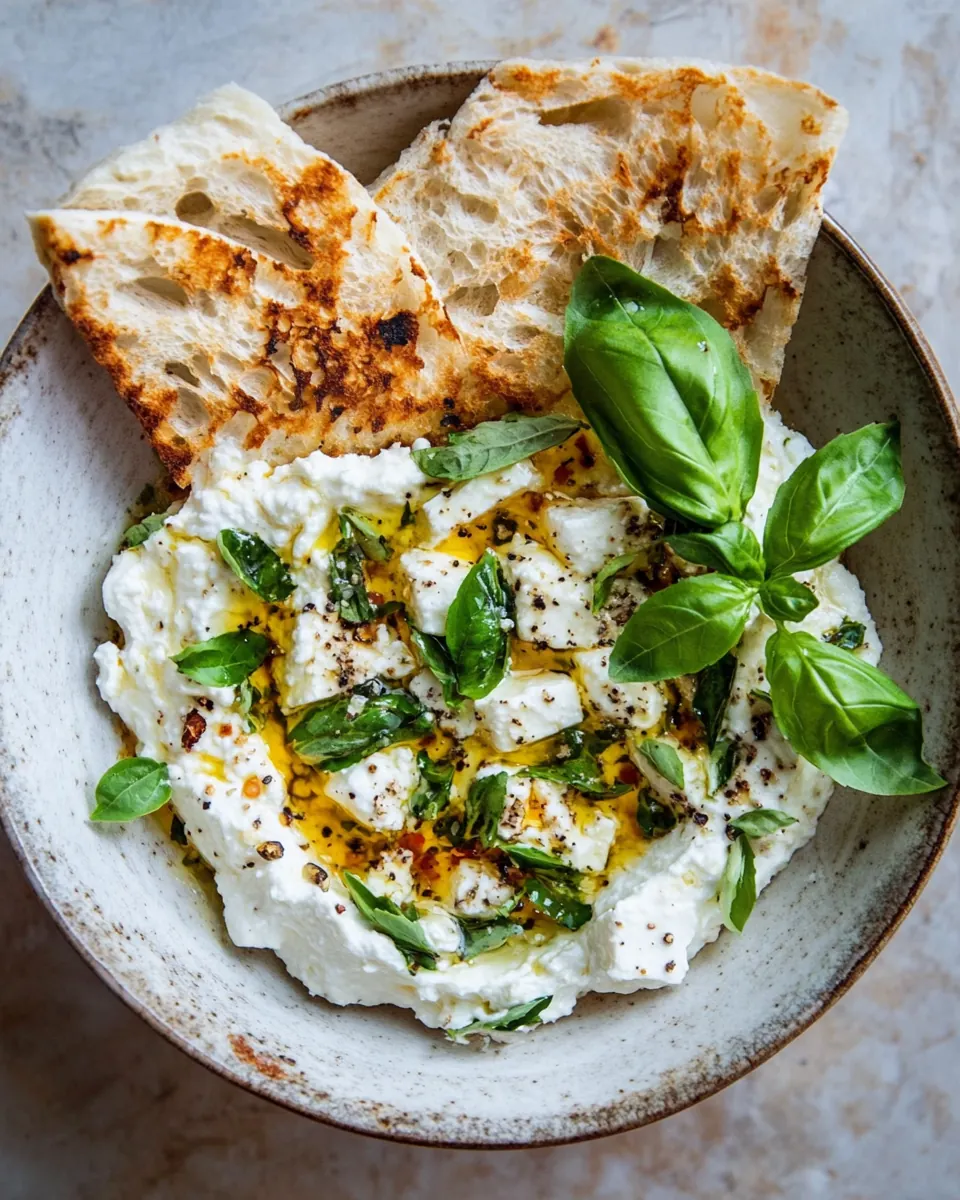
This ingredient list is about harmony. I like to think of the feta cheese as the creamy anchor, the cherry tomatoes and olive oil as the flavor engines, and the herbs and lemon rind as the finishing breath that ties everything together. Each component is purposeful, and together they form a dip that is bright, savory, and layered.
- 1/3 cup extra virgin olive oil: Drizzle liberally to bind flavors and provide a silky mouthfeel that carries herbs and acid throughout the dip; use extra virgin olive oil for its fruity, peppery character and smooth finish.
- 1 1/2 cups small cherry tomatoes: Burst with juicy sweetness and tartness when halved or left whole, offering bright acidity and texture contrast; small cherry tomatoes also infuse the vinaigrette with fresh, vibrant flavor as they macerate.
- 3 cloves garlic, smashed: Smash gently to release pungent, aromatic oils that add depth and savory sharpness; smashed garlic mellows when combined with oil and heat, contributing essential umami to the vinaigrette.
- 1 teaspoon crushed red pepper flakes, or to taste: Add sparingly to introduce layered heat and subtle smoky notes that enhance the overall flavor profile; crushed red pepper flakes allow control over spiciness without altering texture.
- the rind from 1 lemon, thinly sliced: Provide concentrated citrus aroma and a bitter brightness when thinly sliced, helping to lift and balance the richness of feta; lemon rind also adds decorative visual contrast and intense lemon oil.
- 1 tablespoon fresh oregano leaves: Tear or chop to release aromatic, piney, slightly minty notes that complement the lemon and tomato; fresh oregano brings herbaceous complexity to both the vinaigrette and dip.
- pinch of flaky sea salt and pepper: Season lightly to elevate and balance flavors with delicate salinity and peppery bite; flaky sea salt and cracked pepper enhance texture and finish without overpowering the other components.
- 8 ounces feta cheese, finely crumbled: Crumble finely to create the creamy, tangy base of the dip with savory, salty complexity; feta’s crumbly texture and bright acidity are central to the recipe’s character.
- 1 tablespoon fresh dill, roughly chopped: Chop coarsely to add a fresh, slightly sweet, and anise-like herbaceousness that brightens the cheese mixture; dill pairs well with lemon to create a lively herbal note.
- 1 tablespoon fresh chives, chopped: Slice thinly to contribute a mild oniony, grassy flavor and a pop of color; chives deliver gentle sharpness that lifts the richness of the feta without dominating it.
- fresh arugula for serving: Arrange or pile as a peppery, bitter bed to balance the creamy dip and provide a refreshing leafy contrast; fresh arugula adds pleasant bite and visual appeal when serving.
- toast, bread or pita for serving: Offer toasted or fresh for scooping and textural contrast, providing a neutral vehicle to showcase the dip’s flavors; toast, bread or pita also soak up the vinaigrette and feta beautifully.
Directions for Lemon Feta Dip with Garlic Tomato Vinaigrette
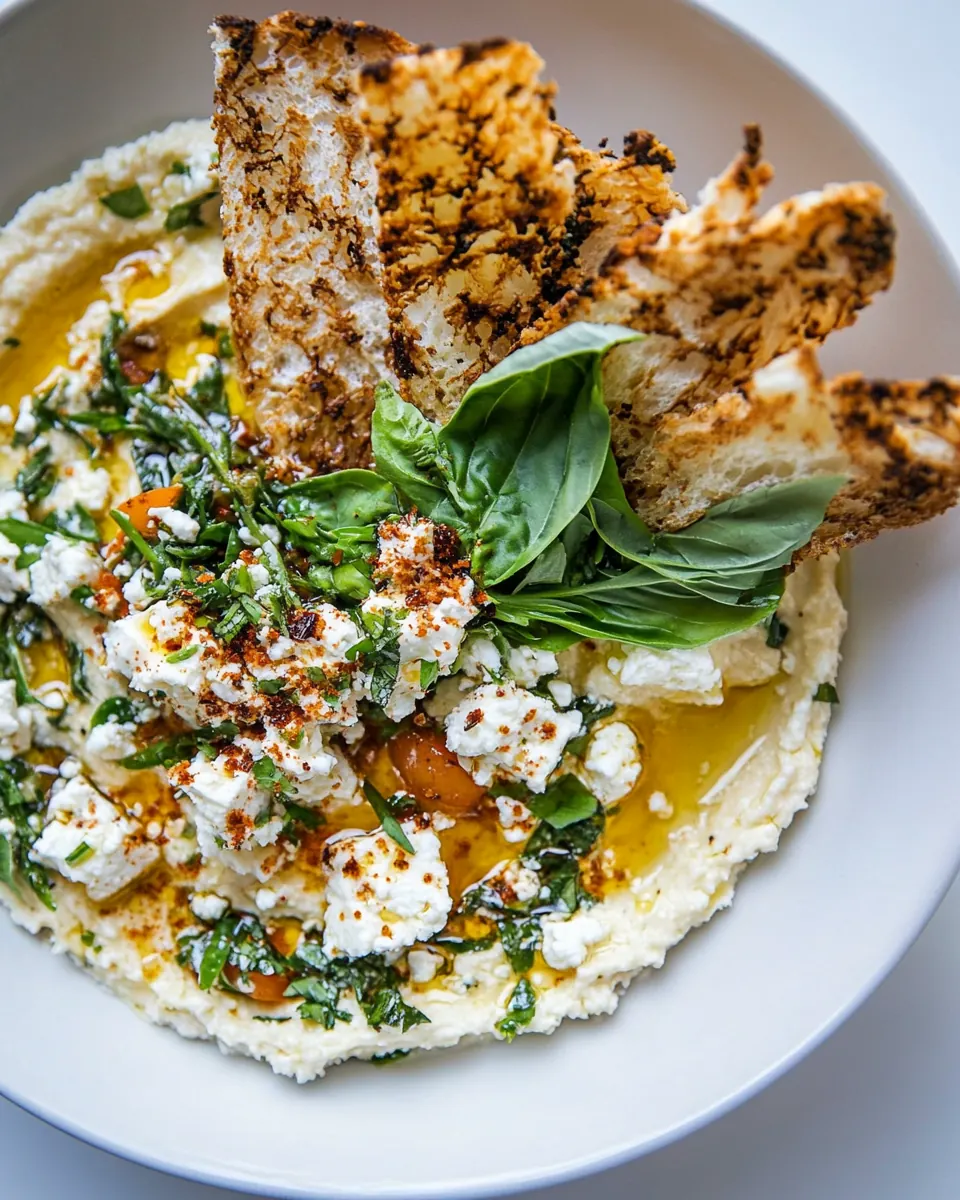
These directions will walk you through warming and marrying flavors so the oil, tomatoes, and herbs sing together with the feta cheese. Keep your skillet handy and be attentive to visual and aromatic cues.
- Heat a medium skillet over medium heat. Add the olive oil, tomatoes, garlic, crushed red pepper flakes, oregano, lemon rind and a pinch each of salt and pepper. Cook until the tomatoes just begin to burst and the garlic is fragrant, about 10-15 minutes. Remove from the heat and let cool slightly. Crumble the feta into a serving bowl. Drizzle the tomatoes and oil over the feta. Top with fresh dill, chives, and arugula. Serve with bread or pita for scooping. Enjoy!: The scent of olive oil warming should be gentle and inviting, not acrid. I always listen for the faint shimmer sound the oil makes as it heats, and I look for a slight wisp of steam, that tells me the pan is ready. If the oil smokes, you have the heat too high, and you should remove the pan from the burner to cool briefly. This matters because overheated oil will mute the delicate flavors of the garlic and herbs.
- Add the olive oil, tomatoes, garlic, crushed red pepper flakes, oregano, lemon rind and a pinch each of salt and pepper: Once the oil is warm, you will hear a soft sizzle when the garlic and cherry tomatoes hit the pan. The aroma should immediately become fragrant with garlic and citrus, and the tiny tomatoes will begin to glisten. Stir to coat everything in oil so flavors distribute evenly. A common mistake here is crowding the pan which prevents the tomatoes from blistering properly, leading to steaming instead of caramelizing.
- Cook until the tomatoes just begin to burst and the garlic is fragrant, about 10 to 15 minutes: As the tomatoes cook, listen for small pops and watch for skins to split and juices to bubble. The garlic should turn golden and smell sweet rather than sharp. The visual cue is a glossy, jam like mixture with reduced liquid clinging to the tomatoes. If the mixture seems too watery at any point, raise the heat slightly to encourage evaporation, but stir often to avoid burning.
- Remove from the heat and let cool slightly: Letting the mixture rest allows the flavors to settle and the oil to soothe, so it does not melt the feta cheese into a completely liquid state. You will notice the aroma deepen and become more integrated as it cools. A frequent error is pouring piping hot tomatoes over the feta , which can make the cheese overly soft and change the intended texture.
- Crumble the feta into a serving bowl: When you crumble the feta cheese , aim for small, even pieces so each scoop gets a balance of cheese and tomato. The visual contrast between white feta and glossy tomatoes is part of the appeal. If your feta comes from a brine and tastes very salty, pat it lightly to remove excess moisture before crumbling.
- Drizzle the tomatoes and oil over the feta: Pouring the warm tomato mixture over the crumbled feta creates a little pool of flavored oil and juices that the cheese soaks into. You should smell a mingling of warm garlic, citrus, and herbed tomato. Don’t let the oil run cold before serving, the warmth helps the flavors meld. Avoid stirring vigorously, which can break down the texture you built.
- Top with fresh dill, chives, and arugula: Scatter the chopped dill and chives for brightness and finish with a handful of peppery arugula for contrast. The herbs should look vibrant, and the greens should retain a little crunch. Adding these too early will cause them to wilt and lose their freshness.
- Serve with bread or pita for scooping: Offer warm bread , toast , or pita so guests can scoop up a mix of creamy feta and roasted tomatoes . The tactile pleasure of scooping is part of why this dish is so shareable. If your bread is cold or thin, it may fall apart under the dip, so choose a sturdier vehicle for the best experience.
- Enjoy: Savor the marriage of salty, tangy, herby, and spicy notes. The first bite should offer layers: the warm oil and tomatoes, the cool crumbly feta cheese , the fresh herb lift, and the peppery arugula . If any flavors feel out of balance, adjust with a tiny pinch of salt, a squeeze of lemon, or a scatter of herbs for more brightness.
Making Adjustments
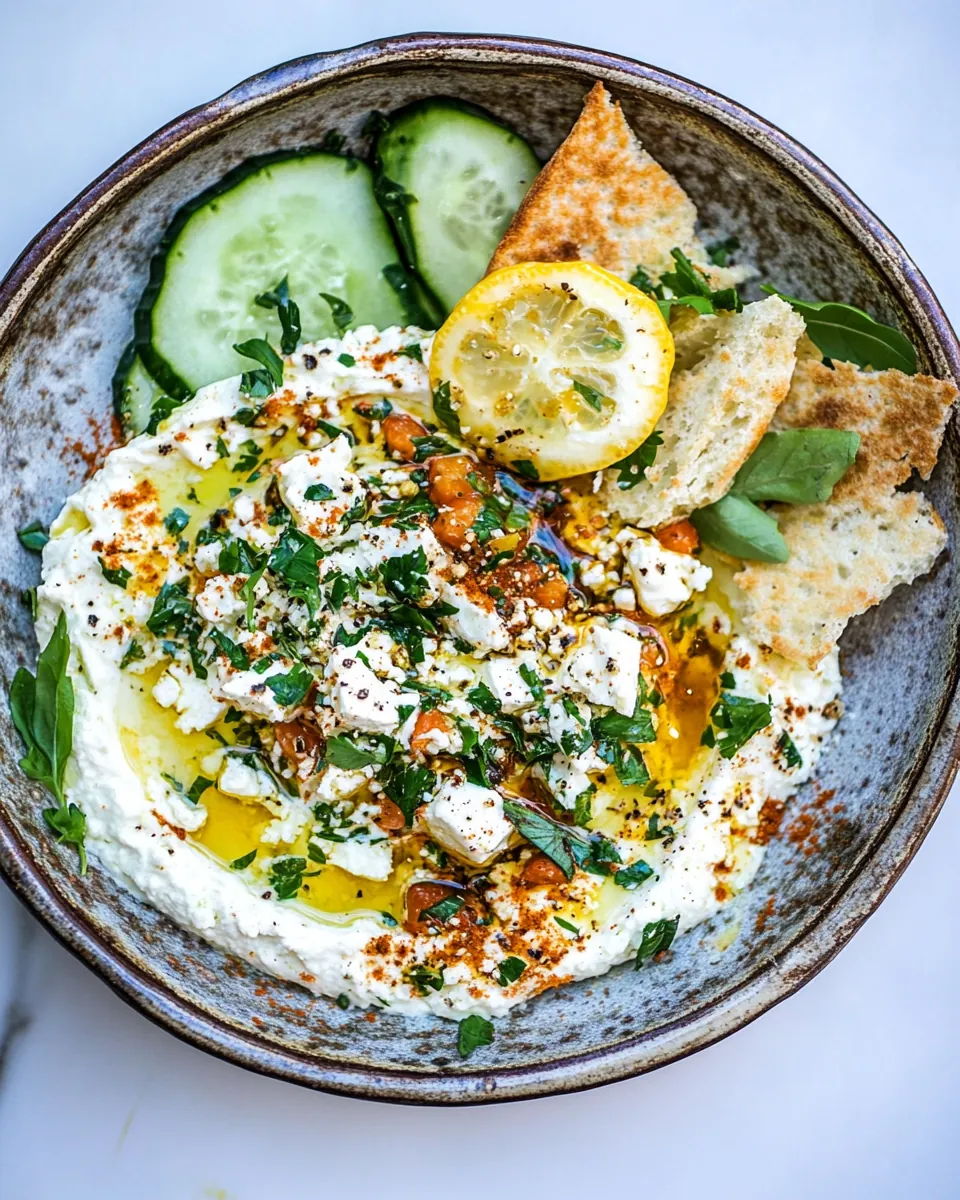
This short intro helps you tweak the recipe to suit flavor and texture preferences. Below are practical adjustments to customize heat, salt, herbs, and serving vessels.
- Adjust heat carefully — If you prefer milder heat, reduce the crushed red pepper flakes by half and taste before adding more. Remember that the heat can become more pronounced as the oil rests, so start conservative.
- Balance salt — Because feta cheese can be salty, taste before adding salt. If the dip tastes too briny, a quick rinse of the feta and patting it dry can help manage saltiness without losing texture.
- Herb swaps — If you lack dill or chives, try extra oregano or a small handful of torn parsley for a different herbal angle. Add fresh herbs at the end to preserve their brightness.
- Tomato choice — Use the ripest cherry tomatoes you can find for the sweetest, most flavorful results. Less ripe tomatoes will yield more tartness and less natural sweetness when blistered.
- Serving vessel — Choose a shallow bowl so the warm oil pools around the feta cheese and makes scooping easier. Deep bowls can hide the oil and reduce the visual appeal.
- Make ahead tip — You can cook the tomato vinaigrette a few hours ahead and rewarm gently before serving, but assemble with the feta only minutes before guests arrive to keep the textures distinct.
Best Served With
This dish shines when paired thoughtfully. Consider textures, temperatures, and occasions to make the most of the bright, savory profile of the dip.
- Warm pita or flatbread — Ideal for scooping, soft and slightly chewy breads catch the juicy tomato oil and creamy feta.
- Toasted country bread — Thick slices of toast add crunch and a satisfying contrast to the creamy cheese and tender tomatoes.
- Light salads — A crisp green salad with a lemon vinaigrette complements the richness of the dip without competing with its flavors.
- Casual gatherings — Serve as an appetizer at summer get togethers, where guests can mingle and graze from the bowl.
- Picnic friendly — Pack the components separately for easy assembly outdoors, keeping the bread dry until serving.
- Storage tips — Leftovers keep well refrigerated for up to two days, though the texture of the tomatoes softens; rewarm gently to revive the oil before serving.
- Seasonal pairing — This is a wonderful summer dish when tomatoes are at their peak, but it also brightens late spring or early fall menus when tomatoes are flavorful.
FAQ
Conclusion
This recipe is special because it balances creamy, salty feta cheese with warm garlic roasted cherry tomatoes and bright lemon and herbs. It’s an effortless crowd pleaser that looks like you spent ages on it but comes together quickly, which is exactly why I make it again and again. Give it a try at your next gathering or a relaxed weeknight meal, and I think you will find it becomes one of your favorite go to dips for sharing.

Lemon Feta Dip with Garlic Tomato Vinaigrette
Equipment
- Skillet
- Serving bowl
Ingredients
- 1/3 cup extra virgin olive oil Drizzle liberally to bind flavors and provide a silky mouthfeel that carries herbs and acid throughout the dip; use extra virgin olive oil for its fruity, peppery character and smooth finish.
- 1 1/2 cups small cherry tomatoes Burst with juicy sweetness and tartness when halved or left whole, offering bright acidity and texture contrast; small cherry tomatoes also infuse the vinaigrette with fresh, vibrant flavor as they macerate.
- 3 cloves garlic, smashed Smash gently to release pungent, aromatic oils that add depth and savory sharpness; smashed garlic mellows when combined with oil and heat, contributing essential umami to the vinaigrette.
- 1 teaspoon crushed red pepper flakes, or to taste Add sparingly to introduce layered heat and subtle smoky notes that enhance the overall flavor profile; crushed red pepper flakes allow control over spiciness without altering texture.
- the rind from 1 lemon, thinly sliced Provide concentrated citrus aroma and a bitter brightness when thinly sliced, helping to lift and balance the richness of feta; lemon rind also adds decorative visual contrast and intense lemon oil.
- 1 tablespoon fresh oregano leaves Tear or chop to release aromatic, piney, slightly minty notes that complement the lemon and tomato; fresh oregano brings herbaceous complexity to both the vinaigrette and dip.
- pinch of flaky sea salt and pepper Season lightly to elevate and balance flavors with delicate salinity and peppery bite; flaky sea salt and cracked pepper enhance texture and finish without overpowering the other components.
- 8 ounces feta cheese, finely crumbled Crumble finely to create the creamy, tangy base of the dip with savory, salty complexity; feta’s crumbly texture and bright acidity are central to the recipe’s character.
- 1 tablespoon fresh dill, roughly chopped Chop coarsely to add a fresh, slightly sweet, and anise-like herbaceousness that brightens the cheese mixture; dill pairs well with lemon to create a lively herbal note.
- 1 tablespoon fresh chives, chopped Slice thinly to contribute a mild oniony, grassy flavor and a pop of color; chives deliver gentle sharpness that lifts the richness of the feta without dominating it.
- fresh arugula for serving Arrange or pile as a peppery, bitter bed to balance the creamy dip and provide a refreshing leafy contrast; fresh arugula adds pleasant bite and visual appeal when serving.
- toast, bread or pita for serving Offer toasted or fresh for scooping and textural contrast, providing a neutral vehicle to showcase the dip’s flavors; toast, bread or pita also soak up the vinaigrette and feta beautifully.
Instructions
- Heat a medium skillet over medium heat. Add the olive oil, tomatoes, garlic, crushed red pepper flakes, oregano, lemon rind and a pinch each of salt and pepper. Cook until the tomatoes just begin to burst and the garlic is fragrant, about 10-15 minutes. Remove from the heat and let cool slightly. Crumble the feta into a serving bowl. Drizzle the tomatoes and oil over the feta. Top with fresh dill, chives, and arugula. Serve with bread or pita for scooping. Enjoy!: The scent of olive oil warming should be gentle and inviting, not acrid. I always listen for the faint shimmer sound the oil makes as it heats, and I look for a slight wisp of steam, that tells me the pan is ready. If the oil smokes, you have the heat too high, and you should remove the pan from the burner to cool briefly. This matters because overheated oil will mute the delicate flavors of the garlic and herbs.
- Add the olive oil, tomatoes, garlic, crushed red pepper flakes, oregano, lemon rind and a pinch each of salt and pepper: Once the oil is warm, you will hear a soft sizzle when the garlic and cherry tomatoes hit the pan. The aroma should immediately become fragrant with garlic and citrus, and the tiny tomatoes will begin to glisten. Stir to coat everything in oil so flavors distribute evenly. A common mistake here is crowding the pan which prevents the tomatoes from blistering properly, leading to steaming instead of caramelizing.
- Cook until the tomatoes just begin to burst and the garlic is fragrant, about 10 to 15 minutes: As the tomatoes cook, listen for small pops and watch for skins to split and juices to bubble. The garlic should turn golden and smell sweet rather than sharp. The visual cue is a glossy, jam like mixture with reduced liquid clinging to the tomatoes. If the mixture seems too watery at any point, raise the heat slightly to encourage evaporation, but stir often to avoid burning.
- Remove from the heat and let cool slightly: Letting the mixture rest allows the flavors to settle and the oil to soothe, so it does not melt the feta cheese into a completely liquid state. You will notice the aroma deepen and become more integrated as it cools. A frequent error is pouring piping hot tomatoes over the feta , which can make the cheese overly soft and change the intended texture.
- Crumble the feta into a serving bowl: When you crumble the feta cheese , aim for small, even pieces so each scoop gets a balance of cheese and tomato. The visual contrast between white feta and glossy tomatoes is part of the appeal. If your feta comes from a brine and tastes very salty, pat it lightly to remove excess moisture before crumbling.
- Drizzle the tomatoes and oil over the feta: Pouring the warm tomato mixture over the crumbled feta creates a little pool of flavored oil and juices that the cheese soaks into. You should smell a mingling of warm garlic, citrus, and herbed tomato. Don’t let the oil run cold before serving, the warmth helps the flavors meld. Avoid stirring vigorously, which can break down the texture you built.
- Top with fresh dill, chives, and arugula: Scatter the chopped dill and chives for brightness and finish with a handful of peppery arugula for contrast. The herbs should look vibrant, and the greens should retain a little crunch. Adding these too early will cause them to wilt and lose their freshness.
- Serve with bread or pita for scooping: Offer warm bread , toast , or pita so guests can scoop up a mix of creamy feta and roasted tomatoes . The tactile pleasure of scooping is part of why this dish is so shareable. If your bread is cold or thin, it may fall apart under the dip, so choose a sturdier vehicle for the best experience.
- Enjoy: Savor the marriage of salty, tangy, herby, and spicy notes. The first bite should offer layers: the warm oil and tomatoes, the cool crumbly feta cheese , the fresh herb lift, and the peppery arugula . If any flavors feel out of balance, adjust with a tiny pinch of salt, a squeeze of lemon, or a scatter of herbs for more brightness.
Notes
- Adjust heat carefully — If you prefer milder heat, reduce the crushed red pepper flakes by half and taste before adding more. Remember that the heat can become more pronounced as the oil rests, so start conservative.
- Balance salt — Because feta cheese can be salty, taste before adding salt. If the dip tastes too briny, a quick rinse of the feta and patting it dry can help manage saltiness without losing texture.
- Herb swaps — If you lack dill or chives, try extra oregano or a small handful of torn parsley for a different herbal angle. Add fresh herbs at the end to preserve their brightness.
- Tomato choice — Use the ripest cherry tomatoes you can find for the sweetest, most flavorful results. Less ripe tomatoes will yield more tartness and less natural sweetness when blistered.
- Serving vessel — Choose a shallow bowl so the warm oil pools around the feta cheese and makes scooping easier. Deep bowls can hide the oil and reduce the visual appeal.
- Make ahead tip — You can cook the tomato vinaigrette a few hours ahead and rewarm gently before serving, but assemble with the feta only minutes before guests arrive to keep the textures distinct.