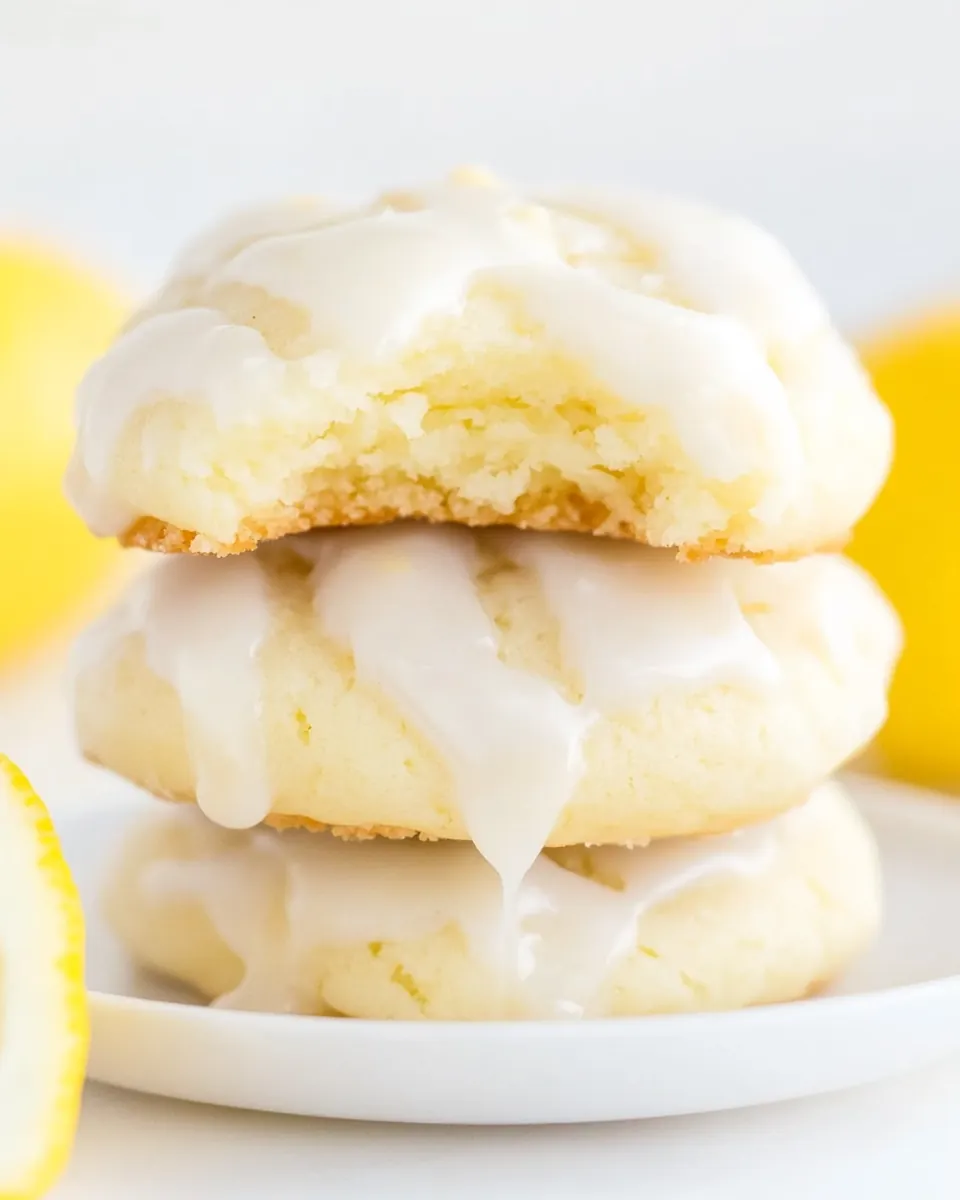
Softbatch Glazed Lemon Cream Cheese Cookies
Softbatch Glazed Lemon Cream Cheese Cookies are the kind of treat I reach for when I want something bright, tender, and a little nostalgic.
I first made these on a rainy spring afternoon while cleaning out my baking cupboard, and the combination of cream cheese and lemon zest instantly transported me back to simpler cookie-baking sessions with my grandparents. I remember pausing to inhale that warm, buttery aroma as the cookies baked, the kitchen filling with a delicate citrus fragrance that felt like sunshine despite the gray skies outside. Over time I adjusted the recipe, dialing the lemon to my taste and learning to trust the chill step, because those few hours in the fridge make the difference between flat, sad rounds and perfectly soft, pillowy cookies.
What I love about Softbatch Glazed Lemon Cream Cheese Cookies is how forgiving they are. You can whisk the glaze while the cookies cool and take a moment to tidy up, and by the time you’re done you have glossy, slightly tangy domes ready to slice through with a fork. These cookies are easy to share, and I often bring a platter to neighbors or tuck a few into lunchboxes. They keep well at room temperature, so they’re great for potlucks or gatherings when you want something that tastes special without demanding a lot of last minute fuss.
Recipe Snapshot
18 mins
10 mins
8 mins
Medium
150 kcal
American
Gluten-Free, Low FODMAP
Desserts
Stand mixer, Paddle attachment, Mixing bowl, Electric mixer, Cookie scoop, Baking sheet, Silpat, Whisk
The Charm of This Softbatch Glazed Lemon Cream Cheese Cookies
Ultra Soft Texture
I adore how the cream cheese and unsalted butter team up to create a velvety, soft crumb. The cornstarch helps soften the bite even more, giving you a cookie that feels almost cake like but still holds together when you pick it up. I often press gently with my thumb right after baking to check the give; that slight spring tells me I nailed the texture.
Bright Lemon Flavor
The combination of lemon extract and fresh lemon zest delivers a layered citrus note, one that pops without being overpowering. I like using extract for a steady, intense lemon backbone and the zest for fresh aromatic oils. Together they create a clean, lively profile that contrasts beautifully with the rich base.
Simple Yet Elegant Glaze
The glaze is straightforward, but it finishes the cookies with a glossy, slightly tangy sheen. Confectioners’ sugar plus lemon juice gives you control over thickness, so you can make delicate drizzles or a more opaque topping. I almost always experiment with a thinner drizzle for a refined look, and I sprinkle a little extra lemon zest for visual punch.
Make Ahead Friendly
One of the best parts about these cookies is that the dough chills beautifully, and you can also freeze baked cookies. I appreciate recipes that let me prep in advance; on busy mornings I simply grab a couple from the container and they still taste fresh. Chilling prevents spreading and preserves that coveted soft center.
Versatile for Gatherings
These cookies travel well and look lovely on a dessert tray. I often bring them to spring gatherings, and they pair with tea or coffee without stealing the show. Their balance of sweet and tart makes them crowd pleasing, and I’ve found they disappear faster than I can count.
Shopping List for Softbatch Glazed Lemon Cream Cheese Cookies
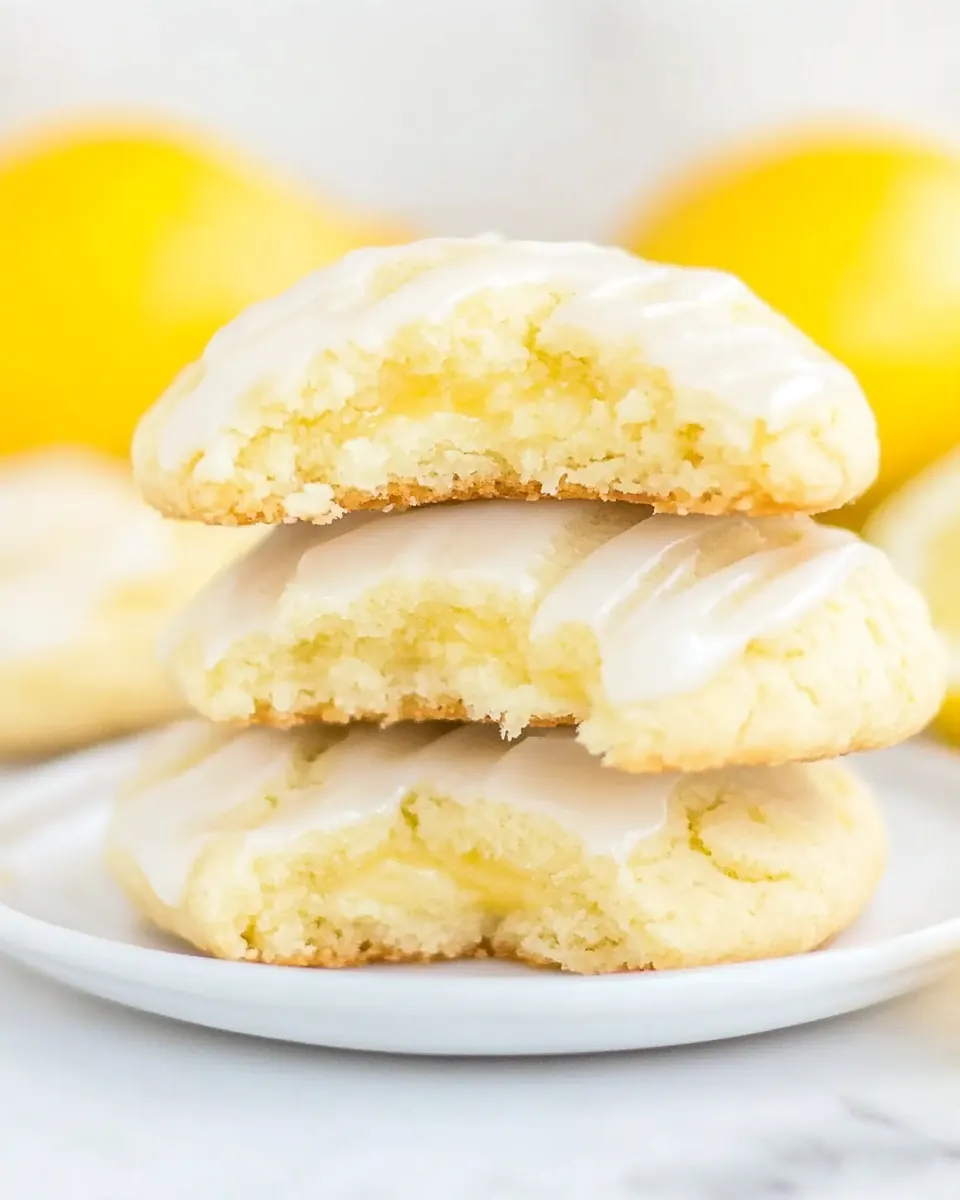
I believe great cookies start with a small, focused pantry. For Softbatch Glazed Lemon Cream Cheese Cookies, each ingredient plays a clear role. The fats provide tenderness and flavor, the leaveners give just enough lift, and the lemon components brighten the whole bite. Together, they produce cookies that are soft in the center, slightly glossy on top, and fragrant with citrus.
- 1/2 cup unsalted butter, softened: Creamy and softened to room temperature to ensure even creaming with sugars, providing rich fat that yields tender, moist cookies; helps create a soft, cake-like crumb and aids spreading control during baking.
- 1/4 cup cream cheese, softened (use full-fat, brick-style cream cheese not ‘spreadable’ or whipped cream cheese): Softened full-fat brick–style cream cheese for tangy richness and moisture, contributing to tender texture and slight lift; avoid whipped varieties to ensure correct fat ratio and consistency in the dough.
- 1 cup granulated sugar: Granulated sugar creamed with butter and cream cheese to incorporate air for a light texture, while supplying sweetness and aiding browning through caramelization during baking.
- 1 large egg: Beaten large egg binds ingredients together, adds structure and moisture, and contributes to leavening and a tender crumb through its proteins and fats.
- 1 tablespoon lemon extract, do not substitute with lemon juice: Concentrated lemon extract provides concentrated citrus flavor without extra liquid, delivering bright lemon aroma and consistent flavor intensity that won’t alter dough hydration.
- yellow food coloring, and as desired (optional): Optional yellow food coloring used sparingly to enhance visual appeal and give cookies a cheerful lemony hue without affecting flavor or texture when desired.
- 1 tablespoon lemon zest, or 2 tablespoons if you want cookies very lemony: Fresh lemon zest added for intense citrus oils and aromatics, boosting bright lemon flavor; increasing to 2 tablespoons intensifies the lemon profile in both aroma and taste.
- 2 cups all-purpose flour: All-purpose flour forms the bulk of the cookie structure, supplying gluten and starch that set the dough into a tender, soft-baked cookie when combined with fats and leaveners.
- 2 teaspoons cornstarch: Cornstarch incorporated to soften the texture by reducing gluten development and adding tenderness, contributing to a delicate, melt-in-your-mouth softbatch quality.
- 1 teaspoon baking soda: Baking soda provides chemical leavening and reacts with acidic components to create lift and a light crumb, while also influencing browning and spread.
- 1/2 teaspoons salt: Salt enhances overall flavor by balancing sweetness and amplifying the lemon and dairy notes, while subtly strengthening gluten for better dough performance.
- 1 cup confectioners’ sugar: Confectioners’ sugar used in the glaze for a smooth, lump-free finish that dissolves easily, adding sweetness and structure to the lemon glaze for proper coating consistency.
- 2 to 3 tablespoons lemon juice, or as necessary for consistency: Lemon juice added gradually to the confectioners’ sugar to form a glossy glaze, supplying acidity and bright citrus flavor while adjusting thickness for drizzling or coating.
- lemon zest, for garnishing: Finely grated lemon zest for garnishing to add fresh citrus aroma, a pop of bright flavor, and attractive visual contrast when sprinkled over the glazed cookies.
Instructions for Softbatch Glazed Lemon Cream Cheese Cookies
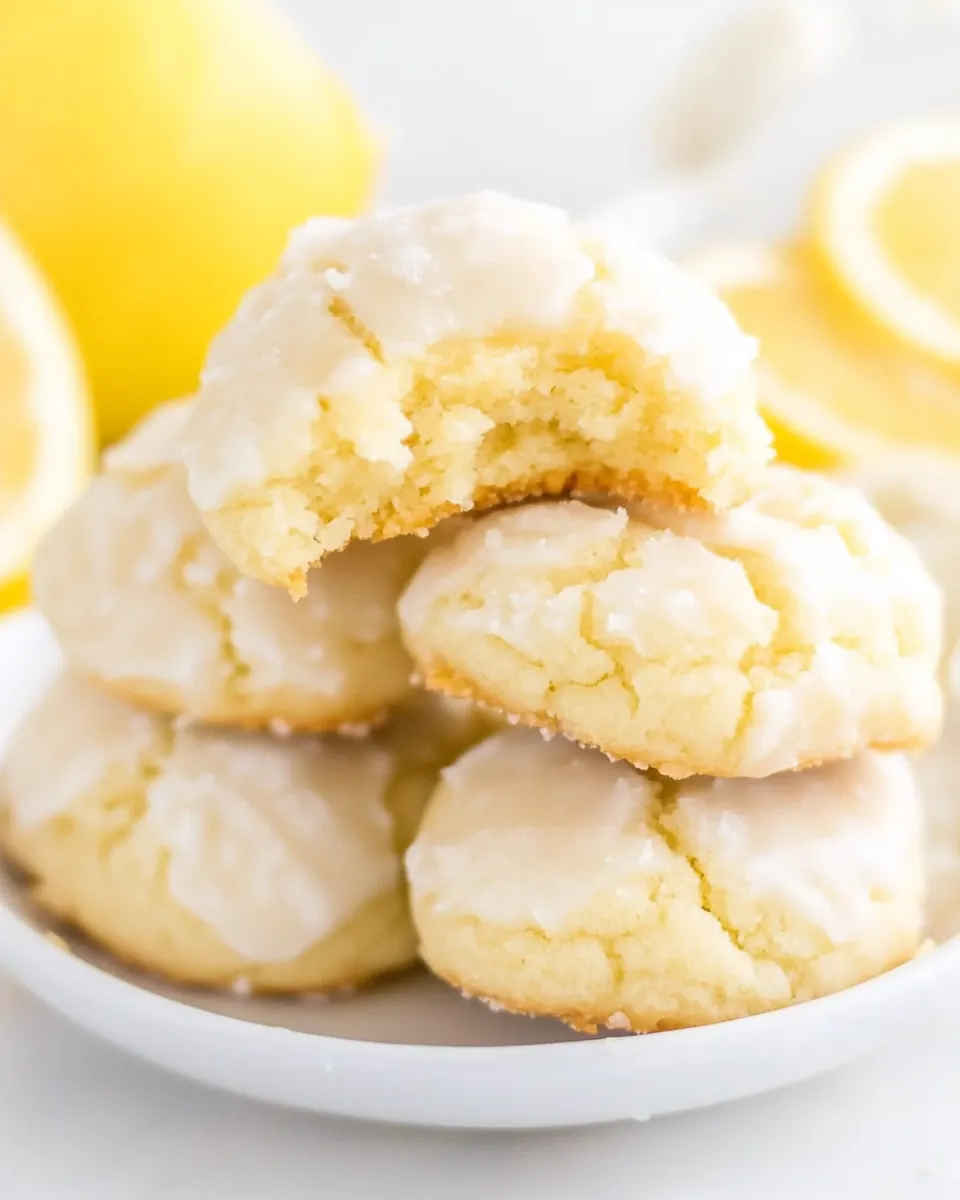
These steps are straightforward, but I like to chat you through the sensory cues so you know you’re on track. Read each step fully, and pause to notice how textures and aromas shift as you go.
- Make the Cookies: The room will fill with a soft dairy scent when you begin combining fats, and you should notice a smoother, silkier texture as the unsalted butter and cream cheese come together. If the mixture seems grainy, keep beating for a bit, scraping sides to ensure even mixing. A common mistake is working with ingredients that are too cold, which prevents proper creaming and leaves lumps.
- To the bowl of a stand mixer fitted with the paddle attachment (or large mixing bowl and electric mixer) add the butter, cream cheese, sugar, and beat on medium-high speed until creamed, light, fluffy, and well combined, about 3 minutes.: As you beat, listen for a lighter, airy sound and watch the volume increase to a pale, ribbon like mixture. This aeration helps the cookies rise and stay tender. If you rush this step the dough can be dense, so allow the full time and scrape down the bowl occasionally for even texture.
- Stop, scrape down the sides of the bowl, add the egg, lemon extract, and beat on medium-high speed until well combined, about 2 minutes.: After adding the egg and lemon extract , observe the batter smooth out and become cohesive, with a glossy sheen. Smell the citrus lift as the extract integrates. Avoid over mixing here, which may tighten gluten and make the final cookie firmer than intended.
- Stop, scrape down the sides of the bowl, and optionally add the yellow food coloring (as many drops as necessary until desired shade is achieved), the lemon zest, and beat on medium speed until combined, about 30 seconds.: The batter will take on color and the tiny flecks of lemon zest will release fragrant oils, adding a fresh citrus perfume. If you skip this brief mixing the zest may not be evenly distributed, creating pockets of flavor rather than a uniform lemon note.
- Stop, scrape down the sides of the bowl and add the flour, cornstarch, baking soda, salt, and beat on low speed until just combined, about 1 minute; don’t overmix.: When the dry ingredients enter, you will see the dough thicken and mattify visually. Mixing on low protects the tender structure, preserving a soft crumb. Over mixing will develop gluten and can lead to tougher cookies, so stop as soon as streaks disappear.
- Stop, scrape down the sides of the bowl, and using a 2-tablespoon cookie scoop or your hands, form approximately 18 equal-sized mounds of dough, roll into balls, and flatten slightly.: The dough should feel slightly sticky yet manageable; rolling into balls gives each cookie even weight for consistent baking. Flattening ensures even baking and the softbatch texture. Mistakes at this stage include making uneven sizes, which yields uneven baking and some cookies that overbake while others remain underdone.
- Place mounds on a large plate or tray, cover with plastic wrap, and refrigerate for at least 3 hours, up to 5 days. Do not bake with unchilled dough because cookies will bake thinner, flatter, and be more prone to spreading.: Refrigeration firms the fats and relaxes gluten, which prevents spreading and creates that soft center. You will notice the dough cools and becomes less sticky. Skipping the chill is the most common error and results in cookies that flatten excessively.
- Preheat oven to 350 F, line a baking sheet with a Silpat or spray with cooking spray. Place dough mounds on baking sheet, spaced at least 2 inches apart (I bake 8 cookies per sheet) and bake for about 8 minutes, or until edges have set and tops are just set, even if slightly undercooked, pale, and glossy in the center; don’t overbake or undersides could become too browned. Cookies firm up as they cool.: The oven will give a faint sweet butter aroma and the edges will set first; look for pale tops that still have a glossy sheen. This visual cue ensures a soft center. Overbaking is common and will produce firmer, drier cookies, so remove them when just set.
- Allow cookies to cool completely before glazing. I let them cool on the baking sheet and don’t use a rack.: Cooling allows the structure to set and prevents the glaze from running off. You will notice the cookies lose their warm, doughy scent and become slightly firmer to the touch. Glazing too soon will make the icing slide and thin, ruining the finish.
- Make the Glaze: The sound when whisking becomes smoother as the confectioners' sugar dissolves, and the mixture will shine as it comes together. Whisk until lump free and silky, adjusting with tiny amounts of lemon juice to reach desired thickness. Adding too much liquid at once can make the glaze overly runny, so add slowly.
- To a medium bowl, add the confectioners’ sugar, 2 tablespoons lemon juice, and whisk until smooth and combined. Depending on preference and desired glaze consistency, you may have to play with the sugar and lemon juice ratios slightly.: As you stir, notice the glaze transition from powdery to glossy. Taste a dab for sweetness and acidity; tweak if needed. A common pitfall is impatience with consistency, leading to either dripping or chunks.
- Using a small spoon, drizzle about 1 tablespoon of glaze over each cookie, and spread glaze out using the back of the spoon. Repeat until all cookies are glazed.: When you drizzle, watch the glaze pool and then set into a thin skin, that moment indicates correct thickness. Spread gently to avoid disturbing the cookie surface. Overworking the glaze can create streaks that look uneven.
- Sprinkle a small pinch of lemon zest over all cookies before the glaze sets and before serving.: The final sprinkle adds a burst of fragrance and visual contrast, tiny flecks of zest bright against the glaze. Do this just before the glaze firms, or the zest may sink or stick inconsistently. Avoid adding zest too early if you want a crisp presentation; it will blur into the glaze.
Variations to Try
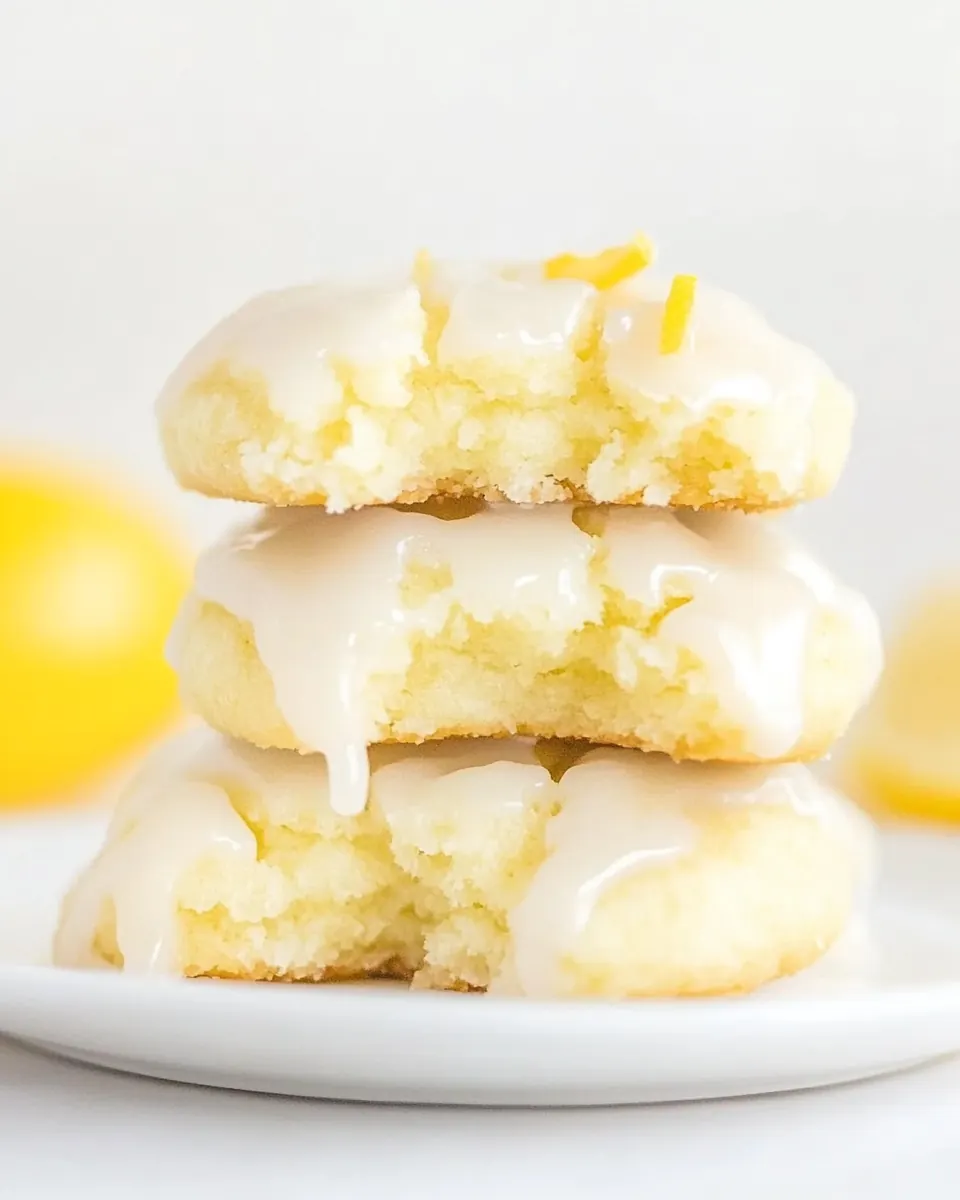
There are simple ways to tweak these cookies without changing the core method. Below are ideas to vary texture and presentation while keeping the beloved soft center intact.
- Stronger Lemon: Increase the lemon zest to 2 tablespoons for a brighter citrus hit, which will amplify aroma and make each bite more vivid without altering dough consistency.
- Lighter Glaze: Use 2 tablespoons of lemon juice and add more only if needed to thin the glaze, achieving a translucent finish ideal for a delicate look.
- Decorative Zest: Reserve extra lemon zest to sprinkle immediately before the glaze sets, providing a fresh color pop and concentrated citrus aroma on the finished cookie.
- Color Accent: Add a drop or two of yellow food coloring during mixing for a cheerful presentation; it does not affect flavor but lifts the visual appeal.
- Make Ahead Dough: Store the shaped dough mounds covered in the refrigerator for up to five days, then bake as needed to enjoy warm cookies with minimal last minute effort.
Serving Suggestions
These cookies are perfectly suited to many occasions, and how you present them can elevate a simple batch into a memorable treat. Below are ideas for serving style and pairing that highlight their soft, lemony character.
- Casual Tea Time: Arrange Softbatch Glazed Lemon Cream Cheese Cookies on a simple plate with a pot of hot tea, the gentle citrus balancing the warmth of the beverage for a cozy afternoon.
- Spring Brunch: Serve alongside fresh fruit and light pastries, using the cookies as a bright, sweet counterpoint on a brunch spread ideal for spring gatherings.
- Gift Box: Layer parchment between cookies in a box and include a small note; these cookies travel well and make a lovely homemade gift.
- Party Platter: Place on a large tray with small paper doilies, garnish with extra lemon zest for color, and let guests help themselves at showers or casual celebrations.
- Storage Tips: Keep cookies airtight at room temperature for up to one week, or freeze baked cookies for longer storage. For dough, refrigerate up to five days or freeze for months, then bake from chilled or frozen as needed.
- Seasonal Pairings: These cookies work well during springtime menus when citrus and floral flavors are popular, and they complement light, fresh accompaniments like herbal teas or sparkling water.
FAQ
Conclusion
These Softbatch Glazed Lemon Cream Cheese Cookies stand out for their tender crumb, balanced lemon brightness, and glossy finish. They are approachable to make, forgiving in technique when you follow the chill and baking cues, and versatile for gifting or gatherings. Give them a try this season; they come together with humble pantry ingredients and reward you with a pastry that feels both special and comforting. I hope you enjoy the soft, citrusy bites and that they become a repeat in your baking rotation.
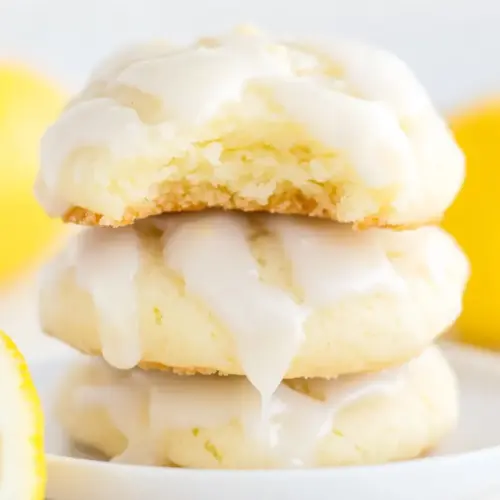
Softbatch Glazed Lemon Cream Cheese Cookies
Equipment
- Stand mixer
- Paddle attachment
- Mixing Bowl
- Electric Mixer
- Cookie Scoop
- Baking Sheet
- Silpat
- Whisk
Ingredients
- 1/2 cup unsalted butter, softened Creamy and softened to room temperature to ensure even creaming with sugars, providing rich fat that yields tender, moist cookies; helps create a soft, cake-like crumb and aids spreading control during baking.
- 1/4 cup cream cheese, softened (use full-fat, brick-style cream cheese not ‘spreadable’ or whipped cream cheese) Softened full-fat brick-style cream cheese for tangy richness and moisture, contributing to tender texture and slight lift; avoid whipped varieties to ensure correct fat ratio and consistency in the dough.
- 1 cup granulated sugar Granulated sugar creamed with butter and cream cheese to incorporate air for a light texture, while supplying sweetness and aiding browning through caramelization during baking.
- 1 large egg Beaten large egg binds ingredients together, adds structure and moisture, and contributes to leavening and a tender crumb through its proteins and fats.
- 1 tablespoon lemon extract, do not substitute with lemon juice Concentrated lemon extract provides concentrated citrus flavor without extra liquid, delivering bright lemon aroma and consistent flavor intensity that won’t alter dough hydration.
- yellow food coloring, optional and as desired Optional yellow food coloring used sparingly to enhance visual appeal and give cookies a cheerful lemony hue without affecting flavor or texture when desired.
- 1 tablespoon lemon zest, or 2 tablespoons if you want cookies very lemony Fresh lemon zest added for intense citrus oils and aromatics, boosting bright lemon flavor; increasing to 2 tablespoons intensifies the lemon profile in both aroma and taste.
- 2 cups all-purpose flour All-purpose flour forms the bulk of the cookie structure, supplying gluten and starch that set the dough into a tender, soft-baked cookie when combined with fats and leaveners.
- 2 teaspoons cornstarch Cornstarch incorporated to soften the texture by reducing gluten development and adding tenderness, contributing to a delicate, melt-in-your-mouth softbatch quality.
- 1 teaspoon baking soda Baking soda provides chemical leavening and reacts with acidic components to create lift and a light crumb, while also influencing browning and spread.
- 1/2 teaspoons salt Salt enhances overall flavor by balancing sweetness and amplifying the lemon and dairy notes, while subtly strengthening gluten for better dough performance.
- 1 cup confectioners’ sugar Confectioners’ sugar used in the glaze for a smooth, lump-free finish that dissolves easily, adding sweetness and structure to the lemon glaze for proper coating consistency.
- 2 to 3 tablespoons lemon juice, or as necessary for consistency Lemon juice added gradually to the confectioners’ sugar to form a glossy glaze, supplying acidity and bright citrus flavor while adjusting thickness for drizzling or coating.
- lemon zest, for garnishing Finely grated lemon zest for garnishing to add fresh citrus aroma, a pop of bright flavor, and attractive visual contrast when sprinkled over the glazed cookies.
Instructions
- Make the Cookies: The room will fill with a soft dairy scent when you begin combining fats, and you should notice a smoother, silkier texture as the unsalted butter and cream cheese come together. If the mixture seems grainy, keep beating for a bit, scraping sides to ensure even mixing. A common mistake is working with ingredients that are too cold, which prevents proper creaming and leaves lumps.
- To the bowl of a stand mixer fitted with the paddle attachment (or large mixing bowl and electric mixer) add the butter, cream cheese, sugar, and beat on medium-high speed until creamed, light, fluffy, and well combined, about 3 minutes.: As you beat, listen for a lighter, airy sound and watch the volume increase to a pale, ribbon like mixture. This aeration helps the cookies rise and stay tender. If you rush this step the dough can be dense, so allow the full time and scrape down the bowl occasionally for even texture.
- Stop, scrape down the sides of the bowl, add the egg, lemon extract, and beat on medium-high speed until well combined, about 2 minutes.: After adding the egg and lemon extract , observe the batter smooth out and become cohesive, with a glossy sheen. Smell the citrus lift as the extract integrates. Avoid over mixing here, which may tighten gluten and make the final cookie firmer than intended.
- Stop, scrape down the sides of the bowl, and optionally add the yellow food coloring (as many drops as necessary until desired shade is achieved), the lemon zest, and beat on medium speed until combined, about 30 seconds.: The batter will take on color and the tiny flecks of lemon zest will release fragrant oils, adding a fresh citrus perfume. If you skip this brief mixing the zest may not be evenly distributed, creating pockets of flavor rather than a uniform lemon note.
- Stop, scrape down the sides of the bowl and add the flour, cornstarch, baking soda, salt, and beat on low speed until just combined, about 1 minute; don’t overmix.: When the dry ingredients enter, you will see the dough thicken and mattify visually. Mixing on low protects the tender structure, preserving a soft crumb. Over mixing will develop gluten and can lead to tougher cookies, so stop as soon as streaks disappear.
- Stop, scrape down the sides of the bowl, and using a 2-tablespoon cookie scoop or your hands, form approximately 18 equal-sized mounds of dough, roll into balls, and flatten slightly.: The dough should feel slightly sticky yet manageable; rolling into balls gives each cookie even weight for consistent baking. Flattening ensures even baking and the softbatch texture. Mistakes at this stage include making uneven sizes, which yields uneven baking and some cookies that overbake while others remain underdone.
- Place mounds on a large plate or tray, cover with plastic wrap, and refrigerate for at least 3 hours, up to 5 days. Do not bake with unchilled dough because cookies will bake thinner, flatter, and be more prone to spreading.: Refrigeration firms the fats and relaxes gluten, which prevents spreading and creates that soft center. You will notice the dough cools and becomes less sticky. Skipping the chill is the most common error and results in cookies that flatten excessively.
- Preheat oven to 350 F, line a baking sheet with a Silpat or spray with cooking spray. Place dough mounds on baking sheet, spaced at least 2 inches apart (I bake 8 cookies per sheet) and bake for about 8 minutes, or until edges have set and tops are just set, even if slightly undercooked, pale, and glossy in the center; don’t overbake or undersides could become too browned. Cookies firm up as they cool.: The oven will give a faint sweet butter aroma and the edges will set first; look for pale tops that still have a glossy sheen. This visual cue ensures a soft center. Overbaking is common and will produce firmer, drier cookies, so remove them when just set.
- Allow cookies to cool completely before glazing. I let them cool on the baking sheet and don’t use a rack.: Cooling allows the structure to set and prevents the glaze from running off. You will notice the cookies lose their warm, doughy scent and become slightly firmer to the touch. Glazing too soon will make the icing slide and thin, ruining the finish.
- Make the Glaze: The sound when whisking becomes smoother as the confectioners' sugar dissolves, and the mixture will shine as it comes together. Whisk until lump free and silky, adjusting with tiny amounts of lemon juice to reach desired thickness. Adding too much liquid at once can make the glaze overly runny, so add slowly.
- To a medium bowl, add the confectioners’ sugar, 2 tablespoons lemon juice, and whisk until smooth and combined. Depending on preference and desired glaze consistency, you may have to play with the sugar and lemon juice ratios slightly.: As you stir, notice the glaze transition from powdery to glossy. Taste a dab for sweetness and acidity; tweak if needed. A common pitfall is impatience with consistency, leading to either dripping or chunks.
- Using a small spoon, drizzle about 1 tablespoon of glaze over each cookie, and spread glaze out using the back of the spoon. Repeat until all cookies are glazed.: When you drizzle, watch the glaze pool and then set into a thin skin, that moment indicates correct thickness. Spread gently to avoid disturbing the cookie surface. Overworking the glaze can create streaks that look uneven.
- Sprinkle a small pinch of lemon zest over all cookies before the glaze sets and before serving.: The final sprinkle adds a burst of fragrance and visual contrast, tiny flecks of zest bright against the glaze. Do this just before the glaze firms, or the zest may sink or stick inconsistently. Avoid adding zest too early if you want a crisp presentation; it will blur into the glaze.
Notes
- Stronger Lemon: Increase the lemon zest to 2 tablespoons for a brighter citrus hit, which will amplify aroma and make each bite more vivid without altering dough consistency.
- Lighter Glaze: Use 2 tablespoons of lemon juice and add more only if needed to thin the glaze, achieving a translucent finish ideal for a delicate look.
- Decorative Zest: Reserve extra lemon zest to sprinkle immediately before the glaze sets, providing a fresh color pop and concentrated citrus aroma on the finished cookie.
- Color Accent: Add a drop or two of yellow food coloring during mixing for a cheerful presentation; it does not affect flavor but lifts the visual appeal.
- Make Ahead Dough: Store the shaped dough mounds covered in the refrigerator for up to five days, then bake as needed to enjoy warm cookies with minimal last minute effort.