Soft and Fluffy Sugar Cookies
Soft and Fluffy Sugar Cookies have been my go to when I want a gentle, nostalgic bake that makes the kitchen smell like childhood.
Years ago I learned this version at a friend s kitchen table, with flour on my jeans and a timer ticking while we laughed over imperfect shapes. The first bite taught me that texture matters more than perfection, and that simple tweaks yield that pillowy, tender crumb that keeps everyone coming back for another cookie. I still remember the way the cookies felt warm and slightly tender under a smear of buttercream, and how the almond note gave a subtle lift without shouting.
Whenever I bring out a platter of Soft and Fluffy Sugar Cookies, conversation relaxes and people slow down. I love how this recipe adapts to seasons and celebrations, yet stays unfussy enough for a weekday afternoon with kids. Over time I developed little rituals, like chilling the dough until firm, and rolling between sheets of parchment so the surfaces stay clean and the cookies bake evenly. These small moves make a big difference in achieving that trademark softness.
Recipe Snapshot
20 mins
10 mins
10 mins
Medium
150 kcal
American
Gluten-Free, Low FODMAP
Desserts
Mixing bowl, Electric mixer, Rolling pin, Cookie cutters, Baking sheet
Why You Need This Soft and Fluffy Sugar Cookies
They stay tender even after cooling
I adore how Soft and Fluffy Sugar Cookies keep their plush texture long after they come out of the oven. Because the dough includes sour cream and plenty of butter, the crumb stays moist and delicate. I ve learned to resist the urge to overbake, and that restraint is the secret to the texture.
Versatile for decorating and occasions
These cookies are a blank canvas. I often roll and cut shapes for holidays, but they are equally at home as simple rounds with a light frosting. The dough holds edges well when chilled, so you get clean shapes every time. I also appreciate that the almond note can be swapped for vanilla to suit different preferences.
Simple pantry ingredients, big payoff
Most of the ingredients are pantry staples, so I can pull this together on short notice. The combination of sugar, butter, eggs, and flour feels familiar, yet the sour cream and baking chemistry create a softer bite than a typical sugar cookie. I value recipes that reward minimal effort with exceptional results.
Techniques that make a difference
Chilling the dough, rolling between parchment, and watching for the light golden edge are tiny habits that dramatically improve texture and appearance. I always recommend rolling the dough to about one quarter inch for that ideal balance between soft center and a slight edge. These methods are why this recipe stands out in my repertoire.
Great for bakers of all levels
I love teaching this recipe to friends because the steps are forgiving. Even novices can produce consistent results if they follow the sensory cues I describe. When you taste the soft crumb and creamy frosting, you ll see why this recipe becomes a favorite fast.
Ingredients Overview for Soft and Fluffy Sugar Cookies
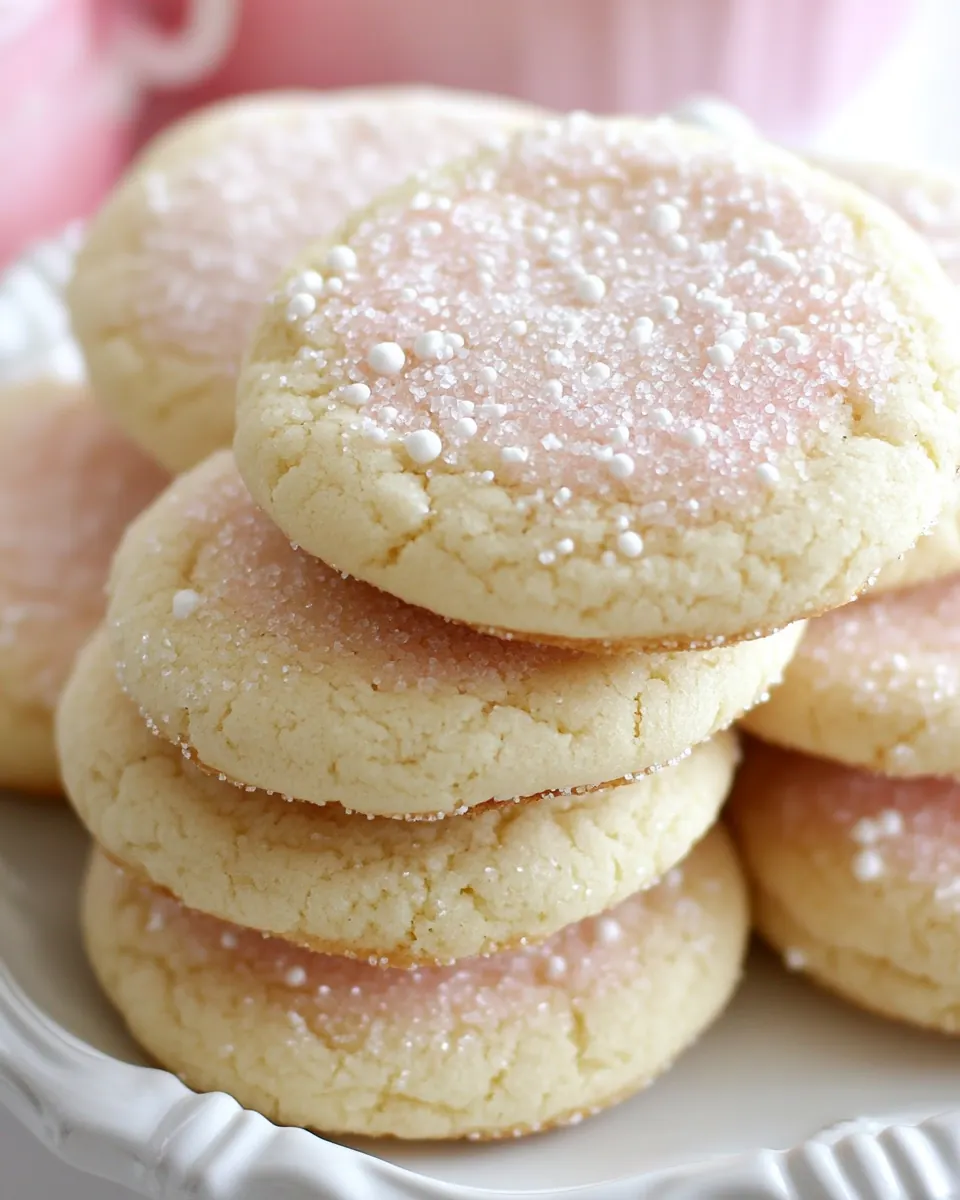
These ingredients are chosen for texture and balance. The dairy elements create tenderness, the chemical leaveners give lift, and the sugars provide structure and sweetness. The key players are the sour cream and butter for moisture, the eggs for structure, and the precise ratio of flour to leaveners for just enough rise while keeping the cookies soft.
- 1 cup sour cream: Adds moisture and a subtle tang that tenderizes the dough; helps create a soft crumb by activating baking agents and balancing sweetness.
- 2 cups white sugar: Sweetens the cookie dough and helps with spread during baking; contributes to browning and caramelization for a pleasant flavor and color.
- 1 cup unsalted butter: Provides rich fat that adds tenderness, flavor, and structure; when creamed with sugar, incorporates air to help the cookies rise and become tender.
- 4 eggs: Offers structure and lift by coagulating when heated; contributes richness, moisture, and helps bind the dough together for a cohesive texture.
- 1 teaspoon almond extract or vanilla, (I like almond): Imparts a delicate nutty or floral flavor that enhances overall aroma; complements the sweetness and adds complexity without overpowering other flavors.
- 6 cups flour: Creates bulk and structure as the primary dry component; combines with liquids and leaveners to form the dough and determine final texture and chew.
- 3 teaspoons baking powder: Leavens the dough by releasing gas when heated; works with baking soda to provide lift and a light, airy crumb while balancing texture.
- 1 teaspoon baking soda: Neutralizes acids and reacts with other leaveners to promote rise; helps control pH and contributes to tenderization and proper browning.
- 1 teaspoon salt: Balances flavor by enhancing sweetness and rounding out other tastes; supports dough chemistry by slightly influencing ionic strength and texture.
- 1 cup butter: Adds additional fat for richness and spread; used in frosting or dough to create a creamy mouthfeel and smooth consistency.
- 4 cups powdered sugar: Sweetens and thickens frostings or glazes; dissolves into fats and creams to produce a silky, spreadable texture and make decorations hold shape.
- 1/4 tsp salt: Enhances overall flavor in frostings by providing a subtle savory balance; also helps control sweetness and can affect consistency slightly.
- 1 tsp almond extract: Provides a concentrated flavor boost in frostings or glazes; adds fragrance and complexity that pairs well with almond or vanilla notes.
- 1/3 cup heavy whipping cream: Contributes fluidity and richness to icings while allowing the frosting to be piped or spread smoothly; adds creaminess and stabilizes texture.
The Method for Soft and Fluffy Sugar Cookies
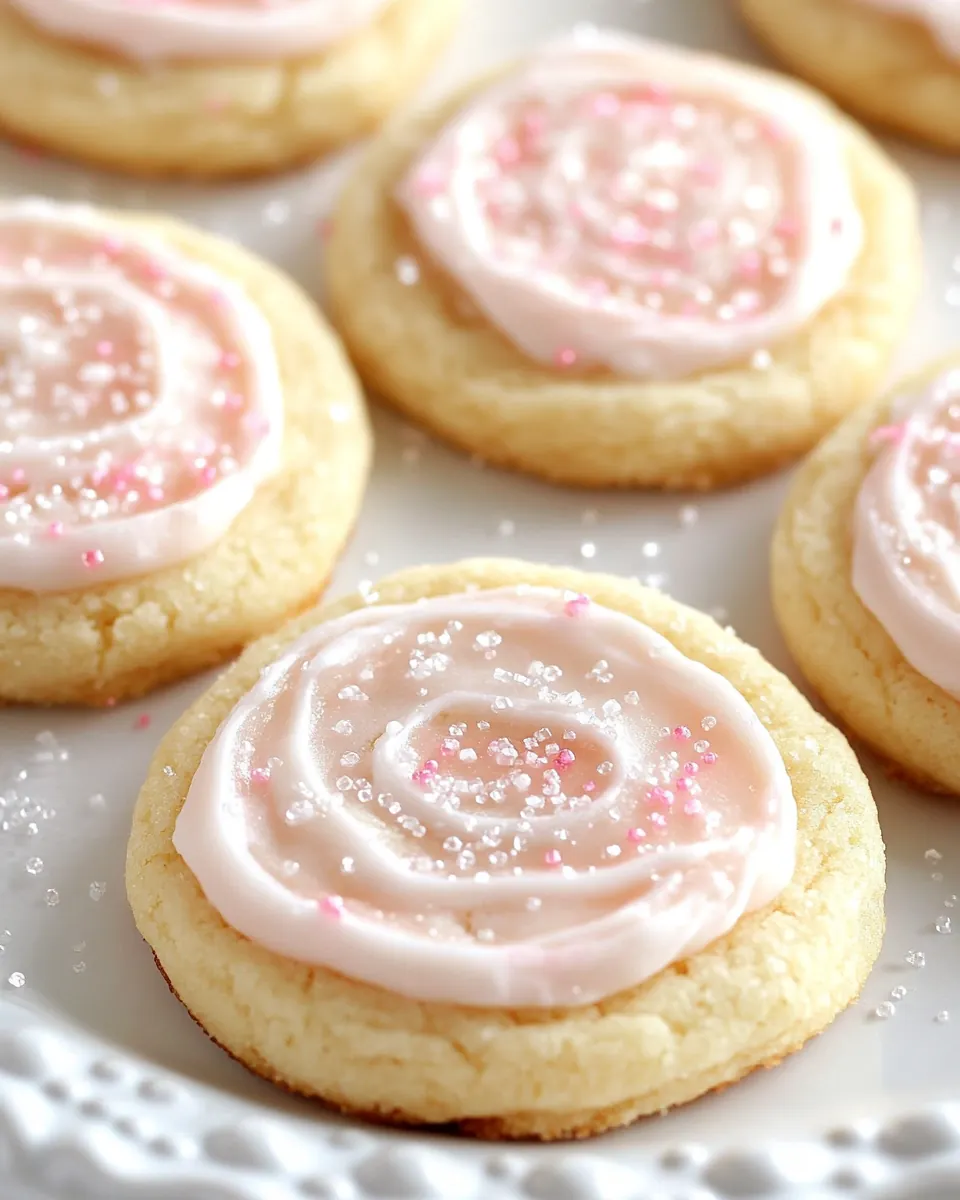
These directions guide you step by step toward a batch of reliably soft cookies. I walk through mixing, chilling, rolling, and frosting with sensory cues so you can trust the results. Pay attention to texture and timing, and the cookies will reward you.
- Preheat oven to 350 degrees.: You will notice a warm, dry heat filling the oven, which is essential for even baking and gentle browning. The smell is neutral at first, but once the cookies go in you ll recognize the sweet aroma as sugars start to caramelize. A common mistake is not letting the oven fully reach temperature, which can lead to uneven rise and longer bake times. If your oven runs hot or cool, use an oven thermometer to confirm the 350 degrees reading for steady results. Avoid opening the door early, because fluctuating heat can change the texture.
- Combine sour cream, sugar, butter, eggs, and vanilla/almond extract. Beat for 2-3 minutes.: As the ingredients come together you ll see the mixture become glossy and slightly aerated, and the scent of extract will lift the batter. The fat in the butter and the moisture from the sour cream create a smooth emulsion that sets the stage for a tender cookie. If you overmix here you risk developing gluten later when flour is added, so stop once the mixture looks homogenous and creamy. Cold butter will not blend properly, while melted butter can make the dough too loose, so aim for room temperature butter for ease of mixing.
- Add dry ingredients and mix well. Add a little flour so at a time so that it's not sticky and is manageable. Wrap dough in plastic wrap. Let the dough chill in fridge for 25 minutes or until firm. Note: A trick I started doing is placing some of the dough in between two sheets of parchment or wax paper and rolling it out to the desired thickness. Put the sheets in the fridge until firm then when ready start cutting into shapes with cookie cutters.: A trick I started doing is placing some of the dough in between two sheets of parchment or wax paper and rolling it out to the desired thickness. Put the sheets in the fridge until firm then when ready start cutting into shapes with cookie cutters. : When you fold in the flour and leaveners the batter tightens slightly and a faint floury aroma mingles with the sweet butter note. Chilling firms the fats so the dough holds shapes, and rolling between parchment prevents sticking while maintaining a clean surface. If the dough feels tacky after adding flour, chilling will make it easier to handle and prevent overflouring which would harden the cookies. Avoid adding all the flour at once, because you might overshoot and dry the dough; instead add gradually until it becomes manageable and slightly tacky but not sticky to the touch.
- Roll it out to about 1/4 inch thick and use cookie cutters to make shapes or circles. You may have to add a little flour to roll them out so the dough is workable but remember the less flour you use the softer your cookie will be.: As you roll, you ll notice the dough smooth out and the surface take on a matte finish. The quarter inch thickness yields a cookie that bakes through without losing a soft center, and thin edges that barely brown. Lightly dusting the surface with flour prevents sticking, but using too much will dry the dough and result in a firmer texture, so use the minimum needed. If cutters stick, dip them in flour and tap off the excess before pressing through the dough to keep shapes clean.
- Bake until LIGHT golden brown about 8-10 minutes. When you take them out they will seem underdone but they aren't. Let them cool on the pan and they will be perfect and moist. If you like them harder and more crunchy just bake them a little longer.: The oven will sing with a warm aroma as the edges take color and the centers stay pale. Pulling them at the light golden edge ensures a tender center once they cool. Letting the cookies sit on the pan for a few minutes allows residual heat to finish the set while locking in moisture. A common mistake is baking until deeply brown; that yields a firmer, drier cookie. If you prefer a crisper bite bake a little longer, but watch closely because sugar cookies can go from done to overbaked quickly.
- For the Buttercream Frosting:: When preparing the frosting you ll detect a sweet, creamy aroma that becomes more pronounced as air is incorporated. Whipping the butter until fluffy creates a light base that lifts the powdered sugar without becoming grainy. If the frosting seems too stiff, add the heavy whipping cream sparingly until it reaches a spreadable consistency; if it s too loose chill briefly to firm up. A common pitfall is adding all the liquid at once, which can make the buttercream runny; add small amounts and taste as you go.
- In a mixing bowl, cream butter until fluffy. Add sugar and continue creaming until well blended. Add salt, vanilla, and whipping cream. Blend on low speed until moistened. Beat at high speed until frosting is fluffy.: As you cream the butter the texture will lighten and the color will pale. Incorporating the powdered sugar gradually prevents a powdered cloud and helps maintain a smooth consistency. The salt sharpens the sweetness while the heavy whipping cream brings silkiness to the frosting, and whipping on high makes it airy and easy to spread. If your frosting ends up grainy, continue beating and ensure the powdered sugar is sifted. Overbeating can cause separation, so stop when the mixture holds soft peaks and spreads smoothly.
Tips and Variations

These tips help you get consistent, beautiful cookies and offer small variations to adjust flavor and texture. I include practical advice for decorating, chilling, and storing, all designed to make your baking smoother and more reliable.
- Chill for cleaner cuts: Chilling the dough firms the fats and prevents excessive spread, which helps cookie cutters hold their shape while baking.
- Sparse flour for softer cookies: Use just enough flour to prevent sticking when rolling, because excess flour will dry the dough and make the cookies firmer than intended.
- Roll between parchment: Rolling the dough between two sheets keeps surfaces neat and avoids the need for extra flour, preserving tenderness and making transfer to the pan easier.
- Watch oven color cues: Pull cookies when edges are lightly golden instead of relying solely on time, this yields a moist interior and prevents overbaking.
- Frost at room temperature: Allow cookies to cool completely before frosting so the buttercream does not melt and slide off, ensuring neat presentation and stable texture.
Pairing Suggestions for Soft and Fluffy Sugar Cookies
These cookies pair well with simple beverages and light accompaniments, and they shine in celebrations and casual gatherings. Below I outline serving ideas, storage tips, and seasonal uses to help you plan how to present them.
- Tea time pairing: Serve with a warm cup of tea or a mild coffee, the gentle flavors of the cookie complement light brews without overpowering them and create a relaxed afternoon treat.
- Kids parties and celebrations: Use shapes and colorful frosting for birthday parties or school events, they are easy to decorate and loved by children and adults alike.
- Holiday cookie trays: Arrange on a platter for holiday gatherings, mixing shapes and frosted styles creates a festive display that travels well and can be made ahead.
- Storage and make ahead: Store unfrosted cookies in an airtight container for up to three days at room temperature or freeze for longer storage; frost after thawing for best texture.
- Seasonal touches: Adjust extract from almond to vanilla for different seasons, and use themed cutters and colored frostings to match holidays and occasions.
FAQ
Conclusion
These Soft and Fluffy Sugar Cookies stand out because they deliver a tender, melt in your mouth texture using simple techniques and pantry staples. Try them for a celebration or a cozy afternoon bake, and you ll notice how small steps like chilling the dough and watching for light golden edges make a big difference. I hope you enjoy the process as much as the results, and that these cookies become one of those recipes you reach for again and again.

Soft and Fluffy Sugar Cookies
Equipment
- Mixing Bowl
- Electric Mixer
- Rolling Pin
- Cookie cutters
- Baking Sheet
Ingredients
- 1 cup sour cream Adds moisture and a subtle tang that tenderizes the dough; helps create a soft crumb by activating baking agents and balancing sweetness.
- 2 cups white sugar Sweetens the cookie dough and helps with spread during baking; contributes to browning and caramelization for a pleasant flavor and color.
- 1 cup unsalted butter Provides rich fat that adds tenderness, flavor, and structure; when creamed with sugar, incorporates air to help the cookies rise and become tender.
- 4 eggs Offers structure and lift by coagulating when heated; contributes richness, moisture, and helps bind the dough together for a cohesive texture.
- 1 teaspoon almond extract or vanilla, (I like almond) Imparts a delicate nutty or floral flavor that enhances overall aroma; complements the sweetness and adds complexity without overpowering other flavors.
- 6 cups flour Creates bulk and structure as the primary dry component; combines with liquids and leaveners to form the dough and determine final texture and chew.
- 3 teaspoons baking powder Leavens the dough by releasing gas when heated; works with baking soda to provide lift and a light, airy crumb while balancing texture.
- 1 teaspoon baking soda Neutralizes acids and reacts with other leaveners to promote rise; helps control pH and contributes to tenderization and proper browning.
- 1 teaspoon salt Balances flavor by enhancing sweetness and rounding out other tastes; supports dough chemistry by slightly influencing ionic strength and texture.
- 1 cup butter Adds additional fat for richness and spread; used in frosting or dough to create a creamy mouthfeel and smooth consistency.
- 4 cups powdered sugar Sweetens and thickens frostings or glazes; dissolves into fats and creams to produce a silky, spreadable texture and make decorations hold shape.
- 1/4 tsp salt Enhances overall flavor in frostings by providing a subtle savory balance; also helps control sweetness and can affect consistency slightly.
- 1 tsp almond extract Provides a concentrated flavor boost in frostings or glazes; adds fragrance and complexity that pairs well with almond or vanilla notes.
- 1/3 cup heavy whipping cream Contributes fluidity and richness to icings while allowing the frosting to be piped or spread smoothly; adds creaminess and stabilizes texture.
Instructions
- Preheat oven to 350 degrees.: You will notice a warm, dry heat filling the oven, which is essential for even baking and gentle browning. The smell is neutral at first, but once the cookies go in you ll recognize the sweet aroma as sugars start to caramelize. A common mistake is not letting the oven fully reach temperature, which can lead to uneven rise and longer bake times. If your oven runs hot or cool, use an oven thermometer to confirm the 350 degrees reading for steady results. Avoid opening the door early, because fluctuating heat can change the texture.
- Combine sour cream, sugar, butter, eggs, and vanilla/almond extract. Beat for 2-3 minutes.: As the ingredients come together you ll see the mixture become glossy and slightly aerated, and the scent of extract will lift the batter. The fat in the butter and the moisture from the sour cream create a smooth emulsion that sets the stage for a tender cookie. If you overmix here you risk developing gluten later when flour is added, so stop once the mixture looks homogenous and creamy. Cold butter will not blend properly, while melted butter can make the dough too loose, so aim for room temperature butter for ease of mixing.
- Add dry ingredients and mix well. Add a little flour so at a time so that it's not sticky and is manageable. Wrap dough in plastic wrap. Let the dough chill in fridge for 25 minutes or until firm. Note: A trick I started doing is placing some of the dough in between two sheets of parchment or wax paper and rolling it out to the desired thickness. Put the sheets in the fridge until firm then when ready start cutting into shapes with cookie cutters.: A trick I started doing is placing some of the dough in between two sheets of parchment or wax paper and rolling it out to the desired thickness. Put the sheets in the fridge until firm then when ready start cutting into shapes with cookie cutters. : When you fold in the flour and leaveners the batter tightens slightly and a faint floury aroma mingles with the sweet butter note. Chilling firms the fats so the dough holds shapes, and rolling between parchment prevents sticking while maintaining a clean surface. If the dough feels tacky after adding flour, chilling will make it easier to handle and prevent overflouring which would harden the cookies. Avoid adding all the flour at once, because you might overshoot and dry the dough; instead add gradually until it becomes manageable and slightly tacky but not sticky to the touch.
- Roll it out to about 1/4 inch thick and use cookie cutters to make shapes or circles. You may have to add a little flour to roll them out so the dough is workable but remember the less flour you use the softer your cookie will be.: As you roll, you ll notice the dough smooth out and the surface take on a matte finish. The quarter inch thickness yields a cookie that bakes through without losing a soft center, and thin edges that barely brown. Lightly dusting the surface with flour prevents sticking, but using too much will dry the dough and result in a firmer texture, so use the minimum needed. If cutters stick, dip them in flour and tap off the excess before pressing through the dough to keep shapes clean.
- Bake until LIGHT golden brown about 8-10 minutes. When you take them out they will seem underdone but they aren't. Let them cool on the pan and they will be perfect and moist. If you like them harder and more crunchy just bake them a little longer.: The oven will sing with a warm aroma as the edges take color and the centers stay pale. Pulling them at the light golden edge ensures a tender center once they cool. Letting the cookies sit on the pan for a few minutes allows residual heat to finish the set while locking in moisture. A common mistake is baking until deeply brown; that yields a firmer, drier cookie. If you prefer a crisper bite bake a little longer, but watch closely because sugar cookies can go from done to overbaked quickly.
- For the Buttercream Frosting:: When preparing the frosting you ll detect a sweet, creamy aroma that becomes more pronounced as air is incorporated. Whipping the butter until fluffy creates a light base that lifts the powdered sugar without becoming grainy. If the frosting seems too stiff, add the heavy whipping cream sparingly until it reaches a spreadable consistency; if it s too loose chill briefly to firm up. A common pitfall is adding all the liquid at once, which can make the buttercream runny; add small amounts and taste as you go.
- In a mixing bowl, cream butter until fluffy. Add sugar and continue creaming until well blended. Add salt, vanilla, and whipping cream. Blend on low speed until moistened. Beat at high speed until frosting is fluffy.: As you cream the butter the texture will lighten and the color will pale. Incorporating the powdered sugar gradually prevents a powdered cloud and helps maintain a smooth consistency. The salt sharpens the sweetness while the heavy whipping cream brings silkiness to the frosting, and whipping on high makes it airy and easy to spread. If your frosting ends up grainy, continue beating and ensure the powdered sugar is sifted. Overbeating can cause separation, so stop when the mixture holds soft peaks and spreads smoothly.
Notes
- Chill for cleaner cuts: Chilling the dough firms the fats and prevents excessive spread, which helps cookie cutters hold their shape while baking.
- Sparse flour for softer cookies: Use just enough flour to prevent sticking when rolling, because excess flour will dry the dough and make the cookies firmer than intended.
- Roll between parchment: Rolling the dough between two sheets keeps surfaces neat and avoids the need for extra flour, preserving tenderness and making transfer to the pan easier.
- Watch oven color cues: Pull cookies when edges are lightly golden instead of relying solely on time, this yields a moist interior and prevents overbaking.
- Frost at room temperature: Allow cookies to cool completely before frosting so the buttercream does not melt and slide off, ensuring neat presentation and stable texture.