Smoked Mac And Cheese
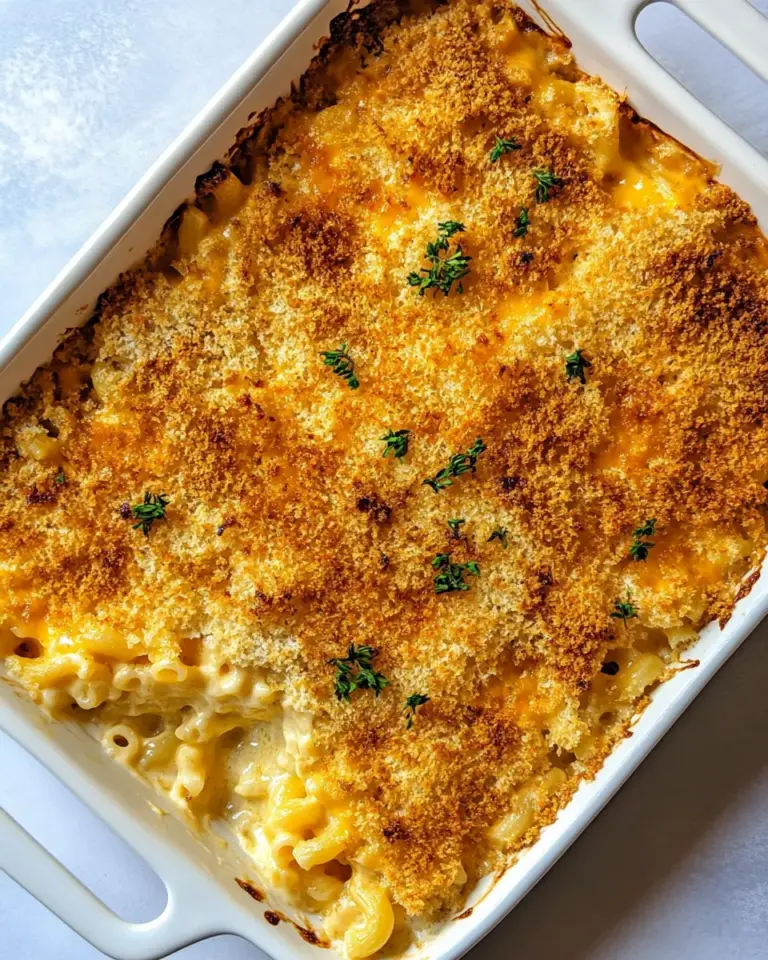
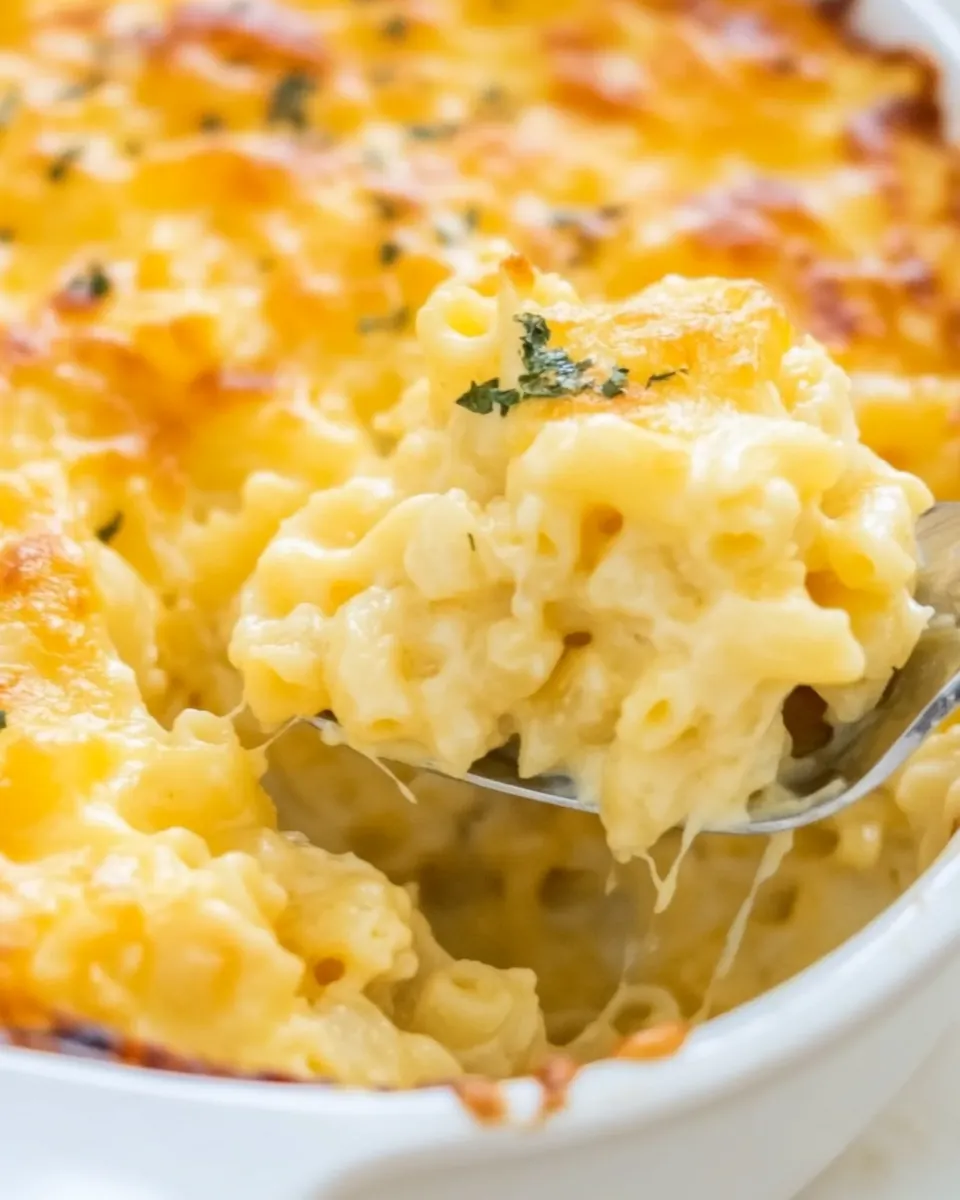
Smoked Mac And Cheese has been my go to when I want something genuinely comforting with a streak of showmanship, the kind of dish that earns compliments without much fuss. I remember the first time I served it at a chilly get together, carrying a cast iron skillet that smelled faintly of oak smoke and bubbling dairy, and everyone crowded around the table asking for one more forkful. That memory nudged me to refine the recipe until the balance of smoky, creamy, and cheesy felt effortless.
Over the years I’ve arrived at a rhythm with Smoked Mac And Cheese, where the pasta keeps its bite, the sauce feels luxurious, and the smoked cheese sings without overwhelming. I like to prep the components a little ahead, because that way I can focus on the final step in the smoker, which is part craft and part patience. Each time I lift the lid and see the top steaming and lightly bronzed, I get that familiar thrill, and it never gets old.
Recipe Snapshot
1 hr 10 mins
10 mins
60 mins
Medium
450 kcal
American
Gluten-Free, Low FODMAP
Dinner
Large pot, Colander, Saucepan, Large mixing bowl, Cast iron skillet, Smoker, Whisk
The Appeal of This Smoked Mac And Cheese
Comfort with a Twist
I adore how Smoked Mac And Cheese takes a classic and gives it personality. The smoky notes deepen the familiar creamy texture, turning simple elbow macaroni and melted cheddar cheese into something that feels celebratory. This is the kind of comfort food that also makes an impression, whether you bring it to a potluck or serve it for a cozy family dinner.
Layered, Complex Flavors
What really stands out is the interplay between the two cheeses. Using both cheddar cheese and smoked gouda creates a savory depth, with the cheddar lending tang and the smoked gouda delivering that rounded, smoky undertone. I love how the sauce becomes silky when the cheeses melt slowly, giving each bite a nuanced flavor profile rather than a flat cheesy note.
Reliable Technique
I trust this method because it separates sauce creation from finishing in the smoker, which reduces the risk of overcooking the pasta or breaking the sauce. The béchamel style base, built from butter and flour, gives structure so the sauce clings to the elbow macaroni and does not turn greasy. I always feel confident that following these steps leads to a creamy, cohesive dish.
Smoker Finish for Wow Factor
Smoking the assembled skillet for an hour at a low temperature adds showmanship and a subtle aroma you cannot get any other way. I like that it is a low effort step with a high return, because while the smoker does the work, you can relax and prepare sides or chat with guests. The light bronzing and whisper of smoke on the surface make people lean in and ask for the recipe.
Great for Groups
This recipe scales nicely, feeding a crowd without a lot more hands on time. I appreciate that it travels well, reheats reliably, and still tastes excellent the next day. For gatherings, it’s a dependable centerpiece that pairs well with many mains or stands alone as indulgent comfort food.
Essential Ingredients for Smoked Mac And Cheese
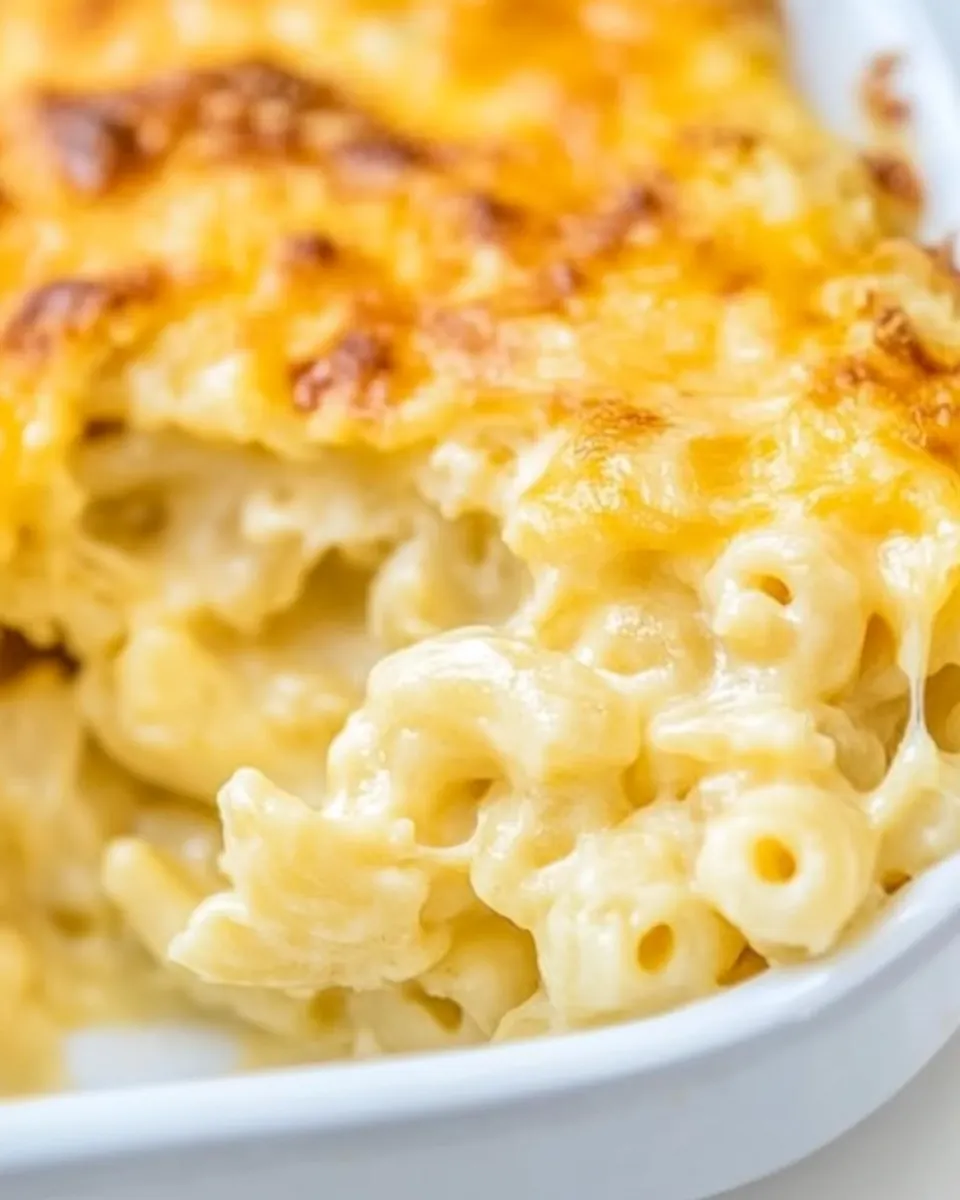
These ingredients are chosen to build a rich, stable cheese sauce and then amplify it with smoke. The philosophy is simple: a sturdy béchamel created from butter and flour binds the dairy, while the combination of milky liquids and melty cheeses produces a creamy, cohesive texture. The pasta acts as a vehicle, holding pockets of sauce, and the finishing smoke accentuates rather than masks the dairy flavors.
- 1 pound elbow macaroni: Boil until al dente to provide the pasta base that holds the creamy cheese sauce and smokes flavor evenly; drain and toss with a bit of butter or oil to prevent sticking before combining with the sauce. Ensure pasta is cooked slightly firm since it will continue to soften when baked or smoked with sauce, maintaining a pleasant texture in the finished dish.
- 1 tablespoon olive oil: Coat the pasta surface lightly to prevent sticking and to add a subtle fruity note that complements the smokiness; heat briefly before adding butter to create an emulsion. Use sparingly so the oil does not overpower the dairy-rich sauce, helping the roux and cheeses blend smoothly.
- 1/2 cup butter: Melt thoroughly to create a rich, silky base for the roux and sauce, contributing deep buttery flavor and smooth mouthfeel; use unsalted or adjust seasoning accordingly. Incorporate at medium heat to avoid browning, allowing it to combine evenly with flour for a consistent thickening agent.
- 1/2 cup flour sifted: Whisk into melted butter to form a smooth roux that thickens the milk and cream into a velvety sauce; sifting prevents lumps for a uniform texture. Cook briefly to remove raw flour taste but avoid darkening the roux, which could alter the sauce’s color and flavor.
- 1 1/2 cups milk: Heat gently and whisk into the roux to build the béchamel base, contributing light dairy flavor and body while keeping the sauce pourable. Warm milk prevents shocking the roux and forming lumps, and its lower richness balances the heavier cream for a balanced sauce consistency.
- 2 1/2 cups half and half or heavy cream: Enrich the sauce with luxurious creaminess and a silky mouthfeel, stabilizing the cheese emulsion and preventing separation; add gradually while whisking to achieve desired thickness. Choose the specified richness based on preference to control final decadence and bake time, ensuring the sauce stays creamy after smoking.
- 4 cups cheddar cheese shredded: Melt into the warm béchamel to deliver sharp, tangy flavor and creamy texture that defines classic mac and cheese; shred for even melting and incorporate gradually to avoid clumping. Use high-quality cheddar for pronounced cheesiness and adjust quantity slightly for desired intensity without upsetting sauce balance.
- 2 cups smoked gouda shredded: Blend with other cheeses to introduce a smoky, nutty richness and smooth melting quality that complements the dish’s smoked profile; shred finely to ensure even distribution. Balance smoked gouda with sharper cheeses so its distinct flavor enhances rather than dominates the overall cheese blend.
- 1/2 teaspoon salt: Season the sauce to enhance and balance the dairy and smoky flavors, adding just enough to bring out complexity without making the dish taste salty. Taste the sauce after cheeses are melted and adjust as needed, remembering cheeses contribute significant sodium to the final seasoning.
- 1/2 teaspoon pepper: Add subtle heat and depth to the dish by seasoning the sauce with freshly ground pepper, which brightens flavors and complements the cheese blend. Grind to taste and incorporate gradually, tasting after cheeses are melted to avoid over-seasoning.
Putting Together Smoked Mac And Cheese
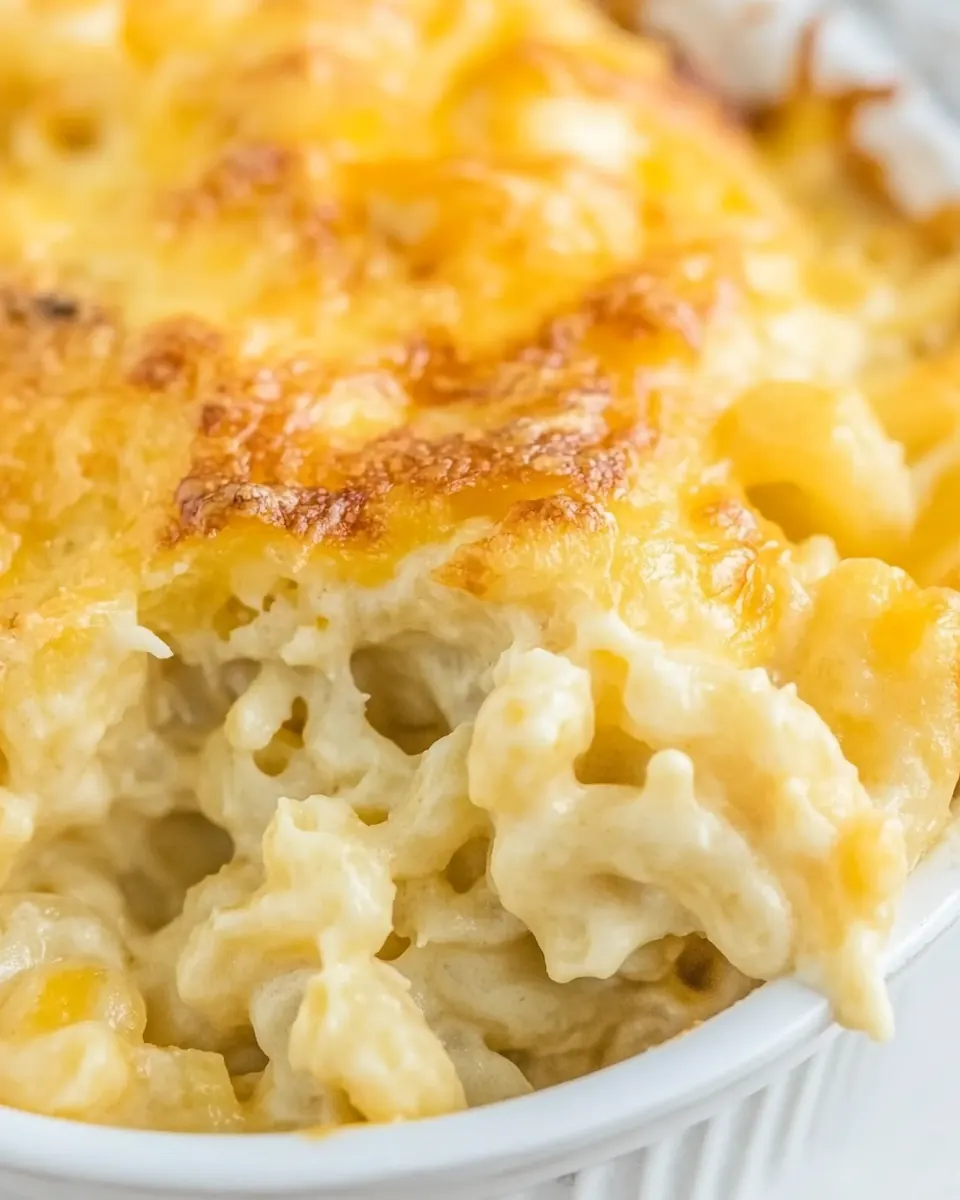
Bringing this dish together is a satisfying rhythm from boiling elbow macaroni to building a smooth cheese sauce and finishing in the smoker. Below I expand each original direction into rich, sensory steps you can follow with confidence, and I share why each choice matters so the final bake sings with flavor.
- Preheat the smoker to 225 F.: The air fills with a calm, warm draft as the smoker comes up to 225 F , creating a steady environment that lets smoke infuse gently. You want the heat consistent rather than spiking, because a low and slow finish encourages the cheese to meld without separating. A common mistake is starting too hot, which can cause the top to crust quickly while the interior stays under warmed. If your smoker runs hot, aim for a slightly lower rack placement or reduce vents to stabilize the temperature.
- Cook the elbow pasta until al dente. Drain and toss through the olive oil.: As the elbow macaroni boils, watch for the moment when it is tender but still has a slight chew, a texture that will hold up through smoking. Drain promptly to prevent water dilution of the sauce, then toss with the olive oil so the noodles remain separate and glossy. Listen for the quiet clatter of the colander and notice the steam rising, a cue that it is hot enough to absorb sauce. Overcooking is the main pitfall here, so test a piece by biting it to ensure resilience.
- Combine the two cheeses and separate two cups of the cheese for the topping. Combine the milk and half and half together.: Mixing the shredded cheddar cheese and smoked gouda gives you an even distribution of flavor; set aside two cups for a final topping that will brown and smoke on the surface. Combining the milk and half and half creates a uniform dairy base that heats evenly when added to the roux. Keep the dairy cold until use to avoid graininess when it meets hot fat. A misstep is adding cold cheese directly into a scorching liquid, which can lead to clumping, so measure and prep first.
- Melt butter in a saucepan over medium heat. Whisk in the flour. Slowly add in the milk/half-and-half mixture, whisking constantly until smooth. Continue adding the remaining milk/half-and-half in. Continue letting everything simmer together until it has thickened.: The butter should foam gently before you add the flour , creating a pale roux that smells mildly nutty but not browned. When you stream in the combined dairy, whisk continuously so the sauce stays emulsified and lump free. As the mixture heats, you will notice the sauce becoming silkier and the aroma becoming richer, a sign the starches are blooming properly. Simmer gently rather than boiling, because too high heat will break the emulsion and make the sauce grainy. A frequent error is rushing and adding cold liquid too quickly, which invites lumps; patience here yields a velvety texture.
- Remove from the heat. Add the salt and pepper and slowly fold in 1 1/2 cups of the cheese and let it melt naturally. Once melted, add another 1 1/2 cups until completely smooth.: Off the heat the sauce carries gentle steam, and the residual warmth is perfect for melting cheese without overheating. Sprinkle in the salt and pepper to brighten the base, then fold in the measured portions of cheese so they melt gradually, producing a glossy, cohesive sauce. You will see the sauce become thicker and silkier as the cheese integrates, releasing a savory dairy perfume. If you add the cheese too fast or return to high heat, the fats can separate, so take your time and allow each addition to melt fully before the next. Avoid vigorous boiling now, as that can change texture detrimentally.
- In a large mixing bowl, add the cooked pasta and mix through the cheese sauce until fully combined. Fold through the remaining one cup of cheese.: Transfer the warm elbow macaroni into a bowl and pour the sauce over it, stirring so every noodle is lacquered in the creamy mixture. Folding in the last cup of cheese at this stage ensures pockets of melty strands throughout the dish, creating textural contrast. The combined aroma of cheddar cheese and smoked gouda will be mellow and inviting, and the pasta should look glossy and cohesive. A common slip is stirring too aggressively, which can crush the pasta, so fold gently but thoroughly.
- Transfer the mix into a large cast iron skillet. Place the skillet in the smoker, close the lid, and smoke for an hour.: Spoon the cheesy pasta into a pre oiled large cast iron skillet so it bakes evenly and develops a slightly caramelized edge. As the skillet sits in the smoker at 225 F , you will notice a delicate, wood kissed aroma lifting from the surface and small bubbles appearing at the edges. The cheese will lightly brown and form a pleasing skin while the interior stays luxuriously creamy. Resist opening the smoker too often, because stable smoke and heat are what coax the flavor in. If you leave the skillet in too long or increase the heat, the sauce can separate or dry out, so monitor time carefully and remove once the top is set and lightly bronzed.
Tips and Variations
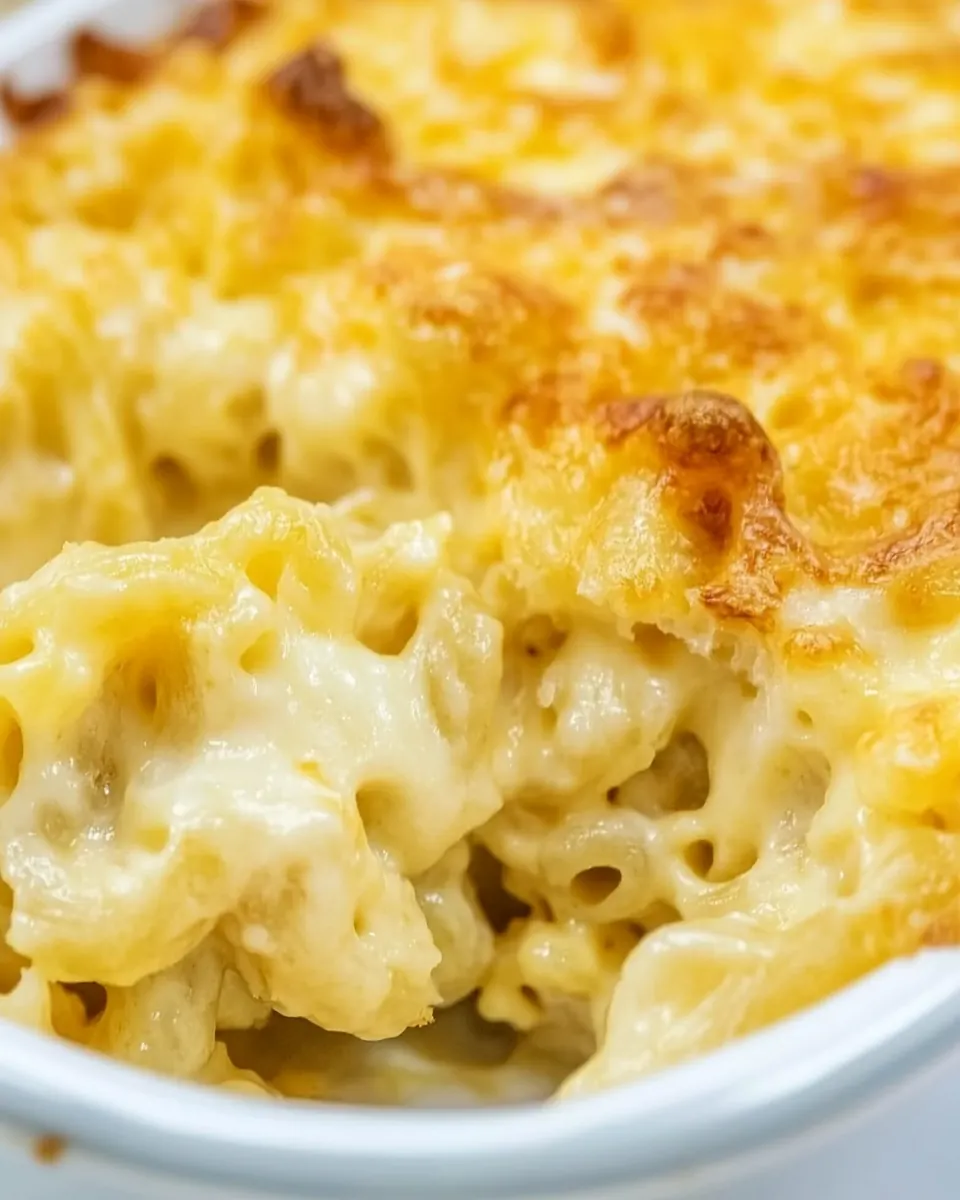
I like to think of these tips as my cheat sheet when I make Smoked Mac And Cheese. They help with flavor balance, texture, and make scaling the recipe for a crowd much simpler. Below are practical ideas and small swaps that keep the dish reliable and interesting.
- Oven option Expand the note from the CSV by prepping everything the same way, then fold in two teaspoons of smoke flavor if you do not have a smoker. Transfer the skillet to a preheated oven at 180C/350F and bake for 10 to 15 minutes until the cheese has melted and the top is just set. This method mimics the smoky finish while being faster and more accessible for indoor cooking.
- To store Cool completely before covering and refrigerate in an airtight container for up to one week. When you reheat, stir gently to restore creaminess and add a splash of milk or cream if it seems dry. Reheating slowly preserves texture better than high heat quick microwaving.
- To freeze Portion into shallow containers and freeze for up to six months. Thaw overnight in the refrigerator before reheating to maintain the best texture. Avoid repeated freeze thaw cycles which will degrade creaminess.
- To reheat Use a preheated oven or microwave, stirring halfway through. A short bake in a 325 F oven for 10 to 15 minutes refreshes the top and restores a freshly made texture, while the microwave is quicker for single servings.
- Cheese handling Always add cheese off the direct heat or over very low heat and allow it to melt gradually to prevent graininess. If the sauce looks oily, you may have overheated it; remove from heat and whisk in a little warm milk to reincorporate fats.
Perfect Matches for Smoked Mac And Cheese
This section covers pairing ideas, occasions, and storage suggestions to help you serve Smoked Mac And Cheese with confidence. I include practical presentation tips and seasonal contexts where this dish truly shines.
- Casual family dinners Serve Smoked Mac And Cheese as a hearty centerpiece for a relaxed evening. Its creamy richness makes it a natural comfort plate, and it pairs well with simple steamed veggies for balance.
- Weeknight crowd pleaser Because it scales easily, this recipe works great for feeding a group on a weeknight. Prepare early, finish in the smoker or oven, and keep warm until dinner time. The texture holds up well for serving a crowd.
- Holiday side or main On chilly days and during winter gatherings this dish offers indulgent warmth and familiar flavors. It complements roasted mains or can be the vegetarian friendly main for mixed menus.
- Storage tips Refrigerate leftovers covered for up to one week and stir before reheating. For better reheating results, add a splash of milk or cream and reheat slowly in the oven to prevent separation.
- Seasonal pairings In cold weather, pair with roasted root vegetables and crisp greens to cut through the richness. The smoky notes of the dish echo the season and feel particularly satisfying when it is chilly outside.
FAQ
Conclusion
Smoked Mac And Cheese stands out because it takes familiar, comforting elements and elevates them with a gentle smoky finish and a silky béchamel based sauce. The careful balance of cheddar cheese and smoked gouda, combined with perfectly cooked elbow macaroni, results in a bowl that is indulgent yet balanced. I encourage you to try it when you want a dish that feels both homey and a little special, whether for a small family night or a larger gathering. It is one of those recipes that rewards patience and simple attention, and it often becomes a requested favorite at my table.
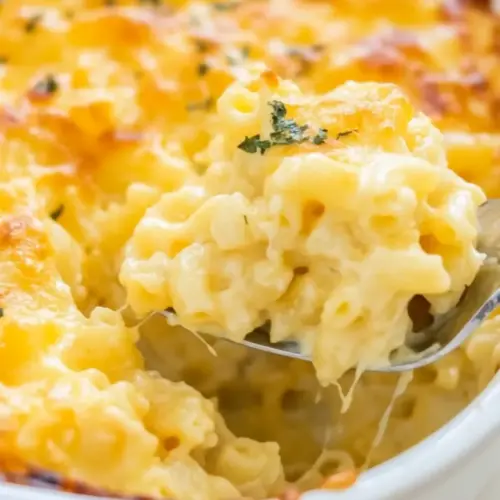
Smoked Mac And Cheese
Equipment
- Large Pot
- Colander
- Saucepan
- Large Mixing Bowl
- Cast-Iron Skillet
- Smoker
- Whisk
Ingredients
- 1 pound elbow macaroni Boil until al dente to provide the pasta base that holds the creamy cheese sauce and smokes flavor evenly; drain and toss with a bit of butter or oil to prevent sticking before combining with the sauce. Ensure pasta is cooked slightly firm since it will continue to soften when baked or smoked with sauce, maintaining a pleasant texture in the finished dish.
- 1 tablespoon olive oil Coat the pasta surface lightly to prevent sticking and to add a subtle fruity note that complements the smokiness; heat briefly before adding butter to create an emulsion. Use sparingly so the oil does not overpower the dairy-rich sauce, helping the roux and cheeses blend smoothly.
- 1/2 cup butter Melt thoroughly to create a rich, silky base for the roux and sauce, contributing deep buttery flavor and smooth mouthfeel; use unsalted or adjust seasoning accordingly. Incorporate at medium heat to avoid browning, allowing it to combine evenly with flour for a consistent thickening agent.
- 1/2 cup flour sifted Whisk into melted butter to form a smooth roux that thickens the milk and cream into a velvety sauce; sifting prevents lumps for a uniform texture. Cook briefly to remove raw flour taste but avoid darkening the roux, which could alter the sauce’s color and flavor.
- 1 1/2 cups milk Heat gently and whisk into the roux to build the béchamel base, contributing light dairy flavor and body while keeping the sauce pourable. Warm milk prevents shocking the roux and forming lumps, and its lower richness balances the heavier cream for a balanced sauce consistency.
- 2 1/2 cups half and half or heavy cream Enrich the sauce with luxurious creaminess and a silky mouthfeel, stabilizing the cheese emulsion and preventing separation; add gradually while whisking to achieve desired thickness. Choose the specified richness based on preference to control final decadence and bake time, ensuring the sauce stays creamy after smoking.
- 4 cups cheddar cheese shredded Melt into the warm béchamel to deliver sharp, tangy flavor and creamy texture that defines classic mac and cheese; shred for even melting and incorporate gradually to avoid clumping. Use high-quality cheddar for pronounced cheesiness and adjust quantity slightly for desired intensity without upsetting sauce balance.
- 2 cups smoked gouda shredded Blend with other cheeses to introduce a smoky, nutty richness and smooth melting quality that complements the dish’s smoked profile; shred finely to ensure even distribution. Balance smoked gouda with sharper cheeses so its distinct flavor enhances rather than dominates the overall cheese blend.
- 1/2 teaspoon salt Season the sauce to enhance and balance the dairy and smoky flavors, adding just enough to bring out complexity without making the dish taste salty. Taste the sauce after cheeses are melted and adjust as needed, remembering cheeses contribute significant sodium to the final seasoning.
- 1/2 teaspoon pepper Add subtle heat and depth to the dish by seasoning the sauce with freshly ground pepper, which brightens flavors and complements the cheese blend. Grind to taste and incorporate gradually, tasting after cheeses are melted to avoid over-seasoning.
Instructions
- Preheat the smoker to 225 F.: The air fills with a calm, warm draft as the smoker comes up to 225 F , creating a steady environment that lets smoke infuse gently. You want the heat consistent rather than spiking, because a low and slow finish encourages the cheese to meld without separating. A common mistake is starting too hot, which can cause the top to crust quickly while the interior stays under warmed. If your smoker runs hot, aim for a slightly lower rack placement or reduce vents to stabilize the temperature.
- Cook the elbow pasta until al dente. Drain and toss through the olive oil.: As the elbow macaroni boils, watch for the moment when it is tender but still has a slight chew, a texture that will hold up through smoking. Drain promptly to prevent water dilution of the sauce, then toss with the olive oil so the noodles remain separate and glossy. Listen for the quiet clatter of the colander and notice the steam rising, a cue that it is hot enough to absorb sauce. Overcooking is the main pitfall here, so test a piece by biting it to ensure resilience.
- Combine the two cheeses and separate two cups of the cheese for the topping. Combine the milk and half and half together.: Mixing the shredded cheddar cheese and smoked gouda gives you an even distribution of flavor; set aside two cups for a final topping that will brown and smoke on the surface. Combining the milk and half and half creates a uniform dairy base that heats evenly when added to the roux. Keep the dairy cold until use to avoid graininess when it meets hot fat. A misstep is adding cold cheese directly into a scorching liquid, which can lead to clumping, so measure and prep first.
- Melt butter in a saucepan over medium heat. Whisk in the flour. Slowly add in the milk/half-and-half mixture, whisking constantly until smooth. Continue adding the remaining milk/half-and-half in. Continue letting everything simmer together until it has thickened.: The butter should foam gently before you add the flour , creating a pale roux that smells mildly nutty but not browned. When you stream in the combined dairy, whisk continuously so the sauce stays emulsified and lump free. As the mixture heats, you will notice the sauce becoming silkier and the aroma becoming richer, a sign the starches are blooming properly. Simmer gently rather than boiling, because too high heat will break the emulsion and make the sauce grainy. A frequent error is rushing and adding cold liquid too quickly, which invites lumps; patience here yields a velvety texture.
- Remove from the heat. Add the salt and pepper and slowly fold in 1 1/2 cups of the cheese and let it melt naturally. Once melted, add another 1 1/2 cups until completely smooth.: Off the heat the sauce carries gentle steam, and the residual warmth is perfect for melting cheese without overheating. Sprinkle in the salt and pepper to brighten the base, then fold in the measured portions of cheese so they melt gradually, producing a glossy, cohesive sauce. You will see the sauce become thicker and silkier as the cheese integrates, releasing a savory dairy perfume. If you add the cheese too fast or return to high heat, the fats can separate, so take your time and allow each addition to melt fully before the next. Avoid vigorous boiling now, as that can change texture detrimentally.
- In a large mixing bowl, add the cooked pasta and mix through the cheese sauce until fully combined. Fold through the remaining one cup of cheese.: Transfer the warm elbow macaroni into a bowl and pour the sauce over it, stirring so every noodle is lacquered in the creamy mixture. Folding in the last cup of cheese at this stage ensures pockets of melty strands throughout the dish, creating textural contrast. The combined aroma of cheddar cheese and smoked gouda will be mellow and inviting, and the pasta should look glossy and cohesive. A common slip is stirring too aggressively, which can crush the pasta, so fold gently but thoroughly.
- Transfer the mix into a large cast iron skillet. Place the skillet in the smoker, close the lid, and smoke for an hour.: Spoon the cheesy pasta into a pre oiled large cast iron skillet so it bakes evenly and develops a slightly caramelized edge. As the skillet sits in the smoker at 225 F , you will notice a delicate, wood kissed aroma lifting from the surface and small bubbles appearing at the edges. The cheese will lightly brown and form a pleasing skin while the interior stays luxuriously creamy. Resist opening the smoker too often, because stable smoke and heat are what coax the flavor in. If you leave the skillet in too long or increase the heat, the sauce can separate or dry out, so monitor time carefully and remove once the top is set and lightly bronzed.
Notes
- Oven option Expand the note from the CSV by prepping everything the same way, then fold in two teaspoons of smoke flavor if you do not have a smoker. Transfer the skillet to a preheated oven at 180C/350F and bake for 10 to 15 minutes until the cheese has melted and the top is just set. This method mimics the smoky finish while being faster and more accessible for indoor cooking.
- To store Cool completely before covering and refrigerate in an airtight container for up to one week. When you reheat, stir gently to restore creaminess and add a splash of milk or cream if it seems dry. Reheating slowly preserves texture better than high heat quick microwaving.
- To freeze Portion into shallow containers and freeze for up to six months. Thaw overnight in the refrigerator before reheating to maintain the best texture. Avoid repeated freeze thaw cycles which will degrade creaminess.
- To reheat Use a preheated oven or microwave, stirring halfway through. A short bake in a 325 F oven for 10 to 15 minutes refreshes the top and restores a freshly made texture, while the microwave is quicker for single servings.
- Cheese handling Always add cheese off the direct heat or over very low heat and allow it to melt gradually to prevent graininess. If the sauce looks oily, you may have overheated it; remove from heat and whisk in a little warm milk to reincorporate fats.