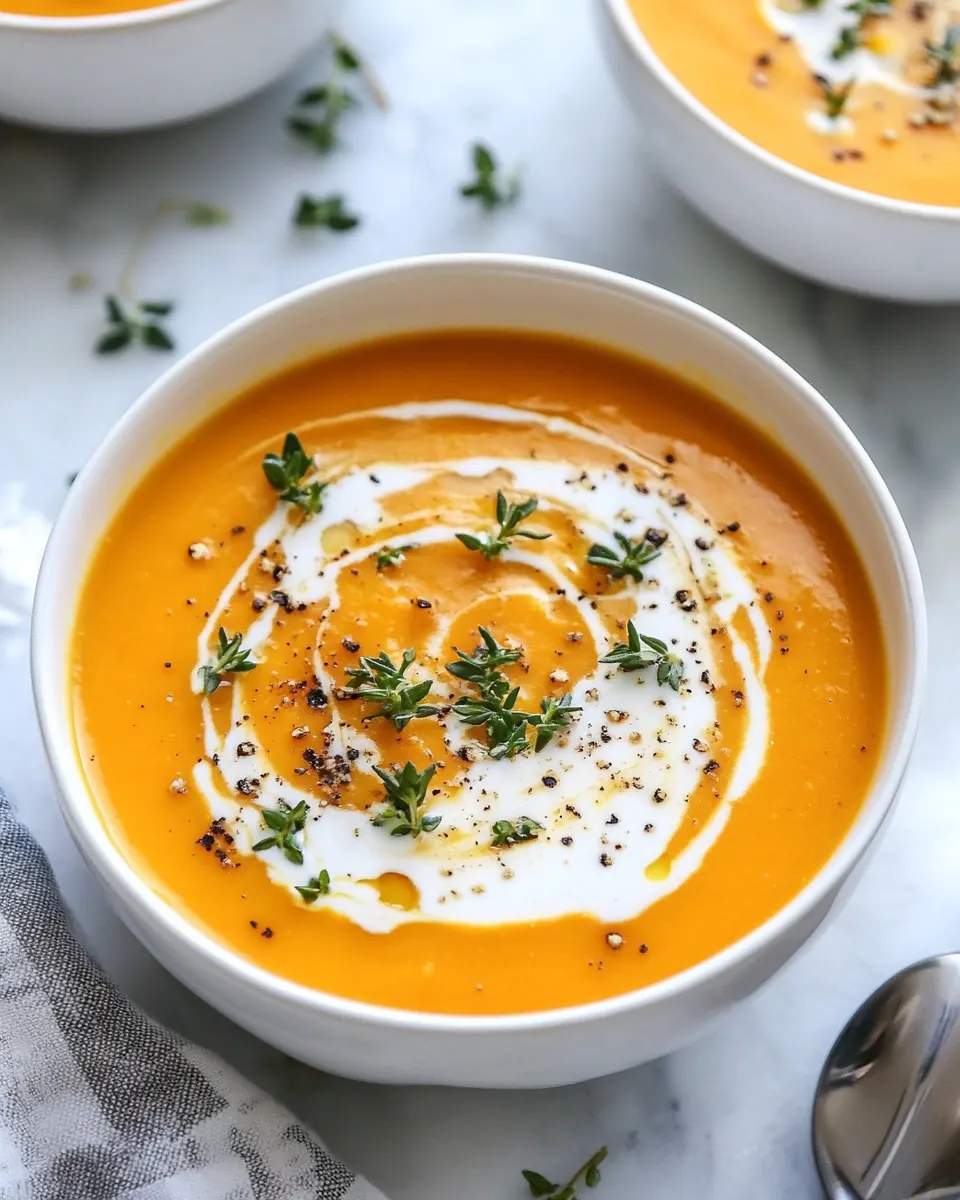
Slow Cooker Butternut Squash Soup
Slow Cooker Butternut Squash Soup has been my go to when I want something warm, cozy, and effortless that still tastes like I spent all afternoon in the kitchen.
I first fell for this soup on a crisp autumn weekend when I was short on time but craving something rich and silky. I remember hauling home a heavy butternut squash from the farmer’s market, thinking I would roast it, then realizing I had a nearly empty calendar and a full desire for comfort. The slow cooker felt like the obvious answer, so I prepped the squash and vegetables while the kettle boiled, and then let the cooker do the heavy lifting. The house slowly filled with the scent of cinnamon and simmering vegetables, and by the time dinner rolled around, everything had melded into a bowl of warm gold that felt like a hug.
Over the years I adapted the small tricks that make the texture reliably creamy and the flavor balanced without cream. A cinnamon stick tucked in during the long cook brings an unexpected depth, and the combo of butternut squash and sweet potatoes gives the soup a velvety mouthfeel without dairy. I love that it reheats beautifully and travels well if I want to bring a container to a busy weeknight dinner or a potluck. Sharing it with friends always sparks questions and compliments, and I enjoy telling the simple timeline of prep followed by patient simmering, the two-step that turns humble vegetables into something memorable.
Recipe Snapshot
3 hr 20 mins
10 mins
190 mins
Hard
150 kcal
American
Gluten-Free, Vegan
Soups
Slow Cooker, Hand Blender, Knife, Cutting Board, Instant Pot, Pot
What Makes This Slow Cooker Butternut Squash Soup Special
Texture that Feels Luxurious
I adore how Slow Cooker Butternut Squash Soup turns into a silky bowl with almost no effort from you. The slow, gentle heat breaks down the starches in the butternut squash and sweet potatoes, creating a creamy body that makes the spoon glide through the soup. I find this especially helpful on busy days when you want a restaurant worthy mouthfeel without standing over the stove.
Simple Pantry Friendly Ingredients
We use straightforward items like carrot, onion, and garlic, plus warm spices such as the cinnamon stick and ground nutmeg. I love that most of these are things I always keep on hand, so this soup is easy to pull together at the last minute. This means fewer trips to the store and more time enjoying the aroma that fills the kitchen as it cooks.
Flexible Cooking Methods
While the name says Slow Cooker Butternut Squash Soup, I appreciate that the recipe adapts to other methods like stovetop or pressure cooker when I need speed. The flavors translate whether you simmer gently or pressure cook on high, and I often switch methods depending on how much time I have, without sacrificing the core taste.
Great for Meal Prep and Freezing
I’m always happy to make a big batch because this soup stores exceptionally well. It reheats smoothly and the dairy free base makes it freezer friendly, so I freeze portions for weeknight dinners. That convenience is a lifesaver when my schedule gets hectic, and it means breakfast, lunch, or dinner can feel special with minimal effort.
Comfort Without Heaviness
This soup offers comforting warmth without feeling heavy. The sweetness from the butternut squash and sweet potatoes pairs with the subtle spice to create balance, so the bowl feels cozy and satisfying rather than cloying. For me, that balance is what keeps me coming back to this recipe again and again.
Ingredients Required for Slow Cooker Butternut Squash Soup
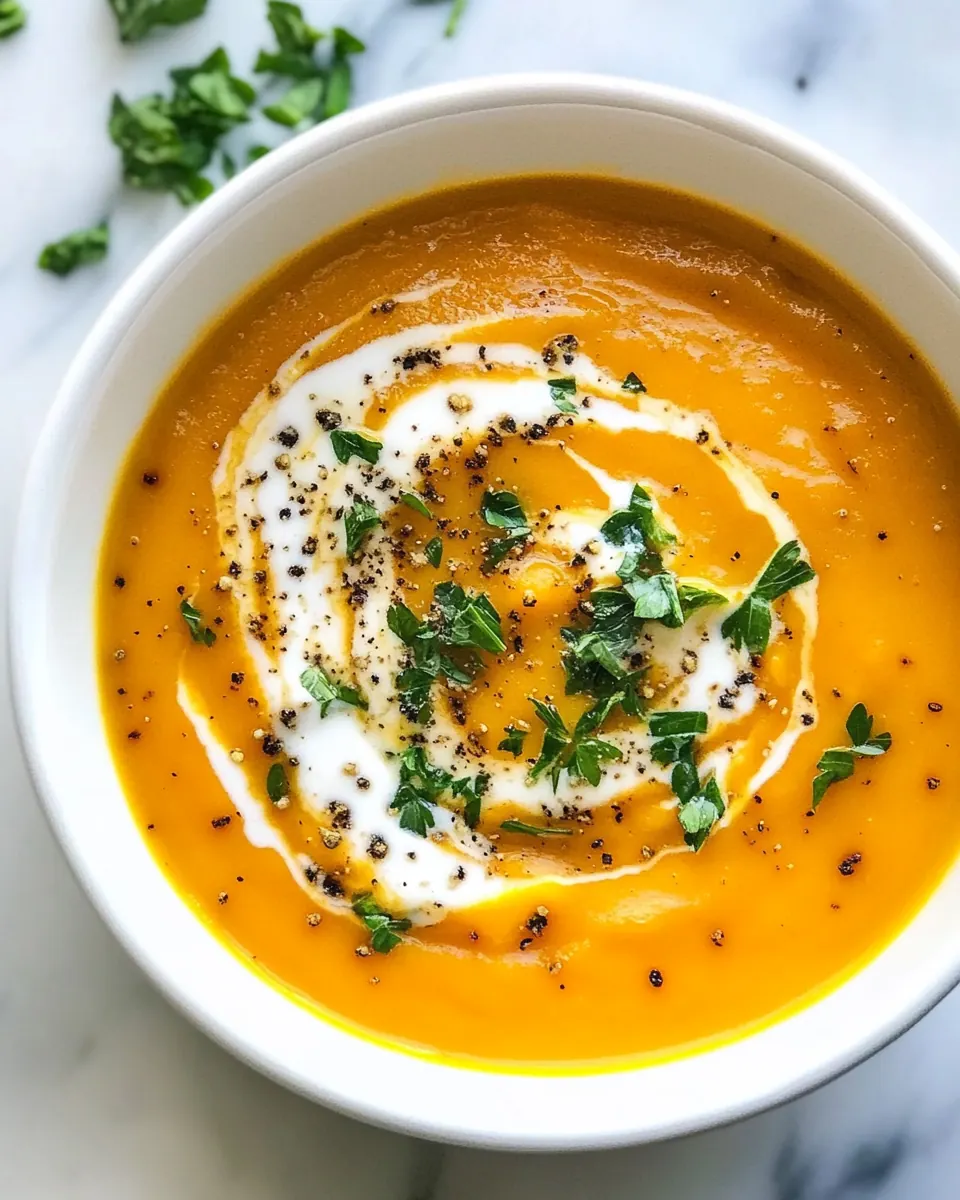
These ingredients form a simple, harmonious ensemble that produces a soup with depth and creamy texture without dairy. The bright aromatics and root vegetables provide body and sweetness, while the warm spices add an earthy lift. I see the key players as the butternut squash for richness, the sweet potatoes for starch and silkiness, and the vegetable stock as the flavor canvas that carries everything together.
- 1 large butternut squash diced: Peel and dice to provide a sweet, creamy base that thickens the soup as it cooks; roast or sauté first for deeper flavor before slow cooking.
- 2 medium sweet potatoes diced (or 3 small sweet potatoes): Peel and dice to add natural sweetness and body; balances the squash with a slightly earthy flavor and helps create a smooth puree when blended.
- 1 carrot diced: Chop finely to contribute subtle sweetness and texture; brightens the soup’s flavor profile and complements the root vegetable richness when softened.
- 1 medium yellow onion diced: Dice finely to add savory depth and aromatic foundation; sweat until translucent to release sugars that build the soup’s savory backbone.
- 1 clove garlic minced: Mince finely to impart a warm, pungent aroma and savory bite; cook briefly to mellow sharpness and enhance overall flavor complexity.
- 1 cinnamon stick: Add whole to infuse warm, sweet-spicy notes slowly; remove before serving to leave a gentle, layered cinnamon character in the broth.
- 1/4 teaspoon ground nutmeg: Measure and sprinkle to lend warm, sweet nutty spice; used sparingly to enhance autumnal flavors without overpowering the other vegetables.
- 1/4 teaspoon ground black pepper: Grind and add to provide mild heat and aromatic sharpness; helps balance sweetness and brings subtle complexity to the soup’s seasoning.
- 1/2 teaspoon salt: Measure and stir in to season and enhance all other flavors; use low-sodium stock so this amount keeps sodium under control while still flavorful.
- 4 cups (1 liter) vegetable stock low sodium (or water): Pour in to create the cooking liquid and control soup consistency; use low-sodium vegetable stock for richer flavor, or water for a lighter, neutral base.
The Process for Making Slow Cooker Butternut Squash Soup
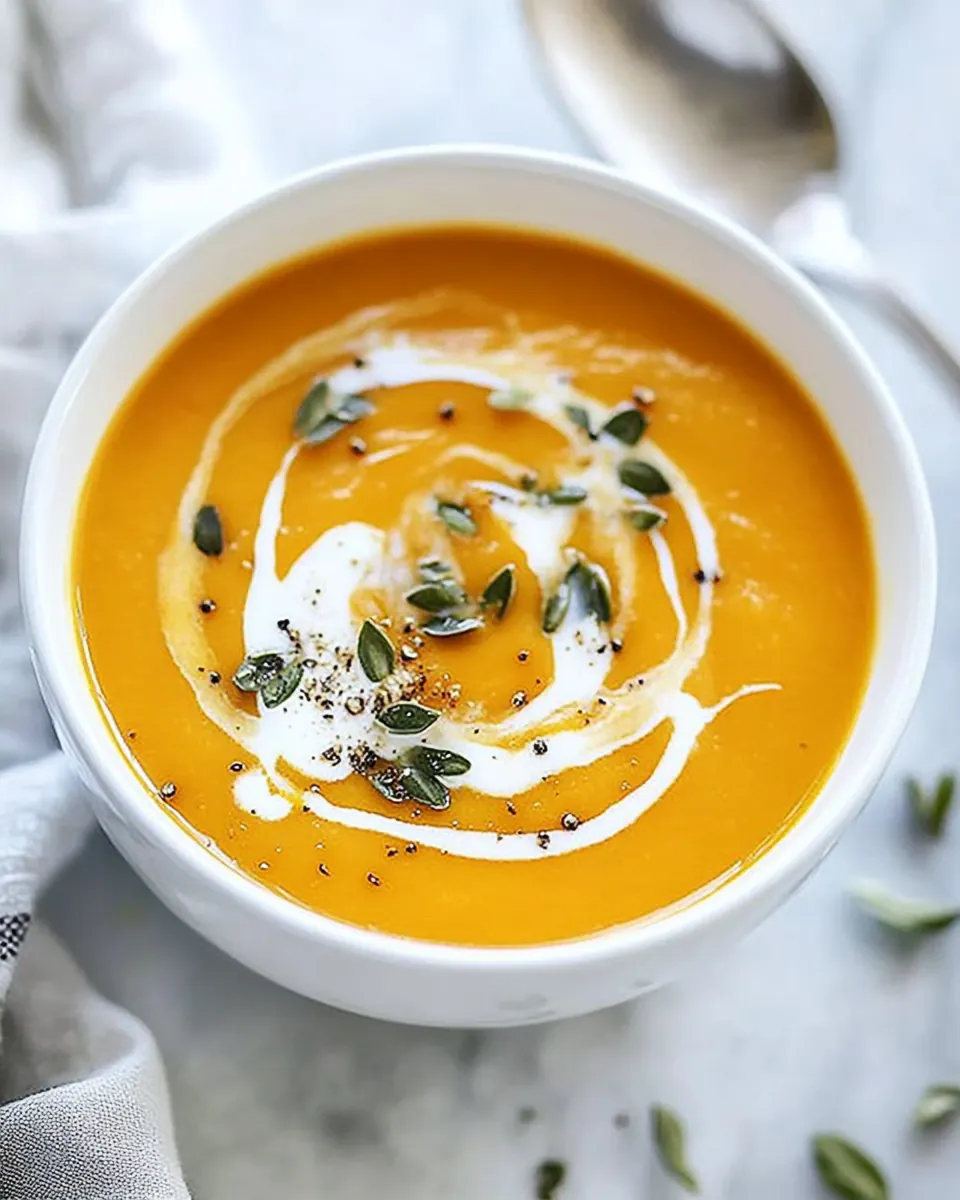
Below I walk you through the full process in a friendly, detailed way so you know what to expect at each stage. I like to keep the instructions sensory and practical, so you can recognize the right visual and olfactory cues as you go. Read each step slowly, and lean on the troubleshooting notes if something feels off.
- Prepare the butternut squash by slicing it into 2 halves, scoop out the seeds, and peel the skin off using a potato peeler or a sharp knife. Peel and dice the sweet potatoes, and do the same with the carrot. Peel and dice an onion, and finally peel and mince the garlic.: Right away you will notice the bright, earthy smell of the peeled butternut squash and the slightly sweet perfume of the sweet potatoes and carrot . The visual cue you want is even, uniform dice, roughly the same size so everything softens uniformly; uneven pieces will finish at different times and create textural inconsistencies. Use a steady cutting board and a sharp knife for clean edges, and keep a bowl nearby for seeds and skins to keep your workspace tidy. One common mistake is rushing the peeling and leaving bits of skin, which can make the soup less smooth after blending. If the squash is slippery, stabilize it by resting the rounded edge on the cutting board to prevent rolling. The tactile sensation of firm flesh turning to tender pieces after cooking is satisfying, and prepping well here makes the rest of the cook effortless.
- Put the vegetables into your slow cooker.: When you add the diced butternut squash , sweet potatoes , carrot , onion , and garlic to the slow cooker, you'll see a patchwork of orange and pale yellow that promises depth of flavor. Arrange them evenly so heat circulates around each piece, avoiding mounded piles that can cook unevenly. The sound is quiet here, a soft settling as the vegetables touch the ceramic insert. Avoid overfilling the cooker; overcrowding can extend cooking time and yield variable textures. A typical problem is adding too much at once, which can leave some pieces undercooked. Give the vegetables a gentle stir to distribute the aromatics and create a uniform base for the stock to infuse through.
- Add the spices, salt, and pepper. And pour in the vegetable stock. Cook on high for 3-4 hours, or low for 6-7 hours.: As you add the cinnamon stick , ground nutmeg , ground black pepper , salt , and the vegetable stock , breathe in the meld of sweet and warming spice notes. The liquid level should barely cover the vegetables, giving you a concentrated flavor; too much liquid dilutes the final texture. Set the cooker to your chosen setting, high for a faster finish or low for a deep, slow infusion. While it simmers there is almost no sound beyond a faint simmer and occasional steam, and the kitchen fills with a gentle, spicy aroma. A common error is failing to check the liquid midcook, which can lead to either a dry bottom or an overly soupy final texture. If the cooker runs too low on liquid, add a splash of warm stock or water partway through to avoid scorching.
- Once the cooking is finished, open the lid and discard the cinnamon stick.: When you lift the lid the first sensory hit is steam and a warm, spiced fragrance that signals the vegetables are fully tender. The visual cue is vegetable pieces that easily collapse when pressed with a spoon. Use tongs or a slotted spoon to fish out the cinnamon stick and discard it; leaving it in can create fibrous strands and an overly strong spice note. Avoid immediately blending while very hot without caution, as hot liquid can splatter. One mistake is blending without removing whole spice pieces first, which can leave stringy bits in the finished soup. Let the pot rest for a few minutes before blending if needed to reduce vigorous bubbling during the puree step.
- Using a hand blender, blend the soup until smooth. Have a taste and see if you would like to adjust any seasonings.: As you blend, you will hear a steady hum and notice the color becoming uniformly golden, while the texture shifts from chunky to pillow soft. The aroma becomes more integrated and rounded as the air incorporates the flavors, and you can test the texture by dipping a spoon to make sure no fibrous bits remain. Tasting at this stage is crucial because the temperature mutes salt and spice, so you may need a touch more salt or a pinch of ground black pepper to brighten the final bowl. A common error is overblending, which can warm the soup excessively and alter mouthfeel; blend in short bursts and pulse until you reach the desired silkiness.
- Prepare your ingredients as explained above, add them to the Instant Pot and cover with the vegetable stock.: If you opt for pressure cooking, the early tactile step of arranging diced butternut squash and other vegetables in the Instant Pot feels compact and efficient. The visual is crowded but organized layers, and the liquid should just cover the pieces for even pressure cooking. Ensuring everything is sitting flat helps the pressure cycle evenly; piling can trap pockets of uneven cooking. A frequent misstep is ignoring the vent and sealing mechanism, which can lead to incomplete pressure build up and undercooked vegetables. Check seals and gaskets for proper placement before starting so the pot reaches consistent pressure.
- Cover with the lid, and set the vent on SEALING position. Press on MANUAL or PRESSURE COOK on high and set on 10 minutes.: When you set the pressure cook program, the pot will make subtle mechanical noises as it builds pressure, and steam will hiss briefly from the valve if not sealed correctly. The wait while it reaches pressure is quieter than stovetop simmering, and then the internal environment rapidly transforms the vegetables into tender, cohesive pieces. The reason the high pressure for 10 minutes works is that it breaks down fibers quickly while preserving bright flavor. A mistake I often caution against is skipping the sealing step, which prevents full pressure and results in underdone vegetables. Always verify the vent is set to sealing and the lid is locked in place before walking away.
- Once the cooking is finished, quickly release the steam and carefully open the lid.: The quick release produces a noticeable rush of steam and a sudden increase in kitchen heat, so use an oven mitt and keep your face and hands back. The visual that follows is a pot of tender vegetables suspended in a fragrant broth. Let the escaping steam pass before leaning over the pot to avoid burns. One problem cooks report is impatience during release, which can cause scalding; always use a utensil to toggle the valve and step back as steam evacuates.
- Discard the cinnamon stick. Using a hand blender, blend the soup until it’s smooth.: After pressure cooking, the act of removing the cinnamon stick and blending yields the same luscious transformation as the slow cooker method. The sound of the blender working through the warm mixture signals progress, and the aroma becomes aromatic and cohesive. To avoid splatter, submerge the head of the blender before running it and pulse gently until silky. A common error is blending too vigorously when the mixture is boiling; pulsing while the soup has cooled slightly gives safer, smoother results.
- Prepare the vegetables, then heat 1 tbsp of olive or canola oil in a pot and saute the onion until it's soft and translucent.: When you choose the stovetop route, heating a tablespoon of oil releases a faint nutty scent and creates a glossy sheen on the pan. Add the diced onion and watch it turn translucent and soft, the edges becoming tender and slightly sweet. This step builds a savory base that deepens the final flavor profile. A frequent misstep is using too high heat, which browns the onion quickly and introduces bitter notes; keep it medium low for gentle sweating rather than browning.
- Add the garlic, and cook for 1 minute or until it's fragrant. Add the rest of the vegetables, vegetable stock and spices/seasonings. Simmer until the vegetables are soft.: The moment you stir in the minced garlic you will smell a bright, savory perfume that blossoms in under a minute. Then add the diced butternut squash , sweet potatoes , and carrot along with the vegetable stock and spices. The pot will come to a gentle bubble and the sound becomes a steady, comforting simmer as flavors meld. Simmering until the vegetables are soft allows starches to break down gradually, enriching the broth. One common mistake is boiling too vigorously, which can cause the vegetables to fall apart unevenly; aim for a gentle simmer and test for fork tenderness.
- Turn off the heat, and using a hand blender, blend until the soup is smooth.: After turning off the burner, give the pot a moment to settle and allow some steam to dissipate. Blending now produces that final velvety texture, and you will notice the aroma intensifying as air incorporates the puréed mixture. The last taste test is your chance to correct salt and pepper, remembering that residual heat slightly mutes seasoning. Avoid overblending which can create a gummy texture; short bursts are best. If the consistency is too thick, add a splash of warm vegetable stock until it reaches your preferred creaminess.
Ways to Customize
This section explores flexible ways to tailor the soup to your pantry and preferences while keeping the core comfort intact. Below are practical tips and tweaks you can use to change texture, intensity, and presentation without altering the recipe’s heart.
- Swap the liquid base — If you want a richer mouthfeel, use a more flavorful low sodium vegetable stock and reduce added salt, or use water if you prefer a lighter base. Adjust seasoning after blending to compensate.
- Adjust sweetness — To make the soup sweeter, keep the skins on the butternut squash while roasting for added caramelization before blending, or add an extra small sweet potato if you prefer a naturally sweeter profile.
- Spice control — Increase the amount of ground black pepper slightly for a bolder finish, or reduce the ground nutmeg if you prefer subtler warm spice notes. Always taste after blending and tweak in small increments.
- Texture tweaks — For a thinner soup, stir in warm vegetable stock a little at a time after blending until you reach your desired pourability. For a thicker, stew like consistency reduce the stock slightly during cooking.
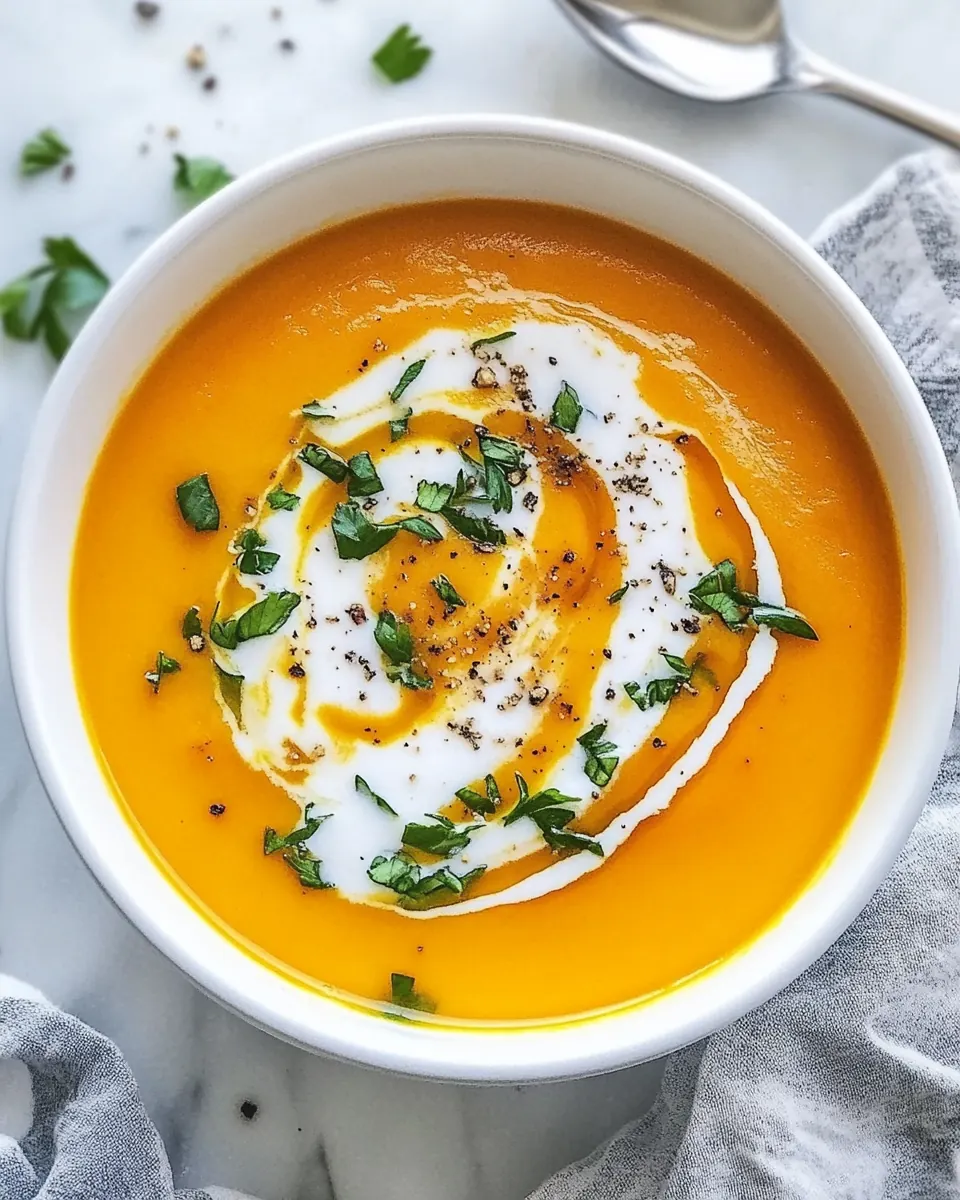
- Garnish variations — Top bowls with a swirl of dairy free cream or coconut cream and sprinkle with seeds for texture contrast. These small additions elevate the presentation and mouthfeel without changing the core recipe.
- Cooking method flexibility — Use the slow cooker for hands off days, stovetop for a more involved approach, or the Instant Pot when you need speed. Each method produces a slightly different aroma and texture but keeps the essential flavor intact.
Serving Ideas for Slow Cooker Butternut Squash Soup
This soup is versatile and suits many occasions from weeknight dinners to festive gatherings. Below are detailed serving ideas, pairing suggestions, and storage notes to help you present it beautifully and enjoy it over several meals.
- Simple Weeknight Bowl — Serve a warm bowl with a piece of crusty bread for dipping. The contrast between the creamy soup and chewy bread makes for a satisfying, quick dinner.
- Comforting Dinner Starter — Offer small portions as a starter before a larger main course. The warm spice and silky texture whet the appetite without filling guests up too much.
- Ramadan and Seasonal Meal — This soup works well as a gentle way to break fast during Ramadan, since it is nourishing and hydrating. Serve with dates and a small savory side for balance.
- Potluck Friendly — Transport in an insulated container and reheat gently on arrival. Provide a ladle and bowls so guests can help themselves; the soup holds temperature and texture well.
- Storage and Make Ahead — Refrigerate in airtight containers for up to 7 days. Reheat gently on the stove with a splash of warm vegetable stock if it seems too thick after chilling. For long term storage, freeze portions and thaw overnight in the fridge before reheating.
- Seasonal Pairings — In fall and winter, pair with roasted root vegetable sides or a crisp salad to contrast the soup’s creaminess. The warming spices and vibrant orange color make it especially fitting for cool weather menus.
- Serving Presentation — Garnish each bowl with a drizzle of coconut cream, a sprinkle of seeds, or a few cracked black pepper flakes for visual appeal and a flavor boost. These finishing touches make the soup feel special without complex work.
FAQ
Conclusion
This Slow Cooker Butternut Squash Soup stands out for its effortless method and creamy, warming flavor that comes from simple pantry ingredients. I encourage you to try it on a cool evening when you want something nourishing that practically cooks itself. It’s forgiving, adaptable, and lovely to share, and I hope it becomes a comforting staple in your rotation.

Slow Cooker Butternut Squash Soup
Equipment
- Slow Cooker
- Hand Blender
- Knife
- Cutting Board
- Instant Pot
- Pot
Ingredients
- 1 large butternut squash diced Peel and dice to provide a sweet, creamy base that thickens the soup as it cooks; roast or sauté first for deeper flavor before slow cooking.
- 2 medium sweet potatoes diced (or 3 small sweet potatoes) Peel and dice to add natural sweetness and body; balances the squash with a slightly earthy flavor and helps create a smooth puree when blended.
- 1 carrot diced Chop finely to contribute subtle sweetness and texture; brightens the soup’s flavor profile and complements the root vegetable richness when softened.
- 1 medium yellow onion diced Dice finely to add savory depth and aromatic foundation; sweat until translucent to release sugars that build the soup’s savory backbone.
- 1 clove garlic minced Mince finely to impart a warm, pungent aroma and savory bite; cook briefly to mellow sharpness and enhance overall flavor complexity.
- 1 cinnamon stick Add whole to infuse warm, sweet-spicy notes slowly; remove before serving to leave a gentle, layered cinnamon character in the broth.
- 1/4 teaspoon ground nutmeg Measure and sprinkle to lend warm, sweet nutty spice; used sparingly to enhance autumnal flavors without overpowering the other vegetables.
- 1/4 teaspoon ground black pepper Grind and add to provide mild heat and aromatic sharpness; helps balance sweetness and brings subtle complexity to the soup’s seasoning.
- 1/2 teaspoon salt Measure and stir in to season and enhance all other flavors; use low-sodium stock so this amount keeps sodium under control while still flavorful.
- 4 cups (1 liter) vegetable stock low sodium (or water) Pour in to create the cooking liquid and control soup consistency; use low-sodium vegetable stock for richer flavor, or water for a lighter, neutral base.
Instructions
- Prepare the butternut squash by slicing it into 2 halves, scoop out the seeds, and peel the skin off using a potato peeler or a sharp knife. Peel and dice the sweet potatoes, and do the same with the carrot. Peel and dice an onion, and finally peel and mince the garlic.: Right away you will notice the bright, earthy smell of the peeled butternut squash and the slightly sweet perfume of the sweet potatoes and carrot . The visual cue you want is even, uniform dice, roughly the same size so everything softens uniformly; uneven pieces will finish at different times and create textural inconsistencies. Use a steady cutting board and a sharp knife for clean edges, and keep a bowl nearby for seeds and skins to keep your workspace tidy. One common mistake is rushing the peeling and leaving bits of skin, which can make the soup less smooth after blending. If the squash is slippery, stabilize it by resting the rounded edge on the cutting board to prevent rolling. The tactile sensation of firm flesh turning to tender pieces after cooking is satisfying, and prepping well here makes the rest of the cook effortless.
- Put the vegetables into your slow cooker.: When you add the diced butternut squash , sweet potatoes , carrot , onion , and garlic to the slow cooker, you'll see a patchwork of orange and pale yellow that promises depth of flavor. Arrange them evenly so heat circulates around each piece, avoiding mounded piles that can cook unevenly. The sound is quiet here, a soft settling as the vegetables touch the ceramic insert. Avoid overfilling the cooker; overcrowding can extend cooking time and yield variable textures. A typical problem is adding too much at once, which can leave some pieces undercooked. Give the vegetables a gentle stir to distribute the aromatics and create a uniform base for the stock to infuse through.
- Add the spices, salt, and pepper. And pour in the vegetable stock. Cook on high for 3-4 hours, or low for 6-7 hours.: As you add the cinnamon stick , ground nutmeg , ground black pepper , salt , and the vegetable stock , breathe in the meld of sweet and warming spice notes. The liquid level should barely cover the vegetables, giving you a concentrated flavor; too much liquid dilutes the final texture. Set the cooker to your chosen setting, high for a faster finish or low for a deep, slow infusion. While it simmers there is almost no sound beyond a faint simmer and occasional steam, and the kitchen fills with a gentle, spicy aroma. A common error is failing to check the liquid midcook, which can lead to either a dry bottom or an overly soupy final texture. If the cooker runs too low on liquid, add a splash of warm stock or water partway through to avoid scorching.
- Once the cooking is finished, open the lid and discard the cinnamon stick.: When you lift the lid the first sensory hit is steam and a warm, spiced fragrance that signals the vegetables are fully tender. The visual cue is vegetable pieces that easily collapse when pressed with a spoon. Use tongs or a slotted spoon to fish out the cinnamon stick and discard it; leaving it in can create fibrous strands and an overly strong spice note. Avoid immediately blending while very hot without caution, as hot liquid can splatter. One mistake is blending without removing whole spice pieces first, which can leave stringy bits in the finished soup. Let the pot rest for a few minutes before blending if needed to reduce vigorous bubbling during the puree step.
- Using a hand blender, blend the soup until smooth. Have a taste and see if you would like to adjust any seasonings.: As you blend, you will hear a steady hum and notice the color becoming uniformly golden, while the texture shifts from chunky to pillow soft. The aroma becomes more integrated and rounded as the air incorporates the flavors, and you can test the texture by dipping a spoon to make sure no fibrous bits remain. Tasting at this stage is crucial because the temperature mutes salt and spice, so you may need a touch more salt or a pinch of ground black pepper to brighten the final bowl. A common error is overblending, which can warm the soup excessively and alter mouthfeel; blend in short bursts and pulse until you reach the desired silkiness.
- Prepare your ingredients as explained above, add them to the Instant Pot and cover with the vegetable stock.: If you opt for pressure cooking, the early tactile step of arranging diced butternut squash and other vegetables in the Instant Pot feels compact and efficient. The visual is crowded but organized layers, and the liquid should just cover the pieces for even pressure cooking. Ensuring everything is sitting flat helps the pressure cycle evenly; piling can trap pockets of uneven cooking. A frequent misstep is ignoring the vent and sealing mechanism, which can lead to incomplete pressure build up and undercooked vegetables. Check seals and gaskets for proper placement before starting so the pot reaches consistent pressure.
- Cover with the lid, and set the vent on SEALING position. Press on MANUAL or PRESSURE COOK on high and set on 10 minutes.: When you set the pressure cook program, the pot will make subtle mechanical noises as it builds pressure, and steam will hiss briefly from the valve if not sealed correctly. The wait while it reaches pressure is quieter than stovetop simmering, and then the internal environment rapidly transforms the vegetables into tender, cohesive pieces. The reason the high pressure for 10 minutes works is that it breaks down fibers quickly while preserving bright flavor. A mistake I often caution against is skipping the sealing step, which prevents full pressure and results in underdone vegetables. Always verify the vent is set to sealing and the lid is locked in place before walking away.
- Once the cooking is finished, quickly release the steam and carefully open the lid.: The quick release produces a noticeable rush of steam and a sudden increase in kitchen heat, so use an oven mitt and keep your face and hands back. The visual that follows is a pot of tender vegetables suspended in a fragrant broth. Let the escaping steam pass before leaning over the pot to avoid burns. One problem cooks report is impatience during release, which can cause scalding; always use a utensil to toggle the valve and step back as steam evacuates.
- Discard the cinnamon stick. Using a hand blender, blend the soup until it’s smooth.: After pressure cooking, the act of removing the cinnamon stick and blending yields the same luscious transformation as the slow cooker method. The sound of the blender working through the warm mixture signals progress, and the aroma becomes aromatic and cohesive. To avoid splatter, submerge the head of the blender before running it and pulse gently until silky. A common error is blending too vigorously when the mixture is boiling; pulsing while the soup has cooled slightly gives safer, smoother results.
- Prepare the vegetables, then heat 1 tbsp of olive or canola oil in a pot and saute the onion until it's soft and translucent.: When you choose the stovetop route, heating a tablespoon of oil releases a faint nutty scent and creates a glossy sheen on the pan. Add the diced onion and watch it turn translucent and soft, the edges becoming tender and slightly sweet. This step builds a savory base that deepens the final flavor profile. A frequent misstep is using too high heat, which browns the onion quickly and introduces bitter notes; keep it medium low for gentle sweating rather than browning.
- Add the garlic, and cook for 1 minute or until it's fragrant. Add the rest of the vegetables, vegetable stock and spices/seasonings. Simmer until the vegetables are soft.: The moment you stir in the minced garlic you will smell a bright, savory perfume that blossoms in under a minute. Then add the diced butternut squash , sweet potatoes , and carrot along with the vegetable stock and spices. The pot will come to a gentle bubble and the sound becomes a steady, comforting simmer as flavors meld. Simmering until the vegetables are soft allows starches to break down gradually, enriching the broth. One common mistake is boiling too vigorously, which can cause the vegetables to fall apart unevenly; aim for a gentle simmer and test for fork tenderness.
- Turn off the heat, and using a hand blender, blend until the soup is smooth.: After turning off the burner, give the pot a moment to settle and allow some steam to dissipate. Blending now produces that final velvety texture, and you will notice the aroma intensifying as air incorporates the puréed mixture. The last taste test is your chance to correct salt and pepper, remembering that residual heat slightly mutes seasoning. Avoid overblending which can create a gummy texture; short bursts are best. If the consistency is too thick, add a splash of warm vegetable stock until it reaches your preferred creaminess.
Notes
- Swap the liquid base — If you want a richer mouthfeel, use a more flavorful low sodium vegetable stock and reduce added salt, or use water if you prefer a lighter base. Adjust seasoning after blending to compensate.
- Adjust sweetness — To make the soup sweeter, keep the skins on the butternut squash while roasting for added caramelization before blending, or add an extra small sweet potato if you prefer a naturally sweeter profile.
- Spice control — Increase the amount of ground black pepper slightly for a bolder finish, or reduce the ground nutmeg if you prefer subtler warm spice notes. Always taste after blending and tweak in small increments.
- Texture tweaks — For a thinner soup, stir in warm vegetable stock a little at a time after blending until you reach your desired pourability. For a thicker, stew like consistency reduce the stock slightly during cooking.
- Garnish variations — Top bowls with a swirl of dairy free cream or coconut cream and sprinkle with seeds for texture contrast. These small additions elevate the presentation and mouthfeel without changing the core recipe.
- Cooking method flexibility — Use the slow cooker for hands off days, stovetop for a more involved approach, or the Instant Pot when you need speed. Each method produces a slightly different aroma and texture but keeps the essential flavor intact.
