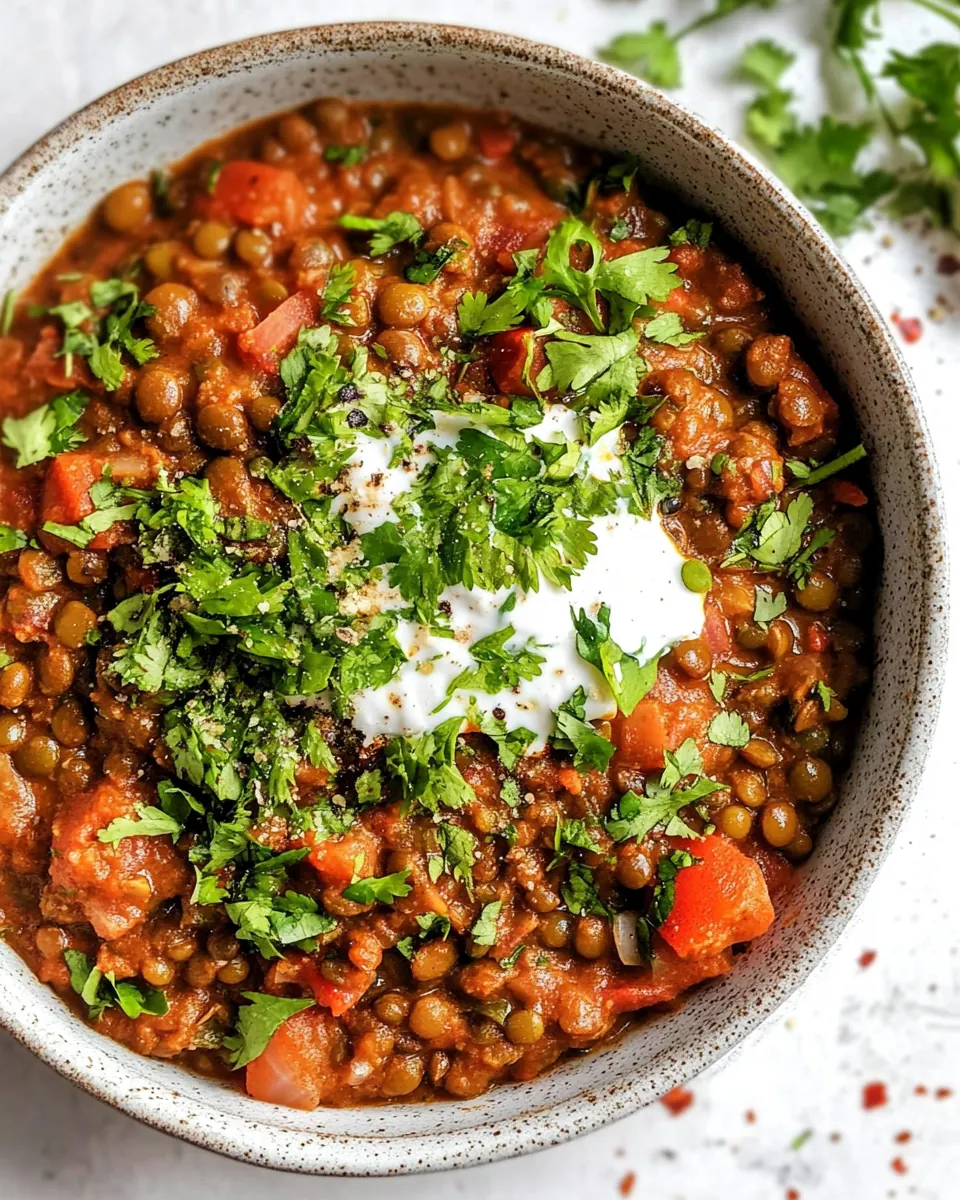
Lentil Curry
Lentil Curry is one of those recipes that feels like home the moment it starts bubbling on the stove. I first made this version on a chilly evening in fall when I needed something both nourishing and full of warmth, and the aroma of toasted spices and coconut milk filled the kitchen like a cozy blanket. I remember stirring a pot and thinking how humble ingredients like lentils and sweet potatoes can transform into something utterly comforting, and that memory keeps me returning to this recipe whenever I want simple, soulful food.
Over the years I’ve tweaked the balance of spices and vegetables, and every iteration has felt like a small discovery. There was a weekend when I doubled the batch for friends, and we ate it with plain yogurt and fluffy basmati rice, trading stories while the curry thickened into a silky, saucy stew. That night taught me how forgiving this dish is, and how well it travels from pot to plate, from weeknight supper to a generous weekend sharing. I tend to reach for the full fat coconut milk because it gives the sauce that luxurious mouthfeel I crave, but I also appreciate how the tomatoes and spices keep the flavor bright.
Recipe Snapshot
1 hr 5 mins
15 mins
50 mins
Medium
400 kcal
Indian
Gluten-Free, Vegan
Dinner
Dutch oven, Wooden spoon, Measuring spoons, Can opener
Why This Lentil Curry Works
Rich, layered flavors without fuss
I love how Lentil Curry builds deep flavor with straightforward steps. Toasting and blooming the spices in butter and olive oil creates an aromatic foundation, and the crushed and fire roasted tomatoes add both body and a smoky brightness that plays against the creamy coconut milk. When I let those flavors mingle, the result is complex but approachable, perfect for evenings when I want something impressive without complicated technique.
Vegetable forward, yet satisfying
This curry highlights hearty vegetables like sweet potatoes and cauliflower, plus the humble protein power of lentils. The textures contrast beautifully: tender lentils, soft sweet potato cubes, and just tender cauliflower. I often appreciate this as a complete meal, and guests rarely ask what else is on the table because it stands on its own.
Flexible and forgiving
One reason I keep this recipe in regular rotation is how forgiving it is. If the curry thickens too fast, a splash of broth brings it back to life. If it needs a brightness lift, a pinch of sugar balances acidity from canned tomatoes. These small adjustments are part of the fun, and they let me adapt based on pantry contents or taste preferences.
Meal prep and leftover magic
I frequently double it because Lentil Curry tastes even better the next day. The flavors deepen overnight, making it ideal for lunches or quick dinners. Reheating gently on the stove revives the texture, and I love the convenience of portioning it over basmati rice for grab and go meals during a busy week.
Accessible ingredients, big payoff
Most components are pantry staples: canned crushed tomatoes, dried lentils, canned coconut milk, and simple spices. That accessibility makes it a reliable dish any time of year, especially in colder months when you want something both nourishing and soul-satisfying.
Ingredients Overview for Lentil Curry
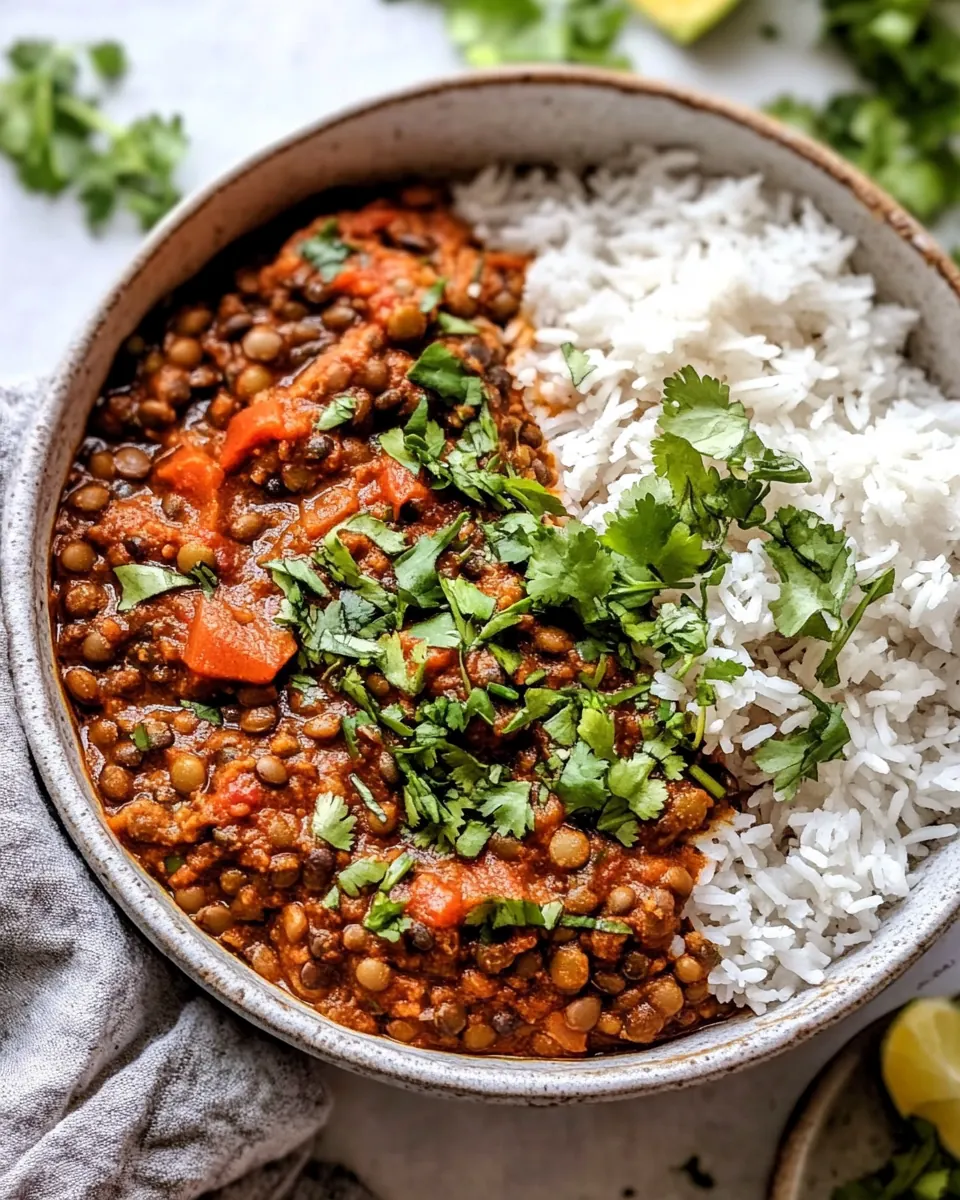
This ingredient list is built for balance and depth. The key players are the lentils for body and protein, the canned tomatoes for acidity and depth, and the full fat coconut milk for creaminess. Aromatics like onion, garlic, and ginger give the curry its warm base, while the spice blend and a touch of butter and olive oil bring everything together.
- 2 tablespoons butter: Melted in the pan to provide a rich, silky base that enhances savory flavors and helps brown aromatics for depth.
- 2 tablespoons olive oil: Used to sauté vegetables and spices, contributing a fruity, peppery flavor while raising the smoke point of butter for cooking.
- 1 yellow onion diced: Diced and softened to build a sweet, aromatic foundation that releases natural sugars when caramelized, enriching the curry base.
- 1 cup diced carrots: Diced and cooked until tender to add natural sweetness, body, and a slight texture contrast in the finished dish.
- 1 red bell pepper chopped into 1/2” pieces: Chopped into 1/2” pieces and added for crisp, sweet notes and vibrant color, balancing the earthier elements in the curry.
- 1 tablespoon freshly grated ginger: Freshly grated to add a bright, spicy, citrusy warmth that brightens the overall flavor and complements garlic and curry spices.
- 4 6 cloves garlic minced: Minced and cooked briefly to contribute pungent, savory depth and aromatic richness that forms the backbone of the curry’s flavor.
- 2 tablespoons curry powder: Added and toasted briefly to release essential oils, creating the characteristic warm, complex curry flavor and aroma.
- 1 1/4 teaspoons salt plus more to taste: Measured and folded into the sauce to season and enhance all flavors, with additional salt suggested to adjust final taste.
- 1 tsp EACH ground cumin, ground coriander, paprika, dried basil: Combined and added to layer earthy, warm, and slightly sweet spice notes that build a complex, balanced curry profile.
- 1/2 tsp EACH turmeric, pepper: Included in small amounts to impart vibrant color, mild bitterness, and subtle warmth while balancing other spices.
- 1/4 tsp EACH ground cinnamon, nutmeg: Sprinkled sparingly to introduce warm, sweet spice accents that complement savory and savory-sweet components in the curry.
- 1/4 1/2 teaspoon cayenne pepper: Adjusted to taste to introduce heat and a sharp, warming finish that can be tailored to preferred spice levels.
- 15 oz . can crushed tomatoes: Poured in to contribute bright tomato sweetness and body, helping create a rich, thick sauce base for the lentils.
- 15 oz . can fire roasted diced tomatoes with juices: Added with juices to provide smoky, roasted tomato flavor and extra texture, enhancing depth and complexity in the sauce.
- 1 cup dried green or brown lentils: Rinsed and cooked with the sauce to provide protein, earthy texture, and the ability to absorb the surrounding flavors.
- 13.5 oz . can quality coconut milk I like Chaokoh: Stirred in to lend a creamy, slightly sweet coconut richness that balances spices and contributes a smooth mouthfeel.
- 3 cups low sodium chicken broth may sub vegetarian broth: Simmered with lentils and vegetables to add savory liquid, enhance flavor, and control the final consistency of the curry.
- 1 teaspoon granulated sugar plus more to taste: Measured and added to balance acidity and round out flavors, with additional sugar optional to taste for harmony.
- 2 cups 1/2-inch cubed, peeled, sweet potatoes: Cubed and cooked until tender to add a sweet, creamy starch that complements the spices and boosts the curry’s heartiness.
- 3 cups cauliflower chopped into small bite size pieces: Chopped and cooked to provide slight crunch and a mild, nutty sweetness that soaks up sauce and adds vegetable bulk.
- 3 tablespoons finely chopped cilantro: Finely chopped and sprinkled at the end to add fresh herbaceous brightness and a pop of green that lifts the finished dish.
- fresh cilantro: Used as a fresh garnish to add vibrant, fragrant herb aroma and bright flavor that contrasts the rich curry.
- plain yogurt don’t skip!: Spoonful added as a cooling, tangy contrast to temper heat, add creaminess, and provide a pleasant acidity to the curry.
- basmati rice: Served alongside as a fluffy, aromatic starch to soak up sauce, balance flavors, and make the meal more filling.
Cooking Instructions for Lentil Curry
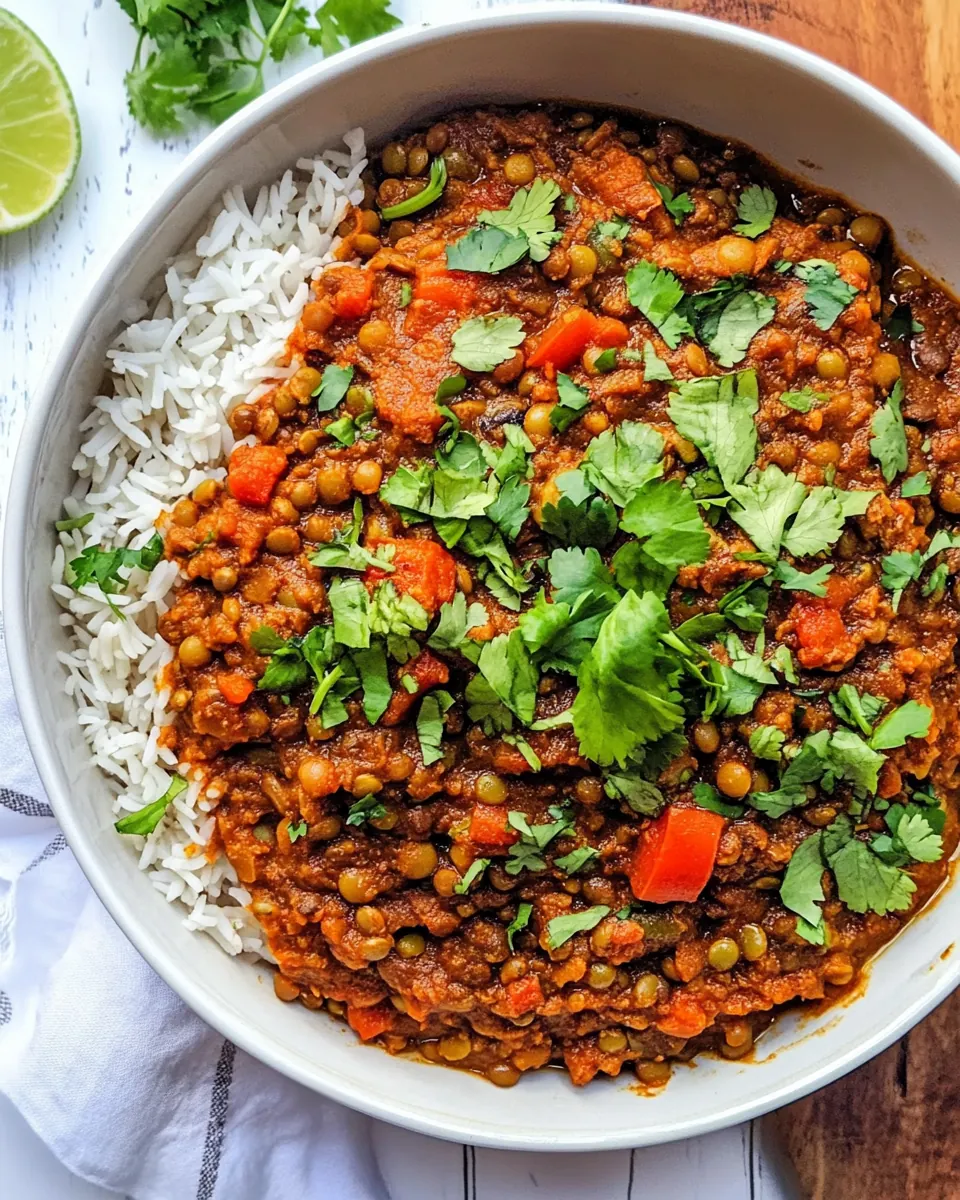
I approach these instructions like a conversation with the pot, listening for visual and aromatic cues as the curry develops. The directions are straightforward, but taking time to notice sizzling, color change, and texture will make a big difference. Keep your tasting spoon nearby, and adjust salt, sugar, or heat in small increments as you go.
- Melt butter in oil in a 4.5 Dutch oven (or larger) over medium heat. Add onions and carrots and cook for 6 minutes. Add bell peppers, ginger, garlic and all spices/seasonings (up to tomatoes) and cook for 2 minutes.: The first breaths of the recipe are aromatic and comforting, with the gentle hiss as the butter and olive oil begin to warm. You should notice a soft shimmer on the oil surface and a rich, nutty aroma from the butter. This mixed fat base raises the smoke point while imparting richness, which helps the spices bloom without burning. Watch the pan carefully, because if it gets too hot the fats will brown and add a bitter note. If that happens, lower the heat and wipe the pan out gently before continuing to avoid those burnt flavors carrying forward.
- Stir in all remaining ingredients up to 'add later.' Cover and bring to a boil. Once boiling, reduce to a gentle simmer over low. Cook, covered, for 15 minutes, stirring halfway through and recovering the pot. After 15 minutes, stir in sweet potatoes, cover and cook for an additional 15 minutes, stirring halfway through.: As the onion and carrots soften, they release a sweet, savory scent that becomes the backbone of the curry. You want the onion translucent and the carrots beginning to yield, not browned. The gentle softening allows the natural sugars to emerge, balancing the spices and tomatoes later. A common mistake is rushing this step with too-high heat, which can char the onion edges; keep it steady and stir occasionally so everything sweats evenly.
- Add the cauliflower and simmer, UNCOVERED, for an additional 5-10 minutes, stirring occasionally, OR until the lentils and potatoes are tender and the curry is thick and creamy. If the curry is too thick, add some broth, if the curry is too thin, continue to simmer uncovered until thickened.: At this moment the pan becomes intensely aromatic, with sharpness from the freshly grated ginger and pungency from the minced garlic . The spices should sizzle softly as they bloom, releasing essential oils that deepen flavor. You will notice the fragrance intensify quickly, which signals that the spice flavors are activating. Avoid leaving them unattended, because burning the garlic or spices in these two minutes can make the whole pot taste acrid. Stir continuously and lower heat if the mixture starts to smoke.
- Stir in the cilantro. Taste and season with additional salt, cayenne or sugar to taste (I like 1/4 tsp more salt and 1/2 tsp more sugar). Serve over basmati rice with a dollop of yogurt.: When you add the canned crushed tomatoes , fire roasted diced tomatoes , dried lentils , coconut milk , and broth , the pot will look dense and colorful, and a gentle simmer will form small bubbles around the edges as it approaches a boil. This stage is about marrying liquid and solids so the lentils start absorbing flavor. Bringing to a boil under a lid speeds the process, but watch so it does not boil over. If it begins to sputter aggressively, lift the lid to regulate and reduce boiling to a gentle bubble.
- Once boiling, reduce to a gentle simmer over low.: The shift to a gentle simmer is where the texture begins to develop, with the surface showing occasional small bubbles and the pot emitting a deeper, more rounded aroma. This low heat lets the lentils cook evenly without breaking apart prematurely, so they thicken the sauce naturally. Maintain a low simmer to avoid violent bubbling, which can break apart the lentils and make the curry gluey. If you see vigorous movement, lower the heat and reposition the lid slightly to control evaporation.
- Cook, covered, for 15 minutes, stirring halfway through and recovering the pot.: During this covered simmer the lentils will absorb much of the liquid and begin to swell, releasing a starchy quality that thickens the curry. The aroma will shift toward a rounded, melded scent. Stirring halfway prevents sticking to the bottom and ensures even cooking. A common oversight is skipping the stir, which can lead to unevenly cooked lentils or scorching on the pot bottom, so use a gentle hand and check the texture when you stir.
- After 15 minutes, stir in sweet potatoes, cover and cook for an additional 15 minutes, stirring halfway through.: Adding the cubed sweet potatoes at this point ensures they cook through without disintegrating. The mixture will look thicker as the lentils have absorbed liquid, and the sweet potatoes will soften to a tender, creamy texture in the allotted time. You should hear a soft simmer and see glossy, plump lentils and potato edges turning translucent. If the sweet potatoes seem underdone after the time, continue simmering gently; if they break apart too much, you likely cut them too small.
- Add the cauliflower and simmer, UNCOVERED, for an additional 5-10 minutes, stirring occasionally, OR until the lentils and potatoes are tender and the curry is thick and creamy.: Uncovering allows excess liquid to evaporate, concentrating flavor and encouraging the sauce to thicken. Adding the cauliflower late preserves its texture, giving tender florets that still hold shape. You should see the sauce reduce slightly, becoming glossy and coat the back of a spoon. If the curry is too thick, stir in small amounts of broth ; if too thin, continue simmering uncovered. Avoid covering too soon, or the curry may retain too much liquid and become soupy.
- If the curry is too thick, add some broth, if the curry is too thin, continue to simmer uncovered until thickened.: The texture adjustments are about control and patience, not dramatic corrections. When you add broth in small splashes, the sauce loosens without losing depth, whereas continued uncovered simmering intensifies flavors and thickens gradually. Taste as you adjust because each addition of liquid dilutes seasoning; correct salt and sugar after textural changes. Overcorrecting by adding a lot of liquid will extend cooking time and can flatten flavors.
- Stir in the cilantro.: Finely chopped cilantro added at the end brings a bright, herbaceous finish that lifts the warm spices. You'll notice a fresh, slightly citrusy scent that contrasts with the creamy base. Stir it in gently to preserve color and aroma. Adding cilantro too early causes it to wilt and lose its vibrant flavor, so reserve it for this final stage.
- Taste and season with additional salt, cayenne or sugar to taste (I like 1/4 tsp more salt and 1/2 tsp more sugar).: Final seasoning is where the dish comes together. The curry should have a balanced interplay of heat, sweet, savory, and acidic notes. I recommend tasting a spoonful and adjusting incrementally, because small changes make big differences. Over-salting or over-sweetening is difficult to reverse, so add cautiously and allow a minute for flavors to meld before re-tasting.
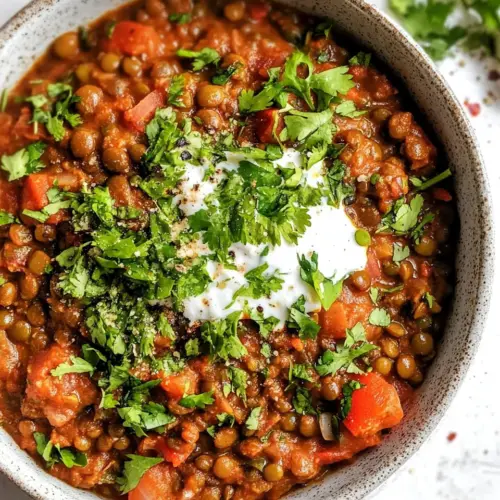
- Serve over basmati rice with a dollop of yogurt.: Serving the warm curry over fluffy basmati rice and topping with a spoonful of plain yogurt provides textural and temperature contrast, with the cooling tang of yogurt mellowing the spices. The rice soaks up the saucy curry and makes for a satisfying bite. If plating for guests, garnish with extra cilantro for color. A common plating mistake is serving while the curry is piping hot without allowing a moment for flavors to settle; letting it rest briefly improves the eating experience.
Helpful Notes about Lentil Curry
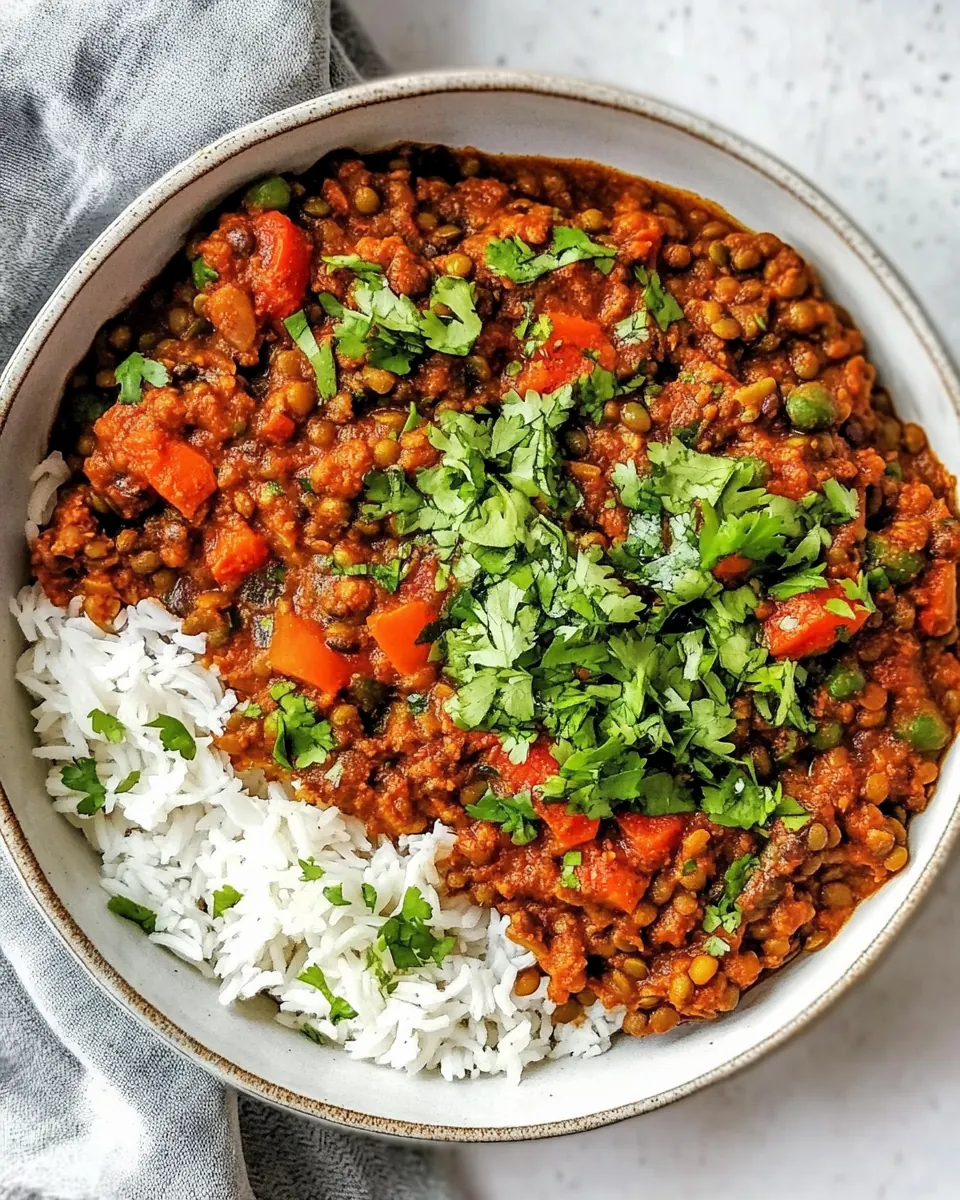
This section expands practical advice, storage guidance, and ways to make the recipe your own. The tips below are based on hands on experience and common questions I get from readers and dinner guests.
- Choose the right lentils Use green or brown lentils for this recipe to ensure they keep their texture during the 30 to 35 minutes of simmering. These varieties absorb flavor without disintegrating, which helps the final curry maintain a pleasing body and avoid becoming mushy.
- Rinse well Always rinse the dried lentils to remove dust and debris before adding them to the pot. A quick rinse in a fine mesh sieve under cold water is enough, and it prevents off flavors or grit in the finished curry.
- Control the heat when blooming spices When you add the curry powder and other ground spices with the aromatics, keep the heat moderate so the spices release aroma without burning. Burned spices will introduce a bitter edge that is difficult to mask later.
- Adjust texture with broth If the curry becomes too thick as it simmers, add warm broth a little at a time until you reach the desired consistency. Conversely, simmer uncovered to reduce and thicken the sauce if it is too thin.
- Use full fat coconut milk Full fat canned coconut milk gives the creamiest, most luxurious mouthfeel. If you use a light version, mix in a tablespoon of cornstarch to help with body, but expect a slightly different flavor and texture.
Best Served With
This curry is versatile when it comes to serving. It works beautifully for casual weeknight dinners, hearty lunches, and special fall gatherings. The following ideas will help you decide how to plate and pair the dish for different occasions.
- Fluffy basmati rice Serve the curry over steaming basmati rice to soak up the sauce and provide a fragrant, neutral base that balances rich flavors. The rice makes the meal feel complete and kid friendly for family dinners.
- Plain yogurt dollop Add a spoonful of plain yogurt on top of each bowl to cool and contrast the warm spices. This is especially welcome for those sensitive to heat and brings a creamy tang that complements the coconut milk.
- Fresh cilantro finish Sprinkle finely chopped cilantro right before serving to add a bright, herbal note and inviting color. It refreshes the palate and elevates presentation for guests or weekdays alike.
- Occasion pairing This dish is ideal for fall dinners and is also lovely for Ramadan if served at iftar due to its comforting warmth and nourishing profile. It scales well for gatherings, so consider doubling the recipe when hosting.
- Storage tips Store in airtight containers in the refrigerator for up to five days. For meal prep, portion into individual containers with rice and refrigerate. Reheat gently on the stove to preserve texture and avoid overcooking the lentils.
- Freezing guidance Freeze in airtight containers for up to three months. Thaw overnight in the fridge before reheating on the stove, and stir well to reincorporate any separated coconut fat for a smooth finish.
- Seasonal pairings Serve this curry in cooler months when hearty stews feel right; its warm spices and creamy base pair well with simple salads or roasted vegetables for a balanced meal.
FAQ
Conclusion
Lentil Curry shines because it turns humble pantry staples into a rich, comforting meal that is both nourishing and flavorful. I encourage you to give it a try for a cozy weeknight dinner or to make ahead for easy lunches, because its layered spices and creamy coconut base reward a little patience. Enjoy the aroma as it simmers, taste and adjust as you go, and savor the way simple ingredients can create something memorable.
Lentil Curry
Equipment
- Dutch Oven
- Wooden Spoon
- Measuring Spoons
- Can opener
Ingredients
- 2 tablespoons butter Melted in the pan to provide a rich, silky base that enhances savory flavors and helps brown aromatics for depth.
- 2 tablespoons olive oil Used to sauté vegetables and spices, contributing a fruity, peppery flavor while raising the smoke point of butter for cooking.
- 1 yellow onion diced Diced and softened to build a sweet, aromatic foundation that releases natural sugars when caramelized, enriching the curry base.
- 1 cup diced carrots Diced and cooked until tender to add natural sweetness, body, and a slight texture contrast in the finished dish.
- 1 red bell pepper chopped into 1/2” pieces Chopped into 1/2” pieces and added for crisp, sweet notes and vibrant color, balancing the earthier elements in the curry.
- 1 tablespoon freshly grated ginger Freshly grated to add a bright, spicy, citrusy warmth that brightens the overall flavor and complements garlic and curry spices.
- 4 -6 cloves garlic minced Minced and cooked briefly to contribute pungent, savory depth and aromatic richness that forms the backbone of the curry’s flavor.
- 2 tablespoons curry powder Added and toasted briefly to release essential oils, creating the characteristic warm, complex curry flavor and aroma.
- 1 1/4 teaspoons salt plus more to taste Measured and folded into the sauce to season and enhance all flavors, with additional salt suggested to adjust final taste.
- 1 tsp EACH ground cumin, ground coriander, paprika, dried basil Combined and added to layer earthy, warm, and slightly sweet spice notes that build a complex, balanced curry profile.
- 1/2 tsp EACH turmeric, pepper Included in small amounts to impart vibrant color, mild bitterness, and subtle warmth while balancing other spices.
- 1/4 tsp EACH ground cinnamon, nutmeg Sprinkled sparingly to introduce warm, sweet spice accents that complement savory and savory-sweet components in the curry.
- 1/4 -1/2 teaspoon cayenne pepper Adjusted to taste to introduce heat and a sharp, warming finish that can be tailored to preferred spice levels.
- 15 oz . can crushed tomatoes Poured in to contribute bright tomato sweetness and body, helping create a rich, thick sauce base for the lentils.
- 15 oz . can fire roasted diced tomatoes with juices Added with juices to provide smoky, roasted tomato flavor and extra texture, enhancing depth and complexity in the sauce.
- 1 cup dried green or brown lentils Rinsed and cooked with the sauce to provide protein, earthy texture, and the ability to absorb the surrounding flavors.
- 13.5 oz . can quality coconut milk I like Chaokoh Stirred in to lend a creamy, slightly sweet coconut richness that balances spices and contributes a smooth mouthfeel.
- 3 cups low sodium chicken broth may sub vegetarian broth Simmered with lentils and vegetables to add savory liquid, enhance flavor, and control the final consistency of the curry.
- 1 teaspoon granulated sugar plus more to taste Measured and added to balance acidity and round out flavors, with additional sugar optional to taste for harmony.
- 2 cups 1/2-inch cubed, peeled, sweet potatoes Cubed and cooked until tender to add a sweet, creamy starch that complements the spices and boosts the curry’s heartiness.
- 3 cups cauliflower chopped into small bite size pieces Chopped and cooked to provide slight crunch and a mild, nutty sweetness that soaks up sauce and adds vegetable bulk.
- 3 tablespoons finely chopped cilantro Finely chopped and sprinkled at the end to add fresh herbaceous brightness and a pop of green that lifts the finished dish.
- fresh cilantro Used as a fresh garnish to add vibrant, fragrant herb aroma and bright flavor that contrasts the rich curry.
- plain yogurt don’t skip! Spoonful added as a cooling, tangy contrast to temper heat, add creaminess, and provide a pleasant acidity to the curry.
- basmati rice Served alongside as a fluffy, aromatic starch to soak up sauce, balance flavors, and make the meal more filling.
Instructions
- Melt butter in oil in a 4.5 Dutch oven (or larger) over medium heat. Add onions and carrots and cook for 6 minutes. Add bell peppers, ginger, garlic and all spices/seasonings (up to tomatoes) and cook for 2 minutes.: The first breaths of the recipe are aromatic and comforting, with the gentle hiss as the butter and olive oil begin to warm. You should notice a soft shimmer on the oil surface and a rich, nutty aroma from the butter. This mixed fat base raises the smoke point while imparting richness, which helps the spices bloom without burning. Watch the pan carefully, because if it gets too hot the fats will brown and add a bitter note. If that happens, lower the heat and wipe the pan out gently before continuing to avoid those burnt flavors carrying forward.
- Stir in all remaining ingredients up to 'add later.' Cover and bring to a boil. Once boiling, reduce to a gentle simmer over low. Cook, covered, for 15 minutes, stirring halfway through and recovering the pot. After 15 minutes, stir in sweet potatoes, cover and cook for an additional 15 minutes, stirring halfway through.: As the onion and carrots soften, they release a sweet, savory scent that becomes the backbone of the curry. You want the onion translucent and the carrots beginning to yield, not browned. The gentle softening allows the natural sugars to emerge, balancing the spices and tomatoes later. A common mistake is rushing this step with too-high heat, which can char the onion edges; keep it steady and stir occasionally so everything sweats evenly.
- Add the cauliflower and simmer, UNCOVERED, for an additional 5-10 minutes, stirring occasionally, OR until the lentils and potatoes are tender and the curry is thick and creamy. If the curry is too thick, add some broth, if the curry is too thin, continue to simmer uncovered until thickened.: At this moment the pan becomes intensely aromatic, with sharpness from the freshly grated ginger and pungency from the minced garlic . The spices should sizzle softly as they bloom, releasing essential oils that deepen flavor. You will notice the fragrance intensify quickly, which signals that the spice flavors are activating. Avoid leaving them unattended, because burning the garlic or spices in these two minutes can make the whole pot taste acrid. Stir continuously and lower heat if the mixture starts to smoke.
- Stir in the cilantro. Taste and season with additional salt, cayenne or sugar to taste (I like 1/4 tsp more salt and 1/2 tsp more sugar). Serve over basmati rice with a dollop of yogurt.: When you add the canned crushed tomatoes , fire roasted diced tomatoes , dried lentils , coconut milk , and broth , the pot will look dense and colorful, and a gentle simmer will form small bubbles around the edges as it approaches a boil. This stage is about marrying liquid and solids so the lentils start absorbing flavor. Bringing to a boil under a lid speeds the process, but watch so it does not boil over. If it begins to sputter aggressively, lift the lid to regulate and reduce boiling to a gentle bubble.
- Once boiling, reduce to a gentle simmer over low.: The shift to a gentle simmer is where the texture begins to develop, with the surface showing occasional small bubbles and the pot emitting a deeper, more rounded aroma. This low heat lets the lentils cook evenly without breaking apart prematurely, so they thicken the sauce naturally. Maintain a low simmer to avoid violent bubbling, which can break apart the lentils and make the curry gluey. If you see vigorous movement, lower the heat and reposition the lid slightly to control evaporation.
- Cook, covered, for 15 minutes, stirring halfway through and recovering the pot.: During this covered simmer the lentils will absorb much of the liquid and begin to swell, releasing a starchy quality that thickens the curry. The aroma will shift toward a rounded, melded scent. Stirring halfway prevents sticking to the bottom and ensures even cooking. A common oversight is skipping the stir, which can lead to unevenly cooked lentils or scorching on the pot bottom, so use a gentle hand and check the texture when you stir.
- After 15 minutes, stir in sweet potatoes, cover and cook for an additional 15 minutes, stirring halfway through.: Adding the cubed sweet potatoes at this point ensures they cook through without disintegrating. The mixture will look thicker as the lentils have absorbed liquid, and the sweet potatoes will soften to a tender, creamy texture in the allotted time. You should hear a soft simmer and see glossy, plump lentils and potato edges turning translucent. If the sweet potatoes seem underdone after the time, continue simmering gently; if they break apart too much, you likely cut them too small.
- Add the cauliflower and simmer, UNCOVERED, for an additional 5-10 minutes, stirring occasionally, OR until the lentils and potatoes are tender and the curry is thick and creamy.: Uncovering allows excess liquid to evaporate, concentrating flavor and encouraging the sauce to thicken. Adding the cauliflower late preserves its texture, giving tender florets that still hold shape. You should see the sauce reduce slightly, becoming glossy and coat the back of a spoon. If the curry is too thick, stir in small amounts of broth ; if too thin, continue simmering uncovered. Avoid covering too soon, or the curry may retain too much liquid and become soupy.
- If the curry is too thick, add some broth, if the curry is too thin, continue to simmer uncovered until thickened.: The texture adjustments are about control and patience, not dramatic corrections. When you add broth in small splashes, the sauce loosens without losing depth, whereas continued uncovered simmering intensifies flavors and thickens gradually. Taste as you adjust because each addition of liquid dilutes seasoning; correct salt and sugar after textural changes. Overcorrecting by adding a lot of liquid will extend cooking time and can flatten flavors.
- Stir in the cilantro.: Finely chopped cilantro added at the end brings a bright, herbaceous finish that lifts the warm spices. You'll notice a fresh, slightly citrusy scent that contrasts with the creamy base. Stir it in gently to preserve color and aroma. Adding cilantro too early causes it to wilt and lose its vibrant flavor, so reserve it for this final stage.
- Taste and season with additional salt, cayenne or sugar to taste (I like 1/4 tsp more salt and 1/2 tsp more sugar).: Final seasoning is where the dish comes together. The curry should have a balanced interplay of heat, sweet, savory, and acidic notes. I recommend tasting a spoonful and adjusting incrementally, because small changes make big differences. Over-salting or over-sweetening is difficult to reverse, so add cautiously and allow a minute for flavors to meld before re-tasting.
- Serve over basmati rice with a dollop of yogurt.: Serving the warm curry over fluffy basmati rice and topping with a spoonful of plain yogurt provides textural and temperature contrast, with the cooling tang of yogurt mellowing the spices. The rice soaks up the saucy curry and makes for a satisfying bite. If plating for guests, garnish with extra cilantro for color. A common plating mistake is serving while the curry is piping hot without allowing a moment for flavors to settle; letting it rest briefly improves the eating experience.
Notes
- Choose the right lentils Use green or brown lentils for this recipe to ensure they keep their texture during the 30 to 35 minutes of simmering. These varieties absorb flavor without disintegrating, which helps the final curry maintain a pleasing body and avoid becoming mushy.
- Rinse well Always rinse the dried lentils to remove dust and debris before adding them to the pot. A quick rinse in a fine mesh sieve under cold water is enough, and it prevents off flavors or grit in the finished curry.
- Control the heat when blooming spices When you add the curry powder and other ground spices with the aromatics, keep the heat moderate so the spices release aroma without burning. Burned spices will introduce a bitter edge that is difficult to mask later.
- Adjust texture with broth If the curry becomes too thick as it simmers, add warm broth a little at a time until you reach the desired consistency. Conversely, simmer uncovered to reduce and thicken the sauce if it is too thin.
- Use full fat coconut milk Full fat canned coconut milk gives the creamiest, most luxurious mouthfeel. If you use a light version, mix in a tablespoon of cornstarch to help with body, but expect a slightly different flavor and texture.
