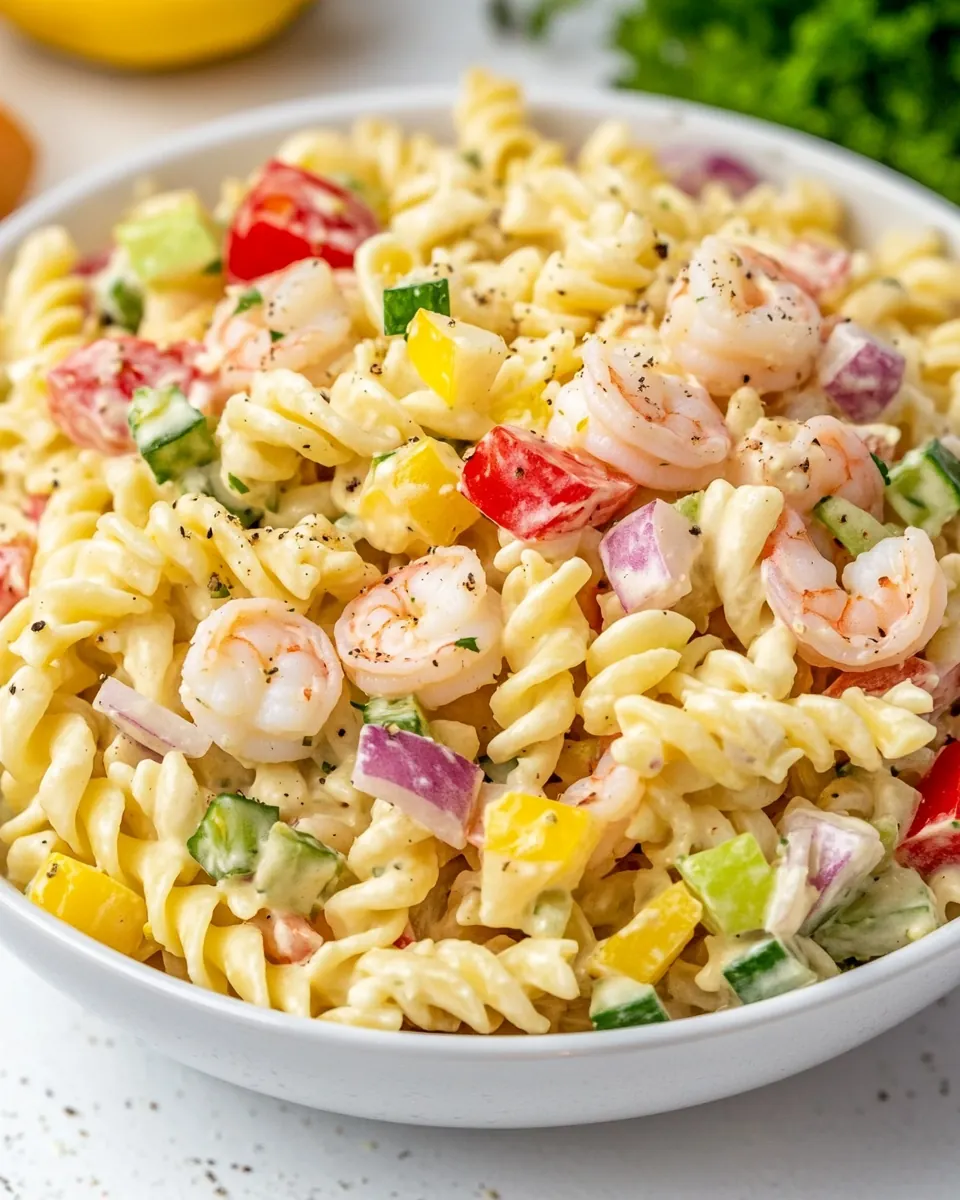
Shrimp Pasta Salad
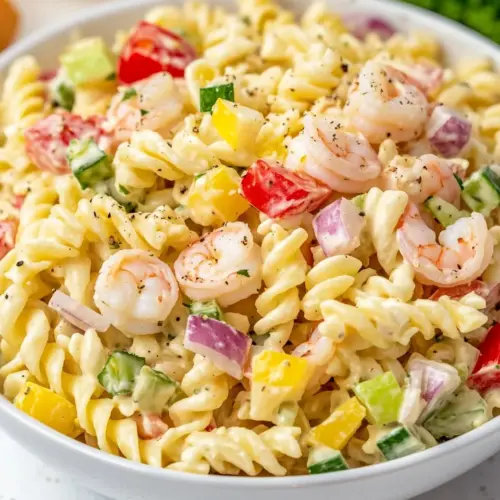
Shrimp Pasta Salad is one of those recipes I reach for when the day demands something cool, creamy, and effortless. The first time I made it I was juggling a last minute picnic and a box of mixed emotions, and this dish rescued both the meal and my mood. The familiar snap of celery, the tender little bites of shrimp, and the soft, plump pasta felt like a small celebration in a bowl. I remember stirring the dressing and thinking how a few pantry staples could feel so indulgent.
Over the years I’ve tweaked the balance of tang and cream, learning when to let the flavors rest together and when to serve it immediately for more snap. This recipe has shown up at neighborhood potlucks, casual weeknight dinners, and lazy weekend lunches. When guests ask what I brought, I say it’s a simple thing done well, and they always want the recipe. I love that it travels well, and it stays reliably bright when chilled properly.
Recipe Snapshot
20 mins
10 mins
10 mins
Easy
350 kcal
American
Gluten-Free, Low FODMAP
Salads
Large mixing bowl, Whisk
Why This Shrimp Pasta Salad Is a Winner
Comforting yet refreshing
I adore how Shrimp Pasta Salad manages to be both creamy and light. The creamy dressing coats each piece of macaroni so you get richness without heaviness, and the chilled temperature keeps it feeling refreshing, especially in summer heat. I often tell friends this is the kind of dish that comforts without weighing you down.
Fast and forgiving
One reason I come back to this salad is how forgiving it is. If you slightly overcook the pasta, rinsing under cold water stops carryover cooking and keeps the texture right. The flavors also mellow in the fridge, so making it a few hours ahead usually improves the final result. I rely on this when life is busy because it’s hard to ruin.
Textural contrast
The little crunch from diced celery and the crisp bite of raw red onion provide contrast against the tender shrimp and soft pasta. I love that the salad never feels monotonous. These contrasts make every forkful interesting, and they help balance the creamy dressing so every bite has depth.
Customizable and crowd friendly
I value recipes that adapt to what I have on hand. This salad works with different small pastas, and you can choose full fat mayonnaise or swap some sour cream for Greek yogurt for a tangier profile. It scales well, so whether I’m serving six or using it as a side for a larger gathering, the proportions hold up.
Reliable flavor anchor
The simple dressing of mayonnaise, sour cream, Dijon mustard, lemon, and dill ties everything together. It’s bright, slightly tangy, and herbal, which complements the delicate shrimp rather than overpowering it. For me, that balance is what keeps this recipe in regular rotation.
Shrimp Pasta Salad Shopping List
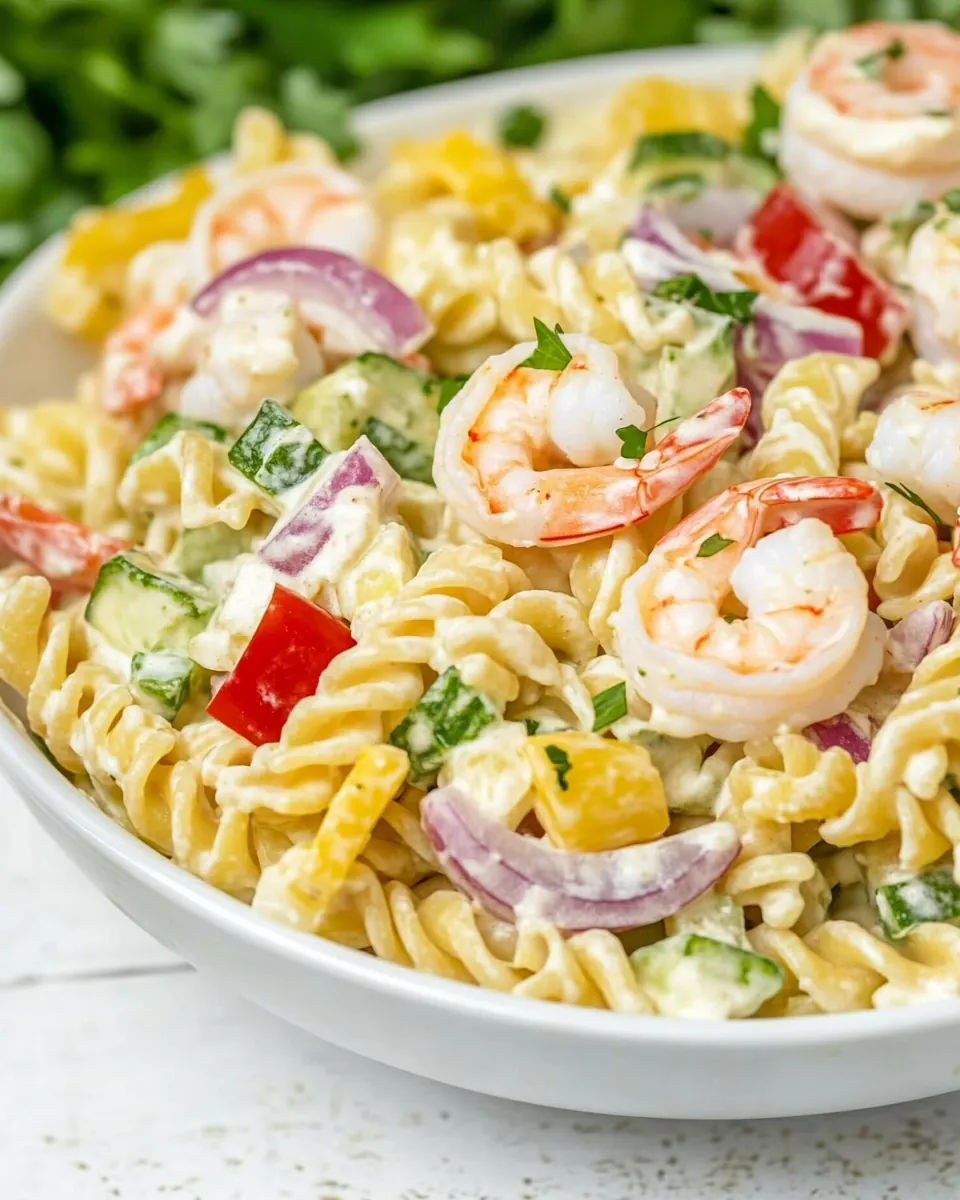
These ingredients form a clear, classic ensemble built for texture and flavor harmony. The key players are the tender shrimp and the small shaped pasta, which act as the foundations. Crunchy elements like celery and bell pepper introduce fresh contrast, while the creamy dressing components round everything into a cohesive whole. I pick ingredients that hold up when chilled, so the salad is satisfying from the first bite to the last.
- 3 cup s/12 oz. (340 g) elbow macaroni pasta or any small shape pasta: Cooked until tender to provide a sturdy, neutral base that holds dressing and other mix-ins; contributes bulk and texture to the salad and absorbs flavors from the dressing when cooled.
- 1 pound (450 g) frozen pre-cooked salad shrimp thawed and drained, see note 1: Added thawed and drained to supply savory seafood flavor and protein; offers a tender, slightly sweet bite that complements the creamy dressing and pasta.
- 1 cup diced celery: Chopped finely to add crisp, watery crunch and a mild, slightly peppery flavor; helps lighten the richness of the dressing and adds bright texture contrast.
- 1 bell pepper diced: Diced to contribute sweet, juicy, and slightly crisp bites with mild vegetal flavor; provides color contrast and a fresh pop that balances the creamy components.
- 1/2 small red onion finely diced: Minced very finely to impart a sharp, pungent bite and subtle sweetness when raw; enhances overall flavor complexity and pairs well with mayonnaise-based dressings.
- 1 cup mayonnaise full-fat: Used as the creamy, rich base to bind components and create a smooth dressing; supplies fat and mouthfeel while mellowing acidic and herbal notes.
- 1 cup sour cream or plain Greek yogurt: Combined as a tangy, creamy binder alternatively or with yogurt to add brightness and a slight tang; lightens texture while contributing creaminess and acidity balance.
- 1 tablespoon Dijon mustard: Stirred in to introduce sharp, piquant flavor and slight acidity that lifts the dressing; helps emulsify the mayonnaise and sour cream for a cohesive salad coating.
- 1 teaspoon lemon juice freshly squeezed: Squeezed fresh to add bright, clean acidity that balances richness and enhances other flavors; provides a light citrus note that prevents the salad from tasting heavy.
- 2 tablespoons chopped fresh dill: Chopped fresh to impart aromatic, herbaceous, and slightly anise-like notes; contributes freshness and green flavor that complements seafood and creamy dressing.
- 1/2 teaspoon salt: Sprinkled in to season and enhance overall flavors while controlling saltiness; critical for balancing sweetness, acidity, and creaminess in the finished salad.
- 1/4 teaspoon ground black pepper: Ground and added sparingly to introduce mild heat and earthy aroma; rounds out seasoning by providing subtle bite and contrast to creamy elements.
Recipe Steps for Shrimp Pasta Salad
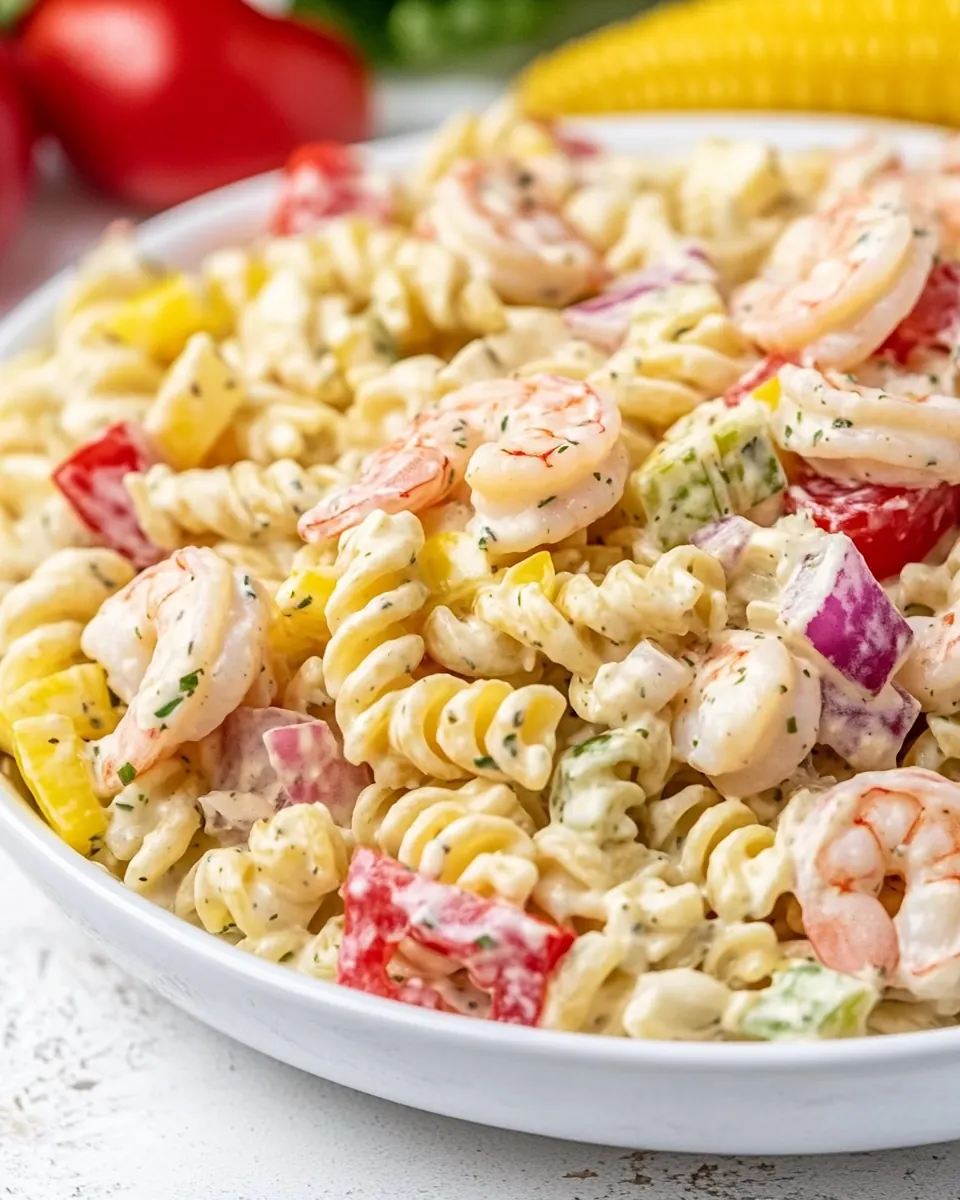
This salad comes together with a few simple moves, and the payoff is a harmonious bowl of creamy, crunchy, and bright flavors. Below I expand each direction into experiential steps so you can follow confidently, notice the cues, and avoid common pitfalls.
- Cook macaroni in salted water according to the package instructions. Most small pastas will be ready in 10-12 minutes. Drain and rinse under cold water to stop the cooking process.: You will hear a gentle rolling boil and see the pasta swirl freely, that tells you the pot has enough room for even cooking. The salted water seasons the pasta from within which matters because plain pasta can taste flat once combined with the dressing. As it cooks, test a piece for al dente texture, which should be tender with a slight bite in the center. A common mistake is overcooking, which leads to mushy salad once chilled, so start checking a few minutes before the lower end of the package time. When the texture is right, drain immediately; lingering in hot water will make the pieces gummy.
- As the pasta is being cooked, make the dressing: In a bowl, combine mayo with sour cream, dijon mustard, lemon juice, dill, salt and pepper. Whisk to combine.: After draining, rinse the pasta under cold running water until it feels room temperature, this halts carryover cooking and cools the pasta for mixing. The rinse also removes excess surface starch, preventing clumps and keeping the salad light rather than gluey. You should see the water run clear, and the pasta will feel firm to the bite yet cool to the touch. Avoid leaving it under water too long or the pasta can become waterlogged, which dilutes the dressing and reduces flavor concentration.
- In a large bowl, combine the cooked pasta with small salad shrimp, celery, bell pepper, and red onion. Dress the salad and give everything a stir until well combined. Garnish with additional fresh dill if desired.: In a bowl, combine mayo with sour cream, dijon mustard, lemon juice, dill, salt and pepper : Mixing the dressing while the pasta cooks is efficient and helps flavors meld slightly before assembly. Whisk until the mixture is glossy and uniform, you should smell the fresh brightness of lemon and the herbaceous note of dill . This emulsion coats each ingredient better than a hastily stirred dressing. A typical error is under seasoning, so taste and adjust salt or acid; the dressing should be lively enough to stand up to the cold shrimp and crunchy vegetables.
- Cover and chill until you’re ready to serve.: When combining, toss gently so you maintain the integrity of the tender shrimp and avoid mashing the pasta . The visual cue is a uniformly mixed bowl where colors are distributed and you can see tiny flecks of dill . The sound is quiet, just soft clinking of utensils, and the texture should look varied with crunchy vegetables and soft proteins. Watch out for oversized pieces of shrimp which can dominate bites; smaller or chopped pieces deliver better balance.
- Dress the salad and give everything a stir until well combined: After adding the dressing, stir until each piece is lightly coated and the salad glistens. This is when the fragrance of lemon and dill becomes prominent, and you should taste a marriage of creamy tang and fresh herbs. Use a gentle folding motion to avoid crushing the ingredients. A common mistake here is overdressing, which can make the salad heavy and mask the delicate shrimp flavor. Add dressing gradually and stop when the mixture looks evenly coated rather than swimming.
- Garnish with additional fresh dill if desired: A final sprinkle of chopped dill brightens the aroma and provides a fresh green contrast on the surface. Visually it signals freshness, and the scent of herb will be the first thing guests notice when you lift the lid. Be mindful to chop the dill finely so it disperses rather than clumping, and avoid adding too much which can tip the salad towards an herb forward profile.
- Cover and chill until you’re ready to serve: Chilling allows flavors to marry and the dressing to settle into the pasta and vegetables, leading to a more cohesive bite. You should cool the salad for at least 30 minutes, though a few hours often yields better flavor. The bowl will lose some sheen as it chills but the flavor will deepen. Do not leave the salad at room temperature for long periods, especially on warm days, as the dairy and seafood components are perishable and are best kept refrigerated until serving.
Tips and Variations
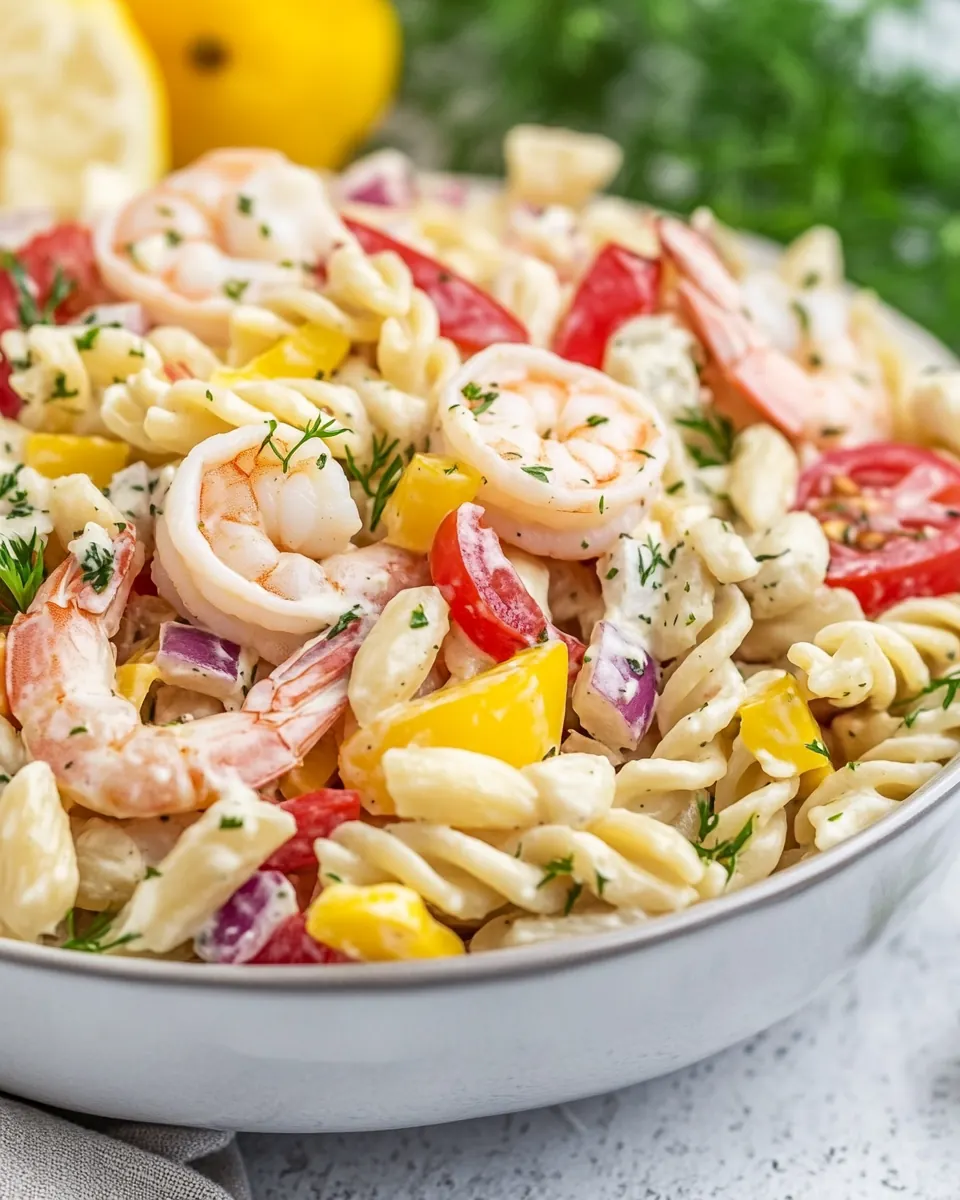
This section offers practical adjustments and ideas to make Shrimp Pasta Salad work for your pantry and occasion. Below are expanded tips and variations to guide texture, flavor, and storage choices.
- Tip 1: Use appropriately sized shrimp, between 150 to 200 count per pound works great because the smaller pieces distribute evenly and deliver consistent flavor in every bite.
- Tip 2: If you prefer a tangier dressing, replace part of the sour cream with plain Greek yogurt, which adds acidity and protein while keeping the dressing creamy.
- Tip 3: To mellow raw onion bite, soak the diced red onion in ice water for 20 minutes, then drain well to preserve crunch while removing sharpness.
- Tip 4: Make ahead by assembling the salad up to two days early but only toss with half the dressing, storing the remainder separately to refresh the salad before serving.
- Tip 5: For best texture, cook the pasta to al dente and immediately rinse under cold water to stop cooking and prevent stickiness.
- Tip 6: If fresh dill is unavailable, use 2 teaspoons of dried dill weed rather than tablespoons, because dried herbs are more concentrated and can overpower the salad.
What to Pair With Shrimp Pasta Salad
Shrimp Pasta Salad is versatile for meals and occasions, whether you serve it for a relaxed lunch or bring it to a summer barbecue. The following suggestions cover side dishes, serving styles, and storage ideas to help you plan a cohesive meal.
- Serve chilled as a main for casual lunches: Pair with crisp green leaves or sliced tomatoes for a light, balanced midday meal that is satisfying without being heavy.
- As a side for weekend dinners: Offer alongside grilled vegetables or a simple roasted protein to add a cool, creamy contrast to warm dishes, perfect for informal meals with friends.
- At picnics and potlucks: Keep the salad covered and refrigerated until transport, and present it in a wide shallow bowl so guests can serve easily. Bring extra dressing in a small jar to refresh the salad if needed.
- Storage tips: Store leftovers in an airtight container in the refrigerator for up to three days. If the salad seems dry after chilling, stir in a bit of the reserved dressing to revive creaminess before serving.
- Seasonal pairings: This salad shines in summer, accompanied by fresh fruit platters or chilled soups, and it works well for holiday buffets where a lighter option is welcome between richer dishes.
- Presentation styles: Serve in individual mason jars for a casual, portable option, or mound it on a large platter and garnish with extra chopped dill for a more formal display.
FAQ
Conclusion
This Shrimp Pasta Salad stands out because it balances creamy dressing, tender shrimp, and crisp vegetables in a way that is both comforting and refreshing. I encourage you to give it a try the next time you need an effortless, crowd pleasing dish, whether for a picnic, potluck, or a relaxed family meal. It’s adaptable, quick to pull together, and rewards a little make ahead care with deeper flavor. Enjoy the simplicity and the bright notes of lemon and dill that make every bite sing.
Shrimp Pasta Salad
Equipment
- Large Mixing Bowl
- Whisk
Ingredients
- 3 cup s/12 oz. (340 g) elbow macaroni pasta or any small shape pasta Cooked until tender to provide a sturdy, neutral base that holds dressing and other mix-ins; contributes bulk and texture to the salad and absorbs flavors from the dressing when cooled.
- 1 pound (450 g) frozen pre-cooked salad shrimp thawed and drained, see note 1 Added thawed and drained to supply savory seafood flavor and protein; offers a tender, slightly sweet bite that complements the creamy dressing and pasta.
- 1 cup diced celery Chopped finely to add crisp, watery crunch and a mild, slightly peppery flavor; helps lighten the richness of the dressing and adds bright texture contrast.
- 1 bell pepper diced Diced to contribute sweet, juicy, and slightly crisp bites with mild vegetal flavor; provides color contrast and a fresh pop that balances the creamy components.
- 1/2 small red onion finely diced Minced very finely to impart a sharp, pungent bite and subtle sweetness when raw; enhances overall flavor complexity and pairs well with mayonnaise-based dressings.
- 1 cup mayonnaise full-fat Used as the creamy, rich base to bind components and create a smooth dressing; supplies fat and mouthfeel while mellowing acidic and herbal notes.
- 1 cup sour cream or plain Greek yogurt Combined as a tangy, creamy binder alternatively or with yogurt to add brightness and a slight tang; lightens texture while contributing creaminess and acidity balance.
- 1 tablespoon Dijon mustard Stirred in to introduce sharp, piquant flavor and slight acidity that lifts the dressing; helps emulsify the mayonnaise and sour cream for a cohesive salad coating.
- 1 teaspoon lemon juice freshly squeezed Squeezed fresh to add bright, clean acidity that balances richness and enhances other flavors; provides a light citrus note that prevents the salad from tasting heavy.
- 2 tablespoons chopped fresh dill Chopped fresh to impart aromatic, herbaceous, and slightly anise-like notes; contributes freshness and green flavor that complements seafood and creamy dressing.
- 1/2 teaspoon salt Sprinkled in to season and enhance overall flavors while controlling saltiness; critical for balancing sweetness, acidity, and creaminess in the finished salad.
- 1/4 teaspoon ground black pepper Ground and added sparingly to introduce mild heat and earthy aroma; rounds out seasoning by providing subtle bite and contrast to creamy elements.
Instructions
- Cook macaroni in salted water according to the package instructions. Most small pastas will be ready in 10-12 minutes. Drain and rinse under cold water to stop the cooking process.: You will hear a gentle rolling boil and see the pasta swirl freely, that tells you the pot has enough room for even cooking. The salted water seasons the pasta from within which matters because plain pasta can taste flat once combined with the dressing. As it cooks, test a piece for al dente texture, which should be tender with a slight bite in the center. A common mistake is overcooking, which leads to mushy salad once chilled, so start checking a few minutes before the lower end of the package time. When the texture is right, drain immediately; lingering in hot water will make the pieces gummy.
- As the pasta is being cooked, make the dressing: In a bowl, combine mayo with sour cream, dijon mustard, lemon juice, dill, salt and pepper. Whisk to combine.: After draining, rinse the pasta under cold running water until it feels room temperature, this halts carryover cooking and cools the pasta for mixing. The rinse also removes excess surface starch, preventing clumps and keeping the salad light rather than gluey. You should see the water run clear, and the pasta will feel firm to the bite yet cool to the touch. Avoid leaving it under water too long or the pasta can become waterlogged, which dilutes the dressing and reduces flavor concentration.
- In a large bowl, combine the cooked pasta with small salad shrimp, celery, bell pepper, and red onion. Dress the salad and give everything a stir until well combined. Garnish with additional fresh dill if desired.: In a bowl, combine mayo with sour cream, dijon mustard, lemon juice, dill, salt and pepper : Mixing the dressing while the pasta cooks is efficient and helps flavors meld slightly before assembly. Whisk until the mixture is glossy and uniform, you should smell the fresh brightness of lemon and the herbaceous note of dill . This emulsion coats each ingredient better than a hastily stirred dressing. A typical error is under seasoning, so taste and adjust salt or acid; the dressing should be lively enough to stand up to the cold shrimp and crunchy vegetables.
- Cover and chill until you’re ready to serve.: When combining, toss gently so you maintain the integrity of the tender shrimp and avoid mashing the pasta . The visual cue is a uniformly mixed bowl where colors are distributed and you can see tiny flecks of dill . The sound is quiet, just soft clinking of utensils, and the texture should look varied with crunchy vegetables and soft proteins. Watch out for oversized pieces of shrimp which can dominate bites; smaller or chopped pieces deliver better balance.
- Dress the salad and give everything a stir until well combined: After adding the dressing, stir until each piece is lightly coated and the salad glistens. This is when the fragrance of lemon and dill becomes prominent, and you should taste a marriage of creamy tang and fresh herbs. Use a gentle folding motion to avoid crushing the ingredients. A common mistake here is overdressing, which can make the salad heavy and mask the delicate shrimp flavor. Add dressing gradually and stop when the mixture looks evenly coated rather than swimming.
- Garnish with additional fresh dill if desired: A final sprinkle of chopped dill brightens the aroma and provides a fresh green contrast on the surface. Visually it signals freshness, and the scent of herb will be the first thing guests notice when you lift the lid. Be mindful to chop the dill finely so it disperses rather than clumping, and avoid adding too much which can tip the salad towards an herb forward profile.
- Cover and chill until you’re ready to serve: Chilling allows flavors to marry and the dressing to settle into the pasta and vegetables, leading to a more cohesive bite. You should cool the salad for at least 30 minutes, though a few hours often yields better flavor. The bowl will lose some sheen as it chills but the flavor will deepen. Do not leave the salad at room temperature for long periods, especially on warm days, as the dairy and seafood components are perishable and are best kept refrigerated until serving.
Notes
- Tip 1: Use appropriately sized shrimp, between 150 to 200 count per pound works great because the smaller pieces distribute evenly and deliver consistent flavor in every bite.
- Tip 2: If you prefer a tangier dressing, replace part of the sour cream with plain Greek yogurt, which adds acidity and protein while keeping the dressing creamy.
- Tip 3: To mellow raw onion bite, soak the diced red onion in ice water for 20 minutes, then drain well to preserve crunch while removing sharpness.
- Tip 4: Make ahead by assembling the salad up to two days early but only toss with half the dressing, storing the remainder separately to refresh the salad before serving.
- Tip 5: For best texture, cook the pasta to al dente and immediately rinse under cold water to stop cooking and prevent stickiness.
- Tip 6: If fresh dill is unavailable, use 2 teaspoons of dried dill weed rather than tablespoons, because dried herbs are more concentrated and can overpower the salad.
