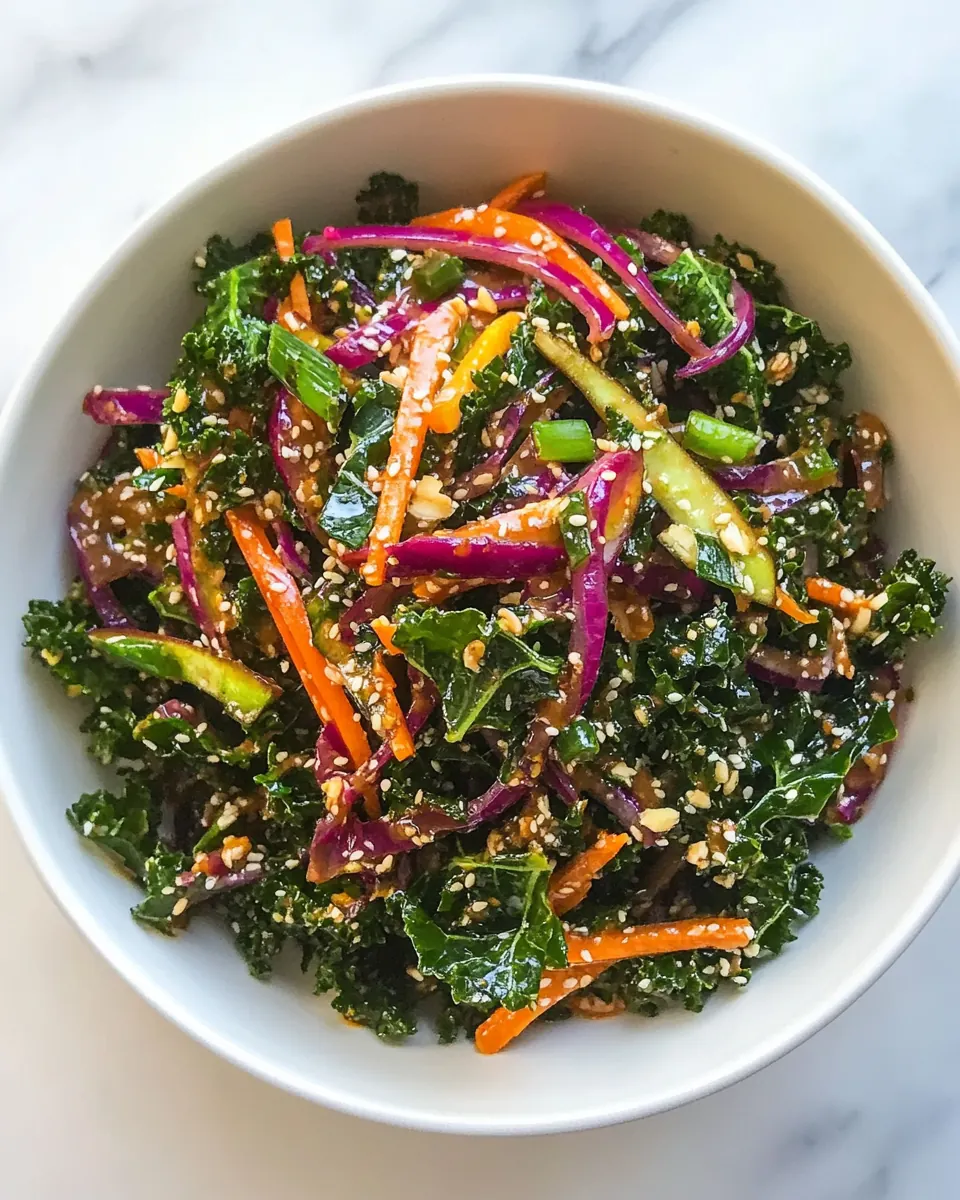
Sesame Kale Salad with Ginger Soy Dressing
Sesame Kale Salad with Ginger Soy Dressing has been my go to bright lunch on rushed Wednesdays when I need something crisp, vibrant, and full of texture.
I remember the first time I tossed together handfuls of kale and shaved Brussels sprouts with a zesty dressing, and how the tiny flecks of ginger woke up my senses. That afternoon I was running between meetings, yet pausing to chew slowly felt like a tiny rebellion against the rush. I loved how the sweet edge of honey and the toasty pop of sesame seeds balanced the slight bitterness of the greens. Over time I learned to tweak the proportions so each bite has a surprising crunch from the carrots and a cool snap from the cucumber.
Friends started asking for this salad at potlucks, and I found myself describing how the interplay of textures makes it feel like a composed plate rather than a thrown together bowl. I like to prepare the dressing first, letting the grated ginger steep into the tang of the rice vinegar, then come back to toss everything so the leaves stay lively. It keeps well for a day, so I often make a double batch when I want an easy lunch ready to go. The citrusy hint from orange zest is subtle but important, bringing brightness without sweetness overtaking the savory notes of soy sauce.
Recipe Snapshot
20 mins
20 mins
Easy
150 kcal
American
Vegan, Gluten-Free
Salads
Large bowl, Small bowl, Whisk, Knife, Cutting board
Why This Sesame Kale Salad with Ginger Soy Dressing Is So Good
Bold, bright flavor that wakes the palate
I love how Sesame Kale Salad with Ginger Soy Dressing combines assertive flavors without being heavy. The grated ginger and soy sauce create an umami backbone, while the rice vinegar and orange zest cut through with lively acidity. Each forkful feels intentional, not muddled.
Texture play that keeps every bite interesting
What keeps me coming back is the contrast. The sturdy chew of kale meets the delicate snap of thinly shaved Brussels sprouts, the juicy coolness of cucumber, and the faintly sweet crunch of shredded carrots. The sprinkling of sesame seeds adds a last layer of toasty crunch that ties everything together.
Fast enough for weeknights, elegant enough for guests
I often serve this when friends drop by unexpectedly. It comes together quickly because most elements are raw, and the dressing only needs a few minutes to marry. Yet the overall impression is considered, thanks to the careful balance of zesty, salty, sweet, and toasty notes.
Flexible and forgiving
One of my favorite things is how forgiving the recipe is. You can shred or slice the vegetables to your liking, and the dressing will still cling to the leaves. I appreciate recipes that tolerate slight timing differences, especially on busy nights.
Healthy, satisfying, and portable
This salad stores well for a day, making it an excellent meal prep choice. It feels nourishing without being heavy, which is perfect after a long morning or as a vibrant side at dinner.
Sesame Kale Salad with Ginger Soy Dressing Shopping List
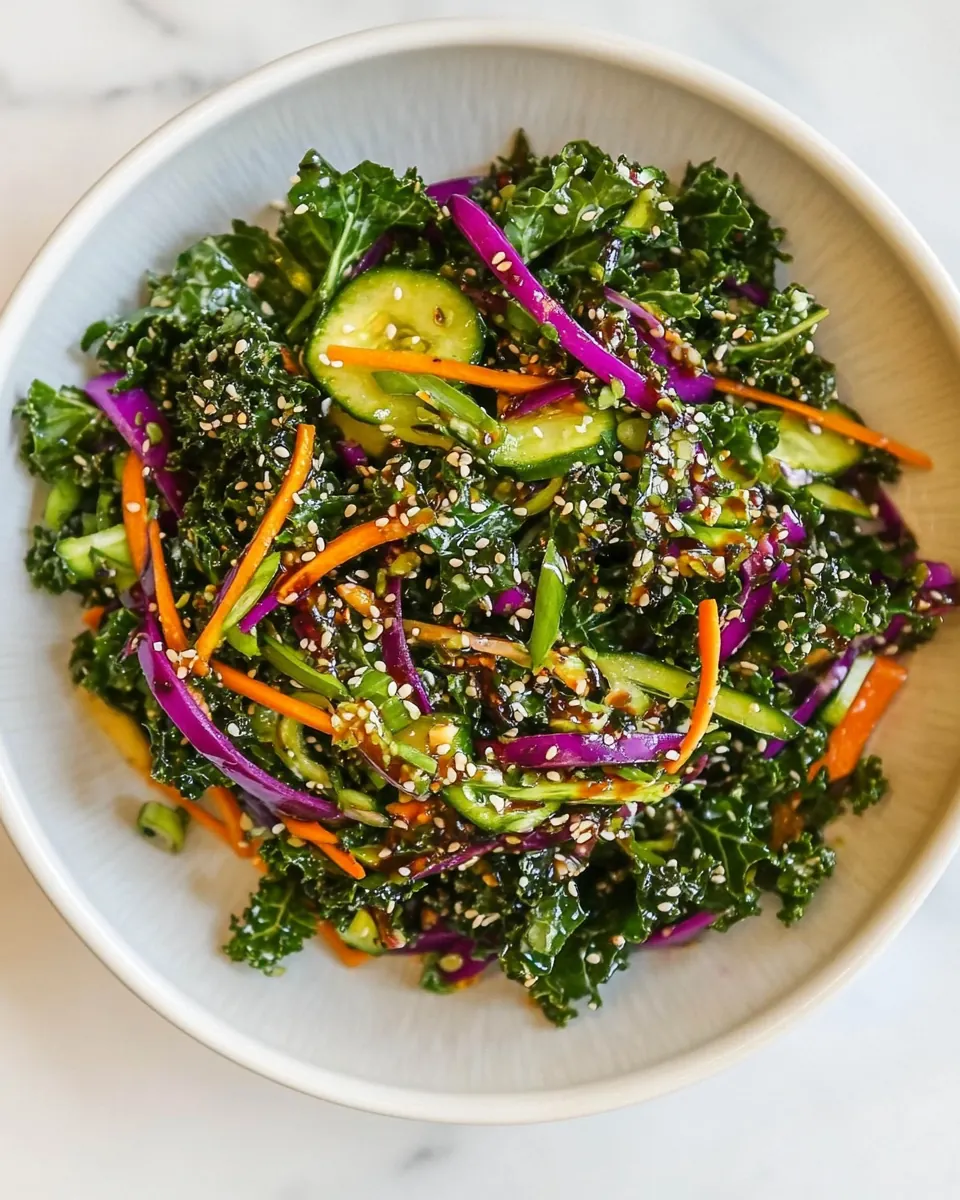
I treat this ingredient list as a small ensemble where each player supports the whole. The dark, slightly chewy kale forms the base, while the finely shaved Brussels sprouts and shredded red cabbage increase crunch and color. The dressing components are minimal but precise, coming together to coat the leaves without weighing them down. Focusing on fresh produce and a bright dressing keeps the salad lively and balanced.
- 4 cups kale, roughly chopped: Provide a hearty, fibrous base that holds dressing well and adds a slightly bitter, earthy flavor when massaged to soften; offers robust texture and plenty of nutrients like vitamins A and K for a satisfying salad foundation.
- 1 cup Brussels sprouts, shave thin or finely chopped: Add a crunchy, slightly sweet-and-bitter element with a dense, cabbage-like texture when shaved thin; contributes bite and visual contrast while boosting fiber and micronutrients.
- 1/2 cup red cabbage, shredded: Contribute a crisp, colorful crunch and mild peppery sweetness when shredded; enhances visual appeal and balances stronger greens with a tender, juicy texture.
- 1/2 cup carrots, shredded: Deliver a sweet, earthy crunch and vibrant color when shredded finely; helps balance savory and acidic dressing components while adding natural sweetness and additional beta-carotene.
- 1/2 cup cucumber, thinly sliced: Provide a cool, refreshing crispness with mild cucumber flavor; add light juiciness and a clean counterpoint to richer, more bitter components in the salad.
- 2 tablespoons rice vinegar: Introduce a bright, acidic note that helps cut through richness and tenderize leafy greens; balances flavors and enhances overall brightness of the dressing.
- 1 tablespoon soy sauce: Bring a salty, umami depth to the dressing that grounds brighter acidic and sweet elements; supports savory balance and enhances the overall mouthfeel.
- 1 teaspoon honey: Offer a touch of natural sweetness to balance salty and acidic components in the dressing; helps round flavors and contributes subtle viscosity when mixed.
- 1 teaspoon ginger, fresh, grated: Add a sharp, warming aromatics and fresh heat when grated; complements the dressing’s sweet and salty notes while imparting lively, zesty complexity.
- 1 teaspoon sesame seeds: Provide a toasty, nutty finish and subtle crunch that enhances texture; sprinkled on top, seeds add visual interest and depth of flavor.
- 1 teaspoon orange zest: Contribute bright citrus aroma and a zesty, slightly bitter lift; finely grated zest elevates the dressing with fragrant oils without adding extra liquid.
The Method for Sesame Kale Salad with Ginger Soy Dressing
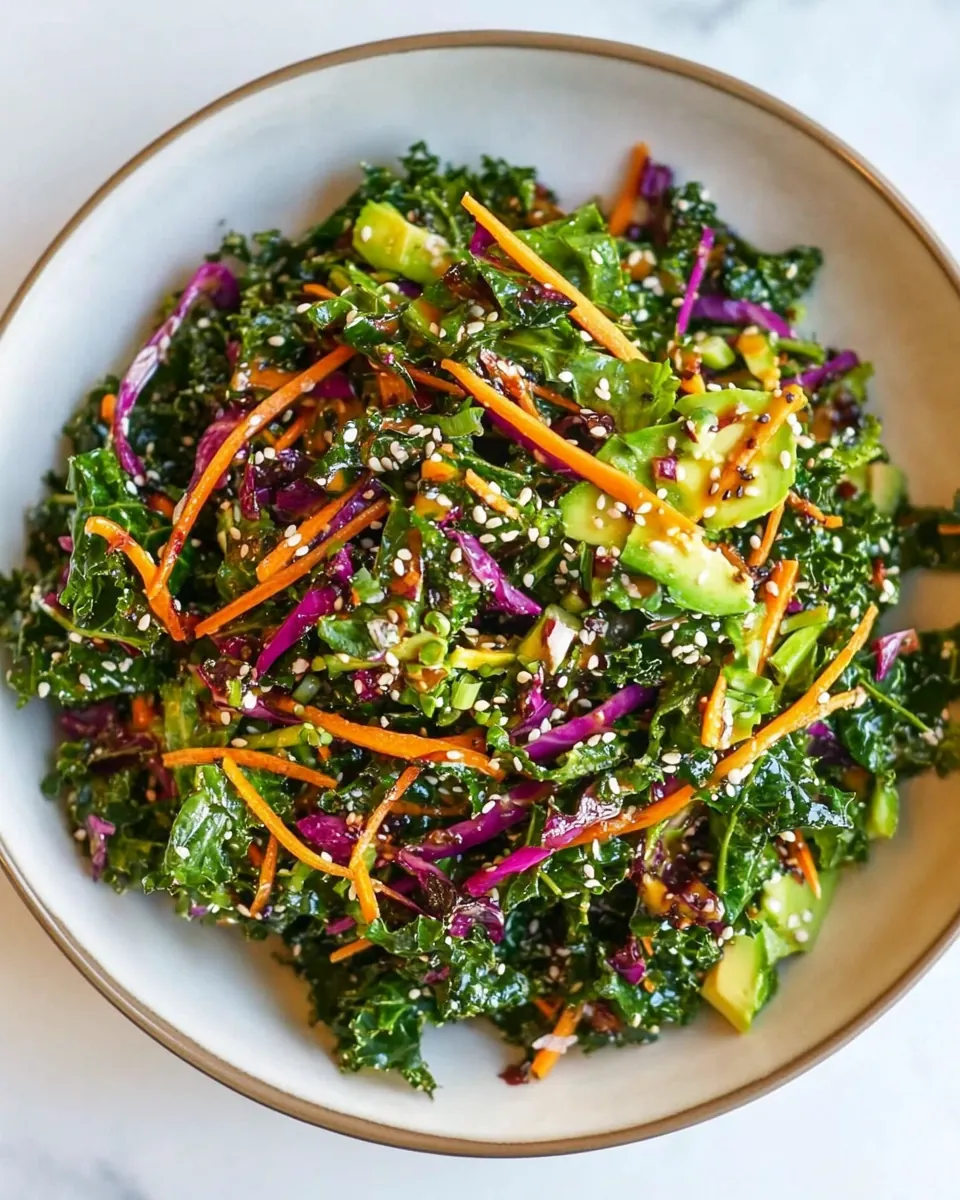
Making this salad is pleasantly straightforward, and I like to think of it as an exercise in layering textures and flavors. Start by preparing the dressing so its flavors have a few minutes to meld, then assemble and toss the vegetables just before serving to preserve their crispness.
- Combine all the ingredients in a large bowl and toss well to combine. Divide into serving bowls. Drizzle about 2 teaspoons of dressing over the top and serve.: The moment you toss the vegetables together you will notice a chorus of textures and scents, a mix of green earth and fresh vegetable sweetness. When tossing, use a gentle folding motion to coat leaves with tiny glints of dressing while preserving individual textures. Visually, the leaves should glisten rather than sit in a pool of liquid, which indicates the right dressing ratio. A common mistake is overdressing, which can make the salad soggy and mute the brighter flavors. If that happens, add a bit more shredded carrot or cucumber to restore texture and balance.
- Combine all ingredients in a small bowl and whisk well. Let sit for 5 minutes. Give the dressing a quick stir before drizzling over the salad.: Once the salad looks evenly dressed, portioning it into bowls helps the salad breathe and keeps it from becoming compacted. You'll notice the aroma of ginger and orange zest lift as you transfer it, signaling freshness. A wrong move here is packing too tightly into containers, which bruises leaves and dulls the crispness. Instead, give each serving a loose, airy heap so the textures remain distinct.
- Drizzle about 2 teaspoons of dressing over the top and serve: The finishing drizzle should enhance without overwhelming, glinting on the surface to show that each leaf is lightly dressed. You will hear the soft rustle of leaves as you serve, and the first bite should offer contrast, not uniform softness. Overdrizzling can mask the nuanced pop of sesame seeds and the bright edge of orange zest . If you accidentally add too much, dab lightly with a paper towel and toss gently to redistribute.
- Combine all ingredients in a small bowl and whisk well: As you whisk the dressing you will see the honey emulsify into the watery components, creating a slightly viscous coating that clings to leaves. The scent of freshly grated ginger will become more pronounced as it breaks down and releases oils. If the dressing separates, whisk a little longer to re emulsify; this is often caused by cold ingredients straight from the fridge. Letting it sit for a few minutes allows flavors to meld and mellow sharp edges.
- Let sit for 5 minutes: Allowing the dressing to rest is where flavors harmonize, and you will notice the soy sauce and rice vinegar tame each other while the ginger infuses. Aromas round out and the dressing achieves a balanced profile, ready to marry the vegetables. A mistake to avoid is skipping this rest time, which can leave the dressing tasting one dimensional. Patient resting deepens complexity.
- Give the dressing a quick stir before drizzling over the salad: A final stir brings any settled components back into a cohesive emulsion, and you will see tiny suspended droplets that indicate a properly mixed dressing. When you drizzle, aim for thin streams to ensure even coverage. If you pour too quickly, you risk pooling in spots, which creates uneven bites. A gentle stir avoids those concentrated salty or sweet pockets.
Change It Up
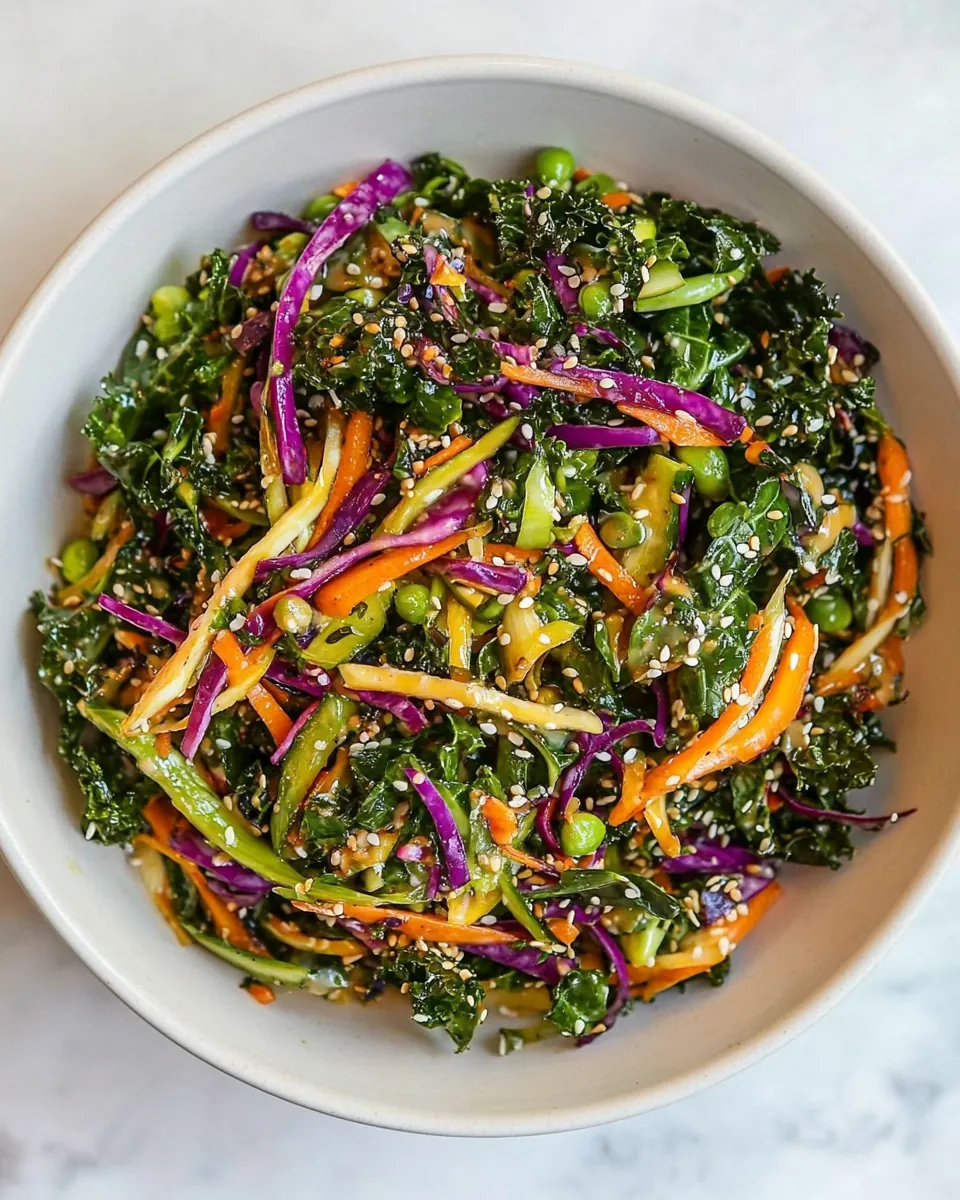
I like to think of small tweaks as a way to refresh the core personality of the salad without changing its spirit. These tips show subtle shifts in technique and presentation that can elevate the dish for different occasions.
- Use warm dressing: Gently warming the dressing for a few seconds can amplify the aroma of ginger and help the honey loosen, creating a silkier coat that clings to the leaves.
- Serve family style: Present the salad in a wide bowl with extra dressing on the side so guests can season to taste, preserving texture for those who prefer a lighter touch.
- Prep ahead smartly: Keep the dressing separate and slice the vegetables in advance, storing them in a sealed container; toss just before serving to maintain crispness.
- Play with seed texture: Lightly crush half the sesame seeds and leave the rest whole to create varied pops of toastiness in every bite.
- Adjust sweetness carefully: If your soy sauce is very salty, reduce it slightly and add a touch more honey to balance, tasting as you go so you do not oversweeten.
What to Serve With Sesame Kale Salad with Ginger Soy Dressing
This salad shines as a light main for lunch or a composed side at dinner. It pairs especially well with simple proteins and grains, and its bright profile complements heavier mains. Consider the occasion when planning accompaniments, and aim for contrasts in texture and temperature.
- Grilled or roasted vegetables: Serve alongside warm roasted root vegetables to create a contrast between hot and cold, crunchy and tender.
- Rice or grains: A bowl of steamed rice or a small serving of warm quinoa complements the savory dressing and makes the meal more filling for dinner.
- Light proteins: Pair with simply cooked fish or tofu to maintain a balanced plate without overwhelming the salad’s flavors.
- Casual occasions: For picnics or potlucks, transport the salad undressed and toss just before serving so it stays crisp during transit.
- Seasonal pairing: This salad works beautifully in spring when tender greens are at their best, offering a fresh counterpoint to heavier seasonal dishes.
- Storage tips: Keep the dressing separate and store the salad in an airtight container for up to one day. Add the dressing only when ready to serve to preserve texture.
FAQ
Conclusion
This salad stands out for its balance of bold aromatics, varied textures, and quick assembly. It brings together sturdy kale, crisp shaved Brussels sprouts, and a bright ginger soy dressing to create something both nourishing and lively. Give it a try when you want a fresh, make ahead option that still feels composed and thoughtful. I hope it becomes one of your reliable, go to salads for busy days and welcoming meals alike.
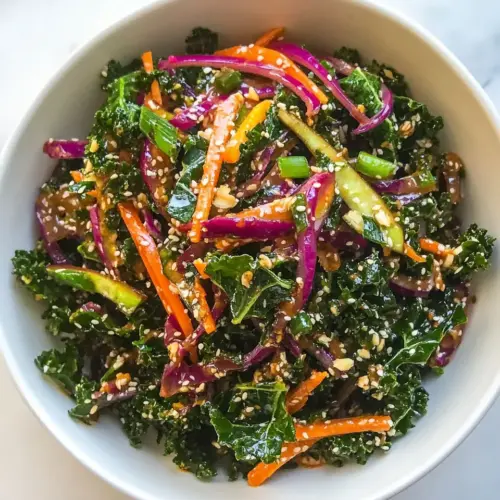
Sesame Kale Salad with Ginger Soy Dressing
Equipment
- Large Bowl
- Small Bowl
- Whisk
- Knife
- Cutting Board
Ingredients
- 4 cups kale, roughly chopped Provide a hearty, fibrous base that holds dressing well and adds a slightly bitter, earthy flavor when massaged to soften; offers robust texture and plenty of nutrients like vitamins A and K for a satisfying salad foundation.
- 1 cup Brussels sprouts, shave thin or finely chopped Add a crunchy, slightly sweet-and-bitter element with a dense, cabbage-like texture when shaved thin; contributes bite and visual contrast while boosting fiber and micronutrients.
- 1/2 cup red cabbage, shredded Contribute a crisp, colorful crunch and mild peppery sweetness when shredded; enhances visual appeal and balances stronger greens with a tender, juicy texture.
- 1/2 cup carrots, shredded Deliver a sweet, earthy crunch and vibrant color when shredded finely; helps balance savory and acidic dressing components while adding natural sweetness and additional beta-carotene.
- 1/2 cup cucumber, thinly sliced Provide a cool, refreshing crispness with mild cucumber flavor; add light juiciness and a clean counterpoint to richer, more bitter components in the salad.
- 2 tablespoons rice vinegar Introduce a bright, acidic note that helps cut through richness and tenderize leafy greens; balances flavors and enhances overall brightness of the dressing.
- 1 tablespoon soy sauce Bring a salty, umami depth to the dressing that grounds brighter acidic and sweet elements; supports savory balance and enhances the overall mouthfeel.
- 1 teaspoon honey Offer a touch of natural sweetness to balance salty and acidic components in the dressing; helps round flavors and contributes subtle viscosity when mixed.
- 1 teaspoon ginger, fresh, grated Add a sharp, warming aromatics and fresh heat when grated; complements the dressing’s sweet and salty notes while imparting lively, zesty complexity.
- 1 teaspoon sesame seeds Provide a toasty, nutty finish and subtle crunch that enhances texture; sprinkled on top, seeds add visual interest and depth of flavor.
- 1 teaspoon orange zest Contribute bright citrus aroma and a zesty, slightly bitter lift; finely grated zest elevates the dressing with fragrant oils without adding extra liquid.
Instructions
- Combine all the ingredients in a large bowl and toss well to combine. Divide into serving bowls. Drizzle about 2 teaspoons of dressing over the top and serve.: The moment you toss the vegetables together you will notice a chorus of textures and scents, a mix of green earth and fresh vegetable sweetness. When tossing, use a gentle folding motion to coat leaves with tiny glints of dressing while preserving individual textures. Visually, the leaves should glisten rather than sit in a pool of liquid, which indicates the right dressing ratio. A common mistake is overdressing, which can make the salad soggy and mute the brighter flavors. If that happens, add a bit more shredded carrot or cucumber to restore texture and balance.
- Combine all ingredients in a small bowl and whisk well. Let sit for 5 minutes. Give the dressing a quick stir before drizzling over the salad.: Once the salad looks evenly dressed, portioning it into bowls helps the salad breathe and keeps it from becoming compacted. You'll notice the aroma of ginger and orange zest lift as you transfer it, signaling freshness. A wrong move here is packing too tightly into containers, which bruises leaves and dulls the crispness. Instead, give each serving a loose, airy heap so the textures remain distinct.
- Drizzle about 2 teaspoons of dressing over the top and serve: The finishing drizzle should enhance without overwhelming, glinting on the surface to show that each leaf is lightly dressed. You will hear the soft rustle of leaves as you serve, and the first bite should offer contrast, not uniform softness. Overdrizzling can mask the nuanced pop of sesame seeds and the bright edge of orange zest . If you accidentally add too much, dab lightly with a paper towel and toss gently to redistribute.
- Combine all ingredients in a small bowl and whisk well: As you whisk the dressing you will see the honey emulsify into the watery components, creating a slightly viscous coating that clings to leaves. The scent of freshly grated ginger will become more pronounced as it breaks down and releases oils. If the dressing separates, whisk a little longer to re emulsify; this is often caused by cold ingredients straight from the fridge. Letting it sit for a few minutes allows flavors to meld and mellow sharp edges.
- Let sit for 5 minutes: Allowing the dressing to rest is where flavors harmonize, and you will notice the soy sauce and rice vinegar tame each other while the ginger infuses. Aromas round out and the dressing achieves a balanced profile, ready to marry the vegetables. A mistake to avoid is skipping this rest time, which can leave the dressing tasting one dimensional. Patient resting deepens complexity.
- Give the dressing a quick stir before drizzling over the salad: A final stir brings any settled components back into a cohesive emulsion, and you will see tiny suspended droplets that indicate a properly mixed dressing. When you drizzle, aim for thin streams to ensure even coverage. If you pour too quickly, you risk pooling in spots, which creates uneven bites. A gentle stir avoids those concentrated salty or sweet pockets.
Notes
- Use warm dressing: Gently warming the dressing for a few seconds can amplify the aroma of ginger and help the honey loosen, creating a silkier coat that clings to the leaves.
- Serve family style: Present the salad in a wide bowl with extra dressing on the side so guests can season to taste, preserving texture for those who prefer a lighter touch.
- Prep ahead smartly: Keep the dressing separate and slice the vegetables in advance, storing them in a sealed container; toss just before serving to maintain crispness.
- Play with seed texture: Lightly crush half the sesame seeds and leave the rest whole to create varied pops of toastiness in every bite.
- Adjust sweetness carefully: If your soy sauce is very salty, reduce it slightly and add a touch more honey to balance, tasting as you go so you do not oversweeten.