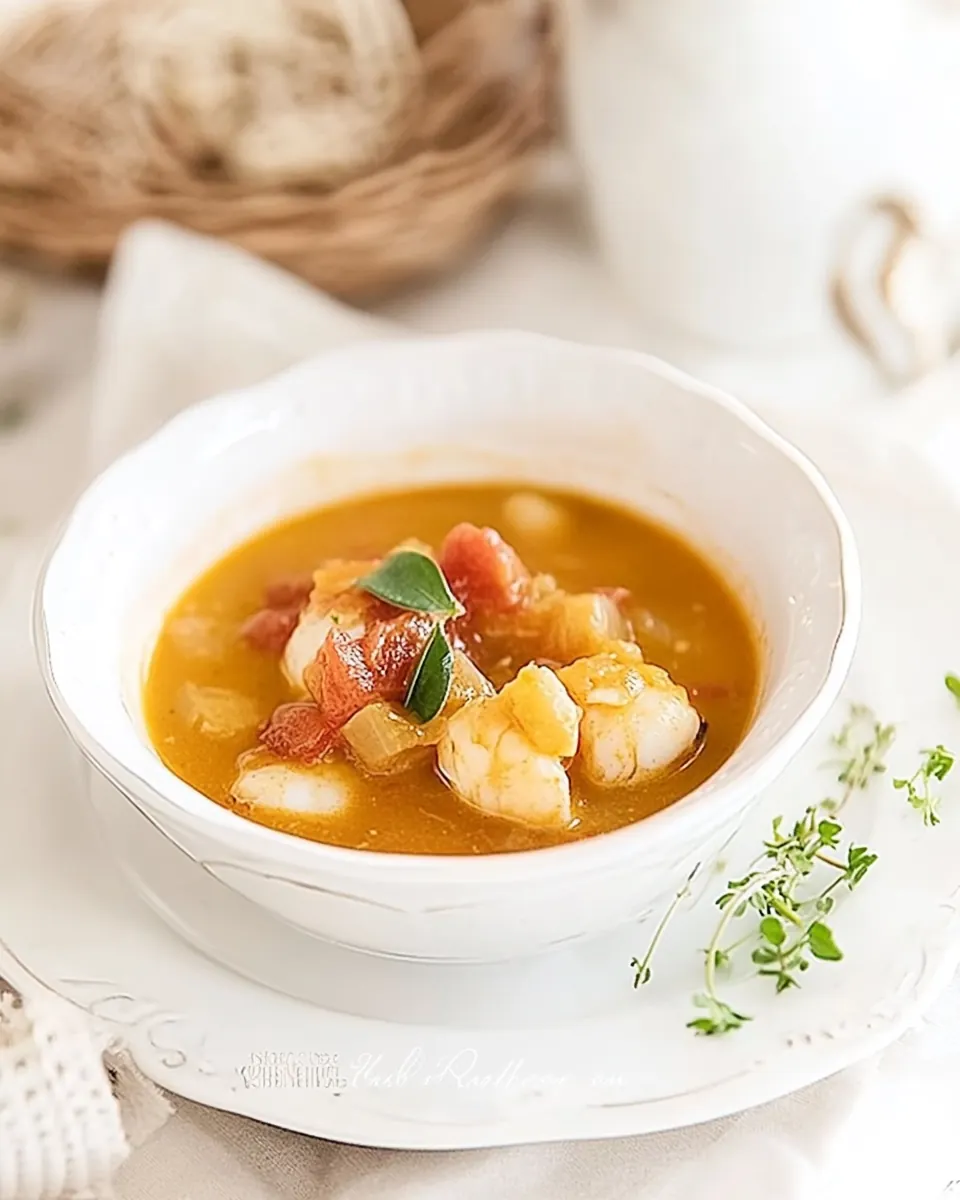
Sancocho de Mariscos
Sancocho de Mariscos has been one of those recipes that feels like a warm handshake from the sea every time I make it. I first learned this shellfish stew at a family gathering where the kitchen smelled like crushed garlic and citrus, and a chorus of shells clinking as everyone helped. The first spoonful reminded me why simple, honest ingredients can create something deeply comforting, and that memory keeps me returning to this pot whenever I want to share something nourishing and a little festive.
Over the years I’ve adapted the technique while keeping the heart of the dish intact. I love how the broth develops flavor from the discarded shells, and how the combination of starchy plantains, tender potatoes, and sweet auyama creates a velvety body that lets the seafood shine. Friends often ask for the recipe after dinner, and I tell them it is more ritual than recipe, a matter of patience and attention. In my kitchen it has become a go to when I want to impress without fuss, because most of the work is quiet simmering and the rewards are huge.
Recipe Snapshot
1 hr 45 mins
15 mins
90 mins
Medium
350 kcal
Latin
Paleo, Gluten-Free
Dinner
Large pot, Fine mesh sieve, Blender
The Best Thing About This Sancocho de Mariscos
Deep, layered seafood flavor
I adore how making a simple shell broth from shrimp shells and heads transforms the whole pot. When you simmer the shells low and slow, the broth becomes rich and slightly sweet, carrying the ocean’s essence without any heavy additions. I always say it’s the backbone of the dish, it lifts every other ingredient and binds the stew into something cohesive. You can smell the savory sweetness as it simmers, and that scent alone tells you you are on the right track.
Comforting texture from root vegetables and squash
The combination of plantains, potatoes, and auyama gives the stew a luscious mouthfeel. I like the way the starchy plantains soften and slightly break down, thickening the liquid, while the cubes of auyama add velvety sweetness. Those contrasting textures make each spoonful interesting, and you end up with a bowl that feels both hearty and bright.
Seafood variety keeps it exciting
Using a mix of shrimp and assorted shellfish means every bite can be a little different. I often include mussels and scallops, but feel free to vary what’s available. The variety brings different textures and tastes, from the firm snap of shrimp to the briny pop of mussels. For me, that variety is a celebration of simple seafood bounty.
Simple, hands off technique
There is a comfort in the mostly hands off approach. After you build the broth and add the vegetables, the pot does most of the work while you do other things. I like to keep an eye on the simmer, replenish water as needed, and taste as I go. This method encourages patience, and in return you get a deep, harmonious stew.
Flexible and shareable
This stew is naturally communal. It feeds a small crowd easily, and the flavors hold up well if you make it a bit in advance. I often serve it when friends drop by unexpectedly, and I love how it invites conversation, because everyone always wants to know the secret behind that rich broth. It is forgiving, adaptable, and reliably comforting.
What You Need for Sancocho de Mariscos
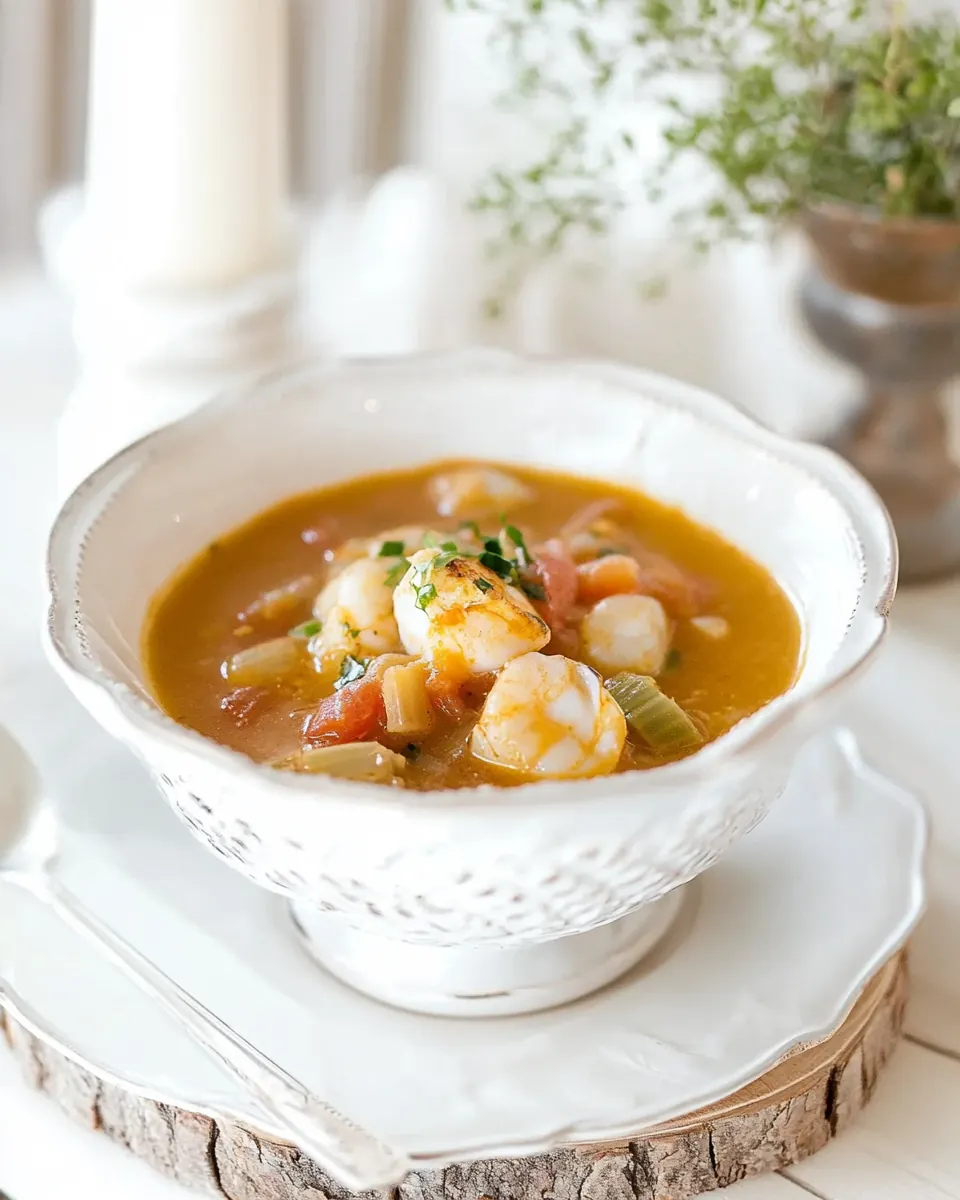
The ingredients here are intentionally straightforward, each playing a distinct role. The seafood lends briny depth, the plantains and potatoes supply body and texture, while the auyama brings a gentle sweetness that softens the broth. Aromatics like garlic, oregano, thyme, and cilantro layer flavor without overpowering the seafood. Together, these elements create a balanced stew that is both robust and nuanced.
- 3 pounds shrimp, (large, uncooked and peeled) [1.4 kg]: Provide protein and a sweet briny flavor to the stew; cook briefly to remain tender and avoid becoming rubbery, contributing substantial texture and body to the sancocho.
- 1 teaspoon oregano, (dry, ground): Season lightly with an earthy, slightly bitter note; sprinkle into the broth early to allow its warm, aromatic profile to meld with other spices.
- 4 sprigs of thyme: Impart a subtle floral and slightly minty aroma to the stock; add whole sprigs during simmering and remove before serving to infuse gentle herbal depth.
- 4 cloves garlic, crushed: Build a pungent, savory foundation and enhance overall flavor complexity; crush and sauté briefly to release oils and distribute garlicky warmth throughout the soup.
- 2 plantains, (green, unripe) peeled and sliced: Contribute a starchy, slightly sweet element that helps thicken the broth; peel and slice while firm so pieces hold shape during simmering.
- 1 1/2 pound auyama (kabocha squash), [0.7 kg] (West Indies pumpkin), peeled and cubed, divided: Add creamy sweetness and a silky texture to the stew; peel and cube then add in stages so some pieces partially dissolve and others remain chunky.
- 1 pound waxy potatoes, [0.45 kg] peeled and cubed: Offer firm, waxy structure and mild potato flavor to balance softer ingredients; peel and cube to provide bite and help thicken the finished broth.
- 2 pounds assorted shellfish and seafood, [0.9 kg] (see notes): Introduce a variety of flavors and textures—such as clams, mussels, squid, or fish—to enrich the broth and create a diverse seafood profile when combined.
- 1 sprig cilantro: Provide a fresh, citrus-herb brightness to finish the dish; add a sprig during cooking for subtle flavor or chop and sprinkle before serving for freshness.
- 1 teaspoon lime juice: Brighten and balance the rich, savory broth with acidity; squeeze into the stew at the end to lift flavors without overpowering the seafood.
- 1 teaspoon salt, (or more, to taste): Enhance overall seasoning and help bring out natural flavors; dissolve into the cooking liquid gradually and adjust to taste as the sancocho simmers.
- 1/4 teaspoon pepper, (freshly-cracked, or ground) (or more, to taste): Add a warm, slightly sharp heat that complements shellfish; grind freshly for best aroma and season gradually to achieve desired spiciness.
How to Prepare Sancocho de Mariscos
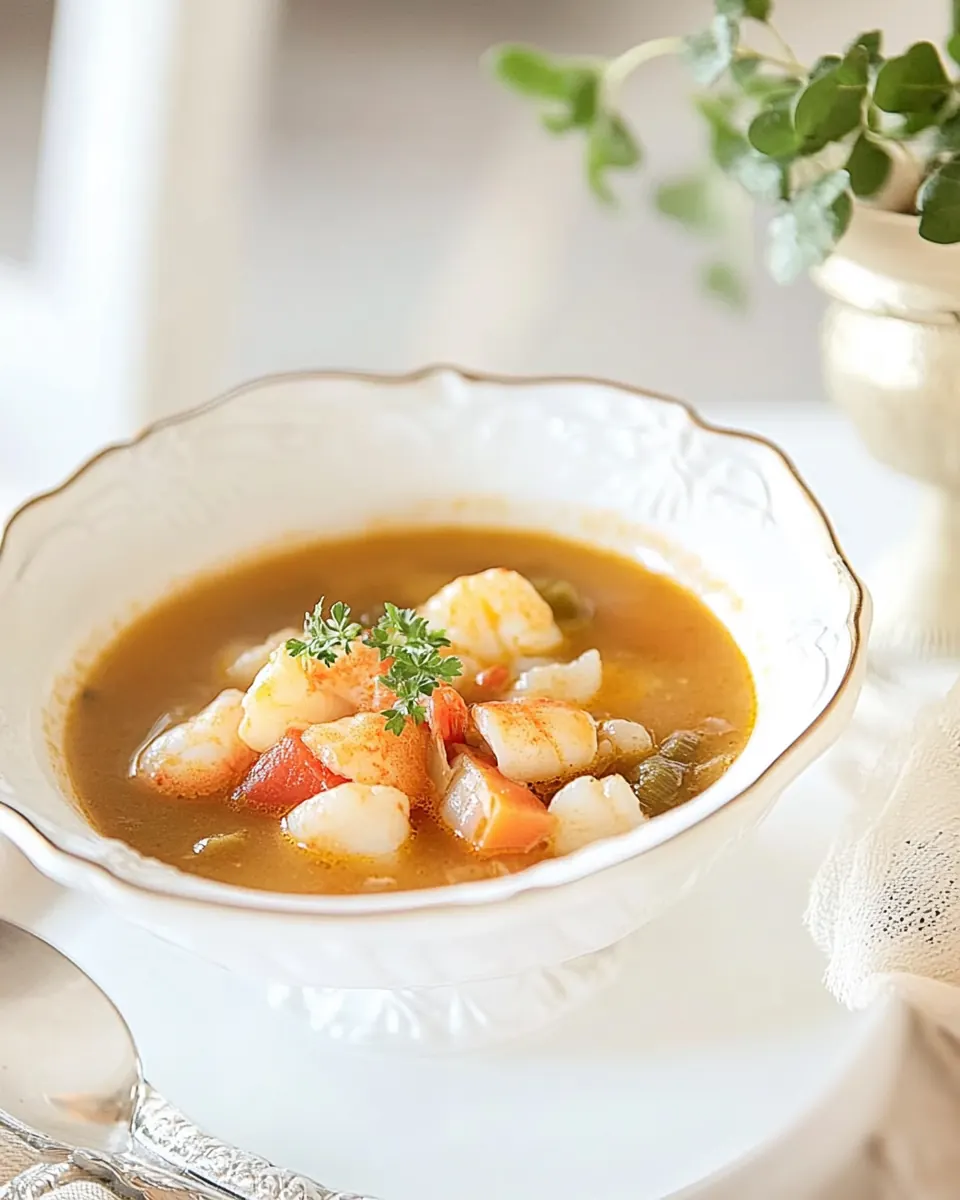
Working through these steps feels like layering a melody, each element contributing to a harmonious stew. I like to move methodically, tending the pot and tasting as I go, because small adjustments make a big difference. Below are the cleaned steps from the original directions, expanded with sensory cues, reasons, and troubleshooting notes to help you feel confident at each stage.
- Shell the shrimp and separate shells/heads from the rest. Return shrimp to the refrigerator. Boil the shells and heads over low heat in 2 quarts [2 lt] of water for 45 mins, frequently replenishing the water to maintain the same level. Sieve to separate the liquid from the solids. Discard the solids.: The shells and heads are full of concentrated seafood flavor, and when simmered low they release sweet, briny aromatics that become the backbone of the stew. As you shell the shrimp , you'll notice a briny, ocean scent from the discarded parts, that scent is what you want to capture in the stock. Keep the peeled tails chilled while the stock simmers, this ensures they stay firm and fresh. Common mistake to avoid, forgetting to remove the digestive vein from large shrimp , which can give a gritty texture if left in.
- Heat broth over medium heat, add oregano, thyme, and garlic. Add the plantains and half the pumpkin into the liquid and boil until everything is cooked through (10-15 mins). Add water as it becomes necessary to maintain the same level.: Slow simmering extracts gelatin and depth from the shells without driving off volatile aromatics. You will see the liquid become cloudier and smell richly of the sea, with a sweet umami quality. If the level drops, top up with warm water to keep extraction steady, because a rapidly reducing pot concentrates salt and can become too intense. Avoid boiling aggressively, as that can make the stock cloudy and muddy the delicate flavors.
- Remove from the heat and cool to room temperature. Discard the thyme and blend until all the solids have dissolved. Heat this mixture and add the potatoes and remaining pumpkin, simmering over low heat until the solids are cooked through.: Straining leaves you with a clear concentrated broth; the solids have given up their goodness and should be discarded. Pour through a fine mesh or cheesecloth if you have it, and press gently to extract every flavorful drop. The broth should look a pale gold with a slight sheen, and when you inhale you will notice a rounded, savory aroma. A common oversight is not cooling slightly before handling, which can lead to spills or burns.
- Add the shellfish and shrimp tails. Simmer until the shrimp turns bright pink (5-10 mins). Stir in cilantro and lime juice, season with salt and pepper to taste.: Bringing the broth up to a gentle simmer lets the added herbs and crushed garlic bloom, releasing savory and herbal notes. The scent will shift from pure seafood to a more layered aromatic profile, with the thyme adding subtle woodsy hints. Keep the temperature moderate so the garlic softens and sweetens rather than browns, browning would add an unintended bitterness.
- Remove from the heat and serve warm. It goes great with some avocado slices, so do if you have avocado.: The starchy plantains and the first portion of auyama begin to soften and partially disintegrate, thickening the broth and adding sweet, earthy flavors. You will hear a gentle bubbling, and the pot will smell more rounded and homey. Stir occasionally and watch the texture; if the pieces cook unevenly, lower the heat and cover to create even steam. Avoid overcooking to the point where everything turns to mush unless you want a very thick texture.
- Add water as it becomes necessary to maintain the same level: Maintaining liquid level is crucial for consistent flavor balance, as reduction concentrates everything. If the pot reduces too much you'll get an overly intense, salty finish. I add small amounts of warm water periodically, tasting after each addition so the seasoning remains balanced. A typical mistake is adding cold water which shocks the pot and can slow cooking.
- Remove from the heat and cool to room temperature: Letting the pot cool slightly before blending brings safer handling and helps the solids settle, making blending smoother. You will notice steam subside and the aromas become more nuanced as heat dissipates. Cooling also reduces the risk of accidental burns during the blending process. Avoid blending piping hot contents, which can create pressure and splatter.
- Discard the thyme and blend until all the solids have dissolved: Removing the woody thyme stems prevents fibrous fragments in the blended liquid, and blending yields a silky base that gives the stew body. The texture should become velvety, and the color more uniform, signaling the vegetables have integrated into the broth. If you get a gritty mouthfeel, your blades may need to run a bit longer or the solids were not sufficiently cooked. Be careful not to overblend, which can make the liquid gluey.
- Heat this mixture and add the potatoes and remaining pumpkin, simmering over low heat until the solids are cooked through: Adding the remaining cubed auyama and the potatoes at this stage preserves pleasant chunks in the stew, while the blended base keeps everything cohesive. The simmer will become fragrant with a rounded sweetness and the gentle bubbling will show that the starches are softening. Cook until cubes yield to a fork but still hold shape. A common pitfall is rushing with high heat, which can break apart the cubes and turn the stew overly thick.
- Add the shellfish and shrimp tails: Introducing the reserved shellfish and chilled shrimp near the end ensures they cook just until tender and retain their texture. As they simmer, you will hear a delicate sizzle and see shells open and shrimp turn opaque and pink, visual cues that they are done. Overcooking will toughen seafood, so keep a close watch and remove from heat promptly when the shrimp are bright pink and shellfish have opened.
- Simmer until the shrimp turns bright pink (5 to 10 mins): This brief simmer is where everything comes together, and the aromas intensify into something irresistible. Expect a lively steam and the broth to take on richer color and body. Taste during this window to adjust seasoning, because this is the final moment to calibrate salt and pepper. A mistake to avoid is leaving the pot unattended which often results in overcooked, rubbery shrimp .
- Stir in cilantro and lime juice, season with salt and pepper to taste: Finishing with fresh cilantro and a squeeze of lime brightens the pot and provides contrast to the rich broth. You will see the herbs wilt slightly and the citrus aroma pop when you stir, signaling freshness. Salt and freshly cracked pepper should be adjusted gently, tasting between additions, because the flavors concentrate rapidly. Over seasoning at this stage is the most common error, so add incrementally.
- Remove from the heat and serve warm: Let the stew rest off heat for a minute so flavors settle, then ladle into bowls while still warm. The finished stew should offer a balance of silky body, sweet squash notes, starchy comfort, and briny seafood. I like to offer avocado slices alongside if available, their creamy texture pairs beautifully. Do not try to reheat repeatedly, as multiple reheats can degrade seafood texture.
Helpful Notes about Sancocho de Mariscos
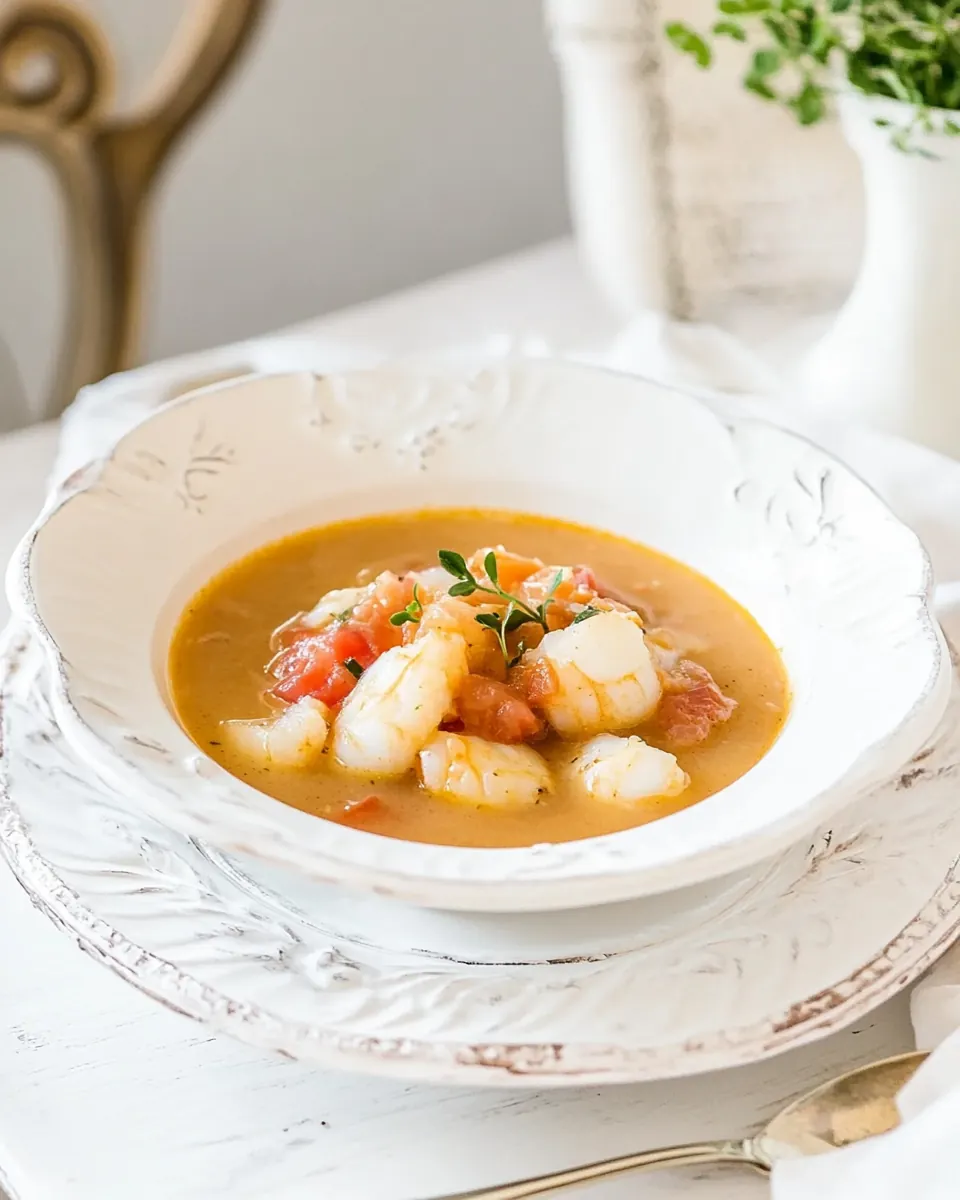
This dish rewards patience and small adjustments. Below are my most-used notes expanded into practical tips that help recreate that special bowl of stew in your kitchen.
- Use the shrimp shells for stock – Simmering the shells low and slow yields a deeply flavored broth, which is the foundation of the dish. I simmer for about 45 minutes, topping up with warm water to keep extraction consistent. If you skip this, the stew will taste much lighter and less cohesive.
- Keep seafood timing short – Add mussels, scallops, and shrimp near the end to preserve texture. Overcooked seafood becomes rubbery and chewy, so watch for visual cues like open shells and opaque shrimp.
- Balance thickness with water – The blended auyama and softened plantains will thicken the broth, so add water gradually to reach your preferred body. If the stew becomes too thin, simmer uncovered to reduce gently.
- Fresh herbs finish brighter – Add the cilantro and lime at the end to preserve their bright flavors, which contrast the stew’s richness. Adding them too early will cook away their freshness.
- Make ahead wisely – You can build the broth and cook the vegetables a day ahead, then add seafood just before serving. This saves time while keeping the final texture of the shellfish lovely and tender.
Serving Options for Sancocho de Mariscos
Sancocho de Mariscos is versatile and sociable. It works wonderfully for family dinners, weekend gatherings, and seasonal celebrations where warming bowls bring people together. Below are thoughtful serving ideas, pairings, and storage notes to help you plan an occasion or a weeknight meal.
- Family style bowls – Ladle the stew into deep bowls so each person gets a mix of broth, cubed auyama, potatoes, and shellfish. Offer small plates for discarded shells if using shell on mussels. Serving family style makes the meal communal and relaxed.
- Accompaniments – Serve with slices of ripe avocado on the side to add creamy balance, and provide lime wedges so guests can adjust acidity. The creamy avocado offsets the briny broth and adds a cooling texture.
- Occasions – This stew is perfect for chilly winter dinners or special gatherings. Its warming nature and generous portions make it suitable for holiday tables or weekend feasts with friends. It feels celebratory without being fussy.
- Ramadan iftar option – The nourishing broth and comforting starches make this an excellent choice for breaking fast gently, providing both hydration and sustaining energy. Serve with fresh herbs and a squeeze of lime to refresh the palate.
- Storage – Store leftover stew in an airtight container in the refrigerator for up to two days, adding seafood only when reheating to avoid overcooking. Reheat gently on low heat and add a splash of water if it has thickened.
- Seasonal pairings – In winter I lean on heartier sides and warm breads, while in warmer months lighter garnishes like chopped cilantro and extra lime brighten the bowls. The stew adapts well to seasonal produce and preferences.
FAQ
Conclusion
Sancocho de Mariscos stands out because it balances rich seafood depth with comforting, starchy vegetables to create a soulful, shareable stew. It invites you to slow down and tend a pot, rewarding patience with a broth that tastes deeply of the sea and home. Give it a try the next time you want a meal that feels both special and approachable, and remember that the simplest components, treated with care, often produce the most memorable results.
Sancocho de Mariscos
Equipment
- Large Pot
- Fine mesh sieve
- Blender
Ingredients
- 3 pounds shrimp, (large, uncooked and peeled) [1.4 kg] Provide protein and a sweet briny flavor to the stew; cook briefly to remain tender and avoid becoming rubbery, contributing substantial texture and body to the sancocho.
- 1 teaspoon oregano, (dry, ground) Season lightly with an earthy, slightly bitter note; sprinkle into the broth early to allow its warm, aromatic profile to meld with other spices.
- 4 sprigs of thyme Impart a subtle floral and slightly minty aroma to the stock; add whole sprigs during simmering and remove before serving to infuse gentle herbal depth.
- 4 cloves garlic, crushed Build a pungent, savory foundation and enhance overall flavor complexity; crush and sauté briefly to release oils and distribute garlicky warmth throughout the soup.
- 2 plantains, (green, unripe) peeled and sliced Contribute a starchy, slightly sweet element that helps thicken the broth; peel and slice while firm so pieces hold shape during simmering.
- 1 1/2 pound auyama (kabocha squash), [0.7 kg] (West Indies pumpkin), peeled and cubed, divided Add creamy sweetness and a silky texture to the stew; peel and cube then add in stages so some pieces partially dissolve and others remain chunky.
- 1 pound waxy potatoes, [0.45 kg] peeled and cubed Offer firm, waxy structure and mild potato flavor to balance softer ingredients; peel and cube to provide bite and help thicken the finished broth.
- 2 pounds assorted shellfish and seafood, [0.9 kg] (see notes) Introduce a variety of flavors and textures—such as clams, mussels, squid, or fish—to enrich the broth and create a diverse seafood profile when combined.
- 1 sprig cilantro Provide a fresh, citrus-herb brightness to finish the dish; add a sprig during cooking for subtle flavor or chop and sprinkle before serving for freshness.
- 1 teaspoon lime juice Brighten and balance the rich, savory broth with acidity; squeeze into the stew at the end to lift flavors without overpowering the seafood.
- 1 teaspoon salt, (or more, to taste) Enhance overall seasoning and help bring out natural flavors; dissolve into the cooking liquid gradually and adjust to taste as the sancocho simmers.
- 1/4 teaspoon pepper, (freshly-cracked, or ground) (or more, to taste) Add a warm, slightly sharp heat that complements shellfish; grind freshly for best aroma and season gradually to achieve desired spiciness.
Instructions
- Shell the shrimp and separate shells/heads from the rest. Return shrimp to the refrigerator. Boil the shells and heads over low heat in 2 quarts [2 lt] of water for 45 mins, frequently replenishing the water to maintain the same level. Sieve to separate the liquid from the solids. Discard the solids.: The shells and heads are full of concentrated seafood flavor, and when simmered low they release sweet, briny aromatics that become the backbone of the stew. As you shell the shrimp , you'll notice a briny, ocean scent from the discarded parts, that scent is what you want to capture in the stock. Keep the peeled tails chilled while the stock simmers, this ensures they stay firm and fresh. Common mistake to avoid, forgetting to remove the digestive vein from large shrimp , which can give a gritty texture if left in.
- Heat broth over medium heat, add oregano, thyme, and garlic. Add the plantains and half the pumpkin into the liquid and boil until everything is cooked through (10-15 mins). Add water as it becomes necessary to maintain the same level.: Slow simmering extracts gelatin and depth from the shells without driving off volatile aromatics. You will see the liquid become cloudier and smell richly of the sea, with a sweet umami quality. If the level drops, top up with warm water to keep extraction steady, because a rapidly reducing pot concentrates salt and can become too intense. Avoid boiling aggressively, as that can make the stock cloudy and muddy the delicate flavors.
- Remove from the heat and cool to room temperature. Discard the thyme and blend until all the solids have dissolved. Heat this mixture and add the potatoes and remaining pumpkin, simmering over low heat until the solids are cooked through.: Straining leaves you with a clear concentrated broth; the solids have given up their goodness and should be discarded. Pour through a fine mesh or cheesecloth if you have it, and press gently to extract every flavorful drop. The broth should look a pale gold with a slight sheen, and when you inhale you will notice a rounded, savory aroma. A common oversight is not cooling slightly before handling, which can lead to spills or burns.
- Add the shellfish and shrimp tails. Simmer until the shrimp turns bright pink (5-10 mins). Stir in cilantro and lime juice, season with salt and pepper to taste.: Bringing the broth up to a gentle simmer lets the added herbs and crushed garlic bloom, releasing savory and herbal notes. The scent will shift from pure seafood to a more layered aromatic profile, with the thyme adding subtle woodsy hints. Keep the temperature moderate so the garlic softens and sweetens rather than browns, browning would add an unintended bitterness.
- Remove from the heat and serve warm. It goes great with some avocado slices, so do if you have avocado.: The starchy plantains and the first portion of auyama begin to soften and partially disintegrate, thickening the broth and adding sweet, earthy flavors. You will hear a gentle bubbling, and the pot will smell more rounded and homey. Stir occasionally and watch the texture; if the pieces cook unevenly, lower the heat and cover to create even steam. Avoid overcooking to the point where everything turns to mush unless you want a very thick texture.
- Add water as it becomes necessary to maintain the same level: Maintaining liquid level is crucial for consistent flavor balance, as reduction concentrates everything. If the pot reduces too much you'll get an overly intense, salty finish. I add small amounts of warm water periodically, tasting after each addition so the seasoning remains balanced. A typical mistake is adding cold water which shocks the pot and can slow cooking.
- Remove from the heat and cool to room temperature: Letting the pot cool slightly before blending brings safer handling and helps the solids settle, making blending smoother. You will notice steam subside and the aromas become more nuanced as heat dissipates. Cooling also reduces the risk of accidental burns during the blending process. Avoid blending piping hot contents, which can create pressure and splatter.
- Discard the thyme and blend until all the solids have dissolved: Removing the woody thyme stems prevents fibrous fragments in the blended liquid, and blending yields a silky base that gives the stew body. The texture should become velvety, and the color more uniform, signaling the vegetables have integrated into the broth. If you get a gritty mouthfeel, your blades may need to run a bit longer or the solids were not sufficiently cooked. Be careful not to overblend, which can make the liquid gluey.
- Heat this mixture and add the potatoes and remaining pumpkin, simmering over low heat until the solids are cooked through: Adding the remaining cubed auyama and the potatoes at this stage preserves pleasant chunks in the stew, while the blended base keeps everything cohesive. The simmer will become fragrant with a rounded sweetness and the gentle bubbling will show that the starches are softening. Cook until cubes yield to a fork but still hold shape. A common pitfall is rushing with high heat, which can break apart the cubes and turn the stew overly thick.
- Add the shellfish and shrimp tails: Introducing the reserved shellfish and chilled shrimp near the end ensures they cook just until tender and retain their texture. As they simmer, you will hear a delicate sizzle and see shells open and shrimp turn opaque and pink, visual cues that they are done. Overcooking will toughen seafood, so keep a close watch and remove from heat promptly when the shrimp are bright pink and shellfish have opened.
- Simmer until the shrimp turns bright pink (5 to 10 mins): This brief simmer is where everything comes together, and the aromas intensify into something irresistible. Expect a lively steam and the broth to take on richer color and body. Taste during this window to adjust seasoning, because this is the final moment to calibrate salt and pepper. A mistake to avoid is leaving the pot unattended which often results in overcooked, rubbery shrimp .
- Stir in cilantro and lime juice, season with salt and pepper to taste: Finishing with fresh cilantro and a squeeze of lime brightens the pot and provides contrast to the rich broth. You will see the herbs wilt slightly and the citrus aroma pop when you stir, signaling freshness. Salt and freshly cracked pepper should be adjusted gently, tasting between additions, because the flavors concentrate rapidly. Over seasoning at this stage is the most common error, so add incrementally.
- Remove from the heat and serve warm: Let the stew rest off heat for a minute so flavors settle, then ladle into bowls while still warm. The finished stew should offer a balance of silky body, sweet squash notes, starchy comfort, and briny seafood. I like to offer avocado slices alongside if available, their creamy texture pairs beautifully. Do not try to reheat repeatedly, as multiple reheats can degrade seafood texture.
Notes
- Use the shrimp shells for stock - Simmering the shells low and slow yields a deeply flavored broth, which is the foundation of the dish. I simmer for about 45 minutes, topping up with warm water to keep extraction consistent. If you skip this, the stew will taste much lighter and less cohesive.
- Keep seafood timing short - Add mussels, scallops, and shrimp near the end to preserve texture. Overcooked seafood becomes rubbery and chewy, so watch for visual cues like open shells and opaque shrimp.
- Balance thickness with water - The blended auyama and softened plantains will thicken the broth, so add water gradually to reach your preferred body. If the stew becomes too thin, simmer uncovered to reduce gently.
- Fresh herbs finish brighter - Add the cilantro and lime at the end to preserve their bright flavors, which contrast the stew's richness. Adding them too early will cook away their freshness.
- Make ahead wisely - You can build the broth and cook the vegetables a day ahead, then add seafood just before serving. This saves time while keeping the final texture of the shellfish lovely and tender.