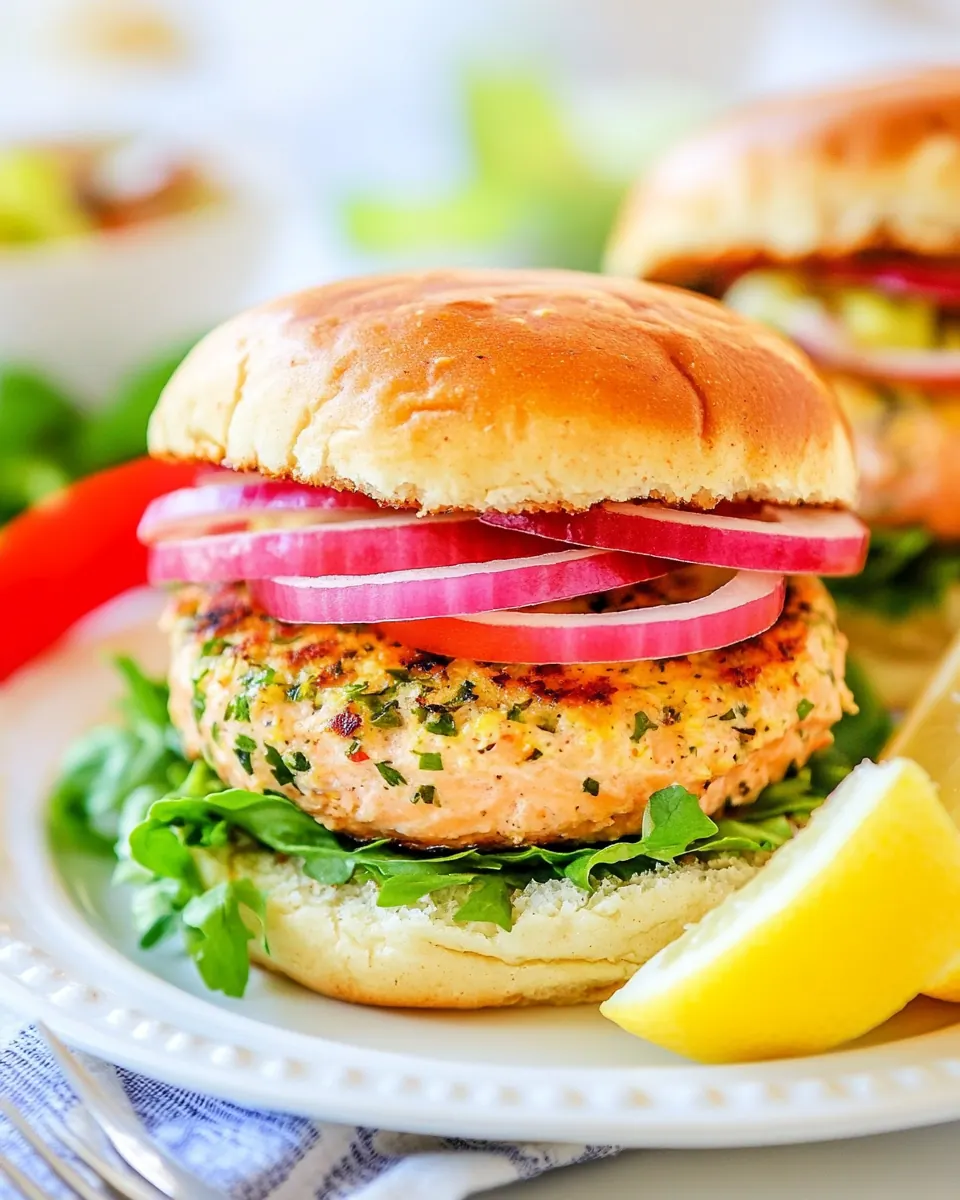
Salmon Burger
Salmon Burger became my go to for backyard weekends the first summer I tried grilling fish for friends, and it still surprises me every time how a few simple moves turn flaky fish into something that holds together and sings on a bun.
I remember the afternoon clearly, rain threatened but the grill resisted the forecast, and I wanted something bright, not heavy. I grabbed a slab of salmon, some parsley, garlic, and a jar of mayonnaise that was hiding at the back of the fridge. After pulsing part of the fish in the processor and folding in chopped roasted red peppers, the kitchen filled with an utterly inviting aroma of lemon and toasted crumbs. We swapped stories while the patties chilled, and by the time the buns were buttered and toasted, everyone agreed this simple sandwich was worth repeating.
Recipe Snapshot
29 mins
15 mins
14 mins
Medium
400 kcal
American
Gluten-Free, Paleo
Dinner
Food processor, Large sharp knife, Grill pan, Non-stick skillet
Why You’ll Love This Salmon Burger
1. Texture that surprises
I love how a Salmon Burger manages to be both flaky and firm at once. By pulsing only part of the fish and leaving some chunks, you get that juicy, silky mouthfeel alongside satisfying bites. The Panko bread crumbs absorb moisture and bind without making the patty gummy, so you get a textured interior that still holds together on the grill.
2. Bright flavor balance
We rely on a combination of acid, fat, and aromatics to keep these burgers lively. A splash of lemon juice wakes up the fish, while Dijon mustard and mayonnaise add a savory creaminess. The chopped roasted red peppers bring subtle sweetness and color, making each bite interesting.
3. Fast and flexible for weeknights
Apart from a brief chilling window, these patties come together quickly. I appreciate that you can make them with a food processor or with good knife work if the machine is busy. If you need dinner on the table, they pair perfectly with simple sides and toast up in minutes, making them an ideal easy weeknight dinner.
4. Great for entertaining
These are reliable when serving a crowd because you can prep the patties ahead and grill or cook them at service time. Toasting the buns with butter adds a little luxury, and the optional Rosemary and Garlic Aioli turns this into something you would happily serve guests without fuss.
5. Healthy and satisfying
Because the recipe centers on fresh salmon, it delivers protein and heart friendly fats, while the breadcrumbs and light binder keep calories reasonable. For me, it feels like a treat that still leaves you energized rather than weighed down.
Ingredients You’ll Need for Salmon Burger
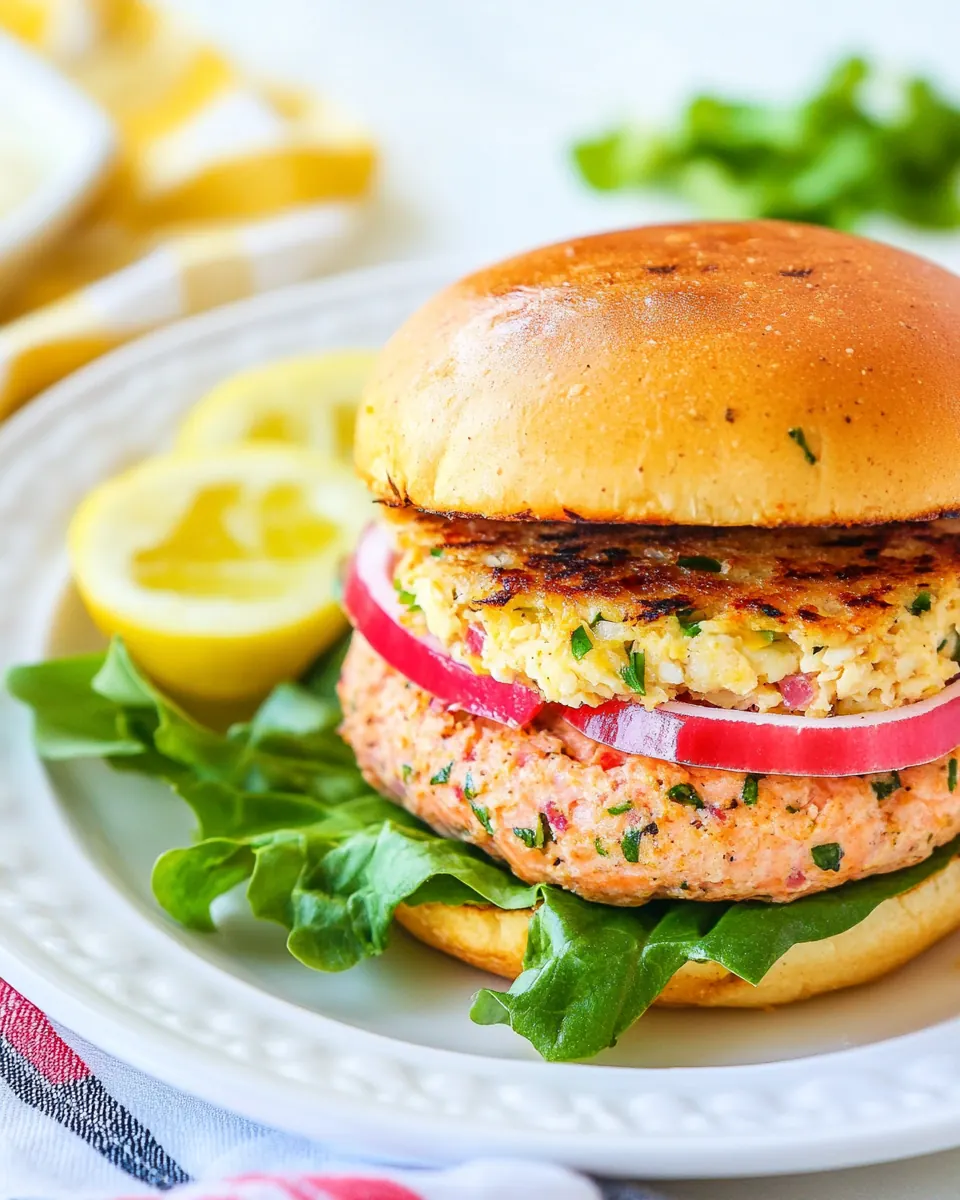
These components work in concert to create patties that are flavorful, well bound, and bright. The fish is the star, while the herbs and aromatics add lift. The binder elements help the patty hold shape without becoming dense, and the garnishes provide contrast in texture and temperature.
- 1 1/4 lbs salmon skinned and de-boned, cut into 2-inch pieces: Cut into 2-inch pieces to provide a uniform texture and ensure even chopping for the patties; offers rich, flaky protein and distinctive salmon flavor that forms the burger base. Use skinned and de-boned fish to avoid unwanted chewiness and bones, and handle gently to preserve moistness while mixing. Fresh salmon contributes natural oils that help bind with breadcrumbs and mayonnaise, enhancing juiciness during cooking.
- 1/4 cup parsley fresh, chopped: Chopped finely to distribute bright, herbaceous notes throughout the mix; adds fresh color and a subtle grassy bitterness that balances the richness of the fish. Use fresh parsley rather than dried for a vibrant aroma and to lift the overall flavor profile. Parsley also contributes a touch of texture and visual appeal in the finished burgers.
- 2 cloves garlic minced: Minced very small to release sharp, savory compounds that penetrate the salmon mixture and enhance umami; provides aromatic depth and a slight pungency. Incorporate at the mixing stage to mellow raw garlic heat and infuse the patties as they rest. Garlic pairs well with mustard and mayonnaise, rounding the savory backbone of the burger.
- 1 teaspoon onion powder () (optional): Used sparingly to impart a gentle onion-like savor without the moisture of fresh onions; adds a mild, concentrated allium flavor that complements the salmon. Include as optional when a subtler, consistent onion note is preferred or fresh onion texture is undesirable. Onion powder helps season the interior evenly and improves overall taste integration.
- 1 teaspoon Dijon mustard: Whisked into the mixture to add a bright, tangy sharpness and a small amount of acidity that cuts through the fish's richness; aids flavor complexity. Dijon’s emulsifying properties also help bind the other wet ingredients, improving cohesion of the patties. A little mustard enhances savory notes without overwhelming delicate salmon taste.
- 2 tablespoon mayonnaise: Folded in to contribute creaminess and help bind the mixture; adds a subtle tang and fat that keeps patties moist during cooking. Mayonnaise contains oil and emulsifiers that improve mouthfeel and assist in achieving a tender, cohesive texture. Use measured amount to avoid greasiness while still ensuring juiciness.
- 1 tablespoon lemon juice usually from 1/2 of a large lemon: Squeezed in to provide a fresh citrus brightness and mild acidity that balances the richness of salmon and mayonnaise. Lemon juice also mildly firms the fish proteins and elevates other herbs and spices in the mix. Adjust amount to taste to keep flavors lively without making the mixture too tart.
- 1 teaspoon Kosher salt: Sprinkled to season and enhance the overall savory profile; contributes essential salinity that brings out the natural flavors of salmon and other components. Use Kosher salt for reliable crystal size and easier pinch control when seasoning. Proper salting also affects texture by lightly drawing out moisture and concentrating flavor.
- 1/2 teaspoon black pepper freshly ground: Added freshly ground to supply warm, pungent heat and aromatic top notes; enhances complexity and rounds the savory elements. Use freshly ground black pepper for a more vibrant flavor than pre-ground varieties. Balance pepper to complement other seasonings without overpowering the delicate fish.
- 1/3 cup roasted red peppers drained and roughly chopped: Drained and chopped roughly to add sweet, smoky, and tangy red pepper pieces that create bursts of flavor and color in the patties. Roasted red peppers introduce a tender texture contrast and Mediterranean flair that pairs well with parsley and garlic. Ensure excess liquid is removed to prevent the mixture becoming too wet.
- 1/4 cup Panko bread crumbs: Sprinkled in to absorb excess moisture, provide structure, and help bind the patties together while keeping them light and tender. Panko offers a crisp, airy crumb compared with finer breadcrumbs, promoting a desirable internal texture and better sear on the exterior. Measure carefully so patties remain cohesive without becoming dry.
- 4 brioche buns: Split and toasted or warmed to serve as the vehicle for the cooked salmon patties; adds carbohydrate balance and a soft, slightly sweet counterpoint to savory fillings. Brioche buns contribute buttery richness and a tender crumb that complements the moist salmon. Toasting the buns adds surface texture and helps prevent sogginess from sauces.
- 4 tablespoon unsalted butter: Melted and brushed onto buns or used for pan-searing to impart a golden, flavorful crust and rich buttery aroma. Unsalted butter allows precise control over overall salt levels in the burger. When used for toasting, it creates a crisp, browned surface that enhances mouthfeel and presentation.
- 1 large tomato sliced, for garnish: Sliced to provide juicy, acidic freshness and a cool textural contrast as a garnish; contributes a mild sweetness and moistness to each bite. Tomato slices also add visual color and help balance the fattiness of the salmon and condiments. Choose ripe but firm tomatoes to maintain structure on the burger.
- green leaf lettuce torn into bun-sized pieces, for garnish: Torn into bun-sized pieces to supply crisp, leafy freshness and a mild vegetal crunch that complements creamy sauces and savory fish. Green leaf lettuce contributes a bright, clean mouthfeel and protects the bun from moisture. Arrange leaves whole to create a stable bed for the patty and garnishes.
- 1 red onion sliced, for garnish: Sliced thinly to bring sharp, slightly sweet and pungent crunch as a topping; provides textural contrast and a zesty bite against the rich salmon. Red onion rings also add color and aromatic complexity that pairs well with mustard and aioli. Adjust thickness to preference to balance assertiveness in each bite.
- 1 cup Rosemary and Garlic Aioli for garnish: Used as a creamy, herby condiment to elevate flavor with rosemary and garlic notes while adding moisture and richness as a garnish. Aioli provides an aromatic, tangy layer that complements the salmon and roasted peppers, enhancing overall savoriness. Spread evenly on the bun to ensure balanced flavor in every mouthful.
Making This Salmon Burger
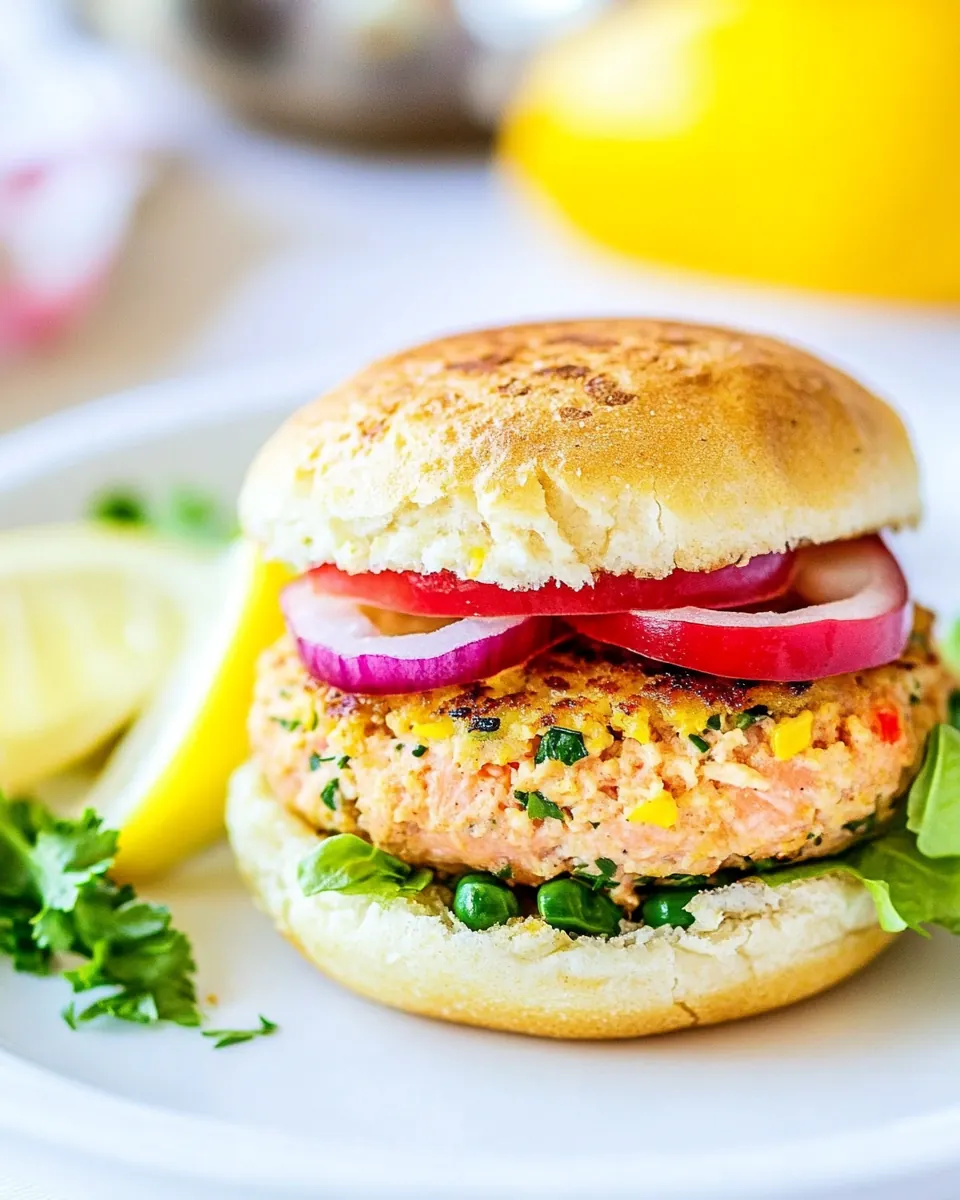
I like to approach cooking these patties like a gentle choreography. Keep ingredients cold, move with purpose, and listen for the subtle cues that tell you when the patty is ready to flip. Below are each of the original directions expanded into detailed steps that help you sense what is happening and avoid common mistakes.
- Add 1/3 of the salmon to the bowl of a food processor. Pulse until the salmon is smooth, about 10 to 15 seconds.: The moment you start pulsing you will notice the texture shifting from flakey to silky, and the processor will emit a slightly sweet, oceanic aroma. This paste is essential because it acts like a glue, creating a tacky base that helps the patties stick together while still allowing the chopped fish to remain visible. If your processor warms up, pause occasionally to keep the fish cold, because heat can make the fats smear and turn the mixture mushy. A common mistake is over pulsing, which creates a completely smooth paste and robs the burger of pleasant texture. Aim for that smooth center and then stop.
- Add the remaining salmon, parsley, garlic, onion powder (if using), Dijon, mayonnaise, lemon juice, salt, and pepper into the food processor with the smooth salmon. Pulse 6 or 7 times, until everything is combined and there are still chunks of salmon visible.: As you pulse, listen for the intermittent whir that tells you ingredients are blending without becoming uniform. You should smell garlic and lemon brightening up, and see flecks of parsley dispersed through the mixture. The goal here is to combine flavors while preserving texture, which is why short pulses are crucial. Avoid prolonged processing, which will overwork the fish and yield a dense patty. If the mix looks too wet, a light hand with bread crumbs later will correct moisture.
- Transfer to a bowl and gently fold in the roasted peppers and bread crumbs.: Folding in the roasted red peppers and Panko bread crumbs by hand lets you control distribution and keep the peppers intact. You should feel slightly resistant as the crumbs absorb moisture, and the peppers should remain distinct pockets of color. Smell the sweet roasted pepper aroma and taste a tiny pinch to check seasoning. A common misstep is stirring vigorously, which can crush the peppers and overwork the mixture. Be gentle, use the padded part of your hand or a spatula, and stop once ingredients are evenly distributed.
- Divide the mixture into 4 mounds, and then form each into a patty, about 3 to 4 inches in diameter. A hamburger press or large cookie cutter is helpful here, but not totally necessary.: When you form the patties, you should feel them hold their shape but still be cool to the touch. Press too hard and you will compress out air and moisture, creating a dense texture. The surface should be slightly tacky, and the edges neat. If the patties slump, they need more chilling or a touch more breadcrumbs. A common mistake is making patties too thin which causes them to overcook and dry out, so aim for roughly three quarters of an inch to one inch thick for juicy results.
- Chill the patties for at least 20 minutes, or up to 24 hours.: Chilling firms the fats and proteins, making the patties far more resilient on the grill. You will notice the scent calm and the texture tighten as the patties chill. If you skip chilling, they are more likely to fall apart when you flip them, and you may lose those desirable internal pockets of flake. If preparing ahead, place patties on parchment and cover tightly, and know that up to 24 hours in the fridge is safe and often beneficial for flavor melding.
- If grilling, turn your grill to medium-high heat. Lightly spray a grill pan, (or non-stick skillet) with cooking spray. Use a spatula to transfer the patties onto the grill pan and place over direct heat on the grill. Cook for 7 minutes and then carefully flip and cook for another 7 minutes. If cooking on the skillet, follow the same timing. The internal temperature of the burgers should be 135°F to 145°F.: As the patties hit the hot surface you will hear a gentle sizzle and smell the butter and fish browning. Look for golden edges and slight crust development before flipping. The second side should produce the same satisfying sizzle and deepen in color. Use an instant read thermometer to check that the center reaches between 135°F and 145°F , this ensures the fish is safe but still moist. Avoid repeatedly pressing the patties, which squeezes out juices and dries them. A common error is using too high heat which chars the exterior before the center cooks, so medium high provides the best balance.
- Meanwhile, butter the buns and toast during the final cooking of the salmon burgers.: As the burgers finish, melt the unsalted butter in a skillet and toast the brioche buns until they are golden and fragrant. The buttered toast creates a slightly crispy barrier that prevents sogginess from sauces, and the warm bun complements the hot patty. You should hear a light hiss and see tiny bubbles in the butter as it toasts. Take care not to burn the bread, which happens quickly once the surface browns, so watch closely and transfer to a plate immediately when golden.
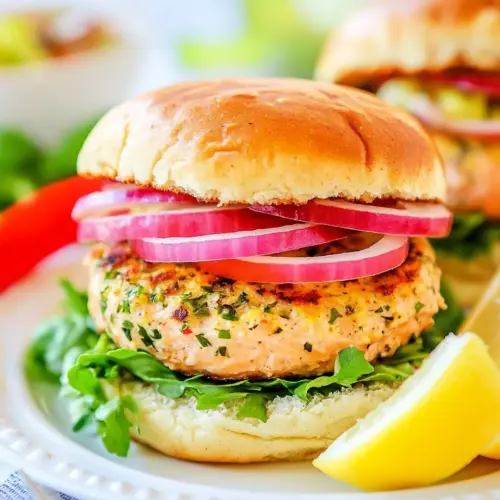
- Serve at once on toasted buns, with lettuce, tomato, onion, and aioli, if desired.: The final experience is all about contrast, so assemble warm patties on the toasted brioche buns with crisp green leaf lettuce , juicy tomato slices, sharp red onion , and a smear of Rosemary and Garlic Aioli . The first bite should present the warmth of the patty, coolness of the lettuce, and a bright tang from the aioli. If your burger feels soggy, you likely used too much sauce or did not toast the buns well. Serve immediately to enjoy the textural interplay at its peak.
Tips and Variations
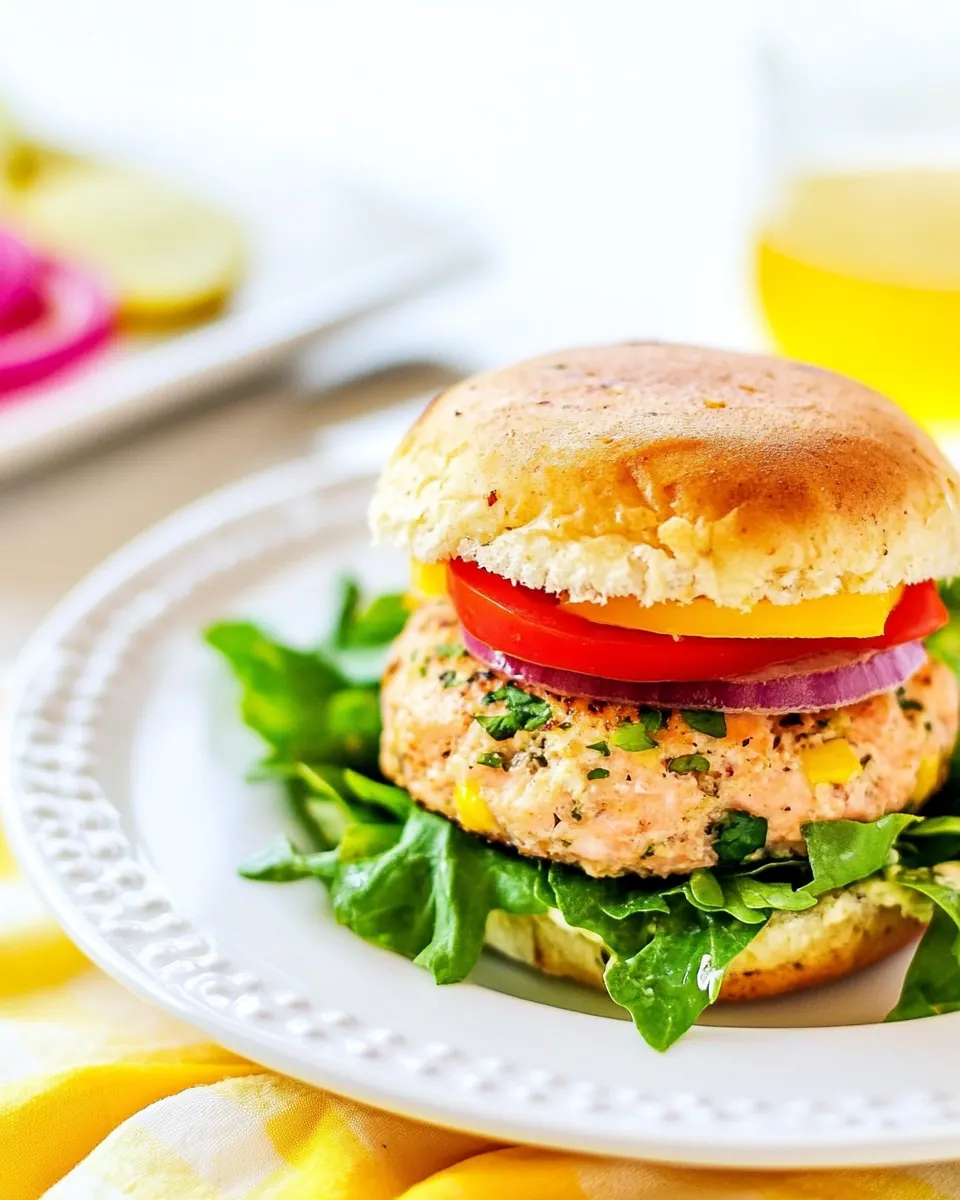
I like to think of these tips as small shifts that yield much better results. A few adjustments to technique or timing can transform a good burger into a memorable one. Below are practical ideas and simple variations to adapt the recipe to your kitchen and taste.
- Use cold salmon — Keep the salmon chilled until you are ready to pulse or chop, this prevents the fats from softening and the mixture from becoming overly wet or mushy.
- Pulse strategically — Pulse one third of the fish into a paste first and then add the rest for texture, this technique balances binding with flakiness and is simple to replicate without a processor.
- Don’t skip chilling — Chill patties for at least twenty minutes to firm up the mixture and reduce breakage while cooking, especially useful when grilling over direct heat.
- Toast buns in butter — Buttering and toasting brioche buns just before service creates a slight barrier against moisture and adds a toasty flavor note that pairs beautifully with the fish.
- Adjust seasoning at the end — Taste a tiny cooked flake of a spare scrap to check seasoning before forming all patties, then adjust salt and pepper as needed to avoid under seasoned burgers.
- Freeze for convenience — Form patties and freeze uncooked on parchment for up to two months, then cook straight from frozen with a slightly longer cook time to retain texture and flavor.
Serving Suggestions
This recipe works for casual lunches, summer dinners, and festive gatherings. Think about contrasts in texture and temperature when plating. Warm patties benefit from cool crisp garnishes and a bright sauce, which together make the sandwich feel complete and satisfying.
- Classic sandwich — Serve the Salmon Burger on a toasted brioche bun with green leaf lettuce, sliced tomato, and red onion for a timeless presentation that works for picnics, barbecues, and casual dinners.
- Light plate — Skip the bun and present the patty atop a bed of torn lettuce with a dollop of Rosemary and Garlic Aioli for a lower carb option that still feels substantial and elegant enough for guests.
- Side pairings — Complement the burger with crisp sides like roasted potatoes or a simple green salad. For summer occasions, grilled vegetables or a chilled cucumber salad provide refreshing contrast.
- Occasions — These burgers shine at casual gatherings, weekday dinners, and summertime cookouts. Their quick cook time and ability to be prepped ahead make them ideal for entertaining without fuss.
- Storage tips — Store unused raw patties on parchment in an airtight container in the refrigerator for up to twenty four hours, or freeze individually and stack with parchment between layers for up to two months.
- Seasonal pairings — In summer serve with ripe tomatoes and crisp greens, while in cooler months pair with a warm grain salad or roasted root vegetables to make the meal heartier.
FAQ
Conclusion
What makes this Salmon Burger special is the balance of texture and brightness, achieved by pulsing part of the fish while leaving chunks intact and finishing the sandwich with a buttery toasted bun and herby aioli. I hope you give it a try because it’s quick to assemble, forgiving in technique, and impressive on the table. If you make it once, you’ll discover small tweaks that match your taste, and it will quickly become a favorite for casual meals and summer gatherings.
Salmon Burger
Equipment
- Food Processor
- Large sharp knife
- Grill pan
- Non-Stick Skillet
Ingredients
- 1 1/4 lbs salmon skinned and de-boned, cut into 2-inch pieces Cut into 2-inch pieces to provide a uniform texture and ensure even chopping for the patties; offers rich, flaky protein and distinctive salmon flavor that forms the burger base. Use skinned and de-boned fish to avoid unwanted chewiness and bones, and handle gently to preserve moistness while mixing. Fresh salmon contributes natural oils that help bind with breadcrumbs and mayonnaise, enhancing juiciness during cooking.
- 1/4 cup parsley fresh, chopped Chopped finely to distribute bright, herbaceous notes throughout the mix; adds fresh color and a subtle grassy bitterness that balances the richness of the fish. Use fresh parsley rather than dried for a vibrant aroma and to lift the overall flavor profile. Parsley also contributes a touch of texture and visual appeal in the finished burgers.
- 2 cloves garlic minced Minced very small to release sharp, savory compounds that penetrate the salmon mixture and enhance umami; provides aromatic depth and a slight pungency. Incorporate at the mixing stage to mellow raw garlic heat and infuse the patties as they rest. Garlic pairs well with mustard and mayonnaise, rounding the savory backbone of the burger.
- 1 teaspoon onion powder (optional) Used sparingly to impart a gentle onion-like savor without the moisture of fresh onions; adds a mild, concentrated allium flavor that complements the salmon. Include as optional when a subtler, consistent onion note is preferred or fresh onion texture is undesirable. Onion powder helps season the interior evenly and improves overall taste integration.
- 1 teaspoon Dijon mustard Whisked into the mixture to add a bright, tangy sharpness and a small amount of acidity that cuts through the fish's richness; aids flavor complexity. Dijon’s emulsifying properties also help bind the other wet ingredients, improving cohesion of the patties. A little mustard enhances savory notes without overwhelming delicate salmon taste.
- 2 tablespoon mayonnaise Folded in to contribute creaminess and help bind the mixture; adds a subtle tang and fat that keeps patties moist during cooking. Mayonnaise contains oil and emulsifiers that improve mouthfeel and assist in achieving a tender, cohesive texture. Use measured amount to avoid greasiness while still ensuring juiciness.
- 1 tablespoon lemon juice usually from 1/2 of a large lemon Squeezed in to provide a fresh citrus brightness and mild acidity that balances the richness of salmon and mayonnaise. Lemon juice also mildly firms the fish proteins and elevates other herbs and spices in the mix. Adjust amount to taste to keep flavors lively without making the mixture too tart.
- 1 teaspoon Kosher salt Sprinkled to season and enhance the overall savory profile; contributes essential salinity that brings out the natural flavors of salmon and other components. Use Kosher salt for reliable crystal size and easier pinch control when seasoning. Proper salting also affects texture by lightly drawing out moisture and concentrating flavor.
- 1/2 teaspoon black pepper freshly ground Added freshly ground to supply warm, pungent heat and aromatic top notes; enhances complexity and rounds the savory elements. Use freshly ground black pepper for a more vibrant flavor than pre-ground varieties. Balance pepper to complement other seasonings without overpowering the delicate fish.
- 1/3 cup roasted red peppers drained and roughly chopped Drained and chopped roughly to add sweet, smoky, and tangy red pepper pieces that create bursts of flavor and color in the patties. Roasted red peppers introduce a tender texture contrast and Mediterranean flair that pairs well with parsley and garlic. Ensure excess liquid is removed to prevent the mixture becoming too wet.
- 1/4 cup Panko bread crumbs Sprinkled in to absorb excess moisture, provide structure, and help bind the patties together while keeping them light and tender. Panko offers a crisp, airy crumb compared with finer breadcrumbs, promoting a desirable internal texture and better sear on the exterior. Measure carefully so patties remain cohesive without becoming dry.
- 4 brioche buns Split and toasted or warmed to serve as the vehicle for the cooked salmon patties; adds carbohydrate balance and a soft, slightly sweet counterpoint to savory fillings. Brioche buns contribute buttery richness and a tender crumb that complements the moist salmon. Toasting the buns adds surface texture and helps prevent sogginess from sauces.
- 4 tablespoon unsalted butter Melted and brushed onto buns or used for pan-searing to impart a golden, flavorful crust and rich buttery aroma. Unsalted butter allows precise control over overall salt levels in the burger. When used for toasting, it creates a crisp, browned surface that enhances mouthfeel and presentation.
- 1 large tomato sliced, for garnish Sliced to provide juicy, acidic freshness and a cool textural contrast as a garnish; contributes a mild sweetness and moistness to each bite. Tomato slices also add visual color and help balance the fattiness of the salmon and condiments. Choose ripe but firm tomatoes to maintain structure on the burger.
- green leaf lettuce torn into bun-sized pieces, for garnish Torn into bun-sized pieces to supply crisp, leafy freshness and a mild vegetal crunch that complements creamy sauces and savory fish. Green leaf lettuce contributes a bright, clean mouthfeel and protects the bun from moisture. Arrange leaves whole to create a stable bed for the patty and garnishes.
- 1 red onion sliced, for garnish Sliced thinly to bring sharp, slightly sweet and pungent crunch as a topping; provides textural contrast and a zesty bite against the rich salmon. Red onion rings also add color and aromatic complexity that pairs well with mustard and aioli. Adjust thickness to preference to balance assertiveness in each bite.
- 1 cup Rosemary and Garlic Aioli for garnish Used as a creamy, herby condiment to elevate flavor with rosemary and garlic notes while adding moisture and richness as a garnish. Aioli provides an aromatic, tangy layer that complements the salmon and roasted peppers, enhancing overall savoriness. Spread evenly on the bun to ensure balanced flavor in every mouthful.
Instructions
- Add 1/3 of the salmon to the bowl of a food processor. Pulse until the salmon is smooth, about 10 to 15 seconds.: The moment you start pulsing you will notice the texture shifting from flakey to silky, and the processor will emit a slightly sweet, oceanic aroma. This paste is essential because it acts like a glue, creating a tacky base that helps the patties stick together while still allowing the chopped fish to remain visible. If your processor warms up, pause occasionally to keep the fish cold, because heat can make the fats smear and turn the mixture mushy. A common mistake is over pulsing, which creates a completely smooth paste and robs the burger of pleasant texture. Aim for that smooth center and then stop.
- Add the remaining salmon, parsley, garlic, onion powder (if using), Dijon, mayonnaise, lemon juice, salt, and pepper into the food processor with the smooth salmon. Pulse 6 or 7 times, until everything is combined and there are still chunks of salmon visible.: As you pulse, listen for the intermittent whir that tells you ingredients are blending without becoming uniform. You should smell garlic and lemon brightening up, and see flecks of parsley dispersed through the mixture. The goal here is to combine flavors while preserving texture, which is why short pulses are crucial. Avoid prolonged processing, which will overwork the fish and yield a dense patty. If the mix looks too wet, a light hand with bread crumbs later will correct moisture.
- Transfer to a bowl and gently fold in the roasted peppers and bread crumbs.: Folding in the roasted red peppers and Panko bread crumbs by hand lets you control distribution and keep the peppers intact. You should feel slightly resistant as the crumbs absorb moisture, and the peppers should remain distinct pockets of color. Smell the sweet roasted pepper aroma and taste a tiny pinch to check seasoning. A common misstep is stirring vigorously, which can crush the peppers and overwork the mixture. Be gentle, use the padded part of your hand or a spatula, and stop once ingredients are evenly distributed.
- Divide the mixture into 4 mounds, and then form each into a patty, about 3 to 4 inches in diameter. A hamburger press or large cookie cutter is helpful here, but not totally necessary.: When you form the patties, you should feel them hold their shape but still be cool to the touch. Press too hard and you will compress out air and moisture, creating a dense texture. The surface should be slightly tacky, and the edges neat. If the patties slump, they need more chilling or a touch more breadcrumbs. A common mistake is making patties too thin which causes them to overcook and dry out, so aim for roughly three quarters of an inch to one inch thick for juicy results.
- Chill the patties for at least 20 minutes, or up to 24 hours.: Chilling firms the fats and proteins, making the patties far more resilient on the grill. You will notice the scent calm and the texture tighten as the patties chill. If you skip chilling, they are more likely to fall apart when you flip them, and you may lose those desirable internal pockets of flake. If preparing ahead, place patties on parchment and cover tightly, and know that up to 24 hours in the fridge is safe and often beneficial for flavor melding.
- If grilling, turn your grill to medium-high heat. Lightly spray a grill pan, (or non-stick skillet) with cooking spray. Use a spatula to transfer the patties onto the grill pan and place over direct heat on the grill. Cook for 7 minutes and then carefully flip and cook for another 7 minutes. If cooking on the skillet, follow the same timing. The internal temperature of the burgers should be 135°F to 145°F.: As the patties hit the hot surface you will hear a gentle sizzle and smell the butter and fish browning. Look for golden edges and slight crust development before flipping. The second side should produce the same satisfying sizzle and deepen in color. Use an instant read thermometer to check that the center reaches between 135°F and 145°F , this ensures the fish is safe but still moist. Avoid repeatedly pressing the patties, which squeezes out juices and dries them. A common error is using too high heat which chars the exterior before the center cooks, so medium high provides the best balance.
- Meanwhile, butter the buns and toast during the final cooking of the salmon burgers.: As the burgers finish, melt the unsalted butter in a skillet and toast the brioche buns until they are golden and fragrant. The buttered toast creates a slightly crispy barrier that prevents sogginess from sauces, and the warm bun complements the hot patty. You should hear a light hiss and see tiny bubbles in the butter as it toasts. Take care not to burn the bread, which happens quickly once the surface browns, so watch closely and transfer to a plate immediately when golden.
- Serve at once on toasted buns, with lettuce, tomato, onion, and aioli, if desired.: The final experience is all about contrast, so assemble warm patties on the toasted brioche buns with crisp green leaf lettuce , juicy tomato slices, sharp red onion , and a smear of Rosemary and Garlic Aioli . The first bite should present the warmth of the patty, coolness of the lettuce, and a bright tang from the aioli. If your burger feels soggy, you likely used too much sauce or did not toast the buns well. Serve immediately to enjoy the textural interplay at its peak.
Notes
- Use cold salmon — Keep the salmon chilled until you are ready to pulse or chop, this prevents the fats from softening and the mixture from becoming overly wet or mushy.
- Pulse strategically — Pulse one third of the fish into a paste first and then add the rest for texture, this technique balances binding with flakiness and is simple to replicate without a processor.
- Don’t skip chilling — Chill patties for at least twenty minutes to firm up the mixture and reduce breakage while cooking, especially useful when grilling over direct heat.
- Toast buns in butter — Buttering and toasting brioche buns just before service creates a slight barrier against moisture and adds a toasty flavor note that pairs beautifully with the fish.
- Adjust seasoning at the end — Taste a tiny cooked flake of a spare scrap to check seasoning before forming all patties, then adjust salt and pepper as needed to avoid under seasoned burgers.
- Freeze for convenience — Form patties and freeze uncooked on parchment for up to two months, then cook straight from frozen with a slightly longer cook time to retain texture and flavor.
