Green Goddess Dressing
Green Goddess Dressing has been my go to when I want a punchy, verdant sauce that wakes up a bowl of greens or turns raw vegetables into a star. I remember the first time I whirled up a batch: the kitchen smelled like a gardener s basket after a rain, bright with lemon and herb, and I felt like I d discovered a secret shortcut to making anything taste celebratory. That first jar vanished within a day, spooned over everything from roasted potatoes to simple grilled vegetables.
Over time I ve refined the balance so the dressing is creamy without being heavy, herb forward without tasting like a pesto, and versatile enough to be a dip or a dressing. I often make a double batch on spring weekends when parsley and chives are abundant, then stash it in the fridge for sauces, sandwich slathers, and quick weeknight salads. My friends have nicknamed it the fridge lifesaver because it revives tired leftovers with one good spoonful.
Recipe Snapshot
5 mins
3 mins
2 mins
Easy
100 kcal
American
Keto, Gluten-Free
Side Dishes
Food processor, Blender
Why We Love This Green Goddess Dressing
Bright herbal flavor that sings
I love that Green Goddess Dressing puts fresh herbs center stage. The combination of parsley, chives, and tarragon creates layers of green aromatics, from grassy to anise like notes, so each bite feels lively. I often tell people this is the quickest way to make a simple salad feel intentional.
Creamy texture without heaviness
The mix of mayonnaise and sour cream or plain Greek yogurt gives a silky mouthfeel, yet it never weighs the dish down. I prefer using a combination because the mayo brings richness while the sour cream or yogurt adds tang, producing a sauce that clings beautifully to leaves and crudites.
Really versatile in the kitchen
We use this dressing as a marinade, a dip, and a finishing sauce. One afternoon I tossed it with thinly sliced cucumbers for an instant picnic salad, the next I dolloped it on roasted asparagus. That versatility is why I keep the ingredients on hand: a single small prep makes many meals feel elevated.
Fast and forgiving to make
If you re short on time, this recipe comes together in minutes. I appreciate how forgiving it is with quantities: a little more lemon juice brightens, a touch more salt balances. It s a great entry level recipe for cooks learning how acid, fat, and herbs interact.
Customizable to taste
I adore that you can tweak this to your mood. Want it looser for drizzling, add a splash more lemon juice. Prefer it punchier, increase the garlic or Worcestershire sauce. Small adjustments let you tailor it for grilled vegetables, sandwiches, or a creamy salad base.
What to Gather for Green Goddess Dressing
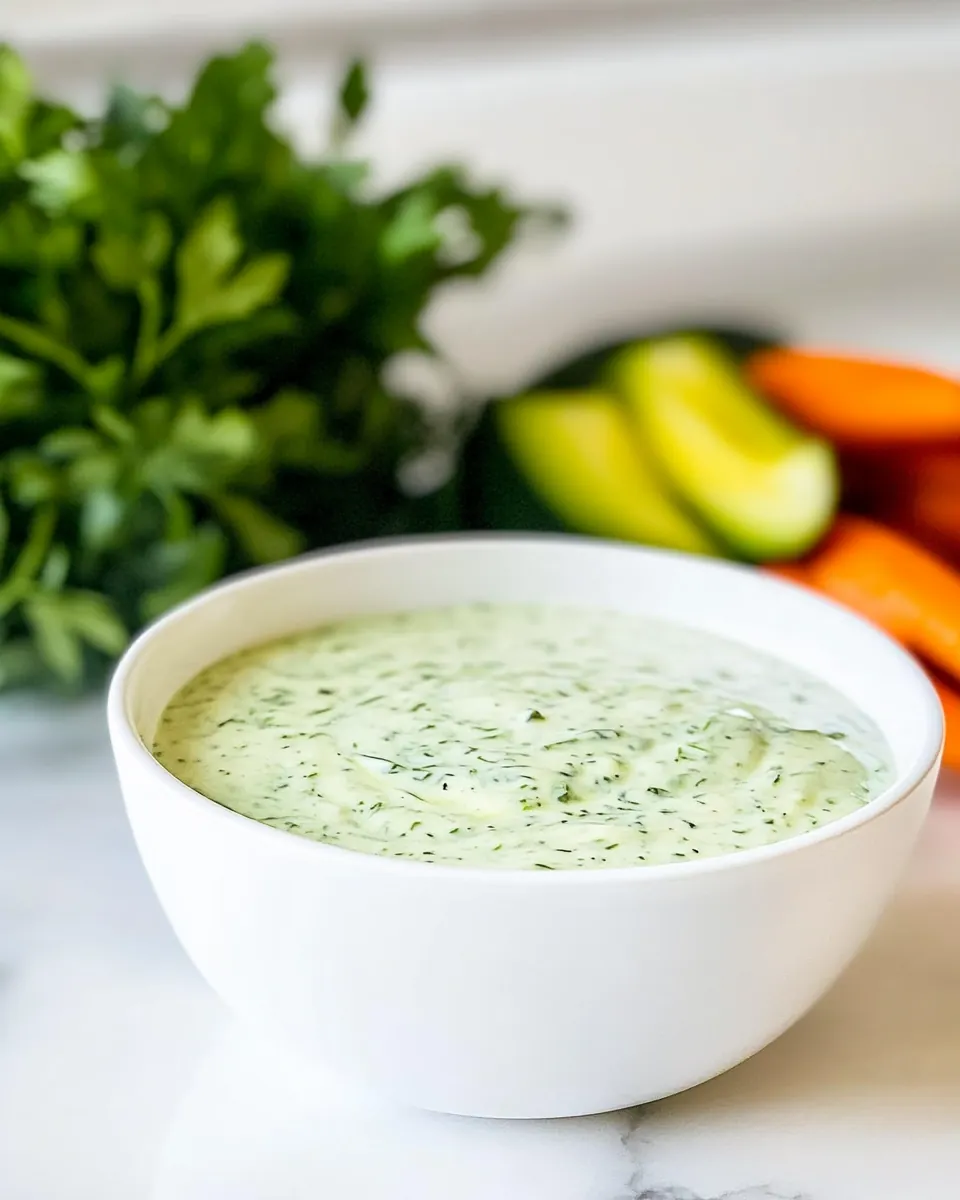
These ingredients are all about contrast and harmony. The fresh herbs bring brightness and aromatic lift, while the creamy elements provide body and mouth coating. Acid from lemon juice and the savory note from Worcestershire sauce round out the flavors so the dressing tastes complete. The key players are the herbs for personality, the mayo and sour cream or yogurt for texture, and the acid and seasoning to tie everything together.
- 1 cup parsley leaves (see note 1): Provide bright, herbaceous flavor and freshness while contributing bulk to the dressing; finely packed leaves help create a vibrant green color and a clean, slightly bitter backbone that balances the creamy elements. Chop or pulse briefly in a food processor to release oils and ensure smooth blending, and note that stems should be minimal to avoid toughness. Parsley’s mildness allows other herbs to shine while lifting the overall flavor profile.
- 3 tablespoons fresh chives coarsely chopped: Add a mild onion-like sharpness and delicate allium aroma while providing textural interest; coarsely chopped chives distribute subtle savory notes without overpowering the dressing. Folded into the mixture or processed briefly, chives enhance complexity and give a gentle pops of green. Fresh chives are preferable for their light, fragrant quality.
- 2 tablespoons fresh tarragon leaves: Contribute an anise-like, slightly sweet herbal note that complements the parsley and chives; tarragon leaves bring depth and a sophisticated herbal warmth to the dressing. Use whole leaves to avoid bitter stems and process with the other herbs so the flavor melds evenly through the creamy base. Tarragon helps create a layered aromatic profile.
- 1 clove garlic peeled and coarsely chopped: Deliver pungency and savory bite that brightens the dressing and balances the richness of mayonnaise and sour cream; coarsely chopped garlic releases essential oils when crushed or processed. Adjust amount to taste to avoid overwhelming the herbs, and consider briefly pulsing to distribute sharpness evenly. Garlic adds classic garlicky backbone familiar in green dressings.
- 1 teaspoon lemon zest (from 1 lemon): Provide concentrated citrus oil from the peel that lifts the dressing with fragrant brightness and subtle bitterness; finely zested lemon adds aromatic complexity beyond lemon juice alone. Zest should be taken from unwaxed fruit and added sparingly to avoid unpleasant pith. Lemon zest melds with herbs to enhance overall freshness.
- 3/4 cup mayonnaise: Offer a rich, creamy base and emulsion capacity that gives body, mouthfeel, and a slight tang depending on brand; mayonnaise helps bind water- and oil-soluble components into a cohesive dressing. Whisk or process with other ingredients to create a smooth, stable texture and to carry herb flavors. Mayonnaise contributes savory depth and satiety to each bite.
- 3/4 cup sour cream or plain Greek yogurt (see note 2): Provide cooling tang and creamy texture while lightening the mayo’s richness; sour cream or plain Greek yogurt introduces lactic acidity that brightens flavors and improves mouthfeel. Choose yogurt for a thicker, protein-rich option or sour cream for a classic tang; both help thin the dressing slightly when combined with lemon juice. This component also contributes to the dressing’s silkiness.
- 2 tablespoons lemon juice: Add bright acidity to balance the creamy and herbaceous elements while enhancing overall flavor clarity; lemon juice provides sharp, citrusy lift that prevents the dressing from tasting flat. Freshly squeezed juice is recommended for best flavor and to avoid bitterness from bottled juice. Acid helps preserve color and ties ingredients together.
- 2 teaspoons Worcestershire sauce (see note 3): Introduce savory umami depth and a subtle tangy-sweet complexity that rounds out the dressing; Worcestershire sauce brings fermented, anchovy- and vinegar-driven notes in a small amount. Measure carefully so it enhances without dominating the fresh herb flavors, and blend thoroughly to distribute its concentrated character. It acts as a flavor bridge between herbs and dairy.
- Salt and freshly ground black pepper: Season to enhance all flavors and provide balance; salt amplifies taste while freshly ground black pepper contributes mild heat and aromatic warmth. Add gradually and adjust at the end to taste, since dairy and Worcestershire can change perceived seasoning. Proper seasoning ensures the dressing is bright and well-rounded.
Directions for Green Goddess Dressing
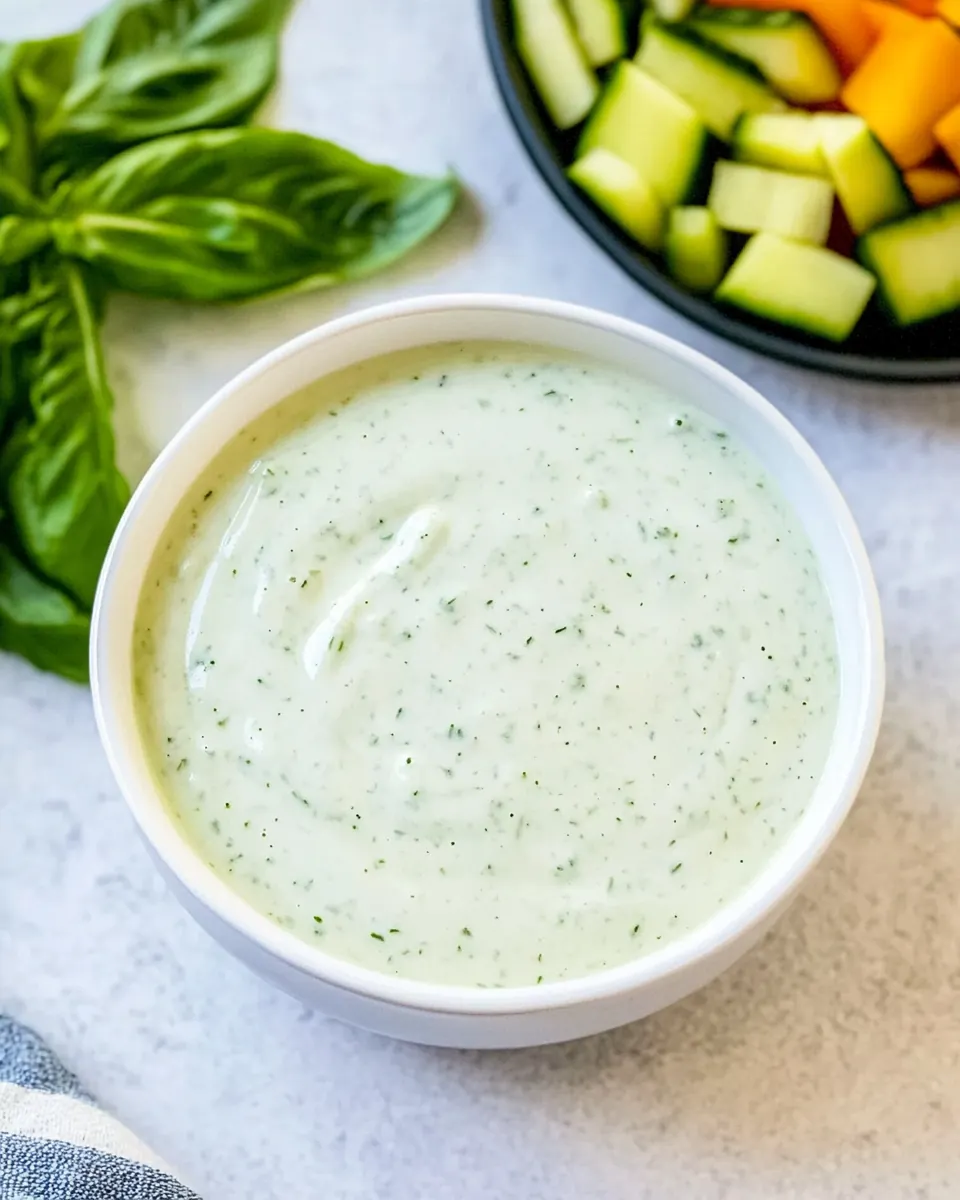
These directions are straightforward, and I like to think of the process as a short layering of flavors that happens quickly in the processor. Put everything in and pulse to control texture, then taste and adjust, chilling briefly to let the flavors meld. Below I break the steps into detailed sensory cues, explanations, and common pitfalls so you can nail the result every time.
- In a food processor or blender, add parsley, chives, tarragon, garlic, and lemon zest and pulse until finely chopped.: When you first pulse the herbs and garlic , you should notice a fresh green aroma that feels almost grassy and slightly peppery, with the lemon zest giving a bright citrus perfume. The sound at this stage is a rapid, staccato chopping, not a long roar; use short bursts to avoid warming the herbs. The visual cue is a uniformly green, finely chopped mixture with no large herb ribbons remaining. This step matters because evenly chopped herbs blend smoothly into the creamy base, preventing stringy bits and ensuring balanced flavor in every spoonful. A common mistake is overprocessing until the herbs turn into a wet paste, which can make the dressing too thin and release bitter notes. If that happens, stop early and fold into the creamy base gently instead.
- Add mayonnaise, sour cream, lemon juice, and Worcestershire sauce. Blend until smooth. Season to taste with salt and pepper (I like 1/2 teaspoon salt and 1/4 teaspoon pepper) and chill.: As you add the mayonnaise and sour cream or plain Greek yogurt , they will begin to coat the herb mixture, creating a thick, glossy emulsion. The lemon juice will immediately brighten the bowl, cutting through the richness with a sharp, clean tang, while the Worcestershire sauce adds a darker, savory depth that rounds the top notes. Blend until the texture is smooth and satiny, watching for a consistent sheen that indicates a proper emulsion. The why here is crucial: thorough but brief blending integrates fat and water phases so the dressing is stable and clings to vegetables. A misstep to avoid is overblending into a soupy texture or underblending so the mayo remains separated; aim for a satiny, slightly thick consistency visible on a spoon.
- Blend until smooth: As the mixture goes fully smooth, inhale the combined bouquet of herbs and citrus, which should smell bright yet balanced with a rounded creaminess. The texture should be thick enough to hold soft peaks when stirred slowly, but still pourable for drizzling. This tactile check tells you the emulsion is successful. The reason this matters is that smoothness affects how the dressing coats leaves and how it carries flavors across the palate. One common error is not scraping down the sides of the processor; pockets of unblended herb can throw off the balance, so pause once to scrape and finish blending briefly for uniformity.
- Season to taste with salt and pepper I like 1 2 teaspoon salt and 1 4 teaspoon pepper and chill: After blending, the aroma will settle and the flavors will read differently than during blending; that s why seasoning at the end is essential. Start with a modest amount of salt and black pepper , then taste and refine; the suggested amounts are a reliable baseline. Chilling the dressing for a short period softens the edges and lets the herbs hydrate, which blends flavors more coherently. The troubleshooting tip here is to avoid salting too early because the mayonnaise and Worcestershire sauce already contribute sodium. If you over salt, you can balance slightly with a touch more lemon juice or additional sour cream or yogurt, but prevention is easier than correction.
Helpful Hints
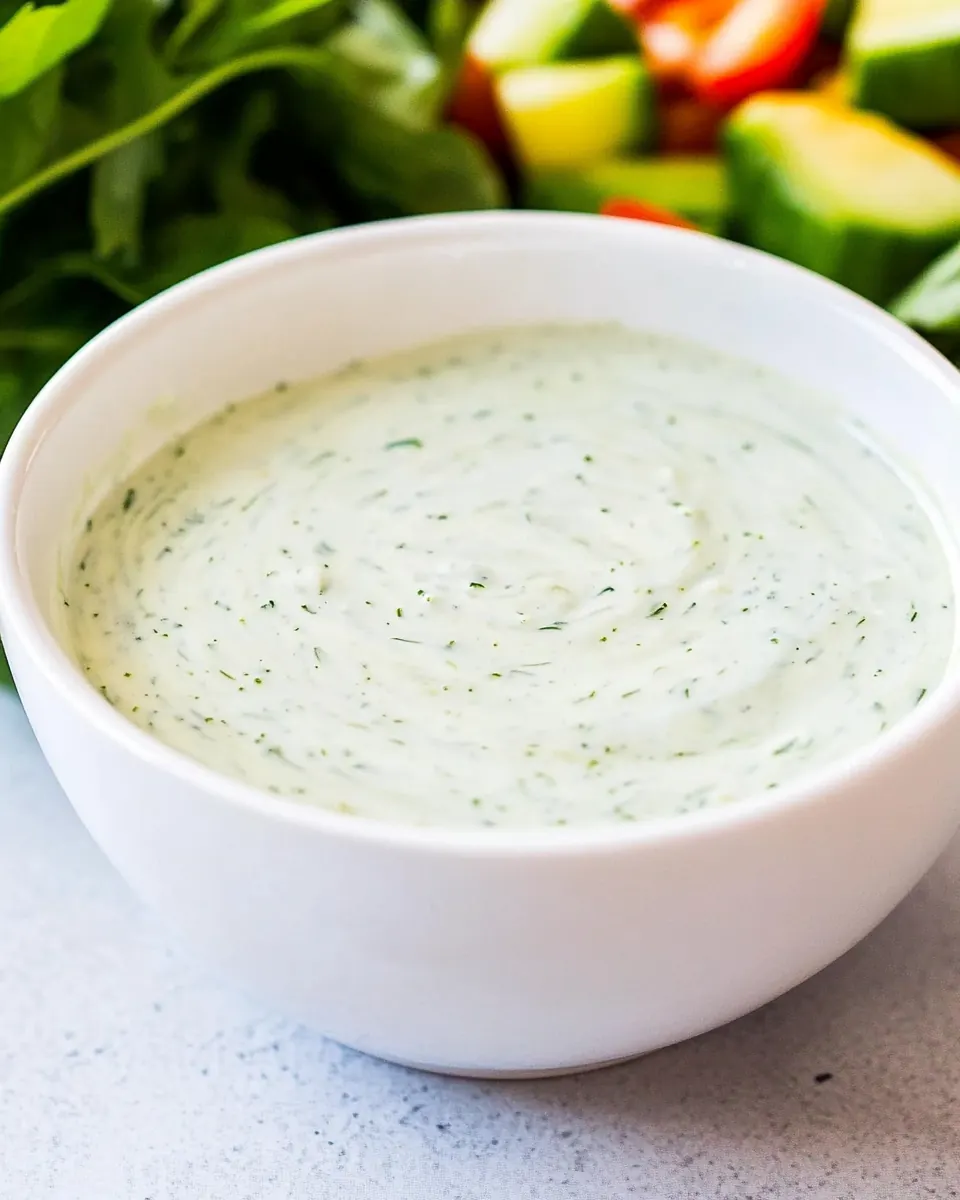
I like to think of helpful hints as small tricks that save time and elevate taste. These pointers expand on the notes and give you practical options for texture, storage, and substitutions while staying true to the original recipe. Keep these tips handy when you plan to double the batch or use the dressing across different dishes.
- Start with cold dairy — Using cold sour cream or plain Greek yogurt helps the emulsion stay thick and keeps the dressing from thinning too quickly as you blend.
- Pulse before pureeing — Give the herbs a few short pulses first so they re chopped evenly; this prevents large bits and helps you control final texture.
- Adjust acid at the end — Add lemon juice gradually after blending to fine tune brightness without overshooting.
- Make ahead for better melded flavor — Chill the dressing for at least 30 minutes when possible so the herbs and seasonings harmonize fully.
- Keep extra on hand — This dressing is a great multi use condiment, so make a slightly larger batch and store in a sealed jar for quick salads, dips, or sandwich spreads.
Perfect Matches for Green Goddess Dressing
Green Goddess Dressing plays well with a variety of dishes and occasions. It excels as a salad finishing sauce, a crisp vegetable dip, or a creamy spread for sandwiches. Below are detailed serving ideas, seasonal pairings, and storage suggestions to help you make the most of each batch.
- On crisp green salads — Spoon the dressing over a bowl of mixed greens for an instant springtime salad. The herb forward profile complements delicate lettuces and peppery arugula, making it ideal for light lunches or starter salads at dinner.
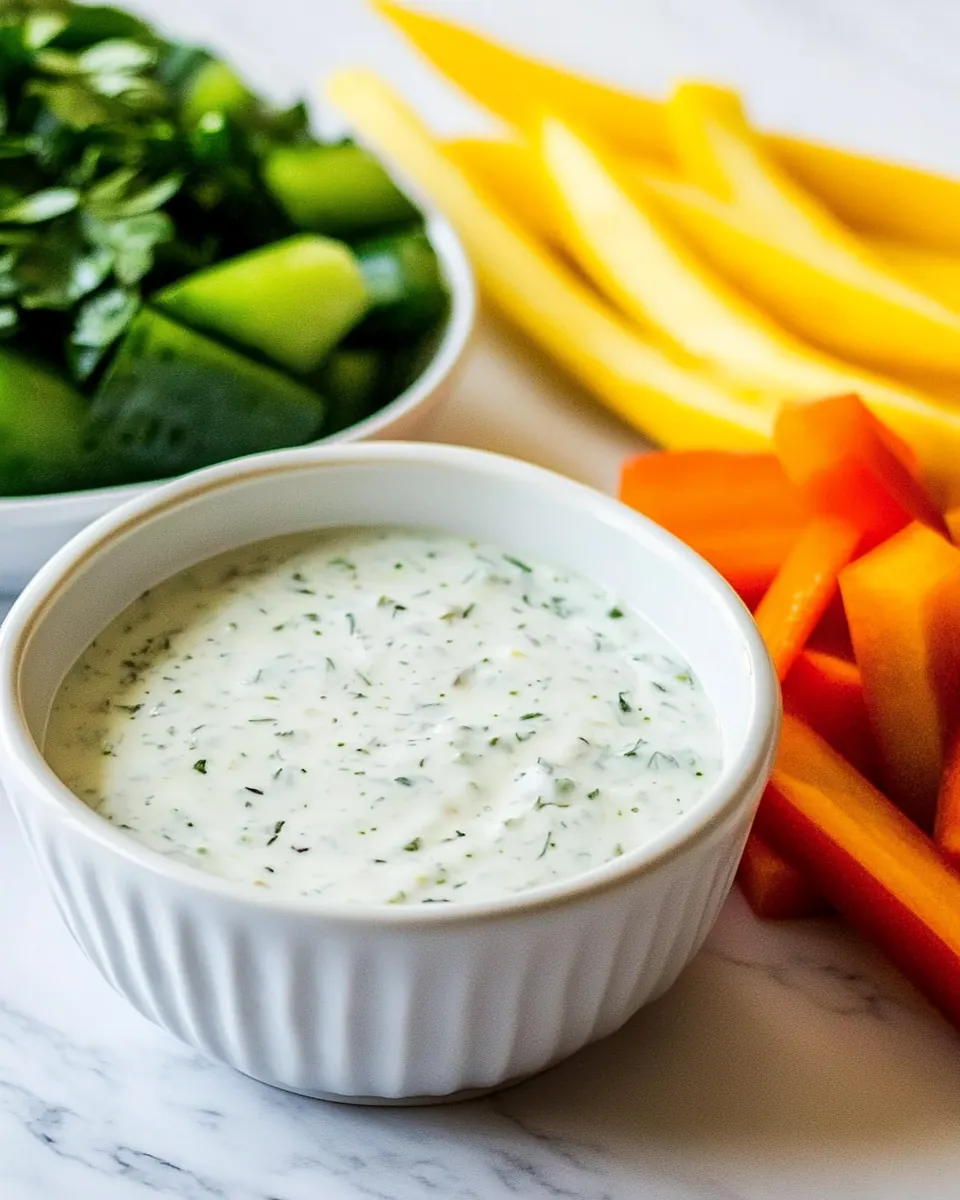
- As a veggie dip — Use it as a dip for raw vegetables like carrots, cucumbers, and bell peppers at casual gatherings. The creaminess pairs with crunchy textures and elevates simple crudites into a satisfying appetizer for parties or packed picnic baskets.
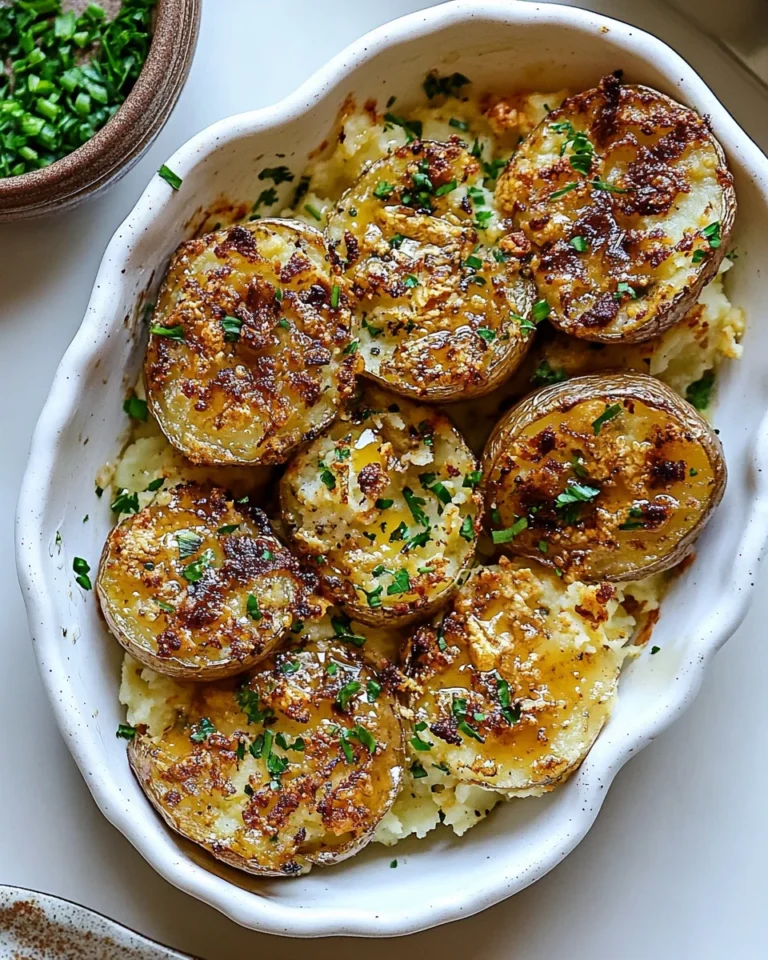
- With roasted vegetables — Dollop the dressing on warm roasted asparagus, potatoes, or cauliflower to add a bright, cooling contrast. This is a great way to serve during spring or summer dinners when fresh herbs are at their peak.
- As a sandwich spread — Slather it on sandwiches or wraps instead of plain mayo for a flavor boost. It s particularly good with grilled vegetable sandwiches or chicken wraps if you re including poultry elsewhere in your meal plan.
- For entertaining — Make a double batch to serve as part of a buffet or mezze platter. It keeps well chilled for a few hours during service and offers guests a versatile option alongside cheeses and breads.
- Storage and leftovers — Store in an airtight container in the refrigerator for up to four days. Before serving leftovers, stir and taste to see if you want to brighten it with a tiny squeeze of fresh lemon juice.
- Seasonal pairing — This dressing is particularly suited to spring menus when herbs are fresh, but it works year round as a way to introduce fresh herb notes to heavier autumn or winter meals.
FAQ
Conclusion
Green Goddess Dressing stands out for its vibrant herb forward flavor, creamy texture, and impressive versatility. It s one of those small recipes that continually transforms ordinary dishes into something memorable. Give it a whirl the next time you want to enliven a salad, crisp vegetables, or sandwiches; a single spoonful can change the whole meal. Keep a jar in the fridge for quick additions to weeknight plates and casual gatherings, and enjoy the easy, fresh lift it brings to so many dishes.
Green Goddess Dressing
Equipment
- Food Processor
- Blender
Ingredients
- 1 cup parsley leaves (see note 1) Provide bright, herbaceous flavor and freshness while contributing bulk to the dressing; finely packed leaves help create a vibrant green color and a clean, slightly bitter backbone that balances the creamy elements. Chop or pulse briefly in a food processor to release oils and ensure smooth blending, and note that stems should be minimal to avoid toughness. Parsley’s mildness allows other herbs to shine while lifting the overall flavor profile.
- 3 tablespoons fresh chives coarsely chopped Add a mild onion-like sharpness and delicate allium aroma while providing textural interest; coarsely chopped chives distribute subtle savory notes without overpowering the dressing. Folded into the mixture or processed briefly, chives enhance complexity and give a gentle pops of green. Fresh chives are preferable for their light, fragrant quality.
- 2 tablespoons fresh tarragon leaves Contribute an anise-like, slightly sweet herbal note that complements the parsley and chives; tarragon leaves bring depth and a sophisticated herbal warmth to the dressing. Use whole leaves to avoid bitter stems and process with the other herbs so the flavor melds evenly through the creamy base. Tarragon helps create a layered aromatic profile.
- 1 clove garlic peeled and coarsely chopped Deliver pungency and savory bite that brightens the dressing and balances the richness of mayonnaise and sour cream; coarsely chopped garlic releases essential oils when crushed or processed. Adjust amount to taste to avoid overwhelming the herbs, and consider briefly pulsing to distribute sharpness evenly. Garlic adds classic garlicky backbone familiar in green dressings.
- 1 teaspoon lemon zest (from 1 lemon) Provide concentrated citrus oil from the peel that lifts the dressing with fragrant brightness and subtle bitterness; finely zested lemon adds aromatic complexity beyond lemon juice alone. Zest should be taken from unwaxed fruit and added sparingly to avoid unpleasant pith. Lemon zest melds with herbs to enhance overall freshness.
- 3/4 cup mayonnaise Offer a rich, creamy base and emulsion capacity that gives body, mouthfeel, and a slight tang depending on brand; mayonnaise helps bind water- and oil-soluble components into a cohesive dressing. Whisk or process with other ingredients to create a smooth, stable texture and to carry herb flavors. Mayonnaise contributes savory depth and satiety to each bite.
- 3/4 cup sour cream or plain Greek yogurt (see note 2) Provide cooling tang and creamy texture while lightening the mayo’s richness; sour cream or plain Greek yogurt introduces lactic acidity that brightens flavors and improves mouthfeel. Choose yogurt for a thicker, protein-rich option or sour cream for a classic tang; both help thin the dressing slightly when combined with lemon juice. This component also contributes to the dressing’s silkiness.
- 2 tablespoons lemon juice Add bright acidity to balance the creamy and herbaceous elements while enhancing overall flavor clarity; lemon juice provides sharp, citrusy lift that prevents the dressing from tasting flat. Freshly squeezed juice is recommended for best flavor and to avoid bitterness from bottled juice. Acid helps preserve color and ties ingredients together.
- 2 teaspoons Worcestershire sauce (see note 3) Introduce savory umami depth and a subtle tangy-sweet complexity that rounds out the dressing; Worcestershire sauce brings fermented, anchovy- and vinegar-driven notes in a small amount. Measure carefully so it enhances without dominating the fresh herb flavors, and blend thoroughly to distribute its concentrated character. It acts as a flavor bridge between herbs and dairy.
- Salt and freshly ground black pepper Season to enhance all flavors and provide balance; salt amplifies taste while freshly ground black pepper contributes mild heat and aromatic warmth. Add gradually and adjust at the end to taste, since dairy and Worcestershire can change perceived seasoning. Proper seasoning ensures the dressing is bright and well-rounded.
Instructions
- In a food processor or blender, add parsley, chives, tarragon, garlic, and lemon zest and pulse until finely chopped.: When you first pulse the herbs and garlic , you should notice a fresh green aroma that feels almost grassy and slightly peppery, with the lemon zest giving a bright citrus perfume. The sound at this stage is a rapid, staccato chopping, not a long roar; use short bursts to avoid warming the herbs. The visual cue is a uniformly green, finely chopped mixture with no large herb ribbons remaining. This step matters because evenly chopped herbs blend smoothly into the creamy base, preventing stringy bits and ensuring balanced flavor in every spoonful. A common mistake is overprocessing until the herbs turn into a wet paste, which can make the dressing too thin and release bitter notes. If that happens, stop early and fold into the creamy base gently instead.
- Add mayonnaise, sour cream, lemon juice, and Worcestershire sauce. Blend until smooth. Season to taste with salt and pepper (I like 1/2 teaspoon salt and 1/4 teaspoon pepper) and chill.: As you add the mayonnaise and sour cream or plain Greek yogurt , they will begin to coat the herb mixture, creating a thick, glossy emulsion. The lemon juice will immediately brighten the bowl, cutting through the richness with a sharp, clean tang, while the Worcestershire sauce adds a darker, savory depth that rounds the top notes. Blend until the texture is smooth and satiny, watching for a consistent sheen that indicates a proper emulsion. The why here is crucial: thorough but brief blending integrates fat and water phases so the dressing is stable and clings to vegetables. A misstep to avoid is overblending into a soupy texture or underblending so the mayo remains separated; aim for a satiny, slightly thick consistency visible on a spoon.
- Blend until smooth: As the mixture goes fully smooth, inhale the combined bouquet of herbs and citrus, which should smell bright yet balanced with a rounded creaminess. The texture should be thick enough to hold soft peaks when stirred slowly, but still pourable for drizzling. This tactile check tells you the emulsion is successful. The reason this matters is that smoothness affects how the dressing coats leaves and how it carries flavors across the palate. One common error is not scraping down the sides of the processor; pockets of unblended herb can throw off the balance, so pause once to scrape and finish blending briefly for uniformity.
- Season to taste with salt and pepper I like 1 2 teaspoon salt and 1 4 teaspoon pepper and chill: After blending, the aroma will settle and the flavors will read differently than during blending; that s why seasoning at the end is essential. Start with a modest amount of salt and black pepper , then taste and refine; the suggested amounts are a reliable baseline. Chilling the dressing for a short period softens the edges and lets the herbs hydrate, which blends flavors more coherently. The troubleshooting tip here is to avoid salting too early because the mayonnaise and Worcestershire sauce already contribute sodium. If you over salt, you can balance slightly with a touch more lemon juice or additional sour cream or yogurt, but prevention is easier than correction.
Notes
- Start with cold dairy — Using cold sour cream or plain Greek yogurt helps the emulsion stay thick and keeps the dressing from thinning too quickly as you blend.
- Pulse before pureeing — Give the herbs a few short pulses first so they re chopped evenly; this prevents large bits and helps you control final texture.
- Adjust acid at the end — Add lemon juice gradually after blending to fine tune brightness without overshooting.
- Make ahead for better melded flavor — Chill the dressing for at least 30 minutes when possible so the herbs and seasonings harmonize fully.
- Keep extra on hand — This dressing is a great multi use condiment, so make a slightly larger batch and store in a sealed jar for quick salads, dips, or sandwich spreads.