Roasted Beet Salad
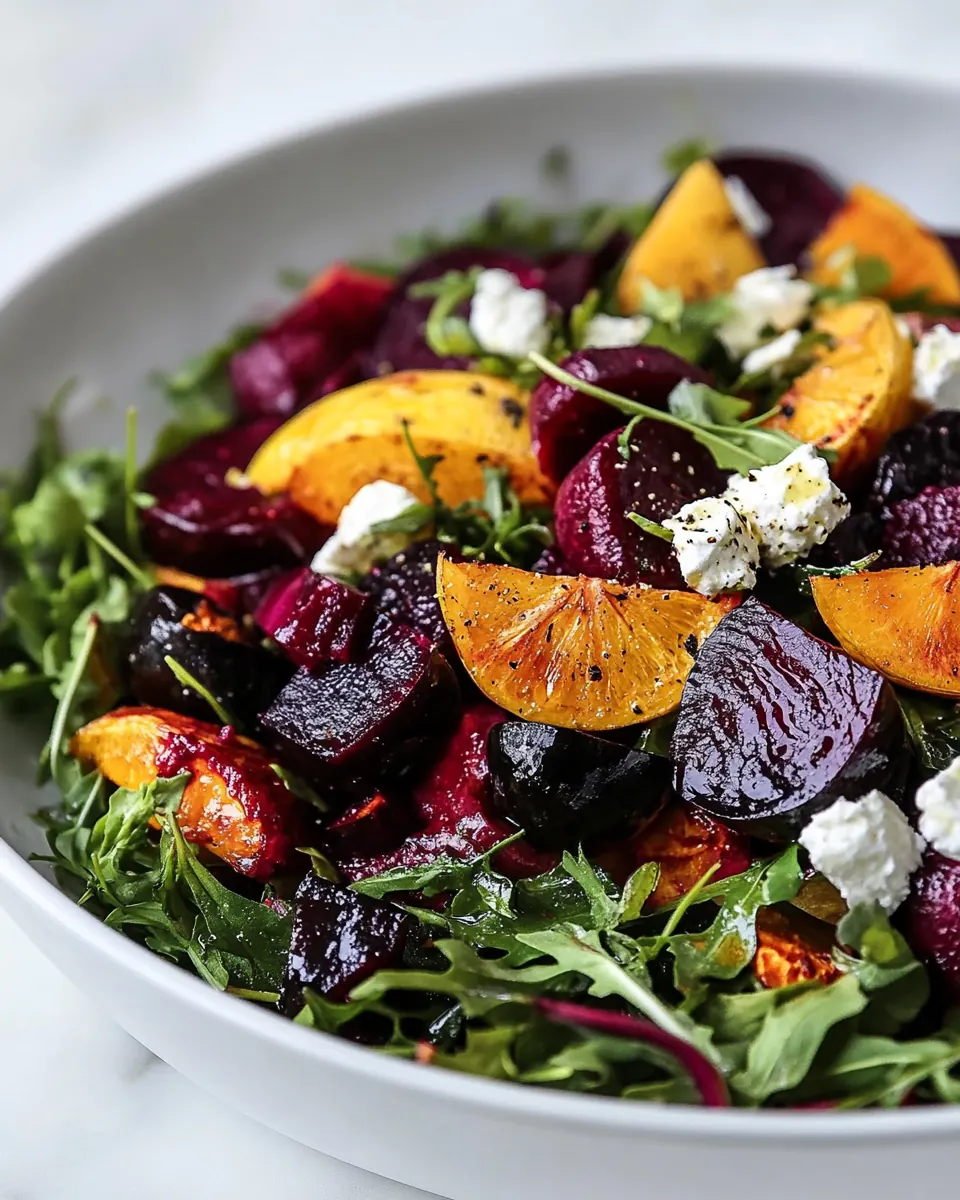
Roasted Beet Salad has been one of my favorite weeknight shortcuts ever since I learned to roast vegetables the slow way, coaxing out sugar and silk from humble roots. The first time I served this salad I was coming home tired from a long market run, and the warm, earthy scent of beets roasting in the oven felt like a tiny welcome-home hug. I tossed them with peppery arugula, crunchy walnuts, crisp Belgian endive, and a bright lemon and extra virgin olive oil dressing, and it instantly turned an ordinary plate into something I wanted to linger over.
I often make a double batch of roasted beets on weekends so I can pull them out for salads or grain bowls during the week. Leftovers keep beautifully in the fridge, and their concentrated sweetness plays well against salty feta cheese and the peppery bite of black pepper. I love how the textures contrast, the way the creamy crumbles of feta cheese mingle with crunchy walnuts and delicate leaves of arugula. Each bite feels balanced and intentional, even when I throw it together in five minutes.
Sharing this recipe has become a ritual for me, a reliable dish to bring to potlucks or to serve as a light main when friends stop by. There is something quietly celebratory about the deep jewel tones of roasted beets sitting against the bright green of arugula, and I find that people always ask for the recipe. I’ll walk you through what I do, why each ingredient matters, and a couple of little tricks I learned that keep the salad crisp, bright, and beautifully simple.
Recipe Snapshot
1 hr 25 mins
10 mins
75 mins
Medium
250 kcal
American
Gluten-Free, Low FODMAP
Salads
Oven, Cookie sheet, Aluminum foil, Decanter or jar for dressing, Knife
The Beauty of This Roasted Beet Salad
Bright, natural sweetness that sings
I love that Roasted Beet Salad showcases the beets as the star, their natural sugars intensified by slow roasting. When the edges caramelize slightly, those earthy flavors turn sweet without any added sugar. That contrast makes the whole salad feel both rustic and refined, and I always notice how guests pause to savor a bite.
Textural harmony
The combination of soft roasted beets, crunchy walnuts, crisp Belgian endive, and tender arugula creates a satisfying mouthfeel. I’m hooked on that interplay, because every forkful offers movement and interest. The feta cheese adds creamy pops that tie everything together.
Simple ingredients, big payoff
I favor recipes that use a handful of quality ingredients to make a big impression, and this Roasted Beet Salad is exactly that. You don’t need fancy pantry items, just fresh beets, a good olive oil, and a few pantry staples. It’s forgiving, approachable, and perfect for busy cooks who still want something elegant.
Versatile for occasions
Whether I’m serving lunch, a light dinner, or bringing something to a holiday spread, this salad fits. It’s festive enough for guests yet easy enough for a weekday. The flavors are seasonal and adaptable, and I often tweak quantities to make it work for a family meal or a larger gathering.
Make-ahead friendly
I appreciate that roasted beets keep well, and the dressing can be whisked up and refrigerated until you’re ready to dress the salad. That little time-shift means you can relax before serve time, and the flavors actually meld in the fridge, resulting in a brighter finished dish.
Everything You Need for Roasted Beet Salad
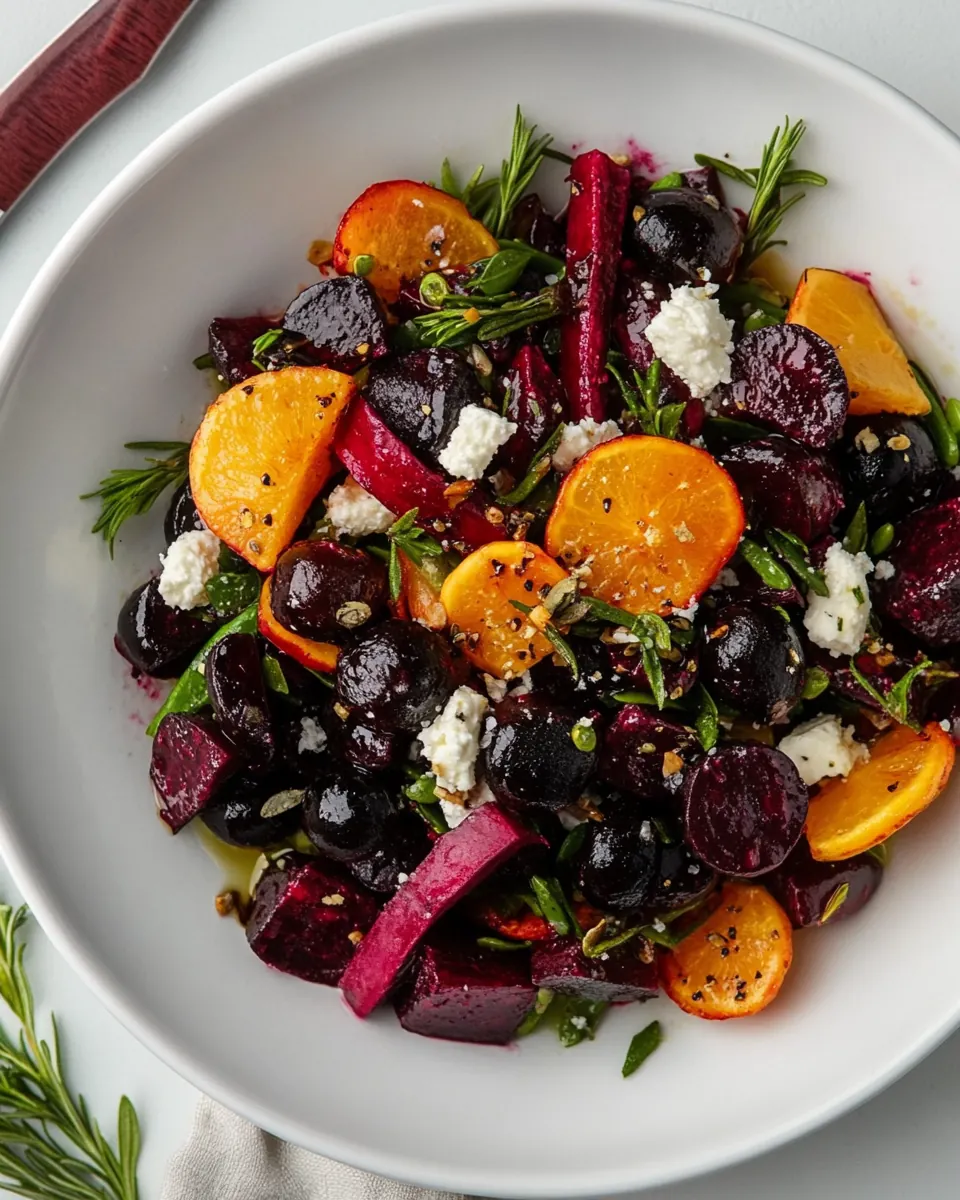
I believe in using straightforward, honest ingredients that each play a clear role. In this Roasted Beet Salad, beets provide earthy sweetness, arugula gives peppery lift, walnuts contribute crunch and healthy fats, and a simple lemon and extra virgin olive oil dressing ties everything together. The key players balance texture, acidity, and salt so each bite feels complete.
- 2 red beets medium, fresh, scrubbed and dried: Roasted to tender perfection, bring out earthy sweetness and concentrated flavor while providing the base roasted component for the salad; scrubbed and dried to ensure even browning and prevent steaming in the oven.
- 2 teaspoons olive oil: Lightly coat beets for roasting and add a mild fruity note while helping to crisp edges; use sparingly to avoid overpowering the vegetable's natural taste.
- 4 cups arugula: Peppery leafy green that contributes a bright, slightly bitter contrast and fresh texture; adds volume and a nutritious base high in vitamins and minerals.
- 1 Belgian endive chopped (optional): Bitter-crisp lettuce that supplies crunch and a slightly astringent balance to sweeter elements; chop to distribute texture evenly without overwhelming the salad.
- 1/2 cup walnuts diced, provides healthy fats: Crunchy nut that delivers healthy fats, earthy flavor, and textural contrast; dice to create small bites that mingle with greens and roasted beets while adding satiety.
- 1/2 cup feta cheese crumbles low fat or fat free: Tangy, salty cheese that lends creaminess and savory contrast to the sweet beets; choose low-fat or fat-free for reduced calories while maintaining a briny finish.
- 1/4 teaspoon black pepper freshly ground: Warm and aromatic spice that adds subtle heat and depth when freshly ground over the salad; use a pinch to brighten flavors without dominating delicate components.
- kosher or sea salt to taste: Seasoning mineral used to enhance and balance all flavors according to taste; sprinkle lightly to avoid masking the natural sweetness of the beets and lemon dressing.
- 3 tablespoons lemon juice freshly squeezed: Bright acidic component that provides fresh citrus lift and balances oil and sweetness; freshly squeezed juice ensures vibrant, natural lemon flavor in the dressing.
- 1/3 cup extra virgin olive oil: Smooth flavorful oil that forms the body of the dressing, emulsifies with lemon juice, and adds mouthfeel and richness to the salad.
The Method for Roasted Beet Salad
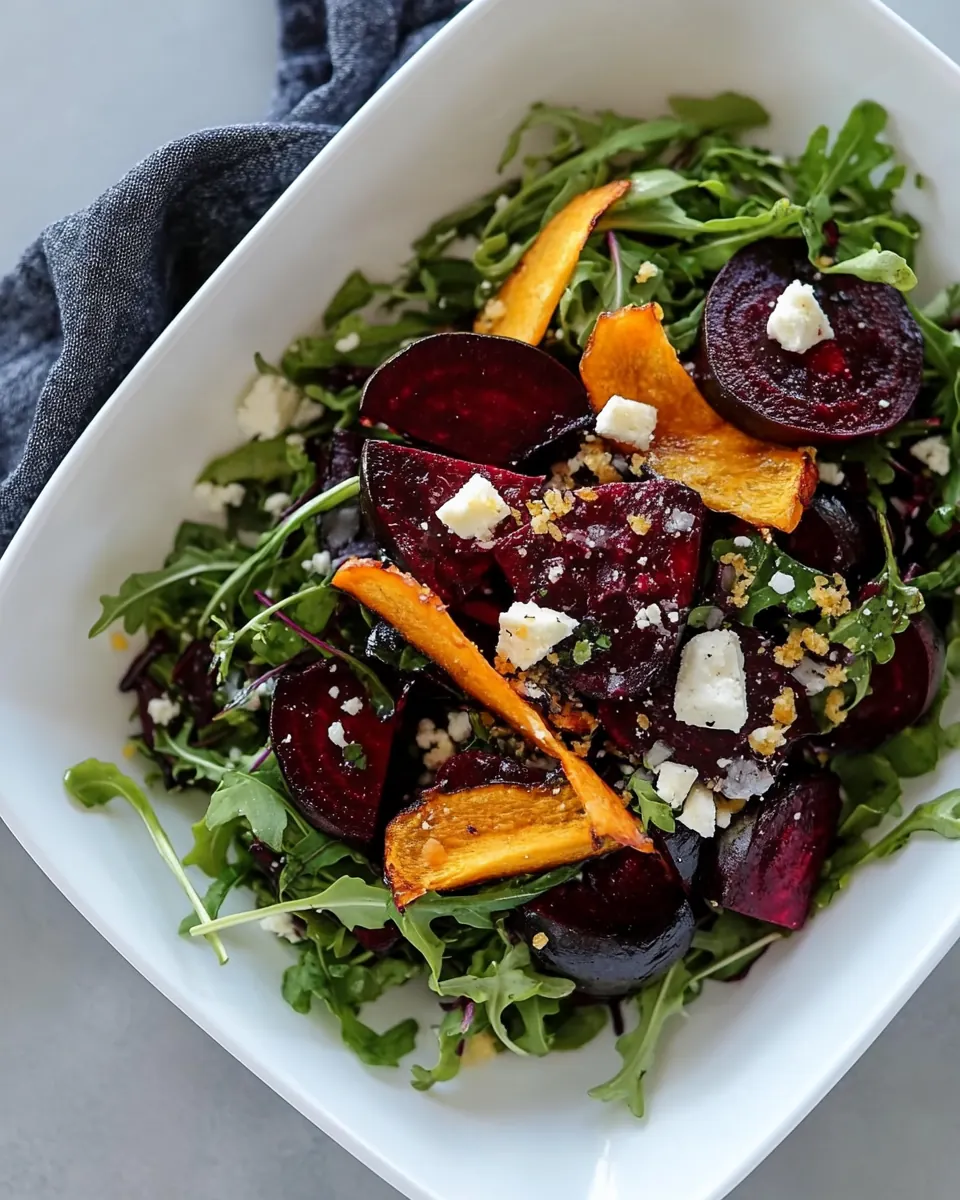
I like to keep directions conversational because it helps you sense how each step should feel and smell. Below I expand each original instruction into detailed, sensory-rich guidance so you know what to look for and when to adjust. Follow the order for best results, and trust small cues like aroma and texture as your guide.
- Preheat oven to 375 degrees. Brush beets with olive oil and wrap individually in foil, place on a cookie sheet and bake approximately 1 hour, or until tender. Allow beets to cool at room temperature while still in foil, then peel the thin outer skin and cut into 1/4 inch slices. Store beets in an airtight container in the refrigerator until ready to use.: As the oven warms, you should notice a gentle dry heat that encourages caramelization when the beets roast. The warm, slightly sweet aroma that develops as the air heats is subtle at first. This temperature is chosen to slowly draw out sugars without scorching the exterior, producing an evenly tender root. If the oven is too hot, the outside may char before the inside is tender, creating a textural mismatch. A common error is not letting the oven fully come to temperature, which can lengthen cooking time unpredictably.
- Layer salad ingredients by placing arugula and beets on a serving platter. Top with Belgian endive, walnuts, feta cheese and top off with freshly ground black pepper and drizzle with dressing.: As you brush each beet with olive oil , notice the skin darken and take on a slight sheen, which helps lock in moisture as they roast in their foil parcels. Wrapping individually concentrates steam and ensures even cooking. During the first 30 minutes the beets will begin to soften and emit a faint, earthy sweetness; by 45 to 60 minutes the aroma deepens and you may see faint juices collecting in the foil. Use a small skewer to test tenderness, inserting into the center where it should slide in smoothly. Underbaking leads to firm, chalky interiors, while overbaking makes them mushy. Avoid overcrowding the cookie sheet so heat circulates well.
- Combine lemon juice and oil in a decanter and shake until combined. Refrigerate until ready to use.: Letting the wrapped beets cool gently traps steam so the skins slip off easily and you avoid scalding your hands. The cooled root will feel firm yet yielding to the touch. When peeling, the smell becomes intensely sweet and earthy, a signal that roasting concentrated the flavors. Slice into uniform 1/4 inch pieces to maintain consistent bite sizes; uneven slices will give you mixed textures in a single forkful. A frequent mistake is peeling while too hot, which is tricky and burns fingers, or slicing too thick, which reduces the interplay with the greens.
- Store beets in an airtight container in the refrigerator until ready to use: If not assembling right away, chilled beets keep their flavor and texture in an airtight container and even gain depth overnight. When refrigerated they firm up slightly, which can help with slicing and plating. Be sure the container is sealed to avoid transferring fridge odors. Storing them in liquid is unnecessary and can dilute flavor. A common error is leaving them uncovered, which dries edges and affects mouthfeel.
- Layer salad ingredients by placing arugula and beets on a serving platter: Start with a bed of fresh arugula to catch juices from the sliced beets without wilting. As you layer the warm or chilled slices across the greens, listen for the soft thud of tender roots landing on leaves, and take note of the color contrast, which is part of the appeal. If your arugula shows any moisture, pat it dry to prevent sogginess. A likely misstep is arranging everything too early, which can make the leaves limp from dressing or beet juices.
- Top with Belgian endive walnuts feta cheese and top off with freshly ground black pepper and drizzle with dressing: Scatter chopped Belgian endive for crispness, then sprinkle diced walnuts and crumble the feta cheese over the surface for salty creaminess. Grind fresh black pepper across the top to awaken aromas, and finally drizzle the prepared dressing so it lightly coats without drowning the greens. The sound of toasted walnuts adds anticipation when you toss them in, and the scent of citrus and oil from the dressing should be bright. Don’t overdress; too much liquid will muddle textures. A misjudged heavy drizzle can flatten the salad quickly.
- Combine lemon juice and oil in a decanter and shake until combined: Shaking the lemon juice and extra virgin olive oil by hand emulsifies them into a harmonized vinaigrette, glossy and fragrant. You should see the oil suspend momentarily in the lemon, creating a shiny dressing that clings to leaves. The citrus aroma will lift as you shake, signaling a balanced acidity. If it separates too quickly, whisk briefly before using. A common oversight is using cold oil straight from the fridge which can resist emulsification and taste flat.
- Refrigerate until ready to use: Chilling the dressing briefly settles flavors and can mellow brightness so it integrates smoothly when tossed over the salad. The cold also helps the oil firm slightly, making measured drizzling easier. Bring it back to room temperature for a few minutes before serving if the oil solidifies. Storing a vinaigrette too long can dull citrus notes, so use within a couple days for best flavor.
Pro Tips and Tweaks
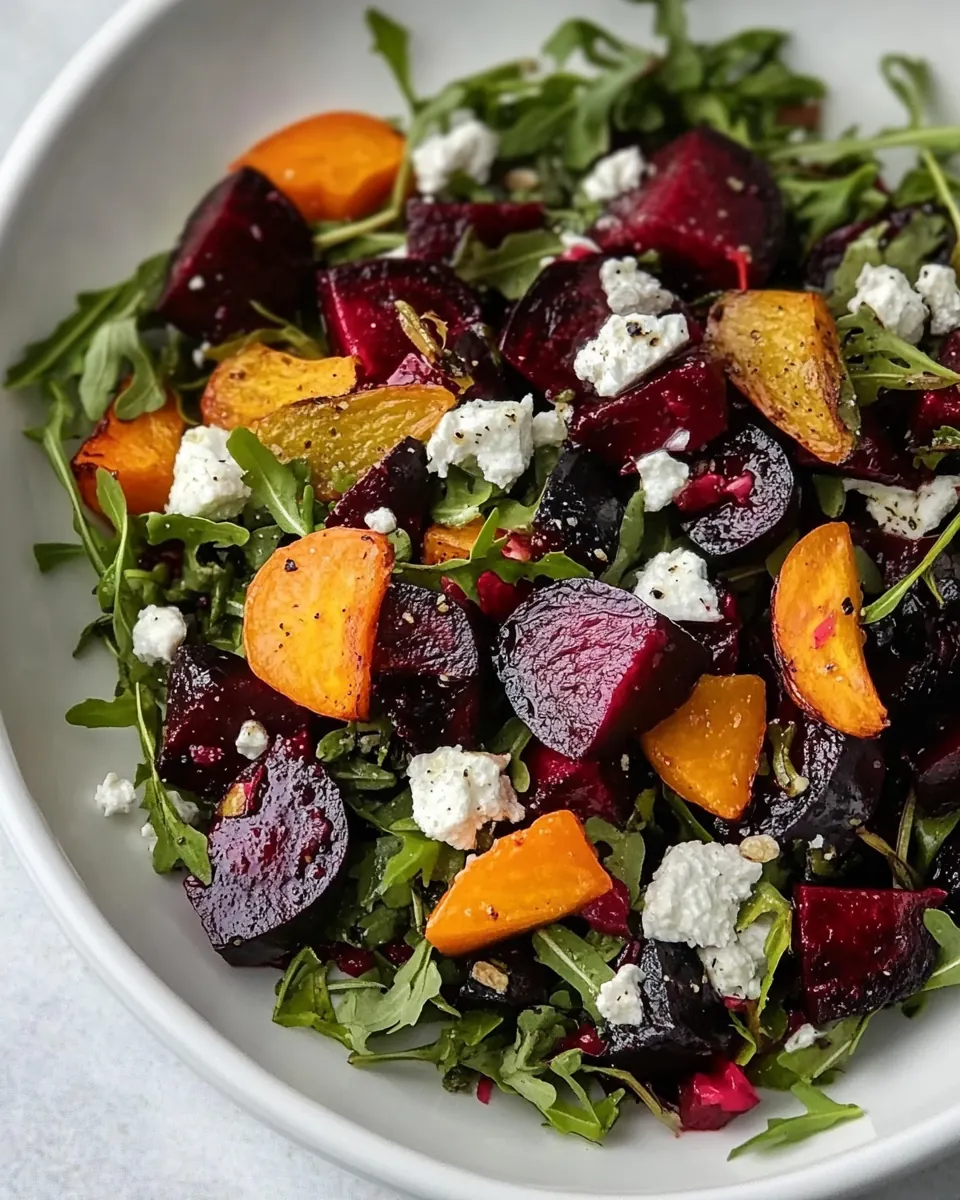
I like to share a few practical tricks that make this salad sing, whether you are prepping ahead or entertaining. Below are expanded tips taken from my own kitchen experiments that help with texture, timing, and plating.
- Roast once use often Roasting extra beets on the weekend gives you ready-to-eat components for salads and bowls during the week, and the flavor deepens overnight.
- Toast nuts for depth Gently toast walnuts in a dry skillet for one to two minutes until fragrant, stirring constantly to avoid burning which would add bitterness.
- Keep greens dry Spin arugula and Belgian endive dry before assembling; excess moisture causes wilting and dilutes the dressing.
- Emulsify dressing well Shake or whisk the lemon juice and extra virgin olive oil until glossy so it clings to leaves rather than pooling at the bottom.
- Adjust salt at the end Season the finished salad lightly, then taste before adding more kosher or sea salt, since the feta cheese contributes saltiness.
Serving Ideas for Roasted Beet Salad
This salad’s vibrant colors and balanced flavors make it suitable for many occasions, from casual lunches to holiday spreads. Below are detailed serving suggestions, pairings, and storage tips to help you plan the perfect presentation.
- Light lunch main Serve a generous portion of Roasted Beet Salad with crusty bread on the side for a satisfying midday meal that balances protein and greens.
- Elegant starter Plate small portions as a starter for dinner guests, garnishing each with a few extra walnuts and a final grind of black pepper to look refined.
- Holiday side Include it on a holiday table for a splash of color and contrast, the sweet roasted beets complementing richer mains beautifully.
- Make-ahead strategy Keep roasted beets and dressing refrigerated separately and assemble just before serving to maintain crisp textures.
- Seasonal pairings In fall, pair with roasted squash or grains; in spring, add fresh herbs and lighter proteins to make it feel seasonal and bright.
- Storage tips Store leftover assembled salad for a short time, but for best texture keep components separate and combine within 24 hours.
FAQ
Conclusion
Roasted Beet Salad stands out for its harmony of sweet, creamy, crunchy, and peppery elements that combine into a satisfying, elegant plate. I encourage you to give it a try, even on a tight weeknight, because the make ahead potential of roasted beets makes assembly effortless. It’s an easy way to add color and balanced flavor to your meals, and once you taste the sweetness of roasted beets with tangy feta and crisp walnuts, you’ll want to make it again.
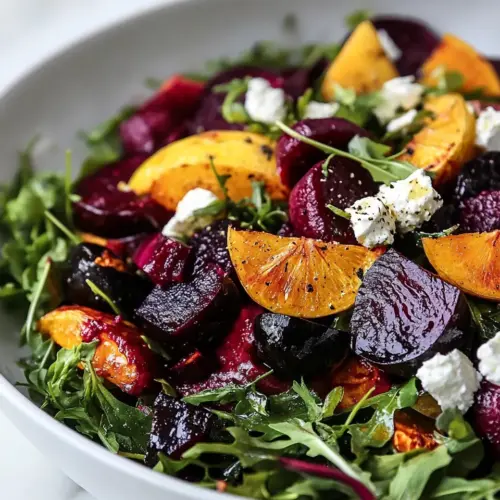
Roasted Beet Salad
Equipment
- Oven
- Cookie Sheet
- Aluminum Foil
- Decanter or jar for dressing
- Knife
Ingredients
- 2 red beets medium, fresh, scrubbed and dried Roasted to tender perfection, bring out earthy sweetness and concentrated flavor while providing the base roasted component for the salad; scrubbed and dried to ensure even browning and prevent steaming in the oven.
- 2 teaspoons olive oil Lightly coat beets for roasting and add a mild fruity note while helping to crisp edges; use sparingly to avoid overpowering the vegetable's natural taste.
- 4 cups arugula Peppery leafy green that contributes a bright, slightly bitter contrast and fresh texture; adds volume and a nutritious base high in vitamins and minerals.
- 1 Belgian endive chopped, optional Bitter-crisp lettuce that supplies crunch and a slightly astringent balance to sweeter elements; chop to distribute texture evenly without overwhelming the salad.
- 1/2 cup walnuts diced, provides healthy fats Crunchy nut that delivers healthy fats, earthy flavor, and textural contrast; dice to create small bites that mingle with greens and roasted beets while adding satiety.
- 1/2 cup feta cheese crumbles low fat or fat free Tangy, salty cheese that lends creaminess and savory contrast to the sweet beets; choose low-fat or fat-free for reduced calories while maintaining a briny finish.
- 1/4 teaspoon black pepper freshly ground Warm and aromatic spice that adds subtle heat and depth when freshly ground over the salad; use a pinch to brighten flavors without dominating delicate components.
- kosher or sea salt to taste Seasoning mineral used to enhance and balance all flavors according to taste; sprinkle lightly to avoid masking the natural sweetness of the beets and lemon dressing.
- 3 tablespoons lemon juice freshly squeezed Bright acidic component that provides fresh citrus lift and balances oil and sweetness; freshly squeezed juice ensures vibrant, natural lemon flavor in the dressing.
- 1/3 cup extra virgin olive oil Smooth flavorful oil that forms the body of the dressing, emulsifies with lemon juice, and adds mouthfeel and richness to the salad.
Instructions
- Preheat oven to 375 degrees. Brush beets with olive oil and wrap individually in foil, place on a cookie sheet and bake approximately 1 hour, or until tender. Allow beets to cool at room temperature while still in foil, then peel the thin outer skin and cut into 1/4 inch slices. Store beets in an airtight container in the refrigerator until ready to use.: As the oven warms, you should notice a gentle dry heat that encourages caramelization when the beets roast. The warm, slightly sweet aroma that develops as the air heats is subtle at first. This temperature is chosen to slowly draw out sugars without scorching the exterior, producing an evenly tender root. If the oven is too hot, the outside may char before the inside is tender, creating a textural mismatch. A common error is not letting the oven fully come to temperature, which can lengthen cooking time unpredictably.
- Layer salad ingredients by placing arugula and beets on a serving platter. Top with Belgian endive, walnuts, feta cheese and top off with freshly ground black pepper and drizzle with dressing.: As you brush each beet with olive oil , notice the skin darken and take on a slight sheen, which helps lock in moisture as they roast in their foil parcels. Wrapping individually concentrates steam and ensures even cooking. During the first 30 minutes the beets will begin to soften and emit a faint, earthy sweetness; by 45 to 60 minutes the aroma deepens and you may see faint juices collecting in the foil. Use a small skewer to test tenderness, inserting into the center where it should slide in smoothly. Underbaking leads to firm, chalky interiors, while overbaking makes them mushy. Avoid overcrowding the cookie sheet so heat circulates well.
- Combine lemon juice and oil in a decanter and shake until combined. Refrigerate until ready to use.: Letting the wrapped beets cool gently traps steam so the skins slip off easily and you avoid scalding your hands. The cooled root will feel firm yet yielding to the touch. When peeling, the smell becomes intensely sweet and earthy, a signal that roasting concentrated the flavors. Slice into uniform 1/4 inch pieces to maintain consistent bite sizes; uneven slices will give you mixed textures in a single forkful. A frequent mistake is peeling while too hot, which is tricky and burns fingers, or slicing too thick, which reduces the interplay with the greens.
- Store beets in an airtight container in the refrigerator until ready to use: If not assembling right away, chilled beets keep their flavor and texture in an airtight container and even gain depth overnight. When refrigerated they firm up slightly, which can help with slicing and plating. Be sure the container is sealed to avoid transferring fridge odors. Storing them in liquid is unnecessary and can dilute flavor. A common error is leaving them uncovered, which dries edges and affects mouthfeel.
- Layer salad ingredients by placing arugula and beets on a serving platter: Start with a bed of fresh arugula to catch juices from the sliced beets without wilting. As you layer the warm or chilled slices across the greens, listen for the soft thud of tender roots landing on leaves, and take note of the color contrast, which is part of the appeal. If your arugula shows any moisture, pat it dry to prevent sogginess. A likely misstep is arranging everything too early, which can make the leaves limp from dressing or beet juices.
- Top with Belgian endive walnuts feta cheese and top off with freshly ground black pepper and drizzle with dressing: Scatter chopped Belgian endive for crispness, then sprinkle diced walnuts and crumble the feta cheese over the surface for salty creaminess. Grind fresh black pepper across the top to awaken aromas, and finally drizzle the prepared dressing so it lightly coats without drowning the greens. The sound of toasted walnuts adds anticipation when you toss them in, and the scent of citrus and oil from the dressing should be bright. Don’t overdress; too much liquid will muddle textures. A misjudged heavy drizzle can flatten the salad quickly.
- Combine lemon juice and oil in a decanter and shake until combined: Shaking the lemon juice and extra virgin olive oil by hand emulsifies them into a harmonized vinaigrette, glossy and fragrant. You should see the oil suspend momentarily in the lemon, creating a shiny dressing that clings to leaves. The citrus aroma will lift as you shake, signaling a balanced acidity. If it separates too quickly, whisk briefly before using. A common oversight is using cold oil straight from the fridge which can resist emulsification and taste flat.
- Refrigerate until ready to use: Chilling the dressing briefly settles flavors and can mellow brightness so it integrates smoothly when tossed over the salad. The cold also helps the oil firm slightly, making measured drizzling easier. Bring it back to room temperature for a few minutes before serving if the oil solidifies. Storing a vinaigrette too long can dull citrus notes, so use within a couple days for best flavor.
Notes
- Roast once use often Roasting extra beets on the weekend gives you ready-to-eat components for salads and bowls during the week, and the flavor deepens overnight.
- Toast nuts for depth Gently toast walnuts in a dry skillet for one to two minutes until fragrant, stirring constantly to avoid burning which would add bitterness.
- Keep greens dry Spin arugula and Belgian endive dry before assembling; excess moisture causes wilting and dilutes the dressing.
- Emulsify dressing well Shake or whisk the lemon juice and extra virgin olive oil until glossy so it clings to leaves rather than pooling at the bottom.
- Adjust salt at the end Season the finished salad lightly, then taste before adding more kosher or sea salt, since the feta cheese contributes saltiness.
