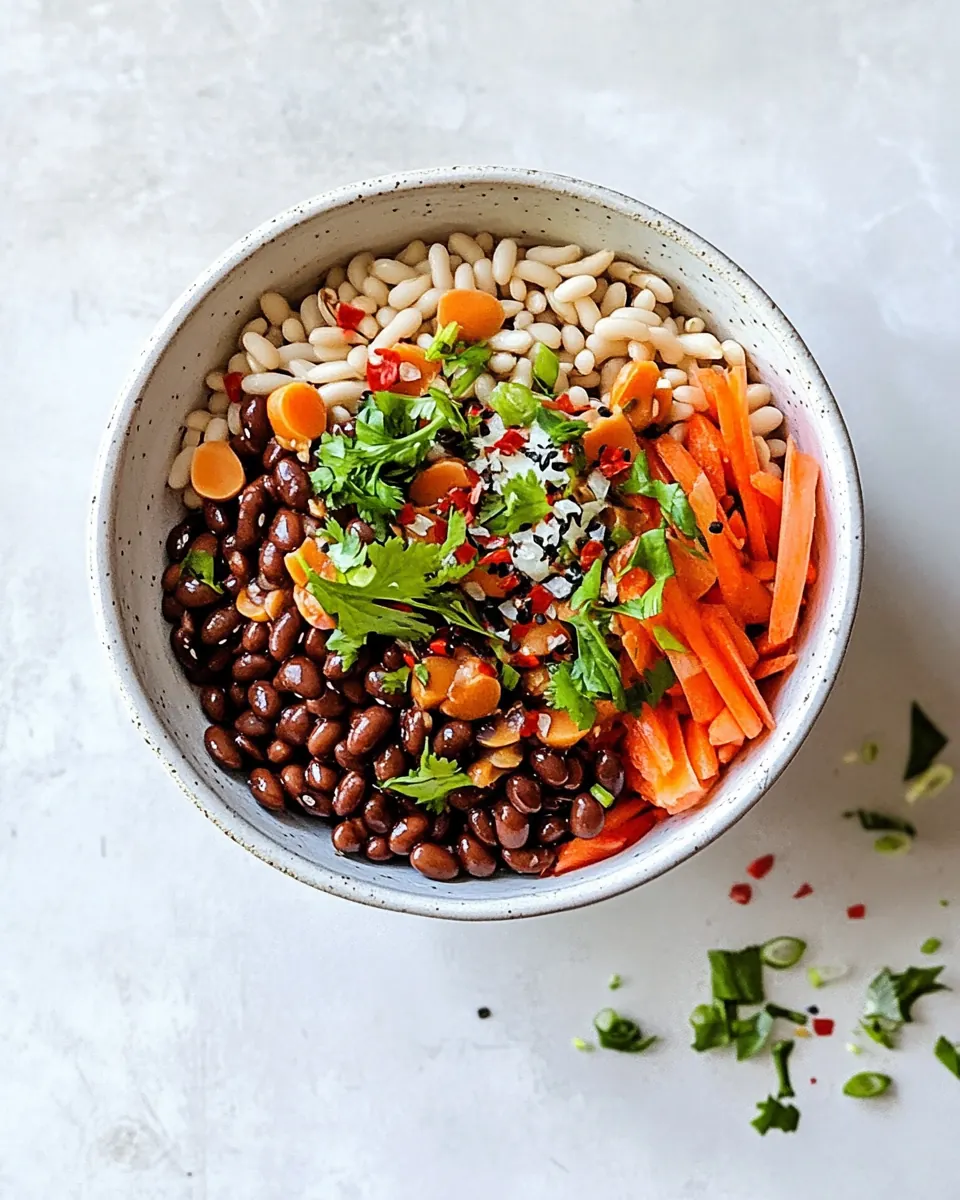
Adzuki Bean Bowls
Adzuki Bean Bowls began as a late spring rescue for my fridge, when a head of Napa cabbage was looking lonely and a jar of white miso winked from the back shelf. I wanted something bright and textural that felt nourishing after long workdays, so I started tossing contrasting elements together, and this bowl was born. The first bite was a revelation, a balance of creamy avocado, nutty adzuki beans, and a tangy miso dressing that made everything sing.
Over time I learned to respect the small details that lift a composed bowl from good to memorable. Layering warm brown rice under crisp salad greens keeps the textures distinct. A quick shave of carrots gives a delicate sweetness and crunch, while a scatter of toasted sesame seeds provides that toasty perfume I now crave. Every time I serve these Adzuki Bean Bowls to friends, they ask for the dressing recipe first, which always makes me smile.
Recipe Snapshot
50 mins
20 mins
30 mins
Medium
350 kcal
Vegan
Vegan, Gluten-Free
Dinner
Mixing bowl, Whisk, Vegetable peeler, Knife, Cutting board
What’s Great About This Adzuki Bean Bowls
Bright layered textures
I love how the Adzuki Bean Bowls pair warm, soft brown rice with crisp, raw elements like Napa cabbage and shaved carrots. That contrast keeps every bite interesting, and it means the bowl never feels heavy, even when you want it for a satisfying dinner.
Umami rich dressing
The dressing, built around white miso and tamari, gives a deep savory backbone that brightens the vegetables without overpowering them. I often think of it as the secret that turns a healthy bowl into comfort food, it clings to the cabbage and rice and makes leftovers taste just as good the next day.
Protein without heaviness
Adzuki beans bring a gentle, nutty protein that melds perfectly with the rice and vegetables. They give the bowl staying power without feeling dense, which is why I reach for this recipe when I want something nourishing after a long day of errands or a light weekend lunch.
Quick assembly, big impact
This recipe moves fast. Once the dressing is whisked, simple assembly creates an attractive bowl you can serve straightaway. I appreciate recipes that let me focus on plating and little finishing touches, like extra cilantro or a splash of dressing, so the meal looks as good as it tastes.
Versatile and seasonal
The ingredients in the Adzuki Bean Bowls highlight spring produce, but the structure of the bowl adapts easily to what you have on hand. I often switch up the crunchy vegetables or herbs, and the miso dressing still pulls everything together, which is why this has become one of my most-requested simple meals.
Adzuki Bean Bowls Ingredients
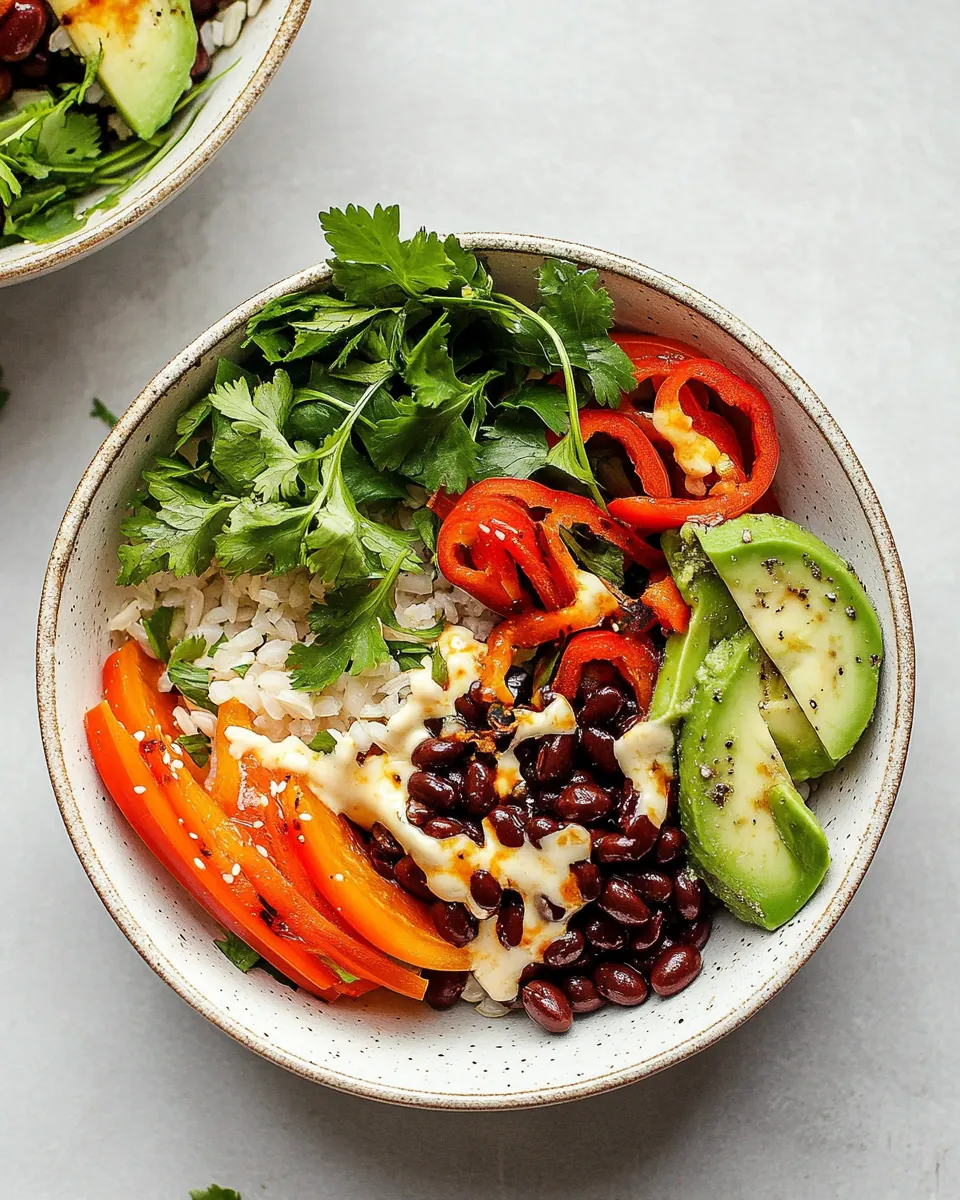
I think of these ingredients as a small orchestra where each player has a clear role. The grains provide warmth and heft, the beans bring gentle protein, and the raw vegetables add brightness and crunch. The dressing is the conductor, tying flavors together with umami and tang. Together they create balance, texture, and an addictive savory finish that keeps me coming back for more.
- 1/2 large Napa cabbage head, sliced (6 1/2 cups): Sliced thinly to provide a crisp, mild base and crunchy texture that soaks up dressings while balancing richer flavors; offers a slightly sweet, watery finish that brightens the bowl. Works as the primary leafy vehicle for assembling other components and contrasts the beans and avocado with refreshing crunch.
- 3 small carrots, shaved with a vegetable peeler: Shaved into delicate ribbons to add natural sweetness and tender bite that complements the cabbage; contributes color and a subtle earthy note. Acts as a fresh, textural counterpoint to cooked elements and helps make each mouthful lighter and more varied.
- 1 cup sugar snap peas, sliced: Sliced to deliver a snappy, green crunch and vegetal sweetness that elevates freshness; retains slight crispness when lightly dressed. Provides a vibrant color contrast and pairs well with sesame and miso flavors for balanced mouthfeel.
- 2 tablespoons sesame seeds, more for serving: Toasted and sprinkled to introduce nutty aroma and crunchy pops that enhance visual appeal; adds depth of toasty flavor and a pleasant textural contrast. Functions as a garnish and a small concentrated source of sesame richness that ties together Asian-inspired seasonings.
- 1 cup cooked brown rice: Cooked and portioned to supply hearty grains and chewy texture that make the bowl more filling; acts as a neutral base that absorbs sauces and seasonings. Contributes wholesome, whole-grain flavor and complements the protein and vegetables for a balanced meal.
- 2 tablespoons chopped fresh cilantro leaves, more for serving: Chopped and scattered to contribute bright herbal freshness and a citrusy, slightly peppery lift that enlivens each bite. Serves as a finishing herb that lightens rich components and adds aromatic complexity and color.
- 1 1/2 cup cooked adzuki beans, drained and rinsed: Cooked, drained and rinsed to provide a tender, slightly sweet legume protein with a creamy, earthy texture; carries savory dressings well. Supplies plant-based protein and fiber while anchoring the bowl with satisfying substance.
- 2 avocados, sliced: Sliced to add creamy richness and buttery texture that softens sharper flavors; brings healthy fats and a silky mouthfeel. Acts as a cooling element that balances salty, tangy, and spicy components while enriching overall satiety.
- 1 small fresh red chile, sliced: Sliced finely to contribute spicy heat and bright sharpness in small amounts; offers zesty, aromatic complexity that wakes up the palate. Used sparingly as a flavor accent to introduce warmth and contrast to milder ingredients.
- 1/4 cup white miso: Whisked into dressing to deliver savory, umami depth and a mellow fermented richness that bolsters the bowl's flavor profile; thickens sauces and balances acidity. Functions as a core seasoning component that harmonizes with vinegar and soy-like elements.
- 1/3 cup rice vinegar: Measured to add bright acidity and a clean, tangy lift that cuts through richness and balances the miso and oils; helps preserve crunch in vegetables. Serves as the acid backbone of dressings and refreshes the overall flavor composition.
- 1/4 cup olive oil: Emulsified into dressing to provide smoothness and a fruity, neutral fat that carries flavors and adds mouth-coating richness. Helps bind vinegar and miso into a cohesive dressing while contributing subtle savory notes when paired with sesame oil.
- 3 tablespoons tamari: Stirred into sauces to lend concentrated savory-salty depth resembling soy; amplifies umami and seasons the bowl evenly. Acts as a key salty component that enhances other flavors without overpowering delicate vegetables.
- 1 tablespoon toasted sesame oil: Added in small amount to impart toasted, aromatic sesame character and a gentle nutty finish; intensifies sesame flavors alongside seeds. Used as a flavor accent to enrich dressings and provide a distinctive, rounded aroma.
Instructions for Adzuki Bean Bowls
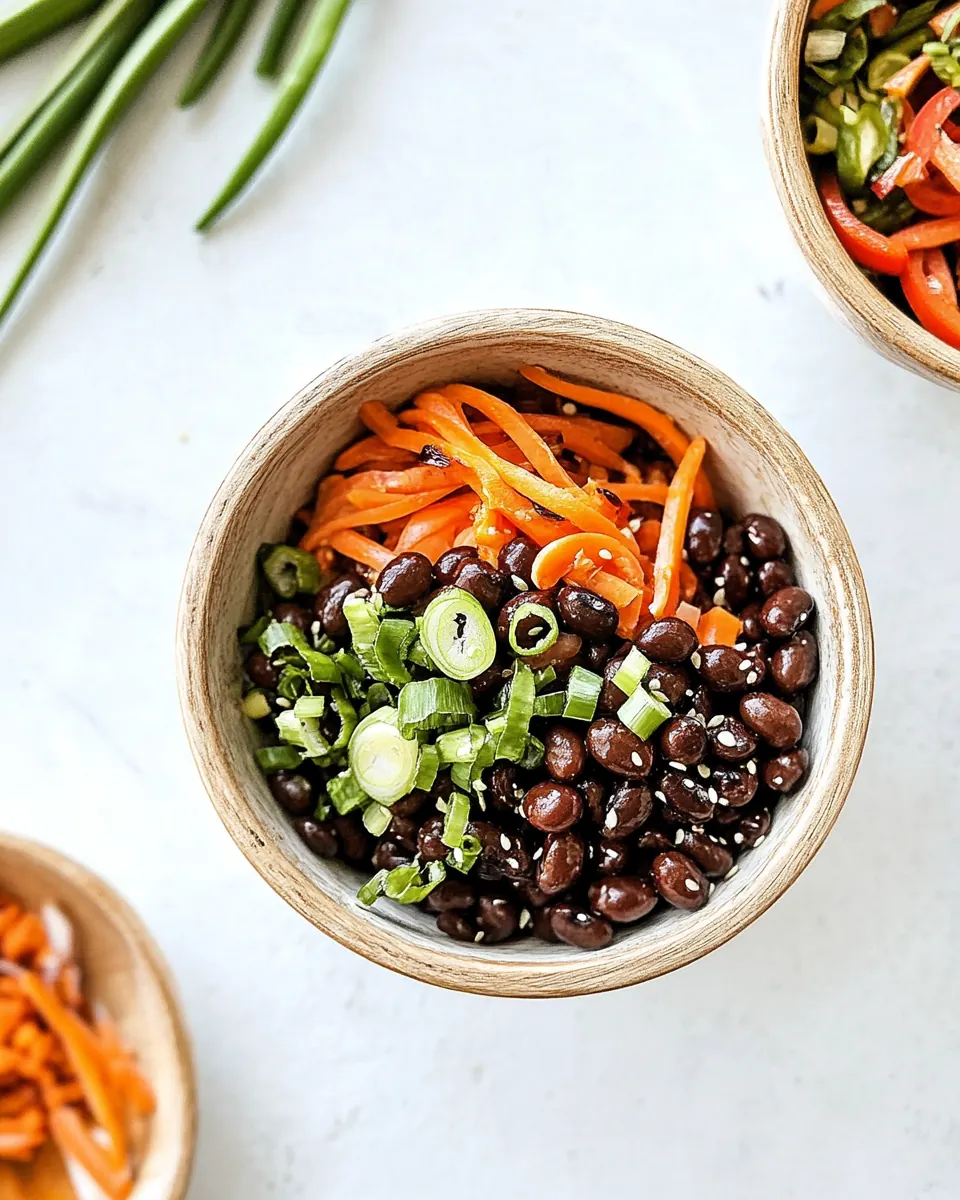
This is a forgiving assembly recipe that pivots on a simple, flavorful dressing and fresh, textural components. Take your time with the dressing so it emulsifies well, and prepare the vegetables so each element maintains its personality in the bowl. I like to lay things out assembly line style, which makes plating quick and satisfying.
- Make the dressing. In a small bowl, whisk together the miso, rice vinegar, olive oil, tamari, and sesame oil.: As you whisk the dressing, notice the aroma of the white miso mixing with the bright tang of rice vinegar , the fruitiness of olive oil , and the savory depth of tamari and toasted sesame oil . The sound will be quiet, the texture smoothing as the miso dissolves. This matters because a well-emulsified dressing clings to the Napa cabbage and rice rather than pooling at the bottom. If the dressing seems too thick, add a teaspoon of water to loosen it, and avoid overwhisking to the point of a greasy sheen which indicates too much oil separation.
- In a large bowl, mix the cabbage, carrots, snap peas, and sesame seeds with 1/4 cup of the dressing.: When you toss the sliced Napa cabbage , shaved carrots , and sliced sugar snap peas with the dressing, pay attention to how the dressing coats each strand and ribbon, giving the vegetables a glossy finish. The cabbage will soften slightly from the dressing's acidity, releasing a subtle vegetal perfume. This melding helps flavors marry, so give it a gentle toss rather than a vigorous massage which can bruise the leaves. A common mistake here is overdressing; start with the specified 1/4 cup and add more only if the salad seems dry.
- Just before serving, fold the cilantro in the cabbage salad. Divide the rice, cabbage salad, beans, and avocados among four bowls. Drizzle with more dressing, as desired, and sprinkle with the chile and more cilantro and sesame seeds, if you like.: The scent of chopped cilantro is bright and citrusy, and folding it in at the last moment preserves that freshness. As you mix, the leaves will lighten the aroma of the whole bowl and add green flecks that lift the presentation. The reason for adding cilantro late is to avoid wilting from the dressing and the warmth of other components. Avoid chopping cilantro too finely, which can cause it to lose textural presence in the bowl.
- Divide the rice among four bowls: Spoon warm brown rice into each bowl so it forms a comforting base. The steam from the rice helps slightly wilt the cabbage if combined, creating a meld of temperatures that is pleasing on the palate. Make sure the rice is evenly distributed so each eater gets a balanced ratio of grains to toppings. A common error is packing the rice too tightly, which can make it clump and overwhelm the lighter ingredients.
- Arrange the cabbage salad, beans, and avocados: Layer the dressed cabbage salad, the drained and rinsed adzuki beans , and sliced avocados so they occupy distinct pockets in the bowl. The visual separation showcases color and texture, and it lets diners mix components as they like. The creamy avocado next to the nutty beans and crisp cabbage creates textural interplay. Avoid slicing the avocado too early to prevent browning, and don’t overcrowd the bowl which can flatten the composition.
- Drizzle with more dressing and sprinkle chile, cilantro, and sesame seeds: Finish with an extra drizzle of the dressing for moisture and a final scatter of sliced red chile , extra chopped cilantro , and toasted sesame seeds . The chile adds a bright snap of heat and red color, the cilantro a herbal lift, and the sesame seeds a toasty crunch. This final flourish is what makes the plate pop both visually and tastewise. A troubleshooting tip is to taste before adding more dressing, because you can always add more but cannot take it away once it's poured.
Ways to Customize
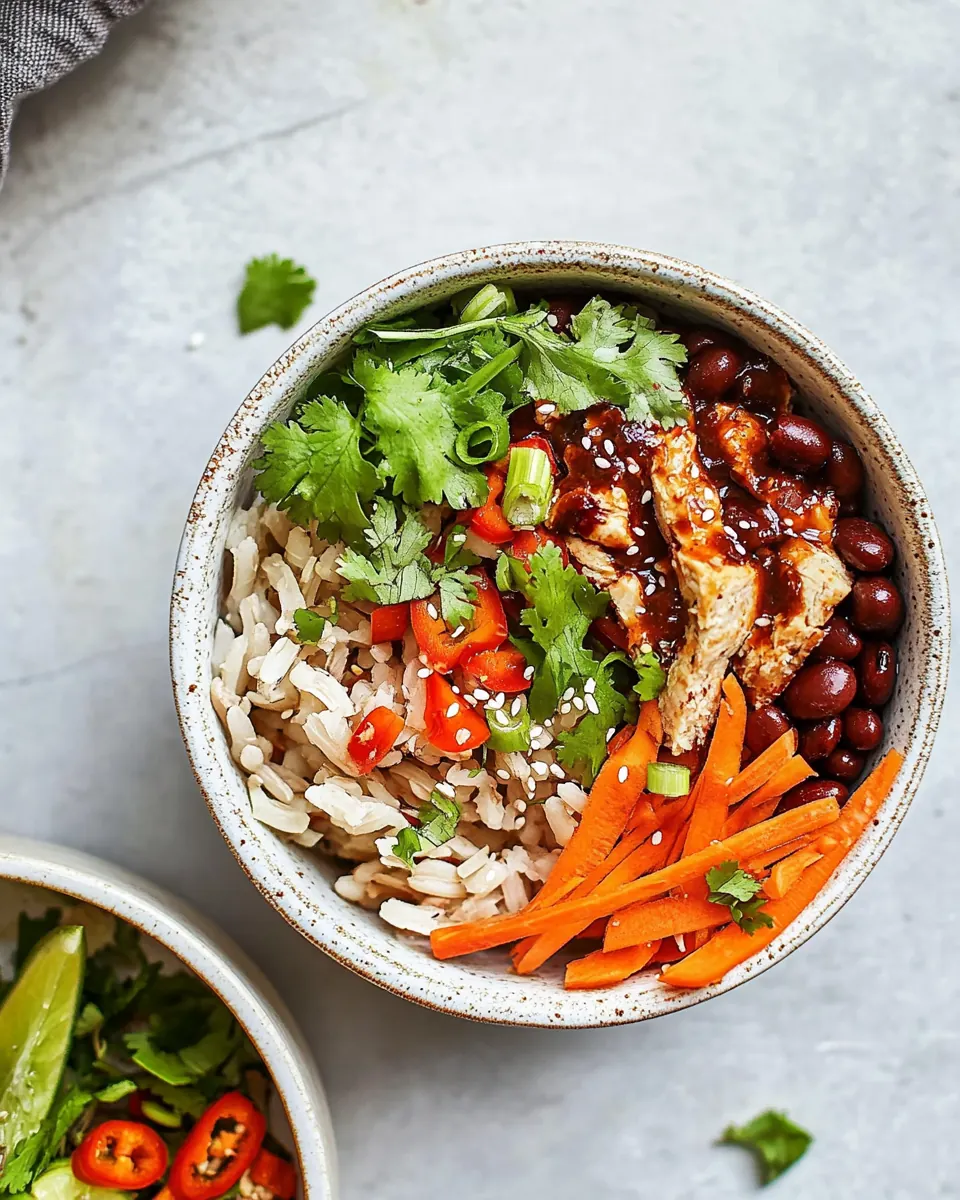
This bowl structure invites creativity while keeping the core elements intact. You can nudge flavors toward tangy, smoky, or more herbal by adjusting small things, and these variations let the recipe adapt to seasonal produce or personal preference.
- Swap the grains If you want a lighter texture, use quinoa instead of brown rice for a slightly nutty but fluffier base.
- Increase the spice Add more sliced red chile or a pinch of chili flakes to the dressing for a bolder, warming heat that pairs nicely with the umami of the miso.
- Boost the herbs Stir in additional chopped cilantro or replace it with a mix of parsley and mint for a different herbal profile that brightens the bowl.
- Make it a meal prep winner Keep the dressing separate and store vegetables and grains in individual containers to preserve crunch, then assemble just before eating.
- Textural crunch Add thinly sliced radishes or toasted nuts for an extra snap if you prefer more pronounced crunch alongside the soft avocado.
What to Serve Alongside Adzuki Bean Bowls
These bowls stand well on their own, but pairing them thoughtfully can elevate the meal for different occasions. Choose sides that complement the fresh, umami driven profile, and consider the event when selecting accompaniments.
- Light soup A simple clear vegetable broth or miso soup makes a gentle starter that aligns with the miso notes in the bowl.
- Small plates Consider serving pickled vegetables or a small seaweed salad to echo the salty, tangy elements without heavy richness.
- Casual lunch For a relaxed midday meal, pair with a side of steamed edamame or sliced cucumbers dressed with rice vinegar for a refreshing contrast.
- Weeknight dinner Round out the table with a steamed green vegetable like bok choy or broccolini, simply seasoned to let the bowl remain the centerpiece.
- Storage tips Store the dressing separately and keep avocado sliced just before serving; the rest of the components hold well refrigerated for up to three days.
- Seasonal swaps In spring, emphasize tender greens and fresh herbs; in cooler months, use heartier roasted vegetables while keeping the dressing unchanged for continuity.
FAQ
Conclusion
These bowls stand out for their harmonious balance of textures and the savory depth from the miso dressing that ties everything together. I encourage you to try them soon, especially when you want a meal that feels both nourishing and light. They are easy to assemble, adaptable to what you have in the fridge, and reliably satisfying for lunch or dinner. Invite a friend over, or save one for lunch the next day; either way, the combination of creamy avocado, nutty beans, and crisp vegetables makes this bowl a repeat favorite.
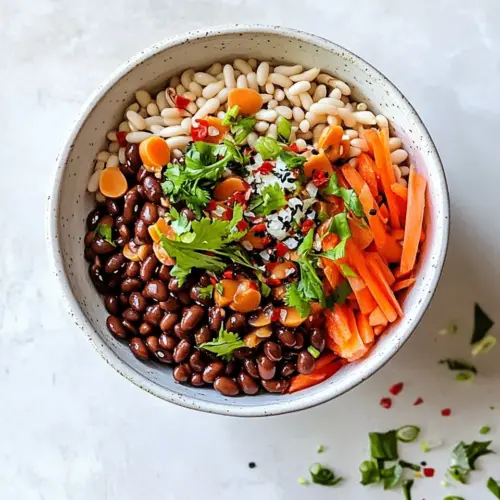
Adzuki Bean Bowls
Equipment
- Mixing Bowl
- Whisk
- Vegetable Peeler
- Knife
- Cutting Board
Ingredients
- 1/2 large Napa cabbage head, sliced (6 1/2 cups) Sliced thinly to provide a crisp, mild base and crunchy texture that soaks up dressings while balancing richer flavors; offers a slightly sweet, watery finish that brightens the bowl. Works as the primary leafy vehicle for assembling other components and contrasts the beans and avocado with refreshing crunch.
- 3 small carrots, shaved with a vegetable peeler Shaved into delicate ribbons to add natural sweetness and tender bite that complements the cabbage; contributes color and a subtle earthy note. Acts as a fresh, textural counterpoint to cooked elements and helps make each mouthful lighter and more varied.
- 1 cup sugar snap peas, sliced Sliced to deliver a snappy, green crunch and vegetal sweetness that elevates freshness; retains slight crispness when lightly dressed. Provides a vibrant color contrast and pairs well with sesame and miso flavors for balanced mouthfeel.
- 2 tablespoons sesame seeds, more for serving Toasted and sprinkled to introduce nutty aroma and crunchy pops that enhance visual appeal; adds depth of toasty flavor and a pleasant textural contrast. Functions as a garnish and a small concentrated source of sesame richness that ties together Asian-inspired seasonings.
- 1 cup cooked brown rice Cooked and portioned to supply hearty grains and chewy texture that make the bowl more filling; acts as a neutral base that absorbs sauces and seasonings. Contributes wholesome, whole-grain flavor and complements the protein and vegetables for a balanced meal.
- 2 tablespoons chopped fresh cilantro leaves, more for serving Chopped and scattered to contribute bright herbal freshness and a citrusy, slightly peppery lift that enlivens each bite. Serves as a finishing herb that lightens rich components and adds aromatic complexity and color.
- 1 1/2 cup cooked adzuki beans, drained and rinsed Cooked, drained and rinsed to provide a tender, slightly sweet legume protein with a creamy, earthy texture; carries savory dressings well. Supplies plant-based protein and fiber while anchoring the bowl with satisfying substance.
- 2 avocados, sliced Sliced to add creamy richness and buttery texture that softens sharper flavors; brings healthy fats and a silky mouthfeel. Acts as a cooling element that balances salty, tangy, and spicy components while enriching overall satiety.
- 1 small fresh red chile, sliced Sliced finely to contribute spicy heat and bright sharpness in small amounts; offers zesty, aromatic complexity that wakes up the palate. Used sparingly as a flavor accent to introduce warmth and contrast to milder ingredients.
- 1/4 cup white miso Whisked into dressing to deliver savory, umami depth and a mellow fermented richness that bolsters the bowl's flavor profile; thickens sauces and balances acidity. Functions as a core seasoning component that harmonizes with vinegar and soy-like elements.
- 1/3 cup rice vinegar Measured to add bright acidity and a clean, tangy lift that cuts through richness and balances the miso and oils; helps preserve crunch in vegetables. Serves as the acid backbone of dressings and refreshes the overall flavor composition.
- 1/4 cup olive oil Emulsified into dressing to provide smoothness and a fruity, neutral fat that carries flavors and adds mouth-coating richness. Helps bind vinegar and miso into a cohesive dressing while contributing subtle savory notes when paired with sesame oil.
- 3 tablespoons tamari Stirred into sauces to lend concentrated savory-salty depth resembling soy; amplifies umami and seasons the bowl evenly. Acts as a key salty component that enhances other flavors without overpowering delicate vegetables.
- 1 tablespoon toasted sesame oil Added in small amount to impart toasted, aromatic sesame character and a gentle nutty finish; intensifies sesame flavors alongside seeds. Used as a flavor accent to enrich dressings and provide a distinctive, rounded aroma.
Instructions
- Make the dressing. In a small bowl, whisk together the miso, rice vinegar, olive oil, tamari, and sesame oil.: As you whisk the dressing, notice the aroma of the white miso mixing with the bright tang of rice vinegar , the fruitiness of olive oil , and the savory depth of tamari and toasted sesame oil . The sound will be quiet, the texture smoothing as the miso dissolves. This matters because a well-emulsified dressing clings to the Napa cabbage and rice rather than pooling at the bottom. If the dressing seems too thick, add a teaspoon of water to loosen it, and avoid overwhisking to the point of a greasy sheen which indicates too much oil separation.
- In a large bowl, mix the cabbage, carrots, snap peas, and sesame seeds with 1/4 cup of the dressing.: When you toss the sliced Napa cabbage , shaved carrots , and sliced sugar snap peas with the dressing, pay attention to how the dressing coats each strand and ribbon, giving the vegetables a glossy finish. The cabbage will soften slightly from the dressing's acidity, releasing a subtle vegetal perfume. This melding helps flavors marry, so give it a gentle toss rather than a vigorous massage which can bruise the leaves. A common mistake here is overdressing; start with the specified 1/4 cup and add more only if the salad seems dry.
- Just before serving, fold the cilantro in the cabbage salad. Divide the rice, cabbage salad, beans, and avocados among four bowls. Drizzle with more dressing, as desired, and sprinkle with the chile and more cilantro and sesame seeds, if you like.: The scent of chopped cilantro is bright and citrusy, and folding it in at the last moment preserves that freshness. As you mix, the leaves will lighten the aroma of the whole bowl and add green flecks that lift the presentation. The reason for adding cilantro late is to avoid wilting from the dressing and the warmth of other components. Avoid chopping cilantro too finely, which can cause it to lose textural presence in the bowl.
- Divide the rice among four bowls: Spoon warm brown rice into each bowl so it forms a comforting base. The steam from the rice helps slightly wilt the cabbage if combined, creating a meld of temperatures that is pleasing on the palate. Make sure the rice is evenly distributed so each eater gets a balanced ratio of grains to toppings. A common error is packing the rice too tightly, which can make it clump and overwhelm the lighter ingredients.
- Arrange the cabbage salad, beans, and avocados: Layer the dressed cabbage salad, the drained and rinsed adzuki beans , and sliced avocados so they occupy distinct pockets in the bowl. The visual separation showcases color and texture, and it lets diners mix components as they like. The creamy avocado next to the nutty beans and crisp cabbage creates textural interplay. Avoid slicing the avocado too early to prevent browning, and don’t overcrowd the bowl which can flatten the composition.
- Drizzle with more dressing and sprinkle chile, cilantro, and sesame seeds: Finish with an extra drizzle of the dressing for moisture and a final scatter of sliced red chile , extra chopped cilantro , and toasted sesame seeds . The chile adds a bright snap of heat and red color, the cilantro a herbal lift, and the sesame seeds a toasty crunch. This final flourish is what makes the plate pop both visually and tastewise. A troubleshooting tip is to taste before adding more dressing, because you can always add more but cannot take it away once it's poured.
Notes
- Swap the grains If you want a lighter texture, use quinoa instead of brown rice for a slightly nutty but fluffier base.
- Increase the spice Add more sliced red chile or a pinch of chili flakes to the dressing for a bolder, warming heat that pairs nicely with the umami of the miso.
- Boost the herbs Stir in additional chopped cilantro or replace it with a mix of parsley and mint for a different herbal profile that brightens the bowl.
- Make it a meal prep winner Keep the dressing separate and store vegetables and grains in individual containers to preserve crunch, then assemble just before eating.
- Textural crunch Add thinly sliced radishes or toasted nuts for an extra snap if you prefer more pronounced crunch alongside the soft avocado.
