Plant Based Sticky Noodles
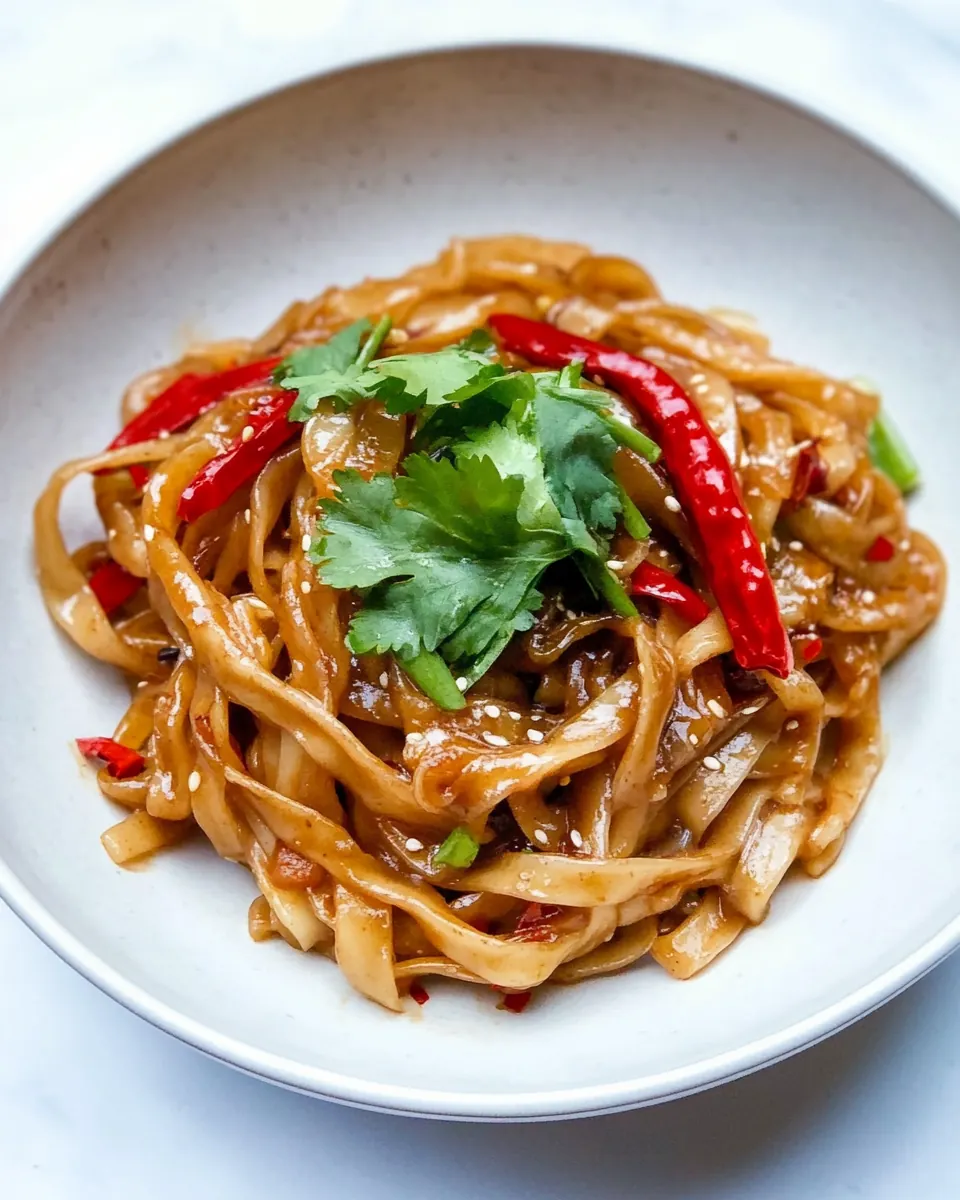
Plant Based Sticky Noodles came into my weeknight rotation on a rainy Tuesday when I needed something fast, satisfying, and a little soulful. I remember standing at the counter with a steaming pot of rice noodles and a tiny bowl of glossy sauce, thinking how a handful of humble pantry items could feel like comfort food on a damp evening. The first bite was a revelation, the sauce clinging to each strand, a balance of sweet and savory that made me close my eyes and keep eating even though I had promised myself I would save some for lunch the next day.
Over time I refined the routine, learning how the timing of the sauté and the order of additions matter, and why finishing with fresh herbs lifts the whole bowl. I love that Plant Based Sticky Noodles is forgiving enough to make when life is busy, yet precise enough to feel like a small culinary win. Friends who pop by on short notice often end up staying for dinner because the aroma of sesame oil and garlic sizzling in the pan has a way of slowing people down and bringing conversation to the table.
There is also a meditative side to the process, stirring the sauce until it becomes syrupy, tossing the noodles so each strand is coated, and finally scattering bright green basil on top. I don’t always follow a recipe rigidly, but with this one I pay attention to a few small details that make a big difference, and I enjoy teaching them to others when they ask. If you want a quick meal that feels intentional, this is the one I reach for again and again.
Recipe Snapshot
20 mins
5 mins
15 mins
Medium
350 kcal
Asian
Vegan, Gluten-Free
Dinner
Skillet, Pot, Mixing bowl, Spatula
Why This Plant Based Sticky Noodles Is a Winner
Vibrant yet simple flavor
I love how Plant Based Sticky Noodles balances boldness and simplicity. The combination of tamari soy sauce and maple syrup creates a glossy, umami forward coating that tastes complex but is incredibly straightforward to make. When I serve it, people often ask what I added to achieve that sticky sheen, which makes me smile because it is such an honest formula.
Speed and convenience
One of the reasons I return to this dish is how quickly it comes together. From boiling rice noodles to plating, it takes a short time, so it is perfect for busy nights. I appreciate recipes that are fast but still deliver on texture and aroma, and this one checks both boxes with minimal fuss.
Plant based and crowd friendly
Because the recipe relies on pantry staples and fresh produce like bell peppers and basil, it adapts well for gatherings and family meals. I often double the batch when friends drop in. The dish is approachable for folks who follow plant based diets, yet satisfying enough to please omnivores.
Layered textures and aromas
The contrast between soft, slippery rice noodles and the gentle bite of sautéed onion and bell peppers elevates every mouthful. The first sizzle of sesame oil in the pan is a smell that signals the start of something good, and adding minced garlic and ginger builds a fragrant backbone that carries the whole dish.
Customizable and forgiving
I appreciate recipes that let you improvise without derailing the result. With Plant Based Sticky Noodles you can tweak the sauce ratio, adjust the heat under the pan, or change the mix of vegetables and still end up with a bowl worth savoring. That flexibility is exactly why I keep this recipe in heavy rotation.
Ingredients You’ll Need for Plant Based Sticky Noodles
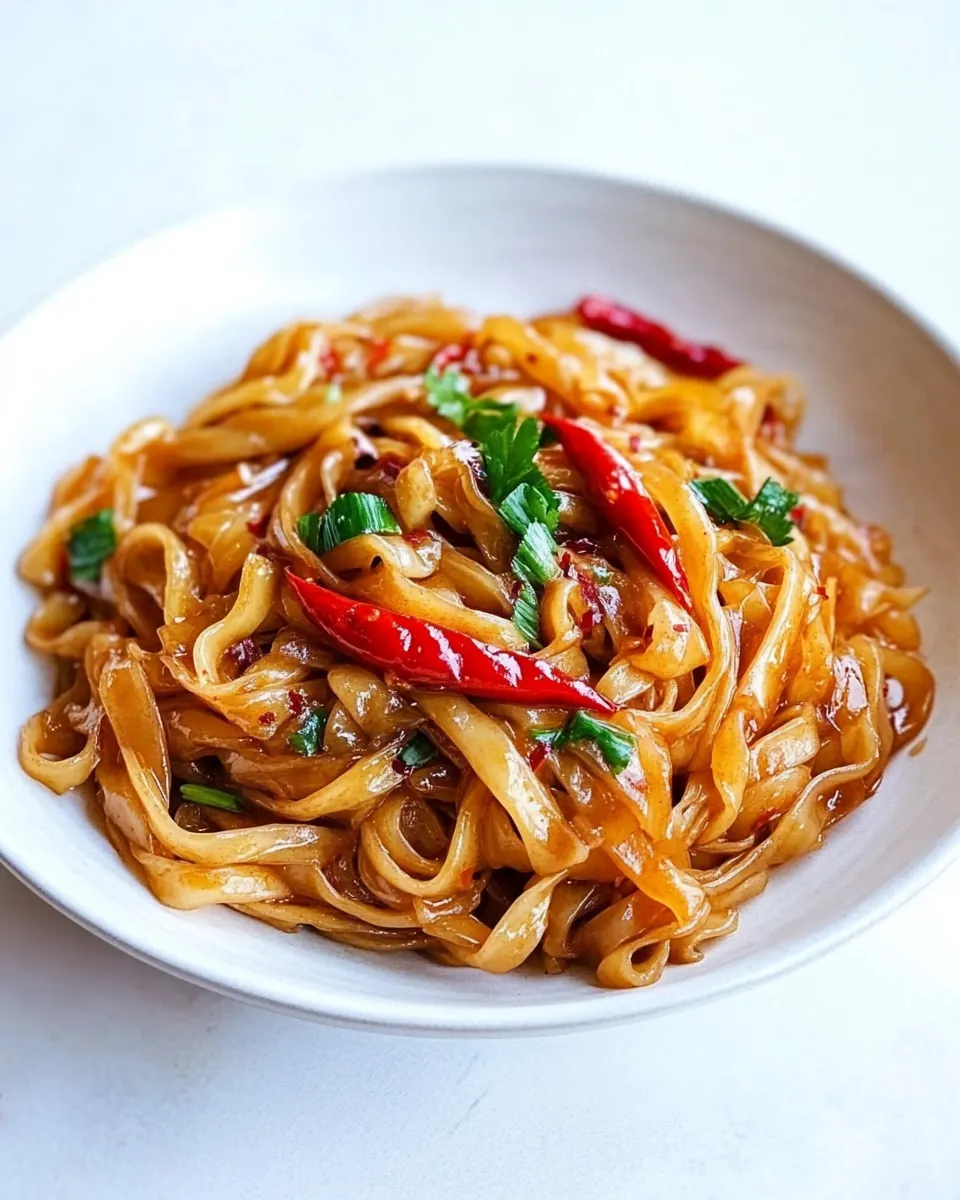
These ingredients form a harmonious, plant based noodle bowl that leans on a simple sweet and savory sauce. The key players are the tamari soy sauce for depth, maple syrup for sweetness, and aromatics like garlic and ginger to add warmth. The rice noodles act as a neutral canvas, while the bell peppers and basil bring color and freshness, and a touch of sesame oil gives a toasty finish.
- 1/4 cup tamari soy sauce low sodium: Adds a salty, umami-rich backbone to the sauce and helps balance sweetness while keeping sodium lower for health-conscious palates. Use to season the noodles and vegetables, providing depth and a savory base that permeates the dish. Also aids in creating a cohesive sauce when combined with sweeteners and oils.
- 2 tablespoons maple syrup: Provides natural sweetness and subtle caramel notes that counterbalances the tamari, creating a glossy, sticky glaze for the noodles. Use to enhance browning and contribute to the sauce's viscosity when reduced. Works well with sesame oil and ginger to build complex flavor layers.
- 2 tablespoons water: Dilutes the sauce slightly to achieve the right consistency and prevents it from becoming overly thick or cloying while cooking. Use to loosen the tamari–maple mixture so it coats noodles evenly and allows for better absorption by the rice noodles. Also helps distribute aromatic ingredients throughout the dish.
- 1/2 lb rice noodles: Serves as the primary carbohydrate component, absorbing the sauce and providing a neutral, chewy texture that showcases the other flavors. Cook according to package instructions until tender, then toss with the sauce and vegetables so the noodles become sticky and flavorful. Offers a gluten-free base that pairs well with Asian-inspired sauces.
- 1 tablespoon sesame oil: Contributes a nutty aroma and silky mouthfeel that enriches the sauce and helps carry aromatics like garlic and ginger. Use to lightly coat the pan and vegetables during stir-frying, enhancing their flavor and promoting a glossy finish on the noodles. Also adds depth without overpowering the other seasonings.
- 1 yellow onion diced: Supplies a sweet, savory, and slightly caramelized base flavor and adds bulk and texture when sautéed until translucent. Use to release natural sugars that meld with garlic and ginger, forming the aromatic foundation of the dish. Diced pieces also contribute pleasant bite and visual contrast.
- 4 garlic cloves minced: Delivers pungent, savory aromatics that intensify when sautéed and help brighten the overall flavor of the dish. Use minced garlic to infuse the oil and sauce with sharp, garlicky heat that complements the sweet and salty elements. Also aids in creating a layered, well-rounded flavor profile.
- 3 tablespoons ginger minced: Imparts warm, peppery, and slightly sweet aromatic notes that lift the sauce and pair well with garlic and tamari. Use minced ginger to add brightness and mild heat, cutting through the sweetness of maple syrup and enriching the stir-fry's complexity. It also aids digestion and adds freshness.
- 2 red bell peppers sliced: Adds crisp, sweet, and slightly smoky crunch and vibrant color, enhancing texture and visual appeal when thinly sliced and quickly stir-fried. Use to provide fresh vegetal contrast to the soft noodles and rich sauce while absorbing flavors. Also contributes vitamins and a pleasant, juicy bite.
- 1/4 cup fresh basil chopped: Provides fresh, herbaceous brightness and a sweet, slightly peppery lift that finishes the dish with aromatic clarity. Use chopped basil as a garnish or folded in at the end to preserve its flavor and elevate the overall freshness. Enhances the dish's balance and adds an inviting scent.
Cooking Instructions for Plant Based Sticky Noodles
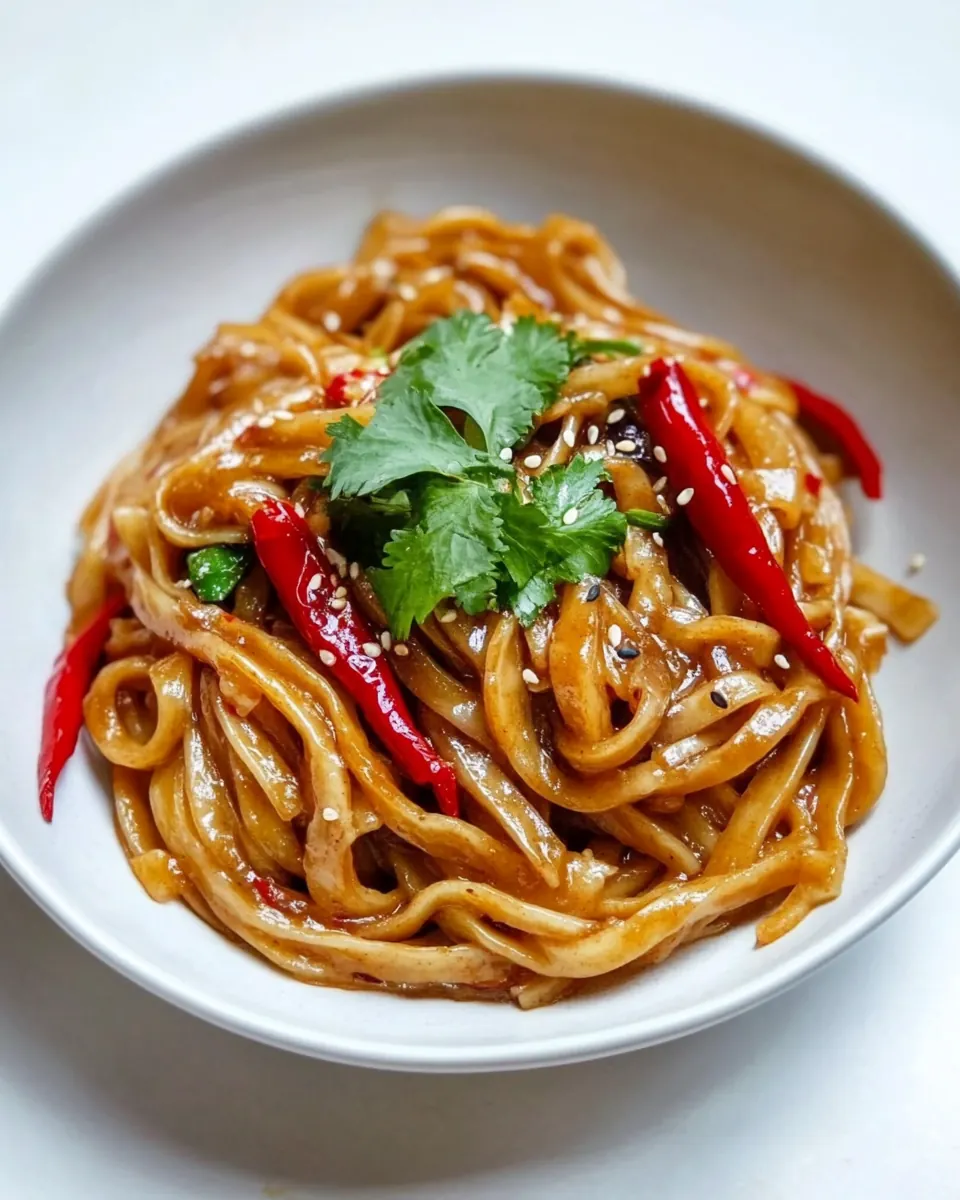
These steps guide you through creating glossy, well seasoned noodles with layered aromatics. I like to stay near the stove so I can watch the textures evolve and catch the moment the sauce thickens. Keep a spatula handy and listen for the subtle sizzles that tell you when the pan is ready for the next addition.
- Combine low sodium soy sauce, maple syrup, and water in a bowl: When you whisk these together the kitchen fills with a sweet umami scent, and keeping the ratio balanced ensures the sauce will reduce to a syrupy finish instead of burning. Why this matters, the liquid cohesion helps the rice noodles pick up flavor evenly as it thickens. A common mistake is over sweetening, which can mask the aromatics, so taste the sauce before you use it and adjust cautiously.
- Cook the rice noodles according to their package: You will notice a faint rice fragrance as they soften, and the texture should be tender with a slight give, never mushy. Draining and briefly rinsing them in cool water stops residual cooking and prevents them from clumping. The reason this step is important is that properly cooked noodles will absorb sauce without falling apart, and an error to avoid is overcooking, which leads to a gummy mouthfeel.
- Meanwhile, heat the sesame oil in a skillet over medium-high heat: As the oil warms you will catch a delicate toasted aroma, signaling the right moment to add aromatics. Proper heat helps the garlic and onion release their flavors quickly without burning. If the oil smokes, the pan is too hot and the aromatics will char instead of melting, so lower the heat slightly if that happens.
- Then, add in the yellow onion and garlic. Sauté until fragrant, about 4 minutes: You will hear a gentle sizzle as the onion softens and begins to turn translucent, while the garlic releases a warm, aromatic perfume. This step builds the savory foundation so your sauce has depth, and rushing it can leave raw, harsh garlic notes. Watch closely and stir often to prevent uneven browning.
- Next, add your ginger and bell peppers and sauté for another 5 minutes until soft: The ginger will pop with sharp, peppery notes and the bell peppers will soften and become glossy, adding a sweet contrast to the savory base. These textures create a pleasant bite against the silkier noodles. A common pitfall is overcrowding the pan, which causes steaming instead of sautéing, so give the vegetables room to brown slightly for better flavor.
- Add your noodles and pour over the soy sauce mixture. Combine the noodles and cook until sauce is somewhat sticky, about 4-5 minutes: As you toss everything, you will see the liquid reduce and cling to the strands, creating that sought after glossy coating; when it starts to thicken you will hear quieter sizzling and see the noodles take on a shiny sheen. This technique matters because the reduction concentrates flavor and helps the sauce adhere. Avoid stirring too vigorously, which can break the noodles, and keep the heat moderate so the sugars do not burn.
- Remove from heat, top with basil, and serve: The finish releases a fresh, herbal burst from the basil that contrasts with the warm, sticky noodles, and the aroma is bright and immediate. Letting the pan sit off heat for a brief moment prevents residual cooking from drying the sauce, so serve promptly for the best texture. One mistake people make is adding the herb too early, which causes it to wilt and lose vibrancy, so scatter it right before serving.
Pro Tips and Tweaks
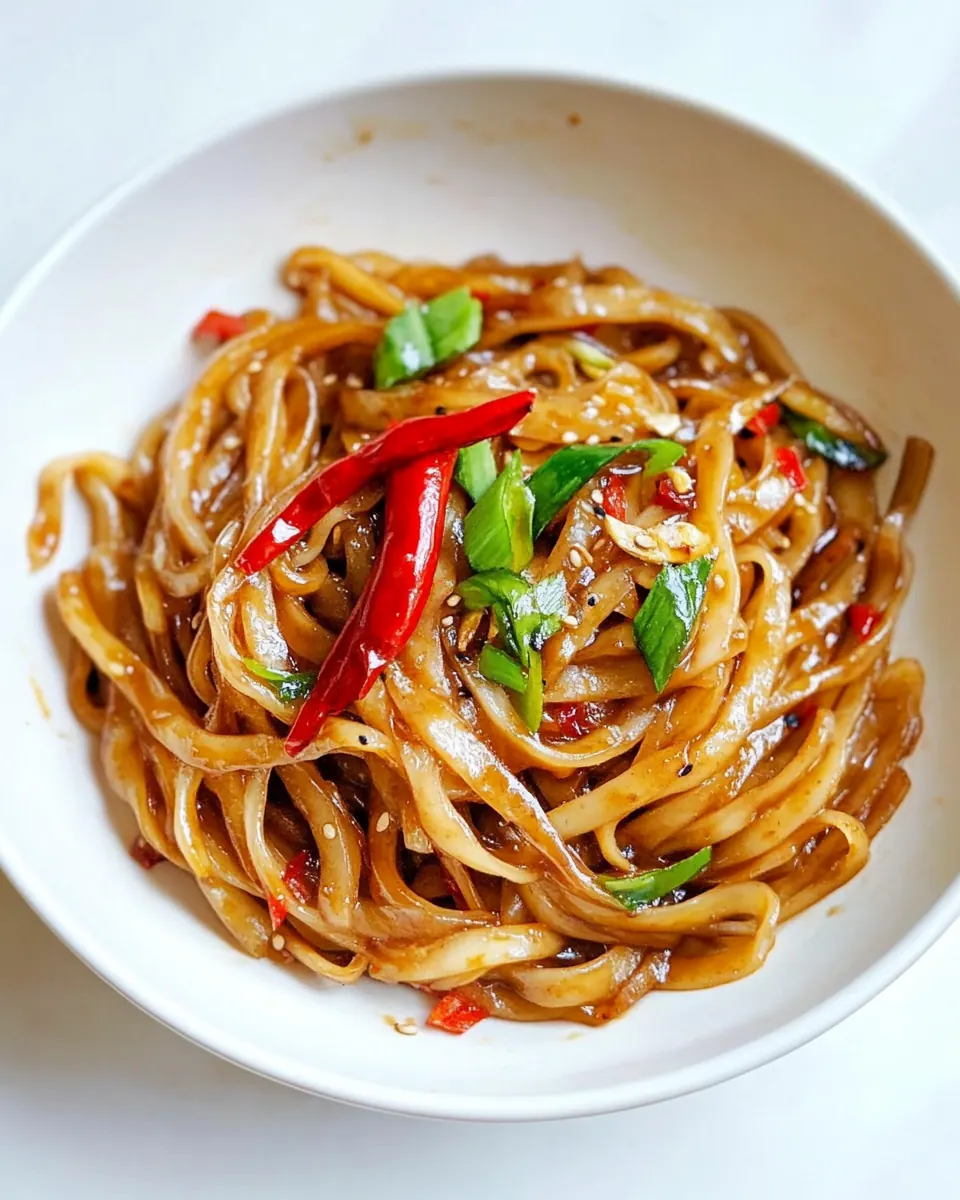
I like to keep a few small habits that ensure consistent results. These tweaks focus on timing, temperature, and finishing touches so the dish is glossy, balanced, and aromatic every time. Small adjustments make a big difference when working with quick cook times.
- Measure the sauce first, combining the tamari soy sauce, maple syrup, and water in a bowl ensures a balanced flavor and makes it easy to taste and tweak before it hits the pan.
- Don’t overcook the noodles, aim for tender but slightly firm, and rinse briefly under cool water to stop carryover cooking and keep them separate.
- Warm oil slowly, heating the sesame oil over medium high but not smoking helps aromatics bloom without charring, preserving a clean toasted flavor.
- Give vegetables space, sauté onion and bell peppers without crowding so they develop slight color instead of steaming, which concentrates their flavor.
- Finish off heat with herbs, add chopped basil after removing from the stove to retain its fragrance and bright color for presentation.
Best Served With
This noodle bowl stands well on its own, but there are thoughtful ways to compose a full meal around it. Consider simple sides and serving styles that complement the glossy sauce and fresh herbs, and choose occasions where quick preparation is important. These pairings work for casual weeknight dinners or as part of a larger spread for guests.
- Light vegetable sides such as quick cucumber salad or steamed greens make a crisp companion, balancing the rich, sticky sauce with freshness and crunch.
- Family style serving works well, place the noodles in a wide bowl and let guests top with extra basil, putting small bowls of additional sauce on the side for those who want more.
- Occasions like easy weeknight dinners or casual gatherings are ideal because the recipe is fast and feeds multiple people, making it convenient and crowd friendly.
- Storage tips, cool leftovers quickly and store in an airtight container in the fridge for up to three days, reheat gently in a skillet with a splash of water to loosen the sauce.
- Seasonal pairing, this dish shines year round because the base is pantry forward, but it feels especially bright when you use fresh summer bell peppers and herbs.
FAQ
Conclusion
Plant Based Sticky Noodles stand out for their glossy sauce, warming aromatics, and quick assembly, making them a reliable favorite for busy nights. I encourage you to try this recipe because it rewards small attentions to timing and heat with big, comforting flavor. Whether you’re cooking for yourself or feeding company, this dish proves that plant based meals can be both speedy and deeply satisfying, so give it a go and take pride in the little culinary win.
Plant Based Sticky Noodles
Equipment
- Skillet
- Pot
- Mixing Bowl
- Spatula
Ingredients
- 1/4 cup tamari soy sauce low sodium Adds a salty, umami-rich backbone to the sauce and helps balance sweetness while keeping sodium lower for health-conscious palates. Use to season the noodles and vegetables, providing depth and a savory base that permeates the dish. Also aids in creating a cohesive sauce when combined with sweeteners and oils.
- 2 tablespoons maple syrup Provides natural sweetness and subtle caramel notes that counterbalances the tamari, creating a glossy, sticky glaze for the noodles. Use to enhance browning and contribute to the sauce's viscosity when reduced. Works well with sesame oil and ginger to build complex flavor layers.
- 2 tablespoons water Dilutes the sauce slightly to achieve the right consistency and prevents it from becoming overly thick or cloying while cooking. Use to loosen the tamari-maple mixture so it coats noodles evenly and allows for better absorption by the rice noodles. Also helps distribute aromatic ingredients throughout the dish.
- 1/2 lb rice noodles Serves as the primary carbohydrate component, absorbing the sauce and providing a neutral, chewy texture that showcases the other flavors. Cook according to package instructions until tender, then toss with the sauce and vegetables so the noodles become sticky and flavorful. Offers a gluten-free base that pairs well with Asian-inspired sauces.
- 1 tablespoon sesame oil Contributes a nutty aroma and silky mouthfeel that enriches the sauce and helps carry aromatics like garlic and ginger. Use to lightly coat the pan and vegetables during stir-frying, enhancing their flavor and promoting a glossy finish on the noodles. Also adds depth without overpowering the other seasonings.
- 1 yellow onion diced Supplies a sweet, savory, and slightly caramelized base flavor and adds bulk and texture when sautéed until translucent. Use to release natural sugars that meld with garlic and ginger, forming the aromatic foundation of the dish. Diced pieces also contribute pleasant bite and visual contrast.
- 4 garlic cloves minced Delivers pungent, savory aromatics that intensify when sautéed and help brighten the overall flavor of the dish. Use minced garlic to infuse the oil and sauce with sharp, garlicky heat that complements the sweet and salty elements. Also aids in creating a layered, well-rounded flavor profile.
- 3 tablespoons ginger minced Imparts warm, peppery, and slightly sweet aromatic notes that lift the sauce and pair well with garlic and tamari. Use minced ginger to add brightness and mild heat, cutting through the sweetness of maple syrup and enriching the stir-fry's complexity. It also aids digestion and adds freshness.
- 2 red bell peppers sliced Adds crisp, sweet, and slightly smoky crunch and vibrant color, enhancing texture and visual appeal when thinly sliced and quickly stir-fried. Use to provide fresh vegetal contrast to the soft noodles and rich sauce while absorbing flavors. Also contributes vitamins and a pleasant, juicy bite.
- 1/4 cup fresh basil chopped Provides fresh, herbaceous brightness and a sweet, slightly peppery lift that finishes the dish with aromatic clarity. Use chopped basil as a garnish or folded in at the end to preserve its flavor and elevate the overall freshness. Enhances the dish's balance and adds an inviting scent.
Instructions
- Combine low sodium soy sauce, maple syrup, and water in a bowl: When you whisk these together the kitchen fills with a sweet umami scent, and keeping the ratio balanced ensures the sauce will reduce to a syrupy finish instead of burning. Why this matters, the liquid cohesion helps the rice noodles pick up flavor evenly as it thickens. A common mistake is over sweetening, which can mask the aromatics, so taste the sauce before you use it and adjust cautiously.
- Cook the rice noodles according to their package: You will notice a faint rice fragrance as they soften, and the texture should be tender with a slight give, never mushy. Draining and briefly rinsing them in cool water stops residual cooking and prevents them from clumping. The reason this step is important is that properly cooked noodles will absorb sauce without falling apart, and an error to avoid is overcooking, which leads to a gummy mouthfeel.
- Meanwhile, heat the sesame oil in a skillet over medium-high heat: As the oil warms you will catch a delicate toasted aroma, signaling the right moment to add aromatics. Proper heat helps the garlic and onion release their flavors quickly without burning. If the oil smokes, the pan is too hot and the aromatics will char instead of melting, so lower the heat slightly if that happens.
- Then, add in the yellow onion and garlic. Sauté until fragrant, about 4 minutes: You will hear a gentle sizzle as the onion softens and begins to turn translucent, while the garlic releases a warm, aromatic perfume. This step builds the savory foundation so your sauce has depth, and rushing it can leave raw, harsh garlic notes. Watch closely and stir often to prevent uneven browning.
- Next, add your ginger and bell peppers and sauté for another 5 minutes until soft: The ginger will pop with sharp, peppery notes and the bell peppers will soften and become glossy, adding a sweet contrast to the savory base. These textures create a pleasant bite against the silkier noodles. A common pitfall is overcrowding the pan, which causes steaming instead of sautéing, so give the vegetables room to brown slightly for better flavor.
- Add your noodles and pour over the soy sauce mixture. Combine the noodles and cook until sauce is somewhat sticky, about 4-5 minutes: As you toss everything, you will see the liquid reduce and cling to the strands, creating that sought after glossy coating; when it starts to thicken you will hear quieter sizzling and see the noodles take on a shiny sheen. This technique matters because the reduction concentrates flavor and helps the sauce adhere. Avoid stirring too vigorously, which can break the noodles, and keep the heat moderate so the sugars do not burn.
- Remove from heat, top with basil, and serve: The finish releases a fresh, herbal burst from the basil that contrasts with the warm, sticky noodles, and the aroma is bright and immediate. Letting the pan sit off heat for a brief moment prevents residual cooking from drying the sauce, so serve promptly for the best texture. One mistake people make is adding the herb too early, which causes it to wilt and lose vibrancy, so scatter it right before serving.
Notes
- Measure the sauce first, combining the tamari soy sauce, maple syrup, and water in a bowl ensures a balanced flavor and makes it easy to taste and tweak before it hits the pan.
- Don’t overcook the noodles, aim for tender but slightly firm, and rinse briefly under cool water to stop carryover cooking and keep them separate.
- Warm oil slowly, heating the sesame oil over medium high but not smoking helps aromatics bloom without charring, preserving a clean toasted flavor.
- Give vegetables space, sauté onion and bell peppers without crowding so they develop slight color instead of steaming, which concentrates their flavor.
- Finish off heat with herbs, add chopped basil after removing from the stove to retain its fragrance and bright color for presentation.