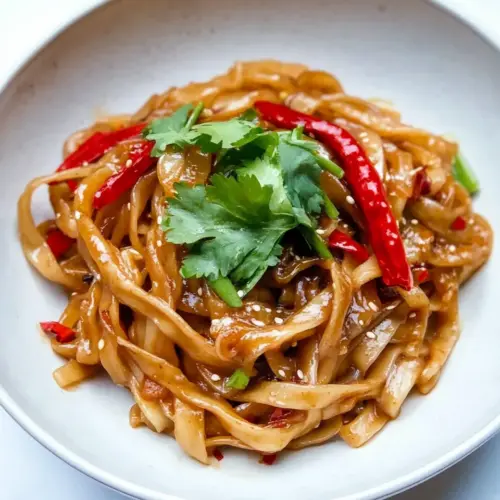
Plant Based Sticky Noodles
Plant Based Sticky Noodles delivers glossy, savory sweet noodles with a hint of toasty sesame and fresh basil. This easy weeknight dinner is vibrant, quick, and packed with texture, making it a go to for busy evenings. It’s an approachable plant based recipe that still feels indulgent, perfect for anyone wanting a fast, flavorful meal worth making tonight.
Equipment
- Skillet
- Pot
- Mixing Bowl
- Spatula
Ingredients
- 1/4 cup tamari soy sauce low sodium Adds a salty, umami-rich backbone to the sauce and helps balance sweetness while keeping sodium lower for health-conscious palates. Use to season the noodles and vegetables, providing depth and a savory base that permeates the dish. Also aids in creating a cohesive sauce when combined with sweeteners and oils.
- 2 tablespoons maple syrup Provides natural sweetness and subtle caramel notes that counterbalances the tamari, creating a glossy, sticky glaze for the noodles. Use to enhance browning and contribute to the sauce's viscosity when reduced. Works well with sesame oil and ginger to build complex flavor layers.
- 2 tablespoons water Dilutes the sauce slightly to achieve the right consistency and prevents it from becoming overly thick or cloying while cooking. Use to loosen the tamari-maple mixture so it coats noodles evenly and allows for better absorption by the rice noodles. Also helps distribute aromatic ingredients throughout the dish.
- 1/2 lb rice noodles Serves as the primary carbohydrate component, absorbing the sauce and providing a neutral, chewy texture that showcases the other flavors. Cook according to package instructions until tender, then toss with the sauce and vegetables so the noodles become sticky and flavorful. Offers a gluten-free base that pairs well with Asian-inspired sauces.
- 1 tablespoon sesame oil Contributes a nutty aroma and silky mouthfeel that enriches the sauce and helps carry aromatics like garlic and ginger. Use to lightly coat the pan and vegetables during stir-frying, enhancing their flavor and promoting a glossy finish on the noodles. Also adds depth without overpowering the other seasonings.
- 1 yellow onion diced Supplies a sweet, savory, and slightly caramelized base flavor and adds bulk and texture when sautéed until translucent. Use to release natural sugars that meld with garlic and ginger, forming the aromatic foundation of the dish. Diced pieces also contribute pleasant bite and visual contrast.
- 4 garlic cloves minced Delivers pungent, savory aromatics that intensify when sautéed and help brighten the overall flavor of the dish. Use minced garlic to infuse the oil and sauce with sharp, garlicky heat that complements the sweet and salty elements. Also aids in creating a layered, well-rounded flavor profile.
- 3 tablespoons ginger minced Imparts warm, peppery, and slightly sweet aromatic notes that lift the sauce and pair well with garlic and tamari. Use minced ginger to add brightness and mild heat, cutting through the sweetness of maple syrup and enriching the stir-fry's complexity. It also aids digestion and adds freshness.
- 2 red bell peppers sliced Adds crisp, sweet, and slightly smoky crunch and vibrant color, enhancing texture and visual appeal when thinly sliced and quickly stir-fried. Use to provide fresh vegetal contrast to the soft noodles and rich sauce while absorbing flavors. Also contributes vitamins and a pleasant, juicy bite.
- 1/4 cup fresh basil chopped Provides fresh, herbaceous brightness and a sweet, slightly peppery lift that finishes the dish with aromatic clarity. Use chopped basil as a garnish or folded in at the end to preserve its flavor and elevate the overall freshness. Enhances the dish's balance and adds an inviting scent.
Instructions
- Combine low sodium soy sauce, maple syrup, and water in a bowl: When you whisk these together the kitchen fills with a sweet umami scent, and keeping the ratio balanced ensures the sauce will reduce to a syrupy finish instead of burning. Why this matters, the liquid cohesion helps the rice noodles pick up flavor evenly as it thickens. A common mistake is over sweetening, which can mask the aromatics, so taste the sauce before you use it and adjust cautiously.
- Cook the rice noodles according to their package: You will notice a faint rice fragrance as they soften, and the texture should be tender with a slight give, never mushy. Draining and briefly rinsing them in cool water stops residual cooking and prevents them from clumping. The reason this step is important is that properly cooked noodles will absorb sauce without falling apart, and an error to avoid is overcooking, which leads to a gummy mouthfeel.
- Meanwhile, heat the sesame oil in a skillet over medium-high heat: As the oil warms you will catch a delicate toasted aroma, signaling the right moment to add aromatics. Proper heat helps the garlic and onion release their flavors quickly without burning. If the oil smokes, the pan is too hot and the aromatics will char instead of melting, so lower the heat slightly if that happens.
- Then, add in the yellow onion and garlic. Sauté until fragrant, about 4 minutes: You will hear a gentle sizzle as the onion softens and begins to turn translucent, while the garlic releases a warm, aromatic perfume. This step builds the savory foundation so your sauce has depth, and rushing it can leave raw, harsh garlic notes. Watch closely and stir often to prevent uneven browning.
- Next, add your ginger and bell peppers and sauté for another 5 minutes until soft: The ginger will pop with sharp, peppery notes and the bell peppers will soften and become glossy, adding a sweet contrast to the savory base. These textures create a pleasant bite against the silkier noodles. A common pitfall is overcrowding the pan, which causes steaming instead of sautéing, so give the vegetables room to brown slightly for better flavor.
- Add your noodles and pour over the soy sauce mixture. Combine the noodles and cook until sauce is somewhat sticky, about 4-5 minutes: As you toss everything, you will see the liquid reduce and cling to the strands, creating that sought after glossy coating; when it starts to thicken you will hear quieter sizzling and see the noodles take on a shiny sheen. This technique matters because the reduction concentrates flavor and helps the sauce adhere. Avoid stirring too vigorously, which can break the noodles, and keep the heat moderate so the sugars do not burn.
- Remove from heat, top with basil, and serve: The finish releases a fresh, herbal burst from the basil that contrasts with the warm, sticky noodles, and the aroma is bright and immediate. Letting the pan sit off heat for a brief moment prevents residual cooking from drying the sauce, so serve promptly for the best texture. One mistake people make is adding the herb too early, which causes it to wilt and lose vibrancy, so scatter it right before serving.
Notes
- Measure the sauce first, combining the tamari soy sauce, maple syrup, and water in a bowl ensures a balanced flavor and makes it easy to taste and tweak before it hits the pan.
- Don’t overcook the noodles, aim for tender but slightly firm, and rinse briefly under cool water to stop carryover cooking and keep them separate.
- Warm oil slowly, heating the sesame oil over medium high but not smoking helps aromatics bloom without charring, preserving a clean toasted flavor.
- Give vegetables space, sauté onion and bell peppers without crowding so they develop slight color instead of steaming, which concentrates their flavor.
- Finish off heat with herbs, add chopped basil after removing from the stove to retain its fragrance and bright color for presentation.