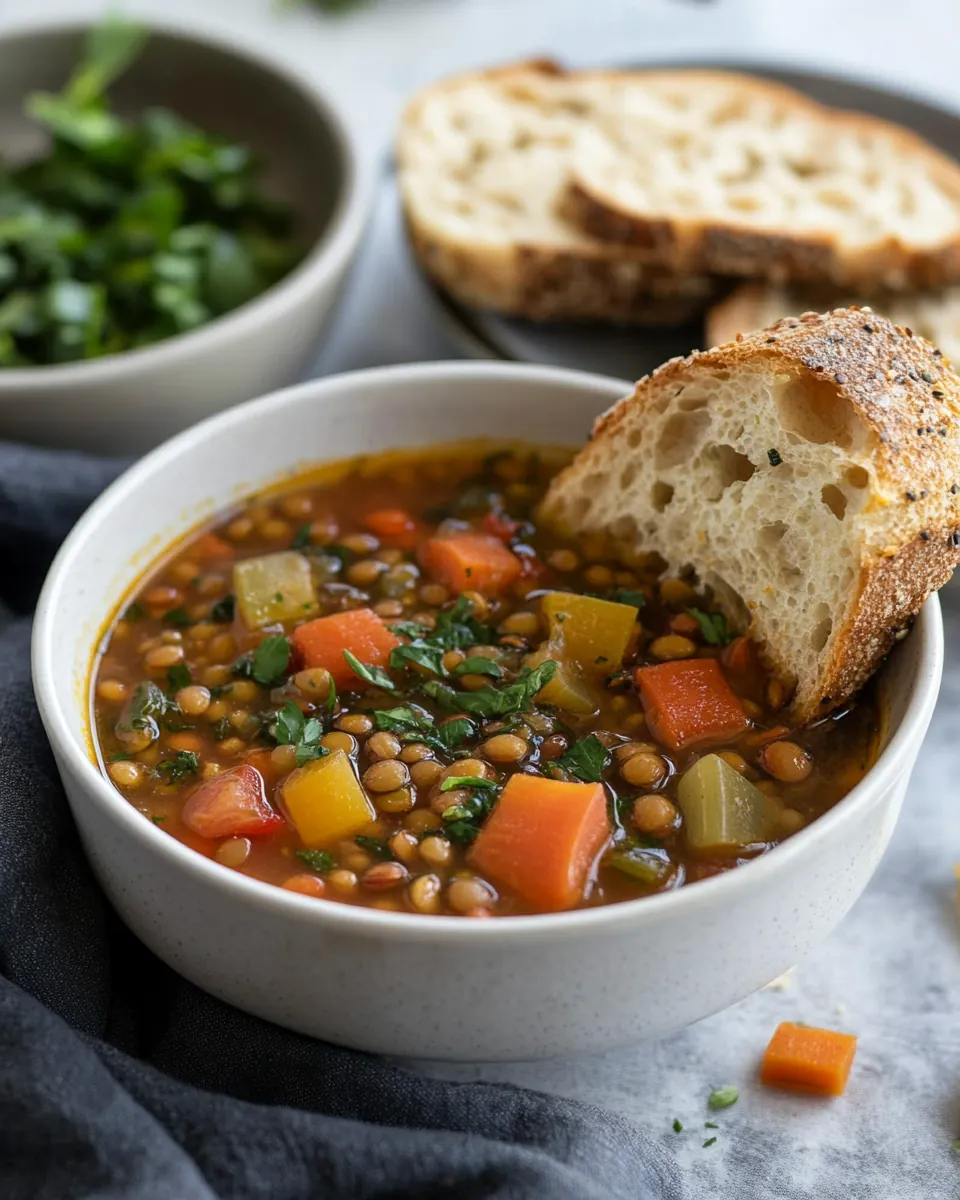
Lentil Soup
Lentil Soup is the kind of recipe I reach for when the air turns crisp and the kitchen needs to feel like a warm hug. The first time I simmered this soup, I was wrestling with a week of busy evenings and a pantry that demanded creativity. I ended up stirring a pot that tasted like home by the third spoonful, and I kept thinking about how simple pantry staples can transform into something utterly comforting.
That day I learned that a bowl of Lentil Soup can be more than a meal, it can be a moment. I grabbed a cutting board, turned on some low music, and started chopping carrots and onions. The ritual of prepping vegetables calmed me, and the aroma of sautéing carrots and onions sent a reassuring signal that dinner would be both nourishing and uncomplicated. I invited a neighbor over, and by the time we sat down, the soup had developed a rich, layered flavor that felt like it had taken hours, even though it was mostly patient simmering.
Recipe Snapshot
1 hr 10 mins
10 mins
60 mins
Medium
210 kcal
Italian
Vegan, Gluten-Free
Soups
Large pot, Wooden spoon
Why This Lentil Soup Stands Out
Hearty, not heavy
I love that Lentil Soup gives you a full, satisfying bowl without weighing you down. The dried brown lentils provide a cozy, creamy texture as they absorb the savory broth, making the soup filling enough for dinner yet gentle on the stomach.
Vegetable forward flavor
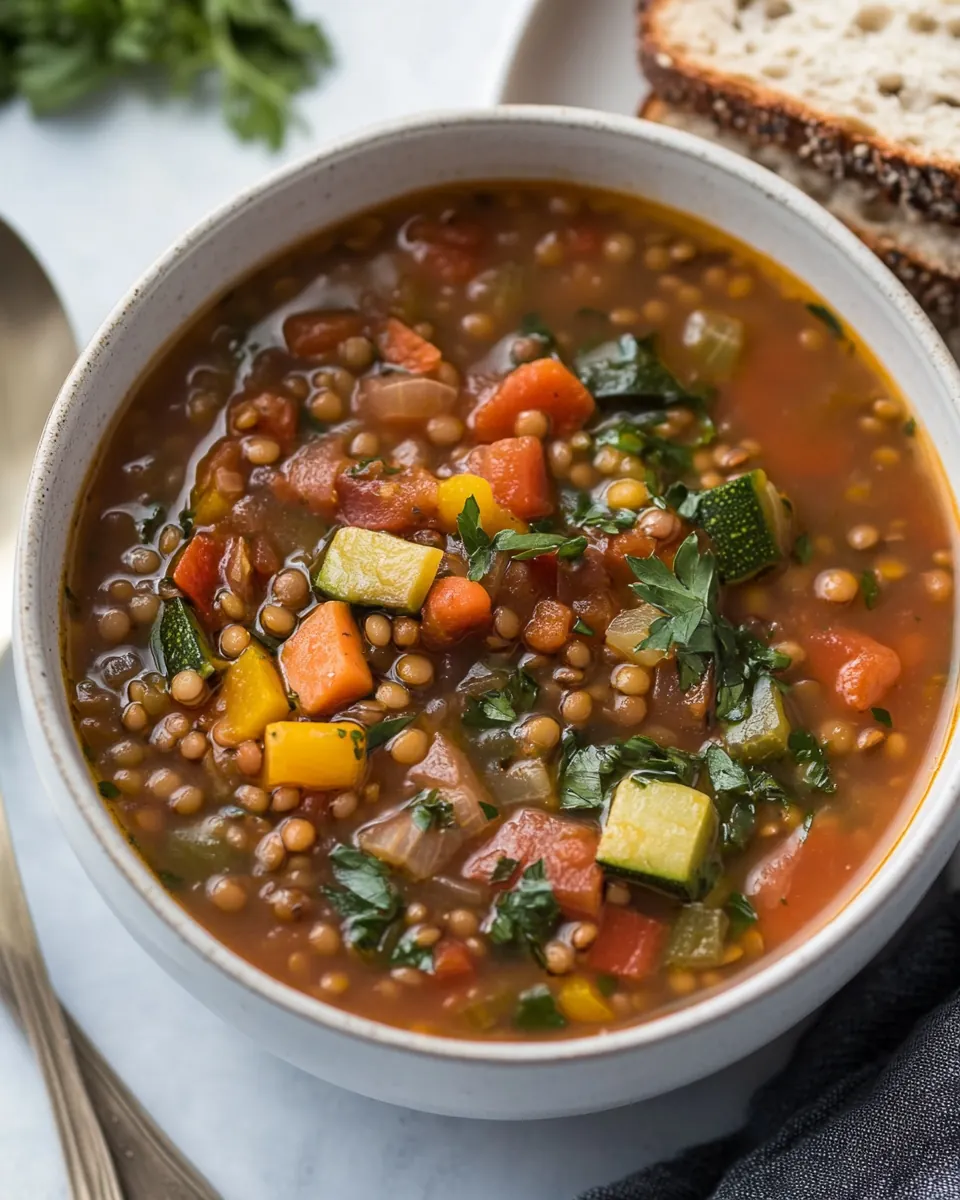
The combination of carrots, onions, zucchini and leafy greens creates a medley of textures and sweet savoriness. I appreciate how the vegetables keep the soup lively, adding bite and color so every spoonful feels fresh.
Flexible and forgiving
One reason I keep returning to this recipe is how adaptable it is. You can swap broth types or adjust herbs and still end up with a dish that sings. That flexibility makes it a reliable weeknight winner when life gets unpredictable.
Bright finish
The splash of fresh lemon juice at the end wakes up the flavors. I always add it, even in small amounts, because acid lifts the whole pot, giving the soup a clean, lively finish that contrasts the earthy lentils.
Comfort with depth
Finally, the layering of dried herbs like basil, oregano and thyme delivers an Italian inspired warmth without being fussy. The aroma while it simmers is one of those kitchen smells that makes you slow down, and that is why this soup often ends up as my go to when I want something honest and nourishing.
What You Need for Lentil Soup
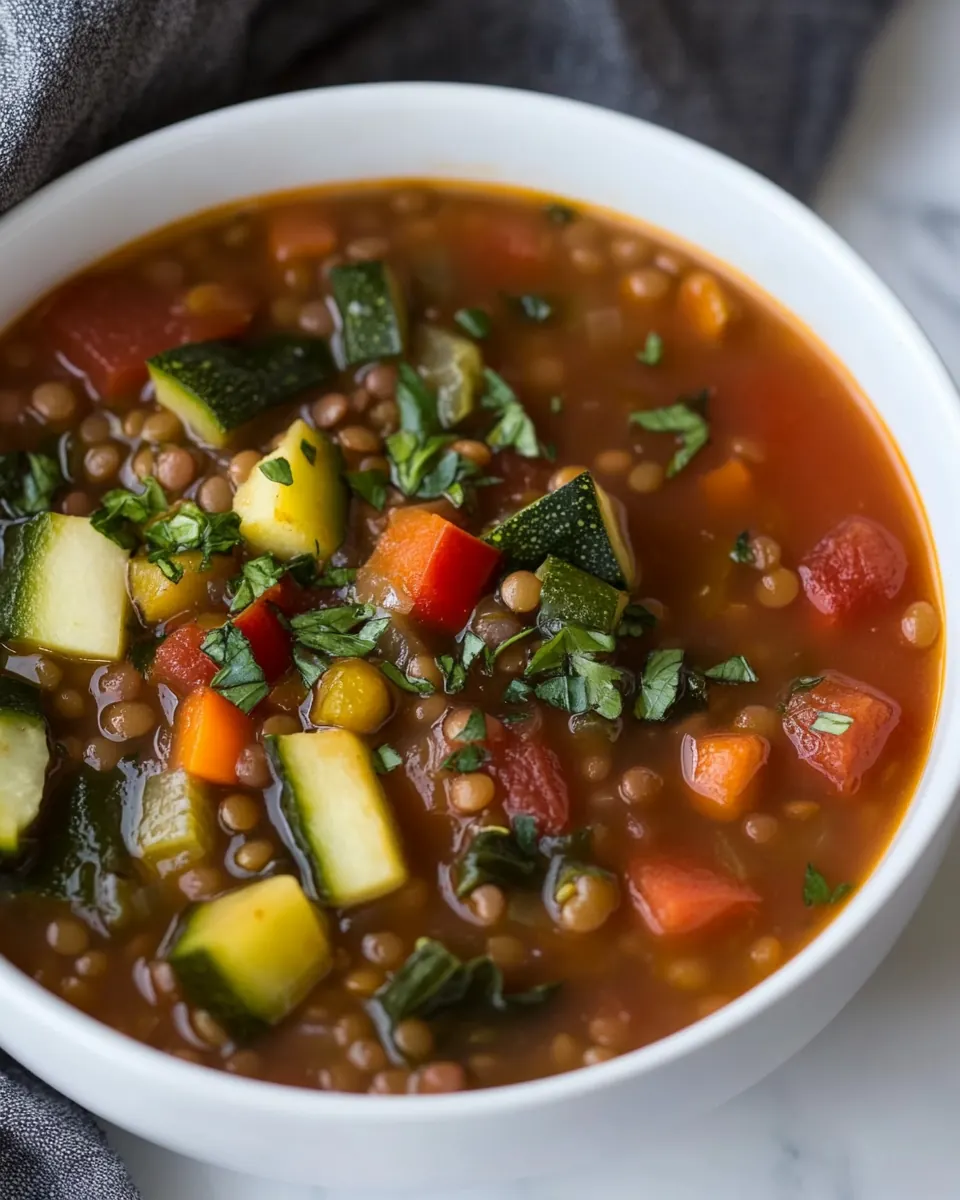
These ingredients are chosen for balance and comfort. The dried brown lentils are the protein and body, the canned vegetable broth and diced tomatoes build the savory base, while the fresh vegetables add texture and brightness. The dried herbs tie the flavors together so the soup tastes cohesive without needing complicated steps.
- 2 tbsp olive oil: Sauté gently in a pot to release flavor and form the cooking fat base that carries aromatics and vegetables throughout the soup.
- 1 1/2 cups diced carrots (3 medium): Add sweet, crunchy texture and earthy flavor while softening during simmering to contribute body and natural sweetness to the broth.
- 1 1/2 cups diced yellow onions (1 medium): Provide a savory, aromatic foundation when softened; contribute sweetness and depth to the soup's overall flavor profile as it cooks down.
- 1 1/2 tbsp minced garlic (4 cloves): Infuse pungent, aromatic heat and savory complexity when minced and briefly cooked to release essential oils for the soup base.
- 4 (14.5 oz) cans vegetable broth: Create the liquid foundation and savory backbone; supply umami and dilute ingredients for a balanced, spoonable consistency across the batch.
- 2 (14.5 oz) cans diced tomatoes: Contribute bright acidity, tomatoes' savory-sweet notes, and textural chunks that enhance mouthfeel and complement the lentils and broth.
- 1 1/4 cups dried brown lentils, rinsed and picked over: Absorb flavors and thicken the soup while providing earthy, protein-rich substance; require rinsing and sorting to remove debris before cooking.
- 1 1/2 tsp dried basil: Impart warm, slightly sweet herbaceous notes that complement the tomatoes and lentils, helping to round and lift the soup's aroma.
- 1/2 tsp dried oregano: Add a gentle, slightly bitter Mediterranean herb character that enhances savory depth and pairs well with basil and thyme.
- 1/2 tsp dried thyme: Introduce subtle woodsy, floral undertones that support the herb blend and contribute aromatic complexity during simmering.
- Salt and freshly ground black pepper: Season to taste to enhance and balance flavors; use gradually during cooking to avoid over-salting and finish with adjustments at the end.
- 1 1/2 cups diced zucchini (1 medium): Contribute fresh, subtle vegetal flavor and tender texture when added later in cooking to prevent over-softening and preserve brightness.
- 2 cups packed chopped kale or spinach: Provide leafy green nutrition, slight bitterness, and vibrant color; wilt into the hot soup near the end to retain texture and nutrients.
- 1 tbsp fresh lemon juice: Brighten the finished soup with acidic brightness and lift flavors; stir in near the end to enhance overall balance without cooking off brightness.
- Parmesan cheese, for serving () (optional): Offer optional salty, nutty umami and finishing richness when grated over individual servings to enhance mouthfeel and flavor contrast.
Cooking Method for Lentil Soup
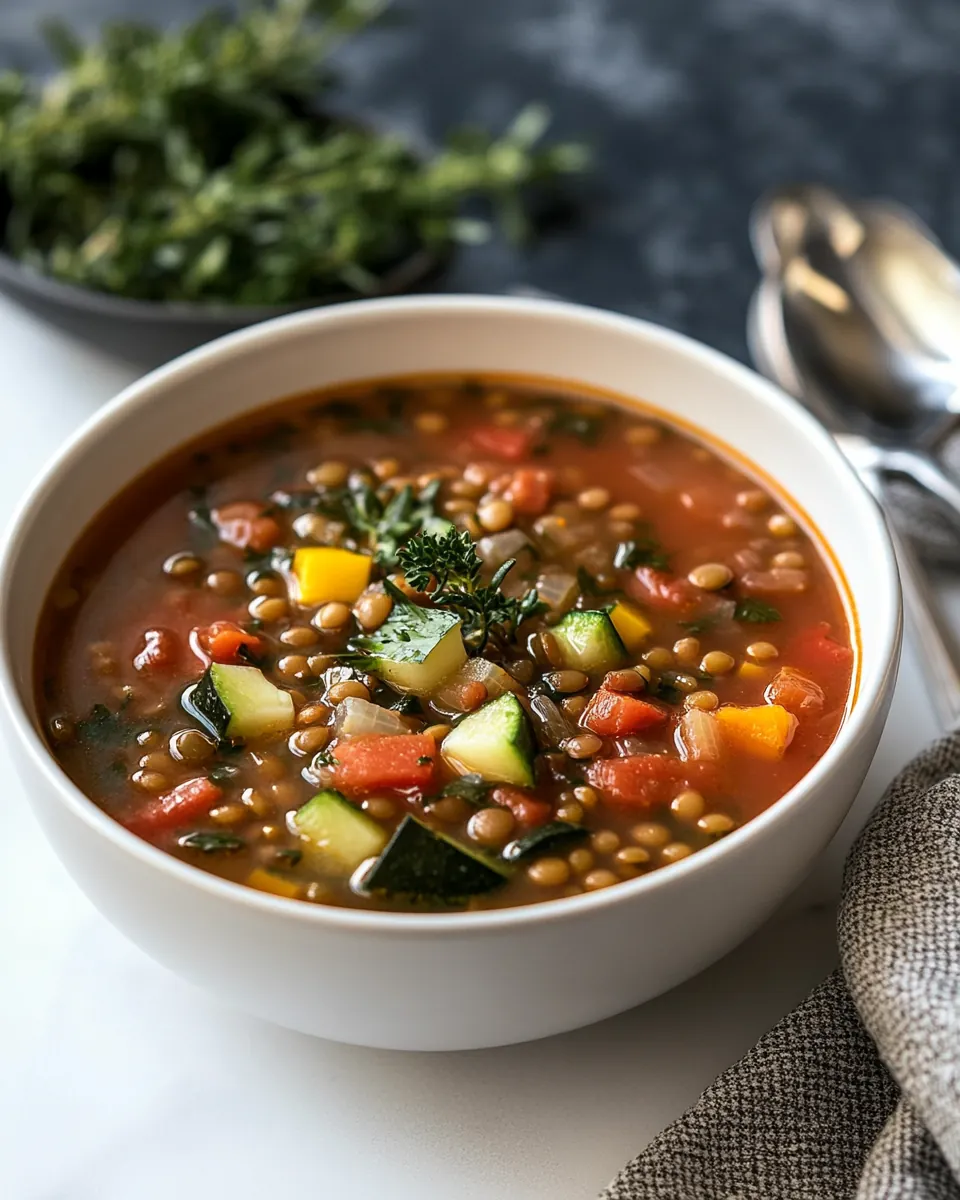
Making this soup is mostly about building flavors gradually and giving the dried brown lentils time to soften. The directions are straightforward, and patience during simmering rewards you with depth. Below I expand each step with sensory cues, why the technique matters and common issues to watch for.
- Heat olive oil in a large pot over medium-high heat.: Warmth from the pan should create a gentle shimmer on the surface of the olive oil and you may smell a faint fruity note as it heats. This step primes the pan so the vegetables release their flavors rather than steam. If the oil smokes, the heat is too high, so reduce it and start again to avoid a bitter taste.
- Add carrots and onions and saute 2 minutes then add garlic and saute 2 minutes longer.: You will hear a soft sizzle as the carrots and onions hit the oil, and within a couple of minutes they will begin to soften and the edges will turn translucent. The aroma will shift from raw to sweet and savory. Adding the garlic later prevents it from burning; burnt garlic smells acrid and can ruin the base. A common mistake is cranking the heat which browns too quickly, so keep the temperature steady.
- Pour in vegetable broth and tomatoes. Add in lentils, basil, oregano, thyme and season with salt and pepper to taste.: When the broth and canned tomatoes hit the pot, you will see a lively steam rise and the mixture will look more saucy. Stir to combine so the dried brown lentils settle into the liquid evenly. The herbs will begin releasing aromatics into the hot liquid, creating layers of flavor. If the pot looks too dry after stirring, add a little water to ensure the lentils are submerged, otherwise they can cook unevenly.
- Bring to a boil then reduce heat to medium-low, cover and simmer 35 minutes, stirring occasionally.: Watch for a gentle rolling simmer, with small bubbles breaking the surface, and a fragrant steam that smells herbaceous and savory. This long simmer lets the lentils swell and soften while the tomatoes meld into the broth. Stirring every so often prevents sticking on the bottom and helps you monitor liquid levels. A common issue is letting it boil hard, which can make lentils break down too fast, so adjust the heat for a calm simmer.
- Add in zucchini and kale and simmer 10 minutes longer, if using spinach wait to add it until the last 2 minutes.: Once you add the zucchini and kale , you will notice the soup brighten in color and the zucchini will soften to tender yet distinct pieces. Kale will wilt but keep some texture, while spinach needs less time to avoid turning slimy. The timing matters because each green has different water content and structure; adding them incorrectly results in either undercooked crunch or overcooked mush.
- Stir in lemon juice and add up to 1 cup of water to thin as needed (as the soup rests the lentils soak up more of the broth).: A faint citrus perfume will lift from the pot as the fresh lemon juice blends in, balancing the broth and rounding flavors. If the soup seems thick after resting, add water in small amounts until you reach the desired consistency. A typical mistake is adding too much liquid at once, which dilutes flavor, so add gradually and taste.
- Serve warm with parmesan cheese if desired.: As you ladle it into bowls, the steam should carry a comforting bouquet of herbs and vegetables, and the texture will be a soft, spoonable mix of lentils and tender veggies. If you choose to grate Parmesan cheese over each bowl, it will melt slightly into the hot broth adding a glossy, savory finish. Avoid serving it lukewarm; warmth enhances aroma and mouthfeel.
Expert Tips about Lentil Soup
I like to keep these tips in mind to elevate the pot from simple to memorable. Each one focuses on timing, texture, and flavor balance so your bowl is perfectly balanced every time.
- Choose the right lentils: Stick with brown or green lentils for this preparation because they hold shape and cook evenly, giving you that hearty texture without turning mushy.
- Rinse and sort: Rinsing the lentils removes dust and stray debris, while sorting helps avoid unpleasant gritty bits in the finished soup.
- Mind the sauté: Sauté the carrots and onions until soft and slightly caramelized for a sweet, rounded base that deepens the overall flavor.
- Simmer gently: Keep the heat at a calm simmer so the lentils cook through evenly, maintaining a pleasant bite instead of disintegrating into mush.
- Layer the greens: Add sturdier greens like kale earlier and delicate greens like spinach at the end to preserve texture and color.
- Finish with acid: A little fresh lemon juice at the end makes a big difference, brightening all the savory elements without masking them.
Side Dish Ideas for Lentil Soup
This soup pairs well with simple sides that complement its texture and warmth. Consider offerings that add crunch, a cooling contrast, or extra comfort to the meal. Below I outline serving ideas, occasions, and storage notes to help you plan the perfect bowl.
- Crusty bread: A warm loaf or sliced baguette is perfect for dipping and adds a satisfying crunchy contrast to the soft lentils.
- Simple salad: A crisp green salad with a bright vinaigrette provides a refreshing counterpoint to the warm, savory soup for lunch or a light dinner.
- Grated cheese: Offer grated Parmesan cheese at the table so diners can add umami richness as desired.
- Occasions: This soup is ideal for cozy weeknight dinners, cold weather meals during winter, or when you want a nourishing dish after a busy day.
- Storage tips: Cool completely before refrigerating in an airtight container, where it will keep for 3 to 4 days. Reheat gently on the stove, adding a splash of water if it thickened.
- Make ahead: The flavors often deepen after resting, so consider making it a day ahead for an even more cohesive taste.
- Seasonal pairings: Serve with roasted root vegetables in cold months to create a hearty, seasonal spread.
FAQ
Conclusion
This Lentil Soup stands out for its comforting texture, vegetable forward flavor, and a bright finish from a little lemon. It’s a reliable, satisfying bowl that fits busy weeknights and cozy winter evenings alike. Give it a try, and you may find it becomes your go to for simple, nourishing dinners when you want something warm and wholesome without fuss.

Lentil Soup
Equipment
- Large Pot
- Wooden Spoon
Ingredients
- 2 tbsp olive oil Sauté gently in a pot to release flavor and form the cooking fat base that carries aromatics and vegetables throughout the soup.
- 1 1/2 cups diced carrots (3 medium) Add sweet, crunchy texture and earthy flavor while softening during simmering to contribute body and natural sweetness to the broth.
- 1 1/2 cups diced yellow onions (1 medium) Provide a savory, aromatic foundation when softened; contribute sweetness and depth to the soup's overall flavor profile as it cooks down.
- 1 1/2 tbsp minced garlic (4 cloves) Infuse pungent, aromatic heat and savory complexity when minced and briefly cooked to release essential oils for the soup base.
- 4 (14.5 oz) cans vegetable broth Create the liquid foundation and savory backbone; supply umami and dilute ingredients for a balanced, spoonable consistency across the batch.
- 2 (14.5 oz) cans diced tomatoes Contribute bright acidity, tomatoes' savory-sweet notes, and textural chunks that enhance mouthfeel and complement the lentils and broth.
- 1 1/4 cups dried brown lentils, rinsed and picked over Absorb flavors and thicken the soup while providing earthy, protein-rich substance; require rinsing and sorting to remove debris before cooking.
- 1 1/2 tsp dried basil Impart warm, slightly sweet herbaceous notes that complement the tomatoes and lentils, helping to round and lift the soup's aroma.
- 1/2 tsp dried oregano Add a gentle, slightly bitter Mediterranean herb character that enhances savory depth and pairs well with basil and thyme.
- 1/2 tsp dried thyme Introduce subtle woodsy, floral undertones that support the herb blend and contribute aromatic complexity during simmering.
- Salt and freshly ground black pepper Season to taste to enhance and balance flavors; use gradually during cooking to avoid over-salting and finish with adjustments at the end.
- 1 1/2 cups diced zucchini (1 medium) Contribute fresh, subtle vegetal flavor and tender texture when added later in cooking to prevent over-softening and preserve brightness.
- 2 cups packed chopped kale or spinach Provide leafy green nutrition, slight bitterness, and vibrant color; wilt into the hot soup near the end to retain texture and nutrients.
- 1 tbsp fresh lemon juice Brighten the finished soup with acidic brightness and lift flavors; stir in near the end to enhance overall balance without cooking off brightness.
- Parmesan cheese, for serving (optional) Offer optional salty, nutty umami and finishing richness when grated over individual servings to enhance mouthfeel and flavor contrast.
Instructions
- Heat olive oil in a large pot over medium-high heat.: Warmth from the pan should create a gentle shimmer on the surface of the olive oil and you may smell a faint fruity note as it heats. This step primes the pan so the vegetables release their flavors rather than steam. If the oil smokes, the heat is too high, so reduce it and start again to avoid a bitter taste.
- Add carrots and onions and saute 2 minutes then add garlic and saute 2 minutes longer.: You will hear a soft sizzle as the carrots and onions hit the oil, and within a couple of minutes they will begin to soften and the edges will turn translucent. The aroma will shift from raw to sweet and savory. Adding the garlic later prevents it from burning; burnt garlic smells acrid and can ruin the base. A common mistake is cranking the heat which browns too quickly, so keep the temperature steady.
- Pour in vegetable broth and tomatoes. Add in lentils, basil, oregano, thyme and season with salt and pepper to taste.: When the broth and canned tomatoes hit the pot, you will see a lively steam rise and the mixture will look more saucy. Stir to combine so the dried brown lentils settle into the liquid evenly. The herbs will begin releasing aromatics into the hot liquid, creating layers of flavor. If the pot looks too dry after stirring, add a little water to ensure the lentils are submerged, otherwise they can cook unevenly.
- Bring to a boil then reduce heat to medium-low, cover and simmer 35 minutes, stirring occasionally.: Watch for a gentle rolling simmer, with small bubbles breaking the surface, and a fragrant steam that smells herbaceous and savory. This long simmer lets the lentils swell and soften while the tomatoes meld into the broth. Stirring every so often prevents sticking on the bottom and helps you monitor liquid levels. A common issue is letting it boil hard, which can make lentils break down too fast, so adjust the heat for a calm simmer.
- Add in zucchini and kale and simmer 10 minutes longer, if using spinach wait to add it until the last 2 minutes.: Once you add the zucchini and kale , you will notice the soup brighten in color and the zucchini will soften to tender yet distinct pieces. Kale will wilt but keep some texture, while spinach needs less time to avoid turning slimy. The timing matters because each green has different water content and structure; adding them incorrectly results in either undercooked crunch or overcooked mush.
- Stir in lemon juice and add up to 1 cup of water to thin as needed (as the soup rests the lentils soak up more of the broth).: A faint citrus perfume will lift from the pot as the fresh lemon juice blends in, balancing the broth and rounding flavors. If the soup seems thick after resting, add water in small amounts until you reach the desired consistency. A typical mistake is adding too much liquid at once, which dilutes flavor, so add gradually and taste.
- Serve warm with parmesan cheese if desired.: As you ladle it into bowls, the steam should carry a comforting bouquet of herbs and vegetables, and the texture will be a soft, spoonable mix of lentils and tender veggies. If you choose to grate Parmesan cheese over each bowl, it will melt slightly into the hot broth adding a glossy, savory finish. Avoid serving it lukewarm; warmth enhances aroma and mouthfeel.
Notes
- Choose the right lentils: Stick with brown or green lentils for this preparation because they hold shape and cook evenly, giving you that hearty texture without turning mushy.
- Rinse and sort: Rinsing the lentils removes dust and stray debris, while sorting helps avoid unpleasant gritty bits in the finished soup.
- Mind the sauté: Sauté the carrots and onions until soft and slightly caramelized for a sweet, rounded base that deepens the overall flavor.
- Simmer gently: Keep the heat at a calm simmer so the lentils cook through evenly, maintaining a pleasant bite instead of disintegrating into mush.
- Layer the greens: Add sturdier greens like kale earlier and delicate greens like spinach at the end to preserve texture and color.
- Finish with acid: A little fresh lemon juice at the end makes a big difference, brightening all the savory elements without masking them.