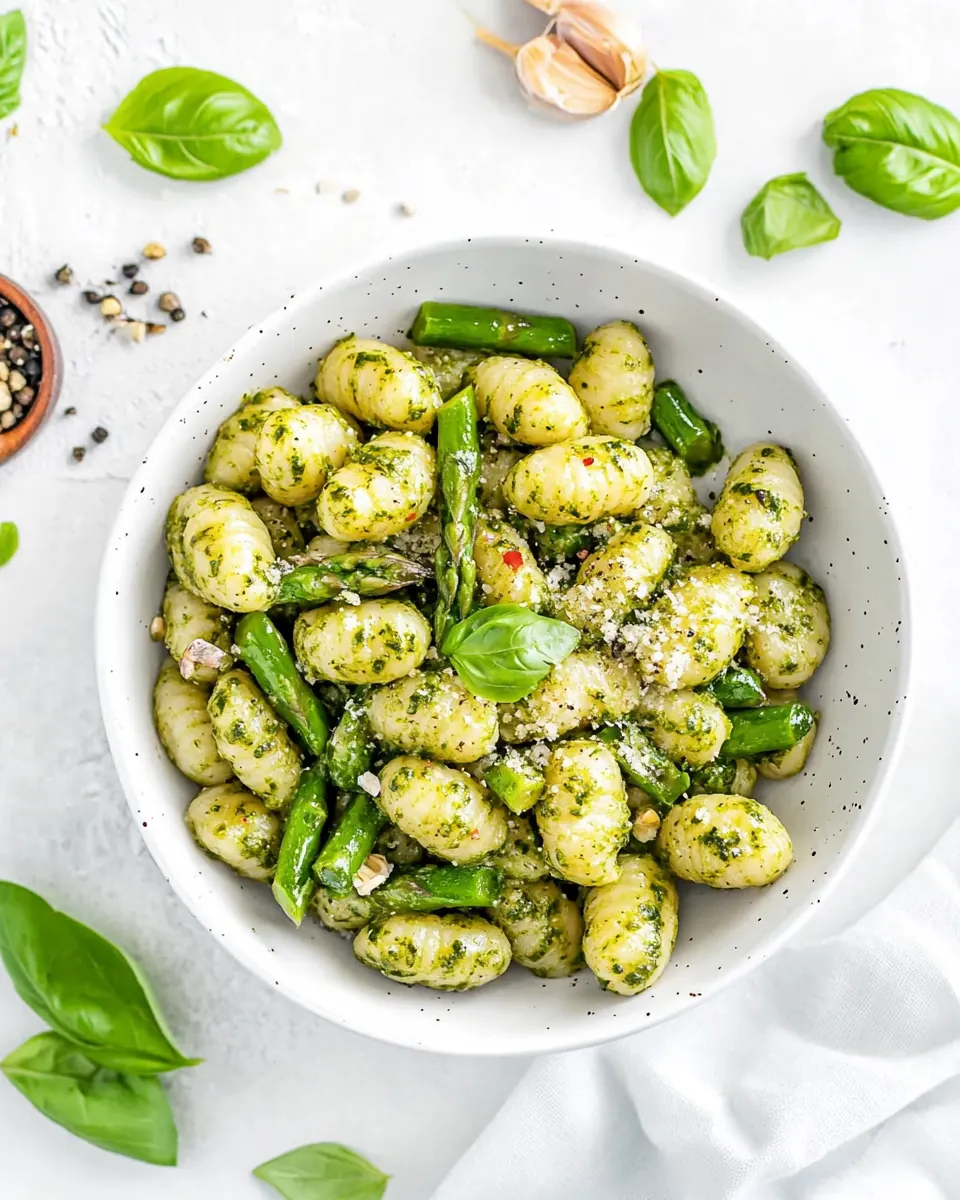
Pesto Gnocchi with Asparagus
Pesto Gnocchi with Asparagus has been one of those recipes I turn to when I want something bright, quick, and utterly satisfying.
I first made this dish on a rainy spring evening after a farmers market run where the basil smelled so green it practically hummed. I had a bag of gnocchi in the pantry and a tender bunch of asparagus that still snapped when I bent the stalks. Between the nutty crunch of toasted pine nuts and the slightly tangy bite of parmesan cheese, the meal came together faster than I could set the table. That night we ate with our hands, forks abandoned, savoring pockets of pillowy gnocchi coated in glossy, herb laden pesto.
Since then I make it when I need an easy weeknight option that still feels thoughtful. It travels well to potlucks, and I love serving it slightly warm so the pesto stays silky but not oily. What I adore most is how the simple technique of reserving cooking water turns a loose pesto into a clingy sauce that coats each dumpling perfectly. The asparagus adds a snap of texture and a fresh contrast, while the toasted pine nuts bring a buttery crunch that keeps every bite interesting.
Recipe Snapshot
15 mins
5 mins
10 mins
Medium
450 kcal
Italian
Keto, Gluten-Free
Dinner
Pine Nuts, 12-inch Skillet, Food Processor
What We Adore About This Pesto Gnocchi with Asparagus
1. Speed without compromise
I love how Pesto Gnocchi with Asparagus comes together in under 30 minutes, so you can have a restaurant worthy plate on a busy night. The short cook times for both gnocchi and asparagus mean you spend more time savoring and less time hovering by the stove.
2. Bold flavor from few ingredients
The flavor punch comes from a handful of strong players: bright basil, tangy lemon, nutty toasted pine nuts, and salty parmesan cheese. With careful seasoning and the right olive oil, each component shines, so you do not need a laundry list of extras.
3. Textural contrast
What keeps me reaching for this recipe is the texture play. Pillowy gnocchi meets crisp tender asparagus and crunchy pine nuts. That contrast turns a simple pasta style dish into something memorable.
4. Flexible serving styles
I appreciate that Pesto Gnocchi with Asparagus is equally delicious warm, at room temperature, or chilled for a picnic. That makes it excellent for leftovers and for planning meals ahead without losing flavor or texture.
5. Fresh spring appeal
This dish highlights seasonal produce, so when basil and asparagus are at their best you get an especially vivid plate. The combination feels light and celebratory, perfect for spring gatherings or a bright weeknight dinner.
Ingredient List for Pesto Gnocchi with Asparagus
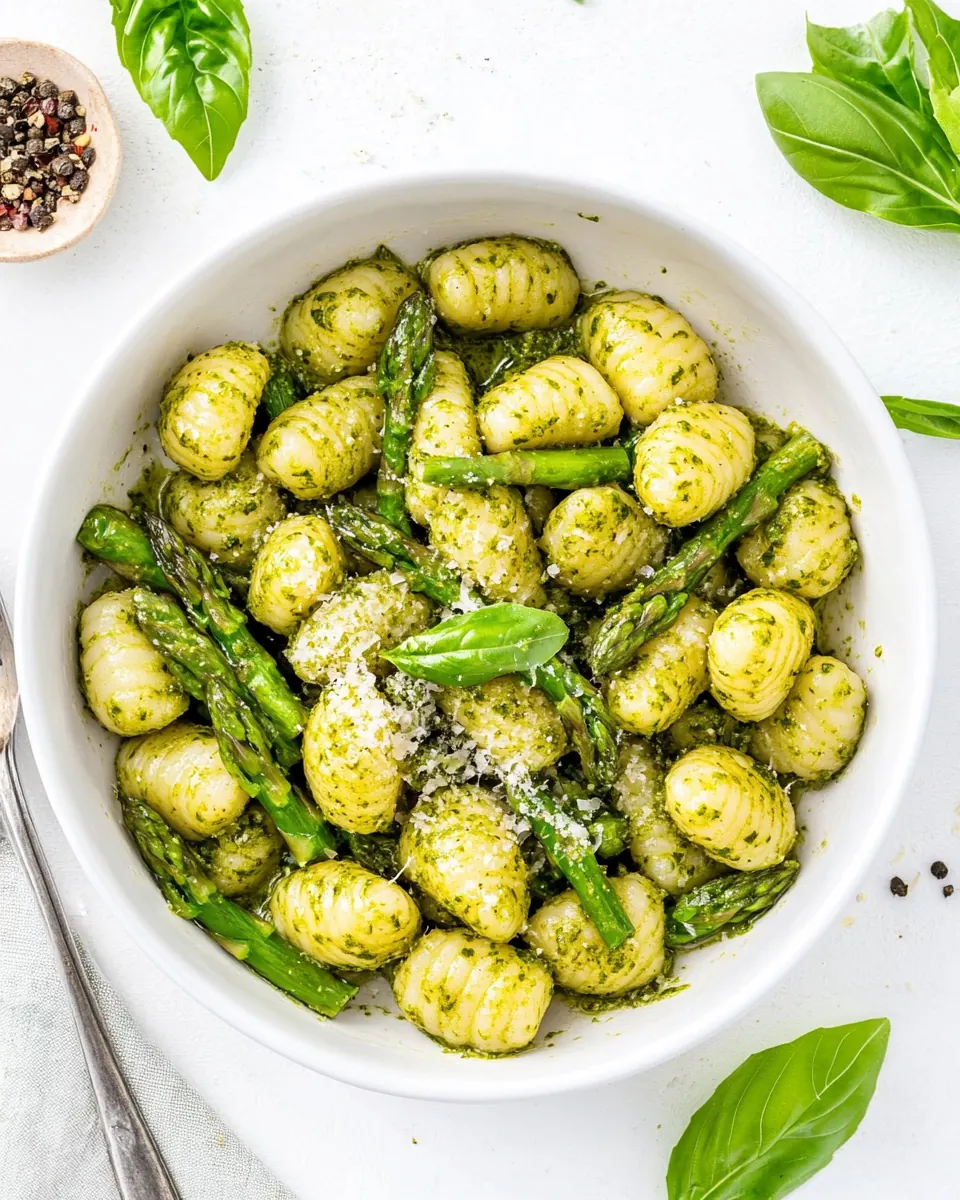
These ingredients are a small, deliberate team. The key players are the basil and parmesan cheese which create the pesto backbone, while the pine nuts add richness and the lemon brings lift. The pantry staple gnocchi soaks up flavors, and the asparagus gives seasonal snap. Together they balance creaminess, tang, and crunch.
- 1/4 cup toasted pine nuts: Toast the pine nuts until golden to release their nutty aroma and enhance flavor; pulse into the pesto for a creamy, textured base that adds richness and subtle crunch. Use sparingly to balance the herbaceous basil without overpowering the sauce, and reserve a few for garnish to provide visual contrast and added bite.
- 2 cloves garlic: Crush or finely mince the garlic to infuse bold, savory depth into the pesto; its pungent heat brightens the basil and complements the cheese. Adjust quantity to taste to avoid overwhelming the delicate herbal notes, and briefly combine with oil to mellow its raw sharpness before mixing into the sauce.
- 1/2 lemon, juiced: Squeeze the lemon to add bright acidity and lift the flavors of the pesto, cutting through the richness of oil and cheese. Combine gradually and taste to achieve balance, using the juice to brighten the basil without making the sauce overtly tart.
- 2 cups fresh basil leaves, tightly packed: Pack the basil leaves tightly and chiffonade or pulse to form the aromatic backbone of the pesto, providing fresh, herbaceous flavor and vibrant color. Use tender leaves to avoid bitterness; blend gently with oil and nuts to preserve bright green hue and fragrant character.
- 1/2 cup parmesan cheese, grated or shredded: Grate the parmesan finely to contribute savory umami and a salty, nutty backbone that thickens and enriches the pesto. Stir into the blended basil mixture to bind ingredients and create a cohesive, creamy texture that clings to gnocchi and vegetables.
- 1/3 cup + 2 tablespoons extra virgin olive oil, divided: Divide the extra virgin olive oil, drizzling some into the blender to help emulsify the pesto and adding the remainder while cooking gnocchi or tossing with asparagus. Use high-quality oil for fruity, peppery notes that round out the sauce and help distribute flavors evenly across the dish.
- 1 pound dried gnocchi: Boil the dried gnocchi until tender to provide pillowy, comforting starch that carries the pesto and asparagus; drain well to avoid diluting the sauce. Toss immediately with the pesto so the sauce coats each piece evenly, ensuring a cohesive, satisfying main component.
- 2 cups asparagus, woody ends removed and cut into 1 inch pieces: Trim and cut the asparagus into 1-inch pieces and cook until just tender-crisp to introduce fresh vegetal texture and a lightly sweet, grassy flavor. Combine with gnocchi and pesto toward the end of cooking to keep bright color and a pleasant bite that contrasts the rich sauce.
Putting Together Pesto Gnocchi with Asparagus
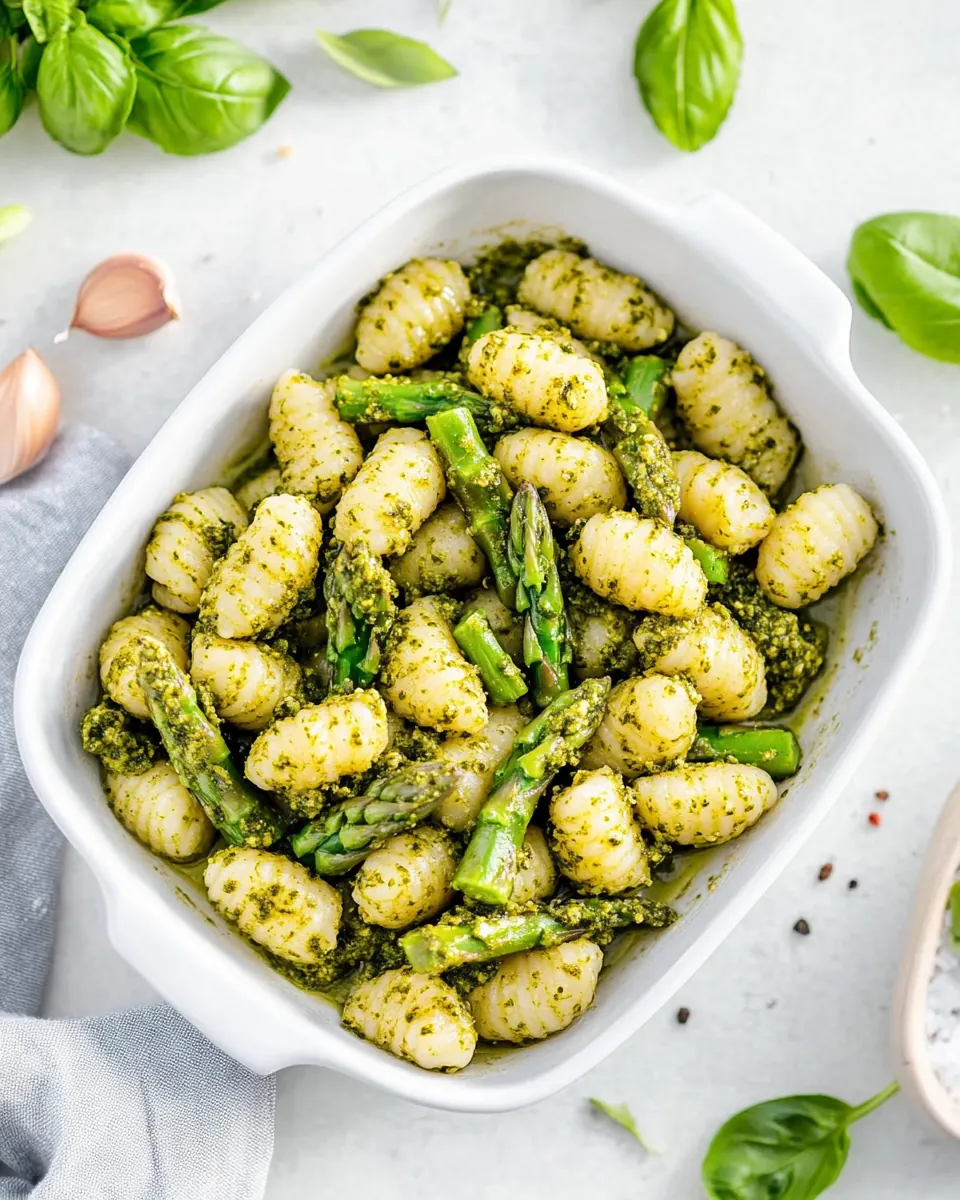
I like to move through these steps with music and a clear counter space so nothing gets missed. Timing and small tricks make a big difference, especially when working with delicate basil and quick cooking gnocchi.
- Bring a large pot of salted water to a boil over medium-high heat. Keep the water at a boil until you’re ready to cook the gnocchi.: The moment the water starts steaming heavily you should smell a faint minerally scent from the salt, and surface ripples will indicate vigorous simmering. Salting the water seasons the gnocchi from the inside, which matters because gnocchi absorbs liquid quickly and would otherwise taste flat. A common mistake is under salting, which leaves the final dish bland, so add enough salt that the water tastes like the sea but not overly briny.
- Add the pine nuts, garlic, and lemon juice to the bowl of a food processor and pulse until they are broken up, about 10 pulses.: You will hear quick chuffing sounds as the pieces chop, and the mixture should look coarsely broken rather than smooth. This initial break down helps release nut oils and garlic aroma, creating a base texture for the pesto. Avoid over processing here, because turning the nuts to dust will change the mouthfeel and make the pesto gritty rather than pleasantly textured.
- Next, add the basil and parmesan and pulse until the basil is broken into small pieces, about 10 pulses.: As the basil is incorporated you will smell that fresh, green herbaceous note blooming. The parmesan adds a slightly granular body that helps thicken the sauce. If you pulse too long at this stage the basil can heat and darken, so work quickly to keep the color bright.
- With the food processor on low speed, slowly drizzle in 1/3 cup olive oil.: You will notice the mixture become glossier and silkier as the olive oil emulsifies with the cheese and basil. The slow drizzle is crucial because rapid addition can cause the oil to separate, leaving an oily pool rather than a cohesive sauce. If separation happens, briefly pulse to reincorporate; patience here yields a clingy, luxurious pesto.
- Season with salt and pepper to taste.: A little salt will lift the flavors while black pepper adds a subtle heat that complements the garlic . Taste a small spoonful against the lemon note to ensure the balance feels bright rather than flat. Over salting is the most common error, so season gradually and re-taste after mixing with the gnocchi .
- Heat the remaining 2 tablespoons of olive oil in a large skillet over medium heat.: As the oil warms you should see a slight shimmer and faint wisps of aroma. The heated oil creates a contact surface that encourages the asparagus to blister slightly, enhancing flavor through light caramelization. Avoid overheating; if the oil smokes, lower the heat to prevent bitter burnt notes.
- Add the asparagus and cook for 2-3 minutes, or just until crisp-tender.: You will hear gentle sizzles and see bright green stalks soften but still hold shape. The goal is a tender interior and lightly seared exterior, which provides contrast to the soft gnocchi . Overcooking makes the asparagus floppy and dulls its vibrant color, so test a piece for a slight resistance.
- While the asparagus cooks, cook the gnocchi for 2 minutes less than the time on the package. My gnocchi usually takes 6 minutes to boil, so I cooked them for 4 minutes.: The boiling gnocchi should bob and make a popping sound as air escapes, and par cooking prevents them from becoming mushy when they finish in the skillet. This step ensures the final texture is pillowy yet intact. A typical mistake is overcooking to the point the dumplings break apart when stirred.
- Reserve 1/2 cup of the gnocchi cooking liquid and then drain the gnocchi.: The starchy, slightly cloudy water will feel slick between your fingers and is essential for marrying the pesto to the gnocchi . Reserving too little liquid can leave the sauce dry, while reserving too much creates a loose sauce, so measure carefully.
- Add the gnocchi to the skillet with the asparagus.: When you add them you will hear a soft sizzle as the hot skillet meets the boiled dumplings. This contact helps the surface develop a lightly toasted exterior, and combining here allows flavors to mingle. Avoid stirring aggressively, which can tear the gnocchi apart.
- Add the pesto and 1/4 cup of the reserved cooking liquid. Stir to combine and cook for 1 minute, just until the pesto sauce thickens and evenly coats the gnocchi. If the sauce is too dry, add the remaining 1/4 cup of the reserved cooking water.: The first spoonful of water will react with the oily pesto to form a silky emulsion that clings to each piece of gnocchi . You will see the sauce thicken and gloss over the dumplings, signaling that the bind is working. If the mixture looks dry, add the remaining reserved liquid in small increments to reach a creamy consistency.
- Season with salt and pepper and serve warm, at room temperature, or place in the fridge to chill.: During this minute the aromas intensify and you will notice a shine over the pasta, indicating proper coating. The brief cook helps the flavors marry without losing the fresh brightness of the basil . A common pitfall is cooking too long, which dulls the herb notes and can make the sauce cling too heavily.
- This gnocchi is delicious at room temperature, warm, or cold! Top with flakey sea salt, toasted pine nuts, and fresh basil, if desired.: Final seasoning ensures balance after the sauce and starches have combined. Serving at different temperatures changes the mouthfeel, warm being silkier and chilled being more firm and salad like. If storing, cool quickly to protect freshness, and keep leftovers airtight to prevent the pesto from oxidizing.
- Store any leftovers in an airtight container in the fridge for up to three days.: When plated you might add a sprinkle of toasted pine nuts or a few torn basil leaves for aroma. The dish's flexibility means it adapts to many occasions, but avoid leaving it out for extended periods to keep flavors bright and safe.
- Store any leftovers in an airtight container in the fridge for up to three days: Leftovers will have a slightly firmer texture as the starch sets, and a quick warm up in a skillet with a splash of water will revive creaminess. Do not freeze, as thawing changes the delicate texture of the gnocchi and pesto .
Customization Ideas
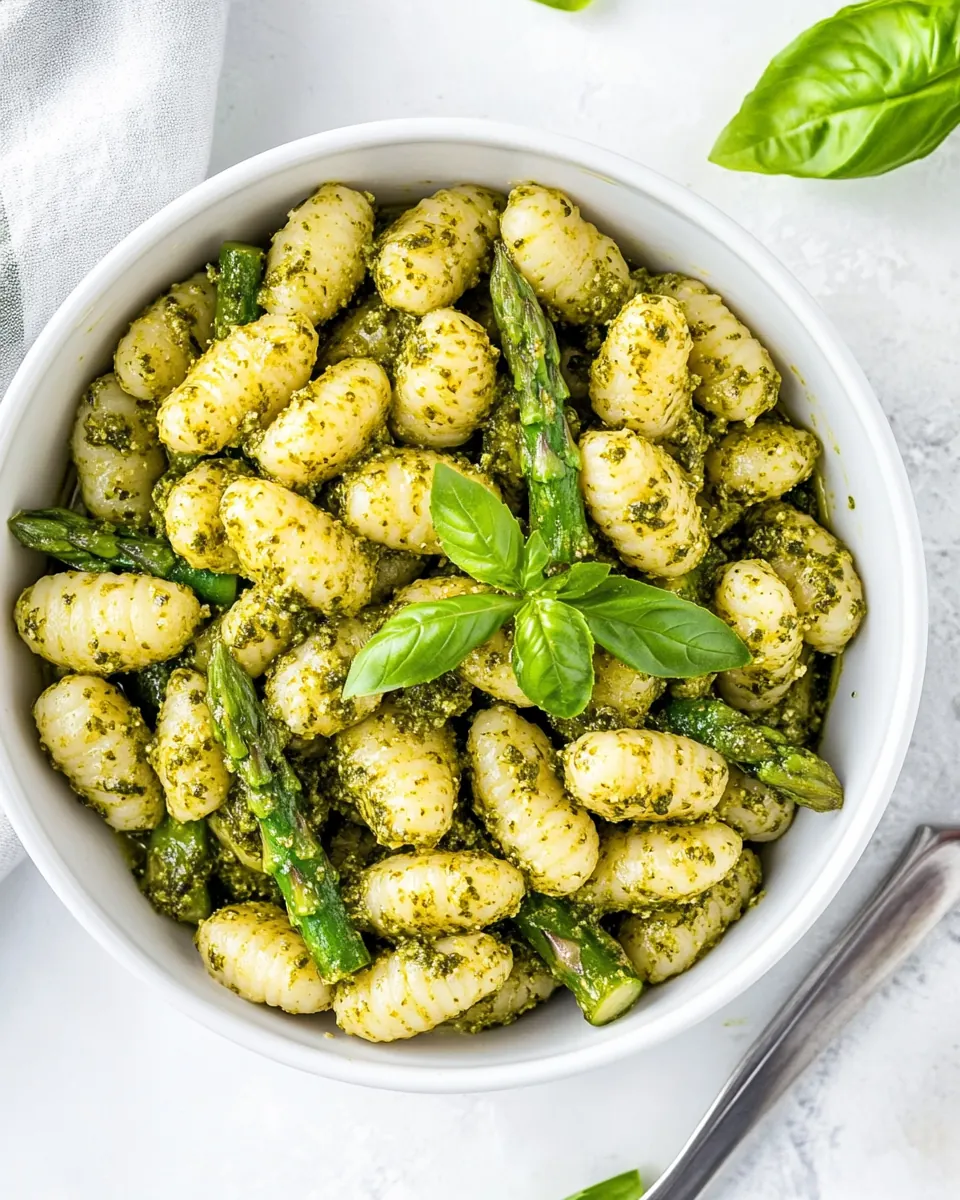
If you like to tweak dishes, these customization ideas keep the core flavors intact while letting you personalize texture, heat, and presentation. Each tip focuses on an approachable swap or enhancement that respects the recipe balance.
- Boost the crunch Add an extra tablespoon of toasted pine nuts at the end for a fresher, crunch forward bite that contrasts with the soft gnocchi.
- Make it lighter Use less olive oil in the pesto and add additional reserved cooking liquid to achieve a lighter, less oily coating without losing creaminess.
- More herb depth Fold in a small handful of chopped fresh herbs like parsley if you want a broader herbaceous profile while keeping basil as the star.
- Brighten with citrus Add a touch more lemon zest on top before serving to heighten freshness and add aromatic lift.
- Plant forward protein Serve alongside simply grilled vegetables or a lemony bean salad if you want more substance without altering the pesto composition.
Serving Ideas for Pesto Gnocchi with Asparagus
This dish works beautifully across occasions, from casual family dinners to springtime gatherings. Serve warm for an intimate meal, or at room temperature for buffets. It pairs well with simple green salads and is forgiving for make ahead entertaining.
- Casual weeknight dinner Plate the Pesto Gnocchi with Asparagus with a small green salad and crusty bread for a complete, approachable meal.
- Spring lunch or picnic Serve at room temperature in a wide bowl so the glossy pesto shows, and pack extra toasted pine nuts separately to maintain crunch.
- Ramadan or special dinner Offer warm portions first, then chilled bowls on the table so guests can choose; this flexibility suits variable schedules and communal dining.
- Leftover strategy Store in an airtight container for up to three days, then gently reheat in a skillet with a splash of reserved cooking water to refresh texture.
- Seasonal pairings Complement with other spring vegetables like peas or young greens, keeping the plate bright and balanced with fresh citrus accents.
FAQ
Conclusion
This recipe stands out because it balances bright, herbaceous pesto with pillowy gnocchi and crisp asparagus for a memorable textural and flavor contrast. Give it a try on a busy weeknight or for a casual gathering, because it delivers big taste with minimal fuss. I hope you enjoy the buttery crunch of toasted pine nuts and the fresh lift of lemon as much as I do, and that this dish becomes one of your reliable, delicious go to meals.
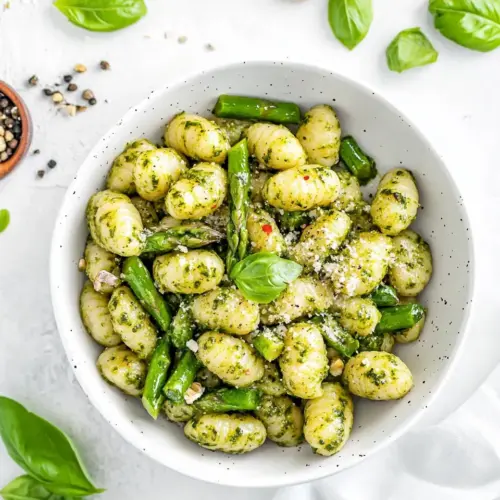
Pesto Gnocchi with Asparagus
Equipment
- Pine Nuts
- 12-inch skillet
- Food Processor
Ingredients
- 1/4 cup toasted pine nuts Toast the pine nuts until golden to release their nutty aroma and enhance flavor; pulse into the pesto for a creamy, textured base that adds richness and subtle crunch. Use sparingly to balance the herbaceous basil without overpowering the sauce, and reserve a few for garnish to provide visual contrast and added bite.
- 2 cloves garlic Crush or finely mince the garlic to infuse bold, savory depth into the pesto; its pungent heat brightens the basil and complements the cheese. Adjust quantity to taste to avoid overwhelming the delicate herbal notes, and briefly combine with oil to mellow its raw sharpness before mixing into the sauce.
- 1/2 lemon, juiced Squeeze the lemon to add bright acidity and lift the flavors of the pesto, cutting through the richness of oil and cheese. Combine gradually and taste to achieve balance, using the juice to brighten the basil without making the sauce overtly tart.
- 2 cups fresh basil leaves, tightly packed Pack the basil leaves tightly and chiffonade or pulse to form the aromatic backbone of the pesto, providing fresh, herbaceous flavor and vibrant color. Use tender leaves to avoid bitterness; blend gently with oil and nuts to preserve bright green hue and fragrant character.
- 1/2 cup parmesan cheese, grated or shredded Grate the parmesan finely to contribute savory umami and a salty, nutty backbone that thickens and enriches the pesto. Stir into the blended basil mixture to bind ingredients and create a cohesive, creamy texture that clings to gnocchi and vegetables.
- 1/3 cup + 2 tablespoons extra virgin olive oil, divided Divide the extra virgin olive oil, drizzling some into the blender to help emulsify the pesto and adding the remainder while cooking gnocchi or tossing with asparagus. Use high-quality oil for fruity, peppery notes that round out the sauce and help distribute flavors evenly across the dish.
- 1 pound dried gnocchi Boil the dried gnocchi until tender to provide pillowy, comforting starch that carries the pesto and asparagus; drain well to avoid diluting the sauce. Toss immediately with the pesto so the sauce coats each piece evenly, ensuring a cohesive, satisfying main component.
- 2 cups asparagus, woody ends removed and cut into 1 inch pieces Trim and cut the asparagus into 1-inch pieces and cook until just tender-crisp to introduce fresh vegetal texture and a lightly sweet, grassy flavor. Combine with gnocchi and pesto toward the end of cooking to keep bright color and a pleasant bite that contrasts the rich sauce.
Instructions
- Bring a large pot of salted water to a boil over medium-high heat. Keep the water at a boil until you’re ready to cook the gnocchi.: The moment the water starts steaming heavily you should smell a faint minerally scent from the salt, and surface ripples will indicate vigorous simmering. Salting the water seasons the gnocchi from the inside, which matters because gnocchi absorbs liquid quickly and would otherwise taste flat. A common mistake is under salting, which leaves the final dish bland, so add enough salt that the water tastes like the sea but not overly briny.
- Add the pine nuts, garlic, and lemon juice to the bowl of a food processor and pulse until they are broken up, about 10 pulses.: You will hear quick chuffing sounds as the pieces chop, and the mixture should look coarsely broken rather than smooth. This initial break down helps release nut oils and garlic aroma, creating a base texture for the pesto. Avoid over processing here, because turning the nuts to dust will change the mouthfeel and make the pesto gritty rather than pleasantly textured.
- Next, add the basil and parmesan and pulse until the basil is broken into small pieces, about 10 pulses.: As the basil is incorporated you will smell that fresh, green herbaceous note blooming. The parmesan adds a slightly granular body that helps thicken the sauce. If you pulse too long at this stage the basil can heat and darken, so work quickly to keep the color bright.
- With the food processor on low speed, slowly drizzle in 1/3 cup olive oil.: You will notice the mixture become glossier and silkier as the olive oil emulsifies with the cheese and basil. The slow drizzle is crucial because rapid addition can cause the oil to separate, leaving an oily pool rather than a cohesive sauce. If separation happens, briefly pulse to reincorporate; patience here yields a clingy, luxurious pesto.
- Season with salt and pepper to taste.: A little salt will lift the flavors while black pepper adds a subtle heat that complements the garlic . Taste a small spoonful against the lemon note to ensure the balance feels bright rather than flat. Over salting is the most common error, so season gradually and re-taste after mixing with the gnocchi .
- Heat the remaining 2 tablespoons of olive oil in a large skillet over medium heat.: As the oil warms you should see a slight shimmer and faint wisps of aroma. The heated oil creates a contact surface that encourages the asparagus to blister slightly, enhancing flavor through light caramelization. Avoid overheating; if the oil smokes, lower the heat to prevent bitter burnt notes.
- Add the asparagus and cook for 2-3 minutes, or just until crisp-tender.: You will hear gentle sizzles and see bright green stalks soften but still hold shape. The goal is a tender interior and lightly seared exterior, which provides contrast to the soft gnocchi . Overcooking makes the asparagus floppy and dulls its vibrant color, so test a piece for a slight resistance.
- While the asparagus cooks, cook the gnocchi for 2 minutes less than the time on the package. My gnocchi usually takes 6 minutes to boil, so I cooked them for 4 minutes.: The boiling gnocchi should bob and make a popping sound as air escapes, and par cooking prevents them from becoming mushy when they finish in the skillet. This step ensures the final texture is pillowy yet intact. A typical mistake is overcooking to the point the dumplings break apart when stirred.
- Reserve 1/2 cup of the gnocchi cooking liquid and then drain the gnocchi.: The starchy, slightly cloudy water will feel slick between your fingers and is essential for marrying the pesto to the gnocchi . Reserving too little liquid can leave the sauce dry, while reserving too much creates a loose sauce, so measure carefully.
- Add the gnocchi to the skillet with the asparagus.: When you add them you will hear a soft sizzle as the hot skillet meets the boiled dumplings. This contact helps the surface develop a lightly toasted exterior, and combining here allows flavors to mingle. Avoid stirring aggressively, which can tear the gnocchi apart.
- Add the pesto and 1/4 cup of the reserved cooking liquid. Stir to combine and cook for 1 minute, just until the pesto sauce thickens and evenly coats the gnocchi. If the sauce is too dry, add the remaining 1/4 cup of the reserved cooking water.: The first spoonful of water will react with the oily pesto to form a silky emulsion that clings to each piece of gnocchi . You will see the sauce thicken and gloss over the dumplings, signaling that the bind is working. If the mixture looks dry, add the remaining reserved liquid in small increments to reach a creamy consistency.
- Season with salt and pepper and serve warm, at room temperature, or place in the fridge to chill.: During this minute the aromas intensify and you will notice a shine over the pasta, indicating proper coating. The brief cook helps the flavors marry without losing the fresh brightness of the basil . A common pitfall is cooking too long, which dulls the herb notes and can make the sauce cling too heavily.
- This gnocchi is delicious at room temperature, warm, or cold! Top with flakey sea salt, toasted pine nuts, and fresh basil, if desired.: Final seasoning ensures balance after the sauce and starches have combined. Serving at different temperatures changes the mouthfeel, warm being silkier and chilled being more firm and salad like. If storing, cool quickly to protect freshness, and keep leftovers airtight to prevent the pesto from oxidizing.
- Store any leftovers in an airtight container in the fridge for up to three days.: When plated you might add a sprinkle of toasted pine nuts or a few torn basil leaves for aroma. The dish's flexibility means it adapts to many occasions, but avoid leaving it out for extended periods to keep flavors bright and safe.
- Store any leftovers in an airtight container in the fridge for up to three days: Leftovers will have a slightly firmer texture as the starch sets, and a quick warm up in a skillet with a splash of water will revive creaminess. Do not freeze, as thawing changes the delicate texture of the gnocchi and pesto .
Notes
- Boost the crunch Add an extra tablespoon of toasted pine nuts at the end for a fresher, crunch forward bite that contrasts with the soft gnocchi.
- Make it lighter Use less olive oil in the pesto and add additional reserved cooking liquid to achieve a lighter, less oily coating without losing creaminess.
- More herb depth Fold in a small handful of chopped fresh herbs like parsley if you want a broader herbaceous profile while keeping basil as the star.
- Brighten with citrus Add a touch more lemon zest on top before serving to heighten freshness and add aromatic lift.
- Plant forward protein Serve alongside simply grilled vegetables or a lemony bean salad if you want more substance without altering the pesto composition.