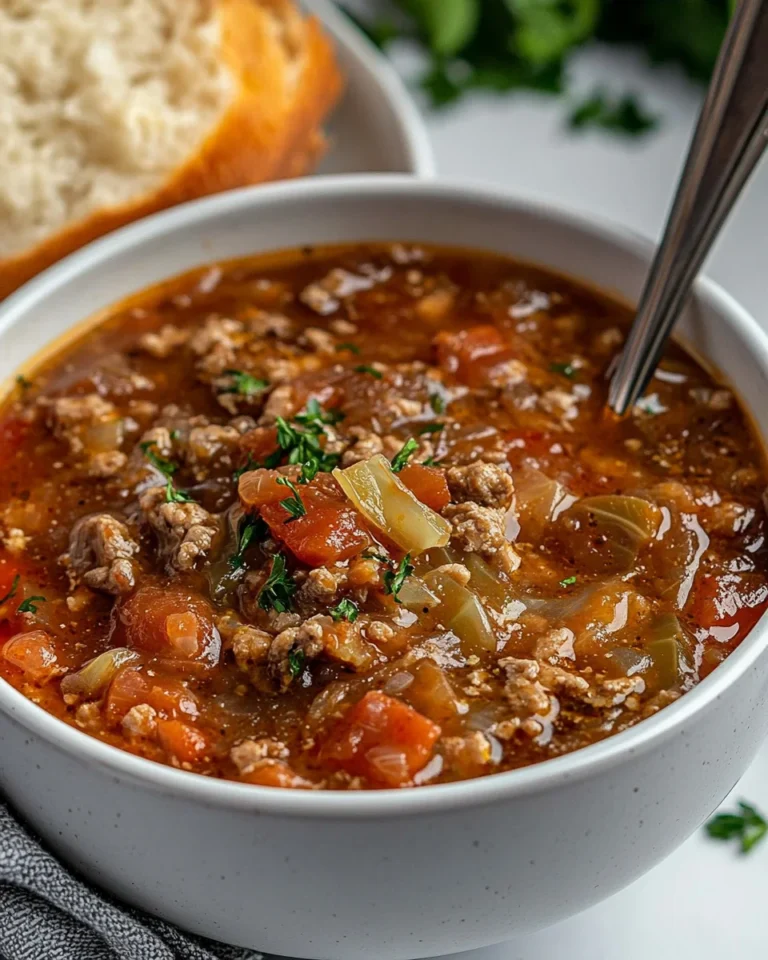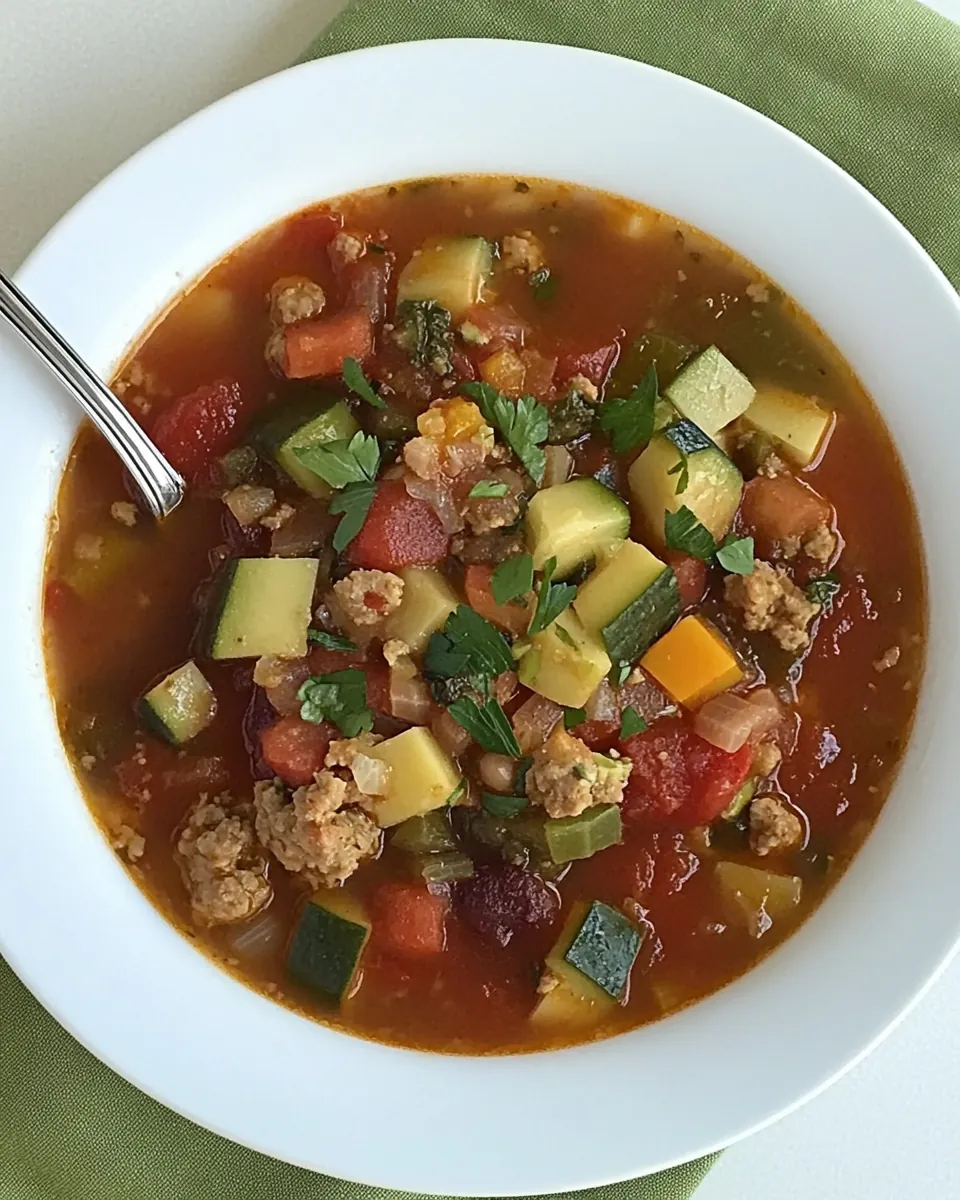
Perfect Vegetarian Minestrone
Perfect Vegetarian Minestrone is the kind of soup I turn to when the sky is heavy and the kitchen needs to feel like a warm hug. The first time I made this, a friend who claimed to dislike vegetable soups came back for seconds, and that reaction taught me what this recipe delivers: layered, comforting flavor that still feels light and honest. I remember stirring the pot slowly, stealing a spoonful between tasks, and thinking how each bite balanced heartiness with brightness.
On a crisp winter evening I like to set the table, light a candle, and let this soup simmer while I catch up on a book or chat with someone I love. The aromas of olive oil, onion, and garlic rising from the pot are irresistible, and the way the broth becomes richer over time is something I trust. Sometimes I make a double batch so there is enough to share, and other times I keep it strictly for quiet, solo dinners where a bowl and a good bowl of bread do all the comforting I need.
What keeps me coming back to Perfect Vegetarian Minestrone is its versatility. I’ll often tweak the vegetables based on what’s seasonal in the market, but the soul of this soup stays the same. When I want a little heft I add extra potatoes or pasta, and if I need a fresher finish I fold in more parsley right at the end. I’ve learned small timing changes, like when to add the pasta so it keeps a tender bite, make a meaningful difference in texture and balance.
Recipe Snapshot
2 hr 30 mins
30 mins
120 mins
Hard
250 kcal
Italian
Gluten-Free, Low FODMAP
Soups
Large soup pot, Medium saucepan, Wooden spoon
Why This Perfect Vegetarian Minestrone Is a Winner
Rich, layered flavor without fuss
I love how Perfect Vegetarian Minestrone builds deep savory notes from very simple steps. Sautéing the aromatic trio of onion, celery, and carrot first creates a foundation that carries through the entire pot. As the soup simmers, the Parmesan rind and herbs infuse the broth, creating complexity you would expect from a long simmered stock, without needing animal broth.
Comforting and flexible
This recipe is forgiving, which I appreciate when life is busy. You can vary the vegetables based on what you have on hand and still get a satisfying bowl. I often adjust the amount of pasta depending on whether I want a lighter soup or a more filling stew like meal. That flexibility makes it a dependable choice for weeknight dinners or weekend meal prepping.
Vegetarian friendly with an optional meaty note
We can keep the soup fully vegetarian, and yet there is an easy path to add a savory, meaty touch with the optional sausage for those who want it. I like that the option is explicit and easy to control, so everyone at the table can enjoy the same base pot. The method of browning and draining the sausage before combining keeps the soup from becoming greasy while adding a rounded, rich flavor.
Textural variety in every spoonful
What stands out to me is the balance of tender potatoes, al dente pasta, and soft but not mushy zucchini. The beans add a creamy bite that contrasts with the broth and vegetables. Each element contributes to a satisfying mouthfeel, and the final sprinkle of Parmesan cheese lifts the bowl with savory, salty brightness.
Great for sharing and storing
I appreciate recipes that get better with time, and this one does. Leftovers develop even more cohesion as the flavors mingle. I’ll often refrigerate a portion or freeze single servings for quick lunches. Reheating gently and adding a splash of water or broth restores the original texture.
What Goes Into Perfect Vegetarian Minestrone
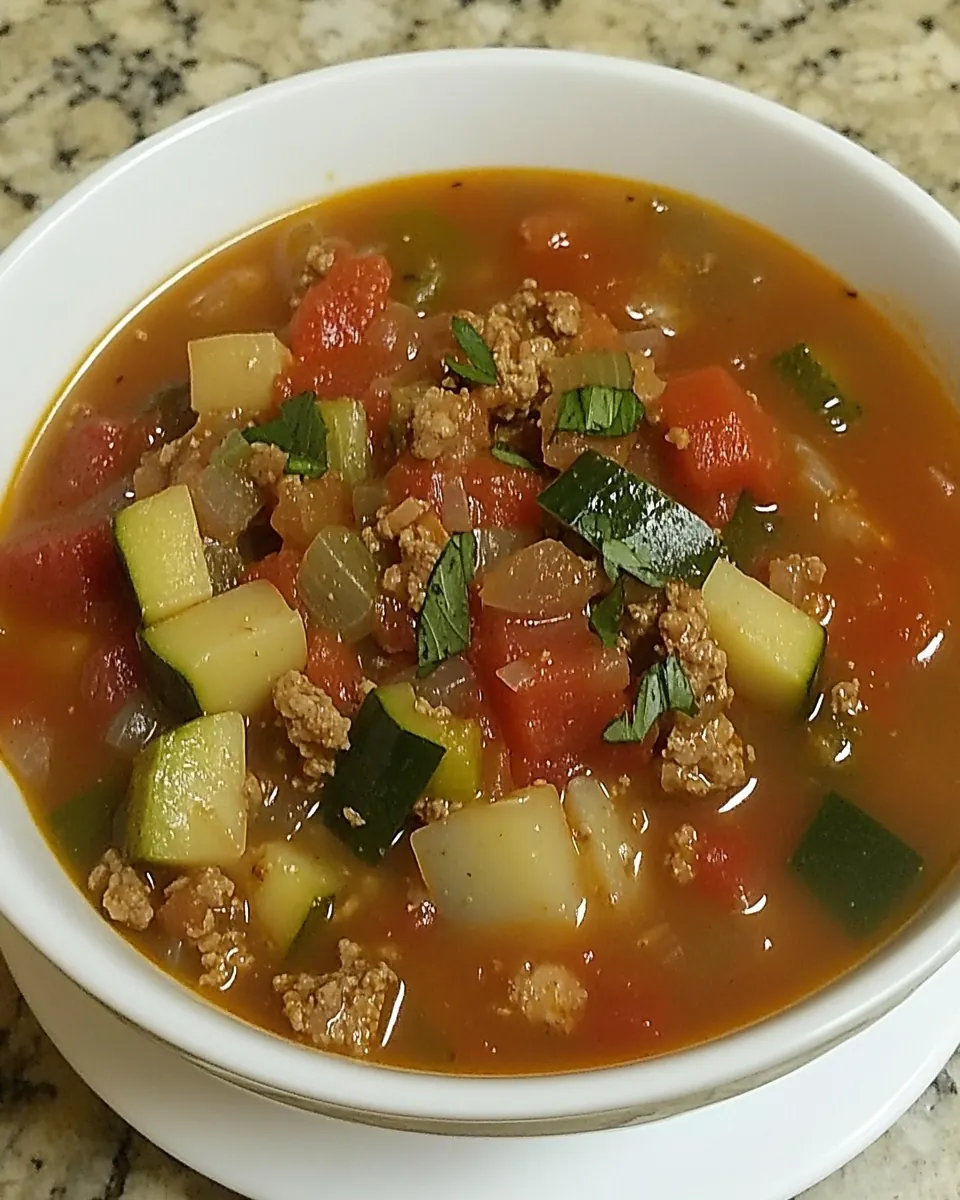
These ingredients form a thoughtful, balanced minestrone. The aromatics build flavor, starchy vegetables add body, beans provide creaminess and protein, and the Parmesan rind and herbs deepen the broth without overpowering the fresh vegetable notes. Together they make a bowl that is both nourishing and full of character.
- 3 tablespoons olive oil: Heat and flavor the soup base by gently warming to release aromatic compounds; use at the beginning to sauté vegetables and build a rich olive oil-infused foundation.
- 1 medium yellow onion (chopped (about 2 cups)): Provide a sweet, savory aromatic layer when chopped and softened; cook until translucent to add body and depth to the broth.
- 1 stalk celery (chopped (about 1/2 cup)): Contribute a subtle aromatic crunch and mild bitterness; chop finely and sauté with onion to enhance savory complexity.
- 2 carrots (peeled and chopped (about 1 cup)): Add natural sweetness and texture when peeled and chopped; simmer until tender to enrich the soup’s heartiness and flavor balance.
- 3 cloves garlic (minced): Introduce pungent, savory brightness when minced; add near the start of cooking to infuse the broth without burning for balanced aroma.
- 2 medium yukon gold potatoes (diced (about 1 cup)): Deliver creamy starch and bite when diced; simmer until tender to thicken the broth slightly and provide satisfying substance.
- 1 cup peeled diced winter squash (I like gold nugget, butternut, or sweet dumpling): Offer seasonal sweetness and a smooth texture when peeled and diced; cook until soft to complement potatoes and add autumnal notes.
- 6 cups vegetable broth: Supply savory liquid and simmering medium for the soup; use as the primary cooking liquid to meld flavors and control seasoning.
- 1 16-ounce can diced tomatoes: Contribute acidity, sweetness, and tomatoey depth from canned diced tomatoes; add to the pot to brighten and round out the broth.
- 1 15-ounce can white kidney (cannelloni beans, drained and rinsed): Provide protein, creaminess, and hearty texture when drained and rinsed; stir in to add body and make the soup more filling.
- 1 teaspoon fresh sage (chopped (or 1/2 teaspoon dried)): Impart earthy, slightly minty herbal warmth when chopped; add early to release oils and complement other Mediterranean flavors.
- 1 teaspoon fresh thyme (chopped (or 1/2 teaspoon dried)): Bring subtle lemony, floral herbal notes when chopped; include during simmering to layer fresh herbaceous complexity into the broth.
- 2 bay leaves: Infuse a subtle, bay-like depth and savory background tone; add whole during simmering and remove before serving for aromatic support.
- 1 Parmesan rind (about the size of a domino is perfect): Contribute savory umami richness when simmered in the broth; drop in early to slowly release gelatinous, salty flavors that deepen the soup.
- 1/2 cup dry pasta of your choice: Provide tender, comforting grains when cooked in the broth; add at the right time to absorb flavors and give the soup satisfying chew.
- 1 medium zucchini (diced (about 1 cup)): Introduce light freshness and tender texture when diced; cook briefly so zucchini keeps shape and adds a mild vegetal note.
- Handful fresh parsley (chopped (about 1/2 cup chopped)): Add bright, herbaceous finish and color when chopped; stir in near the end to lift flavors and provide fresh contrast to cooked vegetables.
- Salt and fresh ground black pepper to taste: Allow final seasoning adjustments by enhancing or balancing flavors; taste and add gradually to reach preferred savory profile.
- Grated Parmesan cheese for topping: Deliver salty, nutty finishing flavor when grated over bowls; sprinkle at serving to boost umami and provide a pleasing garnish.
- sausage (optional): Offer an optional savory, meaty element to adapt the soup for nonstrictly-vegetarian preferences; brown separately if using to add richness.
- 1 tablespoon olive oil: Use for browning optional sausage or as an extra drizzle for the pot; heat to render fat and intensify savory notes when adding meat.
- 1/2 pound 1 pound ground sweet Italian sausage (1/2 pound if you're adding to half the soup, 1 pound for the entire thing): Supply the main optional protein when using sausage; brown and break up before adding to soup to introduce spiced, savory depth.
Cooking Instructions for Perfect Vegetarian Minestrone
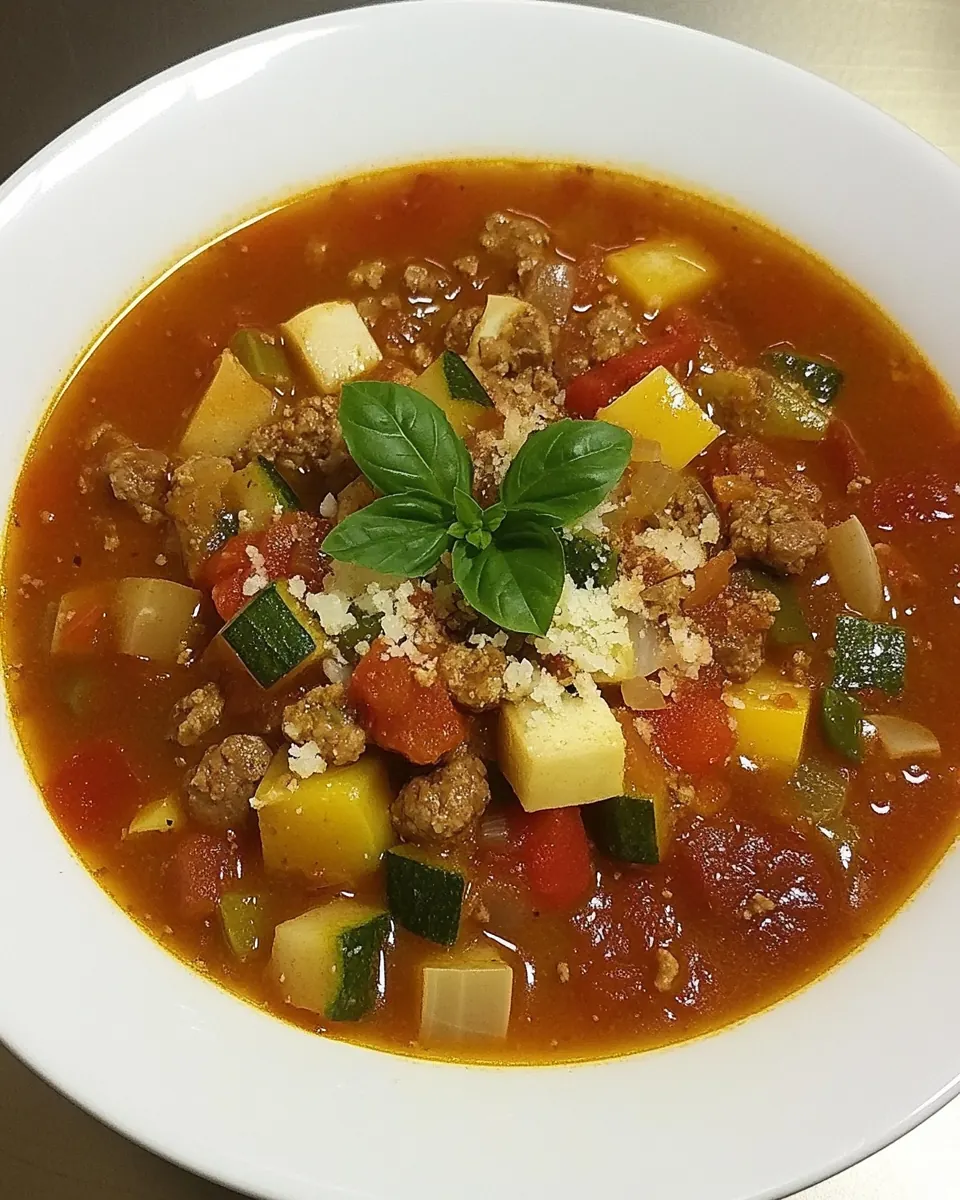
These instructions are written to guide you through each sensory cue and timing choice so you end up with a rich, balanced soup. I’ll walk you through heat levels, smells to expect, and what to do if things look off. Keep a wooden spoon and a tasting spoon nearby, and remember the pot will reward gentle attention.
- In a large soup pot, warm the olive oil over medium heat. Add the onion, celery, and carrot and cook, stirring occasionally, for about 5 minutes until soft.: You should smell a soft fruity note from the olive oil as it warms, and the surface may shimmer slightly. Warming the oil gently allows it to coat the pot and helps the onion , celery , and carrot release their flavors without burning. If the oil smokes, lower the heat immediately to avoid bitterness. One mistake is using too high heat which causes uneven cooking of the aromatics.
- Add the garlic and saute, stirring, for about 1 minute.: As these vegetables cook you will hear a light sizzle and notice the mixture soften and begin to shine. The aroma will shift from sharp to gently sweet, which is the cue to move on. Stir occasionally to prevent sticking, and watch for any browning, as that changes the flavor profile. Overcrowding the pot or rushing with too high heat can lead to unevenly softened pieces.
- Add the potatoes, squash, broth, tomatoes, beans, sage, thyme, bay leaves, and Parmesan rind. Continue cooking over medium heat for about 10 minutes, until the soup comes to a boil. Cover, reduce heat to low, and simmer soup for 1 to 2 hours (I prefer 2 hours to really get the flavors mingling).: The moment you add the garlic you should get a fragrant lift in the pot, a bright, sharp aroma that becomes toasty as it cooks. Keep it moving in the pan for that minute because garlic burns quickly and a burnt note will sour the whole soup. If you notice any dark flecks, start again from fresh aromatics, as burnt garlic is hard to mask.
- About 20 minutes before you're ready to serve the soup, cook the pasta to al dente, according to your package directions. Drain add to the soup along with the zucchini and parsley. Continue to simmer for about 20 minutes, then taste and add additional salt and pepper if desired.: When these ingredients join the pot, the visual changes are dramatic the broth fills in around the vegetables and the pot begins to steam. You will notice an evolving bouquet where the herbs and Parmesan rind start to infuse the liquid with savory complexity. Bringing everything to a gentle boil helps the starches begin to soften. A common error is adding pasta too early, which would soak up too much liquid.
- If adding sausage to all or part of the soup, heat the tablespoon of olive oil in a medium saucepan and brown the sausage completely, breaking it up into small pieces. Remove any excess oil.: During this stage the pot will move from a shy simmer to a lively boil with steady bubbling and audible movement. That initial boil helps blend the flavors and releases the aroma from the tomatoes . Keep an eye on the pot to ensure it does not boil over, and reduce heat if it threatens to. Skipping this and going straight to low heat can slow flavor integration.
- If adding sausage to only half of the soup, ladle just under half of the soup into the saucepan, over the drained sausage. This should be about 4 – 5 cups of soup. If you're adding sausage to the entire batch, just stir it directly into your pot of soup.: Long, gentle simmering is when the flavors truly harmonize. You will notice the broth darken slightly and gain depth, and the texture of the potatoes and squash will soften into a cohesive body. I prefer 2 hours to let the flavors mingle fully. Stir occasionally, and if the surface skims, remove gently. One pitfall is simmering at too high a temperature which causes rapid evaporation and can concentrate saltiness.
- Remove bay leaves, taste again, and adjust seasonings if desired.: There will be popping steam as the pasta reaches the al dente stage, and you should taste a piece to confirm it has a slight bite. Drain the pasta and add it to the soup with the zucchini and parsley . Adding pasta late prevents it from becoming mushy. A misstep is overcooking the pasta which will soak up too much broth and make the soup stodgy.
- Serve sprinkled with shredded Parmesan cheese, if desired.: The moment you fold in the drained pasta , the pot will look fuller and feel heartier. The zucchini should look glossy and slightly tender, not falling apart, and the parsley will introduce a fresh green note. If the zucchini becomes limp, it was likely added too early, but adding at this stage preserves texture.
- Continue to simmer for about 20 minutes, then taste and add additional salt and pepper if desired: As the components meld during this final simmer, the aromas will feel rounded and the broth will thicken subtly from released starch. Taste frequently and season carefully, because flavors intensify as the soup rests. Avoid over salting at this point, as it is hard to correct without diluting the soup.
- If adding sausage to all or part of the soup, heat the tablespoon of olive oil in a medium saucepan and brown the sausage completely, breaking it up into small pieces: Browning the sausage provides caramelized, meaty notes and a pleasing texture as fat renders and edges crisp. You should hear a steady sizzle and see browned bits develop, which are full of flavor. Drain excess fat to prevent greasiness. A frequent mistake is crowding the pan, which causes steaming rather than browning.
- Remove any excess oil: After browning, let the sausage sit briefly and then drain or blot the pan so the soup does not become oily. The visual cue is small pools of fat, which you should remove with a spoon or paper towel. Leaving excess fat will mask the brightness of the vegetables.
- If adding sausage to only half of the soup, ladle just under half of the soup into the saucepan, over the drained sausage: When combining half the pot with the browned sausage , you will hear a soft simmer and notice aromas lift as the two mingle. This method lets you preserve a vegetarian portion while creating a seasoned batch for those who want it. Be careful to use a clean ladle and avoid contaminating the vegetarian portion with meat.
- This should be about 4 to 5 cups of soup: Measuring visually, the portion that pairs best with the browned sausage yields balanced richness without overwhelming the vegetables. The key is not to overserve the saucepan which might dilute the meat flavor or overheat it fast. If you misjudge, adjust by removing a bit more or combining more gently.
- If you're adding sausage to the entire batch, just stir it directly into your pot of soup: Stirring the browned sausage into the full pot will immediately enrich the broth and change the aroma to a heartier profile. Make sure to distribute the meat evenly so every bowl gets a taste. Avoid dumping all at once, which can cool the pot slightly and interrupt simmering.
- Remove bay leaves, taste again, and adjust seasonings if desired: The final tasting moment is crucial, where the broth should feel balanced between savory, sweet, and herbal. Removing the bay leaves ensures no one encounters a tough shard in their spoon. If it tastes flat, a pinch of salt or a grind of black pepper will sharpen it; if it is too intense, add a splash of water.
- Serve sprinkled with shredded Parmesan cheese, if desired: A final shower of Parmesan cheese brightens the surface and melts into little pockets of creamy umami. The bowl will steam and the aroma will be inviting, signaling it is time to sit and savor. If the cheese clumps, grate it finer next time for even melting.
Recipe Notes about Perfect Vegetarian Minestrone
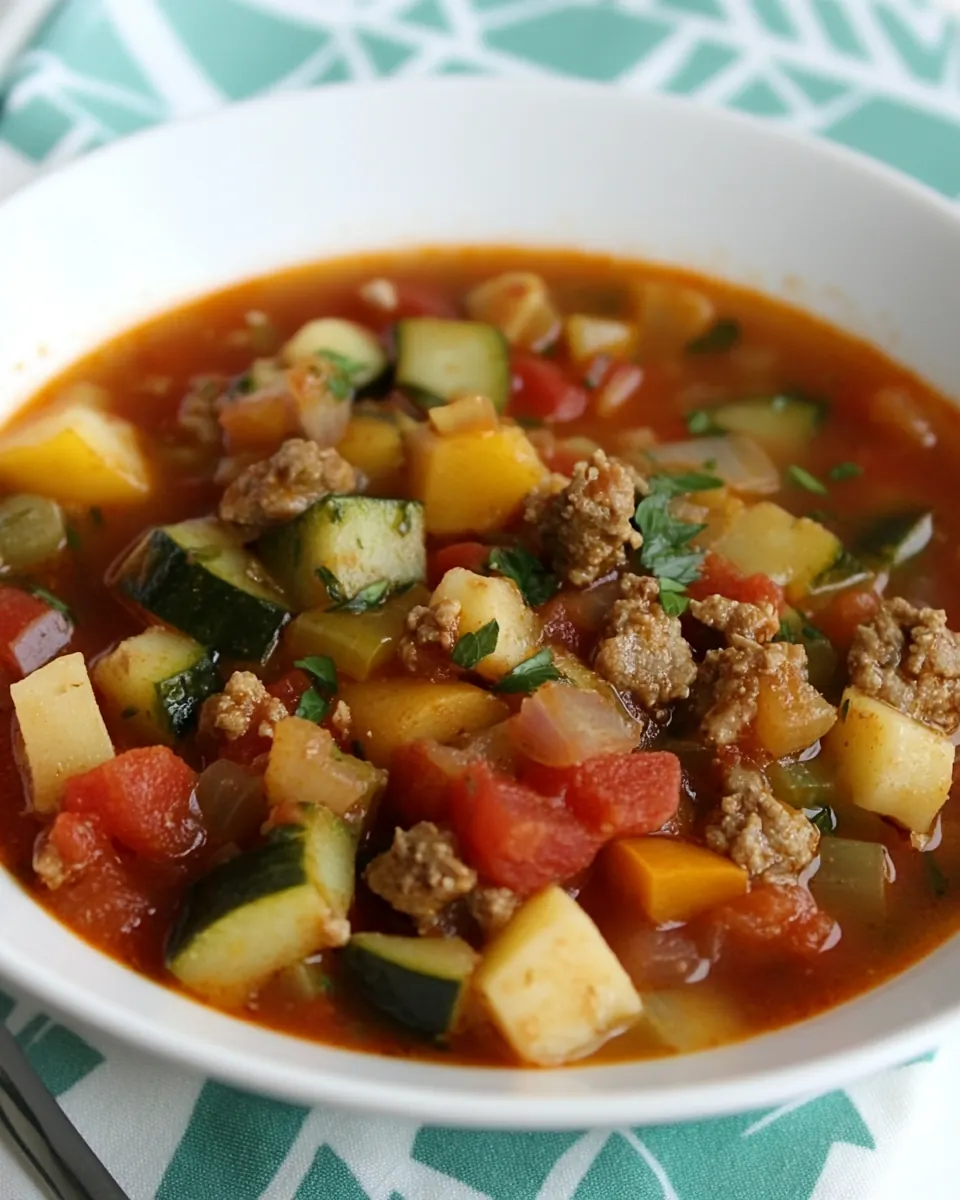
This section expands on practical guidance I use when cooking this soup. The tips below cover timing, texture, and how to keep the pot flexible for different appetites. Follow them to get consistent results and fewer surprises.
- Oil temperature matters Start with medium heat so the olive oil warms and carries the aromatics without smoking, preserving a clean flavor.
- Chop sizes should match Cut the onion, carrot, and celery to similar sizes for even cooking and a harmonious texture in every bite.
- Parmesan rind timing Add the Parmesan rind early to extract maximum savory depth while keeping the final salt level in check.
- Pasta handling Cook pasta separately to al dente so you can control texture and avoid overcooking when reheating leftovers.
- Sausage option control Brown and drain the sausage then add to taste, so you can serve both vegetarian and meat versions from the same pot.
What to Serve With Perfect Vegetarian Minestrone
Think about accompaniments that echo the soup‘s warmth and balance. Bread, simple salads, and light cheeses pair well. For gatherings, consider offering optional toppings and a simple side to round out the meal.
- Rustic bread A torn crusty loaf for dipping is my favorite; it soaks up the broth and makes the meal feel complete.
- Simple green salad A crisp salad with a light vinaigrette provides a refreshing contrast to the warm, starchy soup.
- Grated cheese bowl Offer extra Parmesan cheese so guests can finish their bowls to taste, adding savory lift as needed.
- Occasion suggestions This soup is perfect for weeknight family dinners, slow weekend lunches, or cozy winter evenings when you want comfort food that feels wholesome.
- Storage tips Refrigerate in airtight containers for up to four days. Reheat gently on low and add a splash of broth if the pasta has absorbed too much liquid.
- Make ahead Simmer the base and store without pasta for up to three days; cook and add fresh pasta before serving to maintain texture.
- Seasonal pairings In winter, emphasize heartier roots and squash; in transitional seasons, add more fresh herbs and lighter vegetables.
FAQ
Conclusion
What makes this recipe special is its ability to deliver deep, layered flavor from humble ingredients while remaining approachable and adaptable. I encourage you to try Perfect Vegetarian Minestrone on a chilly evening, swap in seasonal vegetables, and see how comforting a simple pot can be. It’s forgiving, nourishing, and perfect for sharing or saving as a go to meal when you need something reliable and soul warming.

Perfect Vegetarian Minestrone
Equipment
- Large soup pot
- Medium Saucepan
- Wooden Spoon
Ingredients
- 3 tablespoons olive oil Heat and flavor the soup base by gently warming to release aromatic compounds; use at the beginning to sauté vegetables and build a rich olive oil-infused foundation.
- 1 medium yellow onion (chopped (about 2 cups)) Provide a sweet, savory aromatic layer when chopped and softened; cook until translucent to add body and depth to the broth.
- 1 stalk celery (chopped (about 1/2 cup)) Contribute a subtle aromatic crunch and mild bitterness; chop finely and sauté with onion to enhance savory complexity.
- 2 carrots (peeled and chopped (about 1 cup)) Add natural sweetness and texture when peeled and chopped; simmer until tender to enrich the soup’s heartiness and flavor balance.
- 3 cloves garlic (minced) Introduce pungent, savory brightness when minced; add near the start of cooking to infuse the broth without burning for balanced aroma.
- 2 medium yukon gold potatoes (diced (about 1 cup)) Deliver creamy starch and bite when diced; simmer until tender to thicken the broth slightly and provide satisfying substance.
- 1 cup peeled diced winter squash (I like gold nugget, butternut, or sweet dumpling) Offer seasonal sweetness and a smooth texture when peeled and diced; cook until soft to complement potatoes and add autumnal notes.
- 6 cups vegetable broth Supply savory liquid and simmering medium for the soup; use as the primary cooking liquid to meld flavors and control seasoning.
- 1 16-ounce can diced tomatoes Contribute acidity, sweetness, and tomatoey depth from canned diced tomatoes; add to the pot to brighten and round out the broth.
- 1 15-ounce can white kidney (cannelloni beans, drained and rinsed) Provide protein, creaminess, and hearty texture when drained and rinsed; stir in to add body and make the soup more filling.
- 1 teaspoon fresh sage (chopped (or 1/2 teaspoon dried)) Impart earthy, slightly minty herbal warmth when chopped; add early to release oils and complement other Mediterranean flavors.
- 1 teaspoon fresh thyme (chopped (or 1/2 teaspoon dried)) Bring subtle lemony, floral herbal notes when chopped; include during simmering to layer fresh herbaceous complexity into the broth.
- 2 bay leaves Infuse a subtle, bay-like depth and savory background tone; add whole during simmering and remove before serving for aromatic support.
- 1 Parmesan rind (about the size of a domino is perfect) Contribute savory umami richness when simmered in the broth; drop in early to slowly release gelatinous, salty flavors that deepen the soup.
- 1/2 cup dry pasta of your choice Provide tender, comforting grains when cooked in the broth; add at the right time to absorb flavors and give the soup satisfying chew.
- 1 medium zucchini (diced (about 1 cup)) Introduce light freshness and tender texture when diced; cook briefly so zucchini keeps shape and adds a mild vegetal note.
- Handful fresh parsley (chopped (about 1/2 cup chopped)) Add bright, herbaceous finish and color when chopped; stir in near the end to lift flavors and provide fresh contrast to cooked vegetables.
- Salt and fresh ground black pepper to taste Allow final seasoning adjustments by enhancing or balancing flavors; taste and add gradually to reach preferred savory profile.
- Grated Parmesan cheese for topping Deliver salty, nutty finishing flavor when grated over bowls; sprinkle at serving to boost umami and provide a pleasing garnish.
- Optional sausage Offer an optional savory, meaty element to adapt the soup for nonstrictly-vegetarian preferences; brown separately if using to add richness.
- 1 tablespoon olive oil Use for browning optional sausage or as an extra drizzle for the pot; heat to render fat and intensify savory notes when adding meat.
- 1/2 pound 1 pound ground sweet Italian sausage (1/2 pound if you're adding to half the soup, 1 pound for the entire thing) Supply the main optional protein when using sausage; brown and break up before adding to soup to introduce spiced, savory depth.
Instructions
- In a large soup pot, warm the olive oil over medium heat. Add the onion, celery, and carrot and cook, stirring occasionally, for about 5 minutes until soft.: You should smell a soft fruity note from the olive oil as it warms, and the surface may shimmer slightly. Warming the oil gently allows it to coat the pot and helps the onion , celery , and carrot release their flavors without burning. If the oil smokes, lower the heat immediately to avoid bitterness. One mistake is using too high heat which causes uneven cooking of the aromatics.
- Add the garlic and saute, stirring, for about 1 minute.: As these vegetables cook you will hear a light sizzle and notice the mixture soften and begin to shine. The aroma will shift from sharp to gently sweet, which is the cue to move on. Stir occasionally to prevent sticking, and watch for any browning, as that changes the flavor profile. Overcrowding the pot or rushing with too high heat can lead to unevenly softened pieces.
- Add the potatoes, squash, broth, tomatoes, beans, sage, thyme, bay leaves, and Parmesan rind. Continue cooking over medium heat for about 10 minutes, until the soup comes to a boil. Cover, reduce heat to low, and simmer soup for 1 to 2 hours (I prefer 2 hours to really get the flavors mingling).: The moment you add the garlic you should get a fragrant lift in the pot, a bright, sharp aroma that becomes toasty as it cooks. Keep it moving in the pan for that minute because garlic burns quickly and a burnt note will sour the whole soup. If you notice any dark flecks, start again from fresh aromatics, as burnt garlic is hard to mask.
- About 20 minutes before you're ready to serve the soup, cook the pasta to al dente, according to your package directions. Drain add to the soup along with the zucchini and parsley. Continue to simmer for about 20 minutes, then taste and add additional salt and pepper if desired.: When these ingredients join the pot, the visual changes are dramatic the broth fills in around the vegetables and the pot begins to steam. You will notice an evolving bouquet where the herbs and Parmesan rind start to infuse the liquid with savory complexity. Bringing everything to a gentle boil helps the starches begin to soften. A common error is adding pasta too early, which would soak up too much liquid.
- If adding sausage to all or part of the soup, heat the tablespoon of olive oil in a medium saucepan and brown the sausage completely, breaking it up into small pieces. Remove any excess oil.: During this stage the pot will move from a shy simmer to a lively boil with steady bubbling and audible movement. That initial boil helps blend the flavors and releases the aroma from the tomatoes . Keep an eye on the pot to ensure it does not boil over, and reduce heat if it threatens to. Skipping this and going straight to low heat can slow flavor integration.
- If adding sausage to only half of the soup, ladle just under half of the soup into the saucepan, over the drained sausage. This should be about 4 - 5 cups of soup. If you're adding sausage to the entire batch, just stir it directly into your pot of soup.: Long, gentle simmering is when the flavors truly harmonize. You will notice the broth darken slightly and gain depth, and the texture of the potatoes and squash will soften into a cohesive body. I prefer 2 hours to let the flavors mingle fully. Stir occasionally, and if the surface skims, remove gently. One pitfall is simmering at too high a temperature which causes rapid evaporation and can concentrate saltiness.
- Remove bay leaves, taste again, and adjust seasonings if desired.: There will be popping steam as the pasta reaches the al dente stage, and you should taste a piece to confirm it has a slight bite. Drain the pasta and add it to the soup with the zucchini and parsley . Adding pasta late prevents it from becoming mushy. A misstep is overcooking the pasta which will soak up too much broth and make the soup stodgy.
- Serve sprinkled with shredded Parmesan cheese, if desired.: The moment you fold in the drained pasta , the pot will look fuller and feel heartier. The zucchini should look glossy and slightly tender, not falling apart, and the parsley will introduce a fresh green note. If the zucchini becomes limp, it was likely added too early, but adding at this stage preserves texture.
- Continue to simmer for about 20 minutes, then taste and add additional salt and pepper if desired: As the components meld during this final simmer, the aromas will feel rounded and the broth will thicken subtly from released starch. Taste frequently and season carefully, because flavors intensify as the soup rests. Avoid over salting at this point, as it is hard to correct without diluting the soup.
- If adding sausage to all or part of the soup, heat the tablespoon of olive oil in a medium saucepan and brown the sausage completely, breaking it up into small pieces: Browning the sausage provides caramelized, meaty notes and a pleasing texture as fat renders and edges crisp. You should hear a steady sizzle and see browned bits develop, which are full of flavor. Drain excess fat to prevent greasiness. A frequent mistake is crowding the pan, which causes steaming rather than browning.
- Remove any excess oil: After browning, let the sausage sit briefly and then drain or blot the pan so the soup does not become oily. The visual cue is small pools of fat, which you should remove with a spoon or paper towel. Leaving excess fat will mask the brightness of the vegetables.
- If adding sausage to only half of the soup, ladle just under half of the soup into the saucepan, over the drained sausage: When combining half the pot with the browned sausage , you will hear a soft simmer and notice aromas lift as the two mingle. This method lets you preserve a vegetarian portion while creating a seasoned batch for those who want it. Be careful to use a clean ladle and avoid contaminating the vegetarian portion with meat.
- This should be about 4 to 5 cups of soup: Measuring visually, the portion that pairs best with the browned sausage yields balanced richness without overwhelming the vegetables. The key is not to overserve the saucepan which might dilute the meat flavor or overheat it fast. If you misjudge, adjust by removing a bit more or combining more gently.
- If you're adding sausage to the entire batch, just stir it directly into your pot of soup: Stirring the browned sausage into the full pot will immediately enrich the broth and change the aroma to a heartier profile. Make sure to distribute the meat evenly so every bowl gets a taste. Avoid dumping all at once, which can cool the pot slightly and interrupt simmering.
- Remove bay leaves, taste again, and adjust seasonings if desired: The final tasting moment is crucial, where the broth should feel balanced between savory, sweet, and herbal. Removing the bay leaves ensures no one encounters a tough shard in their spoon. If it tastes flat, a pinch of salt or a grind of black pepper will sharpen it; if it is too intense, add a splash of water.
- Serve sprinkled with shredded Parmesan cheese, if desired: A final shower of Parmesan cheese brightens the surface and melts into little pockets of creamy umami. The bowl will steam and the aroma will be inviting, signaling it is time to sit and savor. If the cheese clumps, grate it finer next time for even melting.
Notes
- Oil temperature matters Start with medium heat so the olive oil warms and carries the aromatics without smoking, preserving a clean flavor.
- Chop sizes should match Cut the onion, carrot, and celery to similar sizes for even cooking and a harmonious texture in every bite.
- Parmesan rind timing Add the Parmesan rind early to extract maximum savory depth while keeping the final salt level in check.
- Pasta handling Cook pasta separately to al dente so you can control texture and avoid overcooking when reheating leftovers.
- Sausage option control Brown and drain the sausage then add to taste, so you can serve both vegetarian and meat versions from the same pot.