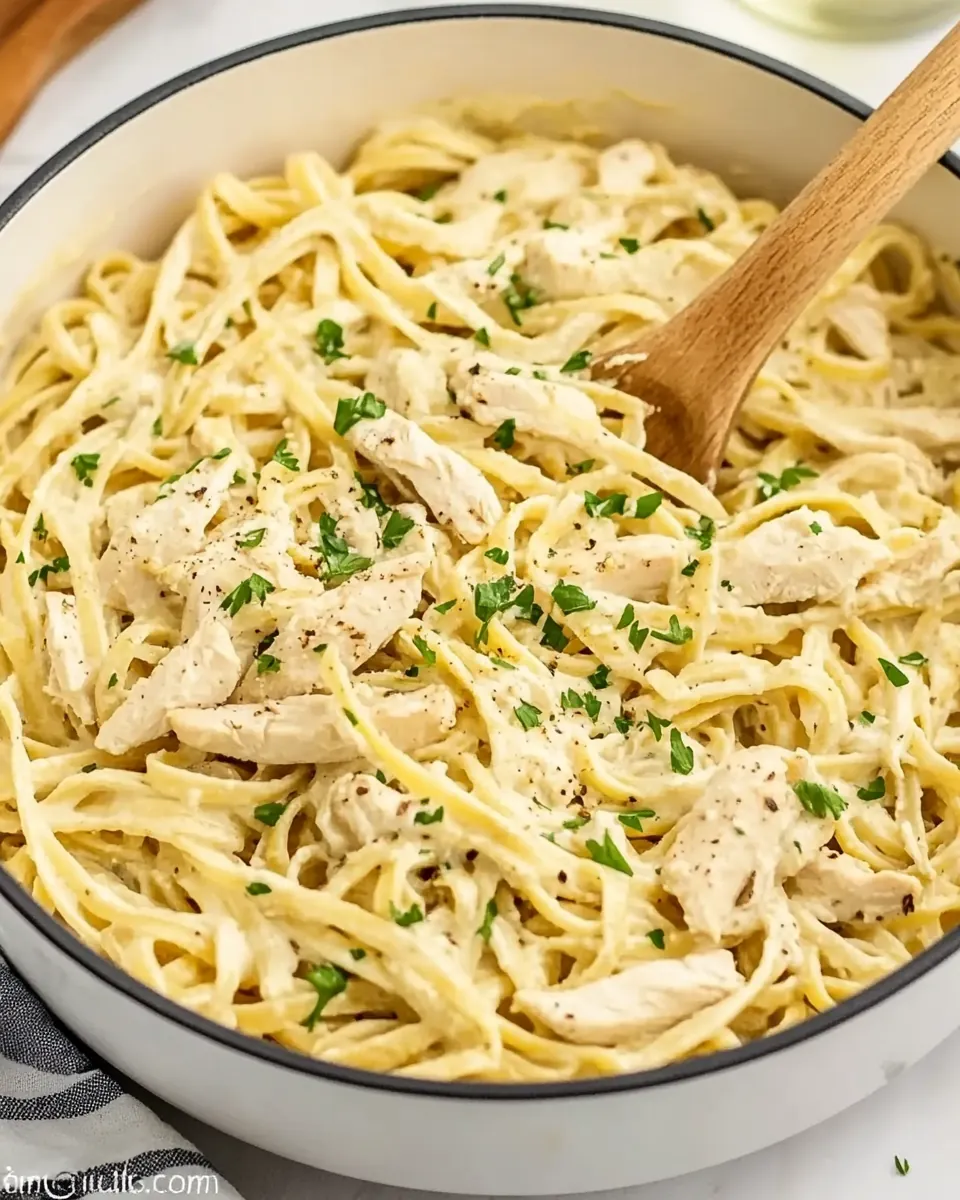
Easy Chicken Alfredo Recipe
Easy Chicken Alfredo Recipe is one of those meals I turn to when I want comfort without fuss, and it greeted me the first time I served it to friends on a rainy weeknight. I remember rushing home from work, opening the fridge, and realizing I had cooked chicken leftover from Sunday, a block of parmesan, and pantry pasta. Within half an hour the kitchen smelled rich and savory, the kind of aroma that made everyone gather around the stove, curious and hungry.
That evening taught me that a few simple ingredients, treated with care, can feel indulgent yet homey. I like to think of this as my quick celebration pasta, the one I rely on when I want something satisfying but not overly complicated. The moment you stir the grated cheese into the warm sauce and see it melt into a silky coating on the pasta, you will understand why I keep this recipe in heavy rotation.
Recipe Snapshot
25 mins
10 mins
15 mins
Easy
450 kcal
Italian
Keto, Gluten-Free
Dinner
Large skillet or wide pan, Stove, Whisk or spoon
Why This Easy Chicken Alfredo Recipe Shines
Velvety, not gloopy
I love how the balance of heavy cream, whole milk, and parmesan cheese creates a sauce that feels luxurious yet stays pourable. When done gently, the sauce clings to the pasta in a way that feels indulgent without being heavy, which is why I emphasize low heat and steady stirring.
Speedy weeknight hero
We all need dinners that arrive quickly but still impress, and this Easy Chicken Alfredo Recipe does exactly that. With just a short simmer and a handful of pantry staples, you can have a full meal on the table while the kids finish homework or you catch a breather after a busy day.
Flexible and forgiving
I appreciate how forgiving this recipe is. Use leftover cubed chicken or rotisserie, and tweak the broth to taste. If the sauce tightens up after resting, a splash of milk or broth revives it instantly, which makes this dish excellent for leftovers and batch cooking.
Comfort with bright notes
The little pops of freshness from fresh parsley and the gentle bite from garlic keep the dish from feeling one note. I always add a bit of cracked pepper at the end to lift the creaminess, which brings balance and a subtle warmth on the palate.
Minimal cleanup, maximum reward
Because everything cooks in a single skillet or wide pan, you get dinner and fewer dishes. That simplicity is huge for weeknights when energy is low, and it means you can focus on savoring the meal, not on scrubbing pots.
What’s In This Easy Chicken Alfredo Recipe
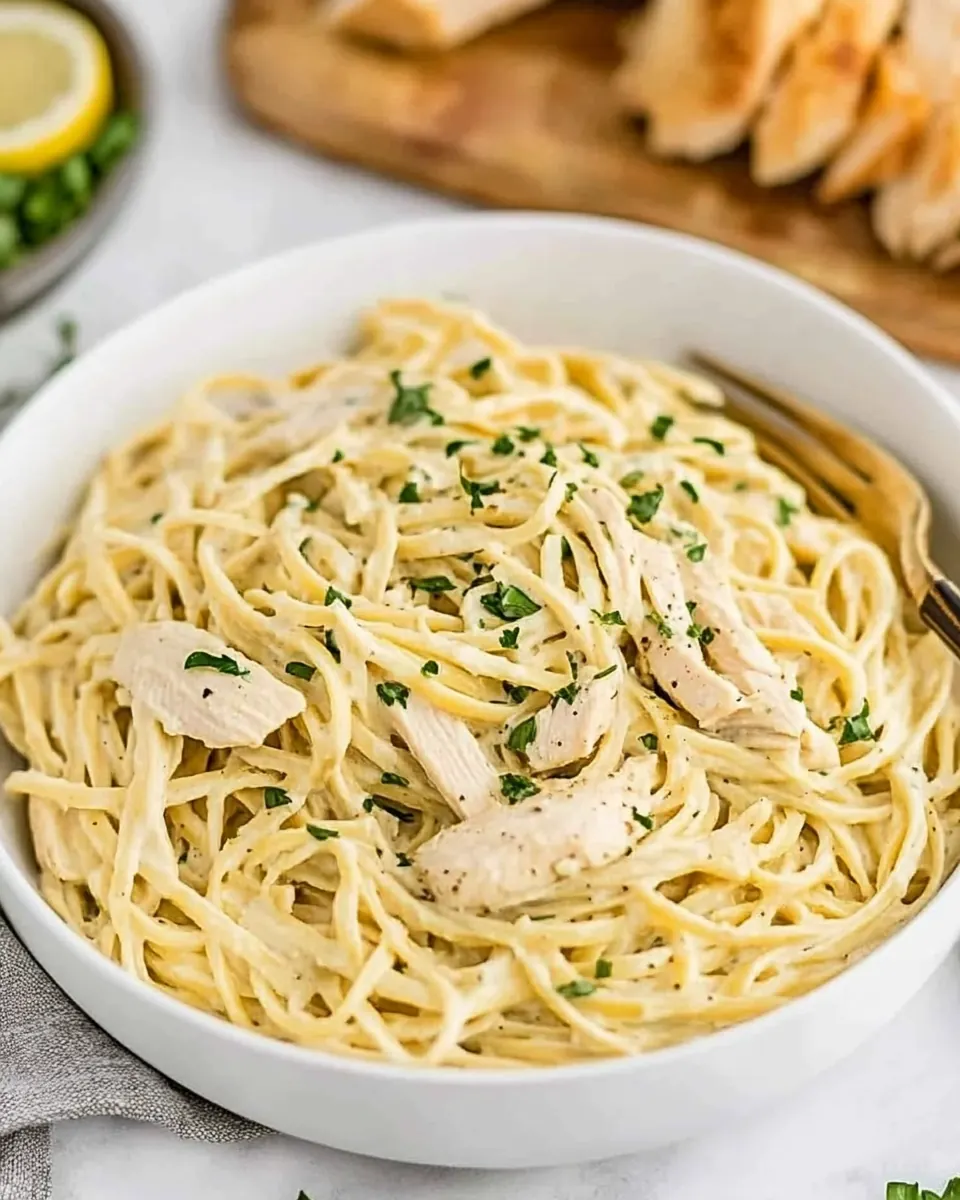
These ingredients are curated to build a rich, balanced sauce that clings to pasta while highlighting tender chicken. The dairy creates the luxurious mouthfeel, the broth thins and seasons the sauce, and the herbs and aromatics bring brightness and depth. Together they create a harmonized bowl that is creamy, savory, and satisfying.
- 8 oz thin spaghetti: Boil to a tender texture and act as the primary pasta base that soaks up the Alfredo sauce, providing structure and substance to the dish. Pair with a slight toss in butter or oil before saucing to prevent clumping and ensure even coating. Choose thin spaghetti for quicker cooking and a lighter mouthfeel that complements the creamy sauce.
- 1 1/2 2 c cubed chicken (already cooked): Add as the cooked protein component to bring savory, meaty flavor and additional texture to the pasta, while supplying protein that makes the meal more filling. Cube for even distribution throughout the dish and gently heat through in the sauce to avoid drying out. Opt for pre-cooked chicken to shorten preparation time and maintain juiciness.
- 2 1/2 – 3 c chicken broth (I prefer reduced sodium): Simmer to form the liquid base that helps deglaze the pan and thin the sauce while adding savory depth and mild chicken flavor. Adjust volume to control sauce thickness; reduced–sodium broth helps manage overall saltiness. Heat gently to meld flavors without evaporating too much liquid and maintain a creamy consistency.
- 1/2 c heavy cream: Enrich the sauce with a rich, silky mouthfeel and tender creaminess that helps create the traditional Alfredo texture when combined with cheese and butter. Add in measured quantity to avoid making the sauce overly heavy while still allowing it to cling to the pasta. Warm before combining to prevent curdling and ensure smooth integration.
- 2/3 c whole milk: Lighten and extend the cream base by contributing additional creaminess and liquidity for a balanced Alfredo sauce consistency. Use whole milk for a richer flavor than low-fat options and to help achieve a smooth, cohesive emulsion with the cream and cheese. Gently heat with the cream to avoid separation and preserve a silky sauce.
- 3 T fresh parsley, chopped: Garnish and brighten the finished dish with fresh herbal aroma, adding a pop of color and a mild peppery-fresh flavor that contrasts the richness of the sauce. Chop finely so it distributes evenly and sprinkles on at the end to retain freshness and visual appeal. Incorporate some into the sauce if desired for an infused herb note.
- 3 4 garlic cloves, minced: Infuse the sauce with aromatic pungency and savory depth by sautéing briefly to release its oils, enhancing overall flavor complexity without overwhelming the creaminess. Mince finely so it melds smoothly into the sauce and cook just until fragrant to avoid bitterness. Adjust quantity to balance garlicky punch with the dish's mildness.
- 1 T butter: Melt to add a subtle buttery richness and help form the base of the sauce by combining with garlic and deglazed broth for a smooth flavor foundation. Use to sauté aromatics and coat the pasta lightly for improved mouthfeel and sheen. Add at the start of sauce preparation for an even distribution of buttery notes.
- 1/2 tsp cracked pepper: Season to provide a bold, slightly spicy aromatic note that contrasts the cream and cheese, enhancing overall flavor complexity and preventing the sauce from tasting flat. Crush or crack for a brighter, more textured pepper profile and add to taste during sauce assembly to control heat. Balance with salt and cheese for harmonious seasoning.
- 1/2 tsp sea salt: Season to bring out the flavors of the chicken and sauce while controlling overall saltiness; using measured amounts prevents the dish from becoming overly salty. Prefer sea salt for a clean mineral note and add incrementally, tasting as the sauce reduces. Remember that Parmesan contributes saltiness, so adjust accordingly.
- 1/3 c grated parmesan cheese: Enrich and thicken the sauce with nutty, salty umami that helps bind the cream and butter into a cohesive Alfredo coating for the pasta. Grate finely so it melts smoothly into the warm sauce and stir in toward the end of cooking to preserve flavor and avoid graininess. Use quality Parmesan for the best depth and finish.
Preparation Steps for Easy Chicken Alfredo Recipe
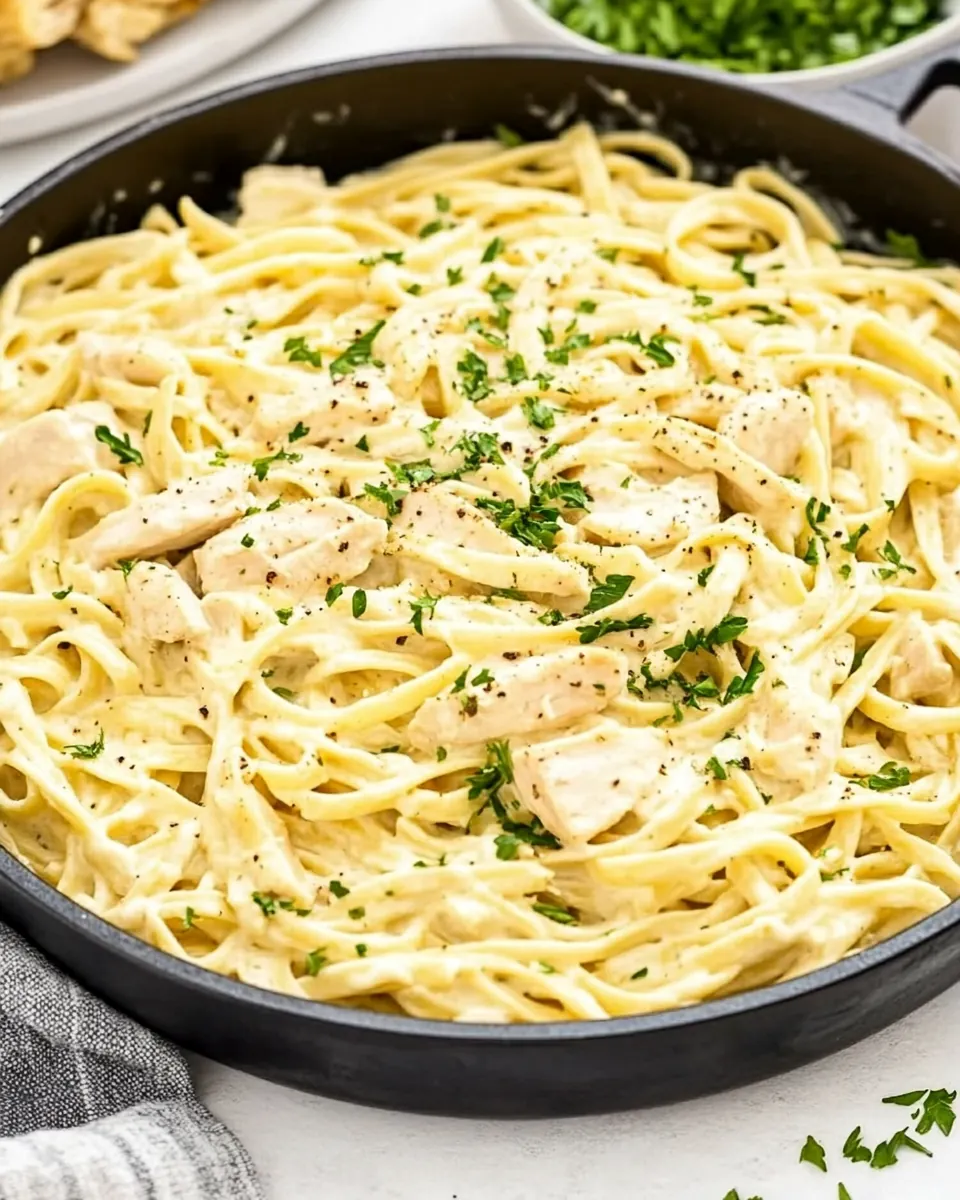
These steps are straightforward, but I like to walk you through the sensory cues so you know when things are right. Work slowly and pay attention to the liquid, aroma, and texture as you simmer, stir, and finish. The difference between a good and great Alfredo is in the gentle handling.
- In a large skillet or pan, combine 2 1/2 cup broth, along with all other ingredients except the parmesan.: The moment the ingredients meet in the warmed pan you will notice a faint steam and an almost immediate mingling of aromas from the milk and garlic . The surface glistens as the butter melts and the broth loosens the dairy, creating a uniform liquid base. This step sets the stage for the pasta to absorb flavor and cook in the sauce, so it is important the liquid is evenly distributed, and any clumps of dairy are smoothed out before heat intensifies. Watch for any large pools of unmelted butter or milk solids, and whisk gently to integrate. A common mistake is starting with heat that is too high, which can cause the dairy to separate, so keep the pan at a gentle level initially.
- Heat at medium to bring to a light boil. When the liquid begins to boil, turn the heat down to medium low to low and allow to gently boil for about 8-10 minutes or until pasta is al dente, stirring frequently. If at any time the liquid seems to be absorbing too quickly, add an extra splash or two of broth.: As the mixture warms you will hear a light chatter of bubbles, and the smell of toasted garlic will deepen into a savory backdrop. The liquid should show small, steady bubbles along the edges before you reduce the heat. Achieving this gentle boil is important because it activates the pasta cooking without scorching the cream. If the heat climbs too quickly you risk scalding the dairy, which imparts a cooked, unpleasant flavor. A typical error here is walking away; stay present until the bubbles appear so you can lower the heat immediately.
- When the pasta is cooked al dente, remove the pot from the heat and stir in the parmesan until sauce is creamy. Add extra milk if the sauce is too thick. Serve immediately with extra parmesan and a sprinkle of parsley.: During this low simmer, the spaghetti will slowly absorb the savory broth and milk, transforming the liquid into a cohesive sauce that clings to strands. You will notice the aroma shifting from raw to roasted, and the sound will relax into a soft simmer. Stirring frequently keeps the pasta from settling and sticking, and it also releases starch that helps thicken the sauce naturally. The key visual cue is the pasta softening yet retaining a slight bite when tested. Overcooking here leads to mushy texture, so taste often in the last minutes to avoid that common pitfall.
- If at any time the liquid seems to be absorbing too quickly, add an extra splash or two of broth: As the pasta soaks up liquid, the pan can suddenly look tight and rahter dry, with the sauce clinging too thickly to the strands. When you add a splash of chicken broth , you restore a glossy, silky consistency and prevent the sauce from tightening into a sticky paste. You will feel the relief in the texture as the sauce loosens and the aroma becomes more pronounced again. A rookie error is adding cold liquid straight from the fridge, which can momentarily shock the sauce; instead use room temperature or warm broth if possible.
- When the pasta is cooked al dente, remove the pot from the heat and stir in the parmesan until sauce is creamy: Pulling the pan off the heat is a sensory pivot moment because you stop the bubbling and allow residual warmth to finish the emulsion. As you add the parmesan cheese , you will see it melt into the sauce, creating ribbons of creaminess that coat each strand. The scent shifts to a rich, nutty cheese aroma, and the sauce gains body without becoming heavy. This timing is essential because overheating cheese can make it grainy. A common mistake is returning the pan to high heat after adding cheese, which risks breaking the sauce.
- Add extra milk if the sauce is too thick: If the sauce tightens as it cools, loosening it with a splash of whole milk brings back silkiness without washing out flavor. You will notice a smoother flow and a lighter sheen once the milk is incorporated. This small adjustment lets you control finishing texture, and it is better to add in small increments so you do not accidentally make the sauce too thin. Avoid over thinning, which can make the dish taste diluted, and if that happens, simmer briefly to concentrate flavors again.
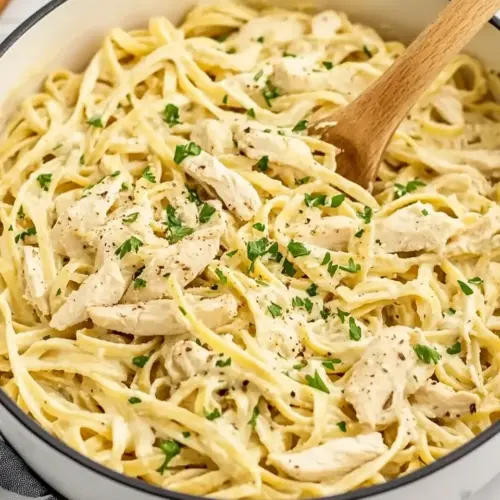
- Serve immediately with extra parmesan and a sprinkle of parsley: The final presentation matters as the warm sauce glosses on the pasta, and the fresh chopped parsley adds a bright green contrast. Grated parmesan cheese sprinkled on top melts slightly into the hot sauce, adding an immediate umami burst. Serve in warmed bowls so the sauce stays silky longer, and garnish just before plating to keep herbs vibrant. A common serving mistake is letting the dish sit too long before plating, which can cause the sauce to tighten and lose its inviting texture.
Tips and Variations
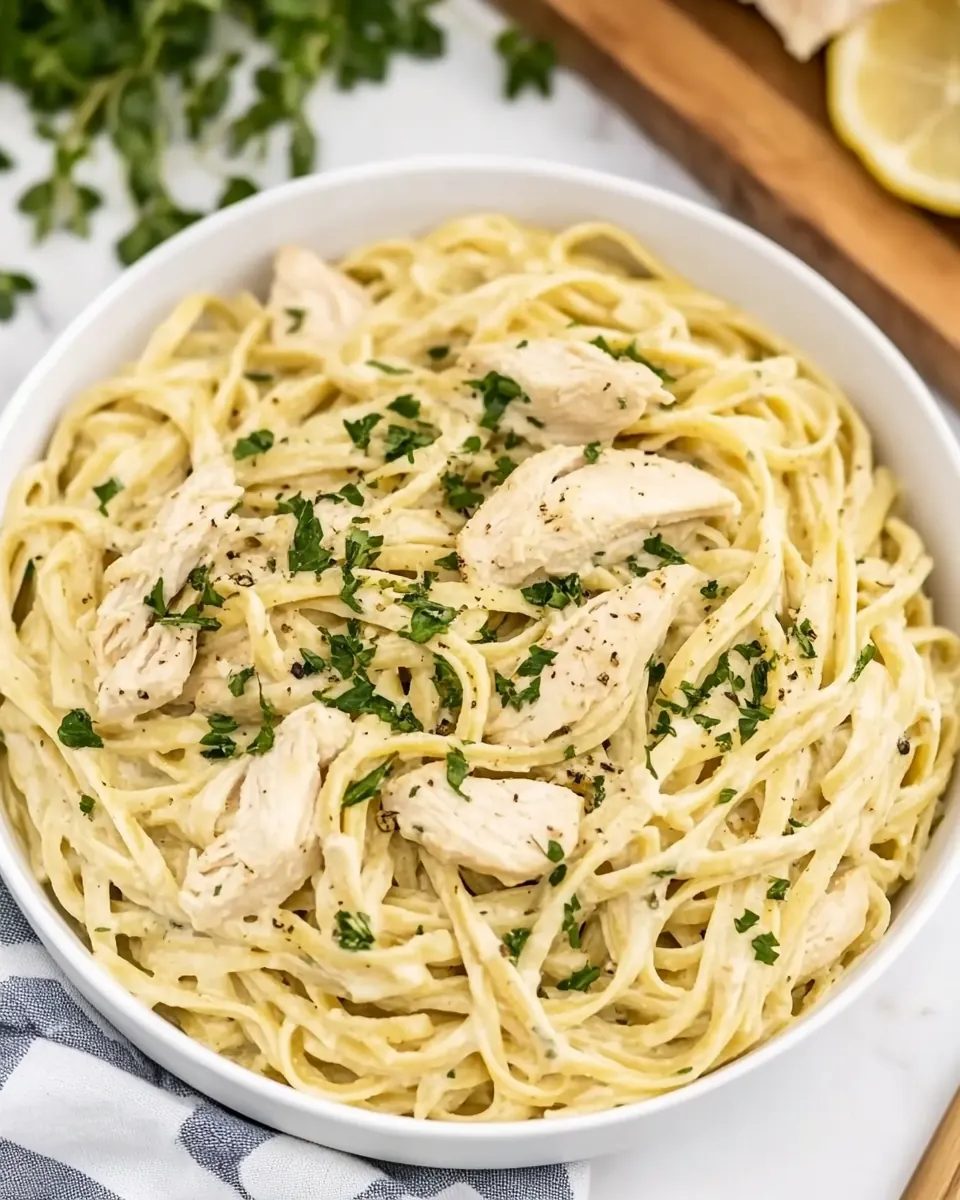
I like to keep a handful of reliable tweaks and notes so you can make this your own without losing its soul. Below are practical suggestions, storage advice, and small swaps that preserve the texture and flavor of the dish while giving you flexibility.
- Storage and reheating Use an airtight container in the refrigerator for about 3 to 4 days. When reheating, warm gently on the stove over low heat with a splash of chicken broth or milk to restore silkiness, stirring frequently to avoid separation.
- Do not freeze I do not recommend freezing this dish, because the pasta texture tends to degrade and the sauce can separate after thawing, leaving a less pleasant mouthfeel.
- Keep it low and slow You do not want the sauce to ever climb above a gentle simmer. High heat will cause the cream to scald and the pasta to become mushy as it absorbs liquid too quickly.
- Make it meatless Skip the chicken entirely if you prefer a vegetarian version; the sauce stands on its own as a satisfying pasta option.
- Vegetarian parmesan option Parmesan cheese can contain animal products, so if you need a strict vegetarian version, use a labeled vegetarian grated cheese in place of parmesan.
What to Pair With Easy Chicken Alfredo Recipe
This dish pairs well with simple, bright sides that contrast the creaminess. Think crisp greens, acidic vinaigrettes, or a light roasted vegetable. Below I list pairing ideas, occasions, and storage tips to help you plan a full meal around the pasta.
- Simple green salad A salad with a tangy lemon or vinegar based dressing cuts through the richness, adding refreshing acidity and a crunchy contrast in texture that balances the meal.
- Steamed or roasted vegetables Lightly steamed broccoli or roasted asparagus offer an earthy complement and provide color and nutrition to the plate, making the dish feel more complete.
- Casual dinner occasions This is an ideal weeknight or casual dinner recipe, and it also works well for small gatherings when you want to serve something crowd pleasing with minimal fuss.
- Storage tips Store leftovers in a sealed container for 3 to 4 days, and reheat gently with a splash of broth or milk. Avoid freezing to preserve texture and flavor integrity.
- Seasonal pairings While great any time of year, this creamy dish feels particularly comforting in cooler months; pair with bright winter citrus in a small salad to keep the plate lively.
FAQ
Conclusion
This Easy Chicken Alfredo Recipe stands out for its simplicity and luxurious mouthfeel, combining a few pantry staples into a creamy, comforting meal. If you are looking for a quick weeknight dinner that still feels special, this recipe fits the bill and rewards gentle cooking and attention to texture. Give it a try tonight, and enjoy the rich sauce, tender chicken, and satisfying pasta with minimal fuss and maximum flavor.
Easy Chicken Alfredo Recipe
Equipment
- Large skillet or wide pan
- Stove
- Whisk or spoon
Ingredients
- 8 oz thin spaghetti Boil to a tender texture and act as the primary pasta base that soaks up the Alfredo sauce, providing structure and substance to the dish. Pair with a slight toss in butter or oil before saucing to prevent clumping and ensure even coating. Choose thin spaghetti for quicker cooking and a lighter mouthfeel that complements the creamy sauce.
- 1 1/2 - 2 c cubed chicken (already cooked) Add as the cooked protein component to bring savory, meaty flavor and additional texture to the pasta, while supplying protein that makes the meal more filling. Cube for even distribution throughout the dish and gently heat through in the sauce to avoid drying out. Opt for pre-cooked chicken to shorten preparation time and maintain juiciness.
- 2 1/2 – 3 c chicken broth (I prefer reduced sodium) Simmer to form the liquid base that helps deglaze the pan and thin the sauce while adding savory depth and mild chicken flavor. Adjust volume to control sauce thickness; reduced-sodium broth helps manage overall saltiness. Heat gently to meld flavors without evaporating too much liquid and maintain a creamy consistency.
- 1/2 c heavy cream Enrich the sauce with a rich, silky mouthfeel and tender creaminess that helps create the traditional Alfredo texture when combined with cheese and butter. Add in measured quantity to avoid making the sauce overly heavy while still allowing it to cling to the pasta. Warm before combining to prevent curdling and ensure smooth integration.
- 2/3 c whole milk Lighten and extend the cream base by contributing additional creaminess and liquidity for a balanced Alfredo sauce consistency. Use whole milk for a richer flavor than low-fat options and to help achieve a smooth, cohesive emulsion with the cream and cheese. Gently heat with the cream to avoid separation and preserve a silky sauce.
- 3 T fresh parsley, chopped Garnish and brighten the finished dish with fresh herbal aroma, adding a pop of color and a mild peppery-fresh flavor that contrasts the richness of the sauce. Chop finely so it distributes evenly and sprinkles on at the end to retain freshness and visual appeal. Incorporate some into the sauce if desired for an infused herb note.
- 3 -4 garlic cloves, minced Infuse the sauce with aromatic pungency and savory depth by sautéing briefly to release its oils, enhancing overall flavor complexity without overwhelming the creaminess. Mince finely so it melds smoothly into the sauce and cook just until fragrant to avoid bitterness. Adjust quantity to balance garlicky punch with the dish's mildness.
- 1 T butter Melt to add a subtle buttery richness and help form the base of the sauce by combining with garlic and deglazed broth for a smooth flavor foundation. Use to sauté aromatics and coat the pasta lightly for improved mouthfeel and sheen. Add at the start of sauce preparation for an even distribution of buttery notes.
- 1/2 tsp cracked pepper Season to provide a bold, slightly spicy aromatic note that contrasts the cream and cheese, enhancing overall flavor complexity and preventing the sauce from tasting flat. Crush or crack for a brighter, more textured pepper profile and add to taste during sauce assembly to control heat. Balance with salt and cheese for harmonious seasoning.
- 1/2 tsp sea salt Season to bring out the flavors of the chicken and sauce while controlling overall saltiness; using measured amounts prevents the dish from becoming overly salty. Prefer sea salt for a clean mineral note and add incrementally, tasting as the sauce reduces. Remember that Parmesan contributes saltiness, so adjust accordingly.
- 1/3 c grated parmesan cheese Enrich and thicken the sauce with nutty, salty umami that helps bind the cream and butter into a cohesive Alfredo coating for the pasta. Grate finely so it melts smoothly into the warm sauce and stir in toward the end of cooking to preserve flavor and avoid graininess. Use quality Parmesan for the best depth and finish.
Instructions
- In a large skillet or pan, combine 2 1/2 cup broth, along with all other ingredients except the parmesan.: The moment the ingredients meet in the warmed pan you will notice a faint steam and an almost immediate mingling of aromas from the milk and garlic . The surface glistens as the butter melts and the broth loosens the dairy, creating a uniform liquid base. This step sets the stage for the pasta to absorb flavor and cook in the sauce, so it is important the liquid is evenly distributed, and any clumps of dairy are smoothed out before heat intensifies. Watch for any large pools of unmelted butter or milk solids, and whisk gently to integrate. A common mistake is starting with heat that is too high, which can cause the dairy to separate, so keep the pan at a gentle level initially.
- Heat at medium to bring to a light boil. When the liquid begins to boil, turn the heat down to medium low to low and allow to gently boil for about 8-10 minutes or until pasta is al dente, stirring frequently. If at any time the liquid seems to be absorbing too quickly, add an extra splash or two of broth.: As the mixture warms you will hear a light chatter of bubbles, and the smell of toasted garlic will deepen into a savory backdrop. The liquid should show small, steady bubbles along the edges before you reduce the heat. Achieving this gentle boil is important because it activates the pasta cooking without scorching the cream. If the heat climbs too quickly you risk scalding the dairy, which imparts a cooked, unpleasant flavor. A typical error here is walking away; stay present until the bubbles appear so you can lower the heat immediately.
- When the pasta is cooked al dente, remove the pot from the heat and stir in the parmesan until sauce is creamy. Add extra milk if the sauce is too thick. Serve immediately with extra parmesan and a sprinkle of parsley.: During this low simmer, the spaghetti will slowly absorb the savory broth and milk, transforming the liquid into a cohesive sauce that clings to strands. You will notice the aroma shifting from raw to roasted, and the sound will relax into a soft simmer. Stirring frequently keeps the pasta from settling and sticking, and it also releases starch that helps thicken the sauce naturally. The key visual cue is the pasta softening yet retaining a slight bite when tested. Overcooking here leads to mushy texture, so taste often in the last minutes to avoid that common pitfall.
- If at any time the liquid seems to be absorbing too quickly, add an extra splash or two of broth: As the pasta soaks up liquid, the pan can suddenly look tight and rahter dry, with the sauce clinging too thickly to the strands. When you add a splash of chicken broth , you restore a glossy, silky consistency and prevent the sauce from tightening into a sticky paste. You will feel the relief in the texture as the sauce loosens and the aroma becomes more pronounced again. A rookie error is adding cold liquid straight from the fridge, which can momentarily shock the sauce; instead use room temperature or warm broth if possible.
- When the pasta is cooked al dente, remove the pot from the heat and stir in the parmesan until sauce is creamy: Pulling the pan off the heat is a sensory pivot moment because you stop the bubbling and allow residual warmth to finish the emulsion. As you add the parmesan cheese , you will see it melt into the sauce, creating ribbons of creaminess that coat each strand. The scent shifts to a rich, nutty cheese aroma, and the sauce gains body without becoming heavy. This timing is essential because overheating cheese can make it grainy. A common mistake is returning the pan to high heat after adding cheese, which risks breaking the sauce.
- Add extra milk if the sauce is too thick: If the sauce tightens as it cools, loosening it with a splash of whole milk brings back silkiness without washing out flavor. You will notice a smoother flow and a lighter sheen once the milk is incorporated. This small adjustment lets you control finishing texture, and it is better to add in small increments so you do not accidentally make the sauce too thin. Avoid over thinning, which can make the dish taste diluted, and if that happens, simmer briefly to concentrate flavors again.
- Serve immediately with extra parmesan and a sprinkle of parsley: The final presentation matters as the warm sauce glosses on the pasta, and the fresh chopped parsley adds a bright green contrast. Grated parmesan cheese sprinkled on top melts slightly into the hot sauce, adding an immediate umami burst. Serve in warmed bowls so the sauce stays silky longer, and garnish just before plating to keep herbs vibrant. A common serving mistake is letting the dish sit too long before plating, which can cause the sauce to tighten and lose its inviting texture.
Notes
- Storage and reheating Use an airtight container in the refrigerator for about 3 to 4 days. When reheating, warm gently on the stove over low heat with a splash of chicken broth or milk to restore silkiness, stirring frequently to avoid separation.
- Do not freeze I do not recommend freezing this dish, because the pasta texture tends to degrade and the sauce can separate after thawing, leaving a less pleasant mouthfeel.
- Keep it low and slow You do not want the sauce to ever climb above a gentle simmer. High heat will cause the cream to scald and the pasta to become mushy as it absorbs liquid too quickly.
- Make it meatless Skip the chicken entirely if you prefer a vegetarian version; the sauce stands on its own as a satisfying pasta option.
- Vegetarian parmesan option Parmesan cheese can contain animal products, so if you need a strict vegetarian version, use a labeled vegetarian grated cheese in place of parmesan.
