Ultimate Crudité Platter
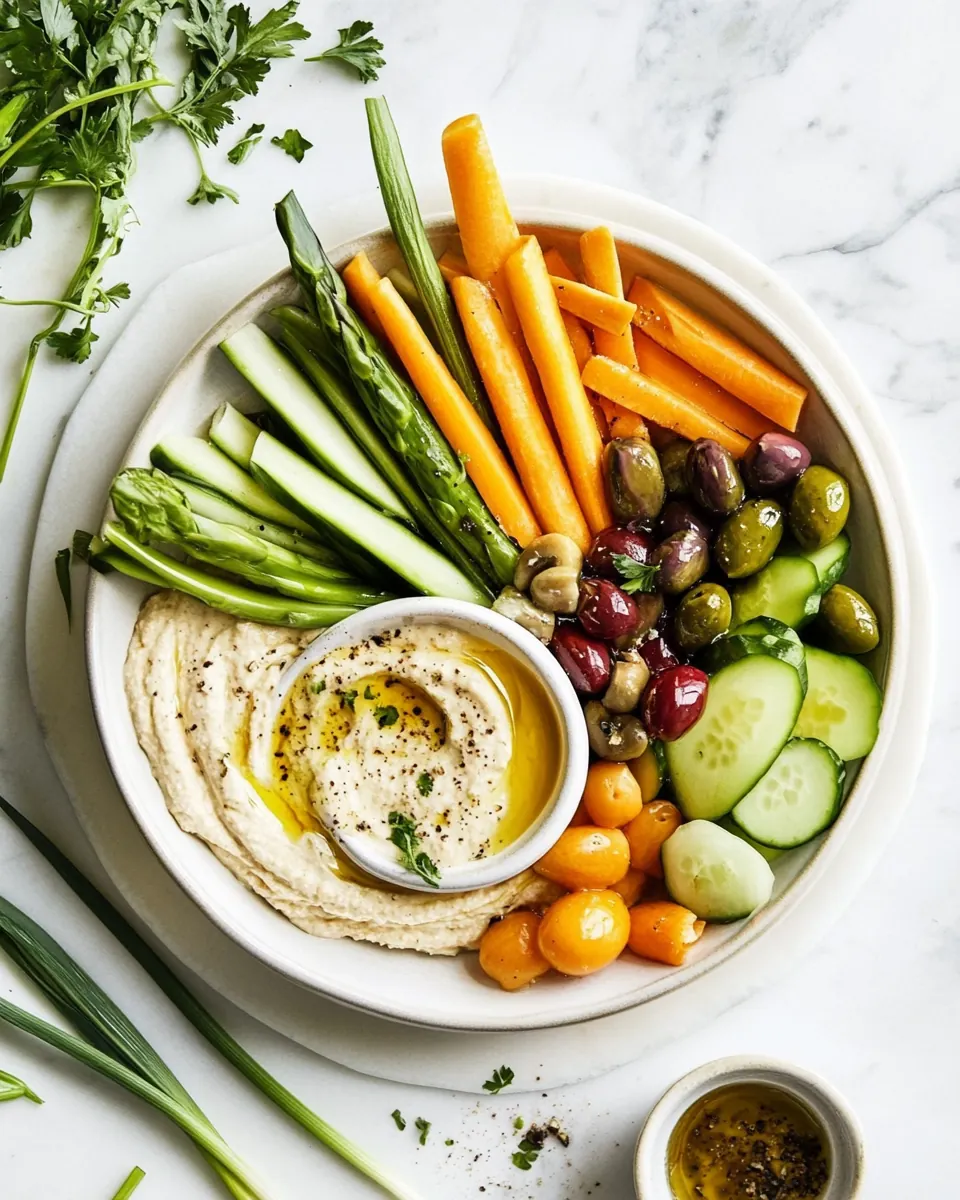
Ultimate Crudité Platter is the kind of vibrant, unfussy spread I reach for when guests drop by unexpectedly or when I want a colorful centerpiece for a relaxed gathering. The first time I assembled this platter I remember juggling a jar of marinated feta and a bowl of creamy white bean dip, thinking how a few thoughtful components can make ordinary raw vegetables feel celebratory. I loved how each element brought its own texture and voice, from the silky olive oil soaked feta to the bright, herby bean dip.
Over time I developed little rituals around the Ultimate Crudité Platter. I always slice the baguette thin so it crisps under a quick toast, and I let the marinated feta sit in the fridge long enough for the flavors to marry. Setting out the platter feels like laying out a story, each cluster of cucumber, snap peas, and carrots offering a new note. Guests tend to linger, grabbing a bit of compound butter and a wedge of tomato, and conversations start to unfurl as easily as forks swipe dips.
Recipe Snapshot
20 mins
20 mins
Easy
250 kcal
Mediterranean
Gluten-Free, Vegan
Appetizers
16-ounce jar, Food processor, Serving bowls, Toaster or oven for baguette
Why You’ll Love This Ultimate Crudité Platter
Visual Impact That Feels Effortless
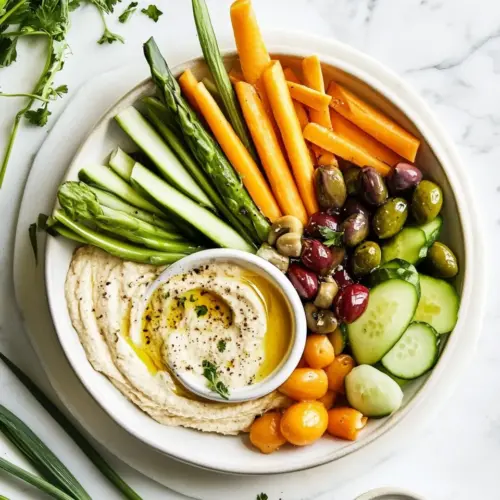
I adore how the Ultimate Crudité Platter looks on the table, it’s a fast way to make an event feel special. Bright heirloom tomatoes, jewel toned carrots, and the glossy sheen of marinated feta create an immediate wow factor. I arrange colors and heights intentionally, and guests always comment before they taste.
Make Ahead Magic
One of the reasons I keep coming back to this platter is timing, most components like the marinated feta and the cherry thyme butter can be prepped hours or a day ahead. I find this reduces last minute stress, and the flavors actually deepen when they rest. If I need to, I will chill the jar of marinated feta overnight, and it always rewards patience.
Flavor Layers That Complement, Not Compete
The platter combines creamy, tangy, and herbal elements so each bite feels balanced. The herb-y white bean dip adds a smooth, lemony base while the marinated feta offers salty richness, and the cherry thyme butter gives a sweet savory note. I love that every item has a job, so no single flavor overwhelms the rest.
Textural Variety Keeps It Interesting
I think about crunch versus cream when I build the platter. Crisp snap peas and crunchy toasted baguette slices sit alongside silky dips and tender marinated feta. That contrast makes people reach for the platter again and again.
Flexible for Many Occasions
We’ve used this platter for casual weeknight company, picnic style lunches, and as an opener for larger dinners. It travels well, can be scaled up or down, and works with seasonally available vegetables. I often adapt the arrangement to whatever looks best at the market.
Recipe Ingredients for Ultimate Crudité Platter
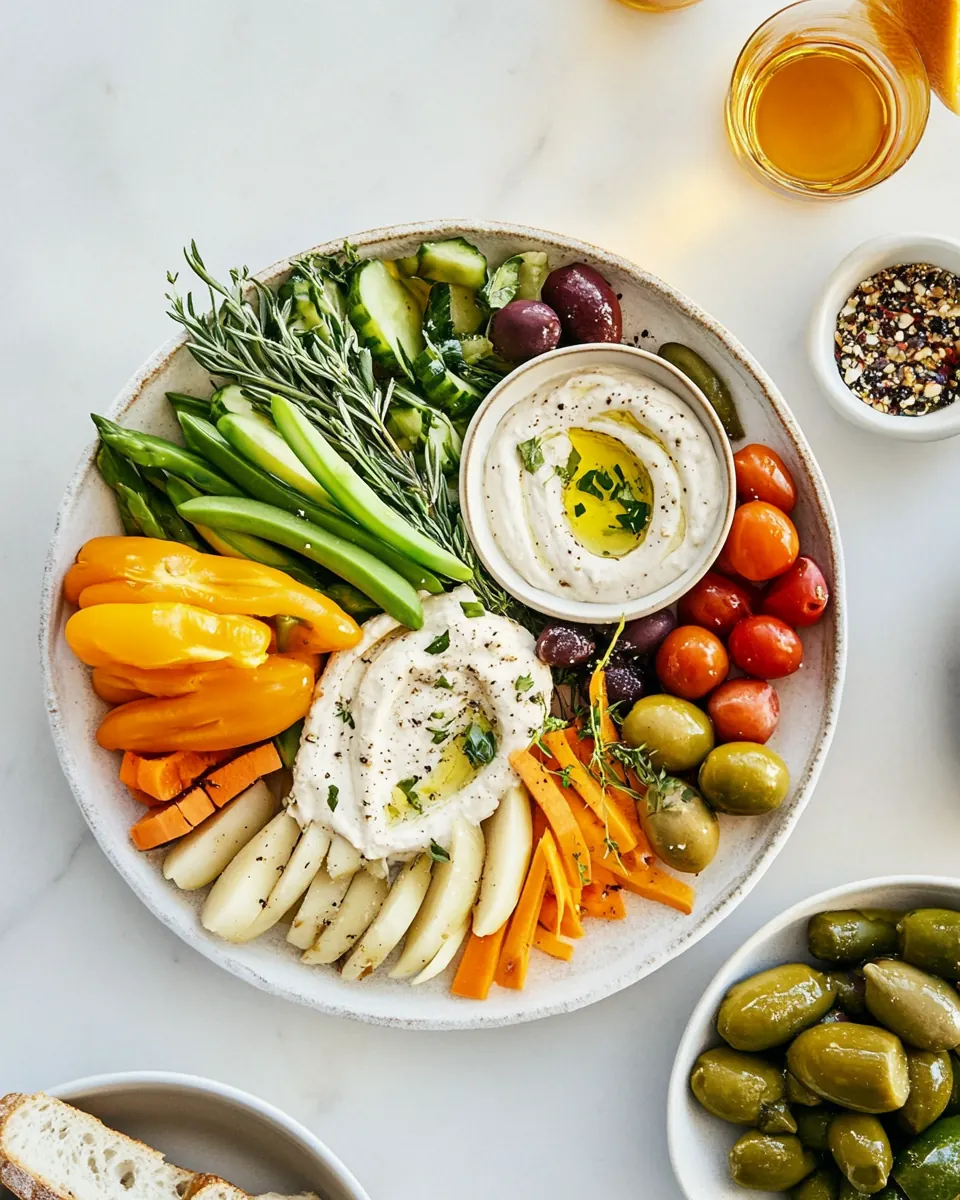
I think of the ingredients here as collaborators rather than components. Each one plays a clear role: the oils and herbs build aromatics, the feta and bean dip supply richness, and the fresh vegetables bring crisp, refreshing contrast. Together they create balance, so you get a medley of textures and flavors with minimal fuss.
- 6 sprigs fresh thyme: Aromatic and delicate, used to infuse mild herbal notes throughout the platter; sprigs can be tucked among vegetables or used as a garnish to enhance presentation and aroma. Works well when lightly bruised to release essential oils without overpowering fresher flavors. Complements cheeses and dips by adding a subtle woody background.
- 7 ounces feta, cubed: Creamy and tangy, cubed feta provides a salty, rich contrast to crisp vegetables on the platter while offering a satisfying textural bite. Crumbles easily to mix into dips or to scatter over roasted or raw crudités for bursts of savory flavor. Balances sweeter elements like tomatoes and honey-based dressings.
- 2 garlic cloves: Pungent and aromatic, smashed garlic adds depth and a savory backbone to dressings, dips, or flavored oils used on the platter. Mince or grate finely to disperse sharpness evenly, and consider roasting slightly for a sweeter, milder profile. Enhances roasted vegetables, bean spreads, and herb-infused butters.
- 4 sun-dried tomatoes, halved: Sweet and concentrated, halved sun-dried tomatoes bring umami and intense tomato flavor to salads, tapenades, or scattered over crostini. Rehydrate briefly in warm water or oil to soften if needed, or use oil-packed versions to impart extra savory richness. Pairs especially well with herbs, cheese, and lemony dressings.
- 8 peppercorns: Fragrant and slightly spicy, whole peppercorns can be cracked to finish dips or infused into oils to release complex heat and aroma. Use a mortar and pestle or pepper mill for a fresher, brighter flavor compared with pre-ground pepper. Enhances savory components without overwhelming delicate vegetables.
- 1 1/4 cups extra-virgin olive oil: Fruity and robust, extra–virgin olive oil provides the fat base for dressings, marinades, and dipping sauces on the platter, contributing mouthfeel and flavor. Drizzle over vegetables or mix with herbs, garlic, and lemon for simple vinaigrettes that tie elements together. Choose high-quality oil for pronounced flavor impact.
- 1/2 cup unsalted butter at room temperature: Rich and creamy, room–temperature unsalted butter can be blended with herbs or softened into spreads for bread and vegetable dipping, offering a smooth mouthfeel without added salt. Whip with thyme, garlic, or lemon zest to create compound butter that melts over warm crostini. Unsalted form allows precise seasoning control.
- 1 1/2 tablespoons dried tart cherries: Sweet-tart and chewy, dried tart cherries add concentrated fruitiness and pleasant texture when scattered over cheeses or mixed into grainy dips. Chop finely to distribute flavor evenly or rehydrate briefly to plump them for a juicier bite. Provide counterpoint to salty and savory elements like feta or olives.
- 1 1/2 teaspoons fresh thyme leaves: Fresh and citrusy, minced thyme leaves deliver a more immediate herbal punch than whole sprigs and blend smoothly into dressings, compound butter, or bean spreads. Sprinkle toward the end of preparation to preserve volatile oils and brighten flavors. Pairs well with lemon and olive oil in vinaigrettes.
- 1 1/2 teaspoons honey or pure maple syrup: Sweet and viscous, honey or pure maple syrup lends a rounded sweetness to balancing dressings and glazes, mellowing acidic or bitter components. Stir into vinaigrettes, compound butters, or drizzled over roasted vegetables to add complexity and sheen. Use sparingly to avoid overpowering delicate produce.
- 15 ounce can cannellini beans, rinsed and drained: Velvety and mild, rinsed cannellini beans form a creamy base for spreads and dips that add protein and body to the platter. Puree with olive oil, lemon, garlic, and herbs for a smooth bean dip that complements raw vegetables and bread. Their neutral flavor soaks up seasonings well.
- 2 tablespoons olive oil: Light and versatile, olive oil provides an emulsifying and flavor-carrying role in small amounts for dressings or to finish dips. Use to adjust consistency of purees or to gently coat vegetables before roasting or grilling. Blends seamlessly with herbs, lemon, and beans.
- 2 tablespoons torn fresh basil leaves: Bright and aromatic, torn fresh basil leaves introduce sweet, peppery, and slightly aniseed notes when scattered over vegetables or mixed into dips. Tear rather than chop to avoid bruising and preserve volatile oils for aroma. Complements tomatoes, mozzarella-like cheeses, and olive oil-based dressings.
- 2 teaspoons fresh rosemary leaves: Piney and resinous, fresh rosemary leaves contribute an assertive herbal note best used sparingly to avoid overwhelming delicate vegetables. Chop finely or infuse into oils and butters to extract flavor without leaving tough needles in bites. Works particularly well with roasted or warm components on the platter.
- 2 tablespoons fresh lemon juice: Zesty and acidic, fresh lemon juice brightens dips, vinaigrettes, and bean purees by cutting through richness and lifting flavors. Add gradually to taste to achieve a balanced tartness that complements olive oil and herbs. Essential for preventing bean dips from tasting flat.
- 1/2 teaspoon lemon zest: Fragrant and concentrated, lemon zest delivers intense citrus oils that elevate dressings, compound butter, and finished plates with bright top notes. Grate finely to avoid bitter pith and sprinkle just before serving for maximum aroma. Pairs harmoniously with thyme, basil, and olive oil.
- 1/2 teaspoons ea salt: Saline seasoning used to enhance and balance flavors across all components; measure carefully to avoid oversalting delicate vegetables and cheeses. Add incrementally, tasting as you go, especially when combining salty ingredients like feta and preserved tomatoes. Helps to bring out natural sweetness in produce.
- freshly ground black pepper: Earthy and sharp, freshly ground black pepper adds nuanced heat and aromatic lift to dressings, dips, and finished vegetables. Grind just before serving for the most vibrant flavor and sprinkle lightly to taste. Works well alongside lemon and olive oil.
- 1/4 cup water: Neutral and hydrating, water adjusts the texture of purees, dips, and dressings to achieve the desired consistency without diluting flavor if used sparingly. Add a tablespoon at a time to reach smoothness for bean spreads or to loosen thick vinaigrettes. Keeps blends silky when too viscous.
- 2 Persian cucumbers, sliced: Crisp and refreshing, thinly sliced Persian cucumbers bring cool crunch and mild sweetness to the platter, ideal for dipping and layering on crostini. Keep slices uniform for attractive presentation and even bite size. Their thin skin and small seeds make them pleasant raw.
- 1 1/2 cups blanched snap peas: Sweet and tender-crisp, blanched snap peas add vibrant color and a satisfying snap when served chilled or at room temperature on the platter. Blanch briefly to enhance color and texture while preserving freshness, then shock in ice water to stop cooking. Pair with creamy dips and tangy dressings.
- 3 rainbow carrots, chopped: Earthy and sweet, chopped rainbow carrots contribute color variety and crunchy texture when served raw or lightly blanched for tenderness. Slice or chop uniformly for ease of snacking and attractive arrangement. Their natural sugars pair well with savory dips and herb butters.
- 2 heirloom tomatoes, sliced into wedges: Juicy and vibrant, sliced heirloom tomato wedges add bold color, acidity, and fresh tomato flavor that pairs beautifully with basil and feta. Season lightly with salt and pepper and drizzle with olive oil or herb dressing to intensify flavors. Choose ripe tomatoes for the best texture and sweetness.
- 1 baguette, thinly sliced: Crisp and toasty, thinly sliced baguette provides a neutral, crunchy vehicle for spreads, cheeses, and vegetables, anchoring the platter with starch. Toast lightly or serve fresh depending on desired texture, then top with compound butter, bean puree, or sliced vegetables. Slices should be sized for easy finger-food handling.
Cooking Method for Ultimate Crudité Platter
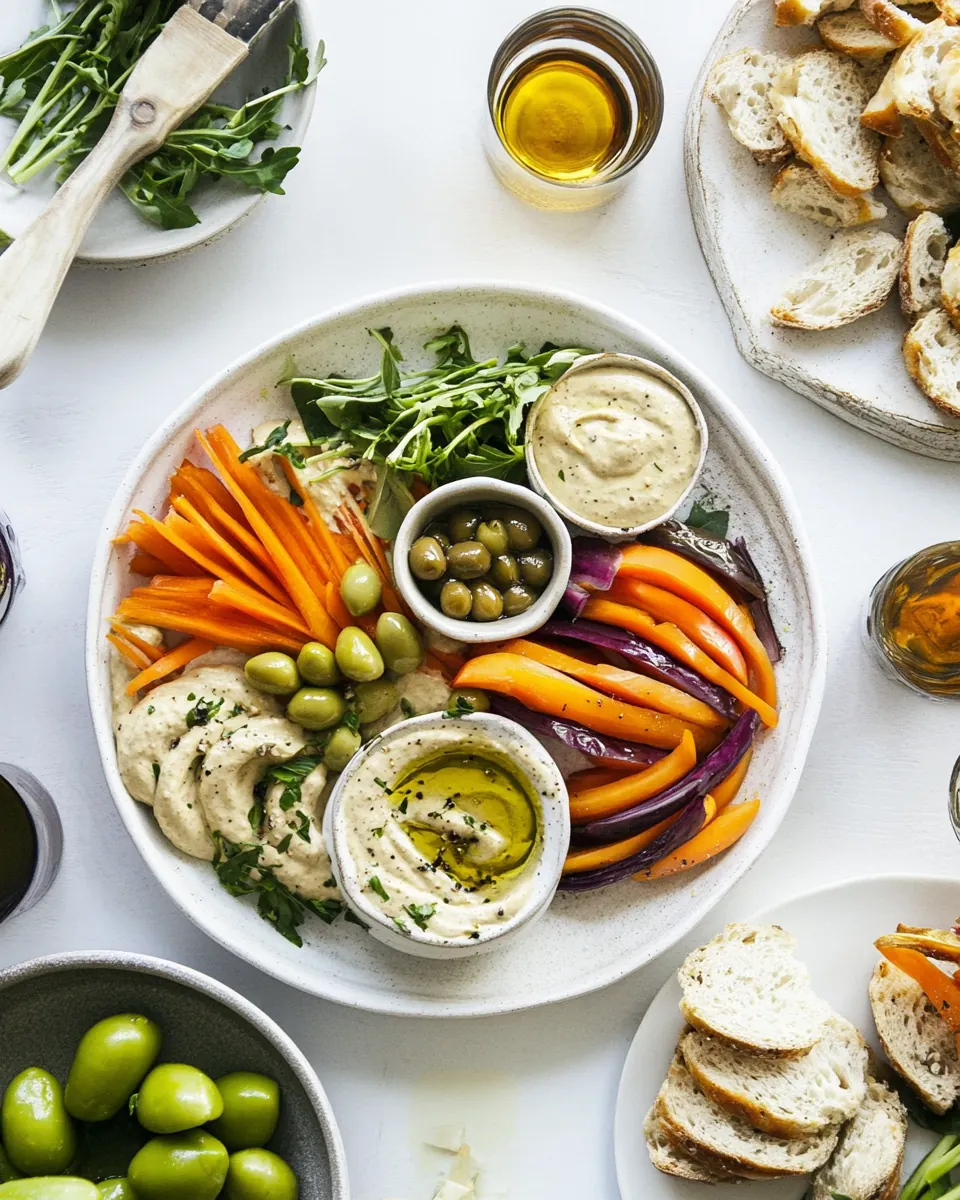
Putting the platter together is simple, but I like to think of it as staging rather than cooking. The following steps walk you through making the marinated feta, the cherry thyme butter, the herb-y white bean dip, and finally arranging everything so the platter reads like a composed dish.
- Make the Marinated Feta. Layer the thyme, feta, garlic, sun-dried tomatoes, and peppercorns into a 16-ounce jar. Top with enough olive oil so that the ingredients are submerged. Chill until ready to use. (If the olive oil thickens in the fridge, let it sit at room temp until liquid.): The first aromas you notice will be the olive oil warming the perfume of the thyme and the sharpness of crushed garlic , a savory scent that promises depth; the oil should shimmer and coat the feta , carrying the herbaceous and garlicky notes into each cube. This infusion matters because the oil is the medium that transfers flavor to the cheese and to anything that touches the oil on the platter, so be generous enough to submerge the pieces, and allow time for the flavors to meld. When chilling, the oil may thicken and tone down the aromatics, so bring the jar to room temperature before serving to restore silkiness. A common mistake is skipping the submersion step, which can leave exposed feta that dries out and does not benefit from the marinade.
- Make the Cherry Thyme Butter. Combine the butter, dried cherries, thyme, honey, and salt in a food processor and process until the butter is smooth and the ingredients are incorporated. Transfer to a serving dish or store chilled, wrapped in parchment paper.: As the processor runs, you will hear a steady whir and see the butter transform from a soft mass into a glossier, uniform compound studded with ruby bits of tart cherries and flecks of thyme , the scent turning from plain dairy to fruity and herbal; this mixture matters because the butter then spreads smoothly on toasted baguette and complements the savory feta . If it seems grainy, let the machine run a bit longer or stop and scrape the bowl so everything comes together evenly. One troubleshooting tip is to ensure the butter is at room temperature, because too cold butter will not process properly and too warm butter will bleed oil, altering texture.
- Make the Herb-y White Bean Dip. In a food processor, pulse the cannellini beans, olive oil, basil, thyme, rosemary, lemon juice and zest, salt, and pepper until combined. With the food processor running, slowly add the water and process until smooth. Transfer to a serving bowl.: Right away you’ll notice the bright citrus notes from the lemon juice cutting through the creamy body of the pureed cannellini beans , and the herbs perfume the mixture so it smells fresh and green; achieving a silky texture is important, which is why you add the small amount of water slowly while processing, letting the blender emulsify rather than dilute the dip. This technique gives you a spread that clings to vegetables without being gloopy, making each bite feel balanced. If the dip is too thick, add another splash of water rather than more oil, which would change the flavor; a common error is overworking canned beans without rinsing them, which can leave an off taste from the packing liquid.
- Assemble the platter with the cucumbers, snap peas, carrots, tomatoes, baguette, the marinated feta, the cherry compound butter, and the herb-y white bean dip.: When you arrange the platter you will be thinking visually and texturally, placing clusters of sliced Persian cucumber , blanched snap peas , chopped carrots , and wedges of heirloom tomato so color and shape alternate; the marinated feta , the cherry compound butter , and the herb-y white bean dip get their own vessels, and the toasted thin slices of baguette fill in gaps for crunch. Assembly matters because it guides how people taste, so I leave room for scooping, and I arrange tall items toward the back for depth. A frequent misstep is crowding the platter too tightly, which makes it hard for guests to reach items without disturbing the arrangement, so keep spacing in mind.
Change It Up
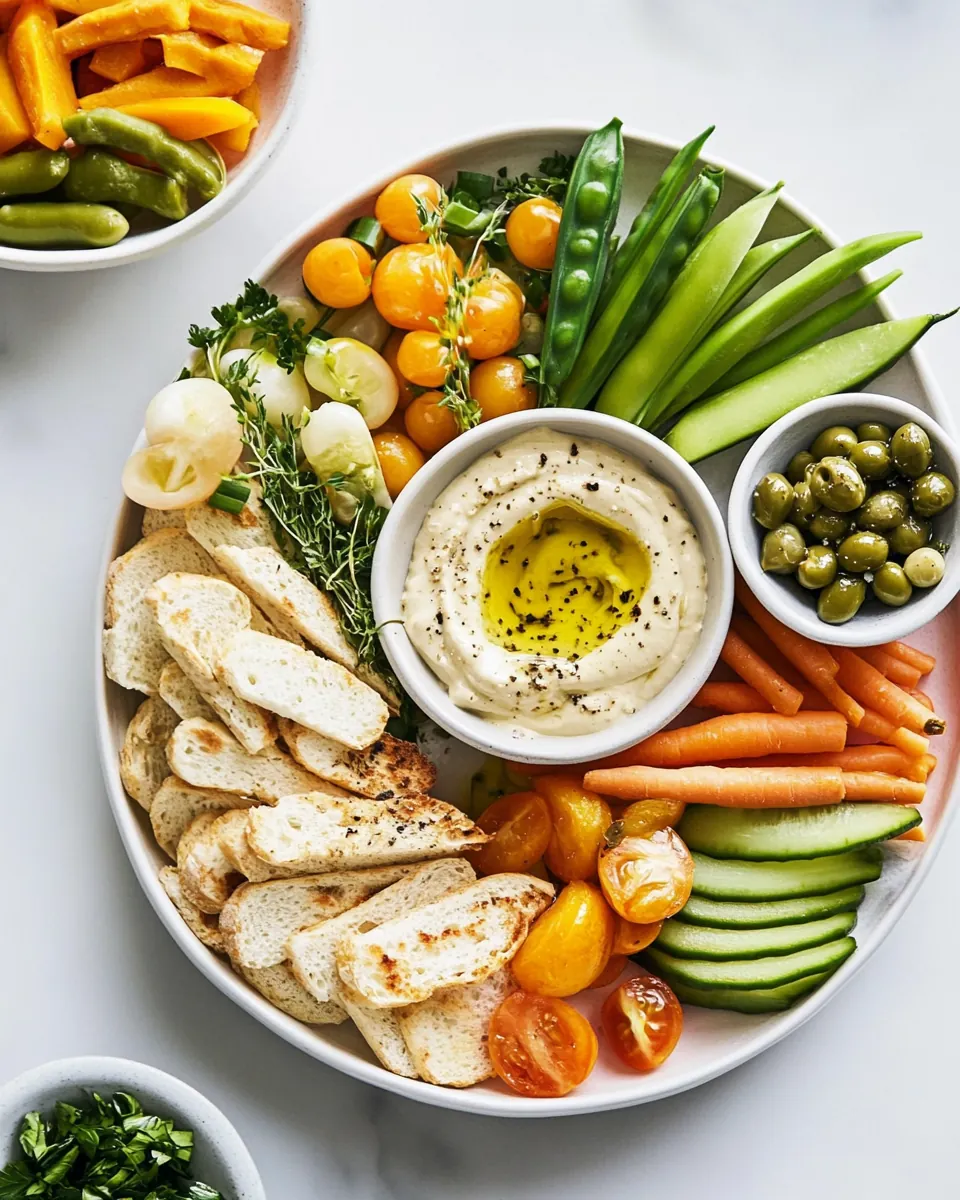
I like to offer a few easy variations and serving suggestions so you can adapt the platter to what you have on hand. These tips keep the spirit of the recipe while giving you small experiments to try. Each tip highlights a single idea to swap or scale.
- Use seasonal vegetables: Swap in whatever crisp, fresh vegetables are at their peak to keep the platter vibrant and cost effective.
- Scale components: Make extra marinated feta and bean dip if you know guests love spreads, they keep well and make refills simple.
- Mind the salt: Sample a bit of feta with the bean dip when assembling so you can adjust seasoning across the platter.
- Dress the tomatoes lightly: A tiny drizzle of the marinating oil on heirloom tomatoes boosts aroma and ties them to the rest of the platter.
- Serve at comfortable temperatures: Let chilled components sit out for about ten minutes before serving so oils loosen and flavors are more pronounced.
- Pack for picnics: Keep dips in separate airtight containers and assemble on site to preserve crispness of the vegetables.
Serving Ideas for Ultimate Crudité Platter
This platter is wonderfully adaptable, making it suitable for casual snacks, celebratory gatherings, or as an appetizer for a larger meal. Below are detailed serving ideas, storage hints, and occasion pairings to help you use the platter across seasons and events.
- Casual get togethers: Serve the platter on a large wooden board so guests can graze. Place bowls of marinated feta and bean dip near the center with clusters of sliced cucumber, snap peas, and carrots around them for easy access.
- Picnic or outdoor dining: Pack dips in sealed containers and keep the vegetables chilled until ready to serve. Bring toasted baguette separately to maintain crunch and assemble at the picnic site for the best texture.
- Light lunch or brunch: Pair the platter with a simple grain salad or a bowl of soup to turn it into a fuller midday meal. Offering small plates and tongs helps guests compose balanced bites with spreads and vegetables.
- Ramadan or fasting occasions: Use the platter to break a fast gently, providing hydrating, easy to digest vegetables and satisfying protein from the marinated feta and bean dip. Keep lemon wedges and extra olive oil on hand to refresh flavors at the table.
- Storage tips: Store marinated feta and the bean dip in airtight containers for up to three days, and keep the cherry thyme butter chilled and wrapped. Vegetables are best prepared the same day, but hardier items like carrots can be prepped and stored in cold water to preserve crunch.
- Seasonal pairings: In spring emphasize tender snap peas and crisp cucumbers, while late summer showcases ripe heirloom tomatoes; adjust the herb balance slightly to match the season and you will keep the platter feeling timely.
FAQ
Conclusion
The Ultimate Crudité Platter is special because it combines simple, high quality components that sing together without fuss. It’s a celebration of texture and balanced flavors, where marinated feta, a bright herb-y white bean dip, and a cherry thyme butter elevate fresh vegetables into a memorable spread. I encourage you to try it the next time you host, even for a small gathering, because assembling the platter is as rewarding as watching guests enjoy it. The ease of make ahead elements and the visual payoff make this platter a repeat star in my entertaining repertoire, and I hope it becomes one in yours as well.
Ultimate Crudité Platter
Equipment
- 16-ounce jar
- Food Processor
- Serving bowls
- Toaster or oven for baguette
Ingredients
- 6 sprigs fresh thyme Aromatic and delicate, used to infuse mild herbal notes throughout the platter; sprigs can be tucked among vegetables or used as a garnish to enhance presentation and aroma. Works well when lightly bruised to release essential oils without overpowering fresher flavors. Complements cheeses and dips by adding a subtle woody background.
- 7 ounces feta, cubed Creamy and tangy, cubed feta provides a salty, rich contrast to crisp vegetables on the platter while offering a satisfying textural bite. Crumbles easily to mix into dips or to scatter over roasted or raw crudités for bursts of savory flavor. Balances sweeter elements like tomatoes and honey-based dressings.
- 2 garlic cloves Pungent and aromatic, smashed garlic adds depth and a savory backbone to dressings, dips, or flavored oils used on the platter. Mince or grate finely to disperse sharpness evenly, and consider roasting slightly for a sweeter, milder profile. Enhances roasted vegetables, bean spreads, and herb-infused butters.
- 4 sun-dried tomatoes, halved Sweet and concentrated, halved sun-dried tomatoes bring umami and intense tomato flavor to salads, tapenades, or scattered over crostini. Rehydrate briefly in warm water or oil to soften if needed, or use oil-packed versions to impart extra savory richness. Pairs especially well with herbs, cheese, and lemony dressings.
- 8 peppercorns Fragrant and slightly spicy, whole peppercorns can be cracked to finish dips or infused into oils to release complex heat and aroma. Use a mortar and pestle or pepper mill for a fresher, brighter flavor compared with pre-ground pepper. Enhances savory components without overwhelming delicate vegetables.
- 1 1/4 cups extra-virgin olive oil Fruity and robust, extra-virgin olive oil provides the fat base for dressings, marinades, and dipping sauces on the platter, contributing mouthfeel and flavor. Drizzle over vegetables or mix with herbs, garlic, and lemon for simple vinaigrettes that tie elements together. Choose high-quality oil for pronounced flavor impact.
- 1/2 cup unsalted butter at room temperature Rich and creamy, room-temperature unsalted butter can be blended with herbs or softened into spreads for bread and vegetable dipping, offering a smooth mouthfeel without added salt. Whip with thyme, garlic, or lemon zest to create compound butter that melts over warm crostini. Unsalted form allows precise seasoning control.
- 1 1/2 tablespoons dried tart cherries Sweet-tart and chewy, dried tart cherries add concentrated fruitiness and pleasant texture when scattered over cheeses or mixed into grainy dips. Chop finely to distribute flavor evenly or rehydrate briefly to plump them for a juicier bite. Provide counterpoint to salty and savory elements like feta or olives.
- 1 1/2 teaspoons fresh thyme leaves Fresh and citrusy, minced thyme leaves deliver a more immediate herbal punch than whole sprigs and blend smoothly into dressings, compound butter, or bean spreads. Sprinkle toward the end of preparation to preserve volatile oils and brighten flavors. Pairs well with lemon and olive oil in vinaigrettes.
- 1 1/2 teaspoons honey or pure maple syrup Sweet and viscous, honey or pure maple syrup lends a rounded sweetness to balancing dressings and glazes, mellowing acidic or bitter components. Stir into vinaigrettes, compound butters, or drizzled over roasted vegetables to add complexity and sheen. Use sparingly to avoid overpowering delicate produce.
- 15 -ounce can cannellini beans, rinsed and drained Velvety and mild, rinsed cannellini beans form a creamy base for spreads and dips that add protein and body to the platter. Puree with olive oil, lemon, garlic, and herbs for a smooth bean dip that complements raw vegetables and bread. Their neutral flavor soaks up seasonings well.
- 2 tablespoons olive oil Light and versatile, olive oil provides an emulsifying and flavor-carrying role in small amounts for dressings or to finish dips. Use to adjust consistency of purees or to gently coat vegetables before roasting or grilling. Blends seamlessly with herbs, lemon, and beans.
- 2 tablespoons torn fresh basil leaves Bright and aromatic, torn fresh basil leaves introduce sweet, peppery, and slightly aniseed notes when scattered over vegetables or mixed into dips. Tear rather than chop to avoid bruising and preserve volatile oils for aroma. Complements tomatoes, mozzarella-like cheeses, and olive oil-based dressings.
- 2 teaspoons fresh rosemary leaves Piney and resinous, fresh rosemary leaves contribute an assertive herbal note best used sparingly to avoid overwhelming delicate vegetables. Chop finely or infuse into oils and butters to extract flavor without leaving tough needles in bites. Works particularly well with roasted or warm components on the platter.
- 2 tablespoons fresh lemon juice Zesty and acidic, fresh lemon juice brightens dips, vinaigrettes, and bean purees by cutting through richness and lifting flavors. Add gradually to taste to achieve a balanced tartness that complements olive oil and herbs. Essential for preventing bean dips from tasting flat.
- 1/2 teaspoon lemon zest Fragrant and concentrated, lemon zest delivers intense citrus oils that elevate dressings, compound butter, and finished plates with bright top notes. Grate finely to avoid bitter pith and sprinkle just before serving for maximum aroma. Pairs harmoniously with thyme, basil, and olive oil.
- 1/2 teaspoons ea salt Saline seasoning used to enhance and balance flavors across all components; measure carefully to avoid oversalting delicate vegetables and cheeses. Add incrementally, tasting as you go, especially when combining salty ingredients like feta and preserved tomatoes. Helps to bring out natural sweetness in produce.
- freshly ground black pepper Earthy and sharp, freshly ground black pepper adds nuanced heat and aromatic lift to dressings, dips, and finished vegetables. Grind just before serving for the most vibrant flavor and sprinkle lightly to taste. Works well alongside lemon and olive oil.
- 1/4 cup water Neutral and hydrating, water adjusts the texture of purees, dips, and dressings to achieve the desired consistency without diluting flavor if used sparingly. Add a tablespoon at a time to reach smoothness for bean spreads or to loosen thick vinaigrettes. Keeps blends silky when too viscous.
- 2 Persian cucumbers, sliced Crisp and refreshing, thinly sliced Persian cucumbers bring cool crunch and mild sweetness to the platter, ideal for dipping and layering on crostini. Keep slices uniform for attractive presentation and even bite size. Their thin skin and small seeds make them pleasant raw.
- 1 1/2 cups blanched snap peas Sweet and tender-crisp, blanched snap peas add vibrant color and a satisfying snap when served chilled or at room temperature on the platter. Blanch briefly to enhance color and texture while preserving freshness, then shock in ice water to stop cooking. Pair with creamy dips and tangy dressings.
- 3 rainbow carrots, chopped Earthy and sweet, chopped rainbow carrots contribute color variety and crunchy texture when served raw or lightly blanched for tenderness. Slice or chop uniformly for ease of snacking and attractive arrangement. Their natural sugars pair well with savory dips and herb butters.
- 2 heirloom tomatoes, sliced into wedges Juicy and vibrant, sliced heirloom tomato wedges add bold color, acidity, and fresh tomato flavor that pairs beautifully with basil and feta. Season lightly with salt and pepper and drizzle with olive oil or herb dressing to intensify flavors. Choose ripe tomatoes for the best texture and sweetness.
- 1 baguette, thinly sliced Crisp and toasty, thinly sliced baguette provides a neutral, crunchy vehicle for spreads, cheeses, and vegetables, anchoring the platter with starch. Toast lightly or serve fresh depending on desired texture, then top with compound butter, bean puree, or sliced vegetables. Slices should be sized for easy finger-food handling.
Instructions
- Make the Marinated Feta. Layer the thyme, feta, garlic, sun-dried tomatoes, and peppercorns into a 16-ounce jar. Top with enough olive oil so that the ingredients are submerged. Chill until ready to use. (If the olive oil thickens in the fridge, let it sit at room temp until liquid.): The first aromas you notice will be the olive oil warming the perfume of the thyme and the sharpness of crushed garlic , a savory scent that promises depth; the oil should shimmer and coat the feta , carrying the herbaceous and garlicky notes into each cube. This infusion matters because the oil is the medium that transfers flavor to the cheese and to anything that touches the oil on the platter, so be generous enough to submerge the pieces, and allow time for the flavors to meld. When chilling, the oil may thicken and tone down the aromatics, so bring the jar to room temperature before serving to restore silkiness. A common mistake is skipping the submersion step, which can leave exposed feta that dries out and does not benefit from the marinade.
- Make the Cherry Thyme Butter. Combine the butter, dried cherries, thyme, honey, and salt in a food processor and process until the butter is smooth and the ingredients are incorporated. Transfer to a serving dish or store chilled, wrapped in parchment paper.: As the processor runs, you will hear a steady whir and see the butter transform from a soft mass into a glossier, uniform compound studded with ruby bits of tart cherries and flecks of thyme , the scent turning from plain dairy to fruity and herbal; this mixture matters because the butter then spreads smoothly on toasted baguette and complements the savory feta . If it seems grainy, let the machine run a bit longer or stop and scrape the bowl so everything comes together evenly. One troubleshooting tip is to ensure the butter is at room temperature, because too cold butter will not process properly and too warm butter will bleed oil, altering texture.
- Make the Herb-y White Bean Dip. In a food processor, pulse the cannellini beans, olive oil, basil, thyme, rosemary, lemon juice and zest, salt, and pepper until combined. With the food processor running, slowly add the water and process until smooth. Transfer to a serving bowl.: Right away you’ll notice the bright citrus notes from the lemon juice cutting through the creamy body of the pureed cannellini beans , and the herbs perfume the mixture so it smells fresh and green; achieving a silky texture is important, which is why you add the small amount of water slowly while processing, letting the blender emulsify rather than dilute the dip. This technique gives you a spread that clings to vegetables without being gloopy, making each bite feel balanced. If the dip is too thick, add another splash of water rather than more oil, which would change the flavor; a common error is overworking canned beans without rinsing them, which can leave an off taste from the packing liquid.
- Assemble the platter with the cucumbers, snap peas, carrots, tomatoes, baguette, the marinated feta, the cherry compound butter, and the herb-y white bean dip.: When you arrange the platter you will be thinking visually and texturally, placing clusters of sliced Persian cucumber , blanched snap peas , chopped carrots , and wedges of heirloom tomato so color and shape alternate; the marinated feta , the cherry compound butter , and the herb-y white bean dip get their own vessels, and the toasted thin slices of baguette fill in gaps for crunch. Assembly matters because it guides how people taste, so I leave room for scooping, and I arrange tall items toward the back for depth. A frequent misstep is crowding the platter too tightly, which makes it hard for guests to reach items without disturbing the arrangement, so keep spacing in mind.
Notes
- Use seasonal vegetables: Swap in whatever crisp, fresh vegetables are at their peak to keep the platter vibrant and cost effective.
- Scale components: Make extra marinated feta and bean dip if you know guests love spreads, they keep well and make refills simple.
- Mind the salt: Sample a bit of feta with the bean dip when assembling so you can adjust seasoning across the platter.
- Dress the tomatoes lightly: A tiny drizzle of the marinating oil on heirloom tomatoes boosts aroma and ties them to the rest of the platter.
- Serve at comfortable temperatures: Let chilled components sit out for about ten minutes before serving so oils loosen and flavors are more pronounced.
- Pack for picnics: Keep dips in separate airtight containers and assemble on site to preserve crispness of the vegetables.
