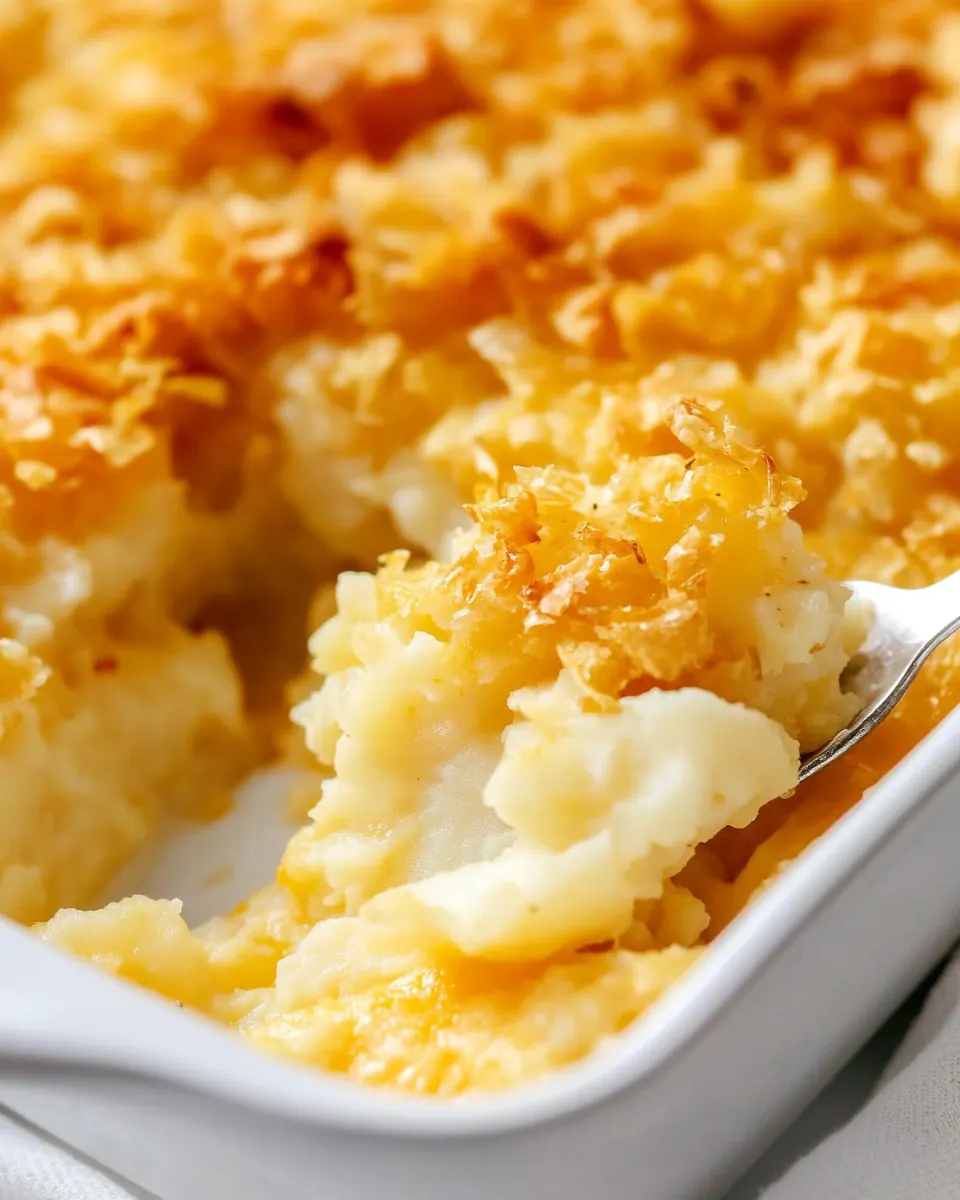
Funeral Potatoes Recipe
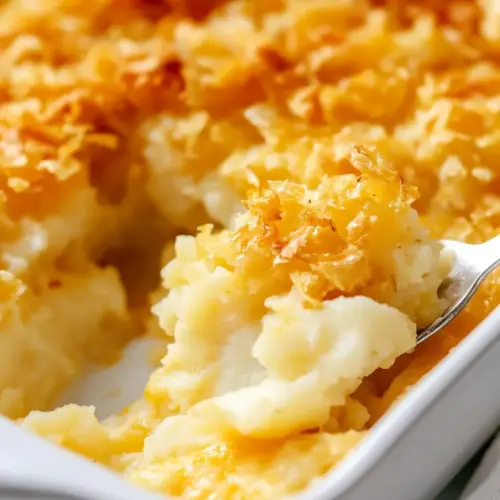
Funeral Potatoes Recipe is the kind of comfort food that shows up at family gatherings and holiday tables, arriving warm and fragrant with a crunchy top and a creamy interior that feels like a hug from an aunt you adore.
I remember the first time I dug into a bubbling casserole of these, the kitchen buzzing with conversation and the oven timer acting as our collective metronome. We sliced generous squares and watched the edges crisp, while the inside stayed luxuriously soft, studded with tender pieces of hash browns and pockets of molten cheddar cheese. Someone passed a plate, and I noticed how the cornflake topping added an unexpected, nostalgic crunch that made every bite sing. Over the years I’ve adjusted little things, like sautéing the onion until sweet, and making sure the topping gets a quick toast in butter so it does not go soggy in the middle.
When I bring out this dish at potlucks, people always ask how it stays so creamy while still developing that golden crust. There is a technique to coaxing deep flavor from simple pantry staples like condensed soup and sour cream, and I love sharing that tip because it makes the result feel both decadent and effortless. Every holiday table I set seems to have room for a pan of these, and I swear it disappears faster than anything else on the buffet. I hope when you make this, it becomes one of your tried and true recipes too, the one you reach for when you want to feed a crowd with comfort and heart.
Recipe Snapshot
60 mins
15 mins
45 mins
Medium
300 kcal
American
Gluten-Free, Low FODMAP
Side Dishes
Oven, 9×13 casserole dish, Medium skillet, Large bowl
What You’ll Enjoy About This Funeral Potatoes Recipe
Classic Comfort That Feels Like Home
I grew up around casseroles that were warm invitations rather than fussy entrees, and Funeral Potatoes Recipe sits squarely in that tradition. The combination of creamy filling and crunchy topping delivers familiar texture contrasts that instantly comfort, and I find it’s the kind of dish people request again and again.
Easy To Scale for a Crowd
We often need dishes that can be doubled or tripled without stress, and this recipe scales beautifully. Because the ingredients are forgiving, you can make larger pans without worrying about complicated timing changes, which is why I turn to it for potlucks and holiday suppers.
Simple Ingredients, Big Flavor
There is something satisfying about coaxing deep flavor from pantry items like condensed soup, butter, and sour cream. I sauté the onion to draw out sweetness, and that small step transforms the whole dish. The melted butter in the topping toasts the corn flakes, giving a savory, buttery crunch that balances the creamy interior.
Texture Play That Keeps Everyone Happy
If you love contrasts, this casserole delivers: soft, creamy hash browns nestle beneath a toasted, crisp crust. I’ve watched picky eaters lighten up once they try that first bite and hear the crisp topping against a fork. It’s the textural contrast that keeps it interesting and memorable.
Comfort Food With Make Ahead Options
I value recipes that respect our time, and you can assemble this ahead, refrigerate, and bake when guests arrive. That flexibility means less last minute fuss, and I often prepare it the day before so I can spend my time at the table rather than in the kitchen. These practical benefits make it a keeper in my rotation.
Ingredients to Make Funeral Potatoes Recipe
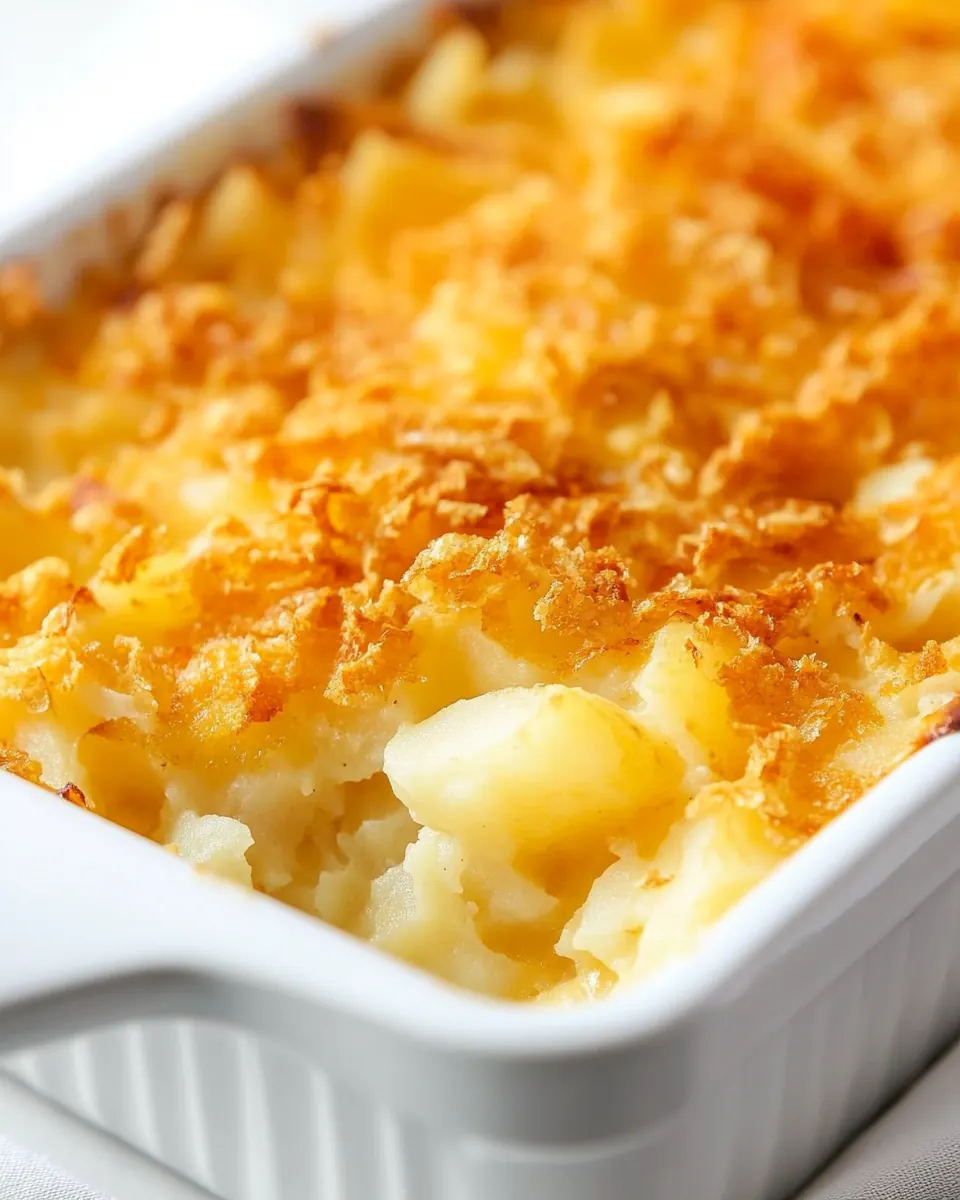
These ingredients are an elegant team of creamy and crunchy elements working in harmony. The filling builds a rich, silky base while the topping adds a toasty, golden finish. Ingredient choices are straightforward, which makes this casserole approachable yet reliably delicious.
- butter for greasing pan: Grease the baking dish with melted or softened butter to prevent sticking and ensure easy serving; a thin, even coat helps crisp the edges while baking. Use a neutral butter layer so the casserole browns uniformly without affecting the overall flavor balance.
- 1 tablespoon butter: Melt a tablespoon of butter and sauté aromatics or use it to add richness; it provides a subtle buttery backbone to the dish. Incorporate at the beginning when cooking the onion or mix into the potato base for added mouthfeel.
- 1 medium onion diced: Dice the onion finely to disperse sweet, savory flavor evenly throughout the casserole; cooking it briefly softens sharpness and releases aromatic sugars. Add during sautéing or fold in raw with other wet ingredients if preferring a firmer texture and bolder onion presence.
- 2 lbs hash browns frozen, diced (not shredded): Thaw and use diced frozen hash browns to form the hearty potato base, offering texture and bulk while absorbing creaminess from the sauce. Ensure they are well-drained and evenly combined so the casserole sets consistently without excess water.
- 1/2 cup butter melted: Pour melted butter to bind ingredients and add a rich, silky mouthfeel; it helps the potato mixture brown and carry flavor. Mix thoroughly with the hash browns or sauce so the fat distributes and prevents dryness in baked portions.
- 21.5 ounces condensed cream of chicken soup (two 10.75 ounce cans): Stir in condensed cream of chicken soup to create a thick, savory binder that adds umami and creaminess; it streamlines the sauce-making process. Combine fully with sour cream and seasonings so the casserole holds together and remains moist during baking.
- 2 cups sour cream: Fold in sour cream to lend tangy creaminess and a smooth, rich texture that balances the savory soup and salty cheese. Blend well with the condensed soup to achieve a cohesive, luscious filling that prevents the casserole from becoming dry.
- salt to taste: Season to taste with salt to enhance and balance the flavors, accentuating the savory components without overpowering them. Add incrementally and taste the mixture before baking to avoid oversalting, especially given salty canned soup and cheese.
- black pepper to taste: Grind fresh black pepper to taste to introduce a warm, slightly spicy note that complements the creamy, cheesy profile. Add sparingly and adjust after mixing to achieve a subtle bite that lifts the overall flavor.
- 2 cups cheddar cheese freshly grated: Freshly grate cheddar cheese to provide sharp, melty richness and a pleasing depth of flavor throughout the casserole; it forms gooey pockets and a savory top layer. Reserve a portion for topping to create a golden, bubbly finish while folding the rest into the filling for even cheesiness.
- 3 cups corn flakes crushed: Crush corn flakes finely to create a crunchy topping that contrasts the creamy interior and adds visual appeal when browned. Mix with melted butter before sprinkling to help the crumbs adhere and crisp evenly during baking.
- 2 tablespoons butter: Melt two tablespoons of butter and toss with the crushed corn flakes to form a golden, crisp topping that browns attractively and seals in crunch. Brush or sprinkle evenly over the casserole surface to ensure consistent crunch and buttery flavor on every slice.
How to Cook Funeral Potatoes Recipe
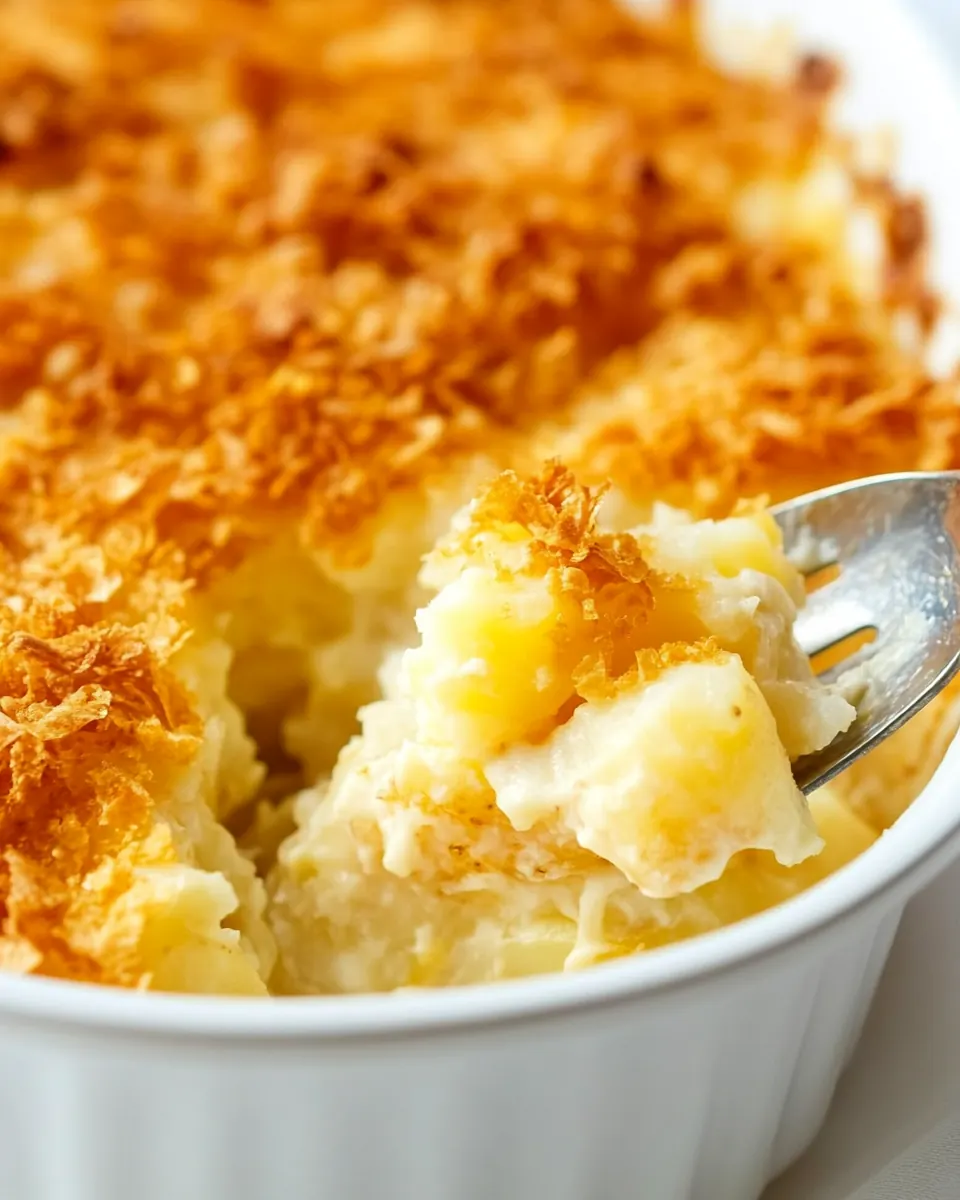
These instructions guide you from prepping ingredients to pulling a bubbling, golden casserole from the oven. I’ll walk you through sensory cues and common pitfalls so each step builds toward a creamy interior and crisp topping.
- Preheat oven to 350° F. Prepare a 9×13 casserole dish by greasing with butter or nonstick spray.: When the oven reaches 350° F you will notice a steady warmth that helps the casserole cook evenly from edge to center, and greasing the pan with butter ensures clean edges and a slightly caramelized rim. You should smell faint warmth from the oven as it stabilizes, and the pan should feel room temperature so the butter coating spreads smoothly. Why this matters, the even initial heat prevents cold spots that cause undercooked centers. A common mistake is skipping greasing, which can cause sticking and ragged serving pieces, so take a moment to coat the dish thoroughly.
- Saute onion in 1 tablespoon butter until translucent in a medium skillet.: As the onion softens in the sizzling butter , you will hear a gentle hiss and catch a sweet, savory aroma that signals the sulfur compounds are mellowing into sweetness. Watch for the pieces to turn glossy and translucent rather than browned, about a few minutes; this preserves a tender texture that blends into the casserole. This step deepens flavor and prevents raw onion sharpness. Overcooking to deep brown can introduce bitterness, so watch closely and stir frequently to avoid sticking.
- In a large bowl, add frozen hash browns, melted butter, cream of chicken soup, sour cream, grated cheese, cooked onion, salt, and black pepper. Mix together until combined.: At this stage the ingredients transform into a cohesive, creamy mixture; the melted butter will glisten and help coat the hash browns , while the condensed soup and sour cream thicken into a glossy sauce. You should feel the mixture become uniformly moistened, and you may taste a small spoonful to check seasoning, noticing a balance of savory and tang. The textures should be even, with bits of cheddar cheese visible. A typical error is overmixing into mush, so stir just until combined, maintaining some potato structure.
- Replace medium skillet to the heat and melt the remaining 4 tablespoons butter.: The butter will foam and emit a nutty aroma as it melts, indicating it is ready for the topping. This step enhances the crunch and imparts a toasted, rich flavor to the corn flakes . Use moderate heat so the butter warms uniformly; too high heat will brown and burn it quickly, producing bitter notes. If this happens, start over with fresh butter to avoid tainting the topping.
- Add in crushed corn flakes and stir to toast about 1 minute. Sprinkle over top casserole.: Tossing the crushed corn flakes in warm butter creates a fragrant, golden coating and the brief toasting amplifies their crunch. You will notice the cereal shimmer and a light toasty scent, and stirring prevents hot spots and burning. Even distribution over the casserole forms a crisp, uniform crust when baked. A common slip is letting the flakes sit too long in hot butter , which makes them soggy, so stir briskly and sprinkle promptly.
- Bake uncovered for 40-45 minutes or until hot and bubbly. Serve hot.: During baking the casserole will bubble gently at the edges and the top will turn a deep golden brown, releasing a rich, savory aroma. Visual cues include bubbling around the sides and a crisp, toasted topping; you may also see the cheese partly separating into glossy pockets. The texture should be creamy inside with a firm crust on top, and the sound of gentle bubbling is a good indicator that the center is heated through. Avoid covering the dish while baking because trapping steam will make the topping soggy. A common mistake is removing too early, resulting in a runny center, so allow the full bake time and check for steady bubbling before serving hot.
Tips and Tricks about Funeral Potatoes Recipe
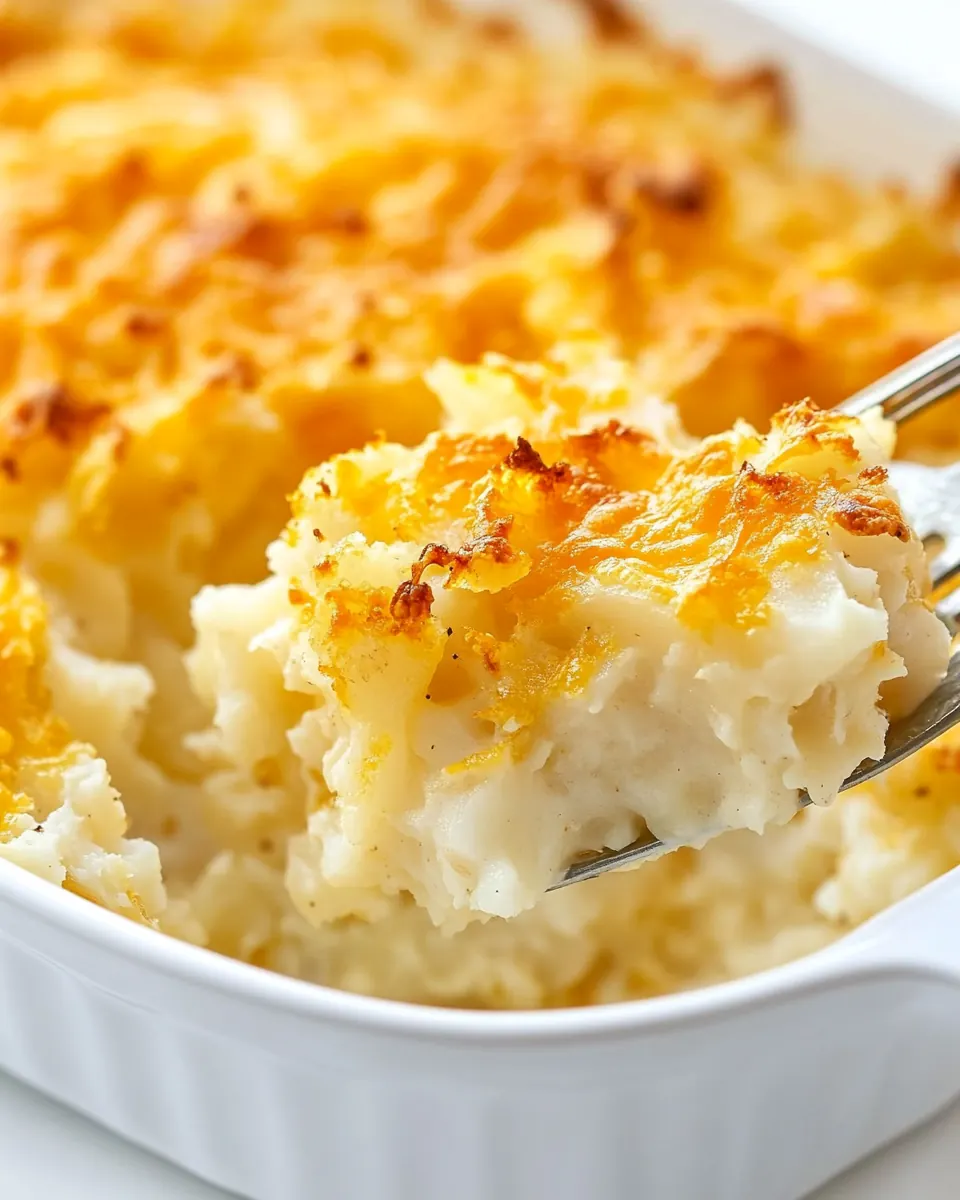
This casserole rewards simple technique and small attention to detail. Below are hands on tips I use every time to ensure the filling stays creamy and the topping stays crisp, along with storage and reheating notes I rely on when feeding a crowd.
- Prep the night before: Assemble the filling, cover tightly, and refrigerate; add the toasted corn flakes just before baking to preserve crunch and simplify the day of serving.
- Warm the condiments: Bring the melted butter and sour cream to room temperature so they incorporate smoothly without causing cold pockets in the mixture.
- Even baking: Use the center rack in the oven for steady heat so the casserole cooks evenly and the top browns without burning the edges.
- Check for bubbling: Ensure the center is hot by looking for steady bubbling around the edges and middle, which indicates the casserole is cooked through.
- Leftover storage: Refrigerate covered for 3 to 4 days, and reheat individual portions in the oven to revive the topping’s crispness rather than microwaving.
Best Served With
This dish fits many occasions from holiday dinners to casual weekend gatherings. Below are serving suggestions, pairings, and storage ideas that make the casserole flexible and appropriate for large groups or family meals.
- Family dinner centerpiece: Serve warm from the oven with simple green vegetables or a crisp salad to cut through the richness, making it a hearty main for a relaxed evening meal.
- Holiday potluck favorite: Bring it to holiday tables where it pairs well with roasted mains and allows guests to scoop generous portions; it is especially popular during fall and winter gatherings.
- Weeknight comfort: Use leftovers as a side for an easy weeknight dinner, reheating in the oven to maintain the crunchy top and creamy interior.
- Make ahead hosting: Assemble the casserole the day before, refrigerate, and then bake before guests arrive to reduce last minute preparation and keep the topping crisp.
- Freezing and reheating: Freeze assembled pans for up to three months, thaw in the fridge overnight, and bake as directed; this makes it a reliable option for planning ahead.
- Serving style: Serve in a 9 by 13 casserole dish for large groups or in smaller dishes for individual portions, ensuring warm, portionable servings for any occasion.
FAQ
Conclusion
What makes this casserole special is its simple chemistry of creamy filling and crisp, buttery topping that wins over every crowd. I encourage you to try this recipe when you want a reliable, comforting side that scales for guests and satisfies with minimal fuss. With straightforward ingredients and a few mindful steps like toasting the topping and sautéing the onion, you’ll have a dish that feels both nostalgic and deeply satisfying, perfect for family meals and holiday gatherings.
Funeral Potatoes Recipe
Equipment
- Oven
- 9x13 casserole dish
- Medium skillet
- Large Bowl
Ingredients
- butter for greasing pan Grease the baking dish with melted or softened butter to prevent sticking and ensure easy serving; a thin, even coat helps crisp the edges while baking. Use a neutral butter layer so the casserole browns uniformly without affecting the overall flavor balance.
- 1 tablespoon butter Melt a tablespoon of butter and sauté aromatics or use it to add richness; it provides a subtle buttery backbone to the dish. Incorporate at the beginning when cooking the onion or mix into the potato base for added mouthfeel.
- 1 medium onion diced Dice the onion finely to disperse sweet, savory flavor evenly throughout the casserole; cooking it briefly softens sharpness and releases aromatic sugars. Add during sautéing or fold in raw with other wet ingredients if preferring a firmer texture and bolder onion presence.
- 2 lbs hash browns frozen, diced (not shredded) Thaw and use diced frozen hash browns to form the hearty potato base, offering texture and bulk while absorbing creaminess from the sauce. Ensure they are well-drained and evenly combined so the casserole sets consistently without excess water.
- 1/2 cup butter melted Pour melted butter to bind ingredients and add a rich, silky mouthfeel; it helps the potato mixture brown and carry flavor. Mix thoroughly with the hash browns or sauce so the fat distributes and prevents dryness in baked portions.
- 21.5 ounces condensed cream of chicken soup (two 10.75 ounce cans) Stir in condensed cream of chicken soup to create a thick, savory binder that adds umami and creaminess; it streamlines the sauce-making process. Combine fully with sour cream and seasonings so the casserole holds together and remains moist during baking.
- 2 cups sour cream Fold in sour cream to lend tangy creaminess and a smooth, rich texture that balances the savory soup and salty cheese. Blend well with the condensed soup to achieve a cohesive, luscious filling that prevents the casserole from becoming dry.
- salt to taste Season to taste with salt to enhance and balance the flavors, accentuating the savory components without overpowering them. Add incrementally and taste the mixture before baking to avoid oversalting, especially given salty canned soup and cheese.
- black pepper to taste Grind fresh black pepper to taste to introduce a warm, slightly spicy note that complements the creamy, cheesy profile. Add sparingly and adjust after mixing to achieve a subtle bite that lifts the overall flavor.
- 2 cups cheddar cheese freshly grated Freshly grate cheddar cheese to provide sharp, melty richness and a pleasing depth of flavor throughout the casserole; it forms gooey pockets and a savory top layer. Reserve a portion for topping to create a golden, bubbly finish while folding the rest into the filling for even cheesiness.
- 3 cups corn flakes crushed Crush corn flakes finely to create a crunchy topping that contrasts the creamy interior and adds visual appeal when browned. Mix with melted butter before sprinkling to help the crumbs adhere and crisp evenly during baking.
- 2 tablespoons butter Melt two tablespoons of butter and toss with the crushed corn flakes to form a golden, crisp topping that browns attractively and seals in crunch. Brush or sprinkle evenly over the casserole surface to ensure consistent crunch and buttery flavor on every slice.
Instructions
- Preheat oven to 350° F. Prepare a 9×13 casserole dish by greasing with butter or nonstick spray.: When the oven reaches 350° F you will notice a steady warmth that helps the casserole cook evenly from edge to center, and greasing the pan with butter ensures clean edges and a slightly caramelized rim. You should smell faint warmth from the oven as it stabilizes, and the pan should feel room temperature so the butter coating spreads smoothly. Why this matters, the even initial heat prevents cold spots that cause undercooked centers. A common mistake is skipping greasing, which can cause sticking and ragged serving pieces, so take a moment to coat the dish thoroughly.
- Saute onion in 1 tablespoon butter until translucent in a medium skillet.: As the onion softens in the sizzling butter , you will hear a gentle hiss and catch a sweet, savory aroma that signals the sulfur compounds are mellowing into sweetness. Watch for the pieces to turn glossy and translucent rather than browned, about a few minutes; this preserves a tender texture that blends into the casserole. This step deepens flavor and prevents raw onion sharpness. Overcooking to deep brown can introduce bitterness, so watch closely and stir frequently to avoid sticking.
- In a large bowl, add frozen hash browns, melted butter, cream of chicken soup, sour cream, grated cheese, cooked onion, salt, and black pepper. Mix together until combined.: At this stage the ingredients transform into a cohesive, creamy mixture; the melted butter will glisten and help coat the hash browns , while the condensed soup and sour cream thicken into a glossy sauce. You should feel the mixture become uniformly moistened, and you may taste a small spoonful to check seasoning, noticing a balance of savory and tang. The textures should be even, with bits of cheddar cheese visible. A typical error is overmixing into mush, so stir just until combined, maintaining some potato structure.
- Replace medium skillet to the heat and melt the remaining 4 tablespoons butter.: The butter will foam and emit a nutty aroma as it melts, indicating it is ready for the topping. This step enhances the crunch and imparts a toasted, rich flavor to the corn flakes . Use moderate heat so the butter warms uniformly; too high heat will brown and burn it quickly, producing bitter notes. If this happens, start over with fresh butter to avoid tainting the topping.
- Add in crushed corn flakes and stir to toast about 1 minute. Sprinkle over top casserole.: Tossing the crushed corn flakes in warm butter creates a fragrant, golden coating and the brief toasting amplifies their crunch. You will notice the cereal shimmer and a light toasty scent, and stirring prevents hot spots and burning. Even distribution over the casserole forms a crisp, uniform crust when baked. A common slip is letting the flakes sit too long in hot butter , which makes them soggy, so stir briskly and sprinkle promptly.
- Bake uncovered for 40-45 minutes or until hot and bubbly. Serve hot.: During baking the casserole will bubble gently at the edges and the top will turn a deep golden brown, releasing a rich, savory aroma. Visual cues include bubbling around the sides and a crisp, toasted topping; you may also see the cheese partly separating into glossy pockets. The texture should be creamy inside with a firm crust on top, and the sound of gentle bubbling is a good indicator that the center is heated through. Avoid covering the dish while baking because trapping steam will make the topping soggy. A common mistake is removing too early, resulting in a runny center, so allow the full bake time and check for steady bubbling before serving hot.
Notes
- Prep the night before: Assemble the filling, cover tightly, and refrigerate; add the toasted corn flakes just before baking to preserve crunch and simplify the day of serving.
- Warm the condiments: Bring the melted butter and sour cream to room temperature so they incorporate smoothly without causing cold pockets in the mixture.
- Even baking: Use the center rack in the oven for steady heat so the casserole cooks evenly and the top browns without burning the edges.
- Check for bubbling: Ensure the center is hot by looking for steady bubbling around the edges and middle, which indicates the casserole is cooked through.
- Leftover storage: Refrigerate covered for 3 to 4 days, and reheat individual portions in the oven to revive the topping’s crispness rather than microwaving.
