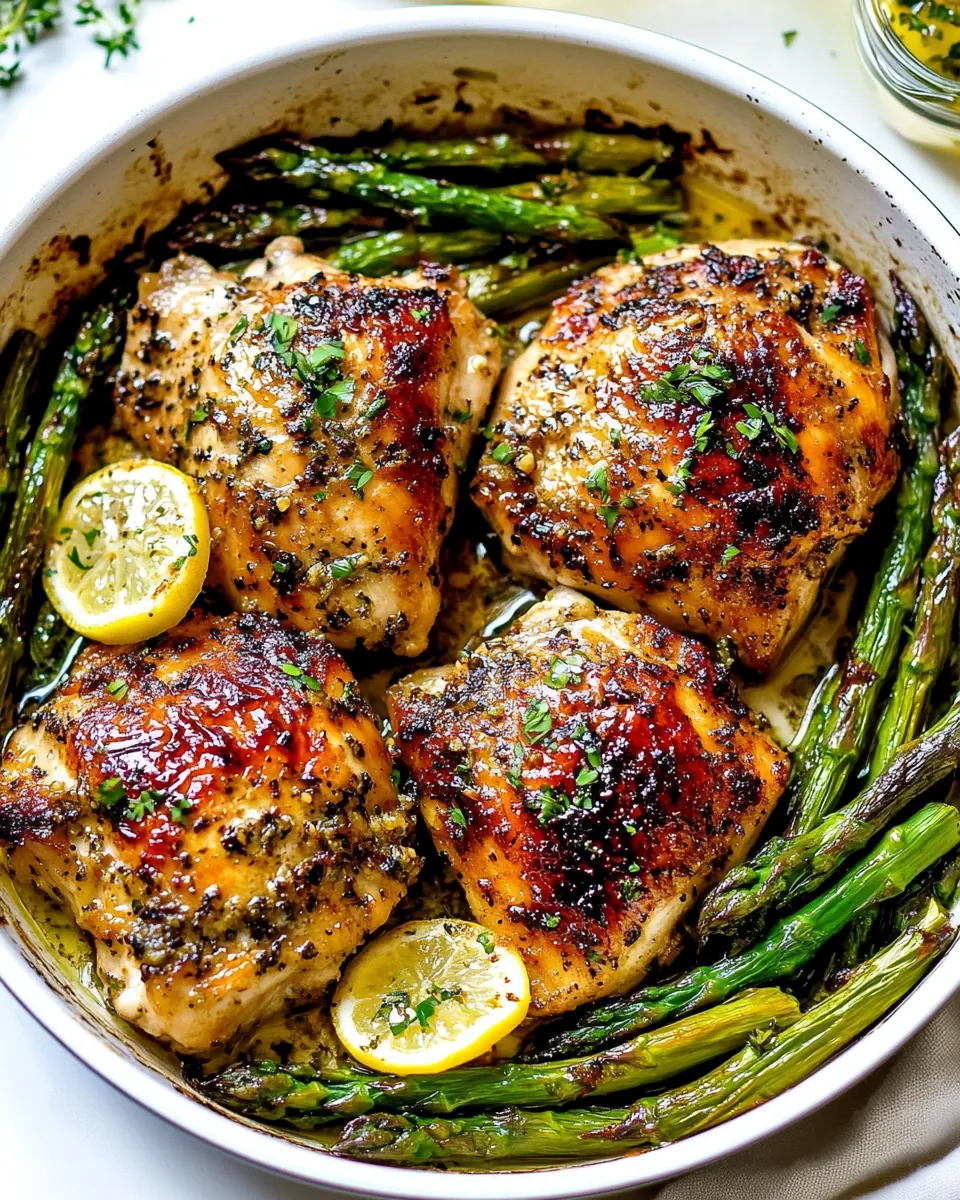
One Pan Lemon Garlic Butter Chicken Asparagus
One Pan Lemon Garlic Butter Chicken Asparagus is the kind of meal I reach for when life feels busy and I still want something that tastes like I fussed all afternoon.
One evening last spring I had a stack of chicken thighs in the fridge and a bunch of asparagus wilting in the crisper. I wanted something bright but cozy, something that would fill the house with a mouth watering scent and make everyone gather at the table without a lot of ceremony. I grabbed a single heavy pan, a handful of pantry staples, and set to work. By the time the chicken was crisped and the kitchen smelled of toasted garlic and lemon, the stress of the day seemed to melt away.
I love how the recipe balances rich butter with sharp lemon, and how a quick sear gives the chicken such satisfying texture, while the asparagus roasts to tender crispness nearby. This is one of those meals that looks and tastes like effort, but only asks for a bit of attention at the start. It has become my go to for casual weeknight dinners, and I enjoy swapping little details depending on what herbs I have on hand.
Recipe Snapshot
50 mins
10 mins
40 mins
Medium
450 kcal
American
Gluten-Free, Keto
Dinner
Cast iron skillet, Oven
The Appeal of This One Pan Lemon Garlic Butter Chicken Asparagus
Bold, simple flavors that sing
I love how the combination of bright lemon, toasted garlic, and nutty butter creates a melody of flavors. The acid from the lemon cuts through the rich butter, keeping each bite lively. When I want a dish that wakes up the palate without being fussy, this is my pick.
One pan, minimal cleanup
There is something deeply satisfying about finishing a whole dinner in one pan. The fact that the chicken and asparagus cook together means the pan captures all the concentrated pan juices, making the sauce more interesting. I appreciate recipes that respect both flavor and cleanup time, and this one does both well.
Flexible and forgiving technique
I turn to this recipe when I want to improvise. You can adjust the herb, increase the garlic for more punch, or leave the skin on or off the chicken depending on preference. It accepts small changes without falling apart, so I never feel trapped by rigid instructions.
Great for weeknight entertaining
When friends drop by unannounced, I often choose this dish because it looks impressive but cooks quickly. It gives me time to chat and pour glasses, while the oven finishes the job. The aroma of roasting garlic and lemon pulled people into the kitchen every time I served it.
Healthy and balanced plate
The match of protein rich chicken with crisp, green asparagus makes for a balanced meal that feels satisfying rather than heavy. I appreciate a recipe that makes it easy to feel good about what I am eating, without sacrificing comfort or flavor.
What You’ll Need for One Pan Lemon Garlic Butter Chicken Asparagus
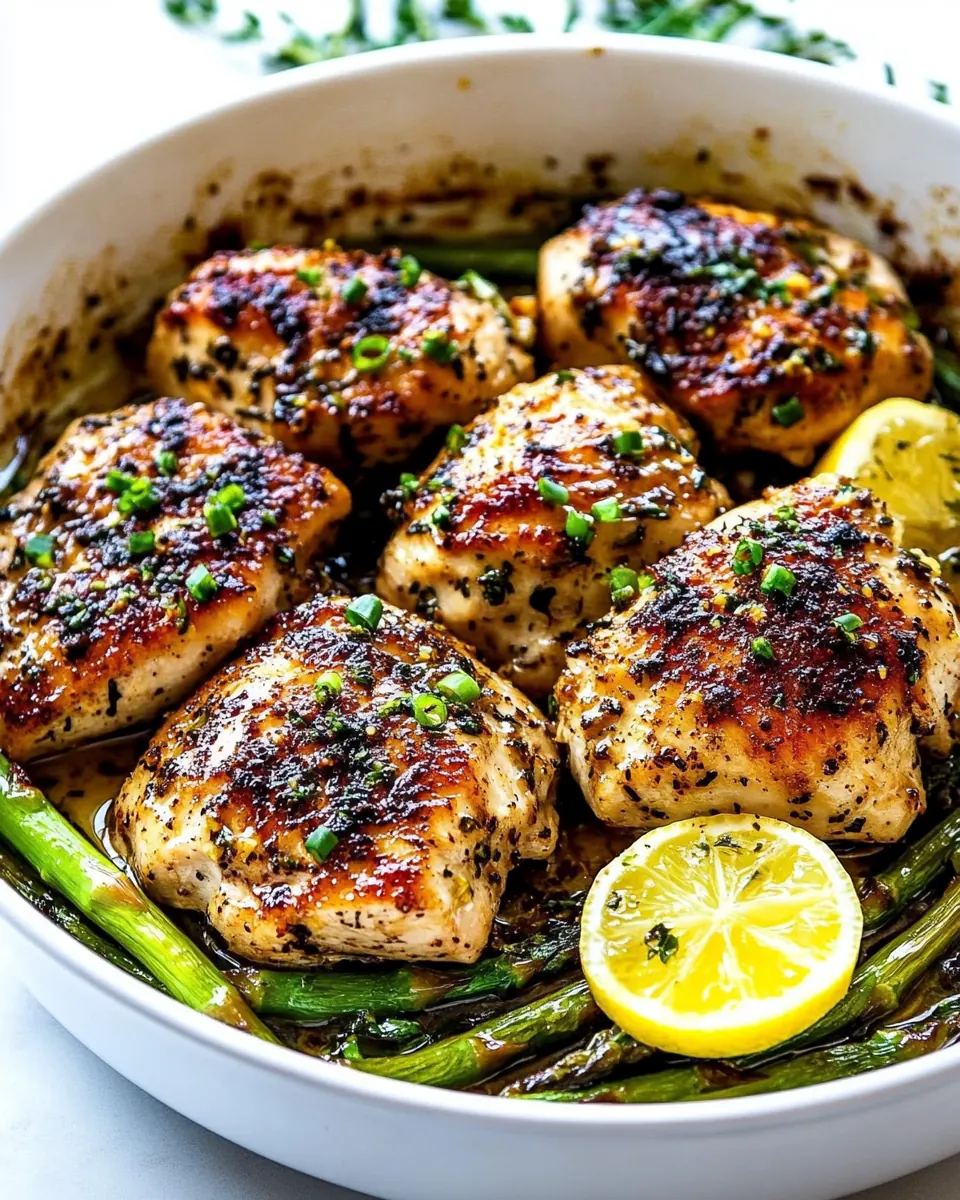
These ingredients are purposefully chosen to create a harmony of flavor and texture. The key players are the chicken for meaty richness, lemon for bright acidity, and butter for silky mouthfeel. The asparagus adds a fresh, vegetal counterpoint that keeps the plate feeling seasonal and light.
- 6 bone in chicken thighs skin on or off: Season and provide the main protein for the dish; bone-in chicken thighs bring rich flavor and stay juicy during pan cooking while skin on crisps up nicely or skin off reduces fat.
- 1 pinch salt to season: Enhance and balance overall flavor; a pinch of salt seasons the chicken and vegetables, drawing out natural tastes and helping to form a savory crust.
- 1 pinch cracked pepper: Season and add subtle heat; a pinch of cracked pepper contributes aromatic spiciness that complements the lemon and garlic without overpowering other flavors.
- 2 teaspoons dried thyme or your herbs of choice: Infuse and elevate herbal notes; dried thyme or preferred herbs add earthy, slightly floral depth that stands up to the butter and lemon in the pan.
- 1 tablespoon olive oil: Coat and prevent sticking while adding a light fruity note; olive oil helps achieve even browning on the chicken and provides a stable cooking fat.
- 2 tablespoons unsalted butter: Enrich and finish the sauce with a silky texture; unsalted butter melts into the pan to create a rich, mellow base for the garlic–lemon sauce.
- 6 cloves garlic crushed, or 1 1/2 tablespoons minced garlic: Aromatize and build savory backbone; crushed or minced garlic releases pungent, toasty flavors into the butter and oil, forming the dish’s signature garlicky profile.
- 1/3 cup lemon juice 1 lemon, fresh squeezed: Brighten and balance richness with acidity; fresh–squeezed lemon juice cuts through the butter and lifts the overall flavor for a clean, tangy finish.
- 1 lemon thinly sliced: Garnish and add concentrated citrus flavor; thin lemon slices cook gently to release fragrance and provide pretty, slightly caramelized accents in the pan.
- 5 fresh thyme: Perfume and deepen herbal complexity; fresh thyme sprigs release essential oils when heated, pairing beautifully with chicken and lemon for an aromatic finish.
- 2 3 asparagus bunches about 24 spears, woody ends removed: Complement and provide a crisp vegetable element; asparagus spears add fresh green color and a tender-crisp texture that soaks up pan juices and balances the dish.
Directions for One Pan Lemon Garlic Butter Chicken Asparagus
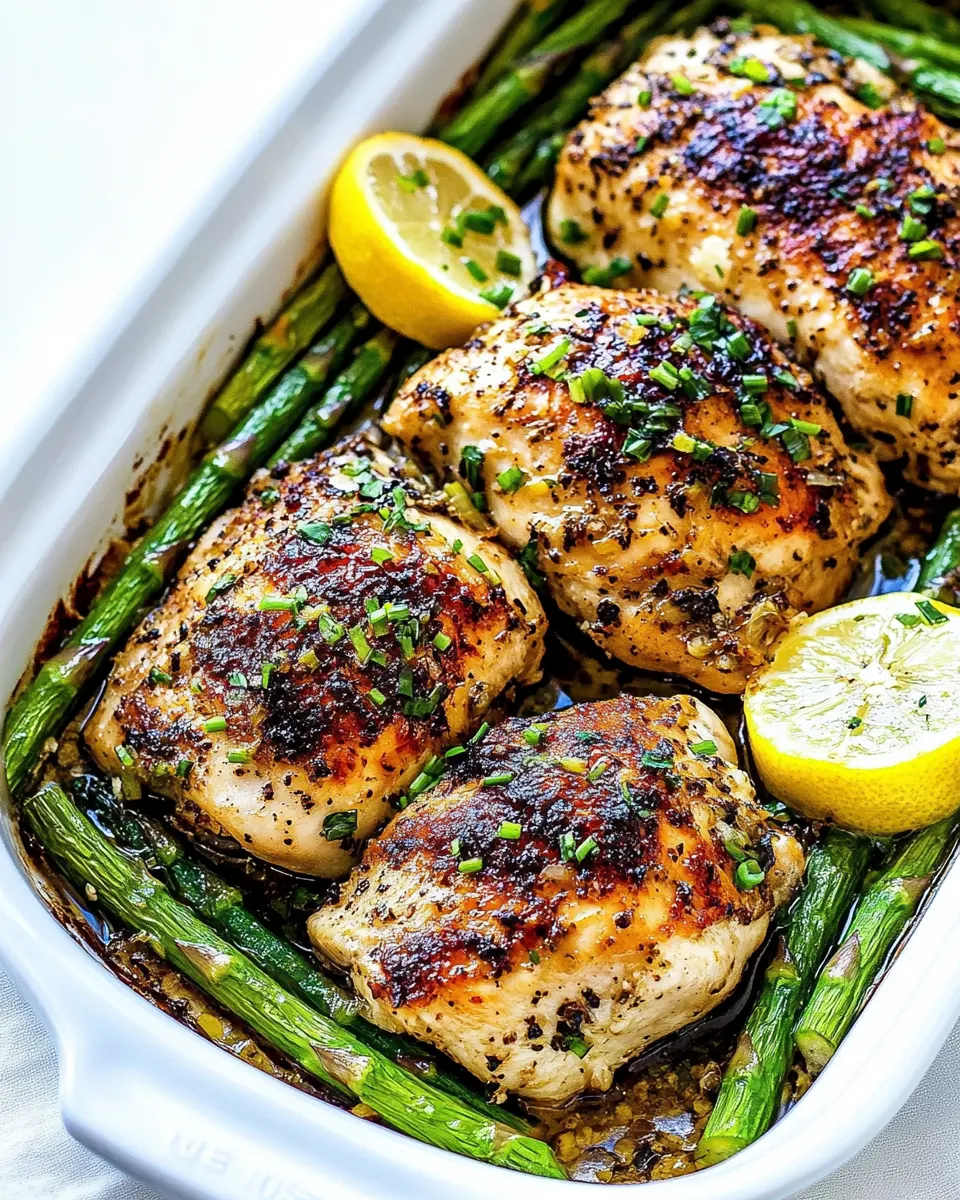
These directions guide you through building layers of flavor, from searing to roasting. Take your time with the initial sear to develop color, then let the oven do the finishing work while you attend to small details like adding the asparagus at the right moment.
- Preheat your oven to 200°C | 400° F. Season chicken thighs with salt, pepper and dried thyme.: As you preheat, breathe in the warm, anticipatory scent of an oven coming to life, it signals that you are ready to transform the ingredients. Seasoning at this point primes the surface for browning, and the dried thyme will toast slightly during searing releasing subtle, savory notes. Listen for the tiny hiss when seasoned meat hits a hot pan, that sharp sound tells you the Maillard reaction is starting. A common mistake here is seasoning too early and letting moisture pool on the skin, which inhibits crisping; season just before cooking for the best crust.
- Heat a large (34 cm or 13-14 inch) cast iron skillet (or heavy based oven-proof pan), over medium-high heat. When the skillet (or pan) is hot, add the oil. Sear the thighs, skin-side down, until skin is golden and crisp (about 4-5 minutes). Flip chicken and sear on the other side for a further 5 minutes.: You will smell a rich, toasty note as the pan and oil reach temperature, creating a sizzling symphony when the chicken hits the surface. Visual cues are key, watch for an even deep golden color on the skin, that is when the fat has rendered nicely. The sizzling should be steady not furious; if the oil smokes, lower the heat. One trap is moving the pieces too soon, which tears the skin and prevents good browning; give each piece the time it needs to release naturally.
- Melt the butter in the pan. Add the garlic until fragrant (about 30 seconds). Pour in the lemon juice, and sprinkle over fresh thyme leaves from 2 sprigs. Place another 2 sprigs around the chicken.: The moment the butter melts you will notice a softer, almost caramel like aroma blending with the seared notes. Adding the garlic briefly softens and sweetens it, releasing its essential oils into the fat. When the lemon juice hits the warm fat there is a lively hiss and a bright citrus perfume that cuts through richness. Strip a few fresh thyme leaves to scatter, their green fragrance lifts the whole pan. Avoid leaving the garlic in at high heat long enough to brown deeply, as that can introduce bitterness rather than sweet aromatics.
- Transfer skillet (or pan), to the oven and cook for 25-30 minutes, or until completely cooked through. Add the asparagus spears to the pan during the last 12 minutes of cook time.: Moving the pan to the oven creates an even, enveloping heat that finishes the interior without drying it. As the chicken roasts, the pan juices will gently bubble and concentrate, delivering a glossy coating. Slide the trimmed asparagus into the pan with 12 minutes remaining so each spear softens but keeps a snap and vibrant color. If you add the asparagus too early, it will become limp and lose that fresh bite which balances the meal.
- Garnish with lemon slices and leaves from the remaining sprig of thyme. Serve immediately.: When you pull the pan, the room fills with a layered aroma of roasted meat, bright citrus, and herb oil, which is part of the joy of serving straight from the pan. Scatter the thin lemon slices and fresh thyme leaves to add bursts of freshness and visual contrast. Serve right away to capture the juicy textures and warm buttery sauce; letting it sit too long will cool the pan juices and change the mouthfeel. A common oversight is not letting the meat rest briefly if very hot; a short 3 to 5 minute rest helps the juices redistribute and keeps each bite succulent.
Ways to Adapt This Recipe
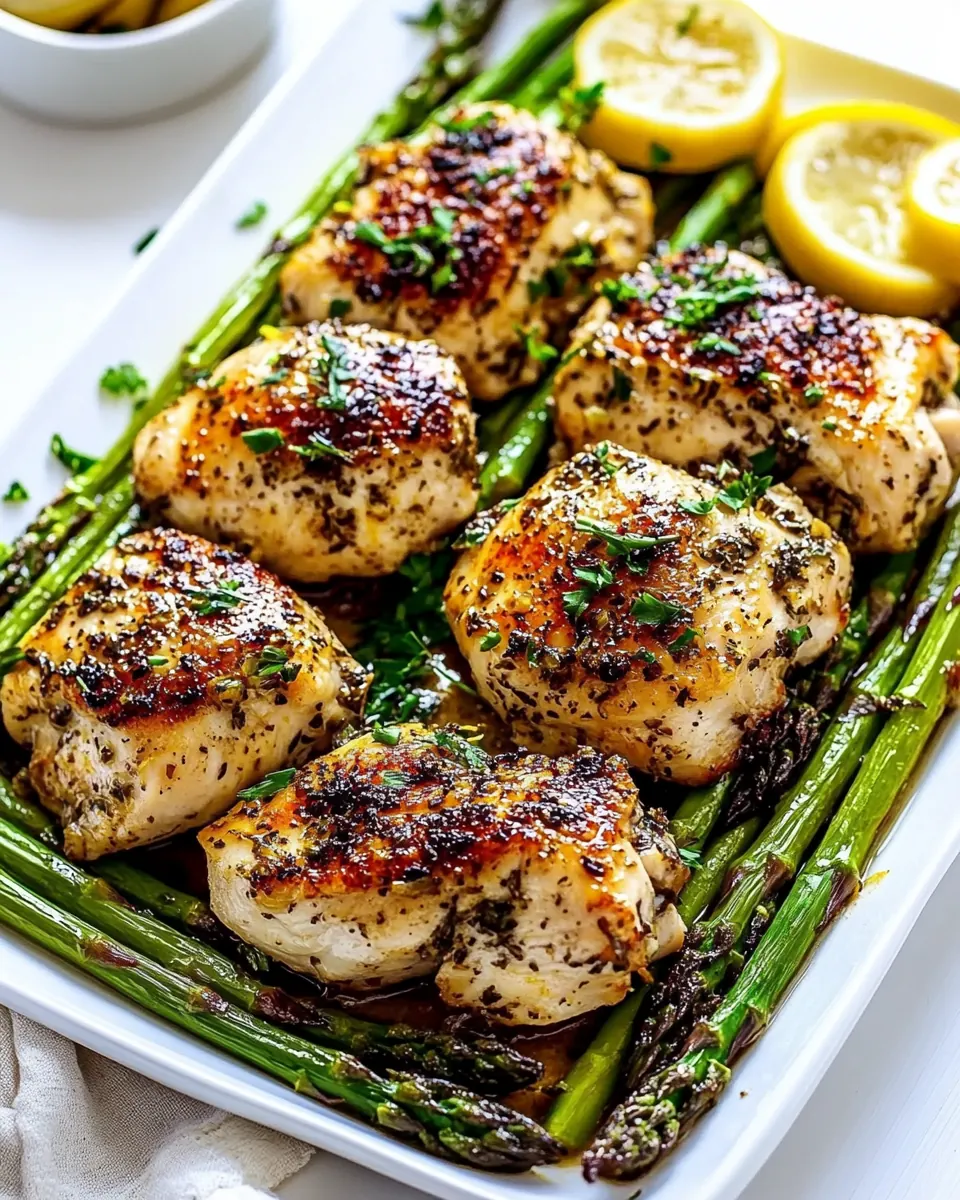
This section offers practical adaptations to personalize the dish. I like to give choices that respect the original balance of bright citrus, aromatic garlic, and rich butter.
- If you lack a cast iron skillet use a heavy based oven safe pan or a shallow casserole. Sear in a stovetop pan in batches, then transfer to a baking dish to finish; this preserves that caramelized crust without needing a single large pan.
- If you prefer milder garlic reduce the quantity to 3 cloves or sauté the garlic more gently in butter to coax out sweetness rather than bite.
- If skin crisp is your priority sear the chicken skin side longer and finish under the broiler for 3 to 5 minutes at the end, watching closely to prevent burning.
- If you want more herb brightness add a handful of extra fresh thyme leaves or scatter them over the finished dish for an herb forward lift.
- If you need to scale multiply ingredients proportionally; when increasing volume, ensure your pan is large enough to avoid overcrowding which limits browning.
What Complements This One Pan Lemon Garlic Butter Chicken Asparagus
This dish pairs well with simple sides and occasions where easy elegance is welcome. The bright profile of lemon and the green snap of asparagus work with many seasonal accompaniments.
- Light green salad Serve alongside a crisp mixed greens salad dressed with a lemon vinaigrette to echo the citrus in the main dish and add refreshing contrast.
- Roasted potatoes Oven roasted baby potatoes tossed with olive oil and a sprinkle of salt provide a comforting, starchy counterpoint that soaks up the buttery pan juices.
- Steamed rice or couscous A bed of fluffy rice or couscous catches the sauce and rounds the meal for family style dinners or casual gatherings.
- Weeknight dinner This recipe is perfect for a quick but thoughtful weeknight dinner that feels special without a long list of steps.
- Spring entertaining With seasonal asparagus, it shines at springtime lunches or light dinners, especially when you want a fresh, celebratory plate.
- Storage tips Leftovers keep well refrigerated for up to three days when stored in an airtight container; reheat gently in the oven to preserve texture rather than microwaving.
- Presentation Serve directly from the pan for a rustic family style approach, garnish with extra fresh thyme and lemon slices for a bright, inviting finish.
FAQ
Conclusion
This recipe stands out for its brilliant balance of bright citrus, aromatic garlic, and rich buttery pan juices, all achieved in just one skillet. It is approachable yet impressive, making it perfect for both busy weeknights and casual entertaining. Give it a try the next time you want a satisfying, vibrant meal with minimal cleanup. You’ll likely find it becomes a reliable favorite because it tastes like effort but is simple to pull together.
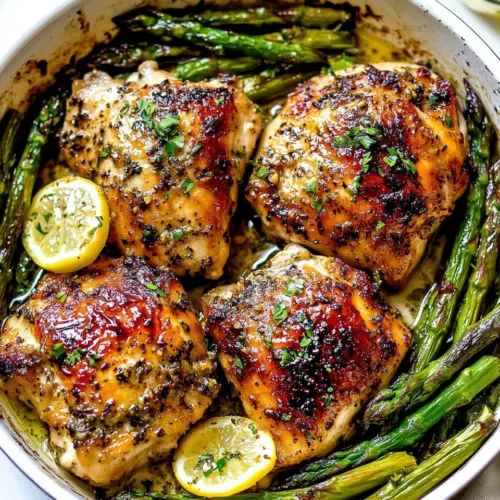
One Pan Lemon Garlic Butter Chicken Asparagus
Equipment
- Cast-Iron Skillet
- Oven
Ingredients
- 6 bone in chicken thighs skin on or off Season and provide the main protein for the dish; bone-in chicken thighs bring rich flavor and stay juicy during pan cooking while skin on crisps up nicely or skin off reduces fat.
- 1 pinch salt to season Enhance and balance overall flavor; a pinch of salt seasons the chicken and vegetables, drawing out natural tastes and helping to form a savory crust.
- 1 pinch cracked pepper Season and add subtle heat; a pinch of cracked pepper contributes aromatic spiciness that complements the lemon and garlic without overpowering other flavors.
- 2 teaspoons dried thyme or your herbs of choice Infuse and elevate herbal notes; dried thyme or preferred herbs add earthy, slightly floral depth that stands up to the butter and lemon in the pan.
- 1 tablespoon olive oil Coat and prevent sticking while adding a light fruity note; olive oil helps achieve even browning on the chicken and provides a stable cooking fat.
- 2 tablespoons unsalted butter Enrich and finish the sauce with a silky texture; unsalted butter melts into the pan to create a rich, mellow base for the garlic-lemon sauce.
- 6 cloves garlic crushed, or 1 1/2 tablespoons minced garlic Aromatize and build savory backbone; crushed or minced garlic releases pungent, toasty flavors into the butter and oil, forming the dish’s signature garlicky profile.
- 1/3 cup lemon juice 1 lemon, fresh squeezed Brighten and balance richness with acidity; fresh-squeezed lemon juice cuts through the butter and lifts the overall flavor for a clean, tangy finish.
- 1 lemon thinly sliced Garnish and add concentrated citrus flavor; thin lemon slices cook gently to release fragrance and provide pretty, slightly caramelized accents in the pan.
- 5 fresh thyme Perfume and deepen herbal complexity; fresh thyme sprigs release essential oils when heated, pairing beautifully with chicken and lemon for an aromatic finish.
- 2 -3 asparagus bunches about 24 spears, woody ends removed Complement and provide a crisp vegetable element; asparagus spears add fresh green color and a tender-crisp texture that soaks up pan juices and balances the dish.
Instructions
- Preheat your oven to 200°C | 400° F. Season chicken thighs with salt, pepper and dried thyme.: As you preheat, breathe in the warm, anticipatory scent of an oven coming to life, it signals that you are ready to transform the ingredients. Seasoning at this point primes the surface for browning, and the dried thyme will toast slightly during searing releasing subtle, savory notes. Listen for the tiny hiss when seasoned meat hits a hot pan, that sharp sound tells you the Maillard reaction is starting. A common mistake here is seasoning too early and letting moisture pool on the skin, which inhibits crisping; season just before cooking for the best crust.
- Heat a large (34 cm or 13-14 inch) cast iron skillet (or heavy based oven-proof pan), over medium-high heat. When the skillet (or pan) is hot, add the oil. Sear the thighs, skin-side down, until skin is golden and crisp (about 4-5 minutes). Flip chicken and sear on the other side for a further 5 minutes.: You will smell a rich, toasty note as the pan and oil reach temperature, creating a sizzling symphony when the chicken hits the surface. Visual cues are key, watch for an even deep golden color on the skin, that is when the fat has rendered nicely. The sizzling should be steady not furious; if the oil smokes, lower the heat. One trap is moving the pieces too soon, which tears the skin and prevents good browning; give each piece the time it needs to release naturally.
- Melt the butter in the pan. Add the garlic until fragrant (about 30 seconds). Pour in the lemon juice, and sprinkle over fresh thyme leaves from 2 sprigs. Place another 2 sprigs around the chicken.: The moment the butter melts you will notice a softer, almost caramel like aroma blending with the seared notes. Adding the garlic briefly softens and sweetens it, releasing its essential oils into the fat. When the lemon juice hits the warm fat there is a lively hiss and a bright citrus perfume that cuts through richness. Strip a few fresh thyme leaves to scatter, their green fragrance lifts the whole pan. Avoid leaving the garlic in at high heat long enough to brown deeply, as that can introduce bitterness rather than sweet aromatics.
- Transfer skillet (or pan), to the oven and cook for 25-30 minutes, or until completely cooked through. Add the asparagus spears to the pan during the last 12 minutes of cook time.: Moving the pan to the oven creates an even, enveloping heat that finishes the interior without drying it. As the chicken roasts, the pan juices will gently bubble and concentrate, delivering a glossy coating. Slide the trimmed asparagus into the pan with 12 minutes remaining so each spear softens but keeps a snap and vibrant color. If you add the asparagus too early, it will become limp and lose that fresh bite which balances the meal.
- Garnish with lemon slices and leaves from the remaining sprig of thyme. Serve immediately.: When you pull the pan, the room fills with a layered aroma of roasted meat, bright citrus, and herb oil, which is part of the joy of serving straight from the pan. Scatter the thin lemon slices and fresh thyme leaves to add bursts of freshness and visual contrast. Serve right away to capture the juicy textures and warm buttery sauce; letting it sit too long will cool the pan juices and change the mouthfeel. A common oversight is not letting the meat rest briefly if very hot; a short 3 to 5 minute rest helps the juices redistribute and keeps each bite succulent.
Notes
- If you lack a cast iron skillet use a heavy based oven safe pan or a shallow casserole. Sear in a stovetop pan in batches, then transfer to a baking dish to finish; this preserves that caramelized crust without needing a single large pan.
- If you prefer milder garlic reduce the quantity to 3 cloves or sauté the garlic more gently in butter to coax out sweetness rather than bite.
- If skin crisp is your priority sear the chicken skin side longer and finish under the broiler for 3 to 5 minutes at the end, watching closely to prevent burning.
- If you want more herb brightness add a handful of extra fresh thyme leaves or scatter them over the finished dish for an herb forward lift.
- If you need to scale multiply ingredients proportionally; when increasing volume, ensure your pan is large enough to avoid overcrowding which limits browning.