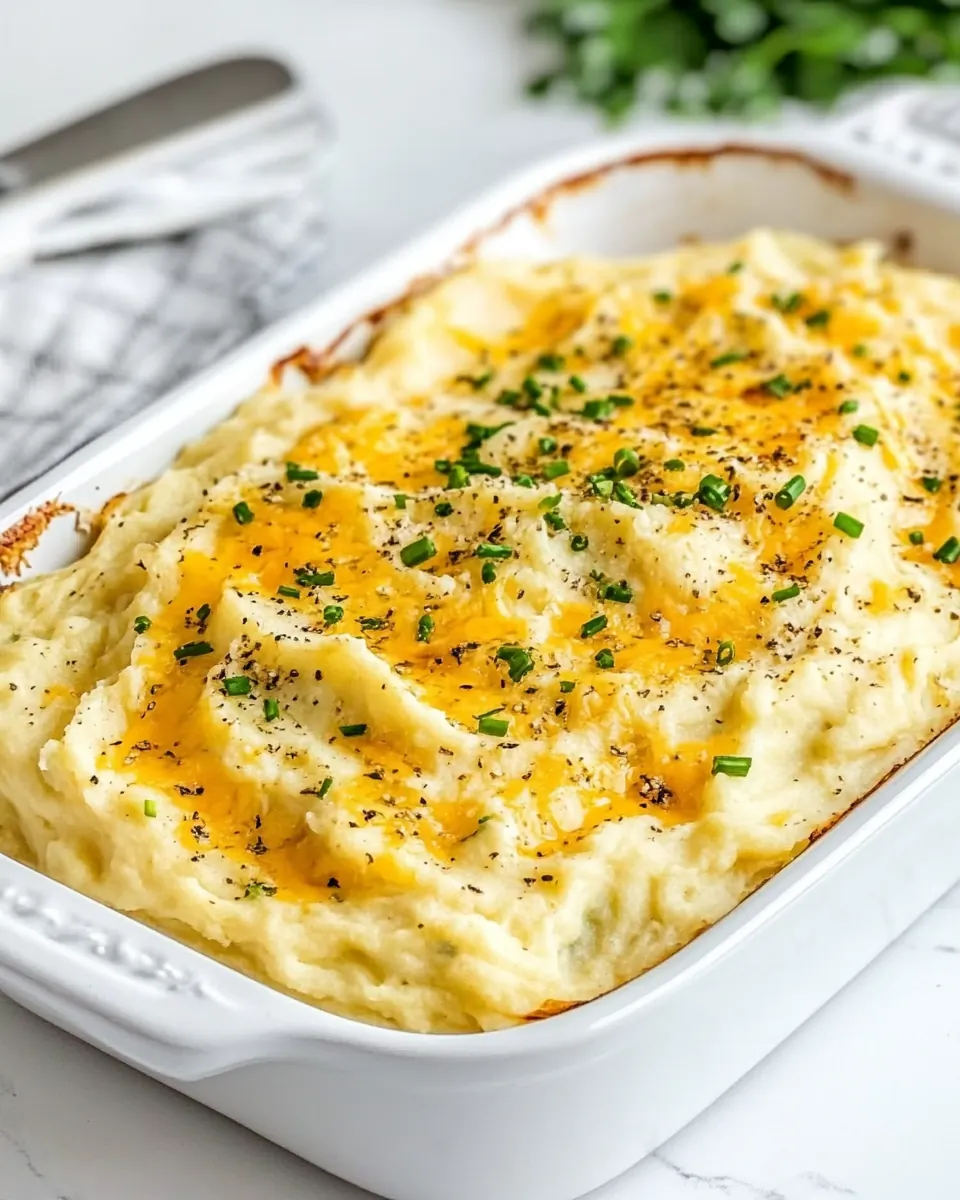
Cheesy Mashed Potatoes
Cheesy Mashed Potatoes has been my go to comfort side for years, the kind of dish I reach for when company is coming or when a chilly evening calls for something warm and satisfying.
I first made this version on a snowy night when the power blinked and the oven was out of commission, so I leaned on simple tools and bold flavors to carry the moment. That night taught me that a few quality ingredients and careful technique can turn humble spuds into something unforgettable. I remember the way the kitchen filled with a savory, cheesy aroma as the butter and cream warmed, and how the first spoonful felt like a cozy blanket.
Over time I tweaked the balance of cheeses and the cream to butter ratio, learning when to stop stirring so the texture stays pillowy rather than gluey. Friends started requesting it for holidays, and I liked that the recipe adapts easily whether I need a quick weeknight side or a showstopping accompaniment. I always keep a block of sharp cheddar and a chunk of Parmesan on hand so a last minute batch is never out of reach.
What I love most is that Cheesy Mashed Potatoes feels luxurious without being fussy, and it pairs beautifully with roasted mains or a simple green salad. It has a way of making people slow down and savor a moment, and that is exactly why this recipe holds a permanent spot in my repertoire.
Recipe Snapshot
55 mins
20 mins
35 mins
Medium
300 kcal
American
Gluten-Free, Low FODMAP
Side Dishes
Large pot, Potato ricer
The Beauty of This Cheesy Mashed Potatoes
Comfort in every spoonful
I love how Cheesy Mashed Potatoes delivers an immediate sense of comfort. The creamy texture and warm, savory cheese notes make each bite feel indulgent, yet familiar. I often serve this when I want guests to feel at home right away.
Simple, quality ingredients
One big reason this stands out is the ingredient list. Using good gold potatoes, real unsalted butter, and freshly grated Parmesan cheese or sharp Cheddar cheese makes an enormous difference. I always remind myself, and you, that freshness matters more than fancy techniques.
Techniques that preserve texture
Passing the hot spuds through a ricer or gently mashing avoids gummy results. I learned to respect low heat and gentle stirring to keep the fluffiness intact. That small attention to process separates a bland mash from something I want to savor again.
Versatile and crowd friendly
This recipe scales nicely, which is invaluable for gatherings. I’ve taken the same base to potlucks and family dinners, and it holds up. A quick garnish of sliced green onions adds color and a mild punch that brightens the whole dish.
Customizable cheesy profile
The cheese combo is flexible. I often use a sharper Cheddar cheese for boldness and a little Parmesan cheese for savory depth. That layered approach keeps the flavor interesting without complicating the method, and I enjoy tweaking proportions depending on the meal.
What You’ll Need for Cheesy Mashed Potatoes
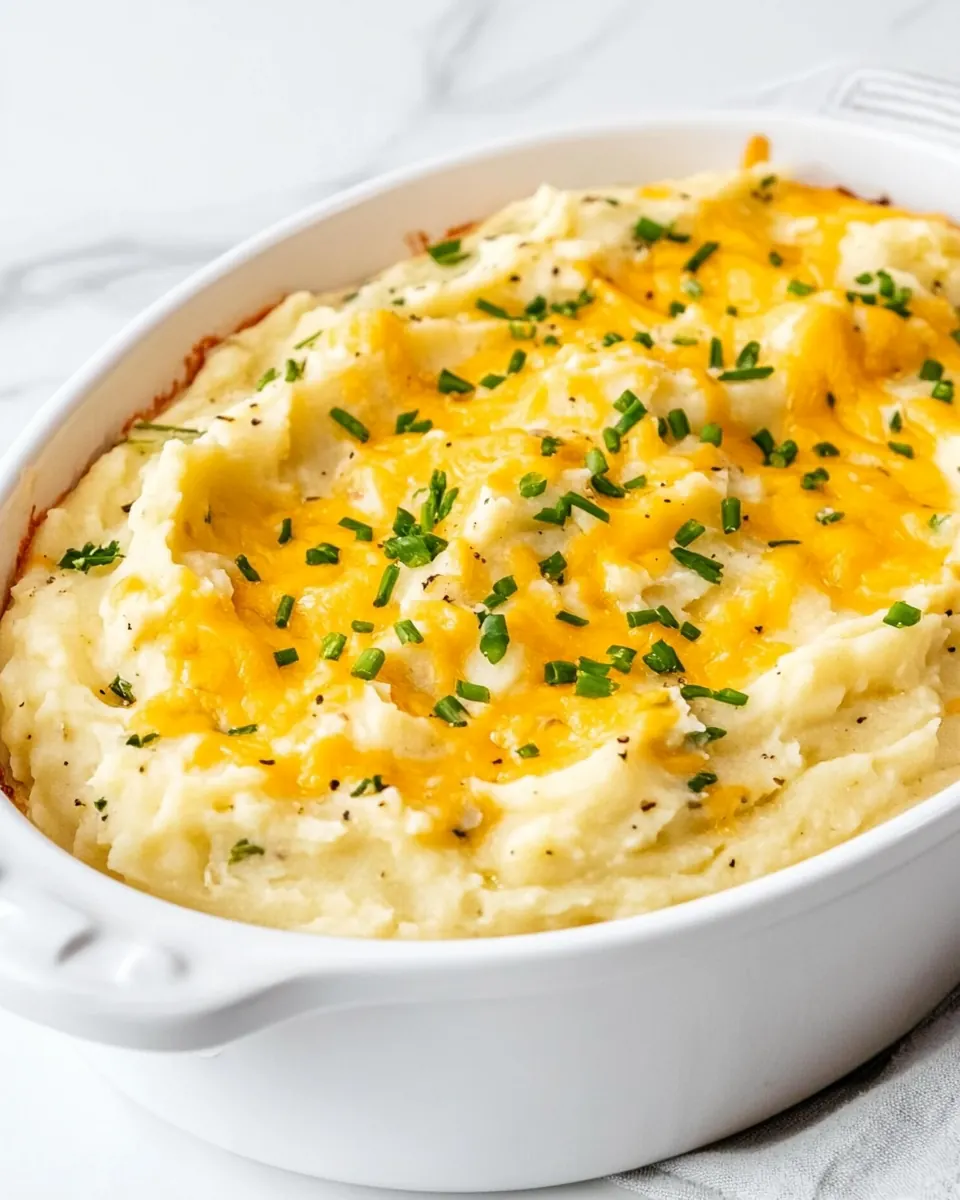
These ingredients form the heart of dependable mashed potatoes. The focus here is on texture and depth. The starchy gold potatoes provide a fluffy base, while the dairy components create silkiness. The cheeses contribute sharpness and umami, and a touch of seasoning brings everything into balance. Each item plays a clear role, and when combined with gentle technique, the result is rich and award winning.
- 3 pounds gold potatoes 8 packed cups: Boil and mash to form the base of the dish; provides creamy texture and bulk for serving. Gold potatoes contribute a naturally buttery flavor and smooth mouthfeel when properly cooked and drained. Use uniform pieces to ensure even cooking and a lump-free final mash.
- Salt and pepper: Season generously to enhance and balance overall flavors; adjusts taste and cuts richness from dairy components. Salt brings out natural sweetness in the potatoes while pepper adds subtle heat and complexity. Add gradually and taste as you go to avoid over-seasoning.
- 8 tablespoons unsalted butter: Melt and incorporate for rich mouthfeel and silky consistency in the mashed potatoes. Unsalted butter allows precise control over overall seasoning while contributing a velvety texture. Add in stages to achieve desired creaminess and to bind the mixture together.
- 1 cup heavy cream: Warm and blend to loosen mashed potatoes and add luscious richness; creates a smooth, scoopable consistency. Heavy cream boosts decadence and provides a glossy finish when mixed with butter and potatoes. Heat slightly before adding to prevent cooling the mash and to better integrate fats.
- 3/4 cups sour cream: Thicken and add tang to balance richness while contributing a thicker, creamier body. Sour cream brings bright acidity that lifts flavors and keeps the mash moist without thinning it excessively. Fold in gently to preserve a light texture while maintaining creaminess.
- 1/2 teaspoon garlic powder: Season lightly to impart subtle savory depth without overpowering the dish; complements other dairy elements. Garlic powder provides consistent, mellow garlic flavor dispersed evenly through the mash. Use sparingly and adjust to taste to avoid an artificial or dominant garlic note.
- 2 cups shredded sharp Cheddar cheese see note 1: Melt and stretch flavor with sharp, savory intensity; creates cheesy strands and a pronounced Cheddar profile. Shredded sharp Cheddar adds both creaminess and a tangy bite that contrasts the mild potato base. Stir in while hot so the cheese fully melts and distributes evenly.
- 1/2 cup freshly grated Parmesan cheese see note 2: Grate and sprinkle for a nutty, umami finish that enhances overall cheesiness and depth. Freshly grated Parmesan adds salty complexity and granular texture that complements the Cheddar. Incorporate toward the end of mixing to preserve its distinct flavor.
- Handful of green onions thinly sliced (optional): Garnish thinly sliced to provide bright, fresh contrast and a mild onion bite when used; optional for presentation. Green onions add color and a crisp, herbal note that lightens the rich, cheesy mash. Scatter atop just before serving to retain texture and aroma.
Cooking Method for Cheesy Mashed Potatoes
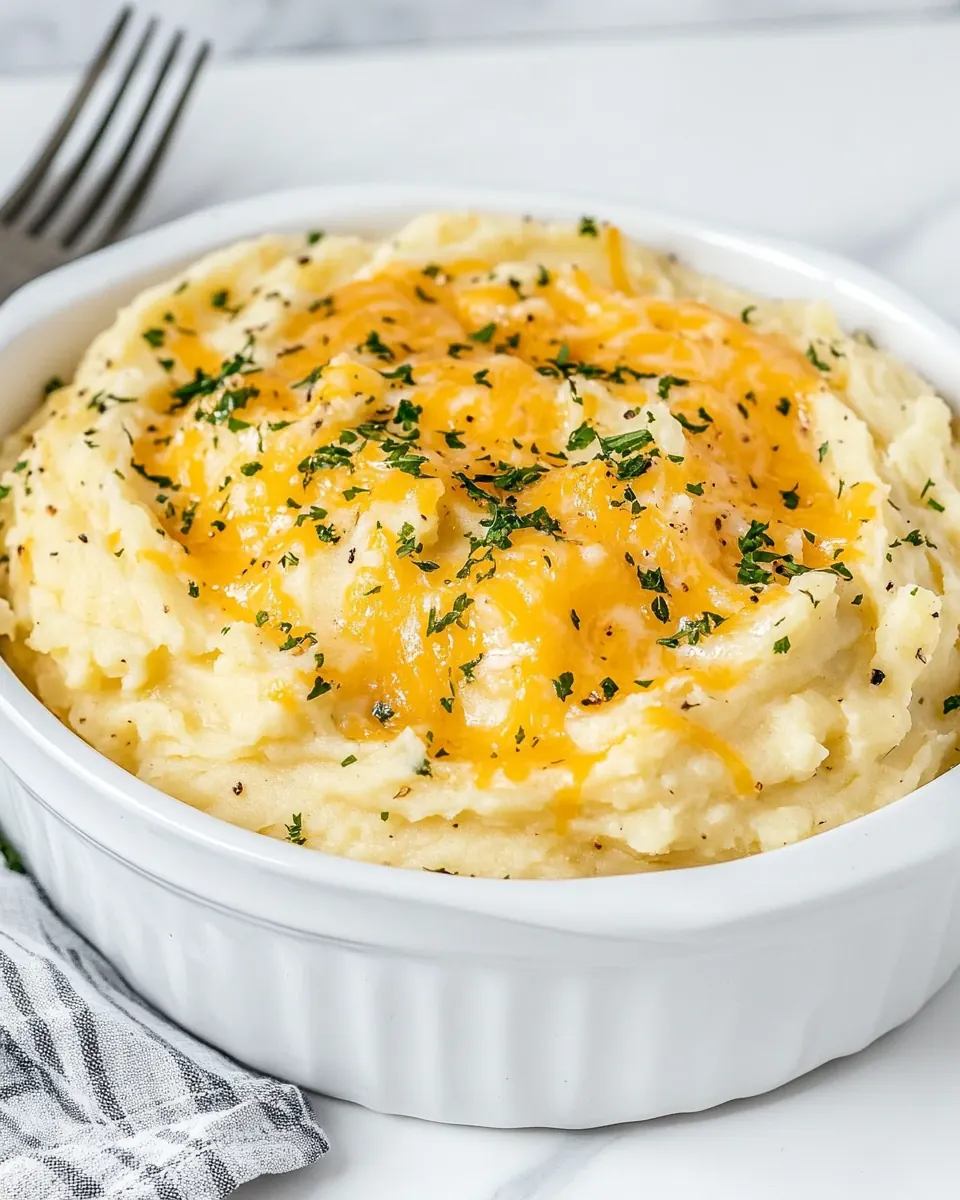
I find that a calm, attentive approach in the kitchen pays off with mashed potatoes. Take your time warming the dairy, ricing or mashing gently, and adding cheese gradually. These small choices keep the texture light and the flavors layered.
- Peel and cut potatoes into 1-inch cubes. Add to a large pot and cover with 1 inch of cold water above the potatoes. Add 1 tablespoon salt. Bring to a boil, then reduce to a rapid simmer and cook until the potatoes are easily pierced with a fork, 15–20 minutes. Drain in a strainer and let sit for 5 minutes to dry.: The moment the potatoes hit the boiling water you can smell the starch starting to bloom, a warm, earthy scent that signals comfort food is coming. Boiling from cold ensures even cooking, preventing the outsides from overcooking while the centers remain firm. When you lower the heat to a rapid simmer, listen for a steady, gentle bubbling rather than a violent roar, which can jostle the pieces and make them fall apart. After draining, letting the potatoes sit in the strainer for five minutes helps evaporate surface moisture so the mash stays fluffy. A common mistake is rushing to mash wet potatoes, which makes the final texture gluey. If your fork meets little resistance but the piece still holds shape, you are at the right stage to drain and dry.
- In the same pot (make sure it’s dry), set to low heat. Add butter, sour cream, heavy cream, garlic powder, 1 teaspoon salt, and pepper to taste (I add about 1/2 teaspoon). Stir until smooth, then remove from heat.: As the butter melts into the warmed pot, inhale the rich, buttery aroma that sets the stage for the rest of the dish. Warming the dairy helps everything combine seamlessly with the potatoes, creating a silkier mouthfeel. Stir gently until the mixture looks glossy and homogenous, and then pull it off the heat so it does not scald, which would change the flavor. The small salt addition at this stage builds layers of seasoning without making a single strong note pop. A frequent error is overheating the cream which can form a skin or slightly curdle; keep the temperature low to avoid that and maintain a smooth base.
- While the potatoes are still hot, pass them through a ricer directly into the cream mixture. If you don’t have a ricer, mash gently with a potato masher. (Avoid blending or beating, as this can make them gluey.) Stir with a wooden spoon until smooth.: The hot potatoes release a comforting steam that carries the scent of earth and starch, and pressing them through a ricer yields a feathery, tender texture. Mashing gently with a masher works too, as long as you resist the urge to whip aggressively. Using a wooden spoon to fold instead of an electric mixer preserves air pockets and a light consistency. The reason we avoid high speed blending is that it ruptures potato cells, releasing too much starch and creating a pasty result. If your mash feels heavy, stop stirring and allow it to rest briefly, the texture often settles into silkiness with a few moments.
- Add shredded cheese, a handful at a time, stirring gently until melted. Don’t overmix—let the cheese gradually melt into the potatoes.: As you incorporate the shredded sharp Cheddar cheese , you will notice ribbons of orange melting into creamy white, releasing a warm, tangy aroma. Adding cheese in stages gives it time to melt fully and spread evenly rather than clumping. Stir with a gentle folding motion to encourage even distribution while keeping the mash light. Overmixing at this point can compress the mixture, so practice restraint. If the cheese seems sluggish to melt, briefly return the pot to the lowest heat, stirring constantly, but avoid raising the temperature too high which can separate fats and alter texture.
- Garnish with green onions, if desired. Serve immediately.: The bright, sharp scent of thinly sliced green onions perched on top provides a lively contrast to the rich, creamy potatoes. Serving right away preserves the warm, barely stringy quality of the melted cheese and the pillowy texture of the mash. If you must hold the dish, keep it covered and warm for a short while, because extended holding can cause the mixture to firm up and lose its inviting silkiness. A common oversight is letting mashed potatoes sit uncovered which dries the surface, so tent with foil or keep near gentle heat if needed.
Substitutions and Tips
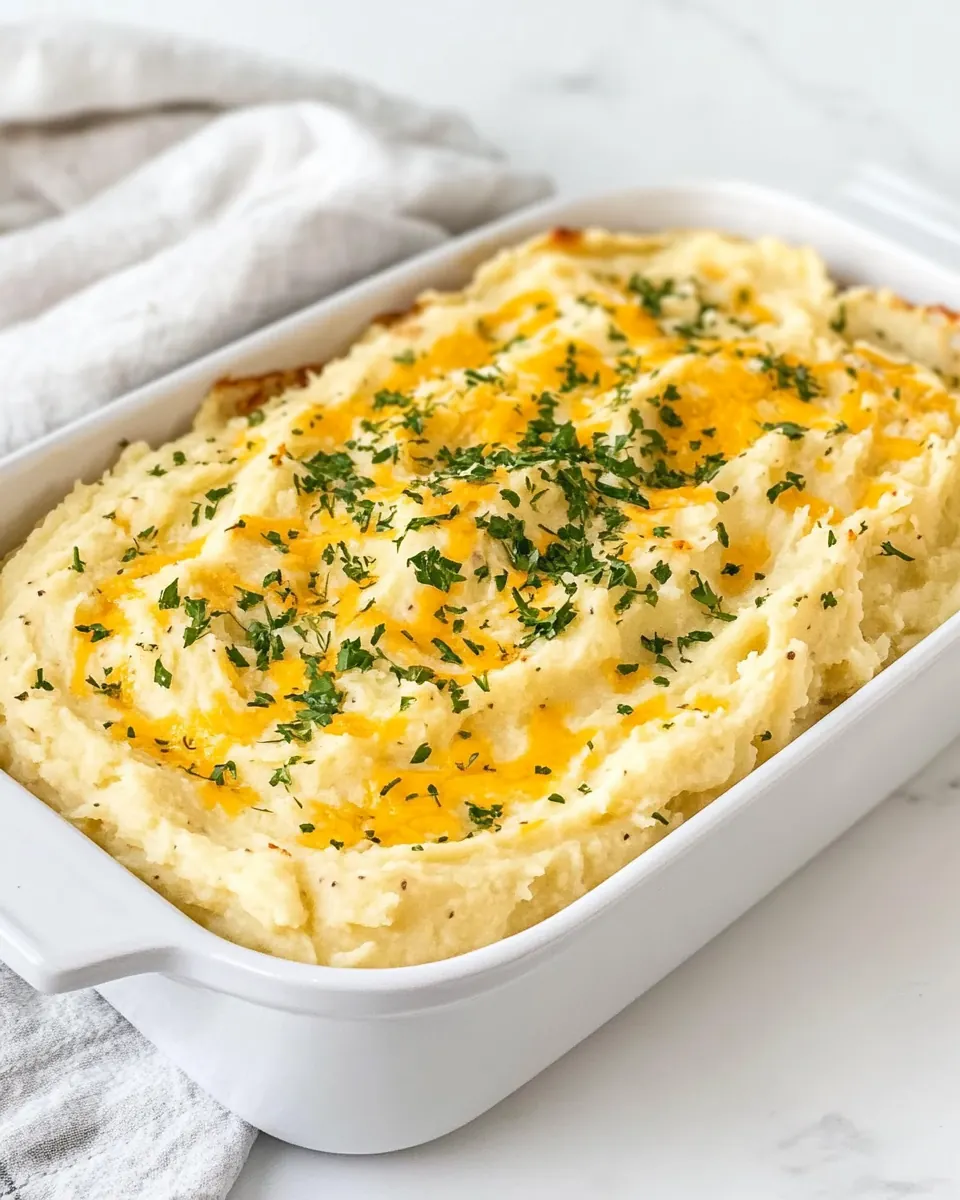
These practical notes and variations will help you adapt the dish while keeping the core texture and flavor intact. I include tips I use when scaling, storing, and adjusting flavors so your batch turns out reliably delicious.
- Cheese choice Use sharp or extra sharp Cheddar cheese for the most pronounced flavor, and grate from a block for better melting and texture.
- Make ahead strategy Store the cream mixture and potatoes separately in the fridge, reheat the cream until hot, then fold in the potatoes gently to refresh texture before serving.
- Holding tips Keep the finished mash covered and warm for up to thirty minutes near the stove, or up to two hours over gentle simmering water to maintain texture without drying out.
- Grating technique Grate Parmesan cheese from a block using small holes and gently pack it into the measuring cup to ensure accurate amounts and better melt.
- Garlic adjustment If you prefer fresh garlic, sauté a small amount in the butter before adding the cream to mellow its sharpness, but use sparingly to avoid overpowering the cheese.
- Texture rescue If the mash becomes too stiff after chilling, stir in warmed heavy cream a tablespoon at a time while gently reheating to restore creaminess.
What Complements This Cheesy Mashed Potatoes
Cheesy Mashed Potatoes pairs beautifully with a range of mains and occasions. The creamy, savory profile makes it perfect for holiday tables and cozy weeknight dinners. Below I outline side matches, serving styles, and storage suggestions to help you present it effortlessly.
- Classic roast mains Serve alongside a roasted beef or roasted chicken for a traditional dinner pairing that soaks up gravies and pan sauces.
- Vegetarian mains Pair with roasted vegetables or a hearty mushroom dish for a satisfying meat free meal that balances richness with earthiness.
- Holiday service On festive occasions, place the mash in a warmed serving dish and garnish with sliced green onions for color, offering guests a comforting, crowd pleasing side.
- Weeknight comfort For easy weeknight dinners, serve with a simple sautéed vegetable and a crisp salad to cut through the creaminess and add freshness.
- Storage and reheating Refrigerate leftovers in an airtight container. Reheat gently on the stovetop with a splash of warmed heavy cream and stir until smooth, or use a low oven with a tight cover to prevent drying.
- Seasonal pairing In winter, this works well with braised greens and roasted root vegetables, providing starchy comfort that complements bold seasonal flavors.
FAQ
Conclusion
Cheesy Mashed Potatoes shine because they turn simple ingredients into a luxuriously comforting side that feels special every time. Try this recipe when you want a reliable, crowd pleasing dish that pairs with a wide range of mains and brings warmth to the table. The combination of buttery cream, tangy sour cream, and melted sharp cheeses creates a texture and flavor that invites seconds. Give it a go the next time you want to impress without stress, and enjoy the way it brings people together around the meal.
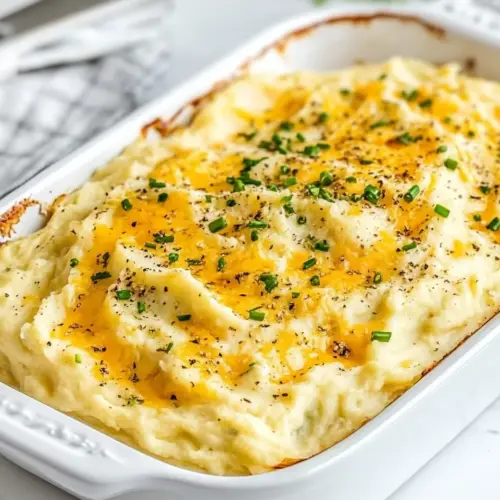
Cheesy Mashed Potatoes
Equipment
- Large Pot
- Potato ricer
Ingredients
- 3 pounds gold potatoes 8 packed cups Boil and mash to form the base of the dish; provides creamy texture and bulk for serving. Gold potatoes contribute a naturally buttery flavor and smooth mouthfeel when properly cooked and drained. Use uniform pieces to ensure even cooking and a lump-free final mash.
- Salt and pepper Season generously to enhance and balance overall flavors; adjusts taste and cuts richness from dairy components. Salt brings out natural sweetness in the potatoes while pepper adds subtle heat and complexity. Add gradually and taste as you go to avoid over-seasoning.
- 8 tablespoons unsalted butter Melt and incorporate for rich mouthfeel and silky consistency in the mashed potatoes. Unsalted butter allows precise control over overall seasoning while contributing a velvety texture. Add in stages to achieve desired creaminess and to bind the mixture together.
- 1 cup heavy cream Warm and blend to loosen mashed potatoes and add luscious richness; creates a smooth, scoopable consistency. Heavy cream boosts decadence and provides a glossy finish when mixed with butter and potatoes. Heat slightly before adding to prevent cooling the mash and to better integrate fats.
- 3/4 cups sour cream Thicken and add tang to balance richness while contributing a thicker, creamier body. Sour cream brings bright acidity that lifts flavors and keeps the mash moist without thinning it excessively. Fold in gently to preserve a light texture while maintaining creaminess.
- 1/2 teaspoon garlic powder Season lightly to impart subtle savory depth without overpowering the dish; complements other dairy elements. Garlic powder provides consistent, mellow garlic flavor dispersed evenly through the mash. Use sparingly and adjust to taste to avoid an artificial or dominant garlic note.
- 2 cups shredded sharp Cheddar cheese see note 1 Melt and stretch flavor with sharp, savory intensity; creates cheesy strands and a pronounced Cheddar profile. Shredded sharp Cheddar adds both creaminess and a tangy bite that contrasts the mild potato base. Stir in while hot so the cheese fully melts and distributes evenly.
- 1/2 cup freshly grated Parmesan cheese see note 2 Grate and sprinkle for a nutty, umami finish that enhances overall cheesiness and depth. Freshly grated Parmesan adds salty complexity and granular texture that complements the Cheddar. Incorporate toward the end of mixing to preserve its distinct flavor.
- Handful of green onions thinly sliced, optional Garnish thinly sliced to provide bright, fresh contrast and a mild onion bite when used; optional for presentation. Green onions add color and a crisp, herbal note that lightens the rich, cheesy mash. Scatter atop just before serving to retain texture and aroma.
Instructions
- Peel and cut potatoes into 1-inch cubes. Add to a large pot and cover with 1 inch of cold water above the potatoes. Add 1 tablespoon salt. Bring to a boil, then reduce to a rapid simmer and cook until the potatoes are easily pierced with a fork, 15–20 minutes. Drain in a strainer and let sit for 5 minutes to dry.: The moment the potatoes hit the boiling water you can smell the starch starting to bloom, a warm, earthy scent that signals comfort food is coming. Boiling from cold ensures even cooking, preventing the outsides from overcooking while the centers remain firm. When you lower the heat to a rapid simmer, listen for a steady, gentle bubbling rather than a violent roar, which can jostle the pieces and make them fall apart. After draining, letting the potatoes sit in the strainer for five minutes helps evaporate surface moisture so the mash stays fluffy. A common mistake is rushing to mash wet potatoes, which makes the final texture gluey. If your fork meets little resistance but the piece still holds shape, you are at the right stage to drain and dry.
- In the same pot (make sure it’s dry), set to low heat. Add butter, sour cream, heavy cream, garlic powder, 1 teaspoon salt, and pepper to taste (I add about 1/2 teaspoon). Stir until smooth, then remove from heat.: As the butter melts into the warmed pot, inhale the rich, buttery aroma that sets the stage for the rest of the dish. Warming the dairy helps everything combine seamlessly with the potatoes, creating a silkier mouthfeel. Stir gently until the mixture looks glossy and homogenous, and then pull it off the heat so it does not scald, which would change the flavor. The small salt addition at this stage builds layers of seasoning without making a single strong note pop. A frequent error is overheating the cream which can form a skin or slightly curdle; keep the temperature low to avoid that and maintain a smooth base.
- While the potatoes are still hot, pass them through a ricer directly into the cream mixture. If you don’t have a ricer, mash gently with a potato masher. (Avoid blending or beating, as this can make them gluey.) Stir with a wooden spoon until smooth.: The hot potatoes release a comforting steam that carries the scent of earth and starch, and pressing them through a ricer yields a feathery, tender texture. Mashing gently with a masher works too, as long as you resist the urge to whip aggressively. Using a wooden spoon to fold instead of an electric mixer preserves air pockets and a light consistency. The reason we avoid high speed blending is that it ruptures potato cells, releasing too much starch and creating a pasty result. If your mash feels heavy, stop stirring and allow it to rest briefly, the texture often settles into silkiness with a few moments.
- Add shredded cheese, a handful at a time, stirring gently until melted. Don’t overmix—let the cheese gradually melt into the potatoes.: As you incorporate the shredded sharp Cheddar cheese , you will notice ribbons of orange melting into creamy white, releasing a warm, tangy aroma. Adding cheese in stages gives it time to melt fully and spread evenly rather than clumping. Stir with a gentle folding motion to encourage even distribution while keeping the mash light. Overmixing at this point can compress the mixture, so practice restraint. If the cheese seems sluggish to melt, briefly return the pot to the lowest heat, stirring constantly, but avoid raising the temperature too high which can separate fats and alter texture.
- Garnish with green onions, if desired. Serve immediately.: The bright, sharp scent of thinly sliced green onions perched on top provides a lively contrast to the rich, creamy potatoes. Serving right away preserves the warm, barely stringy quality of the melted cheese and the pillowy texture of the mash. If you must hold the dish, keep it covered and warm for a short while, because extended holding can cause the mixture to firm up and lose its inviting silkiness. A common oversight is letting mashed potatoes sit uncovered which dries the surface, so tent with foil or keep near gentle heat if needed.
Notes
- Cheese choice Use sharp or extra sharp Cheddar cheese for the most pronounced flavor, and grate from a block for better melting and texture.
- Make ahead strategy Store the cream mixture and potatoes separately in the fridge, reheat the cream until hot, then fold in the potatoes gently to refresh texture before serving.
- Holding tips Keep the finished mash covered and warm for up to thirty minutes near the stove, or up to two hours over gentle simmering water to maintain texture without drying out.
- Grating technique Grate Parmesan cheese from a block using small holes and gently pack it into the measuring cup to ensure accurate amounts and better melt.
- Garlic adjustment If you prefer fresh garlic, sauté a small amount in the butter before adding the cream to mellow its sharpness, but use sparingly to avoid overpowering the cheese.
- Texture rescue If the mash becomes too stiff after chilling, stir in warmed heavy cream a tablespoon at a time while gently reheating to restore creaminess.
