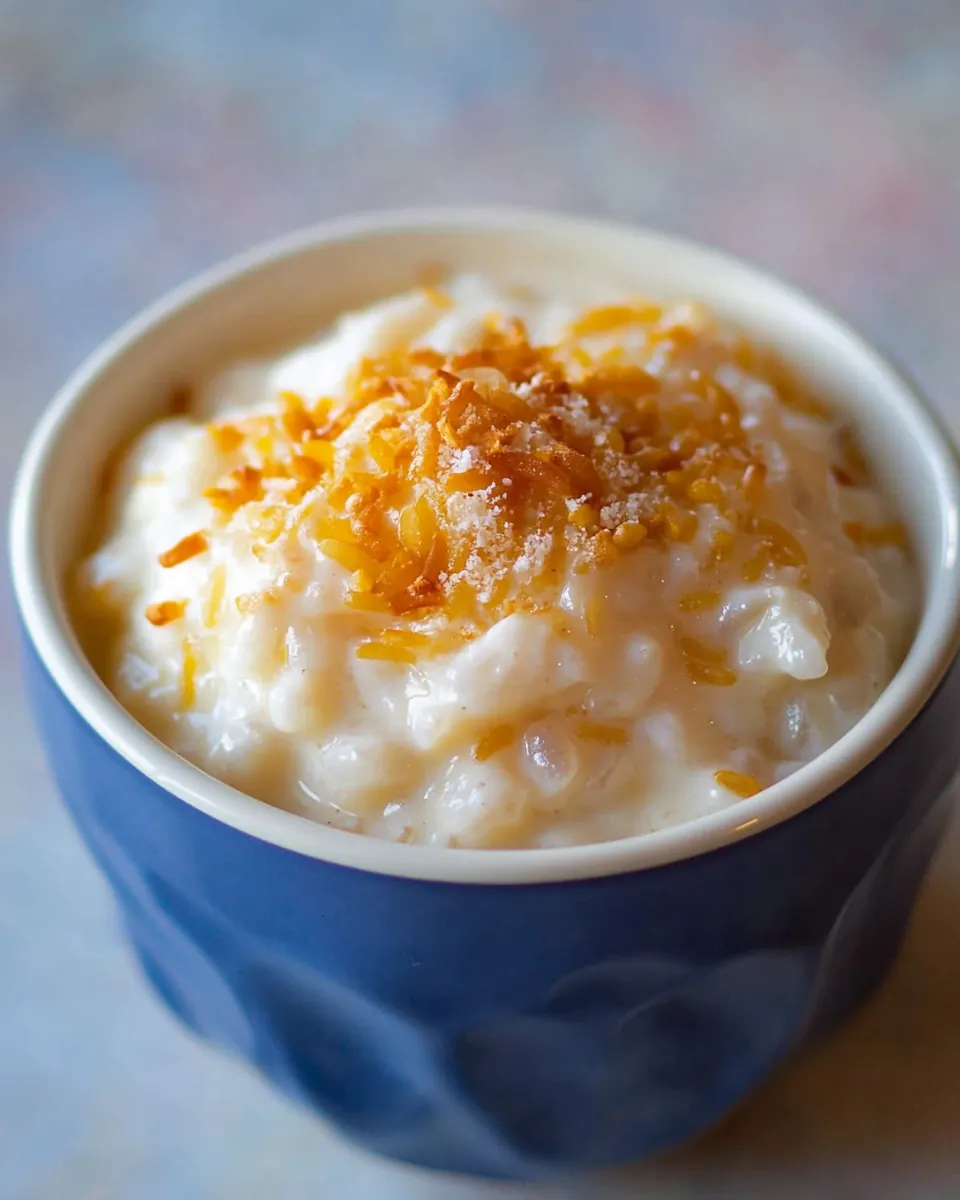
Riz au lait
Riz au lait is the kind of dessert that makes me slow down and savor a spoonful like it is a tiny celebration. The first time I tasted this simple rice pudding was at a friend s kitchen table on a grey winter afternoon, and the bowl felt like comfort incarnate, warm and soft with a whisper of citrus zest that kept me coming back for more.
Over the years I ve learned to treat Riz au lait as both a humble weeknight finish and a thoughtful host dessert. I love that it stretches easily from warm and soothing straight out of the pot to chilled and set in the fridge for a few hours. Every time I stir the pot and breathe that milky steam I remember that first bowl, and I try to recreate that exact balance of creamy milk, tender rice, and bright citrus that made the recipe unforgettable.
Recipe Snapshot
45 mins
10 mins
35 mins
Medium
200 kcal
French
Gluten-Free, Low FODMAP
Desserts
Medium to large saucepan, Wooden spoon or spatula
The Best Thing About This Riz au lait
Comfort in every spoonful
I adore how Riz au lait delivers warmth and calm with minimal fuss. The combination of whole milk and rice yields a lusciously creamy texture that feels indulgent without being heavy. When I want a dessert that feels like a hug after a long day, this is my go to.
Flexible serving styles
One of the best things about this recipe is versatility. I serve Riz au lait warm when guests arrive on a chilly evening, or chilled with a dusting of cinnamon for a summer twist. It adapts beautifully to the occasion, which makes it a reliable choice for gatherings.
Simple ingredients, deep flavor
The ingredient list is straightforward, yet each element plays a clear role. Whole milk provides richness, white rice brings a tender grainy body, and sugar balances the natural dairy notes. A pinch of salt heightens sweetness, while vanilla bean paste and citrus zest add aromatic complexity that keeps the pudding from tasting flat.
Technique matters
I love how a little attention while cooking transforms pantry staples into something elegant. Stirring frequently and maintaining a gentle simmer coax the starches from the rice, creating that velvety, spoon coating texture. The effort is small, but the payoff is huge.
Easy to personalize
Finally, Riz au lait is a great canvas. Small changes, like swapping lemon for orange zest or adding a caramel drizzle, can make the recipe feel new. I often tweak it slightly to match the season or mood, and friends never fail to ask for the recipe.
What to Gather for Riz au lait
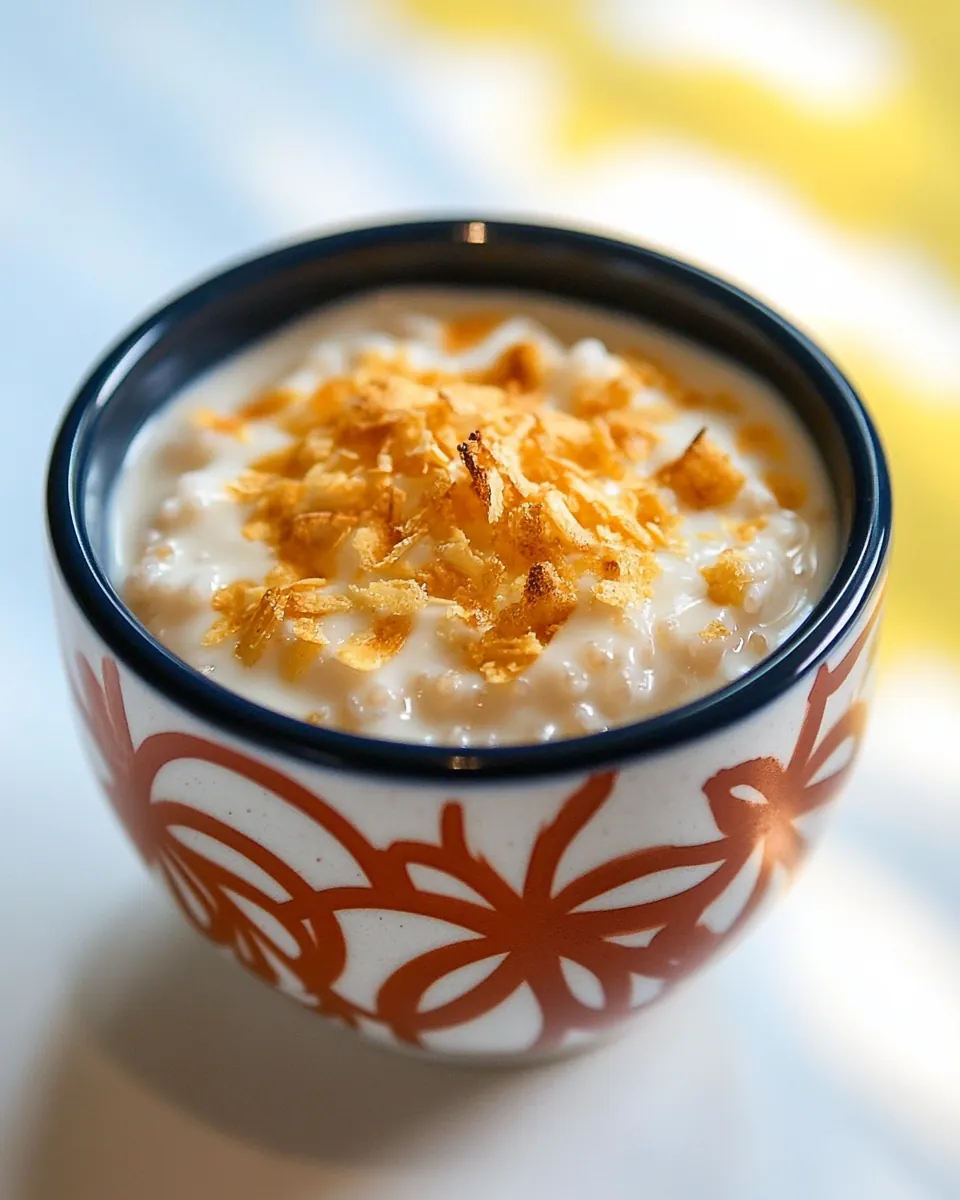
These ingredients are unpretentious and focused on texture and aroma. The core players are whole milk for creaminess, white rice for body, and sugar to bring balance. Tiny additions like salt, vanilla bean paste, and citrus zest lift the dish, adding layers of scent and brightness without overshadowing the comforting milky base.
- 1 quart (1 l) whole milk: Provide a creamy liquid base that hydrates and cooks the rice; whole milk contributes richness, body, and a smooth mouthfeel while also caramelizing slightly during cooking for deeper flavor. Use full-fat milk for a traditional custardy texture and prevent scalding by stirring frequently over gentle heat to avoid skin formation. Can be gently simmered with the rice to develop thickness and meld flavors without boiling vigorously.
- 2/3 cup (140 g) white rice, preferably round rice: Absorb liquid and become tender, creating the porridge-like structure of riz au lait; short or round white rice releases starches that thicken the mixture and yield a creamy consistency. Rinse only if overly starchy solids are undesirable, but typically cook directly in milk to maximize starch contribution and creaminess. Measure precisely for consistent texture and adjust cooking time to achieve tender but not mushy grains.
- 6 tablespoons (75 g) sugar, or to taste (see headnote): Sweeten and balance the dairy richness while helping to concentrate flavors as it dissolves during cooking; granulated sugar also influences texture by slightly lowering the freezing point and promoting a silkier mouthfeel. Add gradually and taste, adjusting to preference since sugar levels can be reduced for less sweet preparations. Dissolve fully to ensure even sweetness throughout the custard-like rice.
- Big pinch salt: Enhance and balance overall flavors by providing a subtle savory counterpoint that brightens sweetness; a big pinch of salt amplifies aromatic and sweet notes without imparting a salty taste. Add early in the cooking process so it integrates fully into the milk and rice. Use sparingly and taste toward the end to avoid oversalting the delicate dessert.
- 1 teaspoon vanilla bean paste, or vanilla extract, or a combination of both (see headnote): Impart concentrated, aromatic vanilla flavor and deepen the dessert's perfume; vanilla bean paste provides specks of real vanilla and a robust, complex profile that pairs well with milk and citrus. Combine with extract if desired to intensify flavor or layer different vanilla nuances; add during cooking to allow flavors to infuse throughout. Stir to distribute evenly and scrape any paste from the pod if using whole beans as a supplement.
- 1/4 1/2 teaspoon vanilla extract: Boost and lift vanilla aromas with a cleaner, lighter extract note that complements paste or stands alone if preferred; a small amount enhances fragrance without overwhelming the pudding. Add toward the end of cooking or after cooling to preserve volatile aromatic compounds and maintain a fresh vanilla character. Use the lower amount for subtlety and the higher for a more pronounced vanilla presence.
- Finely grated zest of one lemon or orange, preferably unsprayed: Brighten and refresh the dessert with delicate citrus aromatics from finely grated zest; lemon or orange zest adds essential oils that cut through richness and provide floral, zesty top notes. Use unsprayed fruit to avoid pesticide residues and grate finely to distribute flavor evenly without bitter pith. Fold in near the end of cooking or just before serving for the most vibrant aroma.
Making Riz au lait
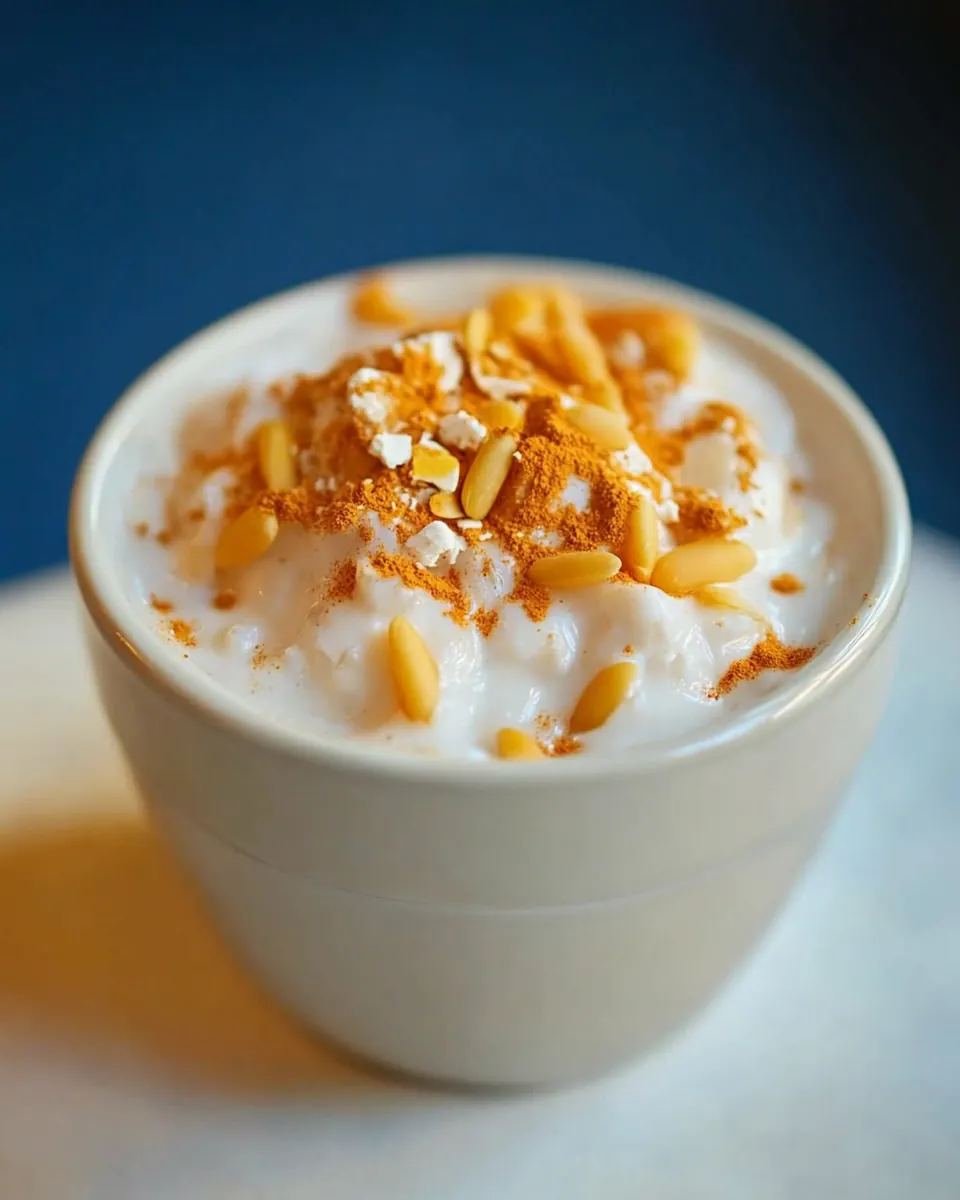
This pudding rewards patient, attentive cooking. Below are the cleaned steps from the recipe, expanded into detailed, sensory rich guidance so you can recognize the right smells, sounds, and textures. Take your time, stir gently, and enjoy how the milk and rice transform.
- Mix the milk, rice, sugar and salt in a medium-to-large saucepan. Heat, stirring occasionally until the mixture comes to a boil.: The first aroma you get is sweet cream as the whole milk and sugar mingle, and you ll hear only a quiet simmer until heat builds. Stirring at this stage ensures even distribution so the rice cooks uniformly and the sugar dissolves, preventing gritty pockets. A common mistake is using a too small pot which leads to boil over, so choose a roomy saucepan. Keep your spoon handy, the texture should start smooth and glossy, not lumpy. If you re worried about sticking later, use a heavy bottomed pan for even heat distribution. Visual cue to look for is a uniform pale liquid with the grains floating freely.
- Reduce the heat to a simmer and continue to cook, stirring frequently (to keep the rice from sticking together, as well as to the bottom and sides of the pot), until the rice is almost tender and much of the liquid is absorbed, about 20 to 25 minutes. Add the vanilla paste, if using, and continue to cook until the pudding mixture resembles very loose oatmeal and the rice grains are tender, which may take up to 15 minutes longer over very low heat.: As the pot warms you ll notice steam rising and the surface starting to ripple, a soft rolling motion signaling it s close to boiling. The sound is a gentle, increasing bubble rather than an aggressive roar. Stir occasionally to keep the rice moving, which prevents it from settling and clinging to the base. Avoid a hard boil, which scalds the milk and can make the texture grainy; moderate heat is key. If the milk begins to foam up quickly, reduce the heat immediately. Visually, you want small even bubbles across the surface, not violent splatter.
- Remove the heat and stir in the lemon or orange zest and vanilla extract, if using.: At simmer the scent shifts to a richer dairy note and the mixture thickens gradually as the rice releases starch. Stirring frequently encourages even softening and prevents mats of stuck grains, which cause uneven cooking. Expect a slow, comforting bubbling sound and a thicker consistency that clings lightly to the spoon. A typical error is walking away for long periods which results in scorching and uneven texture. The visual cue is a substantially reduced liquid level with plumped, nearly tender grains floating in a glossy, syrupy milk.
- Add the vanilla paste, if using, and continue to cook until the pudding mixture resembles very loose oatmeal and the rice grains are tender which may take up to 15 minutes longer over very low heat.: Introducing vanilla bean paste at this point deepens the aroma, releasing flecks of bean that make the pudding smell almost floral. Continue cooking on low so the starches fully bloom into a creamy body, aiming for a velvety, porridge like texture rather than thick custard. The pot should barely bubble, and you ll see the mixture coat the back of a spoon in a thin veil. A pitfall is cooking too fast which yields dry grains and a gummy mouthfeel, so keep it slow. Look for rice that yields easily when pressed, with the liquid thick but still spoonable.
- Remove the heat and stir in the lemon or orange zest and vanilla extract if using.: Off the heat, stirring in zest and vanilla extract preserves their volatile oils, giving a bright fragrance that lifts the creamy base. You ll notice a fragrant citrus burst and a soft vanilla perfume. Stir gently to distribute the zest evenly; vigorous stirring can break the grains into mush. A common oversight is adding these while still on high heat which dissipates aroma, so timing matters. The sensory cue is an immediate lift in smell and a glossy pudding that looks slightly thicker as it cools.
Substitutions and Tips
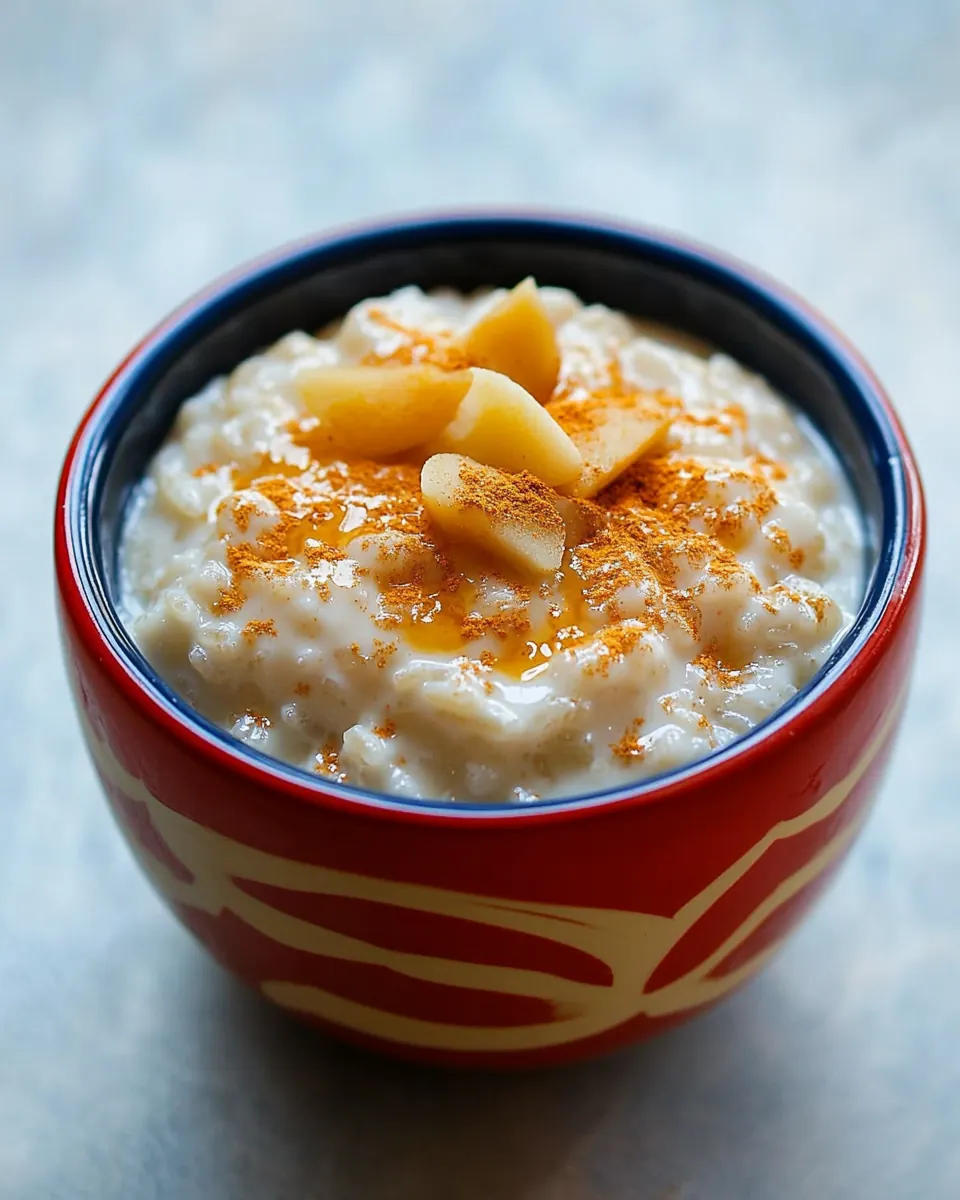
This section expands practical notes into usable tips so you can adapt and troubleshoot confidently. Below are focused, actionable items to help you get consistently excellent results with Riz au lait.
- Start with full fat milk for best texture, because whole milk yields a richer mouthfeel and better coating on the tongue compared with lower fat alternatives.
- Choose round or short grain rice as it releases more starch and creates a creamier finished pudding than long grain varieties.
- Control the heat by keeping the pot at a gentle simmer once the milk reaches a boil, this prevents scorching and ensures even cooking of the rice.
- Layer flavors at the end by adding vanilla extract and citrus zest off heat so their volatile aroma compounds remain bright and fragrant.
- Prevent skin formation by pressing plastic wrap directly on the surface while cooling, which keeps the pudding smooth without a film.
- Store properly in an airtight container in the fridge for up to three days, and stir well before serving to revive the creamy texture.
What to Serve Alongside Riz au lait
Riz au lait is wonderfully adaptable and pairs with a range of accompaniments depending on the occasion. Whether you re serving it for a cozy winter dessert or a light finish after a larger meal, these ideas will help you build a thoughtful plate.
- Serve warm with a dusting of ground cinnamon, which adds warmth and a fragrant top note that complements the creamy vanilla base, ideal for an intimate after dinner treat.
- Chill and top with candied almonds, offering a pleasing crunchy contrast to the soft pudding, perfect for a spring or summer gathering where texture contrast feels lively.
- Offer salted butter caramel sauce on the side for guests who want a decadent drizzle, the sweet and salty interplay elevates the mild milk flavor into something luxurious.
- Plate alongside fresh berries for a brighter, slightly tart counterpoint that cuts through the richness, a great choice for midday desserts or brunch settings.
- Serve as part of a holiday spread during winter meals, since the comforting temperature and citrus zest harmonize with festive flavors and seasonal spices.
- Storage and reheating tips, keep leftovers chilled in an airtight container, and reheat gently over low heat while stirring to restore creaminess, adding a splash of milk if it seems too thick.
FAQ
Conclusion
Riz au lait stands out because it transforms a few humble pantry ingredients into a comforting, aromatic dessert that feels both homey and refined. Give it a try whether you re craving a warm bowl on a cold night or a chilled spoonable treat for guests, and let the gentle pairing of creamy milk, tender rice, and bright citrus become a small ritual. I hope this recipe invites you to slow down for a few minutes, enjoy the process, and share a simple pleasure with family and friends.
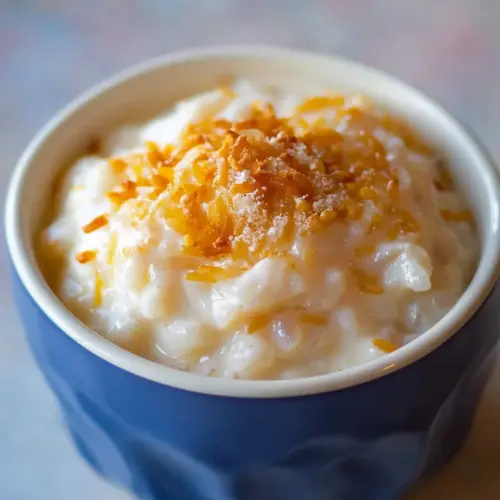
Riz au lait
Equipment
- Medium to large saucepan
- Wooden spoon or spatula
Ingredients
- 1 quart (1 l) whole milk Provide a creamy liquid base that hydrates and cooks the rice; whole milk contributes richness, body, and a smooth mouthfeel while also caramelizing slightly during cooking for deeper flavor. Use full-fat milk for a traditional custardy texture and prevent scalding by stirring frequently over gentle heat to avoid skin formation. Can be gently simmered with the rice to develop thickness and meld flavors without boiling vigorously.
- 2/3 cup (140 g) white rice, preferably round rice Absorb liquid and become tender, creating the porridge-like structure of riz au lait; short or round white rice releases starches that thicken the mixture and yield a creamy consistency. Rinse only if overly starchy solids are undesirable, but typically cook directly in milk to maximize starch contribution and creaminess. Measure precisely for consistent texture and adjust cooking time to achieve tender but not mushy grains.
- 6 tablespoons (75 g) sugar, or to taste (see headnote) Sweeten and balance the dairy richness while helping to concentrate flavors as it dissolves during cooking; granulated sugar also influences texture by slightly lowering the freezing point and promoting a silkier mouthfeel. Add gradually and taste, adjusting to preference since sugar levels can be reduced for less sweet preparations. Dissolve fully to ensure even sweetness throughout the custard-like rice.
- Big pinch salt Enhance and balance overall flavors by providing a subtle savory counterpoint that brightens sweetness; a big pinch of salt amplifies aromatic and sweet notes without imparting a salty taste. Add early in the cooking process so it integrates fully into the milk and rice. Use sparingly and taste toward the end to avoid oversalting the delicate dessert.
- 1 teaspoon vanilla bean paste, or vanilla extract, or a combination of both (see headnote) Impart concentrated, aromatic vanilla flavor and deepen the dessert's perfume; vanilla bean paste provides specks of real vanilla and a robust, complex profile that pairs well with milk and citrus. Combine with extract if desired to intensify flavor or layer different vanilla nuances; add during cooking to allow flavors to infuse throughout. Stir to distribute evenly and scrape any paste from the pod if using whole beans as a supplement.
- 1/4 -1/2 teaspoon vanilla extract Boost and lift vanilla aromas with a cleaner, lighter extract note that complements paste or stands alone if preferred; a small amount enhances fragrance without overwhelming the pudding. Add toward the end of cooking or after cooling to preserve volatile aromatic compounds and maintain a fresh vanilla character. Use the lower amount for subtlety and the higher for a more pronounced vanilla presence.
- Finely grated zest of one lemon or orange, preferably unsprayed Brighten and refresh the dessert with delicate citrus aromatics from finely grated zest; lemon or orange zest adds essential oils that cut through richness and provide floral, zesty top notes. Use unsprayed fruit to avoid pesticide residues and grate finely to distribute flavor evenly without bitter pith. Fold in near the end of cooking or just before serving for the most vibrant aroma.
Instructions
- Mix the milk, rice, sugar and salt in a medium-to-large saucepan. Heat, stirring occasionally until the mixture comes to a boil.: The first aroma you get is sweet cream as the whole milk and sugar mingle, and you ll hear only a quiet simmer until heat builds. Stirring at this stage ensures even distribution so the rice cooks uniformly and the sugar dissolves, preventing gritty pockets. A common mistake is using a too small pot which leads to boil over, so choose a roomy saucepan. Keep your spoon handy, the texture should start smooth and glossy, not lumpy. If you re worried about sticking later, use a heavy bottomed pan for even heat distribution. Visual cue to look for is a uniform pale liquid with the grains floating freely.
- Reduce the heat to a simmer and continue to cook, stirring frequently (to keep the rice from sticking together, as well as to the bottom and sides of the pot), until the rice is almost tender and much of the liquid is absorbed, about 20 to 25 minutes. Add the vanilla paste, if using, and continue to cook until the pudding mixture resembles very loose oatmeal and the rice grains are tender, which may take up to 15 minutes longer over very low heat.: As the pot warms you ll notice steam rising and the surface starting to ripple, a soft rolling motion signaling it s close to boiling. The sound is a gentle, increasing bubble rather than an aggressive roar. Stir occasionally to keep the rice moving, which prevents it from settling and clinging to the base. Avoid a hard boil, which scalds the milk and can make the texture grainy; moderate heat is key. If the milk begins to foam up quickly, reduce the heat immediately. Visually, you want small even bubbles across the surface, not violent splatter.
- Remove the heat and stir in the lemon or orange zest and vanilla extract, if using.: At simmer the scent shifts to a richer dairy note and the mixture thickens gradually as the rice releases starch. Stirring frequently encourages even softening and prevents mats of stuck grains, which cause uneven cooking. Expect a slow, comforting bubbling sound and a thicker consistency that clings lightly to the spoon. A typical error is walking away for long periods which results in scorching and uneven texture. The visual cue is a substantially reduced liquid level with plumped, nearly tender grains floating in a glossy, syrupy milk.
- Add the vanilla paste, if using, and continue to cook until the pudding mixture resembles very loose oatmeal and the rice grains are tender which may take up to 15 minutes longer over very low heat.: Introducing vanilla bean paste at this point deepens the aroma, releasing flecks of bean that make the pudding smell almost floral. Continue cooking on low so the starches fully bloom into a creamy body, aiming for a velvety, porridge like texture rather than thick custard. The pot should barely bubble, and you ll see the mixture coat the back of a spoon in a thin veil. A pitfall is cooking too fast which yields dry grains and a gummy mouthfeel, so keep it slow. Look for rice that yields easily when pressed, with the liquid thick but still spoonable.
- Remove the heat and stir in the lemon or orange zest and vanilla extract if using.: Off the heat, stirring in zest and vanilla extract preserves their volatile oils, giving a bright fragrance that lifts the creamy base. You ll notice a fragrant citrus burst and a soft vanilla perfume. Stir gently to distribute the zest evenly; vigorous stirring can break the grains into mush. A common oversight is adding these while still on high heat which dissipates aroma, so timing matters. The sensory cue is an immediate lift in smell and a glossy pudding that looks slightly thicker as it cools.
Notes
- Start with full fat milk for best texture, because whole milk yields a richer mouthfeel and better coating on the tongue compared with lower fat alternatives.
- Choose round or short grain rice as it releases more starch and creates a creamier finished pudding than long grain varieties.
- Control the heat by keeping the pot at a gentle simmer once the milk reaches a boil, this prevents scorching and ensures even cooking of the rice.
- Layer flavors at the end by adding vanilla extract and citrus zest off heat so their volatile aroma compounds remain bright and fragrant.
- Prevent skin formation by pressing plastic wrap directly on the surface while cooling, which keeps the pudding smooth without a film.
- Store properly in an airtight container in the fridge for up to three days, and stir well before serving to revive the creamy texture.
