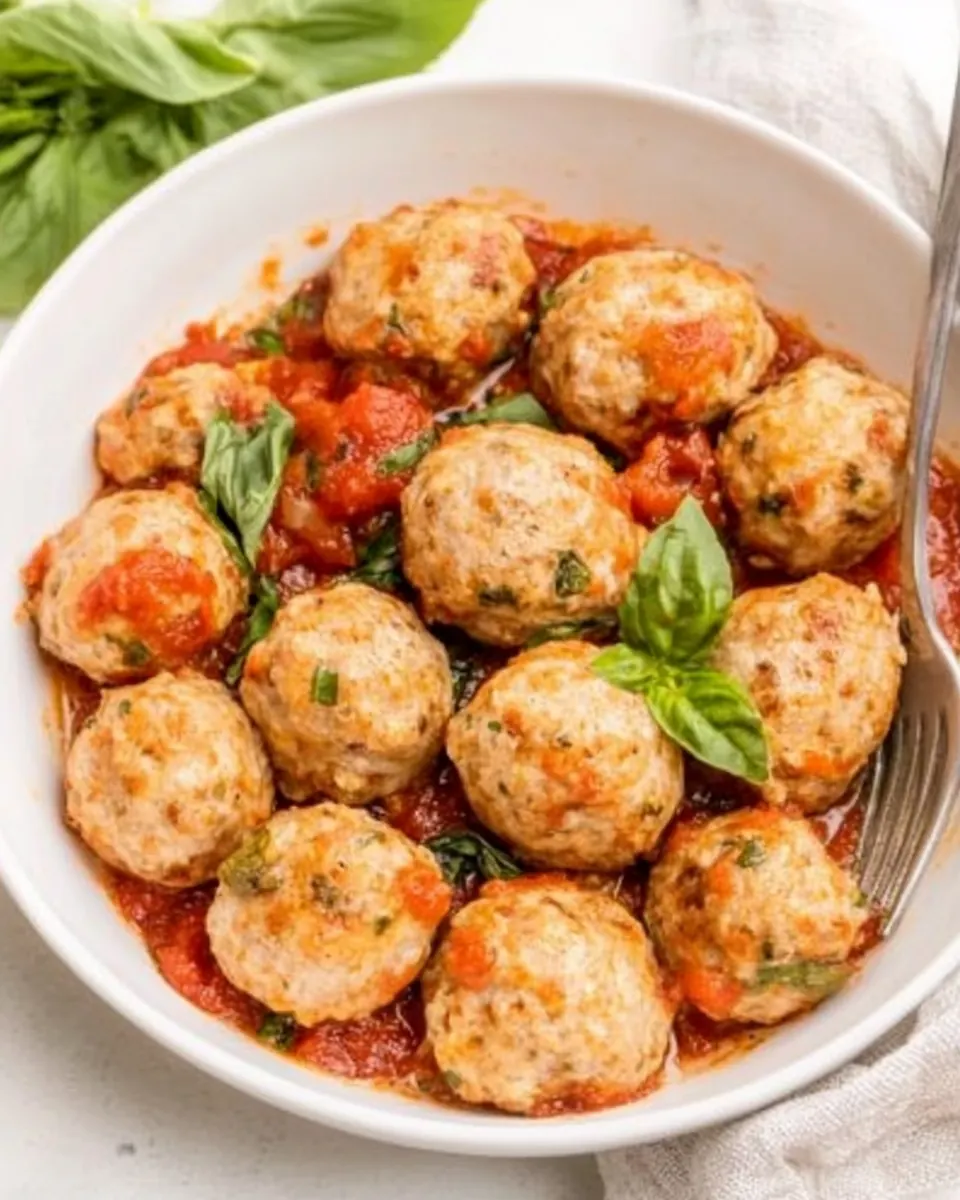
Italian Chicken Meatballs
Italian Chicken Meatballs were the kind of recipe that showed up at my table the week my neighbor taught me to cook from memory, not just from a card. I remember her small kitchen, the hum of the stove, and how she nudged me to trust my hands while forming each little sphere of seasoned chicken. From that afternoon on, these meatballs became my quick answer when I wanted something comforting yet light, the kind of dish that fits both a busy weeknight and a relaxed Sunday supper.
Over time I learned to notice tiny details, the way the aroma of toasted Parmesan cheese rises as the meatballs brown, how a hint of lemon zest lifts the whole dish, and how ciabatta soaked in milk gives the texture a soft, tender bite. I like to tell friends this is not about perfect measuring, it is about rhythm, about feeling when the mixture comes together under your hands. I still use the same method my neighbor showed me, and sometimes I make a double batch so we can snack on a warm plate while the rest waits in the fridge.
Recipe Snapshot
20 mins
10 mins
10 mins
Easy
300 kcal
Italian
Gluten-Free, Keto
Dinner
Large frying pan, Baking tray, Parchment paper, Mixing bowl, Tongs
Why This Italian Chicken Meatballs Stands Out
Comfort without heaviness
I love that Italian Chicken Meatballs give you the cozy, familiar warmth of meatballs, but they feel lighter on the plate. Using ground chicken keeps the texture tender and the flavor clean, so you get comfort food that won’t leave you overly full. I often reach for this recipe when I want dinner that feels homey but not heavy.
Simple pantry friendly ingredients
This recipe leans on things I almost always have: breadcrumbs, a slice of ciabatta, egg, and a knob of Parmesan cheese. That makes it a reliable go to for spontaneous cooking, and since the ingredients are straightforward, it’s easy to adapt minor elements when necessary without losing the soul of the dish.
Bright, balanced seasoning
A little lemon zest, minced garlic, and fresh parsley add brightness to the savory base. I appreciate how those moments of herb and citrus cut through the richness from the olive oil as the meatballs brown, producing a more layered, interesting bite that keeps you coming back for more.
Versatile serving options
One of the best things about these meatballs is how they behave on the plate. I serve them straight from the pan when I want a simple snack, or simmer them briefly in tomato sauce to dress up pasta for guests. The method is forgiving, so you can make them small for hors d oeuvre or larger for a main course.
Fast and approachable technique
From soaking ciabatta in milk to gently rolling into small balls, the steps are quick and tactile. If you are someone who cooks by feel, this recipe rewards touch and attention more than precision, which is why I turn to it when I want something satisfying but uncomplicated.
Recipe Ingredients for Italian Chicken Meatballs
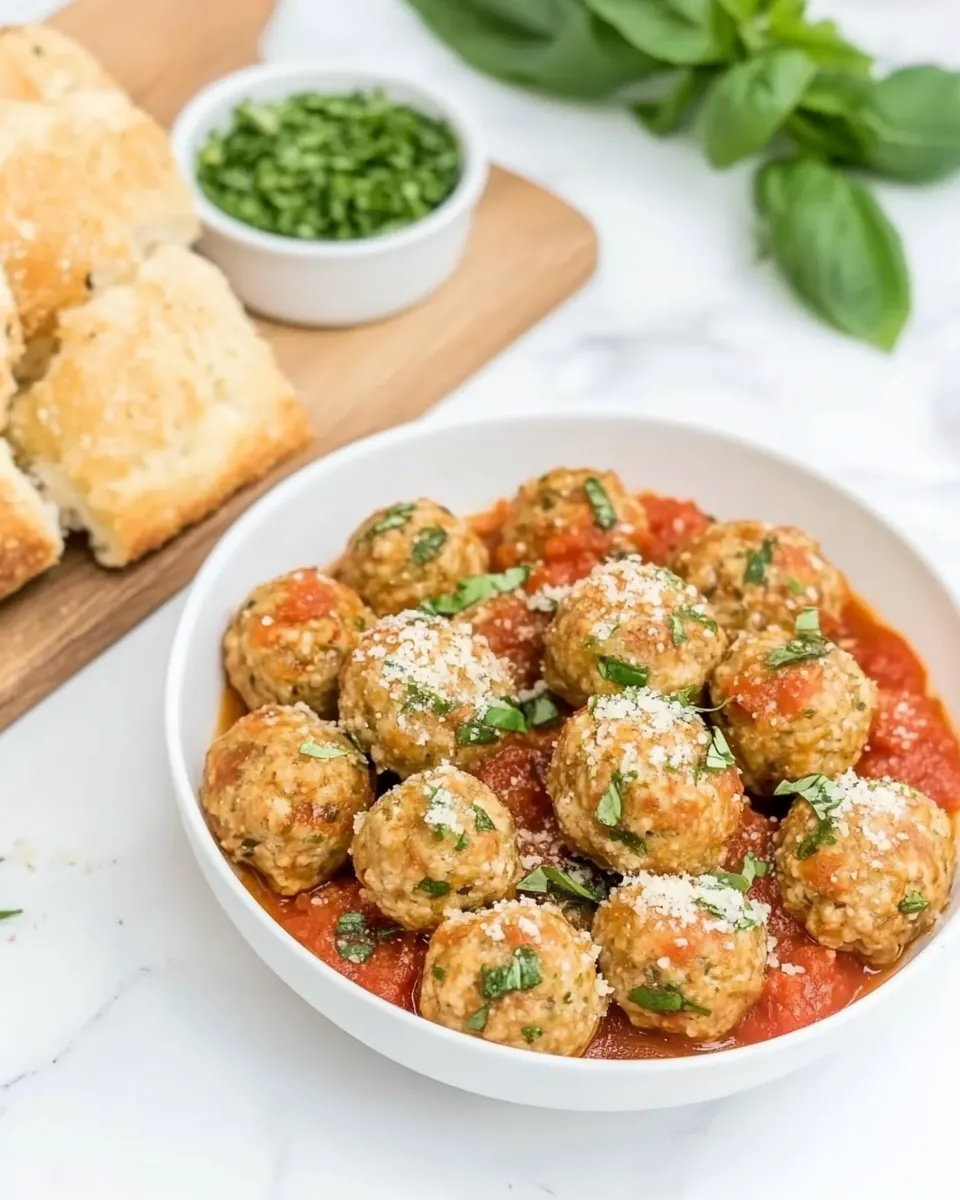
These ingredients are chosen to balance texture, moisture, and flavor. The soaked ciabatta and milk make the interior tender, while breadcrumbs and Parmesan cheese add structure and savory depth. Fresh aromatics like garlic, parsley, lemon zest, and thyme brighten the profile, and finishing in hot extra-virgin olive oil gives a crisp, golden exterior.
- 2 thick slices of ciabatta bread, crust cut off: Soak in liquid and provide structure by softening the bread before mixing; remove crust to ensure a tender, uniform texture within the meatballs. Squeeze excess moisture out after soaking to prevent a soggy mixture and help bind the meat so it holds its shape while cooking.
- 1/2 cup milk: Add moisture and tenderness to the meatball mixture while aiding in binding; milk hydrates the breadcrumbs and contributes to a creamier mouthfeel. Use enough to moisten evenly without making the mixture too loose, which can affect forming and cooking.
- 1 large egg, beaten: Whisk thoroughly and contribute to binding and leavening for a cohesive meatball texture; beaten egg helps hold ingredients together and adds richness. Incorporate evenly to ensure consistent cooking and to improve the overall structure of each meatball.
- 1 cup breadcrumbs: Provide bulk and absorbent binding to trap moisture and create a pleasant crumb in the finished meatballs; breadcrumbs help the mixture hold shape and prevent toughness. Use uniform crumbs for consistent texture and adjust quantity if the mixture seems too wet or dry.
- 2 tablespoon Parmesan cheese, grated: Sprinkle in to add savory, umami-rich flavor and a hint of nuttiness; grated Parmesan enhances depth and balances the mild chicken. Mix well so the cheese distributes evenly, contributing both taste and slight saltiness to the meatballs.
- 1 teaspoon garlic, minced: Mince finely and infuse pungent aroma and a sharp savory kick; garlic elevates overall flavor complexity and pairs well with herbs and cheese. Sauté briefly if desired before mixing for a milder flavor, or mix raw for a brighter garlic presence.
- 1 tablespoon fresh parsley, finely minced: Chop finely and add fresh herbal brightness and color; parsley lightens the richness and adds a subtle, clean note to the meatballs. Distribute evenly to provide consistent flavor in every bite and to complement stronger flavors like Parmesan and garlic.
- 1 teaspoon lemon zest: Grate zest and impart bright citrus fragrance and a subtle tang that lifts the meatballs; lemon zest balances richness and enhances overall flavor complexity. Use only the colored part of the peel to avoid bitterness from the pith and mix thoroughly for even distribution.
- 1 teaspoon fresh thyme leaves: Strip leaves and contribute earthy, slightly floral herbal notes to the mixture; fresh thyme adds depth and pairs well with chicken and lemon. Ensure leaves are finely chopped or stripped to avoid tough bits and to release aromatic oils throughout the meatballs.
- 10 oz ground chicken: Combine as the primary protein and determine the meatballs' base texture and flavor; ground chicken offers a lean, delicate profile that benefits from added fats and binders. Handle gently when mixing to avoid compacting and keep meatballs tender after cooking.
- Sea salt and freshly cracked black pepper: Season to taste and balance flavor with precise salting and peppering; sea salt enhances natural flavors while freshly cracked black pepper adds a sharp, warming bite. Add gradually and taste the mixture when possible to avoid over-seasoning delicate chicken.
- 4 tablespoon extra-virgin olive oil: Heat in a skillet and provide fat for frying or sautéing to create a golden crust and prevent sticking; extra–virgin olive oil contributes fruity flavor and helps develop texture. Use enough oil to coat the pan and manage temperature to avoid burning while achieving even browning.
Step by Step Instructions for Italian Chicken Meatballs
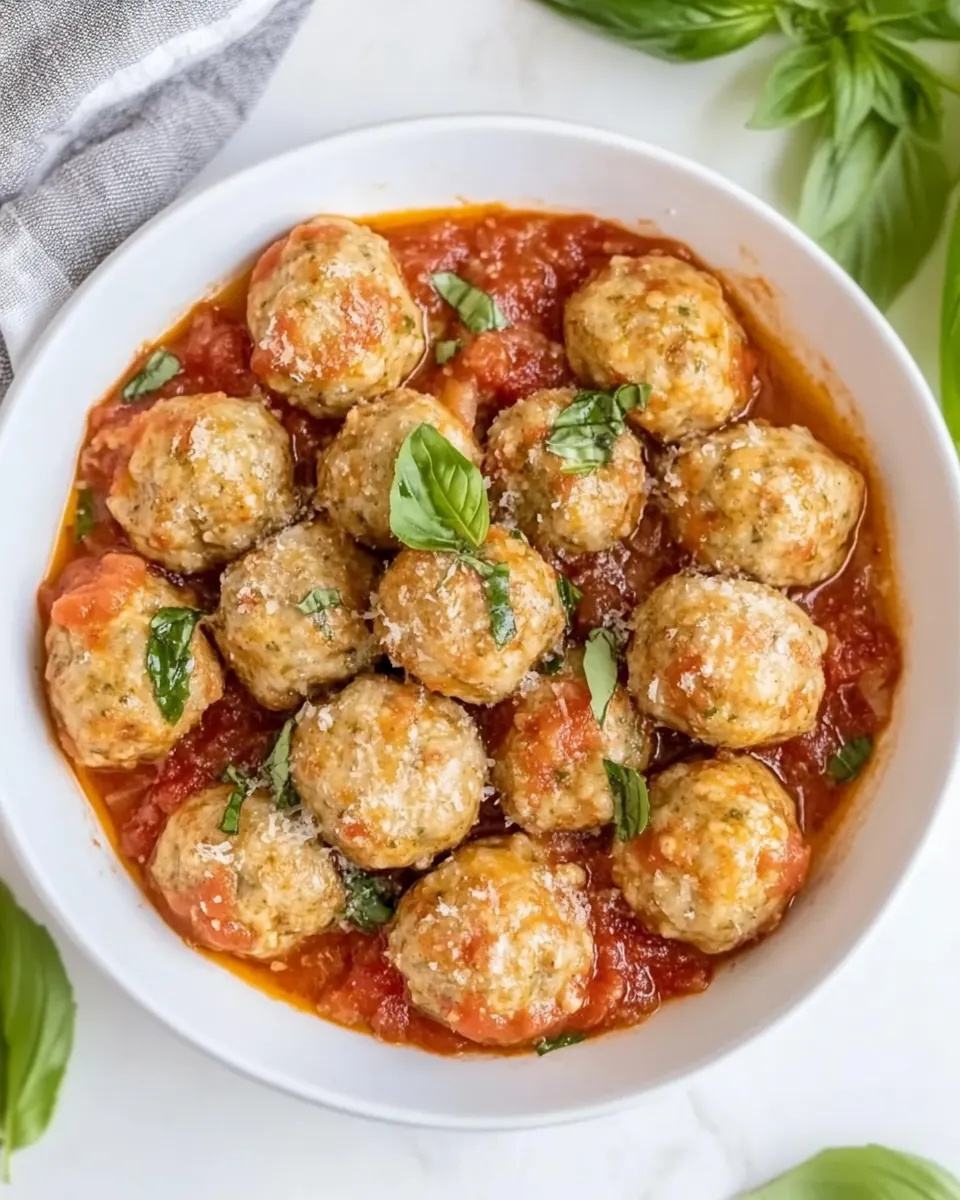
These directions are straightforward but rich in tactile detail. As you move through the steps, focus on how the mixture feels and the visual cues when frying, because those sensory signals tell you the meatballs are on the right track.
- Cut the bread into small cubes, and place them into a bowl with the milk. Allow the bread to sit for a few minutes, then drain it and squeeze out the excess milk with your hands, and place it in a large bowl.: The scent of warmed milk meeting torn ciabatta is gentle and comforting; after a few minutes the bread should look swollen but not falling apart, indicating it has absorbed enough liquid to add silkiness without making the mixture soggy. Gently pressing a cube between your fingers should release a bit of milk but not stream it, which means you have the right balance. A common mistake is over soaking, which makes the mixture loose and hard to shape, so if the bread feels overly wet, drain it briefly before squeezing.
- Add in the egg, breadcrumbs, Parmesan cheese, garlic, parsley, lemon zest, thyme and ground chicken, and season generously with sea salt and black pepper. Mix to combine all the ingredients.: When you squeeze the bread, you should feel resistance that collapses into a soft mass, and the aroma becomes slightly tangy from the bread absorbing the milk . The reason for draining is to avoid a watery meatball that falls apart during cooking, so be thorough but gentle when squeezing. If you leave too much liquid in, the mixture will be slack and hard to form, so always remove excess moisture now rather than compensate later.
- Lightly oil your hands, take off a small piece of the mixture and gently roll it between your hands to form 1-inch (2.5-cm) meatballs (about 1 full tablespoon each).: As you drop each ingredient into the bowl, notice the change in texture, from the coarse breadcrumbs to the pale flecks of Parmesan cheese , and the bright flecks of parsley and lemon zest . Use your hands or a wooden spoon to fold everything until it looks evenly combined, with no large streaks of egg or pockets of seasoning. This step builds flavor and structure, so make sure the garlic is distributed well. Overmixing can compact the mixture and make the meatballs dense, so stop as soon as the ingredients are uniform.
- Arrange the meatballs on a baking tray covered with parchment paper.: The tacky feel of the mixture is normal, and a light film of oil prevents sticking while forming. Aim for consistency in size so they cook evenly, and you will notice the mixture hold together as a smooth, slightly springy ball. If the mixture crumbles, it likely needs a touch more breadcrumbs or a firmer squeeze of the soaked bread; avoid packing them too tightly, which leads to tough texture.
- Heat the extra-virgin olive oil in a large frying pan over medium heat. Fold in the meatballs and leave them undisturbed until they are brown on one side. Shake the pan to loosen the meatballs, then turn each one with tongs to cook on the other side for 4-5 minutes.: Laying them out with a small space between each one prevents them from sticking as they rest, and the parchment helps preserve their shape. At this point the surface may be matte and slightly tacky, not glossy, which is the sign they are ready for the pan. Letting them sit briefly helps flavors settle, but do not let them dry out; cover loosely if you need to wait, as drying will cause the outer layer to form a skin and interfere with browning.
- Remove the meatballs from the pan, and arrange them on a plate covered with paper towels to absorb the oil in excess. Transfer the meatballs to a large serving plate and serve, or mix them with tomato sauce and serve with pasta.: As the extra–virgin olive oil warms, it will shimmer gently and release a faint fruity aroma, indicating the correct temperature. Too cool and the meatballs will absorb oil and become greasy, too hot and the exterior will char before the inside cooks. Adjust the flame so you hear a steady, gentle sizzle; that's the sound of the crust forming correctly. A frequent error is overcrowding the pan, which cools the oil and prevents browning, so fry in batches if needed.
- Fold in the meatballs and leave them undisturbed until they are brown on one side: When you first add the meatballs, you should hear a soft crackle as each one meets the hot oil, and after a minute or two the exposed side will darken to a deep golden brown. Leaving them undisturbed allows a proper crust to form, which locks juices in. If you move them too often, they will tear and lose their shape; patience here pays off with a firmer exterior and juicier center.
- Shake the pan to loosen the meatballs, then turn each one with tongs to cook on the other side for 4-5 minutes: Shaking loosens any bits that may cling, and turning with tongs ensures an even crust. As the second side cooks, you will smell a richer, toasted note from the Parmesan cheese and herbs. The internal texture should remain springy; if you pierce a meatball and clear juices run out, they are done. Avoid prolonged cooking that dries them out, and keep an eye on the heat so you maintain that even, steady sizzle.
- Remove the meatballs from the pan, and arrange them on a plate covered with paper towels to absorb the oil in excess: The paper towels will draw off surface oil, leaving the meatballs less heavy but still glossy and flavorful. As they rest, the carryover heat evens out the interior temperature. A common pitfall is skipping this rest and serving greasy meatballs, so give them a minute on towels to reach their best texture.
- Transfer the meatballs to a large serving plate and serve, or mix them with tomato sauce and serve with pasta: On the plate they present with a golden exterior and a tender crumb inside, and if you choose to simmer them briefly in sauce, they will absorb savory notes and meld beautifully. Serving them plain highlights the herbs and lemon zest, while a tomato sauce transforms them into a heartier main. Be mindful not to over simmer after frying, as excessive time in sauce can make them soften too much.
Change It Up
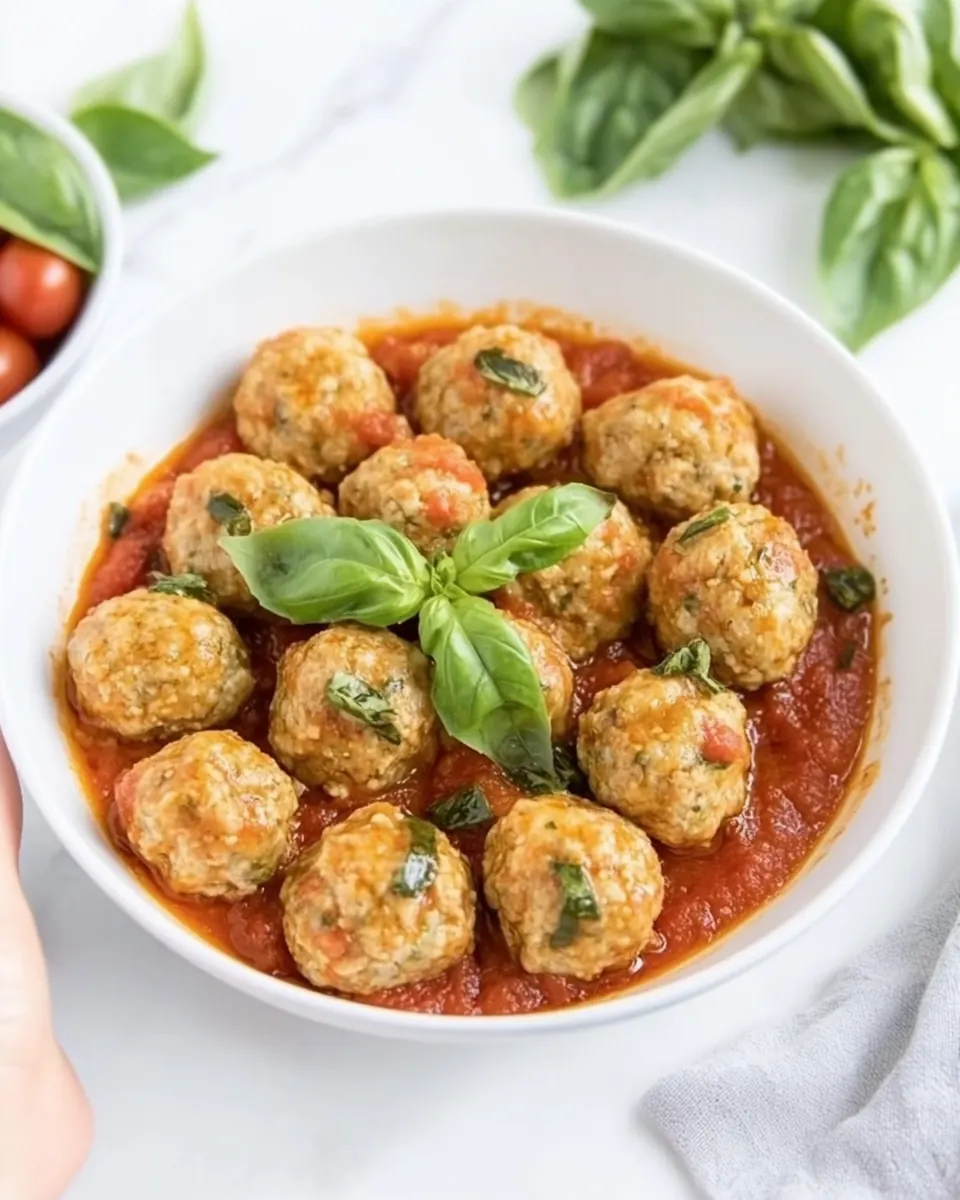
I like to tweak little things to suit mood, season, or dietary needs. These tips help you play with texture, flavor, and storage while keeping the spirit of Italian Chicken Meatballs intact.
- Breadcrumb swap Use gluten free breadcrumbs if needed, they maintain structure while keeping the meatballs tender.
- Dairy free option Replace milk with a dairy free milk to suit lactose sensitive eaters without changing the soaking step.
- Make ahead Form the meatballs and refrigerate them on a tray, covered, for up to a day to save time on busy nights.
- Freezing tips Freeze cooked meatballs in a single layer before transferring to a bag to prevent sticking and make future meals effortless.
- Reheating method Warm leftovers in a 170C 350F oven for 5 to 10 minutes to revive the exterior while keeping the center moist.
Great Combinations for Italian Chicken Meatballs
These meatballs can be dressed up or down for many occasions. Below I outline pairing ideas, storage advice, and serving contexts so you can pick the right approach depending on the meal and mood.
- Classic pasta night Serve the meatballs with a simple tomato sauce and your favorite pasta for a comforting dinner that feeds the family, especially on cooler evenings.
- Light weeknight dinner Plate the meatballs with a side of seasonal vegetables for a balanced, easy meal when you want something quick and satisfying.
- Party hors d oeuvre Make smaller meatballs and serve with toothpicks and a dipping sauce for gatherings, they rehearse well and travel easily.
- Meal prep and storage Refrigerate leftovers in an airtight container for up to three days, or freeze for longer storage as outlined in the tips, which keeps your weeknight planning flexible.
- Seasonal pairing In spring or summer, pair with a bright salad; in fall or winter, simmer briefly in a warm tomato sauce to add comfort and depth.
FAQ
Conclusion
What makes this recipe special is its balance of lightness and comfort. The combination of soaked ciabatta, fragrant herbs, and ground chicken yields meatballs that are tender inside with a golden crust outside. I encourage you to make these soon, whether for a quick weeknight dinner or to impress guests with a simple, flavorful dish. They are forgiving, versatile, and keep well, so once you get the method down you will find yourself returning to them again and again.
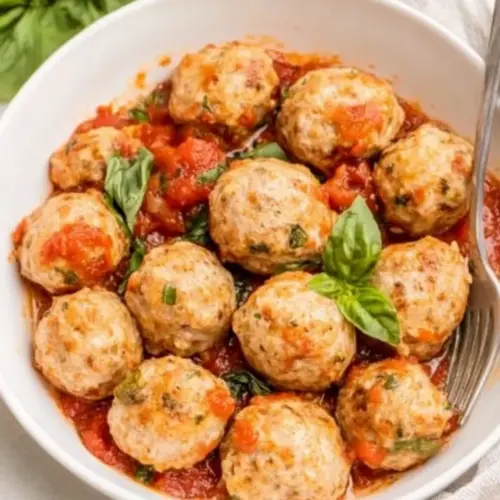
Italian Chicken Meatballs
Equipment
- Large Frying Pan
- Baking Tray
- Parchment Paper
- Mixing Bowl
- Tongs
Ingredients
- 2 thick slices of ciabatta bread, crust cut off Soak in liquid and provide structure by softening the bread before mixing; remove crust to ensure a tender, uniform texture within the meatballs. Squeeze excess moisture out after soaking to prevent a soggy mixture and help bind the meat so it holds its shape while cooking.
- 1/2 cup milk Add moisture and tenderness to the meatball mixture while aiding in binding; milk hydrates the breadcrumbs and contributes to a creamier mouthfeel. Use enough to moisten evenly without making the mixture too loose, which can affect forming and cooking.
- 1 large egg, beaten Whisk thoroughly and contribute to binding and leavening for a cohesive meatball texture; beaten egg helps hold ingredients together and adds richness. Incorporate evenly to ensure consistent cooking and to improve the overall structure of each meatball.
- 1 cup breadcrumbs Provide bulk and absorbent binding to trap moisture and create a pleasant crumb in the finished meatballs; breadcrumbs help the mixture hold shape and prevent toughness. Use uniform crumbs for consistent texture and adjust quantity if the mixture seems too wet or dry.
- 2 tablespoon Parmesan cheese, grated Sprinkle in to add savory, umami-rich flavor and a hint of nuttiness; grated Parmesan enhances depth and balances the mild chicken. Mix well so the cheese distributes evenly, contributing both taste and slight saltiness to the meatballs.
- 1 teaspoon garlic, minced Mince finely and infuse pungent aroma and a sharp savory kick; garlic elevates overall flavor complexity and pairs well with herbs and cheese. Sauté briefly if desired before mixing for a milder flavor, or mix raw for a brighter garlic presence.
- 1 tablespoon fresh parsley, finely minced Chop finely and add fresh herbal brightness and color; parsley lightens the richness and adds a subtle, clean note to the meatballs. Distribute evenly to provide consistent flavor in every bite and to complement stronger flavors like Parmesan and garlic.
- 1 teaspoon lemon zest Grate zest and impart bright citrus fragrance and a subtle tang that lifts the meatballs; lemon zest balances richness and enhances overall flavor complexity. Use only the colored part of the peel to avoid bitterness from the pith and mix thoroughly for even distribution.
- 1 teaspoon fresh thyme leaves Strip leaves and contribute earthy, slightly floral herbal notes to the mixture; fresh thyme adds depth and pairs well with chicken and lemon. Ensure leaves are finely chopped or stripped to avoid tough bits and to release aromatic oils throughout the meatballs.
- 10 oz ground chicken Combine as the primary protein and determine the meatballs' base texture and flavor; ground chicken offers a lean, delicate profile that benefits from added fats and binders. Handle gently when mixing to avoid compacting and keep meatballs tender after cooking.
- Sea salt and freshly cracked black pepper Season to taste and balance flavor with precise salting and peppering; sea salt enhances natural flavors while freshly cracked black pepper adds a sharp, warming bite. Add gradually and taste the mixture when possible to avoid over-seasoning delicate chicken.
- 4 tablespoon extra-virgin olive oil Heat in a skillet and provide fat for frying or sautéing to create a golden crust and prevent sticking; extra-virgin olive oil contributes fruity flavor and helps develop texture. Use enough oil to coat the pan and manage temperature to avoid burning while achieving even browning.
Instructions
- Cut the bread into small cubes, and place them into a bowl with the milk. Allow the bread to sit for a few minutes, then drain it and squeeze out the excess milk with your hands, and place it in a large bowl.: The scent of warmed milk meeting torn ciabatta is gentle and comforting; after a few minutes the bread should look swollen but not falling apart, indicating it has absorbed enough liquid to add silkiness without making the mixture soggy. Gently pressing a cube between your fingers should release a bit of milk but not stream it, which means you have the right balance. A common mistake is over soaking, which makes the mixture loose and hard to shape, so if the bread feels overly wet, drain it briefly before squeezing.
- Add in the egg, breadcrumbs, Parmesan cheese, garlic, parsley, lemon zest, thyme and ground chicken, and season generously with sea salt and black pepper. Mix to combine all the ingredients.: When you squeeze the bread, you should feel resistance that collapses into a soft mass, and the aroma becomes slightly tangy from the bread absorbing the milk . The reason for draining is to avoid a watery meatball that falls apart during cooking, so be thorough but gentle when squeezing. If you leave too much liquid in, the mixture will be slack and hard to form, so always remove excess moisture now rather than compensate later.
- Lightly oil your hands, take off a small piece of the mixture and gently roll it between your hands to form 1-inch (2.5-cm) meatballs (about 1 full tablespoon each).: As you drop each ingredient into the bowl, notice the change in texture, from the coarse breadcrumbs to the pale flecks of Parmesan cheese , and the bright flecks of parsley and lemon zest . Use your hands or a wooden spoon to fold everything until it looks evenly combined, with no large streaks of egg or pockets of seasoning. This step builds flavor and structure, so make sure the garlic is distributed well. Overmixing can compact the mixture and make the meatballs dense, so stop as soon as the ingredients are uniform.
- Arrange the meatballs on a baking tray covered with parchment paper.: The tacky feel of the mixture is normal, and a light film of oil prevents sticking while forming. Aim for consistency in size so they cook evenly, and you will notice the mixture hold together as a smooth, slightly springy ball. If the mixture crumbles, it likely needs a touch more breadcrumbs or a firmer squeeze of the soaked bread; avoid packing them too tightly, which leads to tough texture.
- Heat the extra-virgin olive oil in a large frying pan over medium heat. Fold in the meatballs and leave them undisturbed until they are brown on one side. Shake the pan to loosen the meatballs, then turn each one with tongs to cook on the other side for 4-5 minutes.: Laying them out with a small space between each one prevents them from sticking as they rest, and the parchment helps preserve their shape. At this point the surface may be matte and slightly tacky, not glossy, which is the sign they are ready for the pan. Letting them sit briefly helps flavors settle, but do not let them dry out; cover loosely if you need to wait, as drying will cause the outer layer to form a skin and interfere with browning.
- Remove the meatballs from the pan, and arrange them on a plate covered with paper towels to absorb the oil in excess. Transfer the meatballs to a large serving plate and serve, or mix them with tomato sauce and serve with pasta.: As the extra-virgin olive oil warms, it will shimmer gently and release a faint fruity aroma, indicating the correct temperature. Too cool and the meatballs will absorb oil and become greasy, too hot and the exterior will char before the inside cooks. Adjust the flame so you hear a steady, gentle sizzle; that's the sound of the crust forming correctly. A frequent error is overcrowding the pan, which cools the oil and prevents browning, so fry in batches if needed.
- Fold in the meatballs and leave them undisturbed until they are brown on one side: When you first add the meatballs, you should hear a soft crackle as each one meets the hot oil, and after a minute or two the exposed side will darken to a deep golden brown. Leaving them undisturbed allows a proper crust to form, which locks juices in. If you move them too often, they will tear and lose their shape; patience here pays off with a firmer exterior and juicier center.
- Shake the pan to loosen the meatballs, then turn each one with tongs to cook on the other side for 4-5 minutes: Shaking loosens any bits that may cling, and turning with tongs ensures an even crust. As the second side cooks, you will smell a richer, toasted note from the Parmesan cheese and herbs. The internal texture should remain springy; if you pierce a meatball and clear juices run out, they are done. Avoid prolonged cooking that dries them out, and keep an eye on the heat so you maintain that even, steady sizzle.
- Remove the meatballs from the pan, and arrange them on a plate covered with paper towels to absorb the oil in excess: The paper towels will draw off surface oil, leaving the meatballs less heavy but still glossy and flavorful. As they rest, the carryover heat evens out the interior temperature. A common pitfall is skipping this rest and serving greasy meatballs, so give them a minute on towels to reach their best texture.
- Transfer the meatballs to a large serving plate and serve, or mix them with tomato sauce and serve with pasta: On the plate they present with a golden exterior and a tender crumb inside, and if you choose to simmer them briefly in sauce, they will absorb savory notes and meld beautifully. Serving them plain highlights the herbs and lemon zest, while a tomato sauce transforms them into a heartier main. Be mindful not to over simmer after frying, as excessive time in sauce can make them soften too much.
Notes
- Breadcrumb swap Use gluten free breadcrumbs if needed, they maintain structure while keeping the meatballs tender.
- Dairy free option Replace milk with a dairy free milk to suit lactose sensitive eaters without changing the soaking step.
- Make ahead Form the meatballs and refrigerate them on a tray, covered, for up to a day to save time on busy nights.
- Freezing tips Freeze cooked meatballs in a single layer before transferring to a bag to prevent sticking and make future meals effortless.
- Reheating method Warm leftovers in a 170C 350F oven for 5 to 10 minutes to revive the exterior while keeping the center moist.