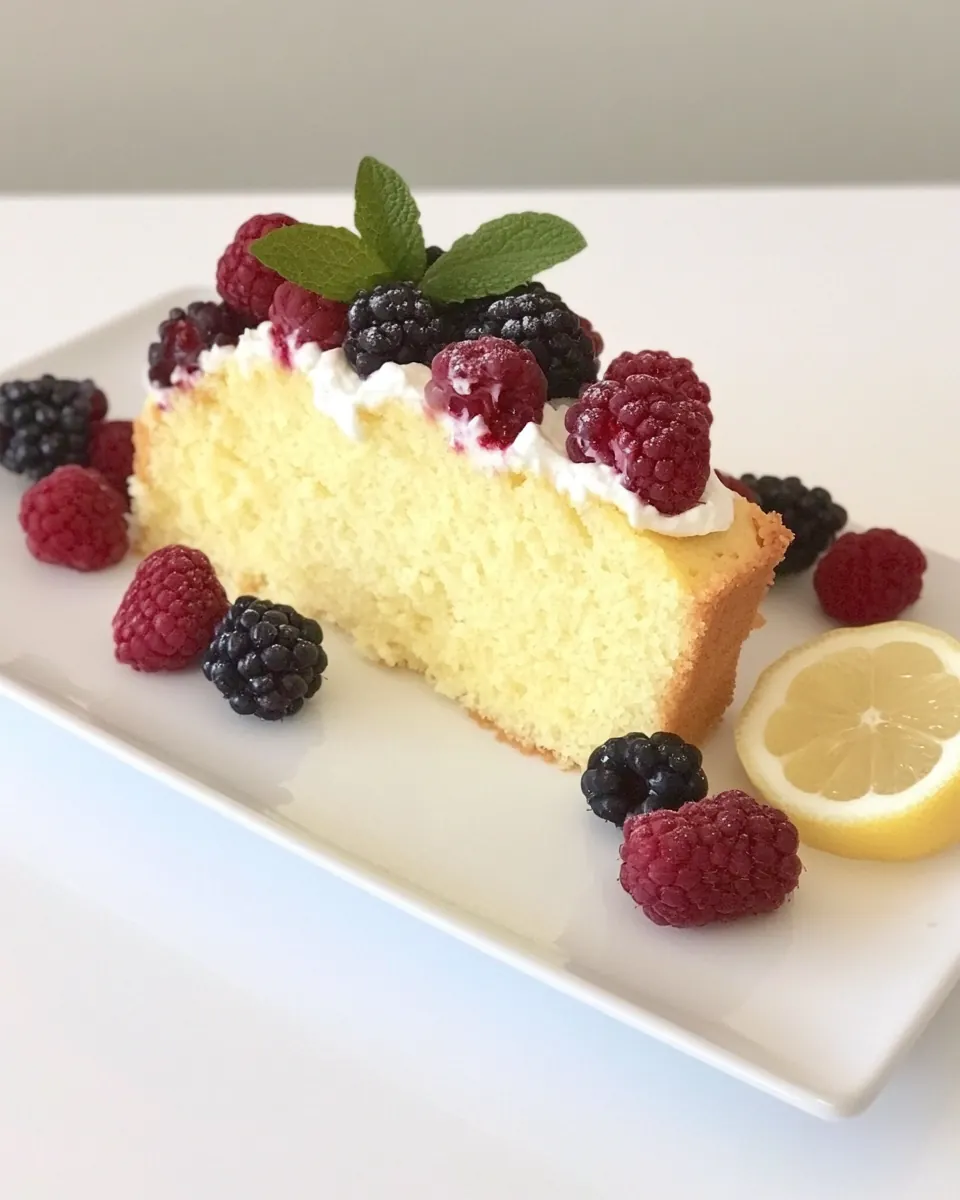
Lemon Ricotta Pound Cake with Berries
Lemon Ricotta Pound Cake with Berries is the kind of cake I reach for when I want something that tastes like sunshine and feels like a warm kitchen hug.
Years ago I baked this for a small neighborhood potluck, and I still remember the hush as people took their first bite, followed by friendly arguments about whether the ricotta made it fluffy or the lemon made it sing. I brought the same loaf to a quiet afternoon with an old friend and we ate it with forks and conversation. That version was studded with slightly tart berries that added bright pops against the soft, creamy crumb. Every time I make Lemon Ricotta Pound Cake with Berries now, I think about that porch swing and the way the lemon aroma filled the air.
I like how this cake lands between rustic and refined. It does not demand fuss, yet it rewards patience, especially when you let it cool so the crumb settles and the flavors mellow. I often swap the berry mix depending on what I find at the market, and I always taste the batter for balance, adjusting lemon or sugar so the cake finishes just right. Making Lemon Ricotta Pound Cake with Berries is one of those comforting rituals that turns a simple loaf pan into something celebratory.
Recipe Snapshot
1 hr 10 mins
20 mins
50 mins
Medium
350 kcal
Italian
Gluten-Free, Low FODMAP
Desserts
Loaf pan, Electric mixer, Wire rack, Mixing bowls
What You’ll Enjoy About This Lemon Ricotta Pound Cake with Berries
Flavor Harmony
What I love most is how Lemon Ricotta Pound Cake with Berries balances creamy and bright. The ricotta lends a tender, slightly tangy richness that keeps the crumb moist, while the lemon zest lifts the whole cake with a citrusy lift. The contrast between the soft cake and the juicy berries creates a bite that never gets boring.
Texture That Surprises
This cake manages to be dense yet soft, a true pound cake feeling that is actually delicate. I appreciate that it holds together for neat slices, but still gives way with a silk like mouthfeel thanks to the ricotta and room temperature butter. When you slice it, you notice a fine, even crumb that shows the batter was mixed thoughtfully.
Easy, Real Ingredients
I often recommend this to home bakers because the list is straightforward. You won’t need special pantry items, just pantry basics like cake flour, baking powder, and granulated sugar. That simplicity makes the recipe approachable, yet the results feel special enough for guests.
Flexible and Seasonal
I like that the recipe adapts to the season. In spring I use mixed berries that are sweet and slightly tart. If you have frozen berries, they work too after a gentle thaw. The cake pairs beautifully with a light dusting of powdered sugar or a spoonful of fresh whipped cream when you want a touch of elegance.
Great for Gatherings
Because it slices so neatly, Lemon Ricotta Pound Cake with Berries is ideal for sharing. It travels well and sits pretty on a dessert table. I often bake it the day before a gathering, which lets the flavors settle and frees me up to chat with guests rather than fuss with last minute baking.
Ingredients Overview for Lemon Ricotta Pound Cake with Berries
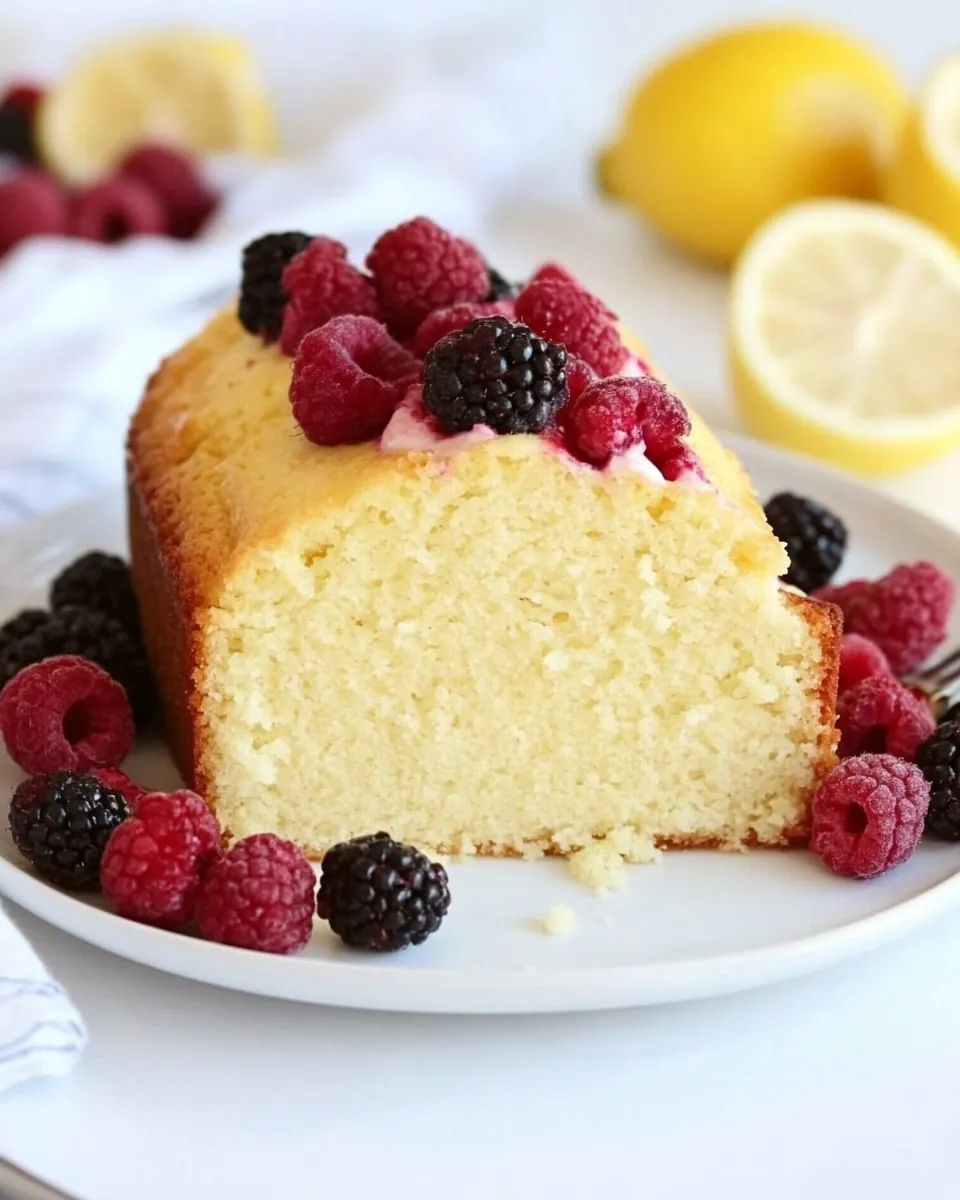
This ingredient list is intentionally classic, built around a few key players that create the cake‘s character. The cake flour keeps the crumb tender while the leavening agents give it lift. Ricotta adds moisture and a subtle tang that makes each bite feel more sophisticated than a standard pound cake. The berries finish the cake with juicy brightness. Together these elements form a loaf that is both comforting and a little bit special.
- 1 1/2 cups cake flour: Provide structure and a tender crumb when sifted into the batter; helps balance moisture for a delicate pound cake texture and yields a fine, soft crumb when combined properly.
- 2 1/2 teaspoons baking powder: Leaven the cake by releasing carbon dioxide during baking; ensures lift and a light interior, and should be evenly distributed through the dry ingredients for consistent rise.
- 1 teaspoon salt: Season the batter to enhance overall flavor and balance sweetness; helps bring out the lemon and ricotta notes and should be measured precisely to avoid over-salting.
- 3/4 cup 1 1/2 sticks unsalted butter, at room temperature, plus more to grease the baking pan: Cream with sugar to incorporate air and create a light, airy batter; contributes richness and mouthfeel while also coating flour proteins for tender results, and a bit more can be used to grease the pan.
- 1 1/2 cups ricotta cheese: Add moisture, richness, and a subtle tang that brightens the cake; contributes to a dense yet tender crumb and pairs well with lemon and berries for a creamy flavor profile.
- 1 1/2 cups granulated sugar plus 1 tablespoon: Sweeten and help with structure when creamed with butter; reserve a tablespoon separately for sprinkling or finishing, and adjust sweetness to taste while ensuring even distribution in the batter.
- 3 large eggs: Provide structure and richness while helping to emulsify the batter; contribute to rise and stability, and should be added one at a time for proper incorporation and even texture.
- 1 teaspoon vanilla extract: Add aromatic depth and subtle sweetness to complement lemon and ricotta; enhances overall flavor complexity and pairs well with vanilla’s warm notes in the finished cake.
- 2 lemons zested: Brighten the cake with citrus aroma and flavor from the zest; concentrates lemon oils for pronounced lemon character without adding extra liquid, and should be zest finely for even distribution.
- 2 cups mixed berries fresh or frozen (if using frozen thaw before using): Contribute bursts of fruity flavor and visual appeal throughout the cake; can be folded in fresh or thawed if frozen to avoid excess moisture, and distribute gently to prevent color bleeding.
- Whipped cream for serving (optional): Offer a light, creamy topping that complements the dense cake and tart berries; can be served dolloped alongside slices to add richness and a contrasting airy texture.
Cooking Method for Lemon Ricotta Pound Cake with Berries
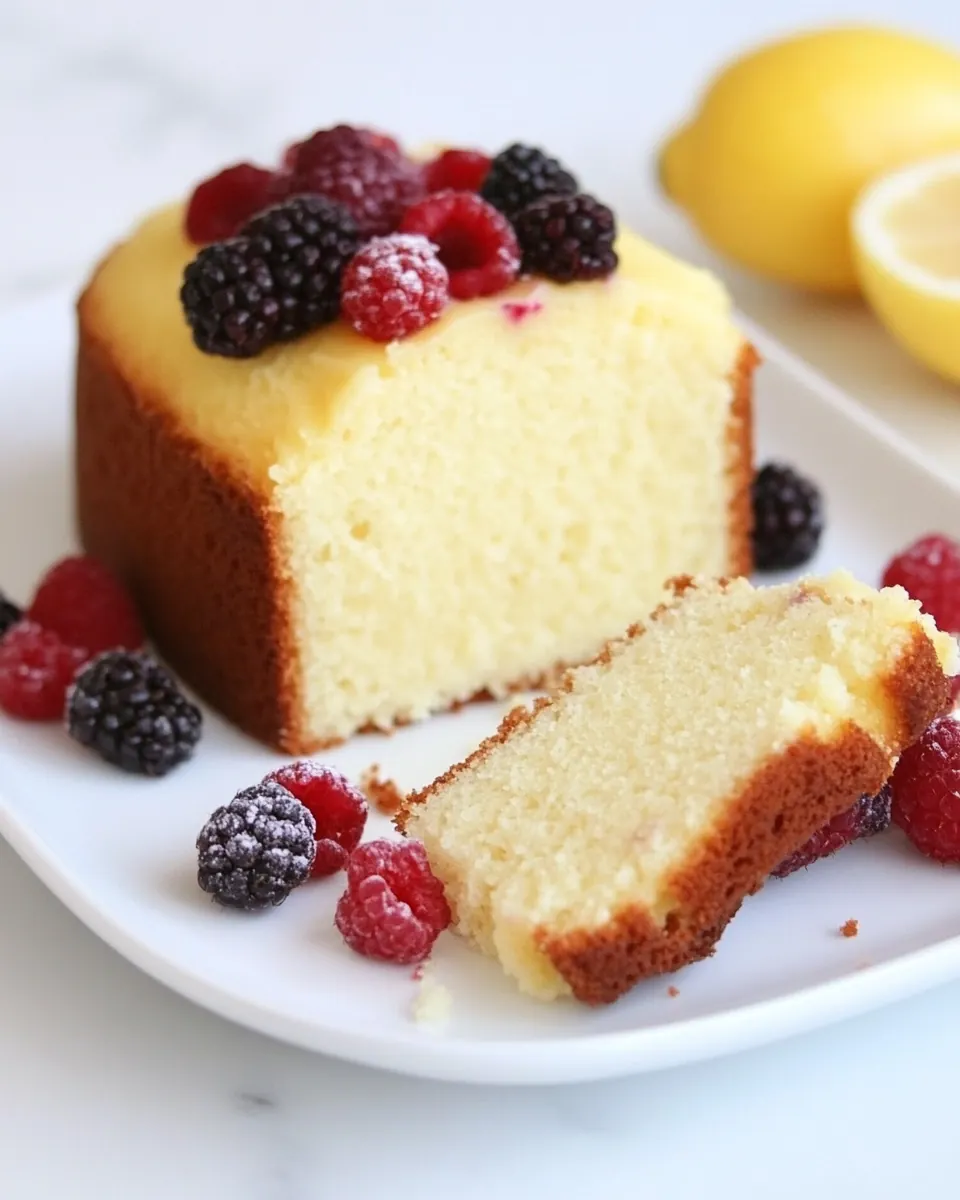
Follow these steps with patience and attention to sensory cues; baking is as much about feel as it is about timing. The directions below expand each action into guidance that helps you know when you are on track, and how to fix common missteps. Read each step fully before you begin so you have the right rhythm while baking.
- Preheat the oven to 350 degrees F. Grease a 9 by 5 by 3-inch loaf pan with butter. In a medium bowl combine the flour, baking powder, and salt. Whisk to combine.: When the oven reaches 350 degrees F , you should feel a dry warmth and smell a faint toasty air, which signals an even environment for baking. Proper preheating ensures the cake begins rising immediately, creating that fine crumb and preventing the loaf from baking unevenly. I wait until the oven's indicator shows full heat and I place the rack in the center to promote even browning, since too low a rack yields a darker bottom and too high a rack browns the top too quickly. A common error is rushing without full preheat, which can cause a dense center; resist opening the door frequently, because that lets heat escape and interrupts the oven's stability.
- Using an electric mixer, cream together the butter, ricotta cheese, and sugar until light and fluffy, about 3 minutes. With the machine running, add the eggs one at a time. Add the vanilla and lemon zest and mix until combined.: Rubbing softened butter along the pan's bottom and sides gives a glossy, even coating that helps the cake release cleanly; then I lightly dust with flour and tap out the excess for insurance. The butter's scent will be faint but comforting at this stage, and the surface should look evenly coated without clumps. If you skip greasing or do it unevenly, the cake can stick and break when you remove it, so make sure corners and edges are covered. For a prettier release, you can line the pan with a strip of parchment, but the butter only method works well if done thoroughly.
- Add the dry ingredients, a small amount at a time, until just incorporated. Pour the mixture into the prepared loaf pan and bake until a toothpick comes out clean and the cake is beginning to pull away from the sides of the pan, about 45 to 50 minutes. Let the cake cool in the pan for 10 minutes then transfer to a wire rack to cool completely.: As you stir these dry ingredients , you should see a uniform pale mixture and smell the faint mineral tang of baking powder . Whisking distributes the leavening and salt so their action is even throughout the batter, which prevents pockets of bitter or flat spots. I whisk until there are no visible streaks of flour, and then set the bowl aside. A typical mistake is to add dry ingredients straight to wet without sifting or whisking, which can cause clumps or uneven rise; taking a moment here prevents texture problems later.
- Meanwhile, place the mixed berries in a small bowl with the remaining 1 tablespoon sugar. Stir well and set aside until serving time.: As you beat the butter , ricotta , and granulated sugar , the mixture will change from dull and dense to paler and aerated, with a slightly whipped texture that traps air for lift. I start at low speed to combine, then increase to medium and scrape the bowl often so everything blends smoothly. The scent will be sweet and creamy with a hint of dairy from the ricotta . If the mixture looks curdled or separates, it often means ingredients were too cold; bring them to room temperature and continue beating to recover the texture. Overbeating can incorporate too much air, risking a collapse in the oven, so stop when it is light but stable.
- To serve, slice the pound cake and serve with a spoonful of mixed berries. Top with whipped cream, if desired.: Adding each egg slowly lets it emulsify into the batter, creating a glossy, cohesive texture; you should see the mixture smooth out after each addition. This method prevents the batter from breaking and ensures even distribution of moisture and protein for structure. If you dump in all the eggs at once, the batter can separate or look curdled, so patience here yields a velvety, consistent batter. After the eggs are combined, the scent shifts slightly toward a rich baked custard aroma.
- Add the vanilla and lemon zest and mix until combined: When you fold in vanilla and fresh lemon zest, inhale the immediate citrus perfume that brightens the batter; the tiny yellow flecks of zest should be evenly dispersed. This step layers flavor so every slice has citrus sparks that cut through the richness. Avoid over mixing at this point because excessive agitation can develop gluten, leading to a tougher crumb. If the zest seems to clump, gently fold to distribute without pounding the batter.
- Add the dry ingredients a small amount at a time until just incorporated: As you incorporate the whisked dry mix in batches, the batter will thicken gradually and develop a smooth, velvety sheen. Adding a little at a time reduces gluten formation and prevents lumps, preserving tenderness. Use a spatula to fold with gentle strokes, watching for uniform color and texture; if you still see streaks of flour, finish with a couple more gentle folds. Mixing too vigorously or too long will make the cake dense, so stop once no white streaks remain.
- Pour the mixture into the prepared loaf pan: The batter should flow slowly and settle into an even surface, with a pale, glossy top that holds slight peaks. Pouring carefully prevents air pockets and ensures even rise, and I tap the pan lightly on the counter to level the batter and release trapped air bubbles. Visually check that the batter sits about two thirds up the pan's height to allow room for rising; overfilling leads to spillover and uneven baking. If you notice large air gaps after tapping, smooth the surface with a spatula.
- Bake until a toothpick comes out clean and the cake is beginning to pull away from the sides of the pan about 45 to 50 minutes: During baking you will first notice the aroma of butter and lemon growing stronger and the top turning a warm golden tone. The timer is a guide, but the true test is a clean toothpick and slight separation from the pan edges, which indicate the interior is set. Avoid opening the oven repeatedly, because each peek drops temperature and can stall the rise. If the top browns too quickly, tent with foil for the remaining time to prevent over darkening while the center finishes.
- Let the cake cool in the pan for 10 minutes then transfer to a wire rack to cool completely: After removing the pan from the oven, allow the loaf to rest; you will smell an intensified lemon fragrance as steam escapes. Cooling in the pan helps the cake settle, and transferring it after about 10 minutes prevents sticking and tearing. A wire rack allows air circulation so the bottom does not become soggy; if you slice too soon while still hot, the crumb can be gummy and tear. Be gentle when unmolding, and use the loaf pan edges to coax it out if needed.
- Meanwhile place the mixed berries in a small bowl with the remaining 1 tablespoon sugar: While the cake cools, stirring the mixed berries with the extra sugar brings out their juices and softens them into a glossy topping, releasing a fragrant berry aroma. This maceration creates a syrup that complements the cake without being cloying. If the berries look watery after macerating, drain slightly to avoid soggy slices, but preserve some syrup to spoon over each piece. Overmixing the berries can crush them, so combine gently until they glisten.
- To serve slice the pound cake and serve with a spoonful of mixed berries: When the loaf is completely cool, the texture will be set and slicing will yield clean edges and an even crumb. Serve each slice with a generous spoonful of the macerated mixed berries and a dollop of whipped cream if desired, which adds a light, airy counterpoint. The contrast of warm citrus notes and cool berries creates a layered flavor experience. Avoid stacking slices while warm, because condensation can soften the crumb; serve on individual plates for the best presentation.
Tips and Variations
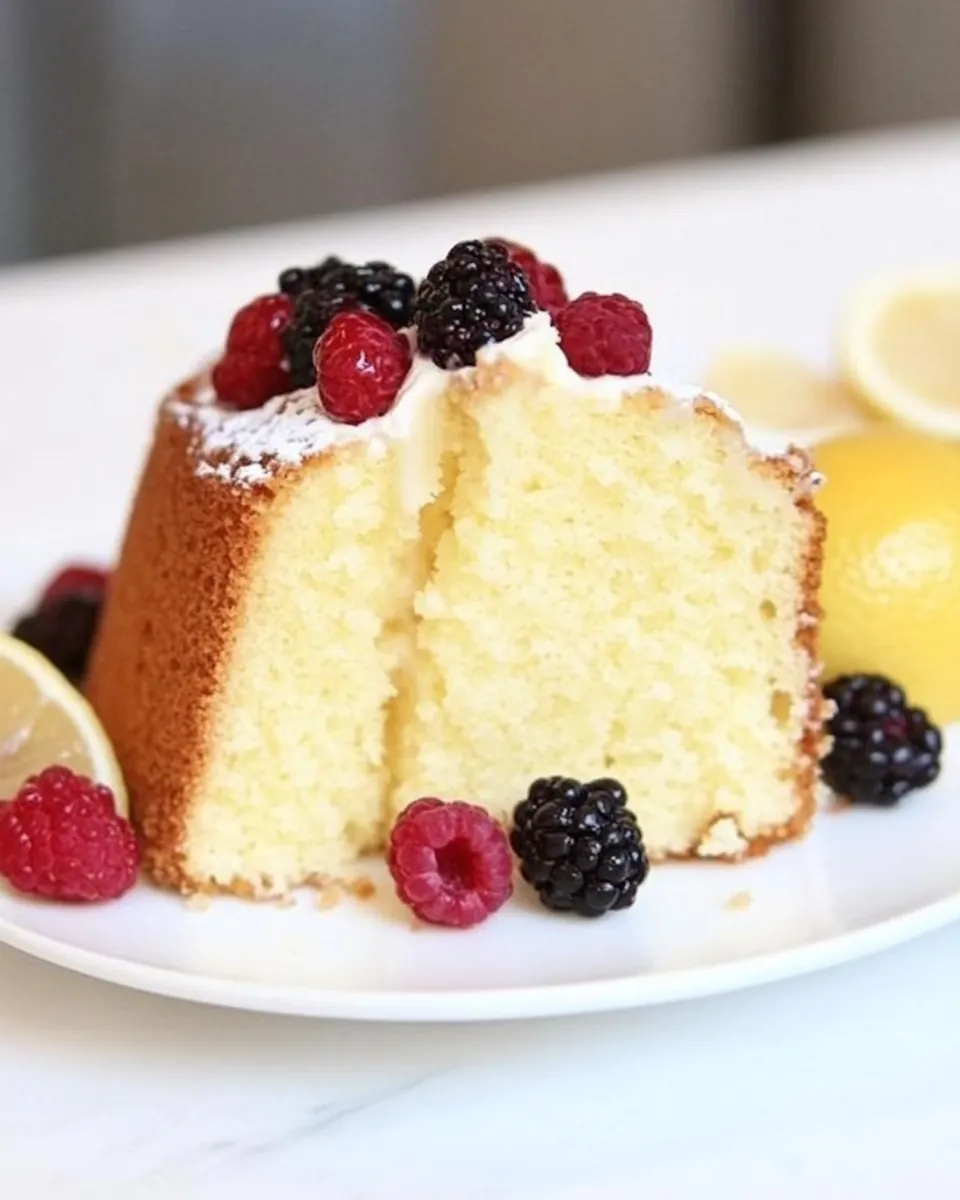
This section offers practical tweaks and ideas to make the cake your own. Each tip highlights a small change that can influence texture, flavor, or presentation.
- Room temperature ingredients: Bring butter, ricotta, and eggs to room temperature so they incorporate evenly, which helps the batter become smooth and hold air for a tender crumb.
- Flour swapping: If you only have all purpose flour, measure carefully and consider removing 1 tablespoon per cup to mimic the lighter texture of cake flour, though the original cake flour yields the most delicate result.
- Berry handling: If using frozen berries, thaw and drain them thoroughly, then lightly pat dry to prevent excess moisture from weighing down the batter or creating streaks of color.
- Make ahead: You can bake the cake a day ahead and keep it at room temperature wrapped tightly in plastic, which lets the flavors meld and makes serving simpler on the day of your event.
- Serving variations: For a lighter presentation, serve slices with a spoonful of macerated berries and a small quenelle of lightly sweetened whipped cream, or keep it simple with just the berries for less sweetness.
Serving This Lemon Ricotta Pound Cake with Berries
This cake is versatile enough for casual and special occasions; here are detailed ways to present it and contexts that highlight its strengths.
- Casual tea or coffee: Slice the cake and serve with a steaming pot of tea or coffee for an afternoon treat; the lemon brightens the palate and the ricotta keeps each bite tender.
- Brunch centerpiece: Offer the loaf as part of a brunch spread alongside fresh fruit and yogurt; the loaf slices well and complements savory breakfast items without overpowering them.
- Spring gatherings: This recipe fits springtime menus perfectly, especially when local berries are available, making it ideal for garden parties or light celebrations.
- Storage tips: Store the cooled cake wrapped in plastic at room temperature for up to two days, or refrigerate for up to five days; to revive slightly stale slices, warm them briefly in a low oven to refresh texture.
- Make ahead and freeze: You can freeze whole or sliced cake wrapped tightly for up to three months; thaw overnight in the refrigerator before serving and finish with fresh berries and whipped cream.
- Occasion pairings: Serve this loaf at shower luncheons, small holiday gatherings, or family dinners when you want a dessert that is both comforting and a little refined.
FAQ
Conclusion
This cake stands out for its tender, creamy crumb and the bright lift of fresh lemon and berries. It is comforting yet refined enough for guests, and forgiving for bakers who enjoy straightforward techniques. I encourage you to try baking it the next time you want a dessert that feels both homestyle and special; slice it for brunch, bring it to a small gathering, or enjoy a quiet afternoon with a cup of tea. With simple ingredients and attentive technique, you will be rewarded with a loaf that tastes like a sunny spring morning.
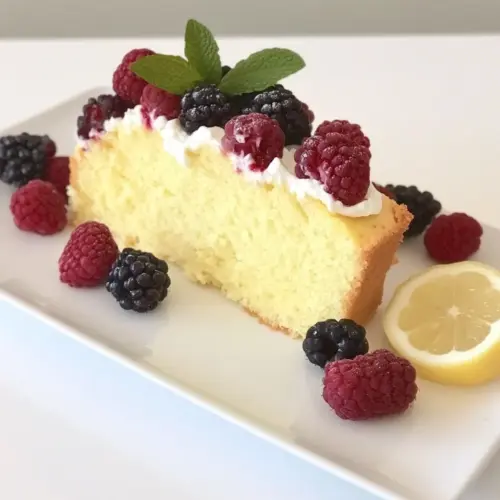
Lemon Ricotta Pound Cake with Berries
Equipment
- Loaf Pan
- Electric Mixer
- Wire Rack
- Mixing Bowls
Ingredients
- 1 1/2 cups cake flour Provide structure and a tender crumb when sifted into the batter; helps balance moisture for a delicate pound cake texture and yields a fine, soft crumb when combined properly.
- 2 1/2 teaspoons baking powder Leaven the cake by releasing carbon dioxide during baking; ensures lift and a light interior, and should be evenly distributed through the dry ingredients for consistent rise.
- 1 teaspoon salt Season the batter to enhance overall flavor and balance sweetness; helps bring out the lemon and ricotta notes and should be measured precisely to avoid over-salting.
- 3/4 cup 1 1/2 sticks unsalted butter, at room temperature, plus more to grease the baking pan Cream with sugar to incorporate air and create a light, airy batter; contributes richness and mouthfeel while also coating flour proteins for tender results, and a bit more can be used to grease the pan.
- 1 1/2 cups ricotta cheese Add moisture, richness, and a subtle tang that brightens the cake; contributes to a dense yet tender crumb and pairs well with lemon and berries for a creamy flavor profile.
- 1 1/2 cups granulated sugar plus 1 tablespoon Sweeten and help with structure when creamed with butter; reserve a tablespoon separately for sprinkling or finishing, and adjust sweetness to taste while ensuring even distribution in the batter.
- 3 large eggs Provide structure and richness while helping to emulsify the batter; contribute to rise and stability, and should be added one at a time for proper incorporation and even texture.
- 1 teaspoon vanilla extract Add aromatic depth and subtle sweetness to complement lemon and ricotta; enhances overall flavor complexity and pairs well with vanilla’s warm notes in the finished cake.
- 2 lemons zested Brighten the cake with citrus aroma and flavor from the zest; concentrates lemon oils for pronounced lemon character without adding extra liquid, and should be zest finely for even distribution.
- 2 cups mixed berries fresh or frozen (if using frozen thaw before using) Contribute bursts of fruity flavor and visual appeal throughout the cake; can be folded in fresh or thawed if frozen to avoid excess moisture, and distribute gently to prevent color bleeding.
- Whipped cream for serving optional Offer a light, creamy topping that complements the dense cake and tart berries; can be served dolloped alongside slices to add richness and a contrasting airy texture.
Instructions
- Preheat the oven to 350 degrees F. Grease a 9 by 5 by 3-inch loaf pan with butter. In a medium bowl combine the flour, baking powder, and salt. Whisk to combine.: When the oven reaches 350 degrees F , you should feel a dry warmth and smell a faint toasty air, which signals an even environment for baking. Proper preheating ensures the cake begins rising immediately, creating that fine crumb and preventing the loaf from baking unevenly. I wait until the oven's indicator shows full heat and I place the rack in the center to promote even browning, since too low a rack yields a darker bottom and too high a rack browns the top too quickly. A common error is rushing without full preheat, which can cause a dense center; resist opening the door frequently, because that lets heat escape and interrupts the oven's stability.
- Using an electric mixer, cream together the butter, ricotta cheese, and sugar until light and fluffy, about 3 minutes. With the machine running, add the eggs one at a time. Add the vanilla and lemon zest and mix until combined.: Rubbing softened butter along the pan's bottom and sides gives a glossy, even coating that helps the cake release cleanly; then I lightly dust with flour and tap out the excess for insurance. The butter's scent will be faint but comforting at this stage, and the surface should look evenly coated without clumps. If you skip greasing or do it unevenly, the cake can stick and break when you remove it, so make sure corners and edges are covered. For a prettier release, you can line the pan with a strip of parchment, but the butter only method works well if done thoroughly.
- Add the dry ingredients, a small amount at a time, until just incorporated. Pour the mixture into the prepared loaf pan and bake until a toothpick comes out clean and the cake is beginning to pull away from the sides of the pan, about 45 to 50 minutes. Let the cake cool in the pan for 10 minutes then transfer to a wire rack to cool completely.: As you stir these dry ingredients , you should see a uniform pale mixture and smell the faint mineral tang of baking powder . Whisking distributes the leavening and salt so their action is even throughout the batter, which prevents pockets of bitter or flat spots. I whisk until there are no visible streaks of flour, and then set the bowl aside. A typical mistake is to add dry ingredients straight to wet without sifting or whisking, which can cause clumps or uneven rise; taking a moment here prevents texture problems later.
- Meanwhile, place the mixed berries in a small bowl with the remaining 1 tablespoon sugar. Stir well and set aside until serving time.: As you beat the butter , ricotta , and granulated sugar , the mixture will change from dull and dense to paler and aerated, with a slightly whipped texture that traps air for lift. I start at low speed to combine, then increase to medium and scrape the bowl often so everything blends smoothly. The scent will be sweet and creamy with a hint of dairy from the ricotta . If the mixture looks curdled or separates, it often means ingredients were too cold; bring them to room temperature and continue beating to recover the texture. Overbeating can incorporate too much air, risking a collapse in the oven, so stop when it is light but stable.
- To serve, slice the pound cake and serve with a spoonful of mixed berries. Top with whipped cream, if desired.: Adding each egg slowly lets it emulsify into the batter, creating a glossy, cohesive texture; you should see the mixture smooth out after each addition. This method prevents the batter from breaking and ensures even distribution of moisture and protein for structure. If you dump in all the eggs at once, the batter can separate or look curdled, so patience here yields a velvety, consistent batter. After the eggs are combined, the scent shifts slightly toward a rich baked custard aroma.
- Add the vanilla and lemon zest and mix until combined: When you fold in vanilla and fresh lemon zest, inhale the immediate citrus perfume that brightens the batter; the tiny yellow flecks of zest should be evenly dispersed. This step layers flavor so every slice has citrus sparks that cut through the richness. Avoid over mixing at this point because excessive agitation can develop gluten, leading to a tougher crumb. If the zest seems to clump, gently fold to distribute without pounding the batter.
- Add the dry ingredients a small amount at a time until just incorporated: As you incorporate the whisked dry mix in batches, the batter will thicken gradually and develop a smooth, velvety sheen. Adding a little at a time reduces gluten formation and prevents lumps, preserving tenderness. Use a spatula to fold with gentle strokes, watching for uniform color and texture; if you still see streaks of flour, finish with a couple more gentle folds. Mixing too vigorously or too long will make the cake dense, so stop once no white streaks remain.
- Pour the mixture into the prepared loaf pan: The batter should flow slowly and settle into an even surface, with a pale, glossy top that holds slight peaks. Pouring carefully prevents air pockets and ensures even rise, and I tap the pan lightly on the counter to level the batter and release trapped air bubbles. Visually check that the batter sits about two thirds up the pan's height to allow room for rising; overfilling leads to spillover and uneven baking. If you notice large air gaps after tapping, smooth the surface with a spatula.
- Bake until a toothpick comes out clean and the cake is beginning to pull away from the sides of the pan about 45 to 50 minutes: During baking you will first notice the aroma of butter and lemon growing stronger and the top turning a warm golden tone. The timer is a guide, but the true test is a clean toothpick and slight separation from the pan edges, which indicate the interior is set. Avoid opening the oven repeatedly, because each peek drops temperature and can stall the rise. If the top browns too quickly, tent with foil for the remaining time to prevent over darkening while the center finishes.
- Let the cake cool in the pan for 10 minutes then transfer to a wire rack to cool completely: After removing the pan from the oven, allow the loaf to rest; you will smell an intensified lemon fragrance as steam escapes. Cooling in the pan helps the cake settle, and transferring it after about 10 minutes prevents sticking and tearing. A wire rack allows air circulation so the bottom does not become soggy; if you slice too soon while still hot, the crumb can be gummy and tear. Be gentle when unmolding, and use the loaf pan edges to coax it out if needed.
- Meanwhile place the mixed berries in a small bowl with the remaining 1 tablespoon sugar: While the cake cools, stirring the mixed berries with the extra sugar brings out their juices and softens them into a glossy topping, releasing a fragrant berry aroma. This maceration creates a syrup that complements the cake without being cloying. If the berries look watery after macerating, drain slightly to avoid soggy slices, but preserve some syrup to spoon over each piece. Overmixing the berries can crush them, so combine gently until they glisten.
- To serve slice the pound cake and serve with a spoonful of mixed berries: When the loaf is completely cool, the texture will be set and slicing will yield clean edges and an even crumb. Serve each slice with a generous spoonful of the macerated mixed berries and a dollop of whipped cream if desired, which adds a light, airy counterpoint. The contrast of warm citrus notes and cool berries creates a layered flavor experience. Avoid stacking slices while warm, because condensation can soften the crumb; serve on individual plates for the best presentation.
Notes
- Room temperature ingredients: Bring butter, ricotta, and eggs to room temperature so they incorporate evenly, which helps the batter become smooth and hold air for a tender crumb.
- Flour swapping: If you only have all purpose flour, measure carefully and consider removing 1 tablespoon per cup to mimic the lighter texture of cake flour, though the original cake flour yields the most delicate result.
- Berry handling: If using frozen berries, thaw and drain them thoroughly, then lightly pat dry to prevent excess moisture from weighing down the batter or creating streaks of color.
- Make ahead: You can bake the cake a day ahead and keep it at room temperature wrapped tightly in plastic, which lets the flavors meld and makes serving simpler on the day of your event.
- Serving variations: For a lighter presentation, serve slices with a spoonful of macerated berries and a small quenelle of lightly sweetened whipped cream, or keep it simple with just the berries for less sweetness.
