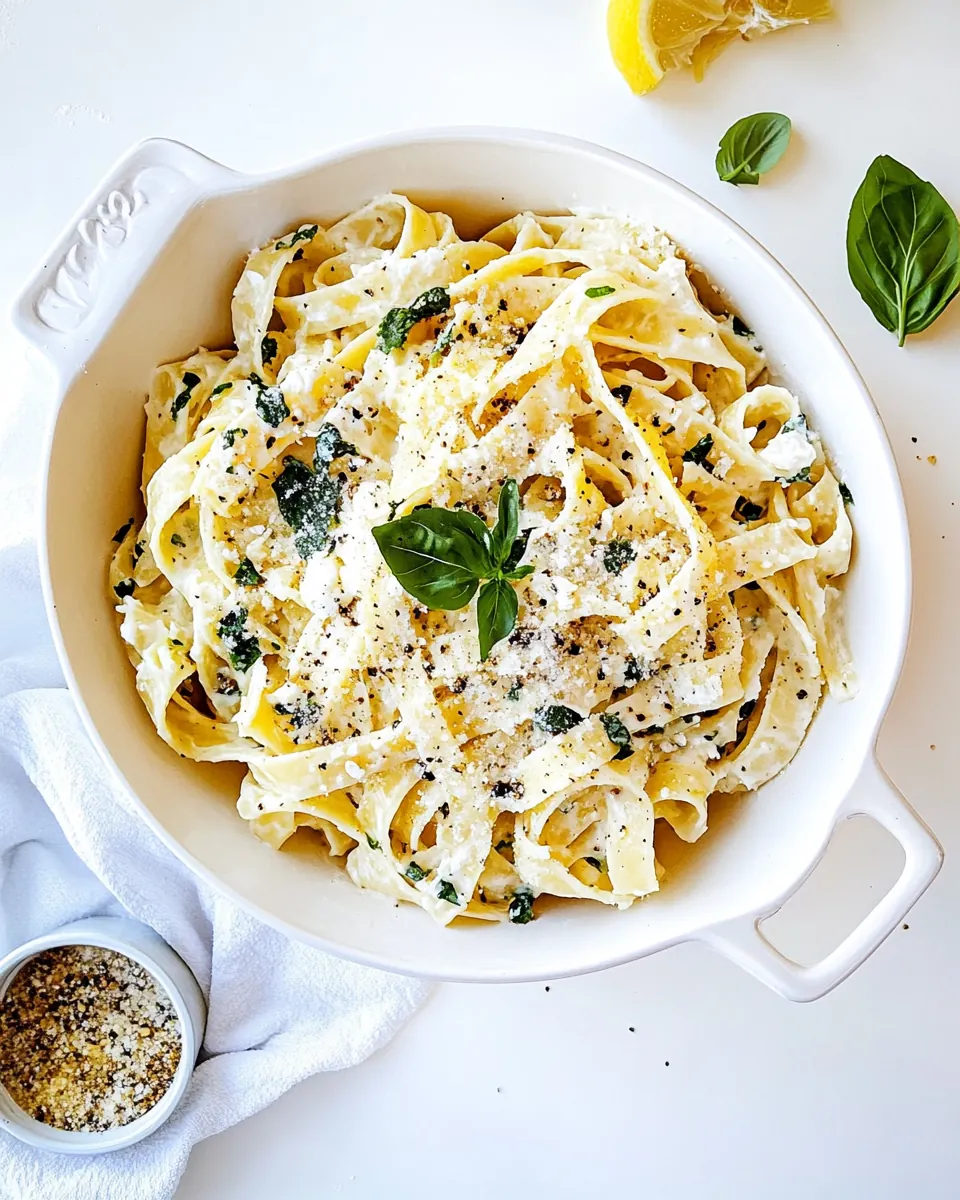
Lemon Ricotta Pasta
Lemon Ricotta Pasta is the kind of weeknight comfort that feels fancy without the fuss, and the first time I made it I remember standing over the stove with sun on my face, suddenly convinced simple food can feel celebratory.
I was coming home from a long day and wanted something fast that still tasted thoughtful. I grabbed a box of cavatappi pasta and a tub of ricotta cheese, and in less than half an hour I had a bowl that smelled bright from lemon zest and herbaceous from fresh basil. The contrast of pillowy ricotta and toothsome pasta felt both nostalgic and new, so I invited a neighbor to join and we ended up talking until late.
Since then, Lemon Ricotta Pasta has been my go to for nights when I want to feel cared for without spending hours. I use whole milk ricotta for creaminess, a generous scrape of Parmesan for savory depth, and a little heat from red pepper flakes to lift things up. There is a comforting rhythm to stirring warm pasta water into the cheese mixture until it becomes a glossy sauce, and I love how the aroma of lemon changes the whole mood.
Recipe Snapshot
20 mins
5 mins
15 mins
Easy
550 kcal
Italian
Gluten-Free, Low FODMAP
Pasta
Large pot, Colander, Measuring cup
The Appeal of This Lemon Ricotta Pasta
Bright, Fresh Flavor
I love how Lemon Ricotta Pasta sings with citrus and herbs. The lemon zest and juice cut through the richness of the ricotta cheese, so each bite feels lively rather than heavy. That contrast is what keeps me coming back, it makes a simple weeknight meal feel elevated.
Speed Without Compromise
This recipe comes together quickly, which is huge for busy evenings. Because the sauce is essentially warmed ricotta emulsified with reserved starchy pasta water, you get a silky finish in minutes. I appreciate recipes that reward a little attention with big payoff, and this one does exactly that.
Flexible and Inviting
I find this dish incredibly forgiving. The base is friendly to swaps within the herb family, and the technique holds whether you use cavatappi pasta or another short, ridged shape. It invites small additions at the table, and everyone seems to make it their own instantly.
Comfort That Feels Light
There is something quietly indulgent about warm, creamy ricotta coating each piece of pasta, yet the lemon keeps it feeling bright and not overly rich. I often reach for this when I want a cozy meal that still feels a little bright and seasonal.
Excellent Leftovers
I always make a little extra because reheated Lemon Ricotta Pasta keeps well. The texture changes slightly, but a gentle reheating on the stovetop with a splash of water brings it back to life. That practicality makes it a weekday favorite in my house.
Shopping List for Lemon Ricotta Pasta
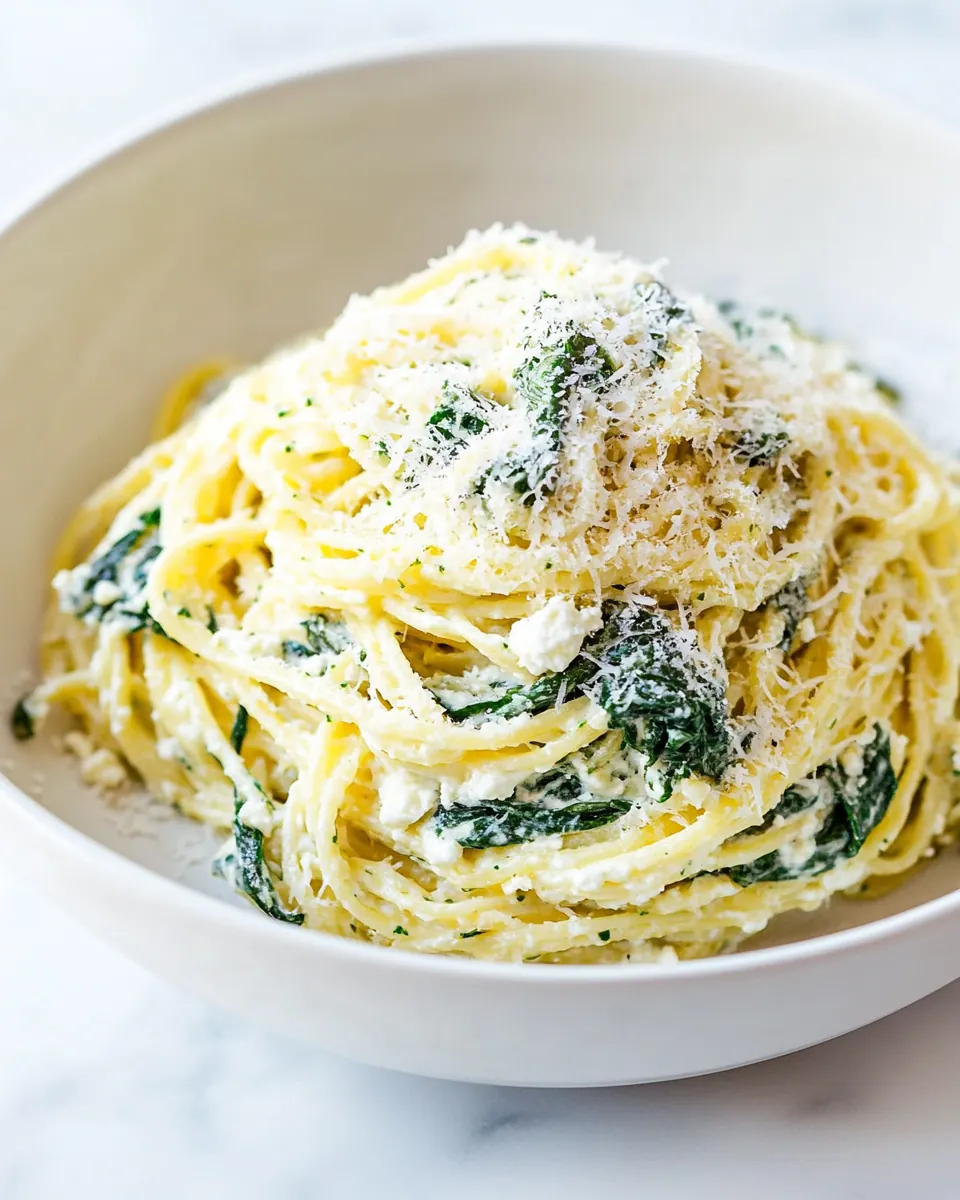
These ingredients are purposeful and minimal. I focus on creamy, high quality dairy and bright aromatics so the final dish sings without a long list of components. The key players are the ricotta cheese for texture, the Parmesan for savory depth, and the lemon plus fresh herbs for lift.
- 1 pound cavatappi pasta or similar short pasta with ridged edges like penne: Cooked to al dente, provides the tender, toothsome base that carries the creamy ricotta and bright lemon flavors throughout the dish.
- 15 ounces whole milk ricotta cheese at room temperature (must be whole milk; anything less with curdle): Silky and rich at room temperature, lends creaminess, body, and tang while emulsifying with pasta water to create a luscious sauce without overheating.
- 1/2 cup freshly grated Parmesan cheese plus additional: Freshly grated for optimal melt and umami, adds savory depth, nutty complexity, and a salty finish that balances the ricotta and lemon.
- 2 cloves garlic grated or very finely minced: Finely grated or minced to infuse a subtle pungent aroma and savory bite that brightens the sauce without large garlic pieces.
- 1/2 teaspoon kosher salt plus additional for cooking the pasta: Measured to season the sauce and pasta water, enhances overall flavor while helping to bring out the cheese and herb notes.
- 1/2 teaspoon freshly ground black pepper reduce to 1/4 teaspoon to start if not freshly ground: Freshly ground for a bright, sharp heat that complements lemon and herbs; start milder if not freshly ground to control spiciness.
- 1/2 teaspoon red pepper flakes: Pinched for quick, warm heat and a touch of complexity that contrasts the cool ricotta and fragrant herbs without overwhelming them.
- 1 small lemon zest and juice: Zested and juiced to contribute bright citrusy acidity and aromatic oils that cut through the richness and lift the entire dish.
- 1/2 cup coarsely chopped fresh basil plus additional for serving: Coarsely chopped to provide fresh herbal aroma, peppery-sweet notes, and a vibrant green contrast in texture and flavor.
- 3 tablespoons coarsely chopped fresh dill chives, or parsley, plus additional for serving: Coarsely chopped to add a fresh, herbaceous layer—choose dill, chives, or parsley for their distinct flavors and garnish potential.
Lemon Ricotta Pasta Instructions
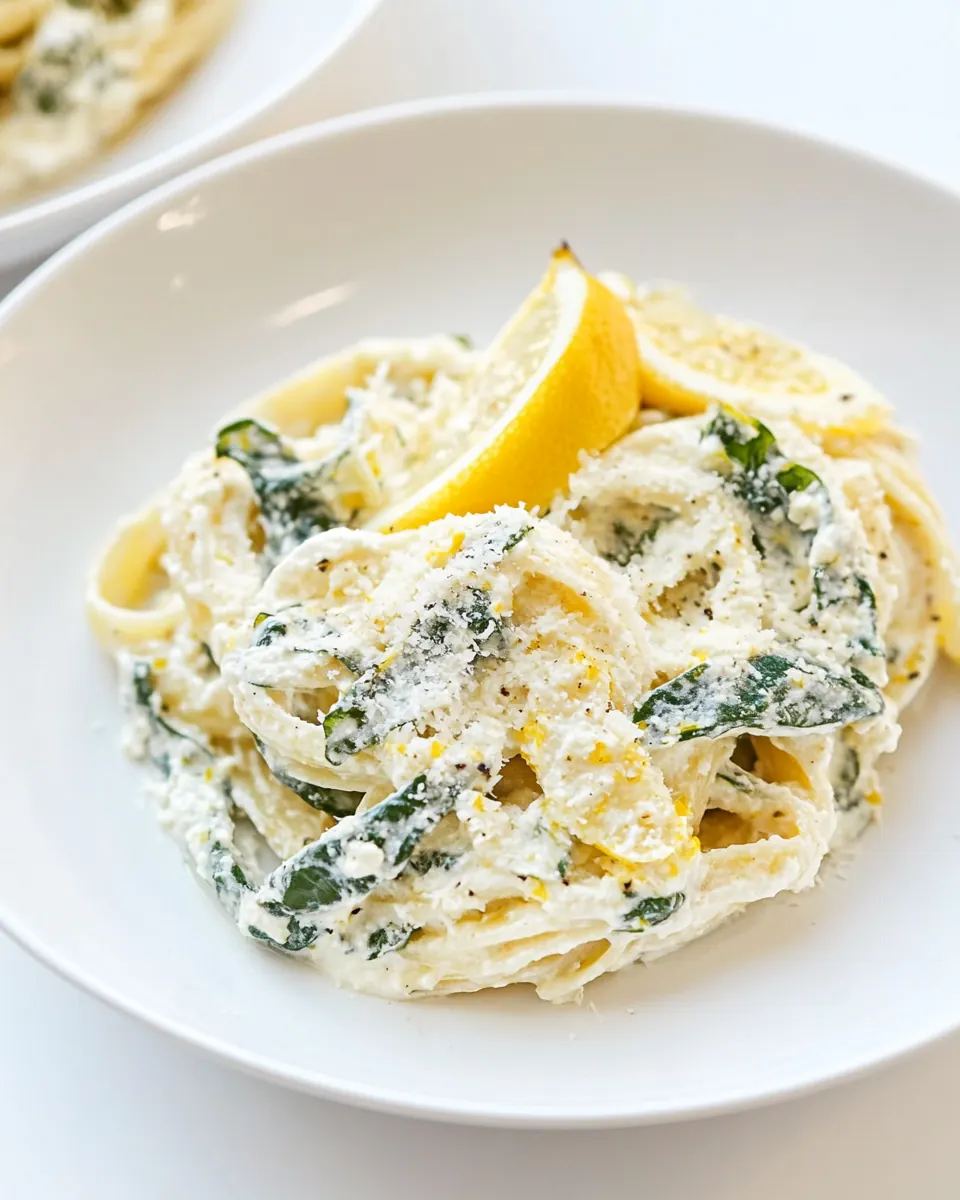
This recipe moves quickly, and the trick is to be ready when the pasta is cooked. Keep your reserved pasta water nearby, and have the warmed cheese mixture prepped so you can finish the sauce while the noodles are hot.
- Bring a large pot of salted water to a boil. Cook the pasta until al dente according to package instructions. SAVE 1 1/2 CUPS OF THE PASTA COOKING LIQUID DON'T FORGET!!!! Drain the pasta and set aside.: The moment the water hits a rolling boil you will smell the minerality that tells you it is ready, and once the pasta hits the water you should hear a steady, gentle bubbling. Cooking to al dente gives the dish a satisfyingly firm bite, and boiling in plenty of water prevents sticking. A common mistake is under salting the water; it should taste like the sea, because that is how the pasta absorbs seasoning. When draining, reserve the starchy water carefully in a heatproof measuring cup, that liquid is the secret to turning ricotta into a silky sauce. Avoid rinsing the pasta, as that strips away the starch you need to bind the sauce.
- To the same pot you used to cook the pasta, add the ricotta, Parmesan, 1/2 teaspoon salt, black pepper, and red pepper. Zest the lemon directly over the top, then squeeze and the juice. Stir to combine, then stir in 1 cup of the reserved pasta water. Continue stirring until smooth.: As you stir warm the ricotta cheese begins to loosen and absorb the flavors, and the grated Parmesan melts into a silky emulsion with the starchy water. The lemon zest releases aromatic oils that perfume the sauce, while the juice adds a bright tang. You should see the mixture become glossy and slightly fluid, not grainy, which signals proper emulsification. If the sauce appears clumpy, add more reserved pasta water a splash at a time while whisking; this rescues texture. Avoid overheating, as high heat can make the ricotta separate; keep the pot off direct high heat when finishing the sauce.
- Add the drained pasta, basil, and remaining herbs. Stir gently until the pasta is coated and you have some sauce pooling at the bottom. If needed, turn the heat to low and rewarm slightly. Taste and adjust seasoning. I add a few more pinches of salt.: When the hot pasta meets the cheese mixture you will hear a soft sizzle and see the sauce cling to each piece, forming little pools in the curves. The herbs release fresh fragrance as they warm, and tugging a forkful should show a glossy coating rather than dry crumbs. This step is where balance happens, so taste for salt and acidity and correct in small increments; adding too much salt at once is an easy misstep. If the sauce seems thin, let it sit on low heat for a minute to thicken slightly, stirring frequently to avoid sticking. If it gets too tight, a splash of reserved pasta water loosens it back up.
- Serve immediately with a sprinkle of additional Parmesan and herbs.: On the plate, the contrast of snowy ricotta and fresh green herbs is visually inviting, and the final grating of Parmesan adds a nutty perfume. Spoon the pasta into warmed bowls so the sauce stays glossy longer, and finish with a scatter of herbs for both scent and texture. A common mistake is letting the dish rest too long before serving, which cools the sauce and reduces creaminess. Serve right away so every bite is warm and bright.
Helpful Notes about Lemon Ricotta Pasta
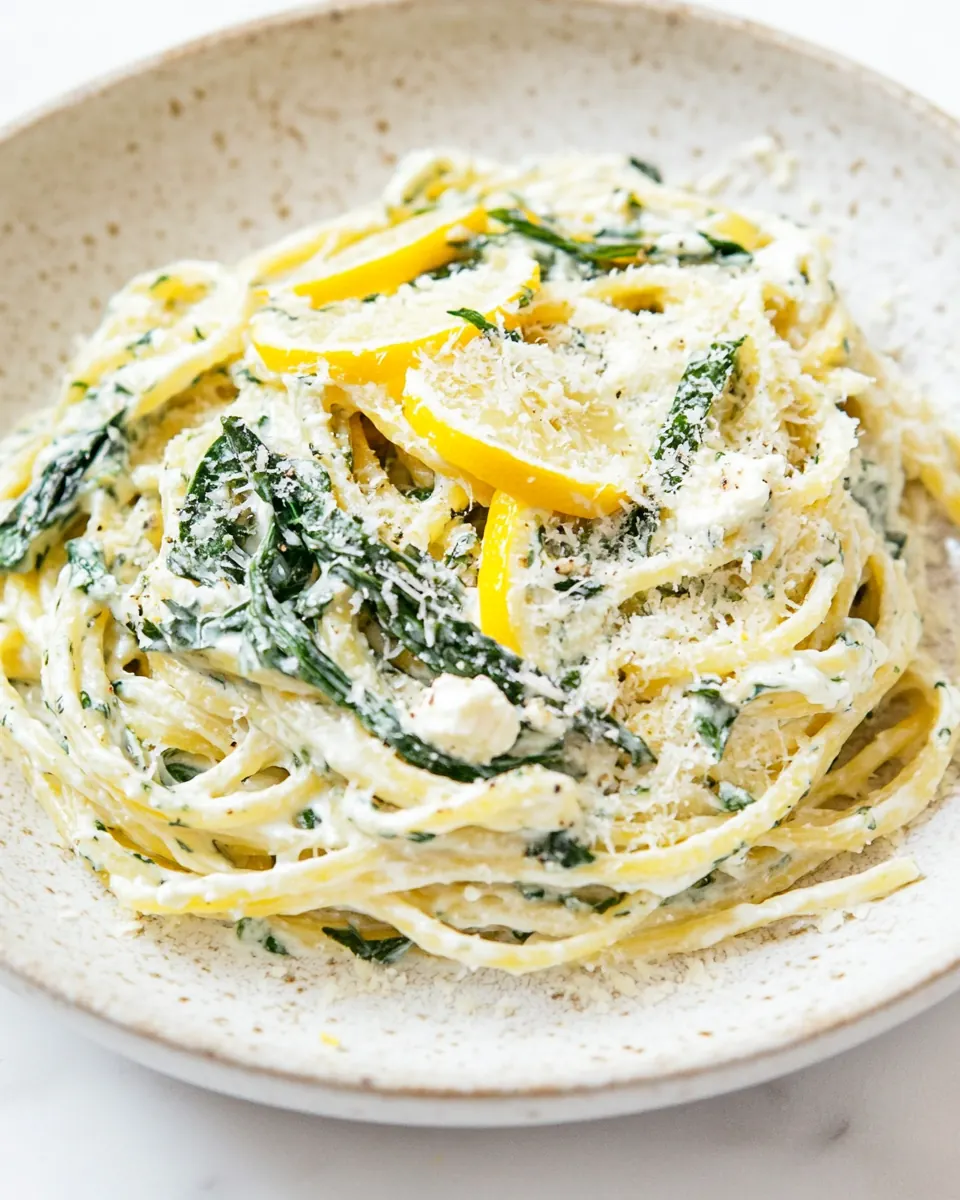
This dish is forgiving, but a few practical notes will help you nail it every time. Read through these expanded tips to understand why each choice matters and how to rescue the sauce if it misbehaves.
- Pick the right ricotta Fresh whole milk ricotta delivers a creamier, less grainy texture than low fat varieties. When you let it sit at room temperature it incorporates more smoothly into the warm pasta mixture, avoiding cold lumps that can cause uneven saucing.
- Keep pasta water handy The reserved starchy water is a tool for texture, not just liquid. Add it gradually while whisking to form a glossy emulsion, and if the sauce becomes too thin you can let it reduce briefly on low heat while stirring to thicken.
- Grate cheese fresh Freshly grated Parmesan melts more evenly and contributes a clean umami lift. Pregrated powders often contain anti caking agents that affect melting, so a quick grating yields a smoother, silkier sauce.
- Manage the heat Finish the sauce off the hottest flame to prevent separation. Gentle residual heat is enough to warm the mixture and marry flavors without breaking the ricotta, and you can always rewarm briefly on low if needed.
- Adjust pepper and chili Red pepper flakes and freshly ground black pepper can vary widely in intensity. Start modestly and add more after tasting, because once added it is hard to remove heat without diluting the dish.
What to Serve Alongside Lemon Ricotta Pasta
This pasta pairs beautifully with light accompaniments and works across occasions from a simple weeknight dinner to a relaxed weekend lunch. Think textural contrast and bright flavors to complement the creamy main.
- Simple green salad A crisp salad with a lemony vinaigrette provides crunchy contrast and echoes the citrus in the pasta, making the meal feel balanced and fresh.
- Roasted vegetables Warm roasted vegetables like carrots or asparagus add caramelized depth and make the plate more substantial for dinner occasions.
- Crusty bread A piece of warm, crusty bread is perfect for sopping any leftover sauce, and it adds a pleasant chew that complements the tender pasta.
- Occasion suggestions Serve this for a relaxed lunch, a light dinner, or as part of a spring gathering menu. Its bright profile fits well with seasonal menus and casual entertaining.
- Storage tips Store leftovers in an airtight container in the fridge for up to five days, and rewarm gently on the stovetop with a splash of reserved water to return silkiness.
FAQ
Conclusion
Lemon Ricotta Pasta stands out for its perfect balance of creamy richness and bright citrus, making it both comforting and uplifting. Give it a try on a night when you want something quick that still feels thoughtful, and you may find it becomes a regular in your rotation. Enjoy the playful contrast of textures and flavors, and share it with people you love for an effortless homemade meal.
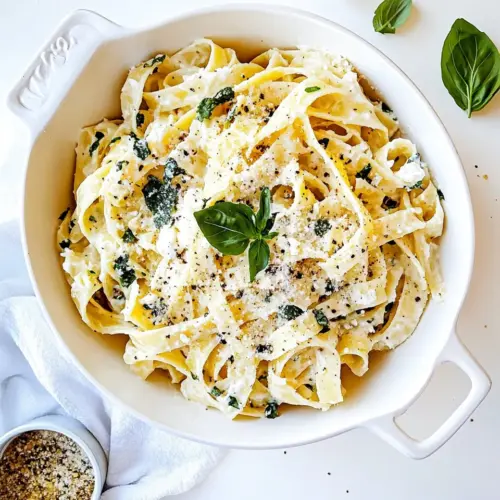
Lemon Ricotta Pasta
Equipment
- Large Pot
- Colander
- Measuring Cup
Ingredients
- 1 pound cavatappi pasta or similar short pasta with ridged edges like penne Cooked to al dente, provides the tender, toothsome base that carries the creamy ricotta and bright lemon flavors throughout the dish.
- 15 ounces whole milk ricotta cheese at room temperature (must be whole milk; anything less with curdle) Silky and rich at room temperature, lends creaminess, body, and tang while emulsifying with pasta water to create a luscious sauce without overheating.
- 1/2 cup freshly grated Parmesan cheese plus additional Freshly grated for optimal melt and umami, adds savory depth, nutty complexity, and a salty finish that balances the ricotta and lemon.
- 2 cloves garlic grated or very finely minced Finely grated or minced to infuse a subtle pungent aroma and savory bite that brightens the sauce without large garlic pieces.
- 1/2 teaspoon kosher salt plus additional for cooking the pasta Measured to season the sauce and pasta water, enhances overall flavor while helping to bring out the cheese and herb notes.
- 1/2 teaspoon freshly ground black pepper reduce to 1/4 teaspoon to start if not freshly ground Freshly ground for a bright, sharp heat that complements lemon and herbs; start milder if not freshly ground to control spiciness.
- 1/2 teaspoon red pepper flakes Pinched for quick, warm heat and a touch of complexity that contrasts the cool ricotta and fragrant herbs without overwhelming them.
- 1 small lemon zest and juice Zested and juiced to contribute bright citrusy acidity and aromatic oils that cut through the richness and lift the entire dish.
- 1/2 cup coarsely chopped fresh basil plus additional for serving Coarsely chopped to provide fresh herbal aroma, peppery-sweet notes, and a vibrant green contrast in texture and flavor.
- 3 tablespoons coarsely chopped fresh dill chives, or parsley, plus additional for serving Coarsely chopped to add a fresh, herbaceous layer—choose dill, chives, or parsley for their distinct flavors and garnish potential.
Instructions
- Bring a large pot of salted water to a boil. Cook the pasta until al dente according to package instructions. SAVE 1 1/2 CUPS OF THE PASTA COOKING LIQUID DON'T FORGET!!!! Drain the pasta and set aside.: The moment the water hits a rolling boil you will smell the minerality that tells you it is ready, and once the pasta hits the water you should hear a steady, gentle bubbling. Cooking to al dente gives the dish a satisfyingly firm bite, and boiling in plenty of water prevents sticking. A common mistake is under salting the water; it should taste like the sea, because that is how the pasta absorbs seasoning. When draining, reserve the starchy water carefully in a heatproof measuring cup, that liquid is the secret to turning ricotta into a silky sauce. Avoid rinsing the pasta, as that strips away the starch you need to bind the sauce.
- To the same pot you used to cook the pasta, add the ricotta, Parmesan, 1/2 teaspoon salt, black pepper, and red pepper. Zest the lemon directly over the top, then squeeze and the juice. Stir to combine, then stir in 1 cup of the reserved pasta water. Continue stirring until smooth.: As you stir warm the ricotta cheese begins to loosen and absorb the flavors, and the grated Parmesan melts into a silky emulsion with the starchy water. The lemon zest releases aromatic oils that perfume the sauce, while the juice adds a bright tang. You should see the mixture become glossy and slightly fluid, not grainy, which signals proper emulsification. If the sauce appears clumpy, add more reserved pasta water a splash at a time while whisking; this rescues texture. Avoid overheating, as high heat can make the ricotta separate; keep the pot off direct high heat when finishing the sauce.
- Add the drained pasta, basil, and remaining herbs. Stir gently until the pasta is coated and you have some sauce pooling at the bottom. If needed, turn the heat to low and rewarm slightly. Taste and adjust seasoning. I add a few more pinches of salt.: When the hot pasta meets the cheese mixture you will hear a soft sizzle and see the sauce cling to each piece, forming little pools in the curves. The herbs release fresh fragrance as they warm, and tugging a forkful should show a glossy coating rather than dry crumbs. This step is where balance happens, so taste for salt and acidity and correct in small increments; adding too much salt at once is an easy misstep. If the sauce seems thin, let it sit on low heat for a minute to thicken slightly, stirring frequently to avoid sticking. If it gets too tight, a splash of reserved pasta water loosens it back up.
- Serve immediately with a sprinkle of additional Parmesan and herbs.: On the plate, the contrast of snowy ricotta and fresh green herbs is visually inviting, and the final grating of Parmesan adds a nutty perfume. Spoon the pasta into warmed bowls so the sauce stays glossy longer, and finish with a scatter of herbs for both scent and texture. A common mistake is letting the dish rest too long before serving, which cools the sauce and reduces creaminess. Serve right away so every bite is warm and bright.
Notes
- Pick the right ricotta Fresh whole milk ricotta delivers a creamier, less grainy texture than low fat varieties. When you let it sit at room temperature it incorporates more smoothly into the warm pasta mixture, avoiding cold lumps that can cause uneven saucing.
- Keep pasta water handy The reserved starchy water is a tool for texture, not just liquid. Add it gradually while whisking to form a glossy emulsion, and if the sauce becomes too thin you can let it reduce briefly on low heat while stirring to thicken.
- Grate cheese fresh Freshly grated Parmesan melts more evenly and contributes a clean umami lift. Pregrated powders often contain anti caking agents that affect melting, so a quick grating yields a smoother, silkier sauce.
- Manage the heat Finish the sauce off the hottest flame to prevent separation. Gentle residual heat is enough to warm the mixture and marry flavors without breaking the ricotta, and you can always rewarm briefly on low if needed.
- Adjust pepper and chili Red pepper flakes and freshly ground black pepper can vary widely in intensity. Start modestly and add more after tasting, because once added it is hard to remove heat without diluting the dish.
