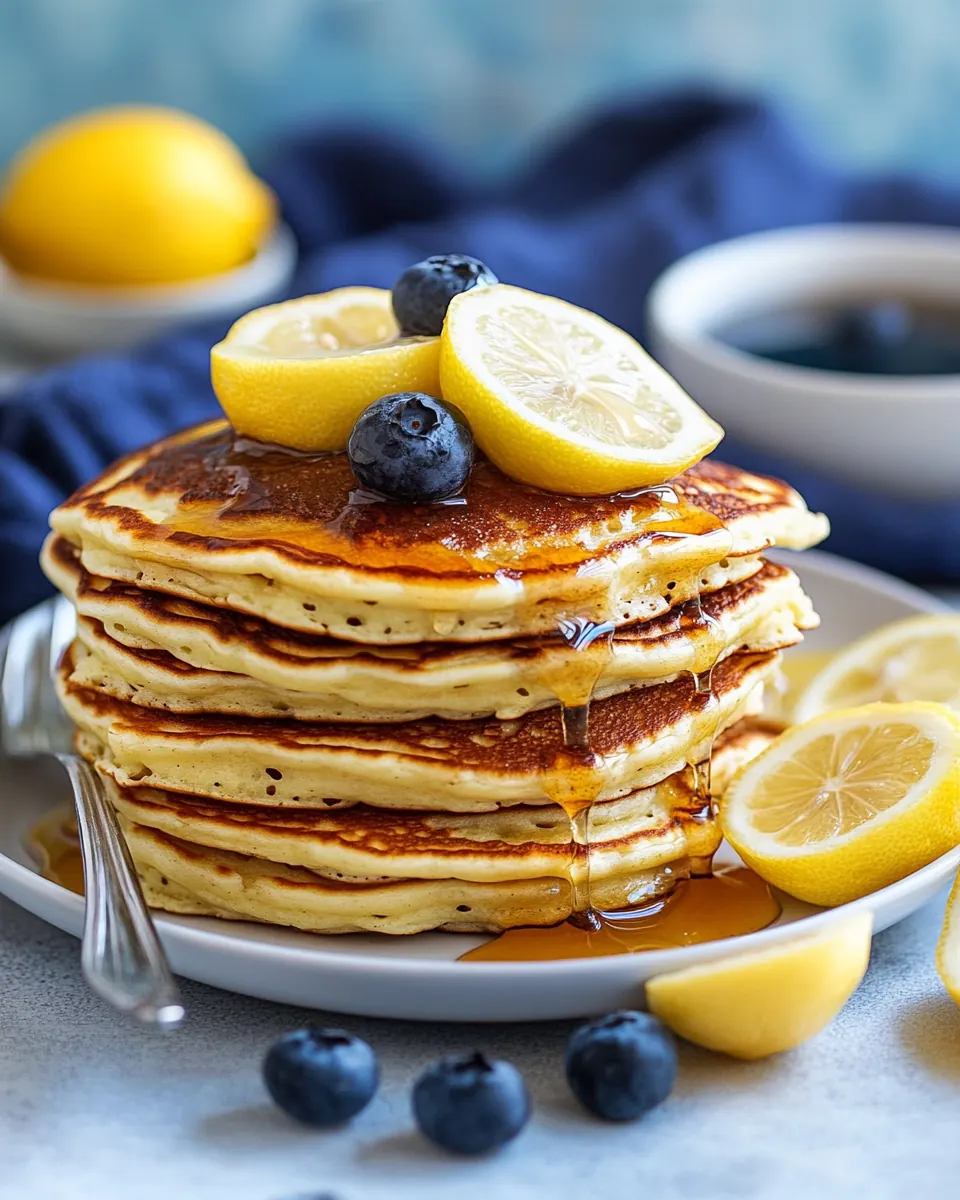
Lemon Ricotta Pancakes
Lemon Ricotta Pancakes became my go to weekend treat the moment I realized how a few simple ingredients could lift a morning into something unexpectedly bright. The first time I made them I was rushed and a little skeptical, yet the batter came together in minutes and the kitchen filled with the clean, citrusy perfume of fresh lemon and the warm, milky scent of ricotta. I remember standing over the griddle, listening to the soft hiss as the batter met the pan, feeling oddly proud of a stack that looked like it belonged in a café.
I love how Lemon Ricotta Pancakes feel both indulgent and light, they are fluffy without being heavy, and the tiny flecks of lemon zest make every bite sing. I often make them when friends drop by unexpectedly, because they require so little fuss yet look impressive stacked and slightly glossy from a drizzle of syrup. When I serve them I like to chat about the story behind the ingredients, how ricotta adds a delicate creaminess, and how the acid from lemon brightens the whole plate. Each serving always invites questions about how I get them so tender, and I happily share my little tricks.
Recipe Snapshot
25 mins
10 mins
15 mins
Medium
250 kcal
American
Gluten-Free, Low FODMAP
Breakfast
Electric griddle, Non stick skillet, Mixing bowls, Whisk, Measuring cups
What We Adore About This Lemon Ricotta Pancakes
They are effortlessly tender
I adore how Lemon Ricotta Pancakes manage to be pillowy without collapsing, thanks mostly to the creamy ricotta and just enough baking powder. I notice the crumb is moist and forgiving, so if you slightly overcook one, it still tastes wonderful. I personally find this reassuring on busy mornings when timing is imperfect.
Bright, natural lemon flavor
The combination of lemon zest and fresh lemon juice gives a layered citrus aroma and a subtle tang. I prefer zest for aroma and juice for that bright, clean lift. When I bite into these pancakes the first impression is sunny and fresh, not overly sweet, which keeps them balanced with a dab of syrup or powdered sugar.
Quick to make with pantry staples
Most of the ingredients are things I always have on hand: all purpose flour, eggs, milk, and butter. Bringing in ricotta feels a little special, yet it is often available and it transforms a routine batter into something remarkable. I love having a recipe that rewards minimal effort so generously.
Versatile for different occasions
I make these for lazy weekend breakfasts, celebratory brunches, and even weekday mornings when I need a morale boost. They pair beautifully with fruit syrups or a simple dusting of powdered sugar. I also like that you can easily scale the batter for a crowd without losing texture.
Reliably forgiving
There is a comforting margin for error here, which I appreciate. Whether the batter is whisked a moment longer or the griddle is a touch hotter, the outcome remains pleasant. That forgiving nature makes these pancakes a recipe I return to again and again.
Shopping List for Lemon Ricotta Pancakes
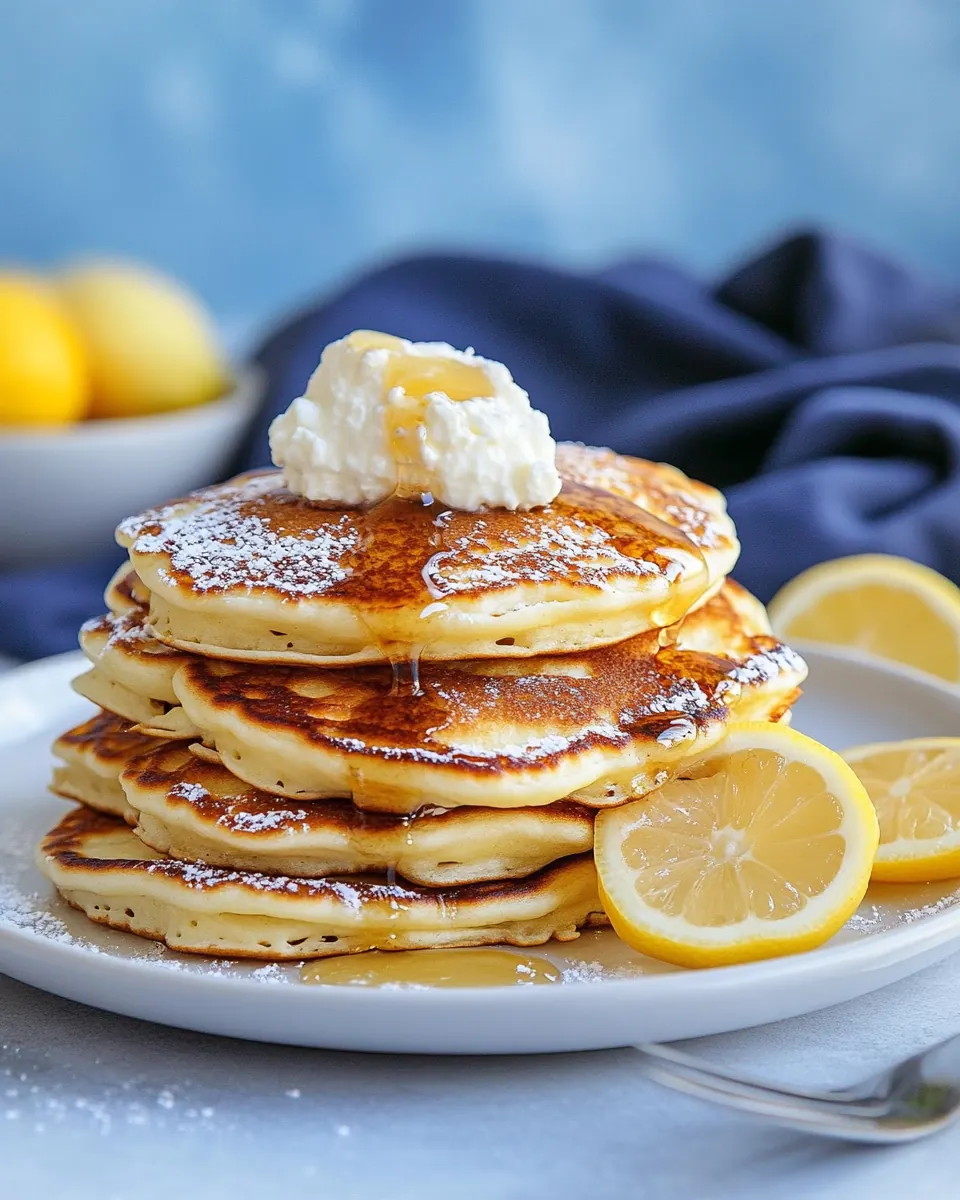
These ingredients are intentionally straightforward, each playing a clear role in the batter. The dry staples form the structure, the wet items create tenderness and lift, and the lemon elements add brightness. When they come together you get pancakes that are airy, slightly tangy, and satisfyingly soft.
- 1 1/2 cup (214 g) all-purpose flour (scoop and level to measure): Whisked to provide the structural base and bulk, all-purpose flour develops gluten that helps pancakes hold together and achieve a tender crumb when balanced with wet ingredients.
- 3 1/2 tbsp (46 g) granulated sugar: Sprinkled to add sweetness and aid in browning, granulated sugar balances the tartness of lemon and encourages caramelization on the pancake surface during cooking.
- 2 tsp baking powder: Sifted and folded into the batter to act as a leavening agent, baking powder produces carbon dioxide bubbles that make pancakes light and fluffy.
- 1/4 tsp baking soda: Measured precisely to provide mild alkaline lift and neutralize acids, baking soda helps with browning and ensures a tender interior when combined with lemon juice and ricotta.
- 1/2 tsp salt: Dissolved to enhance overall flavor and strengthen gluten just enough, salt brightens the sweet and tangy notes and balances the pancake batter.
- 1 cup (236 ml) milk: Stirred in as the primary liquid, milk hydrates dry ingredients, contributes to batter consistency, and adds richness for a softer texture.
- 3/4 cup (180 g) ricotta (low-fat or whole): Folded gently to add moisture, creaminess, and a subtle tang, ricotta contributes to a tender, slightly dense crumb and keeps pancakes moist.
- 3 large eggs: Beaten lightly to incorporate air and bind ingredients, large eggs provide structure, leavening, and richness to the batter for lift and stability.
- 1 tsp vanilla extract: Added for aromatic depth and warm sweetness, vanilla extract rounds out flavors and complements the citrus notes in the pancakes.
- 2 tbsp lemon zest (depending on how lemony you want them): Zested finely to impart concentrated lemon oils and bright citrus aroma, lemon zest delivers intense flavor without adding extra acidity.
- 1/4 cup (60 ml) fresh lemon juice: Squeezed fresh to contribute bright acidity and tang, lemon juice reacts with baking soda for lift and balances the richness of ricotta.
- 1 tbsp (14 g) butter, melted: Melted and folded in to add fat for tenderness and to help with browning, butter enriches the batter and improves mouthfeel.
The Process for Making Lemon Ricotta Pancakes
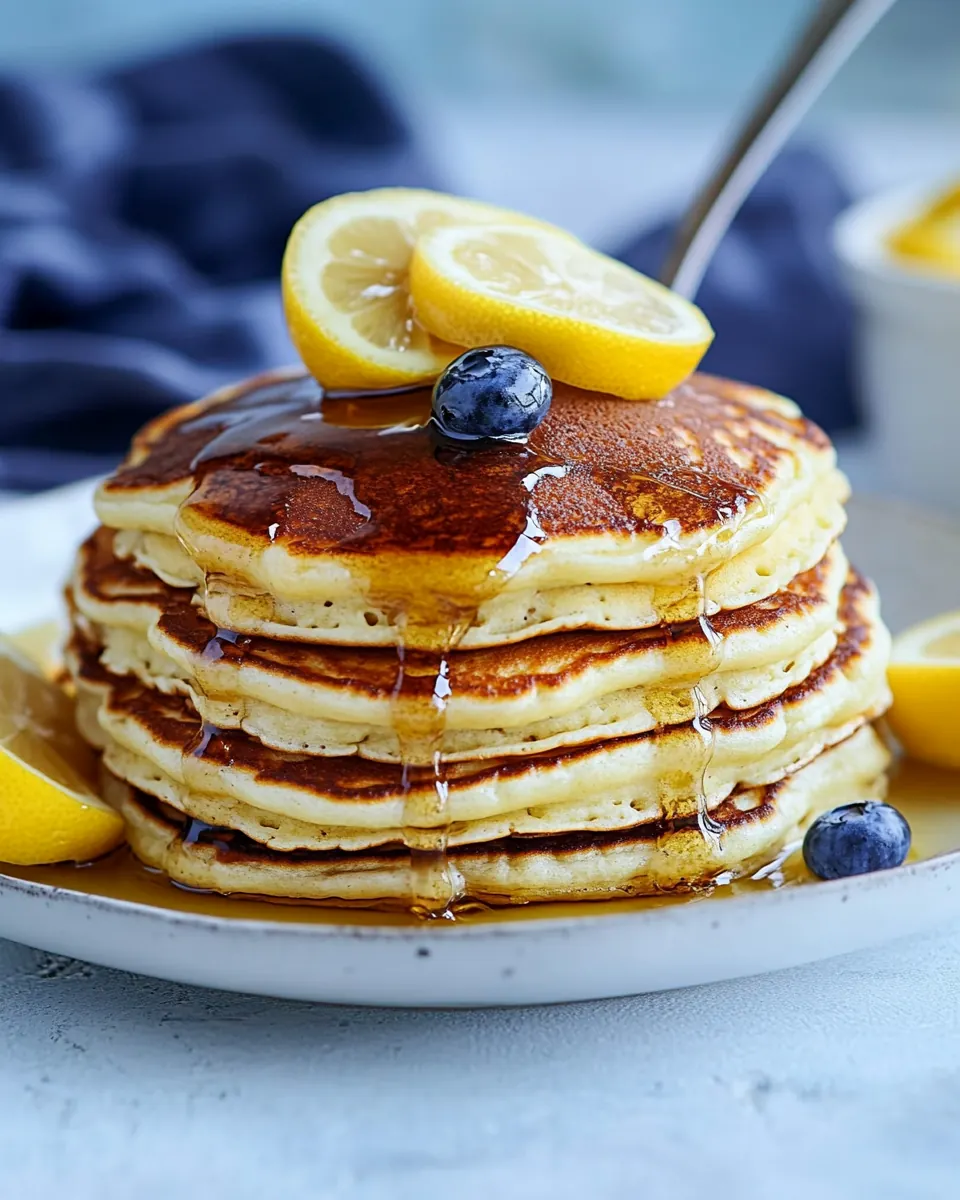
These pancakes are simple but rewarding, and the technique matters more than you might think. I walk through each phase so you notice the right visual and sensory cues, which helps ensure consistent results even if you are multitasking. Keep a watchful eye for batter texture, and trust small adjustments for the finish.
- Preheat an electric griddle to moderately-high heat (or use a non-stick skillet set over medium heat).: The scent of butter warming and the expected gentle sizzle are key signals that the pan is ready. When the surface is properly preheated you will hear a soft, steady hiss as batter hits the metal, and pancakes will form small bubbles and brown evenly. This step controls texture, because if the pan is too cool the batter will spread thin and become dense, while an overly hot surface browns too quickly leaving the center undercooked. To test heat, sprinkle a few drops of water on the surface they should bead and evaporate quickly, and a light brush of melted butter will shimmer without smoking. A common mistake is rushing this step, which yields unevenly cooked pancakes, so be patient and adjust the burner to maintain a steady medium to medium high temperature.
- In a mixing bowl whisk together flour, granulated sugar, baking powder, baking soda and salt for 20 seconds.: As you whisk the dry ingredients you will notice a uniform pale mixture, and the aroma of granulated sugar warming faintly with the flour. This blending ensures the leavening agents are evenly distributed so each pancake rises consistently. The tactile feel of a well sifted or whisks mixed dry blend is light and airy; if you detect clumps, take an extra moment to break them up. The reason this matters is that pockets of unmixed baking powder or baking soda can create uneven rise or off flavors. Avoid over mixing which compacts the flour and reduces tenderness.
- Make a well in center of flour mixture and set aside.: Creating a small well lets you pour the wet ingredients into a safe space, facilitating gentle incorporation and preserving some air in the batter. When you form the well, the edges should hold their shape and the center should be lower, creating a tidy bowl like depression. This technique reduces vigorous mixing, helping keep the final pancakes tender rather than gummy. If your dry mix looks too loose or is spilling, gently press the rim to firm it; a too shallow well can cause splashing when you add the wet mix. One misstep is skipping this structure and stirring everything aggressively, which can overwork the flour and toughen the pancakes.
- In a separate large mixing bowl, whisk together milk, ricotta, eggs and vanilla until well blended.: As you whisk these wet elements, observe the texture shift from separate components to a cohesive, slightly frothy mixture. The ricotta will break down and swirl into the milk , creating small pockets of creaminess while the eggs add viscosity and body. The aroma will be mild and milky with a hint of vanilla warmth. This blending introduces moisture and air that helps the batter finish light. Be mindful not to overbeate; a few vigorous strokes to combine is enough. If the ricotta appears overly lumpy, a brief, gentle whisk will smooth it without losing structure.
- Add butter, lemon zest and lemon juice to milk mixture and blend until combined (it will curdle a little, that's fine).: When you add melted butter , freshly grated lemon zest, and tangy lemon juice , you will notice a burst of citrus perfume and a slight change in texture as the acid reacts with dairy. That little curdling is normal and contributes to the delicate crumb, the mixture separating slightly while still holding together. The aroma at this stage should be bright and fresh with buttery notes. This acidity also activates the baking soda later, aiding lift. A typical pitfall is using bottled lemon juice which lacks brightness, so fresh juice is preferable for that sparkling taste.
- Immediately pour milk mixture into flour mixture and whisk just to combine (batter should be slightly lumpy).: After combining, inhale the combined scents of lemon , vanilla , and dairy; the batter will appear slightly thick with small lumps, and that is desirable because over mixing develops gluten, which makes pancakes tough. Use a gentle folding or whisking motion until you no longer see large streaks of flour, stopping while a few lumps remain. The consistency should be thick but pourable, similar to a loose cake batter. If it seems too thick add a splash more milk , if it is runny the pancakes will spread too thin. A common error is overmixing to full smoothness, which robs the batter of lift and yields dense results.
- Pour 1/3 cup batter onto buttered griddle or skillet and cook until bubbles begin to appear on surface and bottom is golden brown, then flip and cook opposite side until golden brown.: Listen for a gentle sizzling as the batter meets the hot surface, and watch for small bubbles to appear across the top which signal readiness to flip. The underside will develop a warm, golden brown color and a slightly crisp edge, while the top sets enough to hold form. After flipping, the second side cooks faster, and you will see steam subside and the final golden hue deepen. This sequence ensures a tender interior and a pleasing exterior texture. Avoid flipping too early which can deflate the pancake, and resist flipping repeatedly, as each turn cools the pan and interferes with consistent browning. If your pancakes brown too quickly, lower the heat slightly and allow a bit more time for the centers to finish cooking.
- Serve warm dusted with powdered sugar if desired and drizzled with maple or berry syrup.: The first sensory cue is the waft of warm lemon and browned butter, followed by the sight of steam rising from a neatly stacked pile. A light dusting of powdered sugar gives a gentle sweet counterpoint while a run of syrup adds glossy shine and an extra layer of flavor. Serve immediately to preserve the tender crumb and the contrast between the warm pancake and cool syrup. If left too long they will lose their initial texture, becoming denser and cooler. A common oversight is piling them too high and leaving the lower pancakes to steam and become soggy, so plate in small stacks and serve right away.
Variations to Try
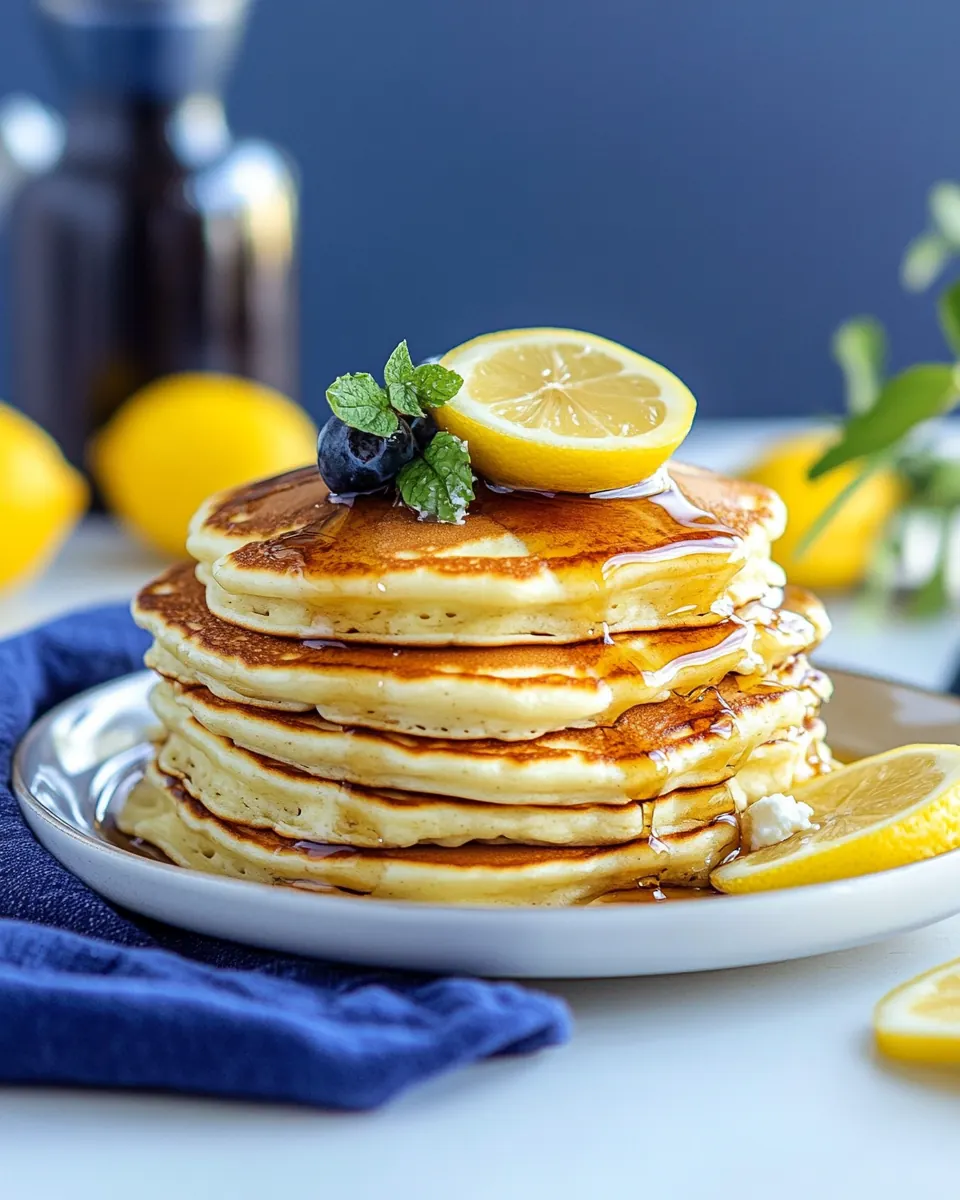
I like experimenting with small changes that accentuate the lemony profile or add complementary fruit notes. These ideas are easy to apply and each keeps the core technique intact, so you still get the signature tender texture.
- Swap the syrup Try serving with a warm berry syrup to add a tangy fruit contrast that pairs beautifully with the bright lemon notes.
- Fold in fruit Gently fold a small handful of blueberries into the batter for pockets of juicy sweetness that complement the ricotta.
- Use mascarpone Substitute ricotta with mascarpone for an extra silky, richer mouthfeel while keeping the same overall technique.
- Lighten the batter Use low fat ricotta and reduce the butter slightly for a leaner version that still holds good texture.
- Make them ahead Keep cooked pancakes warm in a low oven and reheat briefly in a skillet to refresh their surface before serving to guests.
What Goes Well With This Lemon Ricotta Pancakes
These pancakes pair with simple accompaniments that complement the citrus and creamy notes. I often choose bright syrups or fresh fruit, and I think about the occasion when planning the rest of the plate. Below I outline serving approaches and seasonal ideas to help you present them beautifully.
- Fresh fruit Serve with sliced berries or citrus segments to amplify the fresh lemon flavor and add juicy contrast.
- Warm syrups A warm maple or berry syrup adds sweetness and moisture, and the hot syrup against the warm pancakes creates a lovely interplay of temperatures.
- Casual brunch For a relaxed weekend meal, plate stacks with a small bowl of syrup and a scattering of powdered sugar, making it easy for guests to help themselves.
- Special occasions Present them with a dollop of extra ricotta and a scattering of zest for a pretty, elevated brunch centerpiece for holidays or celebrations.
- Storage tips Store cooled pancakes in an airtight container in the refrigerator for up to two days, and reheat briefly in a skillet over low heat to restore surface texture before serving.
- Seasonal pairing In spring the bright lemon flavor fits perfectly with fresh berries, while in cooler months a warm compote brings cozy contrast.
FAQ
Conclusion
These Lemon Ricotta Pancakes shine because they combine the creaminess of ricotta with bright fresh lemon, producing a tender, aromatic breakfast that feels special yet is easy to make. Give them a try the next time you want a simple but impressive stack, and you may find they become a regular addition to your brunch rotation. I hope they bring the same little moment of joy to your kitchen that they bring to mine, whether you serve them for a casual family morning or a leisurely weekend gathering.
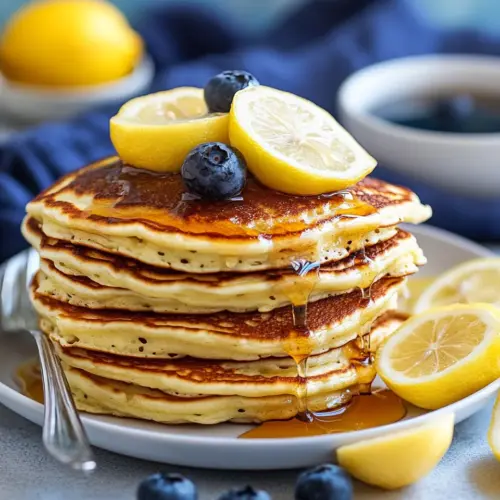
Lemon Ricotta Pancakes
Equipment
- Electric griddle
- Non-Stick Skillet
- Mixing Bowls
- Whisk
- Measuring Cups
Ingredients
- 1 1/2 cup (214 g) all-purpose flour (scoop and level to measure) Whisked to provide the structural base and bulk, all-purpose flour develops gluten that helps pancakes hold together and achieve a tender crumb when balanced with wet ingredients.
- 3 1/2 tbsp (46 g) granulated sugar Sprinkled to add sweetness and aid in browning, granulated sugar balances the tartness of lemon and encourages caramelization on the pancake surface during cooking.
- 2 tsp baking powder Sifted and folded into the batter to act as a leavening agent, baking powder produces carbon dioxide bubbles that make pancakes light and fluffy.
- 1/4 tsp baking soda Measured precisely to provide mild alkaline lift and neutralize acids, baking soda helps with browning and ensures a tender interior when combined with lemon juice and ricotta.
- 1/2 tsp salt Dissolved to enhance overall flavor and strengthen gluten just enough, salt brightens the sweet and tangy notes and balances the pancake batter.
- 1 cup (236 ml) milk Stirred in as the primary liquid, milk hydrates dry ingredients, contributes to batter consistency, and adds richness for a softer texture.
- 3/4 cup (180 g) ricotta (low-fat or whole) Folded gently to add moisture, creaminess, and a subtle tang, ricotta contributes to a tender, slightly dense crumb and keeps pancakes moist.
- 3 large eggs Beaten lightly to incorporate air and bind ingredients, large eggs provide structure, leavening, and richness to the batter for lift and stability.
- 1 tsp vanilla extract Added for aromatic depth and warm sweetness, vanilla extract rounds out flavors and complements the citrus notes in the pancakes.
- 2 tbsp lemon zest (depending on how lemony you want them) Zested finely to impart concentrated lemon oils and bright citrus aroma, lemon zest delivers intense flavor without adding extra acidity.
- 1/4 cup (60 ml) fresh lemon juice Squeezed fresh to contribute bright acidity and tang, lemon juice reacts with baking soda for lift and balances the richness of ricotta.
- 1 tbsp (14 g) butter, melted Melted and folded in to add fat for tenderness and to help with browning, butter enriches the batter and improves mouthfeel.
Instructions
- Preheat an electric griddle to moderately-high heat (or use a non-stick skillet set over medium heat).: The scent of butter warming and the expected gentle sizzle are key signals that the pan is ready. When the surface is properly preheated you will hear a soft, steady hiss as batter hits the metal, and pancakes will form small bubbles and brown evenly. This step controls texture, because if the pan is too cool the batter will spread thin and become dense, while an overly hot surface browns too quickly leaving the center undercooked. To test heat, sprinkle a few drops of water on the surface they should bead and evaporate quickly, and a light brush of melted butter will shimmer without smoking. A common mistake is rushing this step, which yields unevenly cooked pancakes, so be patient and adjust the burner to maintain a steady medium to medium high temperature.
- In a mixing bowl whisk together flour, granulated sugar, baking powder, baking soda and salt for 20 seconds.: As you whisk the dry ingredients you will notice a uniform pale mixture, and the aroma of granulated sugar warming faintly with the flour. This blending ensures the leavening agents are evenly distributed so each pancake rises consistently. The tactile feel of a well sifted or whisks mixed dry blend is light and airy; if you detect clumps, take an extra moment to break them up. The reason this matters is that pockets of unmixed baking powder or baking soda can create uneven rise or off flavors. Avoid over mixing which compacts the flour and reduces tenderness.
- Make a well in center of flour mixture and set aside.: Creating a small well lets you pour the wet ingredients into a safe space, facilitating gentle incorporation and preserving some air in the batter. When you form the well, the edges should hold their shape and the center should be lower, creating a tidy bowl like depression. This technique reduces vigorous mixing, helping keep the final pancakes tender rather than gummy. If your dry mix looks too loose or is spilling, gently press the rim to firm it; a too shallow well can cause splashing when you add the wet mix. One misstep is skipping this structure and stirring everything aggressively, which can overwork the flour and toughen the pancakes.
- In a separate large mixing bowl, whisk together milk, ricotta, eggs and vanilla until well blended.: As you whisk these wet elements, observe the texture shift from separate components to a cohesive, slightly frothy mixture. The ricotta will break down and swirl into the milk , creating small pockets of creaminess while the eggs add viscosity and body. The aroma will be mild and milky with a hint of vanilla warmth. This blending introduces moisture and air that helps the batter finish light. Be mindful not to overbeate; a few vigorous strokes to combine is enough. If the ricotta appears overly lumpy, a brief, gentle whisk will smooth it without losing structure.
- Add butter, lemon zest and lemon juice to milk mixture and blend until combined (it will curdle a little, that's fine).: When you add melted butter , freshly grated lemon zest, and tangy lemon juice , you will notice a burst of citrus perfume and a slight change in texture as the acid reacts with dairy. That little curdling is normal and contributes to the delicate crumb, the mixture separating slightly while still holding together. The aroma at this stage should be bright and fresh with buttery notes. This acidity also activates the baking soda later, aiding lift. A typical pitfall is using bottled lemon juice which lacks brightness, so fresh juice is preferable for that sparkling taste.
- Immediately pour milk mixture into flour mixture and whisk just to combine (batter should be slightly lumpy).: After combining, inhale the combined scents of lemon , vanilla , and dairy; the batter will appear slightly thick with small lumps, and that is desirable because over mixing develops gluten, which makes pancakes tough. Use a gentle folding or whisking motion until you no longer see large streaks of flour, stopping while a few lumps remain. The consistency should be thick but pourable, similar to a loose cake batter. If it seems too thick add a splash more milk , if it is runny the pancakes will spread too thin. A common error is overmixing to full smoothness, which robs the batter of lift and yields dense results.
- Pour 1/3 cup batter onto buttered griddle or skillet and cook until bubbles begin to appear on surface and bottom is golden brown, then flip and cook opposite side until golden brown.: Listen for a gentle sizzling as the batter meets the hot surface, and watch for small bubbles to appear across the top which signal readiness to flip. The underside will develop a warm, golden brown color and a slightly crisp edge, while the top sets enough to hold form. After flipping, the second side cooks faster, and you will see steam subside and the final golden hue deepen. This sequence ensures a tender interior and a pleasing exterior texture. Avoid flipping too early which can deflate the pancake, and resist flipping repeatedly, as each turn cools the pan and interferes with consistent browning. If your pancakes brown too quickly, lower the heat slightly and allow a bit more time for the centers to finish cooking.
- Serve warm dusted with powdered sugar if desired and drizzled with maple or berry syrup.: The first sensory cue is the waft of warm lemon and browned butter, followed by the sight of steam rising from a neatly stacked pile. A light dusting of powdered sugar gives a gentle sweet counterpoint while a run of syrup adds glossy shine and an extra layer of flavor. Serve immediately to preserve the tender crumb and the contrast between the warm pancake and cool syrup. If left too long they will lose their initial texture, becoming denser and cooler. A common oversight is piling them too high and leaving the lower pancakes to steam and become soggy, so plate in small stacks and serve right away.
Notes
- Swap the syrup Try serving with a warm berry syrup to add a tangy fruit contrast that pairs beautifully with the bright lemon notes.
- Fold in fruit Gently fold a small handful of blueberries into the batter for pockets of juicy sweetness that complement the ricotta.
- Use mascarpone Substitute ricotta with mascarpone for an extra silky, richer mouthfeel while keeping the same overall technique.
- Lighten the batter Use low fat ricotta and reduce the butter slightly for a leaner version that still holds good texture.
- Make them ahead Keep cooked pancakes warm in a low oven and reheat briefly in a skillet to refresh their surface before serving to guests.
